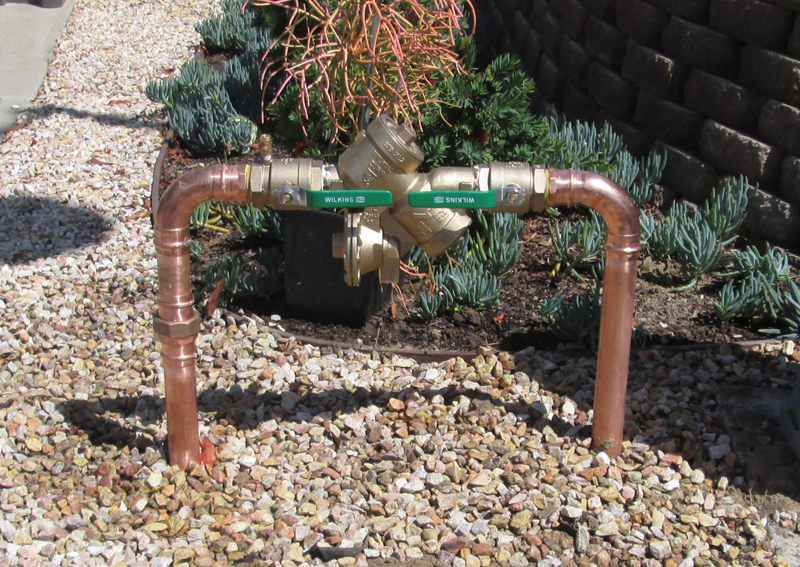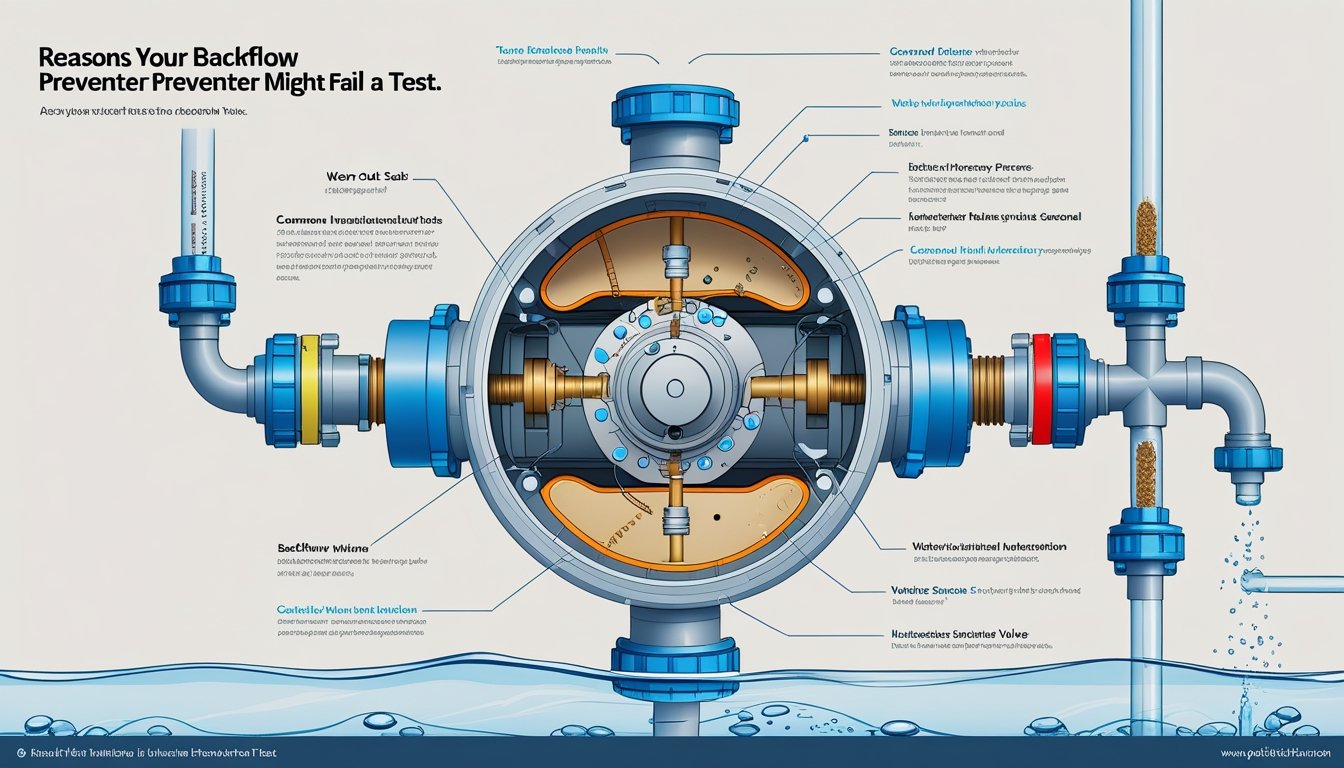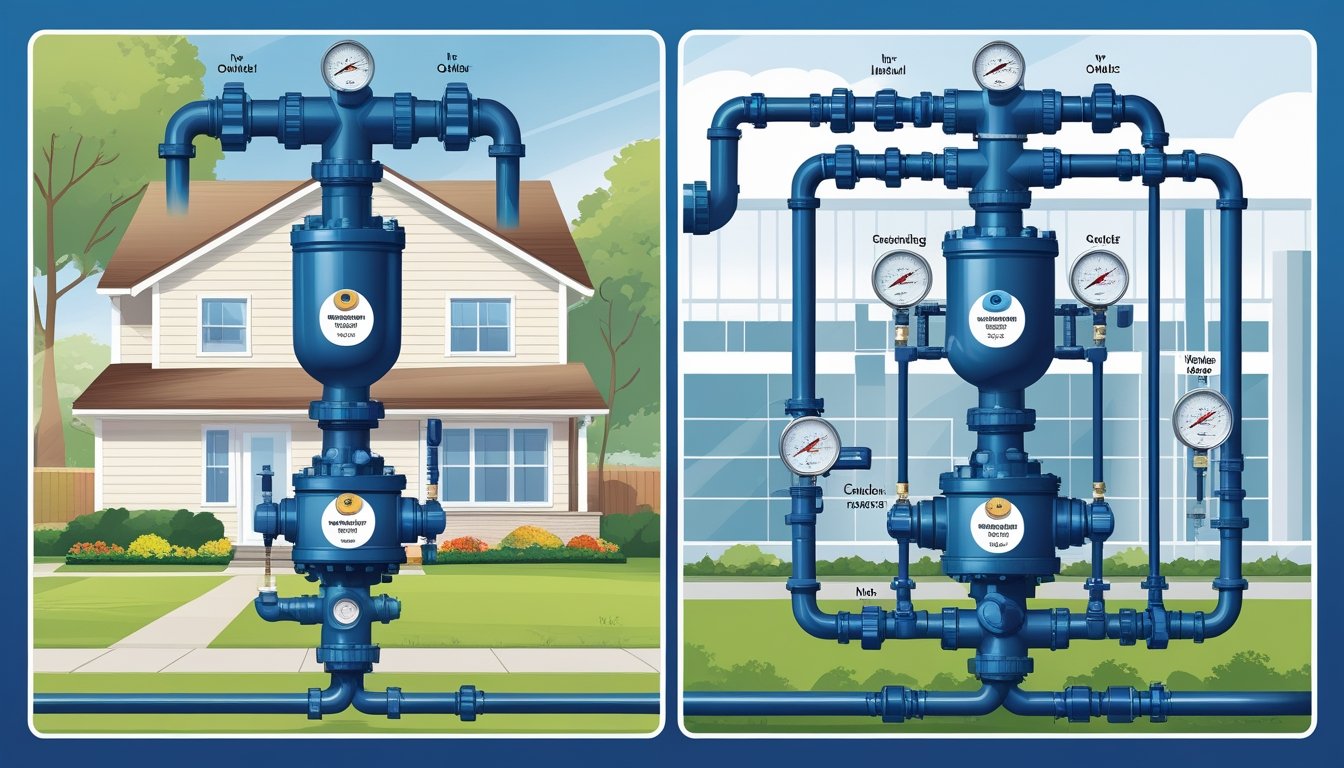


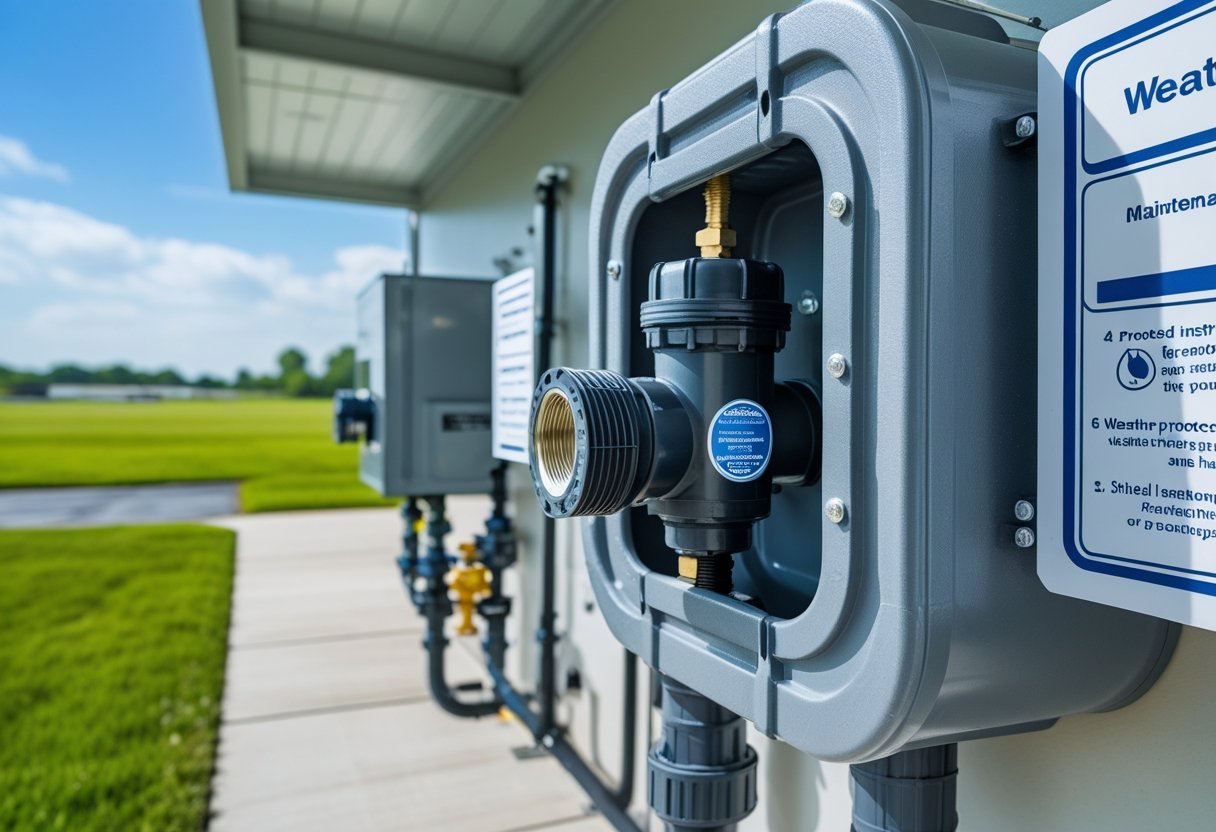
Protecting your backflow assembly from weather keeps your water system safe and running smoothly, no matter the season. Freezing temps, pounding rain, and gusty winds can mess with these devices, sometimes leading to expensive repairs or even water contamination. Honestly, the best way to prevent weather damage is to use insulation, make sure there's proper drainage, and stick to a regular maintenance routine—just to keep your backflow preventer sturdy and reliable.
Insulation keeps freezing at bay, while draining water from the system cuts down on cracks or leaks. Regular checks help you catch little issues before they turn into big headaches. Taking these steps can save you time, money, and a whole lot of hassle.
At Pacific Backflow, we get how tricky weather can be for your backflow preventer. Our crew serves all of San Diego County, offering reliable testing, repairs, and practical advice. You can relax knowing your water supply is safe, whatever the weather decides to throw at you.
Understanding Backflow Assemblies
Backflow assemblies stop dirty water from sneaking back into your clean water supply. If you know what types exist and how weather can mess with them, you’ll have a better shot at protecting your setup.
Common Types of Backflow Assemblies
You’ll probably run into a few key types of backflow assemblies:
- Double Check Valve Assembly (DCVA): Uses two check valves to stop water from reversing. It’s solid for low or moderate hazards.
- Reduced Pressure Zone (RPZ) Assembly: Has two check valves and a pressure relief valve. One of the safest options, especially for high-risk spots.
- Pressure Vacuum Breaker (PVB): Prevents back-siphonage, not backpressure. Best when water flows downward.
Each one fits a different situation, depending on the risk level and your water system’s design.
How Weather Impacts Backflow Prevention Devices
Extreme weather—think freezing cold or heavy rain—can be rough on backflow devices. Freezing splits pipes and wrecks rubber seals, leading to leaks or failures. Moisture brings on rust or corrosion, making metal parts less reliable.
What helps? Try these:
- Insulate your backflow preventer with foam or a cover made for the job.
- Keep it dry and sheltered from rain and snow.
- Check seals and moving parts often to catch damage from temperature swings.
These steps go a long way toward keeping your assemblies safe, so your water stays clean. Pacific Backflow can help with advice and services if you’re around San Diego County.
Choosing the Right Enclosures and Insulation
If you want your backflow assembly to handle whatever weather comes, you need tough materials and good insulation. Installation matters too—done right, your system stays protected through the coldest months.
Selecting Weather-Resistant Materials
Pick an enclosure made from sturdy, weatherproof stuff. Metal cages with powder coating or thick plastic covers resist rust, cracking, and fading. They keep your backflow preventer safe from rain, snow, and sun.
Ventilation matters, but so does keeping pests and junk out. A strong lock or latch helps stop theft or tampering. Since sizes vary, grab an enclosure that fits just right—snug, but with enough space to get in for maintenance.
Comparing Insulation Options
Good insulation keeps water in your backflow device from freezing up. You’ll find foam tubing, fiberglass, and polyethylene are common choices. Foam tubing is easy to use and hugs pipes tightly.
Fiberglass insulates well but takes careful installation—no gaps allowed. Polyethylene sleeves are affordable and do the trick for most folks.
If you’re in a really cold spot, pipe insulation plus heat tape is a solid combo. Most hardware stores carry these supplies, so you don’t have to hunt far.
Installation Tips for Effective Protection
Wrap insulation snugly around every exposed part. Seal up seams or joints with weather-resistant tape so cold air can’t sneak in. Make sure the enclosure leaves you enough room to peek in for quick checks.
If you can, drain water from the system before winter. Clear out debris nearby, and toss a waterproof tarp over the enclosure during heavy rain or snow.
If you’re in San Diego County, Pacific Backflow can help you sort out the best enclosure and insulation for your climate. Get it set up right, and you’re good to go.
Seasonal Maintenance and Inspection
A little seasonal care keeps your backflow assembly reliable and your water safe. Get ready for winter, check things over in spring, and keep an eye out for weather damage. That way, you dodge big repair bills and keep things running.
Winterizing Backflow Assemblies
Winter’s rough on backflow preventers. Freezing can crack pipes and wreck the unit. Insulate with foam covers or wraps made for cold weather.
Drain water from irrigation lines and outdoor pipes to stop ice from forming. Heat tape adds extra protection if you’re somewhere that gets real cold.
Check your insulation after storms or strong winds. If ice or snow piles up, clear it off carefully—don’t bang on the valves.
Spring Inspection and Preparation
When winter’s done, give your backflow assembly a careful look. Check for leaks, cracks, or worn parts from the cold. Spring’s a good time for a full inspection and test.
Clear away debris or mud so nothing blocks the device. Check valves and springs for stiffness or damage. If something’s off, get repairs or replacements done quickly.
If your winter covers look beat up, swap them out or upgrade the protection. That keeps your system ready for whatever summer throws at it.
Signs of Weather-Related Damage
Weather does a number on these devices over time. Here are some things to watch for:
- Cracks or splits in pipes and joints
- Water leaking around the unit
- Rust or corrosion on metal parts
- Valves that stick or won’t close
- Insulation that’s damaged or missing
If you spot these problems, don’t wait. Damaged assemblies can let dirty water back in. Pacific Backflow handles repairs and replacements fast. Regular checks really do help you avoid bigger headaches later.
Addressing Extreme Weather Challenges
Extreme weather? Yeah, it can really mess with your backflow assembly. Protecting against freezing temps and floods takes a few smart moves.
Protecting Against Freezing Temperatures
Freezing is brutal for backflow preventers. Water inside expands as it freezes, cracking important parts. Insulate your assembly with foam covers or jackets made for backflow devices—these help keep things stable.
If your setup allows, drain the water before a freeze. No water means nothing to freeze. Check your device regularly in winter to catch problems early.
If you’re local to San Diego County, Pacific Backflow can set up custom insulation that fits your system. Keeping your assembly warm during cold snaps saves you money and headaches.
Safeguarding from Rain and Flooding
Heavy rain and floods can swamp your backflow preventer, risking contamination or damage. If you can, raise your device off the ground using a platform or stand—get it above typical flood levels.
Keep the area around your backflow clear of junk, and make sure water drains away. If you’re in a flood zone, think about a protective cage or cover to keep water and dirt out.
Check for corrosion or leaks after wet weather. If you see trouble, get repairs done fast. Pacific Backflow handles inspections and repairs so you’re not left worrying.
Long-Term Care and Monitoring Strategies
Protecting your backflow assembly from weather isn’t a one-and-done deal. It takes regular attention and a bit of tech to stay ahead of problems.
Implementing a Maintenance Schedule
Set up a maintenance routine for your assembly. Test your device at least once a year to catch leaks, cracks, or freeze damage before they get worse.
Maintenance means cleaning, checking valves, and looking over insulation or covers. Before winter, make sure your insulation’s holding up—replace it if it’s not. Pacific Backflow’s techs can do quick checks if you hear weird noises or notice water pressure drops.
Use a calendar or phone reminders to stay on top of inspections. Regular checks help you avoid emergencies and keep up with local water safety rules.
Utilizing Weather Monitoring Tools
Weather apps and alerts make it easier to prepare before storms or freezes hit. Set alerts for sudden cold snaps or heavy rain—those are the times pipes freeze or flood.
When you get a warning, double-check your backflow device: is the insulation tight, is water draining away? Some systems even let you add remote sensors that ping your phone if pressure or temperature goes weird. That gives you a head start on repairs.
Staying proactive helps you protect your system all year, especially with San Diego’s unpredictable weather.
Frequently Asked Questions
Protecting your backflow assembly from winter means doing more than just throwing a cover over it. You need to drain, insulate, and check it before and after the cold hits. That way, you avoid nasty surprises.
What are the most effective ways to shield my backflow preventer from freezing temperatures?
Shut off the water supply to the backflow preventer if you know a freeze is coming. Drain out all the water to keep ice from forming inside. Insulation helps keep things from getting too cold.
Check the assembly during winter to catch issues early. Not sure what to do? It’s worth calling a pro for advice.
Can you suggest some weatherproof covers suitable for backflow preventers?
Go for heavy-duty, insulated covers—plastic or foam works well. They wrap tight to keep out wind and moisture. Some are even custom-fit for your specific device.
Skip the thin or loose covers—they just blow away or let cold air in. A solid cover really does make a difference.
What steps should I take to properly prepare my backflow preventer for the winter season?
First, shut off the water supply feeding the device. Open all relief valves and drain out every drop. Take off any hoses or attachments.
Once it’s dry, wrap it up with insulated covers. Make sure there’s no water left inside—it’ll freeze and crack the assembly if you miss some.
How do I drain my backflow preventer to prevent freeze damage?
Turn off the shut-off valves on both sides. Open the drain plugs or relief valves and let everything empty out.
Opening test cocks can help get rid of trapped water faster. Just be gentle so you don’t break anything.
Are there any insulation techniques to help protect backflow assemblies in cold weather?
Absolutely. Wrap foam pipe insulation around pipes leading to your backflow preventer. Then cover the whole thing with an insulated, weatherproof cover or foam wrap.
Heat tape works too—just follow the instructions if you use anything electric. It’s not complicated, but a little care goes a long way.
What should I do if my backflow preventer has been exposed to severe weather?
Take a close look at the device—check for cracks, leaks, or anything that looks off. If something seems wrong, it’s probably best to call in a pro from Pacific Backflow. They work all over San Diego County and can fix or swap out your backflow preventer so your water stays safe.
Don’t put off dealing with damage from cold, wind, or moisture. Even little problems can snowball into bigger, pricier headaches down the road.