

Protecting Your Family
People in the U.S. drink more than one billion glasses of tap water every day. Clean water is essential. Water suppliers must deliver safe drinking water, but once water enters an end user’s plumbing, problems can happen. Think of it this way: all users are connected to the distribution system. So it is a risk to everyone when any individual user's plumbing system contains chemicals, pathogens, bacteria, or other contaminants. These can flow back into the community drinking water during reverse flow incidents, which happen more often than we might think.
What backflow is and why it matters
- Backflow is when water flows the wrong way—from your plumbing back into the public water system.
- It can happen from backpressure (pressure pushing water back) or backsiphonage (suction pulling water back).
- A cross-connection is any link between drinking water and something that could contaminate it (chemicals, dirt, waste).
- If contaminated water flows back into pipes, it can make people sick. There have been illnesses and deaths from backflow, so preventing it is important.
Can backflow happen in your home?
Yes. Even though plumbing codes include protections, household cross-connections still occur. Many of them are easy to prevent.
Common home risks and how to fix them
- Toilets: Make sure toilet fill valves have an air gap. The fill valve’s critical level should be at least 1 inch above the overflow pipe and the refill tube must discharge above the overflow pipe. This keeps tank water and contaminants from being sucked into the pipes.
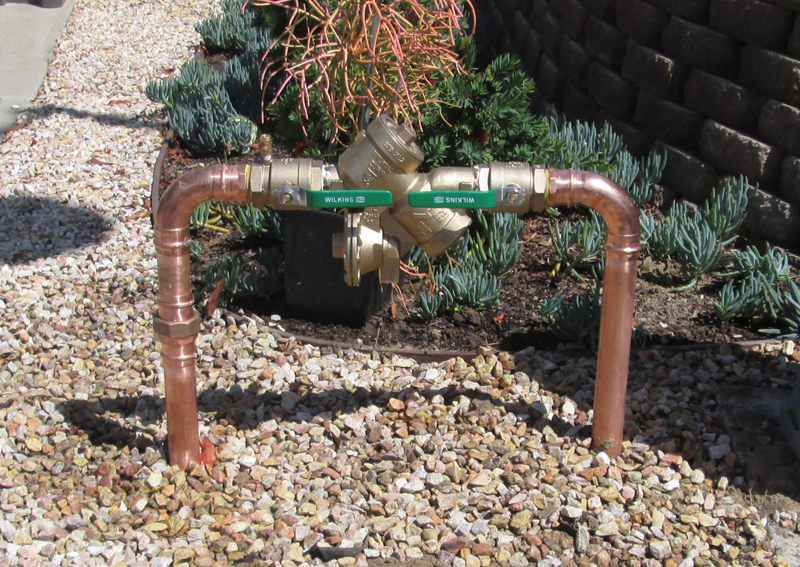
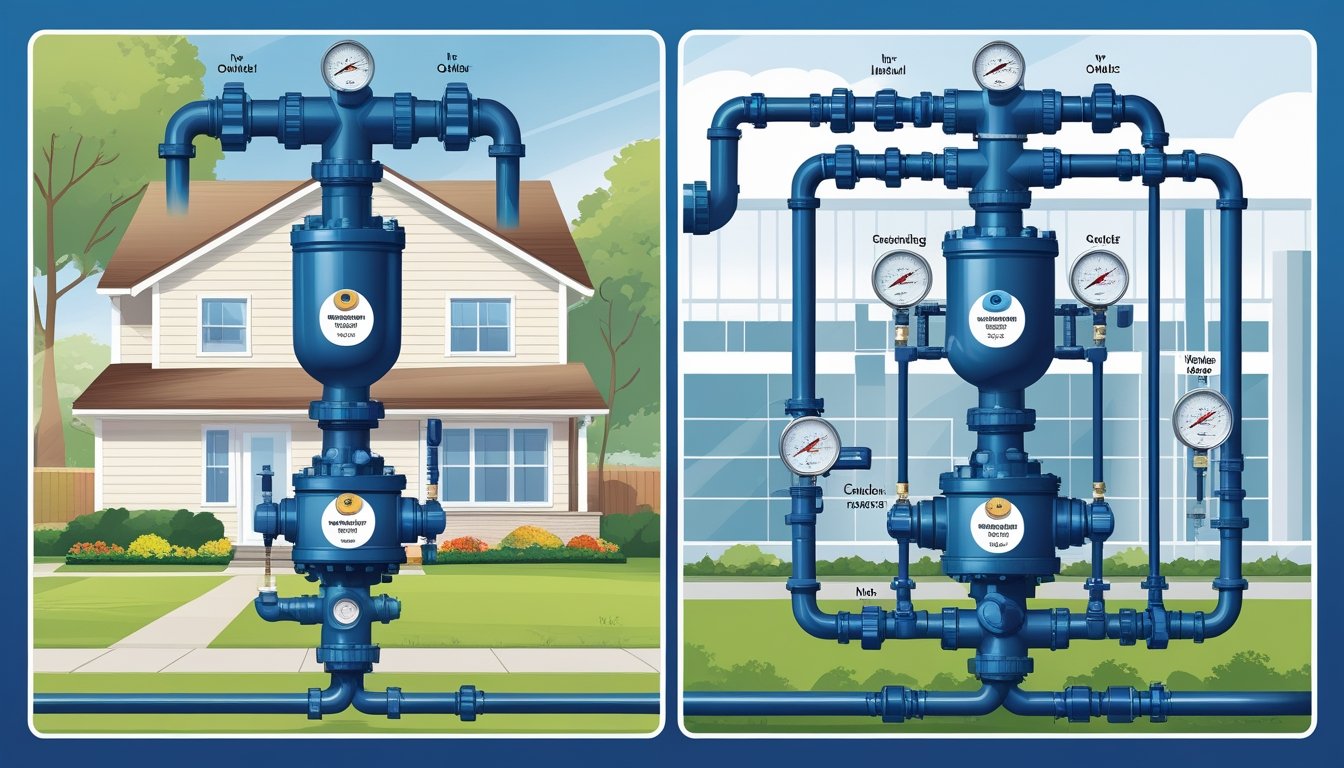
- Irrigation sprinkler systems: Use either an atmospheric vacuum breaker (AVB) for each zone or a pressure vacuum breaker (PVB) upstream of the whole system. AVBs must be installed vertically at least 6 inches above the highest sprinkler head and not be under pressure more than 12 hours in any 24-hour period. PVBs must be vertical and at least 12 inches above the highest sprinkler head. Pools should be filled with a PVB or a reduced pressure principle (RPP) backflow preventer.
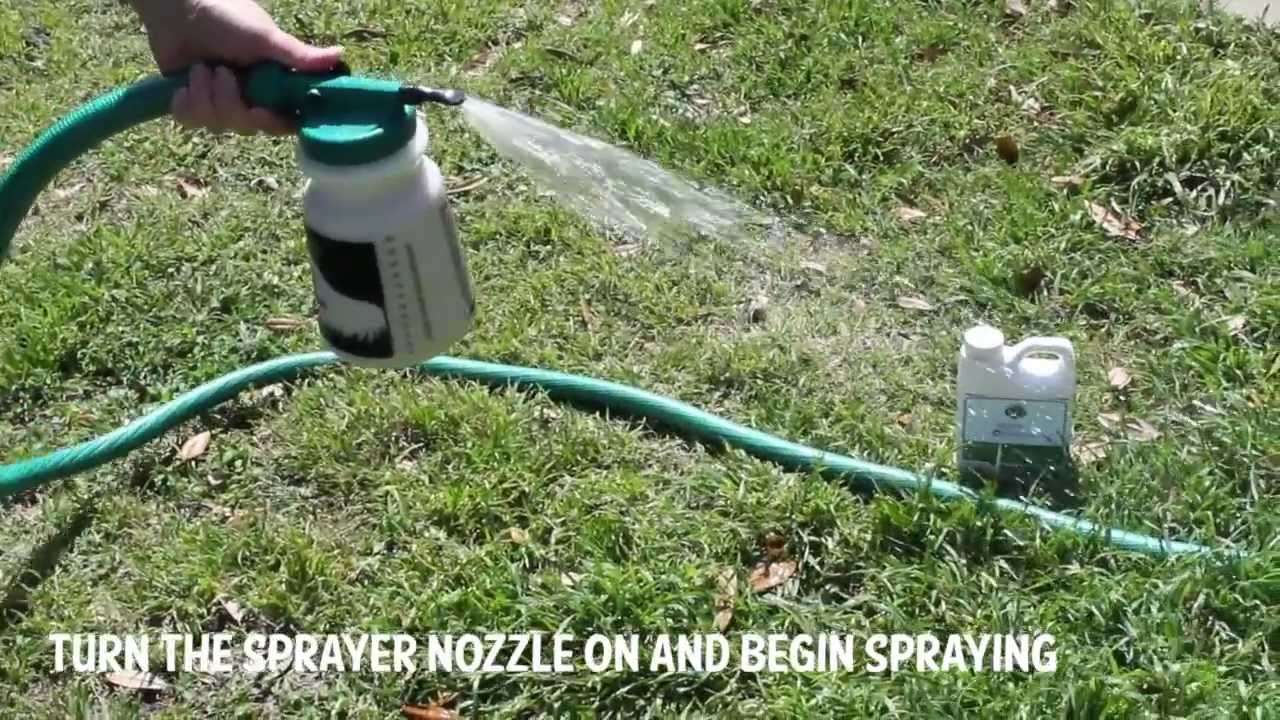
- Garden hoses: Attach a hose bibb vacuum breaker to every outdoor faucet. Hoses can bring pesticides or chemicals into your home water. There was even a case where a hose pulled in poison from an exterminator’s barrel during a water main break.
- Laundry sinks and utility tubs: Do not connect hoses to the faucet outlet. The faucet outlet should be at least 1 inch above the sink overflow to create an air gap and prevent siphoning of dirty water into your plumbing.
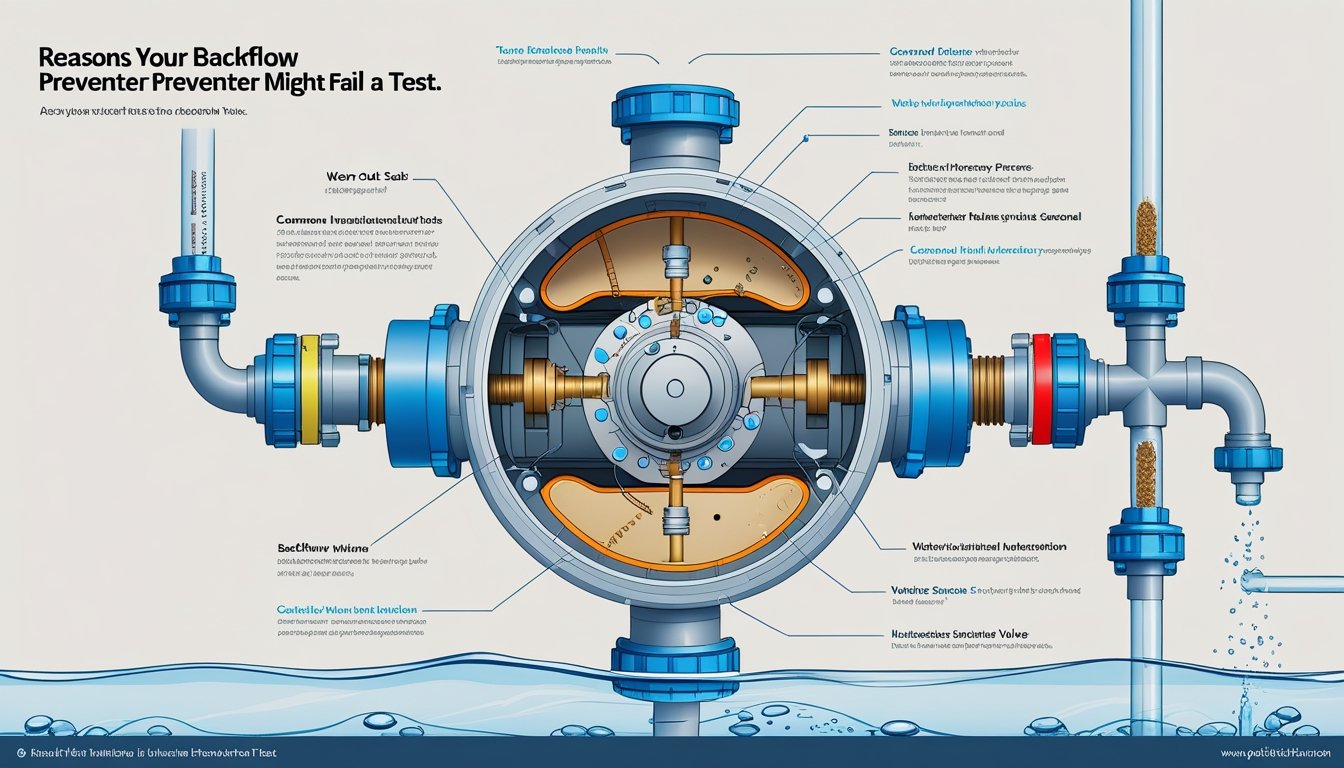
- Secondary water sources (wells, untreated supplies): Keep these separate from your drinking water. If they are connected, install a reduced pressure principle (RPP) backflow preventer and have it tested and maintained regularly. Your water district may require an RPP at the meter.
When to call a professional
If you’re not trained or comfortable doing plumbing or backflow work, hire a licensed, insured plumbing contractor to inspect and install the correct devices.
Adding and maintaining these backflow prevention measures will help protect your children, pets, and neighbors—doing this is a simple step toward safer water for everyone.