

### Clean Water: Something Worth Protecting
In the United States, clean water is easy to take for granted. We turn on a faucet, and water is there—ready for drinking, cooking, bathing, and more. But if water systems are not carefully protected, this everyday convenience can turn into a serious health risk.
### Why Tap Water Is Usually Safe
Tap water is generally safe because water suppliers must follow strict federal and state rules. They clean and disinfect the water and make sure it stays safe while it travels through public pipes to homes and buildings.
But here’s the catch: once water enters a building—like a house, school, factory, or farm—the water supplier no longer controls what happens inside that plumbing.
### The Hidden Danger: Backflow
The connection between a building’s plumbing and the public water system can be risky. In some situations, water can flow **backward** from a building into the public supply. This is called **backflow**.
**Backflow** means unwanted water—or even harmful substances—flowing back into clean drinking water. If that happens, it can affect not just one building, but many people who share the same water system.
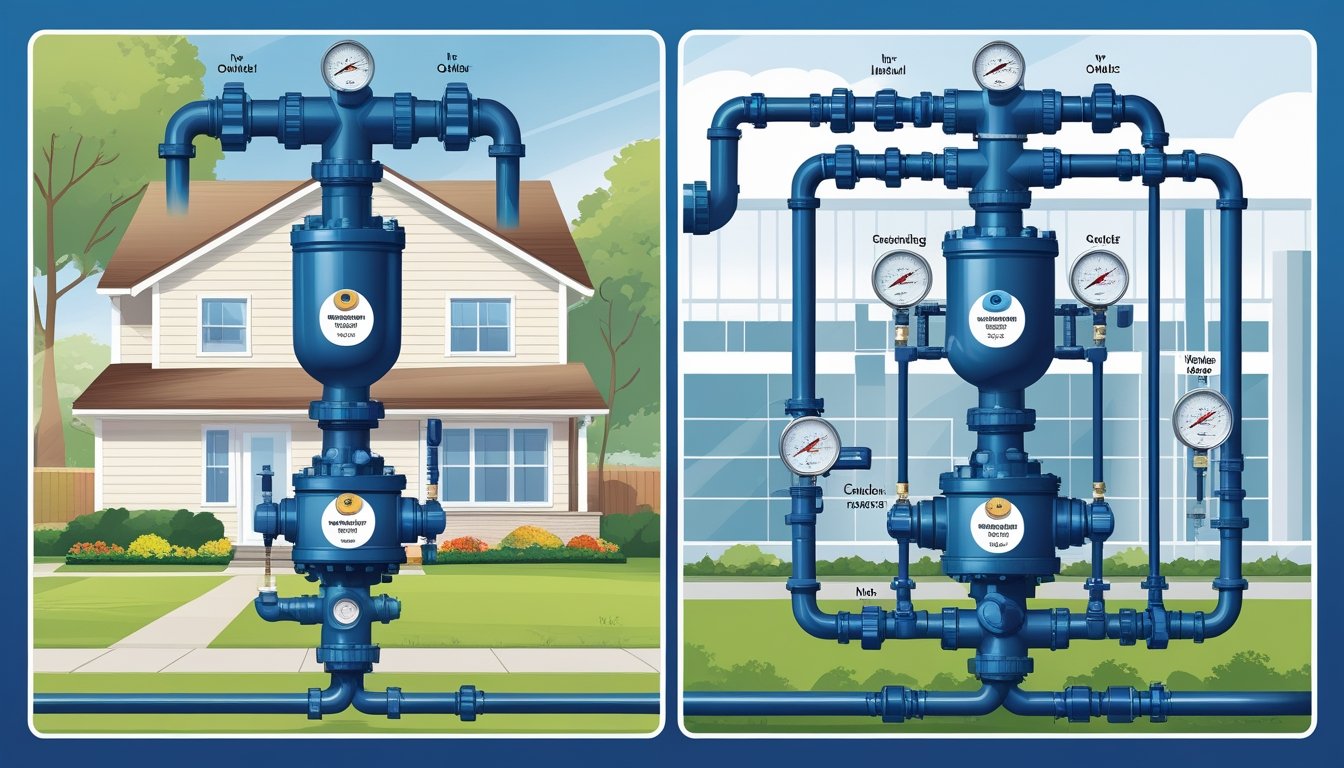
To protect public health, water suppliers require **backflow prevention devices** in places where there is a higher risk of contamination.
### How Does Backflow Happen?
Water usually flows one way: from the supplier to the user. But sometimes, pressure changes cause problems.
There are two main ways backflow can occur:
1. **Backsiphonage**
This happens when water pressure in the public system drops. For example, a broken water main or firefighting can cause water to be “pulled” backward from nearby buildings.
2. **Backpressure**
This happens when pressure inside a building is higher than the pressure in the public system. Equipment like pumps, boilers, or storage tanks can push water backward into public pipes.
If that water contains chemicals, bacteria, or other pollutants, they can spread through the water system and reach other users.
### What Is a Backflow Preventer?
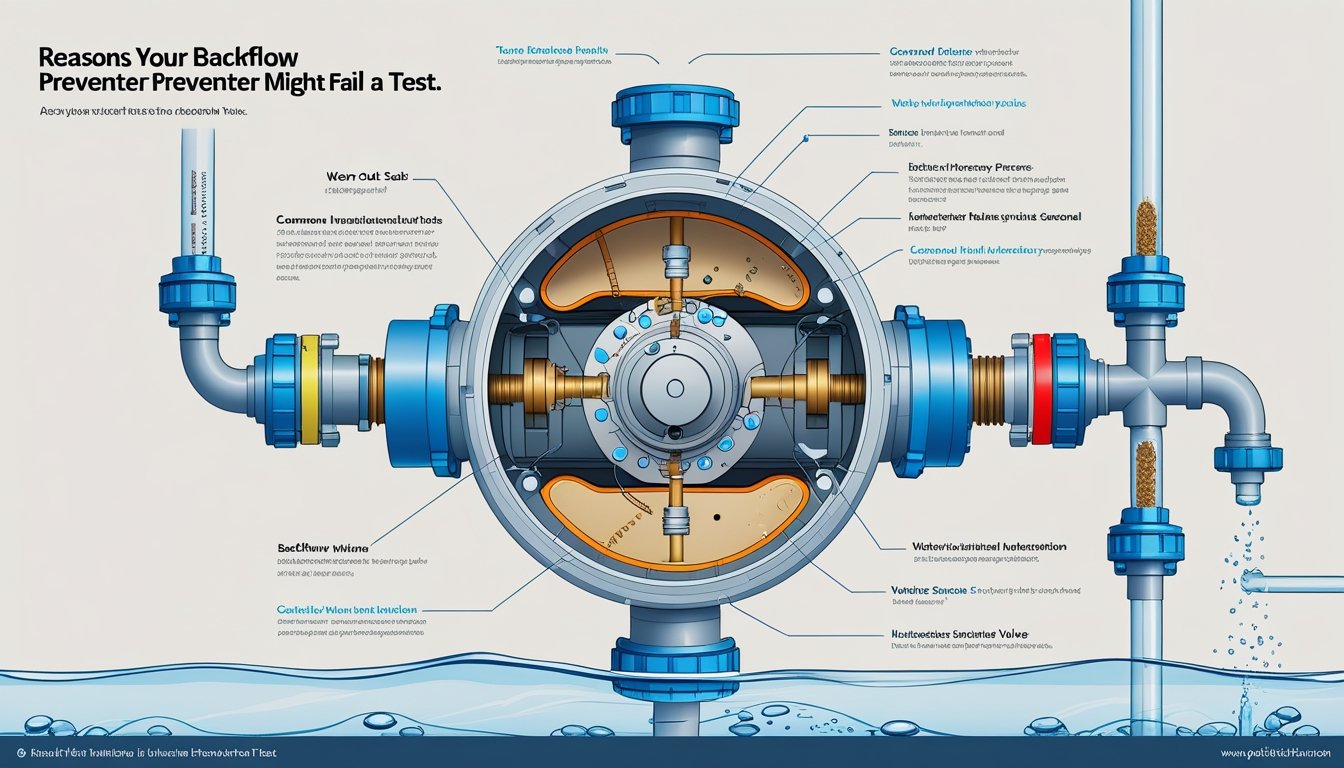
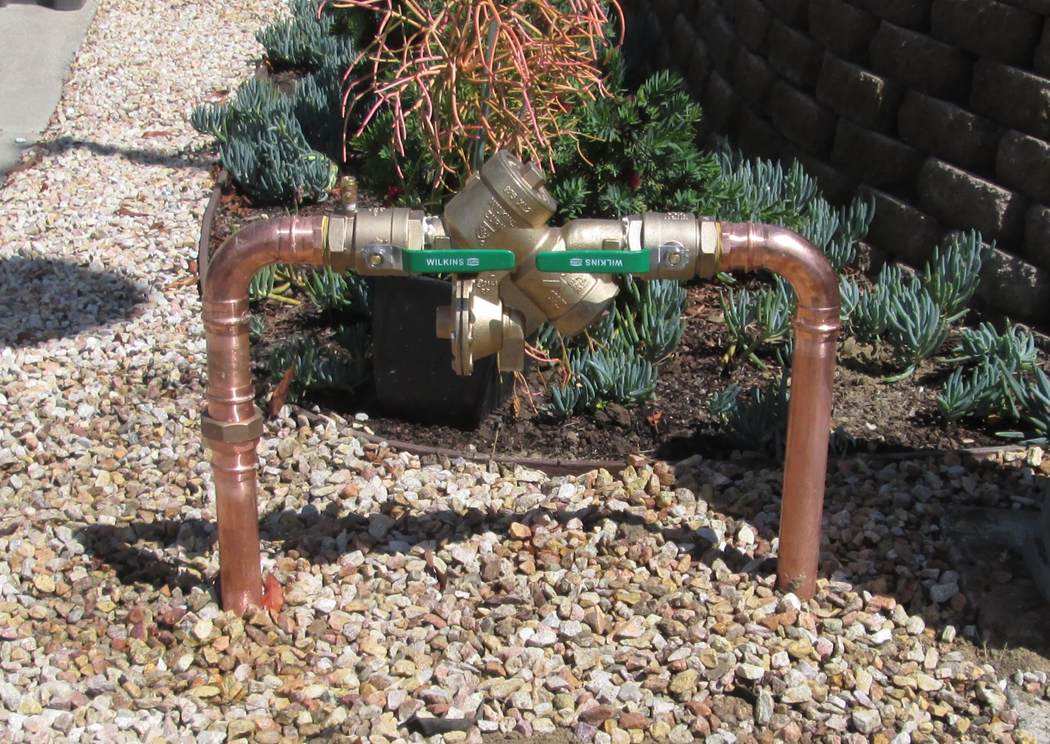
A **backflow preventer** is a mechanical device that stops water from flowing backward. It creates a safety barrier between a building’s plumbing and the public water system.
These devices are carefully tested and approved to make sure they work properly. In many areas, including San Diego County, only backflow preventers approved by the University of Southern California (USC) can be used.
### Why Testing Matters
Backflow preventers are machines—and machines can fail. Since these devices protect public health, they must be tested:
* When first installed
* At least once every year
If a device fails a test, it must be repaired and tested again right away.
### Who Tests These Devices?
Only **certified backflow testers** are allowed to test backflow preventers. These professionals are trained in how the devices work, how to test them, and how to fix them. They must pass written and hands-on exams and renew their certification every few years.
### Working Together to Protect Water
Keeping drinking water clean takes teamwork. Water suppliers, building owners, and certified testers all play a role. When everyone does their part, we help protect our water—and make sure safe, clean water keeps flowing from our taps.
Clean water doesn’t just happen. It’s protected every day.