

If you want to keep your home’s water safe to drink and use every day, regular water safety inspections are a smart choice. These inspections help spot any problems with your plumbing system that could let dirty water mix with your clean water.
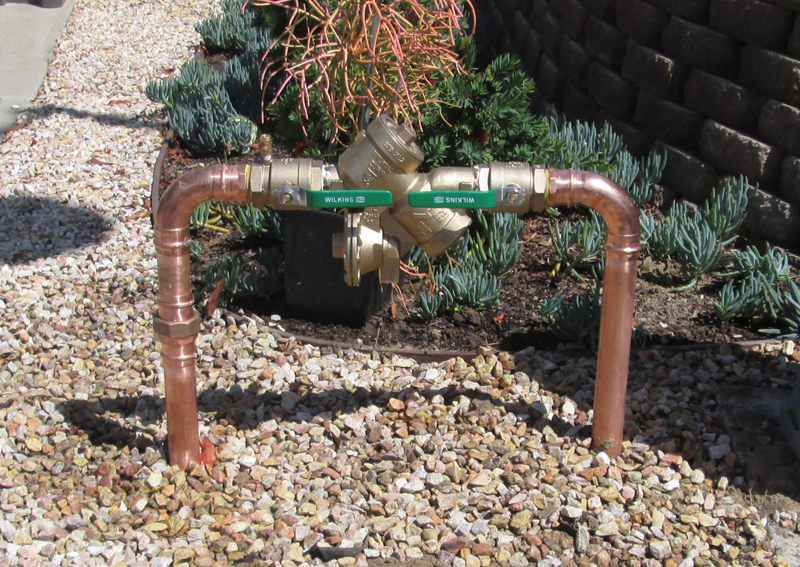
The most important part of a residential water safety inspection is checking devices that prevent backflow. These devices stop contaminated water from flowing back into your clean water lines.
Getting your water system inspected yearly can prevent costly repairs and health hazards. A simple test can show if your backflow preventer works well, so you don’t have to worry about strange tastes, smells, or leaks in your water supply.
Keeping up with these checks protects your family and helps you follow local rules for safe water.
What Are Residential Water Safety Inspections?
When you think about keeping your home safe, checking your water system is very important. These inspections help find problems like contamination risks or broken parts that could affect your drinking water.
Knowing what inspections involve, the different types, and who should do them can help you keep your water clean and safe.
Definition and Purpose
Residential water safety inspections look closely at your home's water system. Their main goal is to make sure your water stays clean and free from harmful contaminants.
Inspections check for things like leaks, backflow prevention devices, and any damage that could let dirty water mix with your clean water.
You want to prevent health issues and avoid costly damage by catching problems early. A good inspection also ensures your system meets local rules.
Types of Inspections
There are different kinds of water safety inspections you might need for your home:
- Backflow Testing: This checks devices that stop dirty water from flowing backward into your clean water.
- Leak Inspections: These find plumbing leaks that can lead to water waste or mold.
- Visual Inspections: A simple look-over to spot signs of wear, damage, or corrosion on pipes and devices.
Annual backflow testing is often required by local water authorities. Regular inspections help prevent contamination and keep your system working well.
Who Performs Inspections
Certified professionals usually perform these inspections. They have special training to test and maintain backflow preventers and other key parts of your plumbing.
You want to hire someone licensed or certified by your local water authority or a plumbing organization. This ensures they know the rules and use the right tools.
Sometimes, your local water company may offer inspection services or recommend trustworthy experts. Doing inspections with qualified personnel keeps your water safe and helps you meet local laws.
Importance of Water Safety in Homes
Water safety helps keep your family healthy, avoids legal issues, and protects your home’s value. Regular inspections make sure your water is clean and your plumbing is working right.
Health Risks from Unsafe Water
Unsafe water can carry harmful bacteria, viruses, and chemicals. This can cause illnesses like stomach bugs, skin infections, or more serious diseases.
When backflow happens, dirty water can flow back into your clean water supply, raising health risks. You might not see contamination, but it can still be there.
Regular inspections catch issues early, so you avoid drinking or using unsafe water. Keeping your water system well-maintained protects your family from preventable health problems.
Regulatory Compliance
Your local laws often require inspections and testing of backflow prevention devices. Following these rules helps keep your community’s water safe.
If you don’t comply, you might face fines or be forced to fix problems quickly. Records of inspections and tests must be kept and shown when asked by officials.
Staying up-to-date with certification and inspection rules helps you avoid penalties and ensures your water system meets safety standards.
Long-Term Benefits for Homeowners
Regular water safety inspections save you money by preventing costly repairs and water damage. Catching leaks or backflow problems early prevents bigger plumbing issues later.
Safe water improves your home’s value and makes it more appealing to buyers. Peace of mind knowing your water is clean is important for your family’s well-being every day.
Key Steps in a Residential Water Safety Inspection
When you get a water safety inspection, several important steps help make sure your water is safe to use. Each part of the process checks a different area, from looking at your plumbing to testing water samples and checking the whole system's performance.
Initial Assessment
The first thing you’ll want to do is look over your home's plumbing setup. This includes checking pipes, valves, and especially any backflow prevention devices.
These devices stop dirty water from flowing backward into your clean water supply. During this step, a trained inspector will look for leaks, corrosion, or damage.
They will also check that your backflow preventers are installed correctly and meet local safety codes. This visual check helps catch issues early before they cause big problems.
It’s also the chance to find any cross-connections, which are places where contaminated water could mix with your drinking water.
Sample Collection and Testing
Next, water samples are taken from specific points in your plumbing, like taps or main water lines. This helps test for bacteria, chemicals, and other possible contaminants.
Samples are sent to a lab for detailed testing. The results will tell you if your water is healthy or if treatment is needed.
If anything unusual shows up, you might need to follow up with treatment or more testing. It’s important to take samples carefully and in the right spots.
This gives the most accurate view of your water quality, protecting your family and home.
System Evaluation
After testing, the inspector checks the overall water system to see how well it works. This means looking at filters, softeners, and backflow preventers together.
Inspectors use special tools to test backflow preventers and make sure they stop dirty water from flowing backward. They also check if water pressure is steady and if any part is worn out or broken.
Keeping this system in good shape is key to stopping contaminants from entering your water. Regular testing and maintenance are the best ways to keep your water safe all year long.
Common Issues Identified During Inspections
During your water safety inspection, several key problems could show up. These include dirty or harmful substances in your water, faults in your home’s plumbing, and old filtration systems that may not do their job well anymore.
Contaminants and Pollutants
Contaminants like bacteria, chemicals, and dirt can sneak into your water supply. These often come from nearby soil, old pipes, or backflow issues, where dirty water flows backward into clean water lines.
Signs of contamination include strange odors, cloudy water, or unusual taste. Testing is important to spot these early.
You might need to address sources like leaking sewage, garden chemicals, or rust in old pipes to keep your water safe to drink and use.
Plumbing System Defects
Your plumbing system can have hidden problems like leaking joints, worn-out valves, or corroded pipes. These defects can cause leaks or let dirty water get where it shouldn’t.
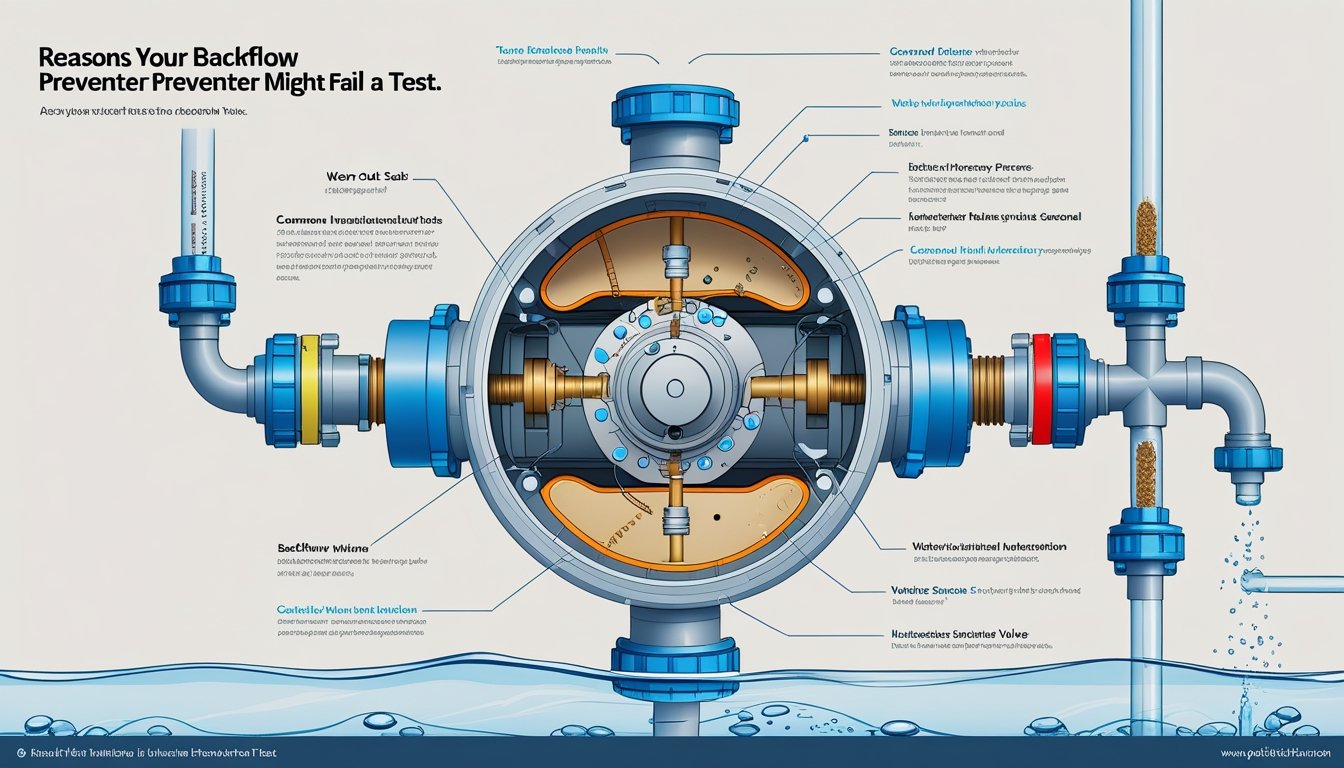
Backflow preventers are vital parts to check during inspection. If these devices fail, dangerous water can flow back into your clean supply.
Other common issues include broken check valves or pressure problems, which can put your entire water system at risk.
Outdated Filtration Systems
Filters that are old or clogged won’t clean your water properly. Over time, they lose their ability to remove contaminants.
This lets impurities stay in your water, which you might not notice until testing. Replacing or upgrading your filter system is important, especially if it’s been years since the last change.
Regular maintenance keeps your water clear and healthy. It protects your family from harmful substances trapped by outdated filters.
Recommended Solutions After an Inspection
After your water safety inspection, you may find a few issues that need fixing to keep your water clean and safe. Some solutions involve treating the water chemically, while others focus on improving the equipment that filters your water.
Both approaches help ensure your home water stays pure and healthy.
Water Treatment Options
If your inspection shows bacteria or other contaminants, treating your water can help. Using safe chemicals like bleach or approved disinfectants can kill harmful germs.
You should follow instructions carefully and never mix chemicals. Sometimes mild acid solutions, like vinegar, are used for cleaning pipes, but strong acids like hydrochloric acid require caution.
Always wear protective gear and only use these products where recommended. Regular treatment prevents buildup and keeps water fresh.
You might want to schedule treatments after repairs or if your water tests poorly. This helps control odors, taste problems, and health risks.
Filtration System Upgrades
Upgrading your filtration system can block sediments, chemicals, and unwanted particles from your water. Consider installing a carbon filter to reduce chlorine and improve taste.
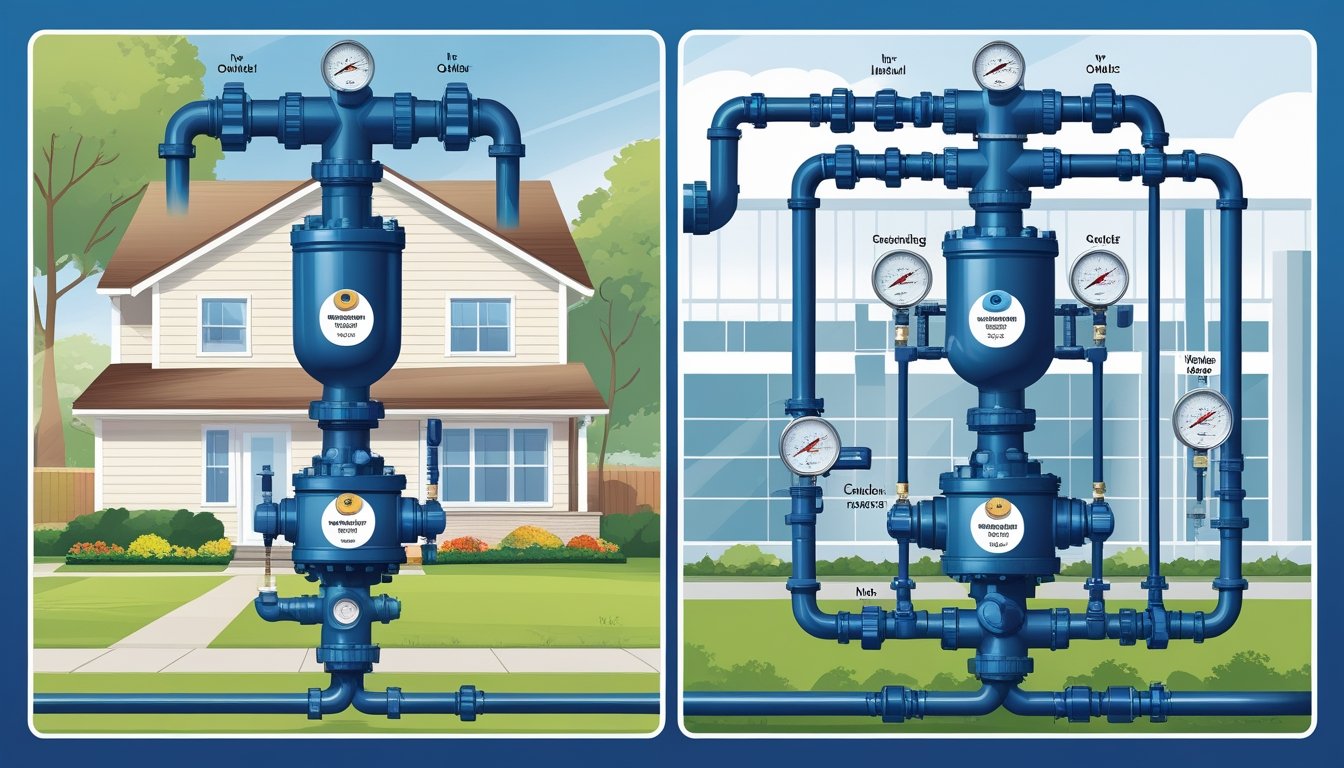
Sediment filters remove dirt and rust that can clog pipes. For greater protection, you might add backflow prevention devices like double check valves.
These stop dirty water from flowing back into your clean supply, which keeps your drinking water safe. Make sure you keep up with regular inspections and maintenance of these systems.
Replacing filters on time and checking valves ensures your equipment works well and meets local rules. This saves you from costly repairs later.
Professional vs. DIY Water Safety Inspections
You have choices when it comes to checking your home's water safety. One option is to hire a professional who has the equipment and experience.
The other is to do the inspection yourself using available tools and guides. Each way has clear advantages and drawbacks you should know.
Pros and Cons of Hiring Professionals
When you hire a professional, you get trained experts who know what to look for in water safety. They can test devices like backflow preventers accurately.
Professionals also follow local rules, making sure your water system passes any required inspections. However, hiring experts can cost more money and take time to schedule.
You also rely on someone else to do the job, which may feel less hands-on for you. For complex systems or if you want peace of mind, professionals are usually the safest bet.
Benefits and Risks of DIY Inspection
Doing your own water safety inspection can save you money and help you learn your system better. Simple checks like looking for leaks or cleaning faucets are easy to handle yourself.
You can also disinfect pipes using chlorine solutions to kill bacteria. But without special tools or training, you might miss serious problems.
Testing devices like backflow preventers may require professional equipment. If you skip important steps, your water could still be unsafe.
DIY work is good for basic care but may not replace expert inspections.
Legal Requirements and Certification Standards
Water safety inspections in your home must meet certain rules and standards. These rules make sure your water stays safe and that inspections are done right.
Some laws come from national or local governments, and the people doing the inspections need special certifications.
Local and National Regulations
Your area may have specific rules about backflow prevention and water safety. In California, for example, new laws in 2025 require homes with possible cross-connections to have backflow devices tested regularly.
These devices stop dirty water from flowing back into your clean water supply. Municipalities often set the schedule for testing and may require filings or proof that your system passed inspection.
If you live in a place with these rules, skipping tests could lead to fines or unsafe water conditions.
Inspector Certification
Backflow testers must be certified to do inspections correctly. Certification rules have become stricter, especially in places like California starting in 2025.
Certified testers know how to check and maintain your system properly. Always ask if your backflow tester has up-to-date certification.
Hiring a certified professional protects your water and keeps you compliant with the law. This helps avoid errors and gives you peace of mind that your water is safe.
How Often Should Water Safety Inspections Be Done?
Knowing when to inspect your water system helps keep your water safe and clean. Regular checks catch problems early.
Watch for specific signs that can alert you if an inspection is needed sooner. This way, you can react quickly to any issues.
Recommended Frequency
You should have your water safety inspection at least once every year. Annual inspections make sure devices like backflow preventers work properly to stop contaminants from getting into your drinking water.
Some local rules may require yearly checks, so always follow these regulations. If you have a new system installed or notice issues, test more often.
Certified technicians can do these inspections to make sure everything is up to code and safe. They have the training to spot problems and fix them.
Signs That an Inspection Is Needed
If you notice changes in water taste, color, or smell, schedule an inspection right away. These can be signs of contamination or device failure.
Leaks, strange noises in pipes, or drops in water pressure also mean your system needs a check. Any damage or wear on backflow preventers should be looked at quickly.
If your water system is older or you recently had plumbing work done, inspect your water safety devices even if there are no clear problems. This helps catch hidden issues.
Tips for Choosing a Reliable Water Safety Inspector
To find a skilled water safety inspector, check their experience, credentials, and reviews. You want someone who knows the rules and has proof of good work.
Look for signs that show they are trustworthy and qualified. This helps you choose the right person for your home.
Evaluating Experience and Credentials
Start by asking how long the inspector has worked in water safety. More years usually mean they have handled many different problems.
Check if they have licenses or certifications required by your area. These prove they passed tests and follow laws.
Make sure they specialize in residential water systems. Some inspectors only work with commercial buildings, so ask if they handle homes like yours.
Ask if they can inspect backflow prevention devices or pipes too. Good inspectors often keep learning by attending training or workshops.
This shows they stay updated with new safety rules. Ongoing education is a good sign.
Checking Reviews and References
Look online for reviews on the inspector or company. Sites like Google or Yelp can give you honest feedback from other homeowners.
Pay attention to comments about punctuality, professionalism, and accuracy. You can also ask the inspector directly for references.
Talking to past clients lets you hear real experiences. Make a quick checklist when reading reviews:
- Timeliness of service
- Clear explanation of findings
- Fair pricing
- Helpfulness in scheduling repairs or follow-ups
Positive feedback in these areas means you’re likely to get good service too.
Cost Considerations for Residential Water Safety Inspections
Knowing what affects the price of your home water safety inspection helps you plan better. Regular inspections can save you money and trouble later.
Average Cost Factors
The cost of a residential water safety inspection usually ranges from $100 to $300. Several things affect this price:
- Size of your home: Bigger homes may take longer to inspect.
- Type of inspection: Some checks, like backflow preventer testing, cost more.
- Location: Prices vary depending on where you live and local rules.
- Service provider: Experienced inspectors may charge more but offer better quality.
You may also need to pay extra for repairs if problems are found during the inspection. Some municipalities require yearly backflow testing, adding to your regular costs.
Value of Regular Inspections
Regular water safety inspections protect your home. They catch issues before they become expensive repairs.
For example, backflow prevention devices need frequent testing to keep water safe. Inspections help ensure your plumbing follows local laws and avoids fines.
They keep your family safe by stopping dirty water from mixing with your clean supply. Over time, regular checks can save you money by preventing damage and keeping your water system in good shape.
Frequently Asked Questions
You want to keep your home's water safe by knowing when to test it, what to check for, and how to spot problems. Learning the inspection steps and how to improve water safety on your own can help you feel confident about your water quality.
How often should I have my home's water quality tested?
It's a good idea to test your water once a year. If you use well water, or if you notice changes in taste or smell, testing more often is smart.
Regular testing helps you catch problems early.
What contaminants are commonly tested for during a home water safety inspection?
Common tests check for bacteria, lead, pesticides, nitrates, and other chemicals. Some inspections also look for hardness, chlorine, and pH levels.
Testing depends on your water source and any risks in your area.
Are there specific signs that indicate I should test my residential water supply?
Look for cloudy water, strange smells, or bad tastes. Rust-colored stains or health issues in your household might mean testing is needed.
Sudden changes in water quality should never be ignored.
What's the process of a residential water safety inspection?
A professional will collect water samples and check your pipes, filters, and backflow preventers. They test the water in a lab to find contaminants.
After this, they give you a report with results and advice.
Can I improve the safety of my home's water without professional help?
Yes, you can keep your pipes clean and regularly replace filters. Simple steps like running taps after long periods without use and keeping your water system maintained help.
But some problems need a pro’s attention.
Who should I contact to perform a trustworthy water safety inspection in my home?
Look for certified water testing companies or your local water authority. They have the right tools and experience to test your water accurately.
You can also ask neighbors for recommendations. This can help you find reliable inspectors near you.