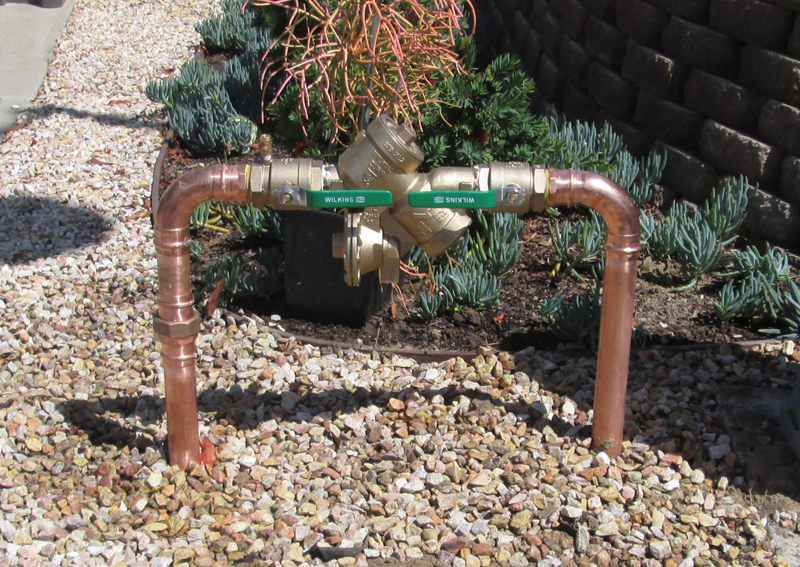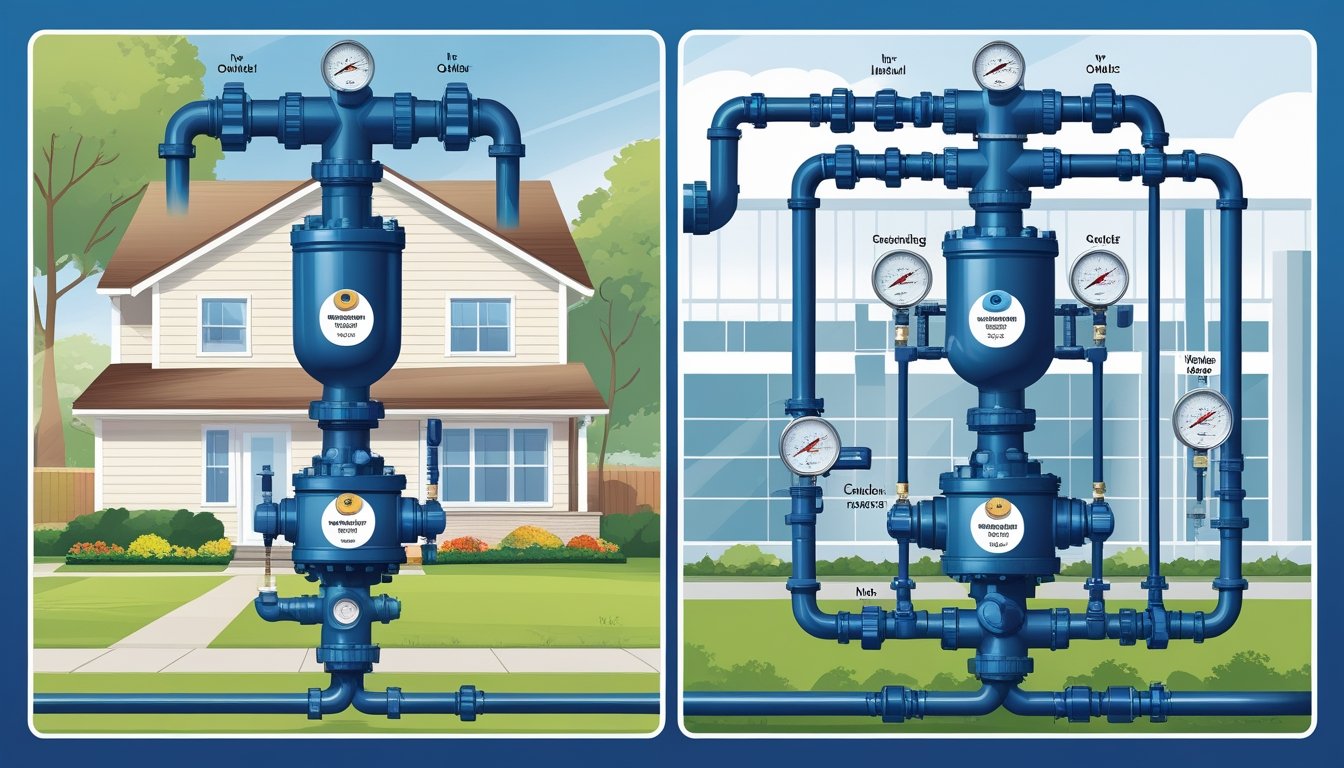


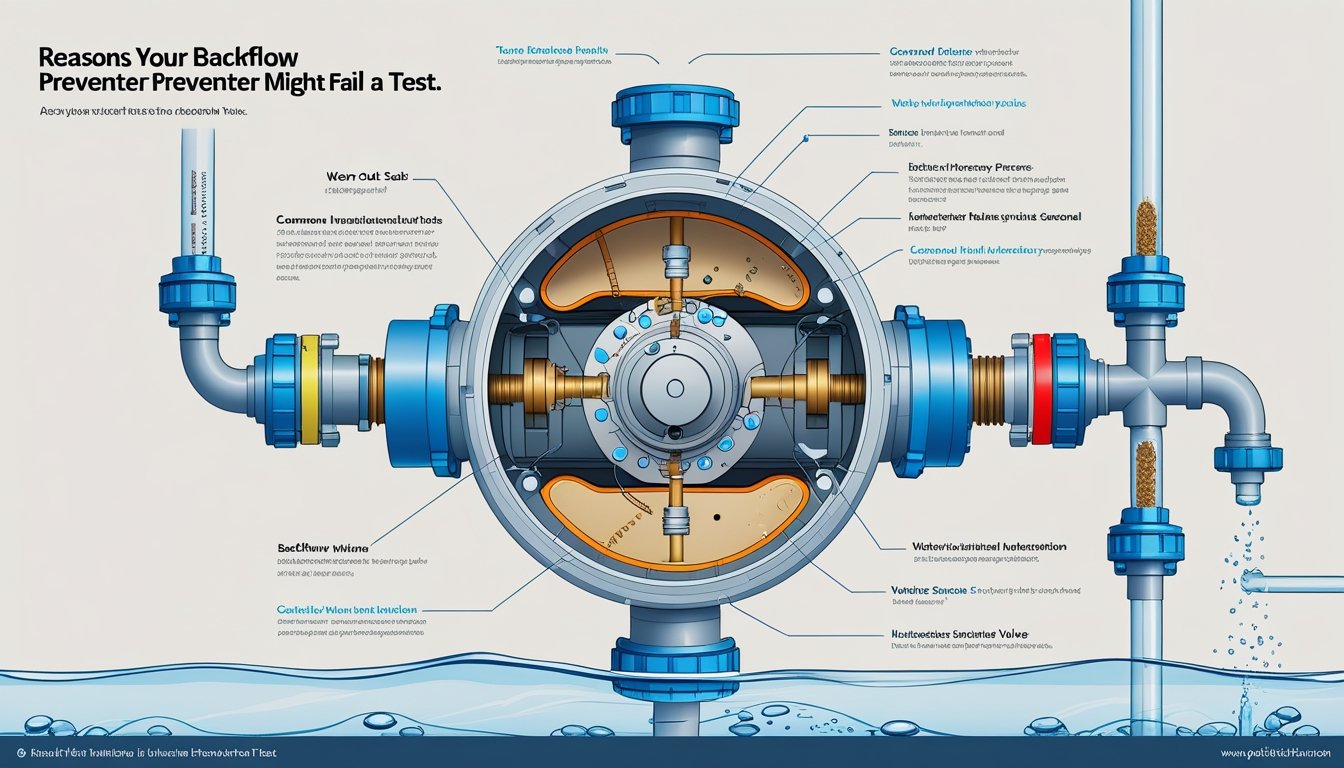
Backflow preventers keep your water safe, but sometimes they fail a test. It’s not always obvious why—could be worn-out parts, leaks, or just gunk building up inside. Figuring out why your backflow preventer didn’t pass a test gives you a head start on fixing things before they get out of hand or your water gets contaminated.
You might notice leaks, weak water pressure, or odd tastes and smells before a test ever fails. Usually, that means seals are shot, fittings are loose, or sediment’s clogging things up. Staying on top of testing and maintenance is really the only way to keep things running smoothly.
At Pacific Backflow, we help San Diego County folks with backflow testing and repairs. If you know the usual culprits for test failures, you’re a lot better equipped to keep your water system safe and stay on the right side of the rules.
Understanding Backflow Preventer Testing
Testing your backflow preventer makes sure it’s working and your water’s protected. If you get why prevention matters, know the main types of preventers, and understand why regular tests matter, you’re way ahead in keeping your home or business safe from water contamination.
Purpose of Backflow Prevention
Your backflow preventer keeps dirty water out of your clean water supply. It blocks chemicals, bacteria, and other gross stuff from sneaking into your drinking water. Without it, you’re basically rolling the dice with your health.
Backflow usually strikes when water pressure changes—maybe there’s a main break or everyone’s using water at once. The device acts like a one-way gate. If it fails, you’re at risk for contaminants flowing backwards, which is why testing is so important.
Types of Backflow Preventers
There are a few main kinds of backflow preventers, each for different needs:
- Reduced Pressure Zone (RPZ) Valve: For high-risk setups, it’s got two check valves and a relief valve for extra backup.
- Double Check Valve Assembly (DCVA): For lower-risk spots, it has two check valves but skips the relief valve.
- Atmospheric Vacuum Breaker (AVB): Simple, cheap, mostly for irrigation, and not tested under pressure.
If you know which one you have, you’ll get the testing process better. Certified pros like Pacific Backflow can figure out what you’ve got and handle the maintenance.
Importance of Regular Testing
Most places want you to test your backflow preventer once a year to keep your water safe. Regular tests catch stuff like worn valves, leaks, or junk that could mess things up.
If your device fails a test, you’ll need repairs or a replacement soon to avoid contamination. Pacific Backflow handles quick testing and all the paperwork, so you don’t have to stress about compliance.
Common Causes of Backflow Preventer Failure
Backflow preventers fail for a handful of reasons—usually worn parts, rust, or busted seals. Spotting these early can save you a lot of trouble and money.
Internal Component Wear
Inside a backflow preventer, valves, springs, and other moving bits work nonstop. Eventually, they just wear out.
When parts get tired, they stop closing right, and water can leak or even flow backward. Sometimes dirt and debris get stuck, grinding things down or jamming up movement. Cleaning and inspecting regularly helps you catch this before it gets worse.
Swap out worn parts as soon as you spot them—it’s usually a quick fix and keeps everything running.
Corrosion or Rust
Corrosion kicks in when metal parts stay wet and exposed to air for too long. Rust is more likely if your device sits outside or in a damp spot.
Rust weakens the metal, so things get brittle and can crack or break. It also stops valves from sealing, which means leaks. If you see discoloration or flaky metal, you’ve probably got corrosion.
Try to keep your backflow preventer dry and check it now and then to catch rust before it does real damage.
Seals and Gaskets Deterioration
Seals and gaskets stop water from leaking between parts. Over time, they dry out, crack, or lose their shape, letting water slip through.
Damaged seals cause most leaks. Usually, they’re made of rubber or something similar, and they just don’t last forever with all the water, pressure, and temperature swings.
If your preventer’s leaking or failed a test, worn seals are a likely suspect. Replacing them is fast and not too pricey.
At Pacific Backflow, we help you keep these seals in good shape so your system stays safe and up to code.
Environmental and Installation Issues
Sometimes, your backflow preventer fails a test because of how it was set up or what’s around it. Problems like bad installation, wrong orientation, or exposure to gunk can mess with how well it works.
Improper Installation
If your backflow preventer wasn’t installed right, it could fail a test even if the parts are fine. Stuff like loose fittings, wrong pipe connections, or not enough support can lead to leaks or pressure problems.
Bad installation also puts extra stress on the valves, so they wear out faster. Local codes have specific steps for installation—make sure your installer actually follows them.
If your device is crammed into a tight spot, it’s hard to test or fix. Clear access makes life easier. With Pacific Backflow, trained techs do it right the first time.
Incorrect Orientation
Backflow preventers need to be installed in the right direction. Every device has an arrow or label showing which way the water should flow.
If it’s backward or crooked, valves can stick or leak, and the device won’t stop water from flowing the wrong way. This mistake is a common reason for test failures.
Also, the wrong orientation wears out the inside parts faster. Always double-check that the device is level and follows the manufacturer’s instructions. Proper alignment really matters.
Environmental Contaminants
Dirt, rust, or chemicals around your backflow preventer can cause trouble. Dirt and debris can get into valve seals and cause leaks or failures during testing.
Rust might be coming from corroded pipes nearby and can discolor your water or contaminate it. Chemicals like fertilizers or cleaning agents near the device can eat away at its parts.
Extreme weather—especially freezing—can crack valves if water inside freezes and expands. That’s a surefire way to fail an inspection.
Keep things clean, and if you can, use covers or cages to protect the unit. If you’re in San Diego County and want reliable testing, Pacific Backflow’s got your back.
Human Error and Maintenance Problems
A lot of backflow preventer failures come down to simple mistakes or skipped maintenance. Forgetting regular upkeep, not flushing water lines, or using the wrong parts can all cause big headaches.
Inadequate Maintenance
Skip regular care, and your backflow preventer might start leaking, springs can wear out, or debris builds up inside. All of this makes it less able to block contaminated water.
Maintenance means yearly testing, checking valves and seals, and making sure pressure levels are right. If you ignore it, problems are harder and more expensive to fix later. Clean things out and swap worn parts so everything keeps working.
Failure to Flush Lines
If you don’t flush your water lines, dirt and debris settle inside the preventer. That stuff jams up valves and seals, making your device leak or fail tests.
Flushing gets rid of trapped gunk and protects the device. It’s especially important after repairs or any plumbing work nearby. Skipping this step means sediment can keep causing problems, even if your preventer looks okay.
Use of Non-Approved Parts
Using parts that aren’t approved by your local water district can make your backflow preventer fail a test. Non-approved parts might not fit right or work well with your device.
Always stick with certified, approved components for your model. Going cheap or using the wrong parts leads to leaks and bad valves. When you need repairs, call in pros who know the code. Pacific Backflow makes sure you get the right parts and stay compliant.
Pressure and Water Quality Factors
Backflow preventers can fail tests because of water pressure or quality problems. These issues affect how well the device works and might mean there’s something bigger going on in your plumbing. Paying attention to pressure and flow helps keep your water safe.
Excessive Water Pressure
Too much pressure can wreck your backflow preventer. High pressure wears out valves and seals, causing leaks and making the device less effective at blocking dirty water.
Pressure spikes usually come from broken pumps or sudden changes in the system. You might hear banging pipes or see drips. It’s smart to check and adjust pressure regularly.
If high pressure is the culprit, you may need to replace worn parts or add a pressure regulator. Keeping pressure in check helps your equipment last and pass tests.
Fluctuating Pressure Levels
Pressure that goes up and down a lot can mess with your backflow preventer. Sudden drops can create a vacuum, pulling dirty water backward into your supply.
This usually happens when water use spikes or pumps kick on and off. Low pressure can also make your preventer’s valves fail.
Keeping pressure steady is key. Regular backflow testing—like what Pacific Backflow does in San Diego County—helps you spot these problems early. Fixing pressure swings can keep your device working and your water clean.
Consequences of a Failed Backflow Preventer Test
When your backflow preventer fails a test, you could face some real headaches—think water safety risks and legal trouble. There’s a chance of health issues from contaminated water, plus you might get hit with fines or even lose water service if you don’t fix things.
Potential Health Risks
If your backflow preventer fails, nasty stuff like chemicals, bacteria, or sewage can flow backward into your water supply. That can make people sick, sometimes seriously.
Faulty devices can also mean sediment and rust build up, hurting water quality and your plumbing. You might notice weird water pressure or leaks that just keep getting worse.
Fixing or swapping out a bad backflow preventer keeps your water safe. Regular testing makes sure the device is doing its job and keeps everyone healthy.
Regulatory and Compliance Issues
Most places, including San Diego County, want you to test your backflow preventer every year. Fail a test and don’t fix it? You could get fined, and those fines can add up fast.
Sometimes, the water company will just shut off your service until you fix the issue. That’s a hassle no one wants.
You also have to report test results. Companies like Pacific Backflow handle inspections and paperwork, so you stay up to date and avoid penalties.
Staying compliant protects your property and your community’s water. Don’t skip timely repairs or tests—they’re not just a box to check.
How to Prevent Backflow Preventer Failure
Keeping your backflow preventer in decent shape means paying attention and doing a little maintenance. Check it now and then, get pros to test it on schedule, and try to be aware of how your own habits might affect it. These habits go a long way toward avoiding failures and keeping your water safe.
Routine Inspections
Take the time to inspect your backflow preventer regularly—just a quick look can help you spot trouble before it gets out of hand. You might see leaks, cracks, or even hear odd noises. Don’t forget to check the rubber seals for wear and clear out any gunk or debris, since sediment can clog things up and mess with the valve.
Honestly, these quick visual checks every few months can spare you a headache later. If something looks off, don’t wait around—handle it before it gets worse. Jot down your findings somewhere, even if it’s just a note in your phone. That way, you’ll know when things start to change and when it’s time to call in a pro.
Professional Testing
Make sure you get your backflow preventer tested by certified technicians at least once a year. They know what they’re doing and have the right tools to check the stuff you can’t see. Annual tests can catch leaks, tired seals, or pressure problems before they become a real hassle.
When a problem pops up, a good technician will fix or swap out parts right away. Pacific Backflow, for example, handles testing all over San Diego County and files the official reports, so you stay in the clear with local rules.
Educating Property Owners
Understanding how your backflow preventer works makes it way easier to spot issues early. If you know about common problems, like worn seals or debris buildup, you can react faster. It doesn’t hurt to keep a simple record of inspections, tests, and repairs.
When you get why backflow prevention matters, you’re more likely to keep up with maintenance. Ask questions when the pros come out. Take their advice, even if it seems obvious. Staying curious and involved helps you avoid expensive mistakes and keeps your water safe.
Frequently Asked Questions
If you know what to look out for and how to care for your backflow preventer, you’ll dodge most test failures and costly repairs. Weather, installation, and regular upkeep all play a part in keeping your system running smoothly.
What are common signs that indicate a backflow preventer is malfunctioning?
You might spot water leaking from the preventer or relief valve. Maybe you notice a drop in water pressure or the water looks discolored. If it keeps leaking, it probably needs some attention or even a replacement.
How often do backflow preventers typically need to be replaced?
With good care, backflow preventers can last quite a few years. But if yours is getting old or has failed tests more than once, it’s probably time to think about a new one to stay up to code.
Can improper installation lead to backflow preventer failure?
Absolutely. If someone installs it wrong, it might not work like it should. Loose fittings or bad placement can cause leaks and failed tests. Always make sure installation follows your water district’s codes—don’t just guess.
What maintenance steps are essential to ensure the longevity of a backflow preventer?
Yearly testing is a must. Clean out debris, check the seals, and don’t ignore small leaks. If you’re fixing a leak, turn off the water first to avoid making things worse.
What are the potential consequences of a backflow preventer failing?
If your backflow preventer fails, you risk contaminating your own water—and maybe the whole neighborhood’s. There’s also a chance you’ll get fined or need to pay for emergency repairs to meet local rules. Keeping it in good shape isn’t just smart; it’s kind of essential.
How can weather conditions affect the functionality of a backflow preventer?
When it gets cold, pipes sometimes freeze up and that can mess with the preventer—sometimes even cracking it or causing leaks. Then there’s heat; scorching temps aren’t great for these devices either. Storms can kick up all sorts of debris, which might clog things or slow down how well it works. Honestly, just keeping your device shielded from the worst of the weather goes a long way in keeping it running smoothly through the seasons.