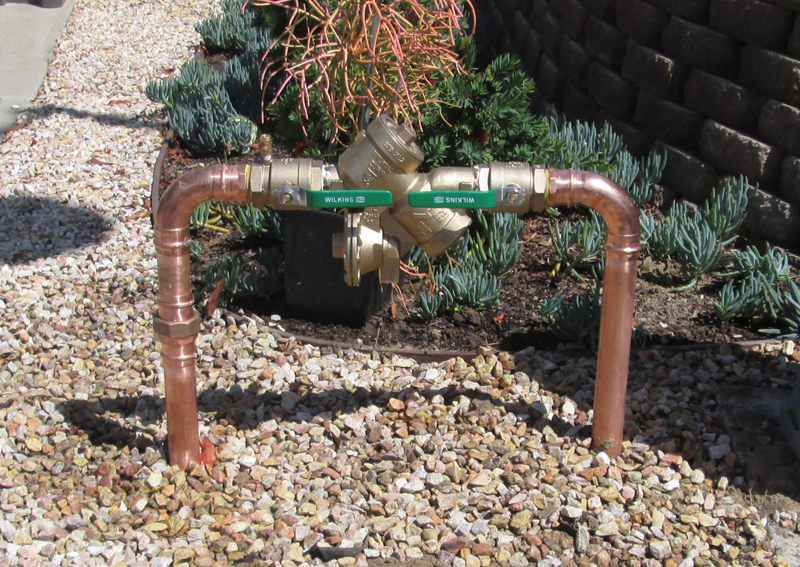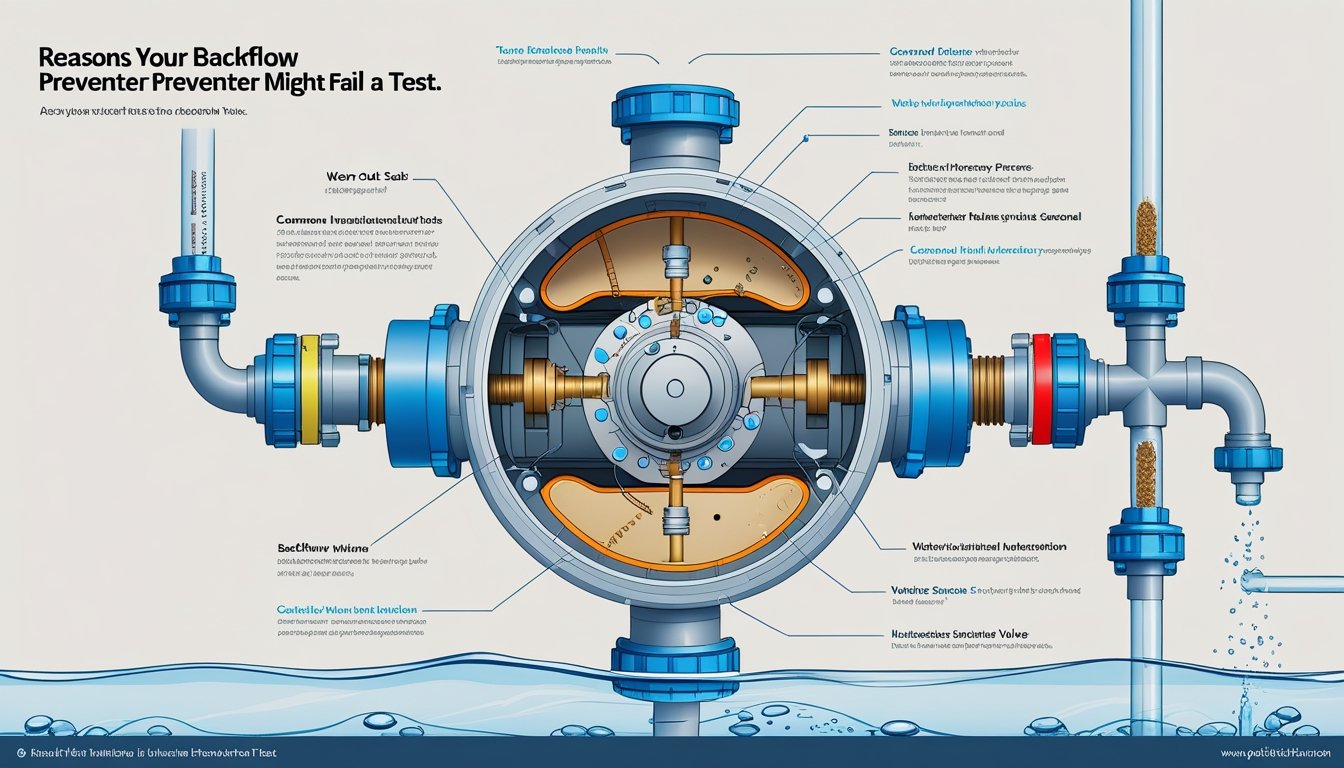


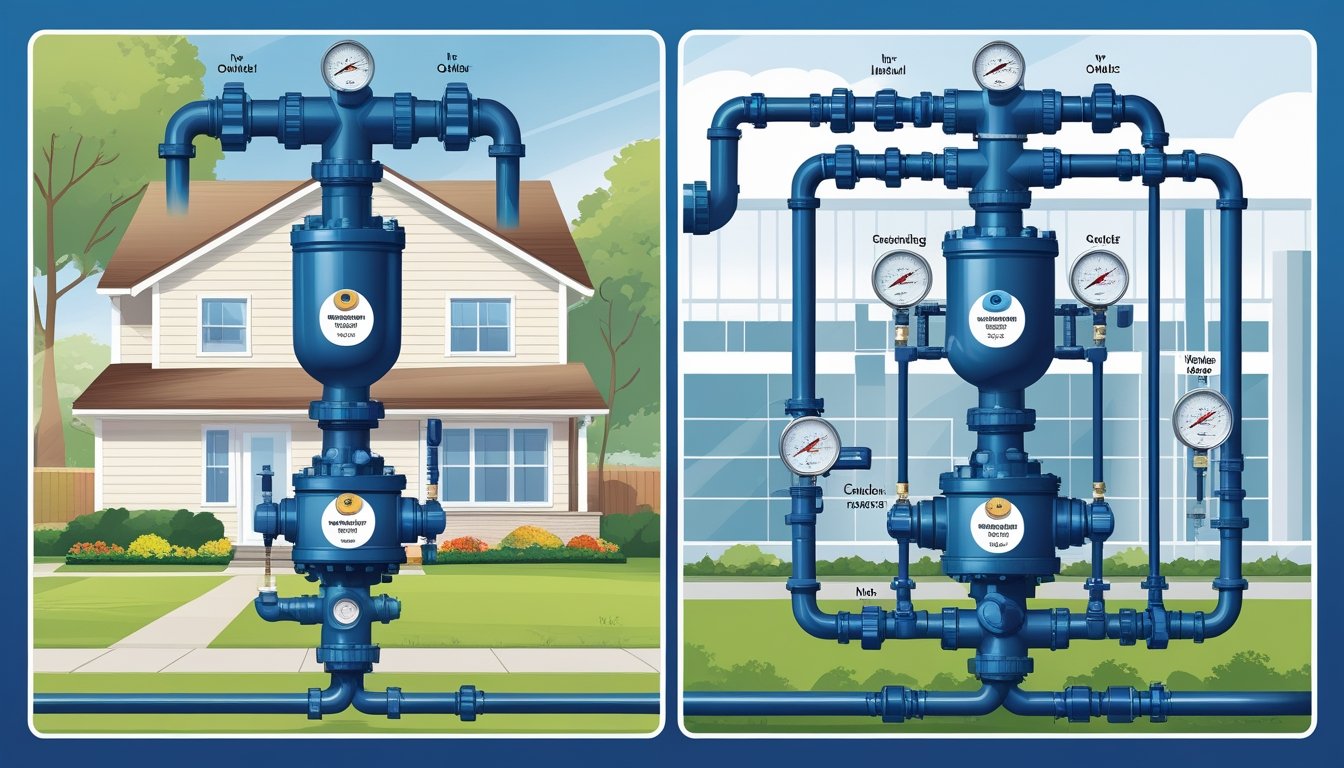
When it comes to backflow preventers, residential and commercial systems have some key differences you should know about. Residential backflow preventers are usually smaller and made for simpler plumbing setups, while commercial ones are larger and designed to handle more water and complex systems.
Understanding this can help you choose the right device to keep your water clean and safe. Your home might only need a basic backflow preventer to stop small risks, but commercial buildings often require stronger protection because they deal with higher water use and potential hazards.
Whether you’re a homeowner or a business owner, knowing how these devices work and why size and type matter will help you protect your water supply.
What Are Backflow Preventers?
Backflow preventers keep your water clean by stopping dirty water from flowing back into your home's or business's water supply. They play a key role in protecting your drinking water and overall health.
Understanding what these devices do, how backflow happens, and the types available will help you decide what fits your needs.
Definition and Purpose
Backflow preventers are devices installed in your water system to stop contaminated water from flowing backward into clean water lines. Their main job is to protect your drinking water from pollutants, chemicals, or bacteria that could enter when water pressure changes.
You find these devices at points like your water meter, irrigation system, or fire sprinkler connections. They are essential to keeping water safe for you, your family, or your customers, especially in places where contamination risk is higher.
How Backflow Occurs
Backflow happens when water flows the wrong way in your pipes. It can carry harmful substances from sources like pools, irrigation, or industrial equipment back into your clean drinking water.
This can occur when there's a sudden drop in water pressure, like during a water main break or heavy use elsewhere in the system. There are two common types of backflow: backpressure and backsiphonage.
Backpressure happens when pressure increases in your use system, pushing water backward. Backsiphonage occurs when water pressure drops, sucking dirty water into clean pipes, which is dangerous without a backflow preventer.
Types of Backflow Preventers
There are several backflow preventer types for different situations:
- Pressure Vacuum Breaker (PVB): Used mainly for irrigation systems to prevent backsiphonage.
- Reduced Pressure Zone (RPZ) Valve: More complex, protects against both backpressure and backsiphonage, common in commercial or high-risk areas.
- Double Check Valve Assembly (DCVA): A simpler device used in low-risk setups like residential homes or small commercial buildings.
Choosing the right one depends on your water system and the level of risk for contamination. A professional can help you pick the device that fits your specific needs.
Residential Backflow Preventers Overview
Residential backflow preventers help protect your home’s water supply from contamination by making sure water flows in only one direction. You'll find they are smaller and simpler than commercial models but still very effective.
These devices are designed to fit typical home plumbing and are usually found where the water enters your house.
Key Features of Residential Models
Residential backflow preventers are compact and made for less complicated plumbing systems. They often use dual check valves or pressure vacuum breakers, which are enough to stop backflow risks common in homes.
You can expect a durable, weather-resistant design since these devices may be placed outside or in basements. Many come with features for easy testing and maintenance, like test cocks and isolation valves.
Key points:
- Smaller size to fit home plumbing
- Simple mechanisms like dual check valves
- Durable build for outdoor or basement use
- Features that simplify inspection and testing
Common Residential Applications
Most residential backflow preventers are installed on water supply lines feeding your home. They protect your drinking water from hazards like garden chemicals, pool water, or irrigation system backflow that could enter your clean water supply.
You'll find them especially important if you have lawn sprinklers or a system that mixes different water sources. They prevent dirty water from your sprinkler lines or any external place from flowing back into your home's drinking water.
Typical uses include:
- Household water supply protection
- Irrigation and lawn sprinkler systems
- Pool fill lines and outdoor faucets
Typical Installation Locations
In homes, backflow preventers are usually installed where the main water line enters your building. Common spots include near your water meter or inside an accessible utility area like a basement or crawl space.
They often sit inside rectangular or square valve boxes with a green lid if placed outside. This helps protect the device from damage and weather while keeping it easy for technicians to reach during tests or repairs.
You might also find them on irrigation lines in your yard or near the main shutoff valve. These spots let the device control backflow before water spreads into your home’s plumbing.
Commercial Backflow Preventers Overview
Commercial backflow preventers are built to handle larger, more complex water systems than residential models. They are designed to protect high-risk water supplies from contamination.
You’ll find specific features, common uses, and special installation rules that set commercial devices apart.
Essential Features of Commercial Models
Commercial backflow preventers are larger and more heavy-duty than residential ones. They often include multiple valves, test cocks, and isolation valves to manage high water flow and pressure.
These models, like the Reduced Pressure Zone (RPZ) assemblies, provide strong protection against dangerous contaminants. They often can handle chemical hazards or other high-risk substances common in commercial properties.
The materials used are usually more durable, able to withstand tough environments and frequent use. Many commercial devices are designed for easy testing and maintenance, so the water system stays safe over time.
Frequent Commercial Use Cases
You’ll often see commercial backflow preventers in places with complex plumbing or high contamination risks. Examples include hospitals, labs, manufacturing plants, and large office buildings.
These systems protect public water supplies from contaminants like chemicals, bacteria, or other hazardous materials. Fire sprinkler systems, cooling towers, and irrigation systems in commercial properties also use them.
Because of the risk levels, commercial devices are often required by law in certain facilities. Ensuring they are installed and tested properly helps keep your water supply safe.
Unique Installation Requirements
Commercial backflow preventers need accessible and secure locations. You’ll usually find them near the building’s main water supply, often housed in concrete or metal valve boxes.
Installation often requires compliance with stricter local codes and regulations. You may need permits or inspections before using these devices.
Since commercial units handle high pressures and volumes, professional installation is a must. Proper spacing and supports are critical to prevent leaks or damage during operation.
Some units also require protective cages to guard against theft or vandalism, especially in exposed outdoor settings.
Differences Between Residential and Commercial Backflow Preventers
Backflow preventers for homes and businesses serve the same basic function: stopping dirty water from flowing back into clean water supplies. However, they differ in size, complexity, and the rules they must follow.
Design and Construction
Residential backflow preventers are usually smaller and simpler. They are designed for less complex plumbing systems, making them easier to install and maintain.
You’ll often find these devices in green valve boxes near your home’s water line. Commercial backflow preventers, on the other hand, are larger and built for more complicated plumbing setups.
They need to handle higher water volumes and more varied pipe layouts. Because of this, they often include extra parts to meet strict safety standards for places like hospitals or factories.
Flow Capacity
The flow capacity of a backflow preventer means how much water it can safely handle without losing effectiveness. Residential devices are made for low to moderate water flow.
This suits typical household needs such as sinks, toilets, and irrigation. Commercial backflow preventers must deal with much higher water volumes.
They are designed to protect large buildings or multiple systems running at once, like fire sprinklers and industrial equipment. This requires stronger materials and more complex mechanisms to prevent backflow even during high demand.
Regulatory Considerations
Rules about backflow preventers vary depending on where you live and the type of property. Residential systems usually face fewer regulations, but you still must have yearly tests to stay compliant and keep your water safe.
Commercial systems face stricter regulations. These often require specialized backflow devices like reduced pressure zone (RPZ) assemblies.
Testing protocols are more detailed, and you might need certified technicians to do inspections and repairs. These rules help protect public health given the higher risks involved with commercial water use.
Proper Maintenance for Each Type
Keeping your backflow preventer in good shape means regular checks, tests, and fixes. Both residential and commercial devices need care, but the steps differ depending on size and complexity.
Inspection Schedules
Your backflow preventer should have routine visual inspections to spot leaks, cracks, or other damage early. For residential devices, you can check these every few months since they are smaller and less complex.
Commercial systems require more frequent and detailed inspections, usually every month or quarter. Because commercial devices handle higher water volumes and more risk, early attention helps avoid bigger problems.
A licensed plumber or certified tester often performs inspections. They look into signs like water drips, corrosion, or parts wearing out.
Keeping a log of inspections helps you track when the next check is due.
Testing Procedures
Testing ensures your backflow preventer works properly and meets local rules. You must arrange annual tests for both residential and commercial devices.
Certified testers use special equipment to check that water flows in only one direction. Residential testing is usually faster because these units are simpler.
Commercial testing takes longer and may involve shutting down parts of the system to conduct thorough checks. Testers provide reports to confirm compliance.
If your device fails, you must repair or replace it quickly to keep your water safe. You can also keep copies of reports for your records.
Common Maintenance Challenges
You may face issues like worn valves, broken seals, or debris buildup in both device types. Residential units often have fewer problems because they operate at lower pressure and use less water.
Commercial systems face more wear due to heavier use and complexity. Salt, minerals, and particles in water can cause blockages or corrosion faster here.
Leaks and false test failures are common challenges. Fixing these needs quick attention to prevent contamination risks and costly repairs.
Hiring a certified plumber who knows local rules speeds up maintenance.
Choosing the Right Backflow Preventer for Your Needs
Picking the right backflow preventer depends on how your water system works and the rules that apply to your property. You need to think about how much water flows, the risk of contamination, and what your local codes require.
Understanding these points helps you choose a device that keeps your water safe and meets legal standards.
Assessing Water System Demands
Start by looking at your water usage and layout. Residential systems usually need smaller preventers like dual-check valves because the water flow and pressure are lower.
Commercial systems handle more water and higher pressure. They often require stronger, multi-valve assemblies like Reduced Pressure Zone (RPZ) devices.
Also, consider hazards in your water supply. If you use chemicals or fertilizers in irrigation, or if you have special equipment, your system might need a more advanced preventer.
Use this quick checklist for water system demands:
- Low flow & pressure? Basic dual-check valve works.
- High flow & complex plumbing? Choose RPZ or pressure vacuum breakers.
- Chemical or hazardous risk? Go with a stronger preventer matching that risk.
Regulatory Compliance Factors
Local water authorities set rules on which backflow preventers you must use. These rules depend on your property type and water risk factors.
Residential systems usually have fewer strict rules. However, they still require annual testing and inspections.
Commercial properties face tighter controls. They may require certified devices and professional maintenance.
Some areas require reports after testing. Failing to comply can lead to fines or water shutoff.
Understand your local codes before selecting a device. This helps you avoid penalties and ensures safe water.
Here’s what to check for compliance:
- Device type approved by your water district
- Annual testing and proper maintenance
- Documentation and reporting requirements
Costs and Long-Term Considerations
When choosing between residential and commercial backflow preventers, consider both upfront and ongoing expenses. These factors affect your budget and help you keep your system safe over time.
Initial Investment
Residential backflow preventers usually cost less to install. Typical prices range from $300 to $1,200.
This lower cost is because residential devices are smaller and simpler. Commercial backflow preventers are larger and more complex.
Installation prices for commercial systems often range from $1,000 to $3,500 or more. The final price depends on system size and complexity.
Permits and inspections can add to these costs. Commercial setups may require special permits or more testing.
The type of device, such as PVB or RPZ, also affects price. Make sure to factor this in when budgeting.
Ongoing Maintenance Costs
You need to keep your backflow preventer working with regular checks. Residential devices usually need annual inspections.
They may also require replacement every 5 to 10 years. Testing and minor repairs could cost a few hundred dollars a year.
Commercial systems need more frequent maintenance because they handle more water. Expect higher costs for inspections, repairs, and sometimes parts replacement.
Protective cages can help prevent damage or theft. These add to long-term expenses but protect your investment.
Frequently Asked Questions
Backflow preventers come in different sizes and designs depending on the property type and water system needs. Installation, maintenance, and rules can vary between residential and commercial settings.
Can you explain the difference between residential and commercial backflow preventers?
Residential backflow preventers are smaller and fit simpler plumbing setups. Commercial ones are bigger to handle higher water flow and more complex systems.
How does the size of a property impact the type of backflow preventer needed?
Smaller homes usually need compact devices. Larger commercial buildings require bigger, more durable preventers to manage higher volumes of water and protect more complex piping.
Are there different installation requirements for commercial backflow preventers compared to residential ones?
Yes. Commercial backflow preventers often need special placement and support because of their size and complexity.
Residential units are usually installed near the main water line or irrigation system. These installations have fewer challenges.
What are the maintenance considerations for backflow preventers in commercial settings versus residential?
Commercial devices require more frequent and thorough testing and maintenance because of heavier use. Residential preventers need annual checks to ensure they work right and follow local rules.
Could you provide insight on the lifespan of residential versus commercial backflow preventers?
Residential backflow preventers often last around 5 to 10 years with good care. Commercial units may have similar or slightly shorter lifespans because they handle more pressure, so they might need replacement sooner.
In terms of regulations, how do residential and commercial backflow prevention needs differ?
Local regulations are usually stricter for commercial properties. These properties must follow more frequent testing and comply with specific codes.
Residential requirements vary by location. Homes with irrigation systems, pools, or other hazard factors often have additional rules.