

Water contamination in your home plumbing can be hard to spot. It can cause serious health problems if not fixed.
Common signs of water contamination include strange smells or tastes, cloudy or discolored water, and unexpected plumbing noises like gurgling. If you notice any of these, act quickly.
You might experience skin irritation, stomach issues, or headaches after drinking your tap water. These symptoms can point to bacteria, chemicals, or other harmful substances in your water supply.
Knowing what to look for helps you protect your family’s health. It also ensures your water stays safe.
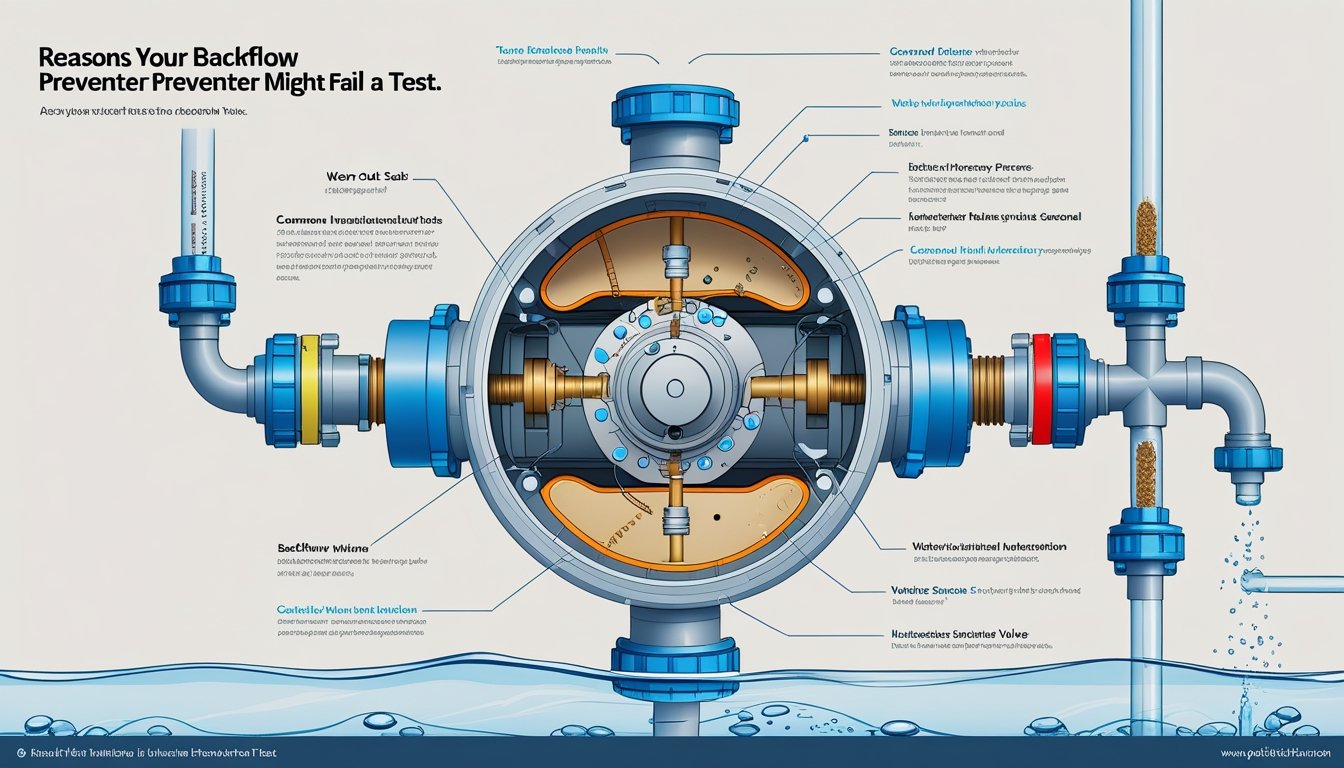
Checking for problems like backflow keeps your plumbing safe. Regular testing and maintenance of backflow preventers stop contamination before it starts.
Recognizing Common Signs of Water Contamination
You can often tell if your water is contaminated by watching for specific changes. Some signs include strange tastes, odd smells, color changes, cloudiness, and small particles floating in the water.
These clues help you catch problems early. They help you keep your water safe.
Unusual Taste or Odor in Tap Water
If your tap water suddenly tastes metallic or bitter, or has a chemical smell, it could be contaminated. Water that smells like rotten eggs or chlorine also signals an issue.
These odd tastes and smells usually mean harmful substances like bacteria, chemicals, or metals are present. Don’t ignore these changes.
Try not to drink or cook with the water until you get it tested. You might also notice this problem when using ice, brushing your teeth, or washing food.
If the problem continues, call a professional to inspect your plumbing and water supply.
Changes in Water Color or Clarity
Clean water should be clear and colorless. If your water looks cloudy, yellow, brown, or reddish, that’s a sign of contamination.
Rust from old pipes or dirt can change the color. Sediment buildup or corrosion can cause this too.
Cloudiness can come from tiny air bubbles or microbial growth. If your water’s appearance changes suddenly or stays that way, don’t drink it.
Have your water tested and your plumbing checked by experts to find the cause.
Floating Debris or Sediment
Seeing small particles, sand-like grit, or tiny pieces floating in your water is a clear warning sign. This debris can come from broken pipes, damaged water lines, or contamination from outside sources.
It can block filters and harm appliances like water heaters or coffee makers. Filter your water or use bottled water while you arrange for professional cleaning and repairs.
A plumber can check if your backflow preventer or anti-siphon valve works properly. This helps stop contaminants from entering your system.
Physical Indicators in Home Plumbing
Some signs in your home's plumbing can show if your water is contaminated. You might see worn-out fixtures, changes in water pressure, or deposits inside the pipes.
These clues help you spot problems early.
Corroded Fixtures and Stains
If your faucets, sinks, or pipes appear rusty or have a greenish tint, corrosion could be happening. Corrosion often results from metals like iron or copper breaking down due to water quality issues.
Look for:
- Green or blue stains on sinks and around fixtures
- Rust-colored water from taps
- Flaking or rough surfaces on pipes and faucets
These signs mean the metal parts are wearing away. This can release harmful elements into your water.
Address corrosion early because it can cause leaks or contaminate your drinking water.
Reduced Water Pressure
Low or inconsistent water pressure might mean blockages or contamination in your plumbing system. If water is weaker than usual, debris buildup or damaged pipes could be the cause.
Common causes include:
- Mineral deposits narrowing the pipes
- Sediment clogging filters or valves
- Issues with backflow preventers failing
Check your water pressure in different taps. If many are affected, a system-wide problem may need professional attention.
Reduced pressure can also lead to bacterial growth, which affects water safety.
Visible Build-Up in Pipes
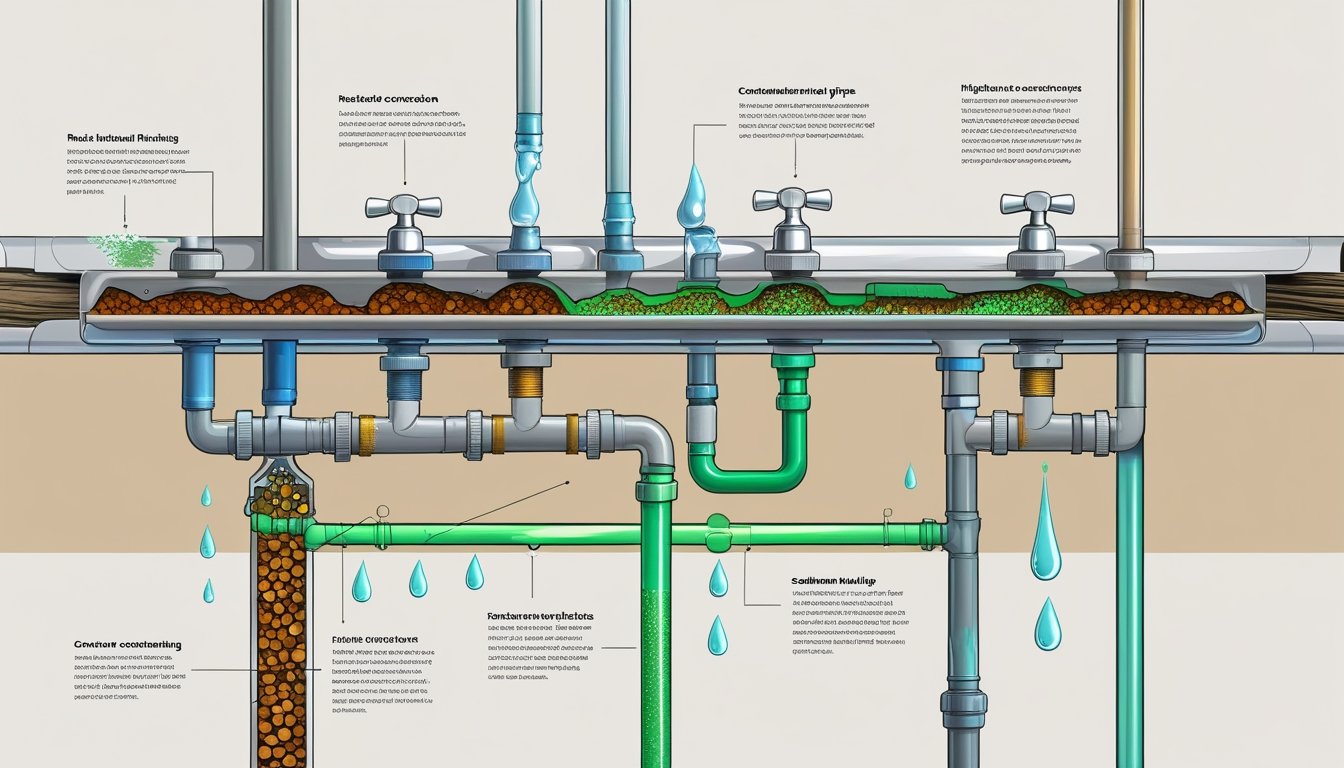
When mineral or sediment build-up inside pipes becomes visible, it’s a clear warning sign. This build-up often looks like white, chalky, or slimy layers inside clear or exposed pipes.
This happens because:
- Hard water deposits minerals like calcium or magnesium
- Sediment from water sources settles and clogs pipes
- Organic material causes slime or biofilm growth
Visible build-up can reduce water flow. It can also provide a place for bacteria to grow.
Regular pipe inspection and cleaning help keep your water safe and plumbing healthy.
Health Symptoms Related to Contaminated Water
Contaminated water in your home’s plumbing can cause a range of health problems. These issues often show up in your digestive system, skin, and even your lungs.
Knowing what to watch for helps you take quick action to protect your health.
Gastrointestinal Issues
If your water is contaminated, you might experience stomach problems like diarrhea, nausea, vomiting, or cramps. These symptoms can start soon after drinking or using the water.
Bacteria, viruses, or parasites in the water often cause these problems. Pay attention if these symptoms come on suddenly or happen in patterns after using water at home.
It’s a strong sign your water supply could be the source. If you notice these signs, stop drinking the water and see a doctor.
Get your water tested as soon as possible.
Skin Irritation After Bathing
Skin issues like itching, redness, or rashes after showering or bathing might mean your water is contaminated. Certain chemicals or bacteria in the water can irritate sensitive skin.
You may notice dry patches or unusual bumps, especially if you spend a lot of time in the water or have sensitive skin. This kind of skin irritation usually goes away when you stop using the contaminated water.
If you experience ongoing skin problems, check if others in your home have similar symptoms. This shared effect can point to water contamination as the cause.
Recurring Respiratory Problems
Breathing problems like coughing, wheezing, or throat irritation that happen often might link to contaminated water. This can occur if water is sprayed or misted, as in showers.
Some bacteria in water release tiny particles you can breathe in. These particles may lead to lung infections or worsen asthma and allergies.
If you have new or worsening breathing troubles connected to water use, let your doctor know. Also, look into testing and fixing your plumbing for possible contamination.
Testing and Inspecting for Contaminants
Knowing when your water is contaminated starts with regular checks and testing. You can do some testing yourself or get professionals involved.
Keep an eye on any filters you use. These steps help catch problems early and keep your water safe.
Using Home Water Test Kits
Home water test kits are a simple way to check your water right away. They test for things like bacteria, lead, nitrates, and pH levels.
Using them usually means collecting a water sample and dipping test strips or adding drops. You can see if any dangerous substances are present.
These kits come with easy instructions. You get results in minutes.
While they can't detect everything, they are a good first step. If a test shows a problem, call in a professional for a deeper look.
Professional Water Analysis
If you want a detailed check, a professional water analysis is the best option. Experts collect water samples and test for a wide range of contaminants in a lab.
This includes things home kits can miss, like heavy metals and certain chemicals. You can schedule these tests with local water services or plumbing companies.
These tests are important if you notice changes in taste, smell, color, or if you suspect your backflow preventer isn’t working. Professionals also provide clear reports, making it easier to fix any issues.
Monitoring Water Filter Performance
If you use water filters, keep track of how well they work. Filters remove many contaminants but need regular maintenance or replacement.
Check your filter’s instructions for how often to change cartridges or clean parts. A worn-out filter can let contaminants back into your water.
Watch for changes in water taste or flow speed. It might be time to replace the filter.
Regular filter care helps maintain the safety and quality of water in your home.
Long-Term Effects on Plumbing System
Contaminated water can damage your home's plumbing over time. It wears down pipes and causes appliances to work poorly or break.
Paying attention to these problems helps you save money and avoid big repairs later.
Pipe Deterioration
When your water is contaminated, harmful chemicals and minerals can eat away at your pipes. Metal pipes might corrode and leak.
Plastic pipes can weaken or crack, especially if exposed to harsh contaminants. Over time, these problems can cause low water pressure or bad smells in your water.
You might notice rust-colored stains or cloudy water too. If left unchecked, pipe damage might lead to expensive water damage in your home.
Regular backflow testing and maintenance help catch these issues early. Fixing or replacing damaged pipes protects your whole plumbing system.
Appliance Malfunctions
Your water-using appliances like dishwashers, water heaters, and washing machines rely on clean water. When contaminated water flows through them, it can cause build-up and blockages inside.
This build-up makes appliances work less efficiently. You could see higher energy bills or shorter appliance life.
Sometimes appliances may stop working, needing costly repairs or replacements. You can avoid these problems by ensuring your water stays safe with regular testing.
Keeping your backflow preventer in good shape helps protect your appliances and household plumbing.
External Factors That Can Cause Contamination
Certain outside elements can affect your home’s water safety. These factors might introduce harmful substances or bacteria into your plumbing.
Two common causes come from nearby construction or industry and issues with well water.
Nearby Construction or Industrial Activity
Construction sites and industrial plants often use chemicals and materials that can get into your water. Dirt, dust, and chemicals may leak or run off into nearby water sources, especially after heavy rain.
This can lead to contaminated water entering your pipes through cracks or leaks. You might notice strange smells, cloudiness, or odd tastes in your tap water during or shortly after nearby construction work.
Test your water regularly if you live near these activities.
Well Water Vulnerabilities
If your water comes from a private well, it can be more at risk for contamination than city water. Wells can allow bacteria, chemicals, and heavy metals into your water supply if the well is old, damaged, or poorly sealed.
Rainwater can also carry pollutants into the well. Regular testing of your well water is key.
Look for signs like a strong sulfur smell, cloudy water, or a change in taste. Keeping your well properly maintained and sealed helps reduce the chances of contamination.
Steps to Take if You Suspect Water Contamination
If you think your water might be contaminated, stop drinking it right away. Use bottled water or boil your tap water for at least one minute before drinking or cooking with it.
Watch for symptoms like stomach pain, diarrhea, vomiting, or fever. If you or someone in your home shows these signs, seek medical attention right away.
Test your tap water using a home water testing kit. You can find these kits online or in stores, and they help you identify common contaminants.
If you confirm or strongly suspect contamination, report the issue to your local health authorities. They will investigate the problem and guide you on what to do next.
Here is a simple checklist to follow:
StepWhat to Do Stop drinking tap waterUse bottled or boiled waterMonitor symptomsLook for illness signsGet medical helpSee a doctor if symptoms appearTest your waterUse a home testing kitReport the problemContact local health authorities
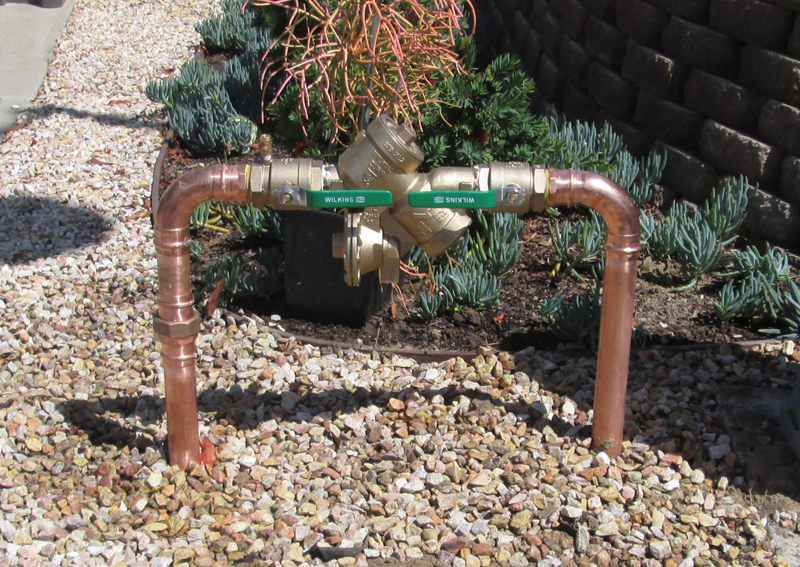
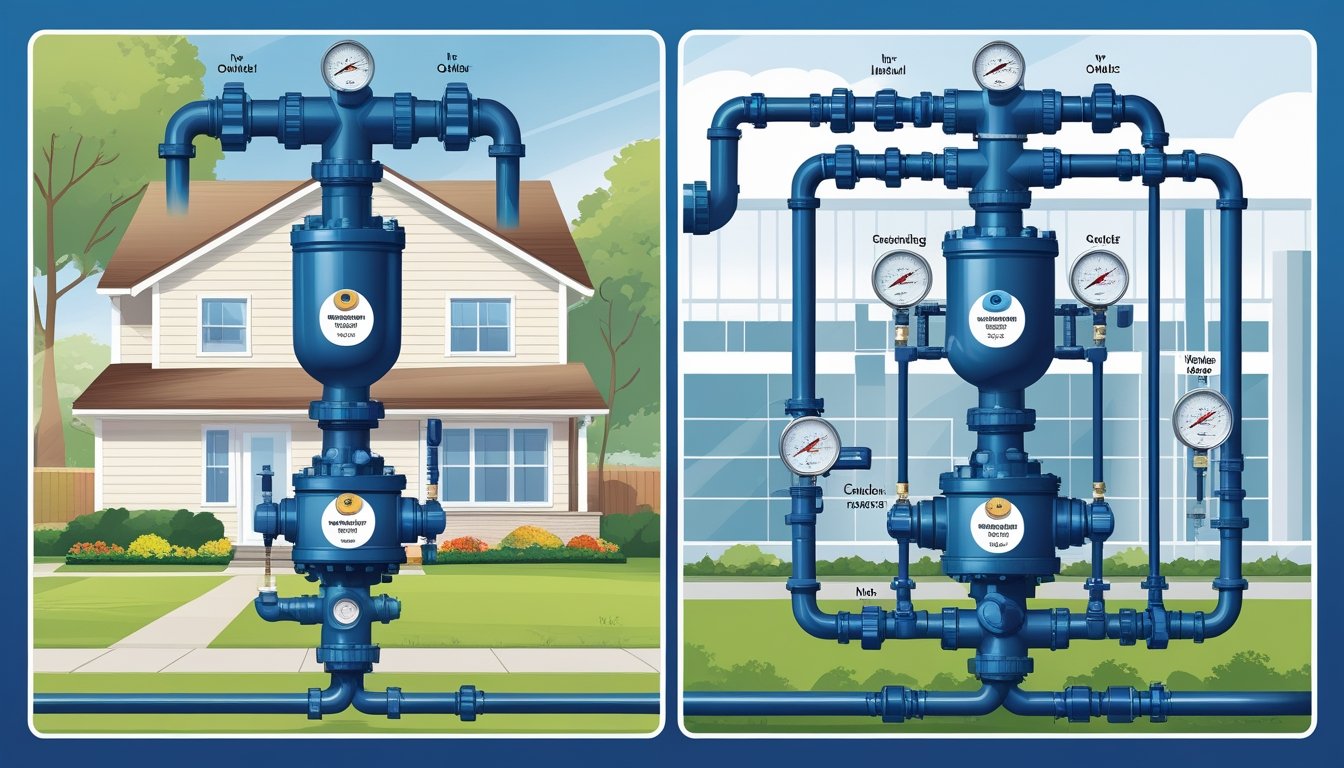
If you have a backflow preventer, test it regularly to make sure it works. This device keeps your water safe by stopping contamination from entering your home system.
Arrange for repairs or replacements quickly if needed. This step helps protect your water supply.
Frequently Asked Questions
You can spot signs of water contamination by checking for changes in taste, smell, or color. Watch for pipe issues and use home water tests for early warnings.
How can I tell if my tap water is contaminated?
You might notice unusual tastes or smells, like a metallic, rotten, or chemical odor. Cloudiness or discoloration can also warn you of problems.
If you feel sick after drinking the water, test it right away.
What are common indicators of pipe corrosion and potential water contamination?
Rusty or brown water coming from your taps points to corrosion. Pipes may leak or have visible rust spots.
Corroded pipes can release metals like lead, which is harmful if ingested.
Are there any visible signs that my home water supply might be unsafe?
Yes. Water that looks cloudy, has particles, or leaves greenish stains on fixtures might be unsafe.
These signs suggest contamination from bacteria, chemicals, or pipe materials.
What does it mean if there's a strange taste or smell coming from my water faucets?
Strange tastes or smells usually mean contamination. A metallic taste can mean metal is leaching from pipes.
A chlorine smell might come from water treatment, but a strong chemical or sewage smell needs immediate attention.
Can changes in water color or cloudiness signify contamination, and what should I do?
Yes. Brown or reddish water often points to rust or pipe damage.
Cloudiness can mean air bubbles or contamination. Do not drink the water and contact a professional to test it.
What home tests can I perform to check for contaminants in my water?
You can use simple test kits for bacteria, lead, chlorine, or pH levels. Collect a water sample from your faucet.
Follow the kit instructions carefully. If you find a problem, call a certified tester for a detailed analysis.