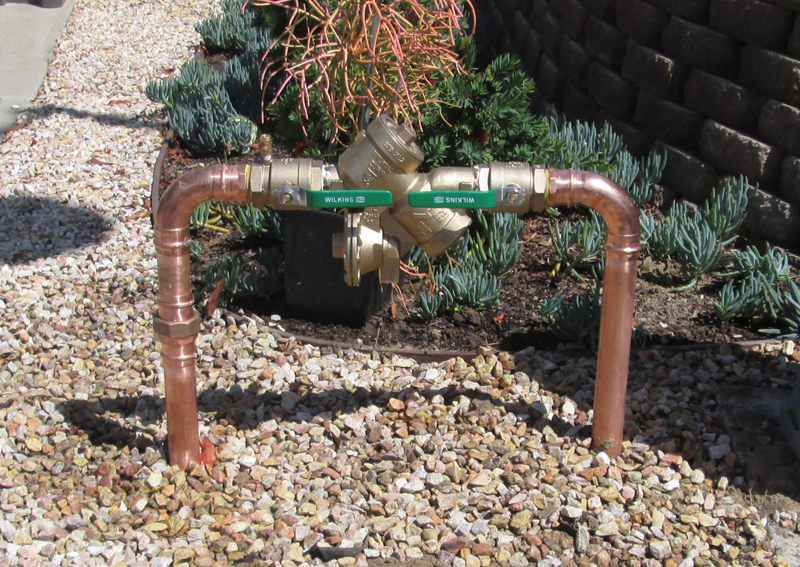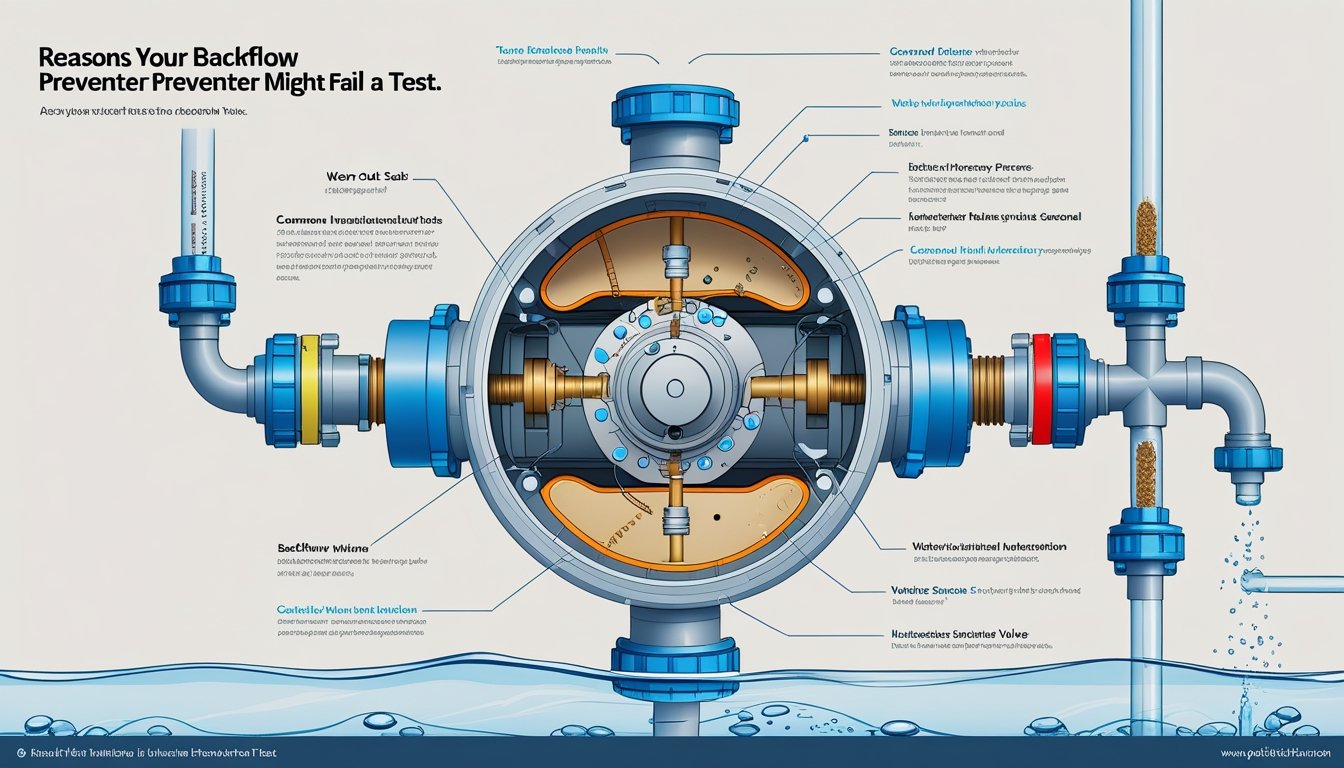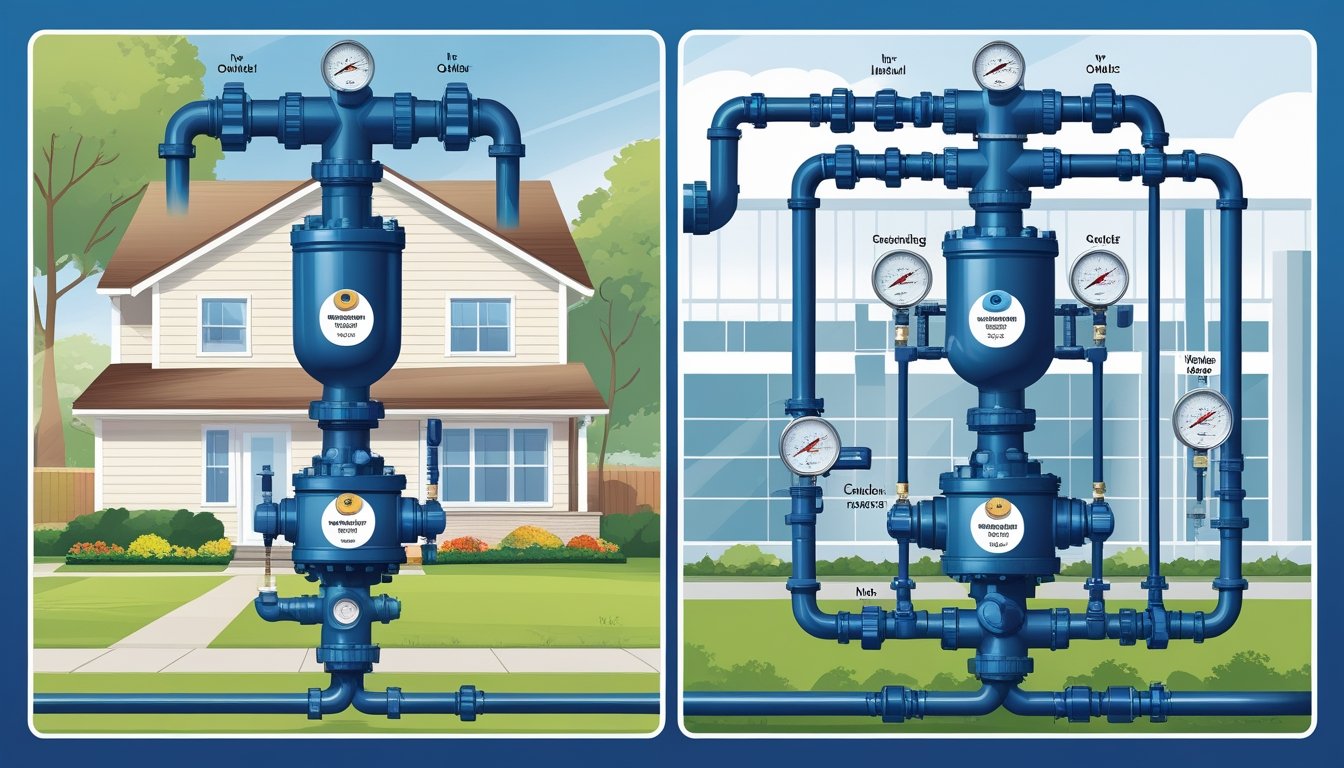


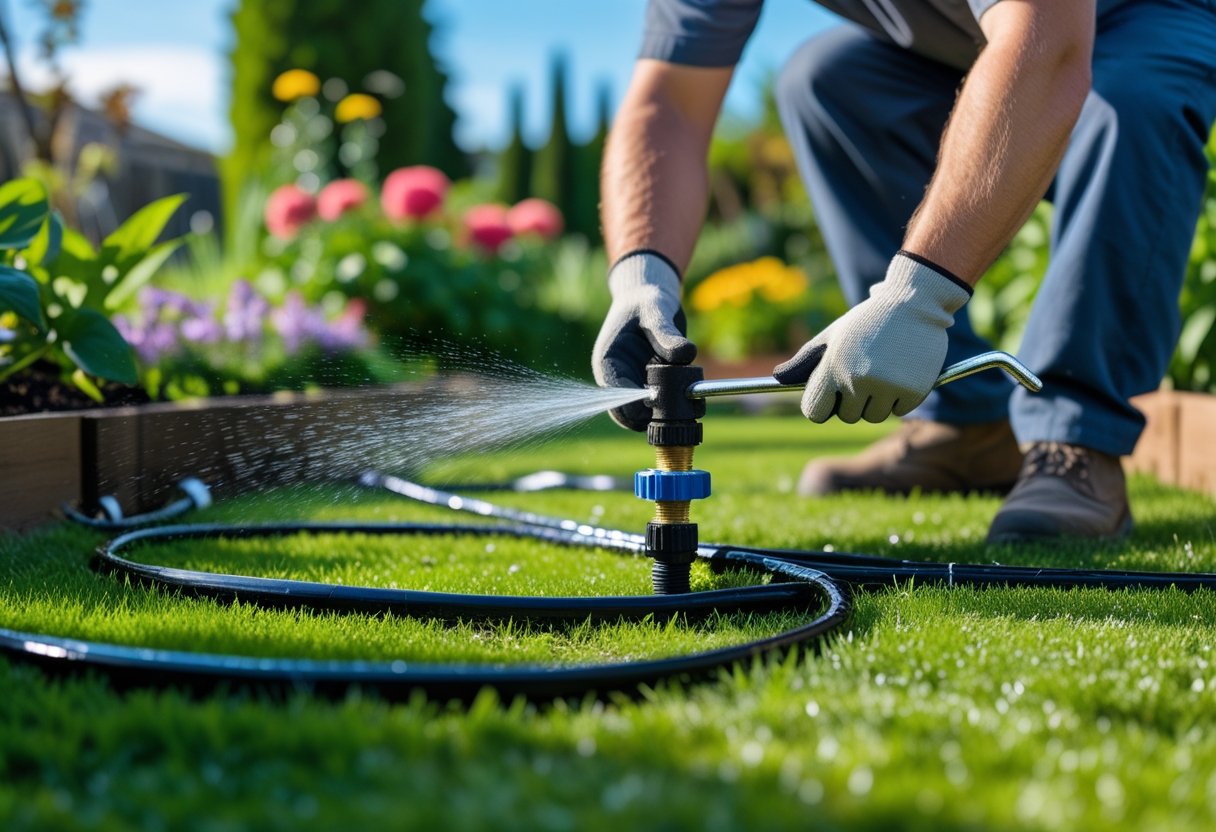
Taking on DIY irrigation repairs can seem like a money-saver, but honestly, it’s easy to make mistakes that just create bigger headaches. Most folks don’t realize how much trouble a mishandled backflow preventer can cause. Messing up the local codes, damaging the backflow device, or missing leaks—all of these can put your water at risk and rack up repair costs.
You might be tempted to skip steps or grab whatever tools are handy, but that’s how new problems start. If backflow devices aren’t set up right, contaminants can sneak into your water. Pacific Backflow and other pros always push for regular testing and a bit of expert help to keep things safe.
So before you start tinkering, it’s worth knowing the most common missteps. Here’s a look at what to watch out for so you can fix your irrigation system without all the drama.
Misdiagnosing Irrigation Issues
It’s surprisingly easy to mix up irrigation problems. If you can tell electrical from hydraulic troubles and know where leaks like to hide, you’ll save yourself a lot of hassle.
Confusing Electrical and Hydraulic Problems
Not all irrigation issues are what they seem. A sprinkler that stays off could mean a chewed wire or a stubborn valve—completely different fixes.
Electrical failures usually show up as dead control boxes or gnawed wires. Hydraulic issues? Think weak water flow or sneaky leaks.
If you guess wrong, you’ll end up swapping out the wrong parts or making things worse. A quick test with a multimeter or a pressure check can steer you right. When things get weird or you’re just not sure, reaching out to someone like Pacific Backflow isn’t a bad idea.
Overlooking Common Leak Sources
Leaks are classic troublemakers, and they love to hide—valve boxes, pipe joints, busted sprinkler heads, you name it.
A lot of DIY repairs miss cracked pipes underground or tiny nozzle leaks that look fine at first. These stealthy leaks sap water pressure and leave your lawn patchy or your system shutting down.
Keep an eye out for soggy spots, busted parts, or soil that’s oddly wet. Even a slow leak adds up. Regular inspections after you repair things can catch problems early.
A quick checklist helps:
- Look for broken sprinkler heads
- Check pipes near valves and joints
- Notice sudden water pressure drops
If you spot backflow preventer issues, it’s probably time to call in the pros.
Choosing Incorrect Replacement Parts
Grabbing the wrong parts is a fast track to leaks, sad-looking grass, or expensive fixes. Matching parts to your system and local codes is more important than it sounds. People often mess up by picking the wrong sprinkler heads or using valves that just don’t fit.
Using Incompatible Sprinkler Heads
Sprinkler heads that don’t match your water pressure or pipe size? That’s a recipe for weak performance or breakage. Some heads want more pressure than your system has, and others just won’t screw on right.
Check that your new heads match your system’s flow and pressure. Pay attention to spray patterns and radius, too—otherwise you’ll end up watering sidewalks or missing half your lawn. Stick with heads designed for your setup, and you’ll dodge a lot of trouble.
Installing the Wrong Valve Type
Valves are the gatekeepers for water flow, so you’ve got to pick the right ones. If the valve doesn’t match your pipe’s size or material, leaks will show up fast. Some valves need electricity or special controls, so double-check compatibility.
Don’t use indoor valves outside—weather and moisture will eat them up. Go for valves rated for irrigation and sized for your pipes. That way, you avoid leaks, water waste, and surprise failures.
Questions about backflow preventers or part compatibility? Pacific Backflow knows their stuff if you’re in San Diego County.
Poor Pipe Repair Techniques
DIY pipe repairs are a minefield—bad cuts, sloppy fittings, or skipped sealing steps can all mean leaks or total failure. Paying attention to the basics saves you a lot of grief.
Improper Pipe Cutting and Fitting
Cutting pipes with dull tools or at odd angles leaves you with ends that just don’t fit. That makes for weak, leaky joints. Always grab a sharp cutter that matches your pipe type.
After cutting, clean up any rough edges with a deburring tool or sandpaper. Those little burrs can mess up your connections. Make sure you push pipe ends fully into fittings before tightening.
If you force or misalign joints, they’ll probably crack down the road. Measure twice, cut once, and take your time fitting everything together. That’s how you keep water pressure steady and the system solid.
Failing to Seal Connections
Even perfect cuts can leak if you skip sealing. The right sealant or tape depends on your pipe and fitting.
For threaded joints, wrap Teflon tape clockwise around the threads 3-5 times. Don’t go overboard—too much tape keeps fittings from tightening.
For glued joints, use primer and adhesive as directed. Pipes should be dry and clean before you glue. Hold them together until the adhesive sets.
Rushing these steps or skipping them means leaks that might not show up until you see water damage. Take a few extra minutes to seal things right—it’s worth it.
If leaks or backflow issues pop up after a repair, Pacific Backflow can sort it out and keep your water safe.
Neglecting System Adjustments
Finishing a repair isn’t the end—small tweaks make a big difference. Sprinkler aim and water pressure both change how well your system keeps things green.
Ignoring Sprinkler Head Alignment
If you don’t aim your sprinkler heads, water lands everywhere except where you want it. That means wet sidewalks, mud, or wasted water. Take a minute to adjust each head so it only hits the right spots.
Double-check the spray pattern after any fix. Heads can shift or get knocked out of place. Make sure water isn’t hitting driveways or streets—nobody wants fines or slippery messes.
Old or mismatched heads also mess with coverage. Swapping out worn parts keeps things even and avoids dry patches or puddles.
Skipping Pressure Testing
Water pressure is huge. Too low, and sprinklers barely cover anything. Too high, and you’ll break heads or send water running off uselessly.
Test your system pressure after repairs with a gauge. Most systems like 30-50 psi. Adjust valves or add a regulator if you need to.
If you skip this, you’ll miss leaks or blockages that mess with flow. Not sure how to check? Pacific Backflow can run a full test and make sure things are working right.
Skipping Routine Maintenance Steps
Skipping maintenance after a repair is just asking for trouble. Simple stuff—flushing lines, double-checking controllers—keeps your system humming and stops bigger problems before they start.
Forgetting to Flush Lines After Repairs
After you fix something, always flush the lines. That means running water through to clear out dirt or leftover debris from the repair.
If you skip flushing, sprinkler heads or valves can clog. That blocks water and leaves your lawn patchy or damages parts. Flushing also helps you catch leaks or other issues right away.
To do it, open the main valve and run each zone for a few minutes. It’s a small step that saves you from bigger headaches.
Not Checking Controller Settings
The controller is the brain of your system. After repairs, settings can get messed up or reset.
If you don’t check, your system might water at the wrong times or run too long. That’s wasted water and stressed plants—not to mention extra wear on your gear.
Go through each zone on your controller after you finish repairs. Make sure the schedule fits your needs. Test the manual start to see if everything runs right. A quick check keeps your system efficient and saves money.
If you want expert backflow testing or just someone to handle maintenance, Pacific Backflow covers all of San Diego County.
Frequently Asked Questions
Water use, leaks, and keeping your irrigation system running—these things save time and money if you pay attention. Watching your pressure, schedule, and parts helps you dodge the usual DIY pitfalls.
How can I avoid overwatering when setting up my residential irrigation system?
Let your soil and plant needs decide how long and how often you water. Don’t just crank up the timer—too much watering wastes water and can hurt your plants.
Rain sensors are handy. They’ll pause watering after a storm so you’re not flooding the yard for no reason.
What should I watch out for when choosing and installing drip irrigation emitters?
Pick emitters with a flow rate that matches your plants and soil. Too many emitters packed together just leads to overwatering.
Check for clogs. Clean or swap out emitters regularly to keep water moving evenly.
Can you explain the correct way to winterize a home irrigation system?
Drain all water from pipes and valves to avoid freeze damage. If you need to, use an air compressor to blow out leftover water.
Shut off the main water and insulate control valves to protect the system during cold snaps.
What are the typical mistakes when DIYers try to fix irrigation system leaks?
People often grab the wrong-sized parts, don’t tighten connections enough, or go too far and crack things by overtightening.
Missing damaged pipes or fittings just lets leaks get worse. Always check every component before you start repairs.
How can I tell if my irrigation system's water pressure is too high or too low?
High pressure breaks pipes and gives you that fine mist that just floats away—total waste. Watch for broken pipes or uneven watering.
Low pressure means weak spray and dry spots. Use a pressure gauge to test and adjust as needed.
What are the best practices for scheduling and programming my irrigation controller?
Try setting your watering times for early morning or late evening to cut down on evaporation. Change up your schedule as the seasons shift, since weather and plant needs don’t stay the same year-round.
Don’t feel like you have to water every day. It’s usually better to run your system a bit longer but only a few times a week—plants tend to soak up water more efficiently that way.
Need a hand with backflow testing or repairs? Pacific Backflow covers all of San Diego County and gets the job done quickly and reliably.