

Backflow issues can put your neighborhood’s water safety at risk by letting dirty water flow backward into clean water pipes. This backward flow can bring harmful bacteria and chemicals into your drinking water, raising the chance of infections and illness for you and your neighbors. It’s not just a plumbing problem—it’s a public health concern that affects everyone in your community.
Understanding how backflow happens and what stops it matters for keeping your water safe. Regular testing and maintenance of backflow preventers catch problems early, before they spread to your home or the local water supply. If you work with experts like Pacific Backflow, you’re helping protect your water and the health of everyone nearby.
You count on clean water every day, so making sure backflow devices work right is a big deal. Whether you need testing, repairs, or new installations, having a reliable backflow service brings peace of mind. Even small steps here can keep your water safe and shield your whole community.
Understanding Backflow and Its Causes
Backflow happens when water flows the wrong way in pipes, which can mix dirty water with clean water. This is a risk for your neighborhood’s water safety because it can spread contamination. Knowing what backflow is, the common reasons it happens, and the types of backflow events helps you protect your water supply.
What Is Backflow?
Backflow is when water moves backward through your plumbing system. Normally, water flows one way—from your main supply into your home. But when pressure changes, water can reverse and carry contaminants from things like garden hoses, sprinkler systems, or faulty plumbing back into the clean water supply.
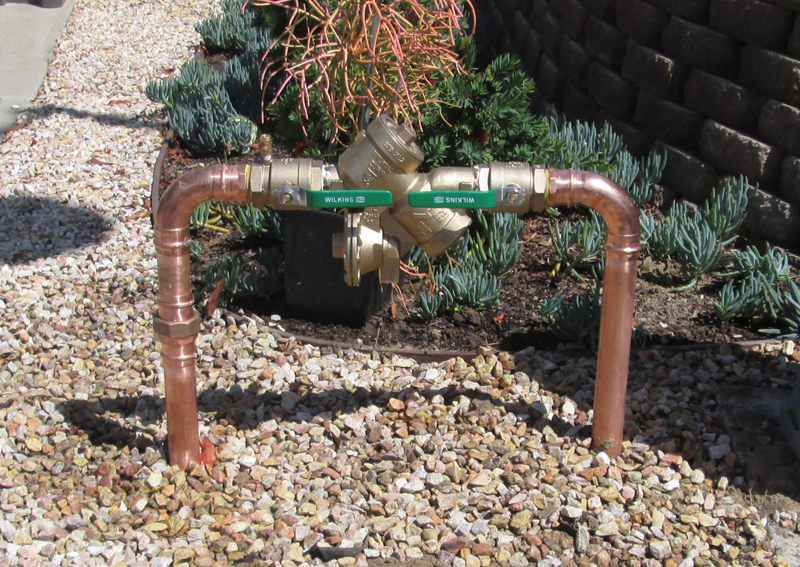
This reverse flow can introduce harmful substances, like chemicals or bacteria, into drinking water. Backflow preventers act like one-way valves and stop this from happening, but they need regular testing to stay effective and keep your water safe.
Common Causes of Backflow
Backflow usually happens because of changes in water pressure. The two main causes are backpressure and backsiphonage.
Backpressure happens when pressure inside your pipes gets higher than the pressure in the main water line. Pumps, boilers, or tanks can cause this.
Backsiphonage occurs when the main supply’s pressure drops suddenly, like during a water main break or heavy demand nearby. This low pressure can suck contaminated water back into your pipes.
Cross-connections also create risk. These show up when a pipe carrying dirty water connects to a clean water pipe. Without backflow preventers or proper upkeep, contamination can sneak into your drinking water.
Types of Backflow Events
There are two main types of backflow events that affect water safety: backpressure and backsiphonage.
TypeCauseRisk Example BackpressureIncreased pressure in user systemBoiler pumps pushing water backwardBacksiphonageNegative pressure in water supply lineWater main breaks causing suction
Both types can let harmful substances enter your water supply. Regular backflow testing matters. Pacific Backflow has helped San Diego County homes and businesses check and protect their water systems for decades, keeping neighborhoods’ water safe and clean.
Risks of Backflow for Neighborhood Water Safety
Backflow can let harmful things enter your clean water supply, risking health and safety in your neighborhood. It happens when water flows backward, carrying contaminants into pipes meant for drinking water. This section explains how contamination happens and the dangers of waterborne illnesses spreading through backflow.
Contamination Pathways
Backflow pulls dirty water, chemicals, or other pollutants into the clean water system, often because of sudden pressure changes. Common culprits include garden hoses, irrigation systems, fire sprinklers, and plumbing fixtures.
The risk jumps when backflow preventers are missing, broken, or neglected. Without a working preventer, stuff like fertilizers, pesticides, or sewage can slip into your neighborhood’s drinking water. You won’t see these contaminants, so problems might go unnoticed until people get sick.
Regular testing and maintenance of backflow preventers, like those from Pacific Backflow, help block these contamination routes and keep your water safe.
Spread of Waterborne Diseases
When backflow brings bacteria, viruses, or chemicals into drinking water, people in your community face a higher risk of infections. Waterborne diseases can cause stomach pain, diarrhea, and more serious illnesses—kids, older adults, and folks with weak immune systems are especially at risk.
Backflow contamination can spread fast through shared water lines, affecting many homes and businesses. If a nearby fire sprinkler or irrigation system backs up, germs can move throughout the neighborhood’s pipes.
Making sure backflow devices get tested and work right shrinks the risk of disease outbreaks and helps protect your family’s health. Quick repairs and proper installations matter here.
Impact on Local Water Quality
Backflow problems can bring harmful substances into your neighborhood’s water supply. This can lead to health risks and affect how your water looks, smells, and flows. It’s important to know what dangers backflow creates and how to spot signs of trouble early.
Chemical and Biological Hazards
When backflow happens, chemicals from pesticides, fertilizers, or cleaning fluids can slip back into your water. These substances are unsafe to drink and can cause illness.
Bacteria and viruses also pose a risk. Wastewater or sewage can flow into the clean water system if backflow preventers fail. This can spread harmful germs that make people sick.
To stop this, your backflow device must work properly. Annual testing by experts like Pacific Backflow helps catch problems early. They help keep contaminants out of your home or neighborhood water.
Noticeable Changes in Water Appearance and Smell
Backflow can make your tap water look cloudy or leave bits of rust or dirt floating around. Mineral buildup inside pipes may break loose and mess with the water’s clarity.
You might also catch odd smells, like chemicals or even sewage. If your water looks or smells off, don’t wait—get your backflow system checked right away. That quick reaction could protect your family and neighbors from bigger problems.
Preventing Backflow in Community Water Systems
Keeping your neighborhood’s water safe means using the right tools and staying on top of care. Backflow prevention devices stop dirty water from mixing with clean water. Regular checks make sure these devices keep working well and protect everyone.
Importance of Backflow Prevention Devices
Backflow prevention devices are your first line of defense. They stop harmful substances like chemicals or bacteria from flowing backward into your clean water supply. Without these devices, your drinking water could become unsafe.
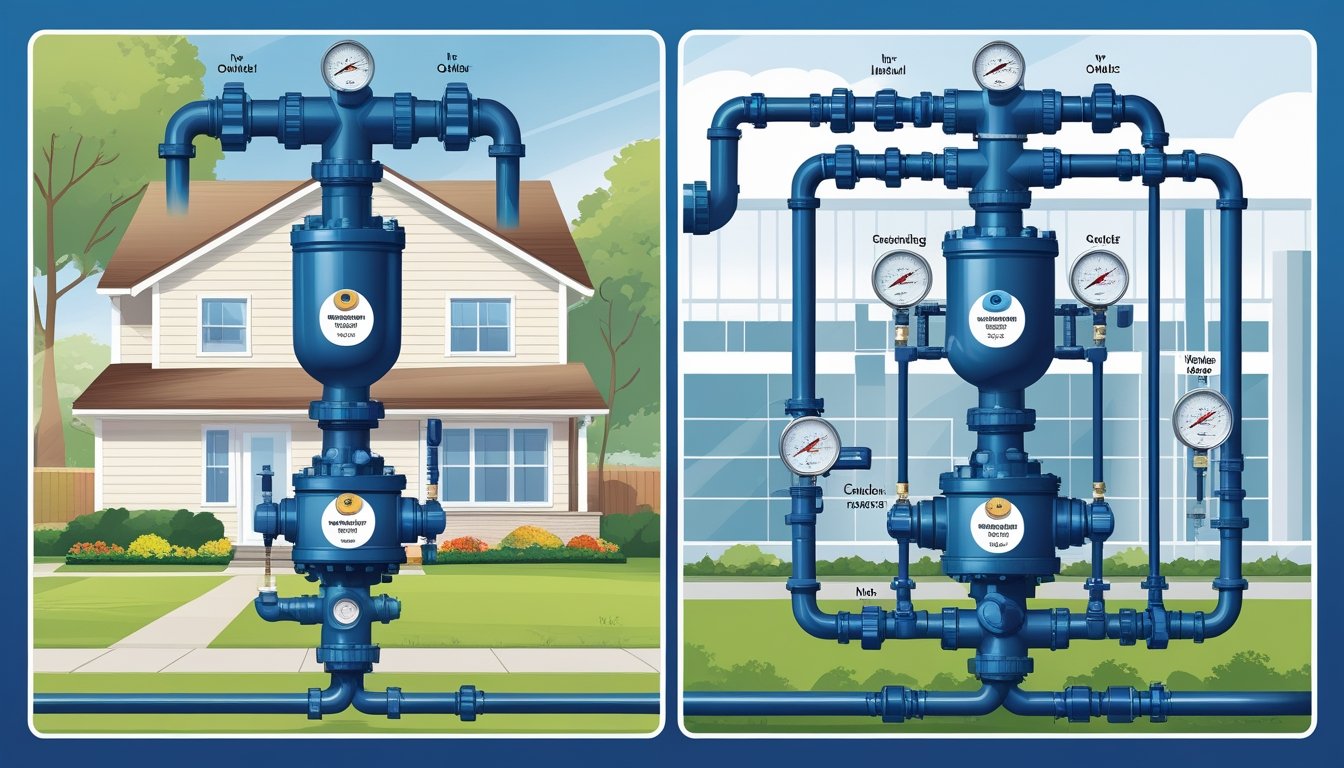
These devices come in different types, such as vacuum breakers or reduced pressure zone (RPZ) assemblies. Each type plays a specific role to keep water moving one way only. Proper installation is key—if a device isn’t installed correctly, it won’t work as it should.
You can help protect your home and community by making sure these devices are in place and working. Pacific Backflow helps with installations tailored to meet safety and local rule requirements.
Routine Maintenance and Testing
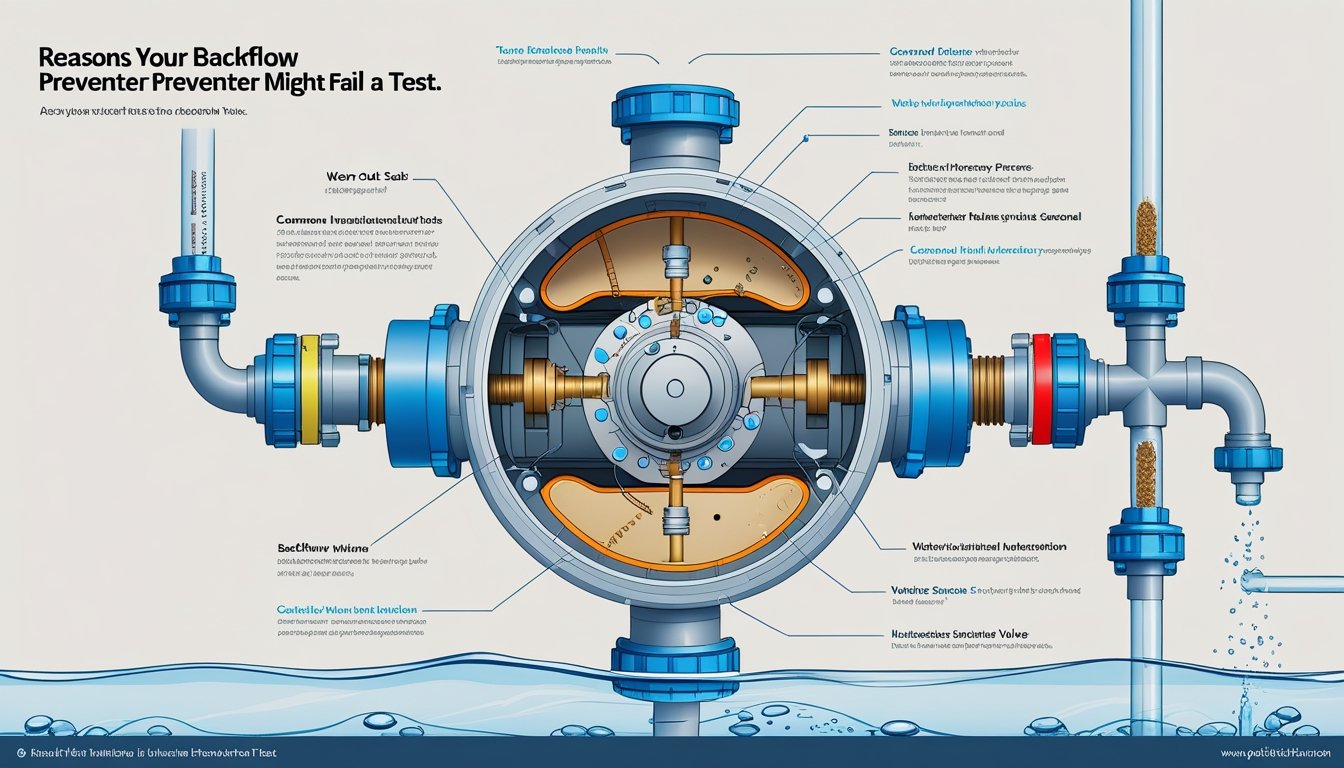
Regular maintenance and testing are essential for backflow devices to do their job. Over time, parts can wear out or get clogged, which lets harmful water sneak in. That’s why annual testing is important.
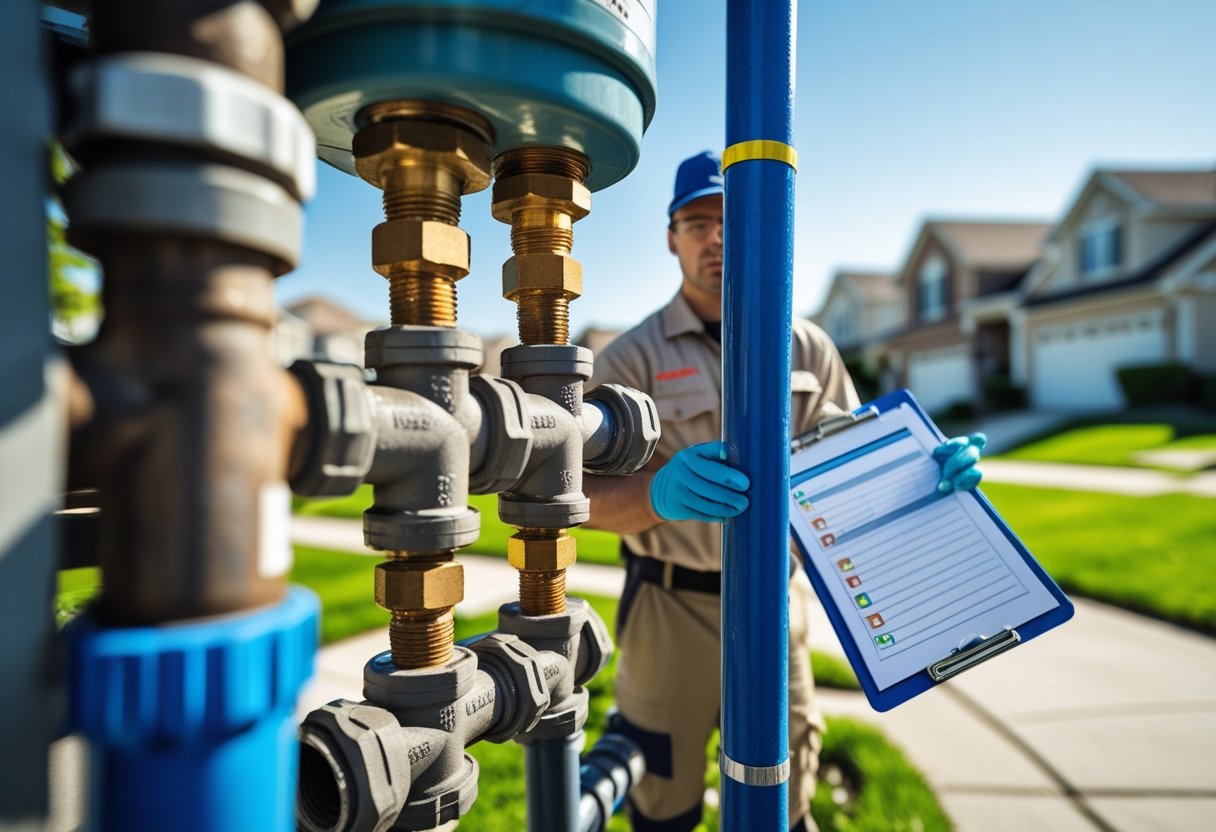
Your backflow preventer should be inspected yearly by a certified technician who can find and fix problems early. If repairs are needed, they can replace or fix parts quickly to stop leaks and keep things flowing safely.
Pacific Backflow offers reliable, fast testing services to keep you compliant with local regulations. They also handle all the paperwork for you, so you don’t have to worry about reports or deadlines. Staying on this schedule helps you avoid risks and keeps your water clean.
Community Actions to Enhance Water Safety
Protecting your neighborhood’s water starts with knowing how to keep it safe and taking quick action when problems arise. Staying informed and reporting issues helps prevent contamination and keeps your water clean and healthy.
Public Awareness and Education
You play a key role in preventing backflow problems by learning how backflow affects water safety. When everyone understands the risks, such as dirty water flowing into clean pipes, your whole community benefits. Share simple tips like not watering lawns with contaminated water or ensuring backflow preventers are tested yearly.
Educational events, community meetings, or flyers can spread the word. Creating a habit of regular backflow testing and repairs helps keep systems working properly. If you live in San Diego County, take advantage of services like those from Pacific Backflow to keep your property compliant and safe.
Reporting Backflow Incidents
If you notice unusual water taste, color changes, or pressure drops, these may be signs of backflow problems. Reporting these symptoms quickly to your water provider or local authorities helps stop contamination early. Acting fast can avoid health risks for you and your neighbors.
Use clear, detailed information when reporting—describe what you observed and when it started. Some neighborhoods organize hotlines or online forms for easy reporting. Staying alert and communicating issues helps everyone keep the water supply clean and safe.
Frequently Asked Questions
Keeping your neighborhood’s water supply safe means following local rules, testing devices regularly, and understanding how backflow prevention works. Being aware of these details helps protect your home and your community from water contamination.
What are the legal requirements for backflow prevention in residential areas?
In many places, including San Diego County, you must have backflow prevention devices installed and tested annually. Local water authorities require these devices to prevent dirty water from entering the clean water supply. Failure to comply can result in fines or water service restrictions.
Can you explain why backflow prevention is critical for community health?
Backflow prevention stops harmful bacteria, chemicals, and other contaminants from flowing back into the drinking water. This helps keep illnesses related to polluted water away from your family and neighbors. It protects the entire community’s water supply.
What is the process to get backflow prevention certification for a property?
First, a certified technician inspects and tests your backflow preventer. After passing the test, a report is submitted to the local water authority to prove compliance. Pacific Backflow offers this service and handles all the paperwork for you.
How often should backflow prevention devices be tested in neighborhoods?
Most local regulations, including those in San Diego County, require testing every year. Annual tests ensure your device works well and stops contamination risks before they happen.
What are the risks of not installing a backflow preventer in a home?
Without a backflow preventer, dirty water can flow backward into your clean water pipes. This can cause serious health issues from bacteria and chemicals in your drinking water. You also risk penalties from water authorities.
What type of backflow prevention method is most reliable for a residential setting?
Honestly, for most homes, the reduced pressure zone (RPZ) assembly stands out as the go-to device. It does a solid job of keeping contaminated water from sneaking back into your clean supply. If you’re thinking about getting one, make sure a qualified pro—like someone from Pacific Backflow—handles the installation and testing.