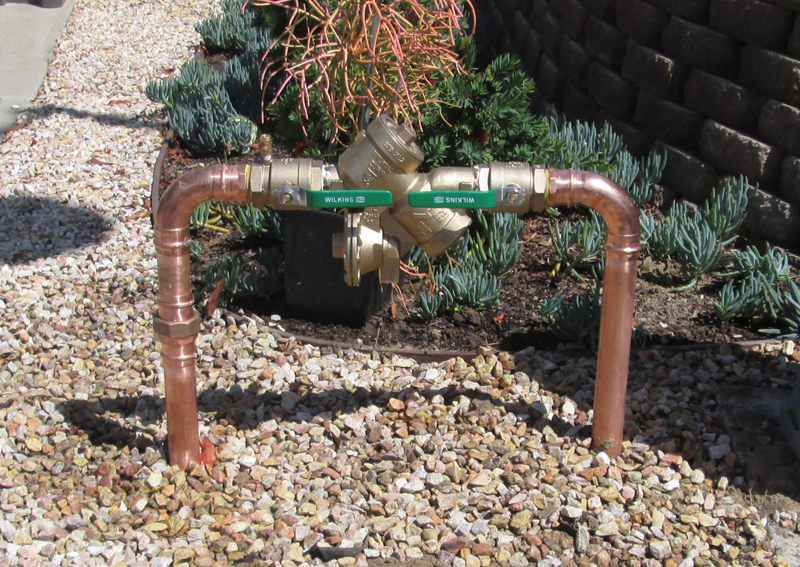


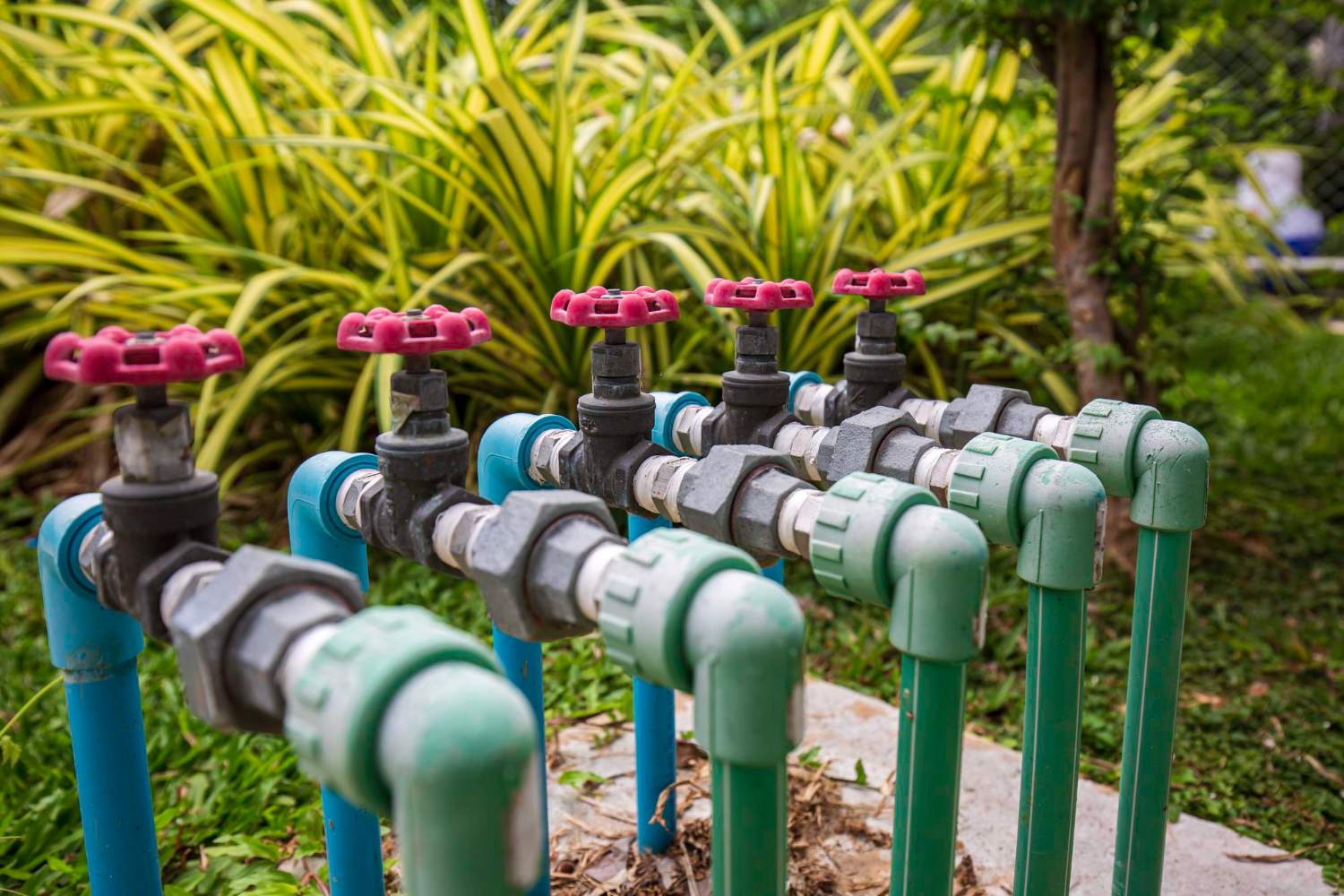
A backflow preventer for irrigation lines is a safety device that stops contaminated water from flowing backward into your home's clean drinking water supply. Without this protection, fertilizers, pesticides, and other chemicals from your yard could end up in the water you drink and cook with.
Installing a backflow preventer on irrigation lines is required by most city codes and is essential for protecting your family's health. These devices work by allowing water to flow in only one direction, creating a barrier between your irrigation system and your home's potable water.
In this article, you’ll learn how to choose, install, and maintain the right backflow preventer for irrigation lines to protect potable water and stay code-compliant. Here’s what you need to know:
- What is a backflow preventer and why it's essential for irrigation systems
- How backflow occurs in irrigation lines
- Types of backflow preventers used in irrigation systems
- How to install and maintain a backflow preventer for irrigation
- Benefits of adding a backflow preventer to your irrigation line
Understanding how these devices work and choosing the right type for your system can save you from costly repairs and potential health risks. Proper installation and maintenance ensure your water stays clean while keeping your irrigation system running smoothly.
What is a backflow preventer and why it's essential for irrigation systems
A backflow preventer is a mechanical device that stops contaminated water from flowing backward into clean drinking water pipes. Irrigation systems create serious contamination risks because they mix water with fertilizers, pesticides, and soil particles.
Understanding how backflow contaminates your home's water supply
Backflow happens when water flows in the wrong direction through pipes. This occurs during pressure changes in the water system.
Two main causes create backflow problems. Back-siphonage happens when pressure drops in the main water line. Back-pressure occurs when pressure in the irrigation system becomes higher than the main water supply.
When backflow occurs, dirty irrigation water can enter your home's drinking water. This contaminated water carries dangerous materials.
Common contaminants include:
- Fertilizers with high nitrogen levels
- Pesticides and herbicides
- Bacteria from soil and organic matter
- Chemical additives used in irrigation
A real case in Michigan shows how serious this problem can be. A homeowner found worms in their bathtub after a water main break caused irrigation water to flow backward into their home plumbing.
The contamination can spread beyond one house. It can affect the entire neighborhood's water supply through the municipal system.
The science behind how a backflow preventer works
A backflow preventer uses mechanical parts to create a one-way path for water flow. The device contains multiple safety features that work together.
Check valves are the main components. These spring-loaded valves open when water flows forward and close when water tries to flow backward.
Most irrigation backflow preventers have two check valves for extra protection. If one valve fails, the second valve still prevents contamination.
Relief valves provide additional safety. They open to release pressure when the system detects dangerous conditions between the two check valves.
The device also includes test cocks that allow technicians to check if the valves work properly. These small valves help during annual inspections.
When working correctly, clean water flows from the main supply to the irrigation system. The check valves prevent any return flow of contaminated water.
Why irrigation systems pose a higher risk for contamination
Irrigation systems create more contamination risks than other household water uses. These systems regularly mix clean water with harmful substances.
Fertilizers and pesticides are the biggest concerns. Homeowners apply these chemicals directly to lawns and gardens where irrigation water flows.
The irrigation pipes often sit underground or close to soil. This location exposes the water to bacteria and organic matter that can cause illness.
Pressure changes happen more often with irrigation systems. Sprinkler zones turn on and off frequently, creating conditions that can cause backflow.
Many irrigation systems connect to multiple water sources. Some use wells or ponds in addition to municipal water, which increases contamination risks.
According to the U.S. Department of Energy (FEMP), rainwater/alternate-water systems tied to a potable make-up line must include a backflow preventer to stop reverse flow under negative pressure, and DOE lists annual professional testing (or the locally required frequency) as part of O&M.
Cross-connections are another problem. These occur when irrigation lines accidentally connect to drinking water pipes without proper protection.
Local building codes require backflow preventers for irrigation systems because of these high risks. The devices are essential for water contamination prevention in residential and commercial properties.
How backflow occurs in irrigation lines
Backflow happens when water flows backward through irrigation pipes instead of moving forward as designed. Pressure changes and equipment failures create conditions that allow contaminated water to enter clean water supplies.
Common causes like pressure drops and reverse siphoning
Pressure drops are the main cause of backflow in irrigation systems. When water pressure falls in the main supply line, it creates suction that pulls water backward through sprinkler pipes.
This happens during several situations:
- Water main breaks in the neighborhood
- Fire department uses nearby hydrants
- Heavy water usage during peak hours
- Pump failures at water treatment plants
Back-siphonage occurs when irrigation lines sit at higher elevations than the water source. Gravity pulls water downward when pressure drops. The contaminated irrigation water then flows back into clean drinking water pipes.
Cross-connections between irrigation and potable water systems make backflow worse. These connections allow direct paths for polluted water to enter clean supplies. Even small pressure changes can trigger reverse flow through these connection points.
How lawn sprinklers can pull pollutants into clean water lines
Lawn sprinkler backflow creates serious contamination risks. Sprinkler heads often sit directly on soil or in standing water puddles. These areas contain harmful bacteria, chemicals, and waste materials.
When pressure drops occur, sprinkler systems act like straws. They suck up contaminated water from the ground surface. This polluted water then travels backward through the irrigation pipes.
Common contaminants include:
- Fertilizers and pesticides from lawn treatments
- Animal waste and urine
- Bacteria from soil and organic matter
- Chemicals from pools or hot tubs nearby
Underground sprinkler lines make the problem harder to detect. Homeowners cannot see contamination happening below ground. The polluted water mixes with clean water before anyone notices the problem.
Drip irrigation systems also cause backflow issues. Emitters and drip lines often contact soil directly. This creates more opportunities for contaminated water to enter the system during pressure loss events.
The dangers of unprotected irrigation systems for your family's health
Unprotected irrigation systems put families at serious health risk. Contaminated water can flow directly to kitchen and bathroom taps. People may drink, cook, or bathe with polluted water without knowing it.
Health problems from backflow include:
- Stomach illness from bacteria
- Poisoning from chemicals and fertilizers
- Infections from parasites in soil
- Skin reactions from pesticides
Children and elderly people face higher risks from contaminated water. Their immune systems cannot fight off harmful bacteria as well. Even small amounts of polluted water can make them very sick.
The contamination often has no smell, taste, or color. Families may use polluted water for days before discovering the problem. By then, multiple people may already be sick from exposure.
Building codes require backflow prevention for good reason. These devices protect entire neighborhoods from contamination. One unprotected irrigation system can pollute water supplies for many homes nearby.
Types of backflow preventers used in irrigation systems
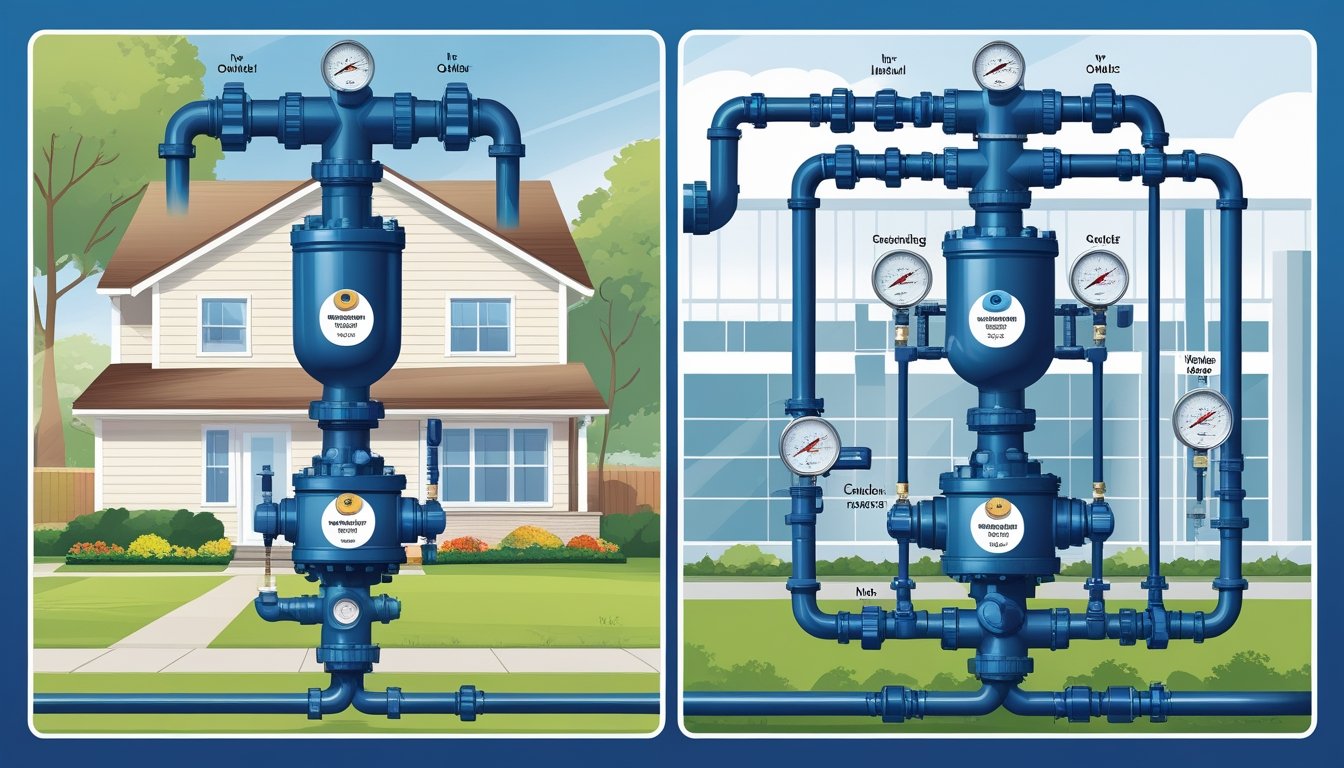
Three main types of irrigation backflow devices protect water supplies: pressure vacuum breakers, double check valves, and reduced pressure zone assemblies. Each offers different levels of protection and works best in specific situations based on your yard's setup and local water safety requirements.
Differences between pressure vacuum breakers, double check valves, and RPZs
Pressure Vacuum Breakers (PVBs) use air pressure to stop water from flowing backward into the main supply. They work well for basic sprinkler systems without chemicals or fertilizers. PVBs must be installed at least 12 inches above the highest sprinkler head.
These devices cost less than other options. They work best in simple irrigation setups with low contamination risk.
Double Check Valve Assemblies use two spring-loaded valves that close when water tries to flow backward. Each valve acts as a backup for the other. They can be installed below ground or in valve boxes.
These devices work in both horizontal and vertical positions. Water authorities often require double check valves for most residential irrigation systems.
Reduced Pressure Zone (RPZ) Assemblies provide the highest level of protection. They have two check valves plus a relief valve that opens if pressure drops. This design prevents any contaminated water from reaching the clean supply.
RPZ devices work best when fertilizers, chemicals, or other hazardous materials connect to irrigation lines. They cost more but offer superior safety for high-risk situations.
Which backflow device is best for your yard's irrigation setup
Simple sprinkler systems with just water need pressure vacuum breakers. These work for basic residential lawns without chemical injection or fertilizer systems.
Systems that mix fertilizers or pesticides require RPZ assemblies. The extra protection prevents dangerous chemicals from contaminating drinking water supplies.
Installation factors affect device choice:
- Available space and height restrictions
- Underground vs. above-ground placement needs
- Freezing temperatures in winter months
- Access requirements for testing and maintenance
Double check valves work well for most standard residential irrigation systems. They balance cost, protection level, and installation flexibility for typical yard watering needs.
Drip irrigation systems typically need less complex protection than spray systems. The lower pressure and smaller water volumes reduce backflow risks.
How local codes determine the right type of backflow protection
Water departments set specific rules about which irrigation backflow device types they allow. These codes protect the entire community's water supply from contamination risks.
Common code requirements include:
- RPZ assemblies for high-risk commercial properties
- Double check valves for standard residential irrigation
- PVBs only for low-risk residential systems
- Annual testing by certified technicians
Some areas ban certain device types completely. Others require specific brands or models that meet local testing standards.
Building permits often specify the exact backflow device type before installation begins. Property owners must follow these requirements or face fines and system shutdowns.
Contact your local water utility before choosing a device. They provide lists of approved models and installation requirements for your specific area and irrigation setup.
How to install and maintain a backflow preventer for irrigation
Proper installation location determines device effectiveness, while annual testing ensures compliance with safety standards. Professional maintenance protects water quality and prevents costly repairs throughout the irrigation season.
Where to install the device for maximum efficiency
The backflow preventer must be installed between the main water supply and the irrigation system. This location creates a barrier that stops contaminated water from entering clean water lines.
Install the device at least 12 inches above ground level. This height prevents flooding damage and allows easy access for testing. The unit should sit in a horizontal position with proper drainage underneath.
Key installation requirements:
- Install downstream from the water meter
- Place before any valves or connections
- Ensure 5 feet of clearance on all sides
- Use proper pipe supports to prevent stress
The device needs protection from freezing temperatures. In cold climates, install the preventer in a heated area or use an insulated enclosure. Some homeowners install it in basements or utility rooms.
Check local building codes before installation. Many areas require specific types of backflow preventers for irrigation systems. A permit may be needed for the installation work.
Annual Testing and inspection requirements you shouldn't skip
Most areas require yearly testing by a certified backflow tester. This testing ensures the device works properly and meets safety standards. The test checks that water flows in only one direction.
According to the U.S. Department of Energy’s Best Management Practice #5, owners should require training or certification for irrigation contractors and perform a full irrigation audit every three years by a qualified auditor (e.g., WaterSense Irrigation Partner) to verify performance and maintenance.
Schedule testing during spring before turning on the irrigation system. The tester will check all valves and seals inside the unit. They measure water pressure at different points to verify proper operation.
Annual inspection checklist:
- Check for visible leaks or damage
- Test all shut-off valves
- Verify proper drainage
- Inspect mounting brackets
- Review test certificates
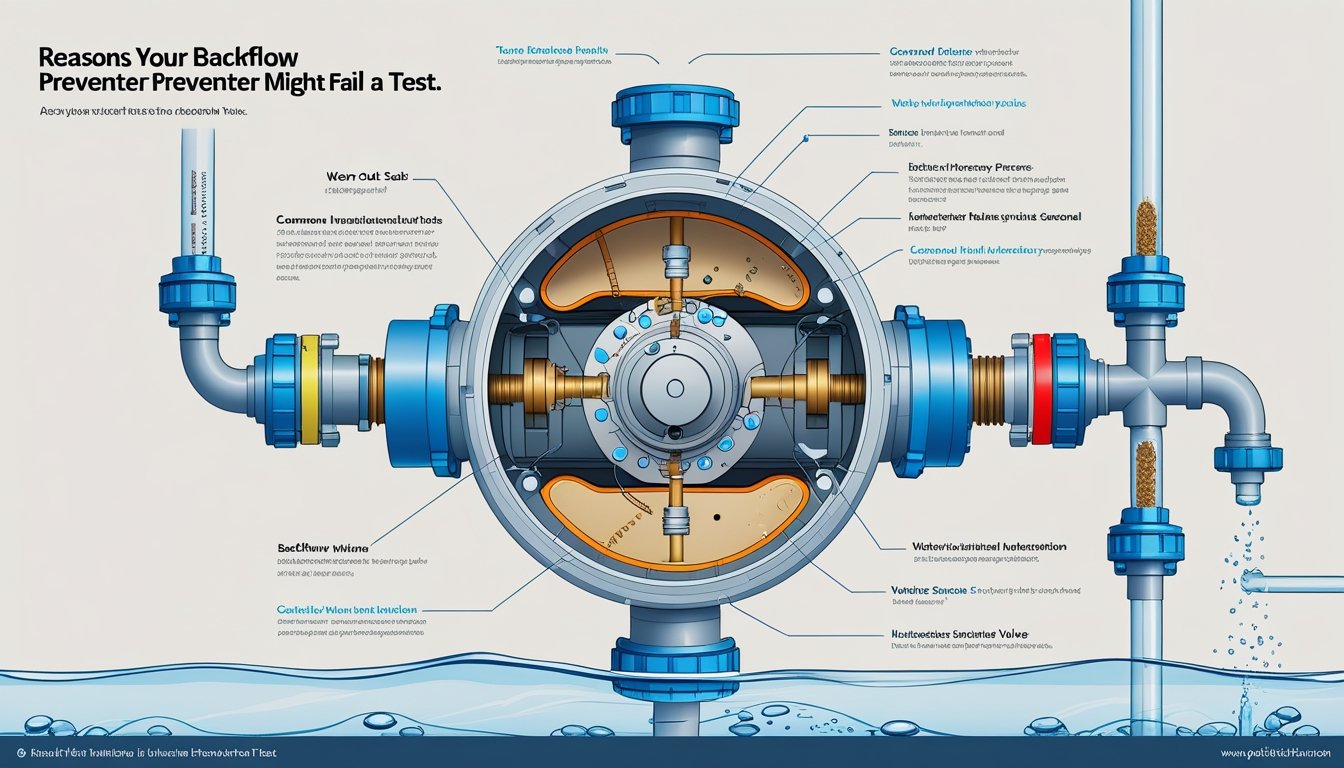
Keep all test records for your local water authority. Failed tests require immediate repairs before using the irrigation system. Most repairs involve replacing worn seals or valve components.
Replace the entire unit every 10-15 years depending on usage and water quality. Hard water areas may need more frequent replacements due to mineral buildup.
How professional maintenance keeps your water safe year-round
Professional technicians can spot problems before they become serious issues. They know how to properly winterize the system to prevent freeze damage. Regular service extends the life of expensive backflow prevention equipment.
Technicians replace worn parts like rubber seals and springs. These components wear out from constant water pressure and temperature changes. Professional replacement ensures proper fit and operation.
Professional maintenance benefits:
- Expert diagnosis of system problems
- Access to manufacturer parts
- Proper winterization procedures
- Warranty protection on repairs
Spring startup service includes testing all components after winter storage. The technician checks for damage from freezing temperatures. They also verify that water pressure settings remain correct.
Professional service costs less than replacing contaminated water systems. A failed backflow preventer can allow chemicals and bacteria into drinking water. This creates health risks and expensive cleanup costs.
Benefits of adding a backflow preventer to your irrigation line
Installing a backflow preventer creates a protective barrier that stops contaminated water from entering your home's clean water supply. This device prevents costly repairs while extending your irrigation system's working life through better water pressure control.
Safeguarding drinking water from pesticides and fertilizers
A backflow preventer acts as a one-way gate that stops contaminated irrigation water from flowing back into the municipal water supply. Without this protection, fertilizers and pesticides used on lawns can enter drinking water systems.
When water pressure drops suddenly, irrigation water containing chemicals can reverse direction. This contaminated water travels back through pipes and reaches faucets, wells, or city water lines.
Common contaminants that backflow preventers block:
- Lawn fertilizers with nitrogen and phosphorus
- Herbicides and pesticides
- Dirt and debris from sprinkler heads
- Bacteria from stagnant water in irrigation lines
The device uses check valves or air gaps to maintain water flow in only one direction. This creates a physical barrier between landscape water and potable water systems.
Homeowners who skip backflow prevention put their family's health at risk. They also create liability issues if contaminated water affects neighbors or the community water supply.
Avoiding costly plumbing repairs and code violations
Most local building codes require backflow preventers on irrigation systems. Properties without proper backflow prevention face fines and mandatory installation orders from municipal authorities.
Water utilities often shut off service to homes that lack required backflow prevention devices. Reconnection requires installing the proper equipment and passing inspection by certified technicians.
Financial consequences of missing backflow prevention:
- Code violation fines ranging from $200 to $1,000
- Emergency plumber costs for same-day installation
- Water service reconnection fees
- Failed home inspections during property sales
Contaminated water that enters the main plumbing system can damage pipes, fixtures, and appliances. Chemical buildup from fertilizers corrodes metal components and clogs water lines.
Installing a backflow preventer costs much less than replacing contaminated plumbing systems. The device prevents expensive repairs while ensuring compliance with local water safety regulations.
Increasing your irrigation system's lifespan and efficiency
Backflow preventers help maintain consistent water pressure throughout irrigation lines. This steady pressure prevents damage to sprinkler heads, drip emitters, and control valves.
When water flows backward through the system, it creates pressure surges that stress pipe connections. These surges cause leaks at joints and damage to irrigation controllers and timers.
The device also prevents debris from entering irrigation lines when pressure drops occur. Clean water lines deliver better coverage to plants and reduce maintenance needs.
System improvements from backflow prevention:
- More even water distribution across zones
- Reduced wear on sprinkler components
- Fewer clogged emitters and spray heads
- Better pressure regulation for optimal coverage
Irrigation systems with proper backflow prevention require less frequent repairs and replacements. The consistent water flow helps plants receive adequate hydration while reducing water waste from damaged components.
Conclusion
A backflow preventer protects drinking water from harmful chemicals and dirt. Every irrigation system needs one to keep water flowing the right way.
Property owners must install these devices on their water lines. This stops dirty water from moving backward into clean water supplies.
The device works when water pressure drops suddenly. It blocks fertilizers and pesticides from entering the main water system.
Most areas require backflow preventers by law. They protect both homes and neighborhoods from water problems.
Installation should follow local building codes. Only approved devices meet safety standards for irrigation systems.
Regular checks keep the preventer working right. Quick repairs fix small problems before they get worse.
These simple tools save money and prevent health risks. They make irrigation systems safer for everyone who uses the water supply.
Schedule code-compliant irrigation backflow preventer installation, annual testing, and repairs with Pacific Backflow—request a quote or book service today.