

Large irrigation cycles can really test your water system. When water rushes too fast or reverses, you might face contamination or even pipe damage. To keep everything safe during those heavy watering days, you want a reliable backflow preventer and a habit of regular maintenance.
Check for leaks, clean and test your backflow device often, and fix issues as soon as you spot them. If you're in San Diego County, Pacific Backflow is a solid choice for backflow testing, repair, and installation—they help keep your home’s water safe from contamination.
Understanding Water Flow in Large-Scale Irrigation
If you want your irrigation system to work well during big cycles, it’s worth understanding how water moves and what can go wrong. That means thinking about pressure, flow, and the risks of letting things get out of hand.
Principles of Water Movement
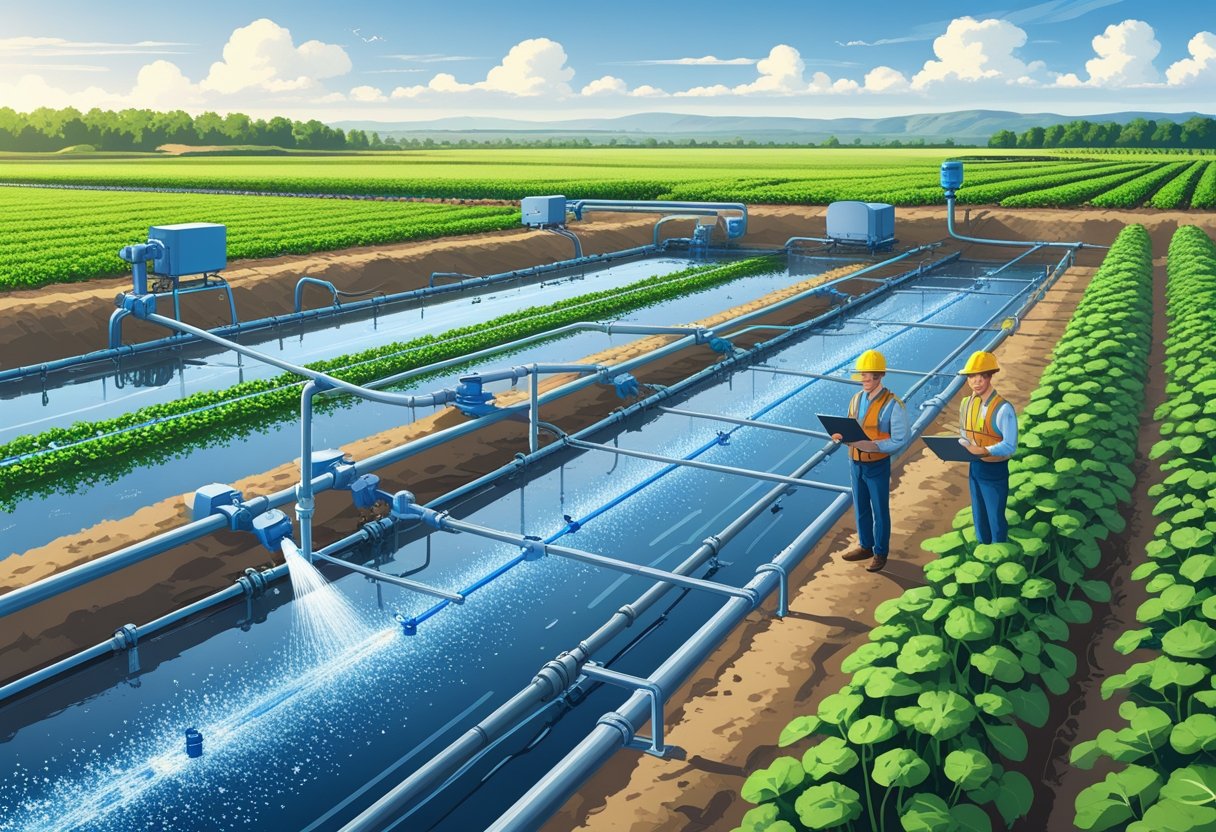
Water moves from high pressure to low pressure through your pipes and channels. In big irrigation setups, it travels from a main source out to all your fields or garden beds.
Pressure, pipe size, and your system’s layout all play a part. Too little pressure, and water doesn’t reach everywhere. Too much, and you risk leaks or breakages. Gravity helps, but pumps often do the heavy lifting.
Design your system to balance these forces. That way, every part gets watered when it should, and you don’t waste energy or water.
Importance of Flow Regulation
Regulating flow is all about making sure water goes where you want, at the right speed. If you skip this, some spots might flood while others stay dry.
Valves and pressure regulators are your friends here. They keep pressure in check, lowering the odds of leaks or busted pipes.
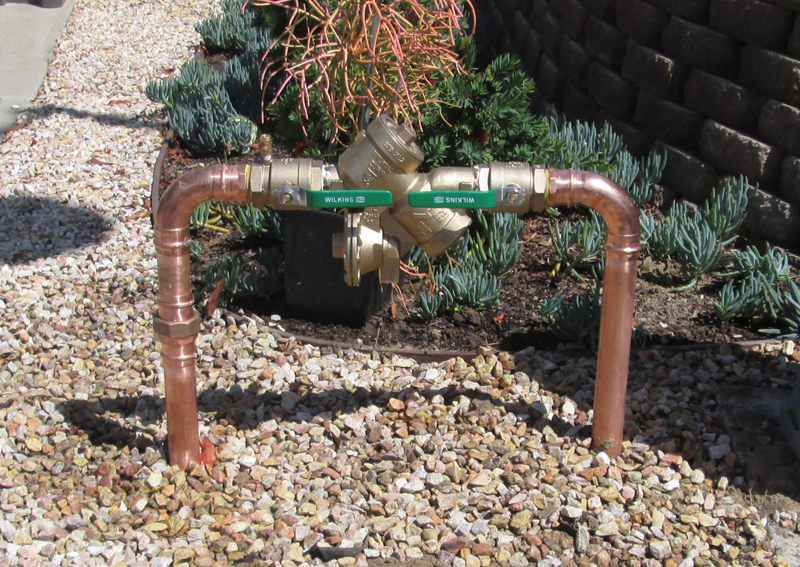
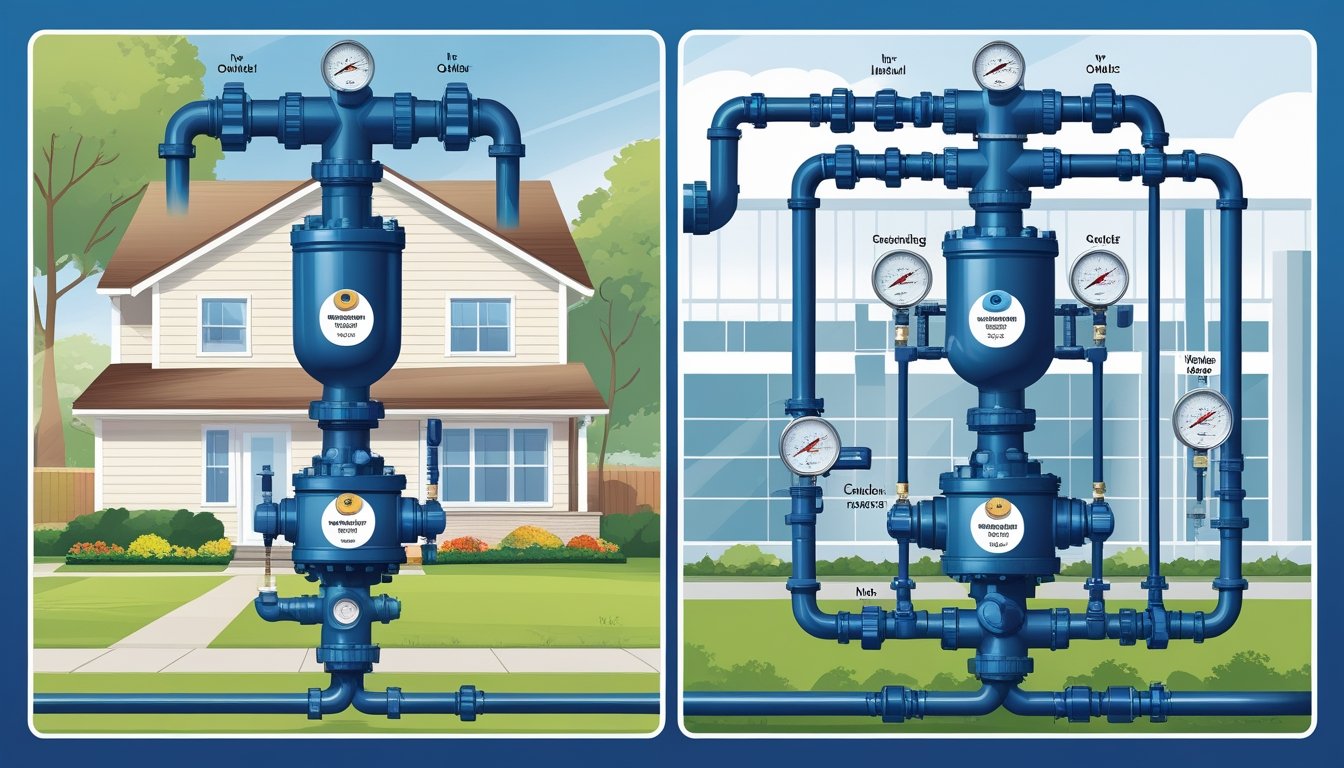
Backflow prevention matters, too. It stops dirty irrigation water from sneaking back into your clean supply. Pacific Backflow specializes in this—keeping your water safe and helping you stay on the right side of local codes.
Common Challenges in Irrigation Systems
Big irrigation systems can run into uneven water distribution, sudden pressure drops, or backflow risks.
If water isn’t distributed evenly, some plants drown while others thirst. That’s not just wasteful—it’s rough on your plants. Narrow pipes or big elevation changes can cause pressure drops.
Backflow is when contaminated water reverses into your clean supply. That’s a big deal, so you need backflow preventers that work and get tested.
System Assessment and Planning
Before you get deep into large irrigation cycles, take a hard look at your setup: the soil, water source, and what your plants actually need. These details help you keep water flowing safely and avoid headaches down the road.
Evaluating Soil and Terrain Conditions
Start with your soil. Sandy soils drain fast, so you’ll need shorter, more frequent watering. Clay holds water longer but can cause runoff if you water too quickly. Match your watering schedule to how your soil absorbs water.
Terrain matters, too. Slopes can cause water to pool at the bottom or run off entirely. You might need terraces or a special layout to keep water spread out. Mapping elevation changes helps you plan pipes and sprinklers so water moves where you want it.
Water Source Analysis
Where your water comes from affects everything. Is it a well, city supply, or rain collection? Each has its own flow rate and cleanliness. You want a source that’s free from contaminants and steady enough to handle your irrigation needs.
Know your pressure and how much water you can use each day. If pressure’s low, you might need a pump or storage tank to keep up during big cycles. Test your water for impurities and flow rate to keep things safe and reliable.
Determining Optimal Flow Rates
To avoid overwatering or starving your plants, calculate the right flow rate. Consider the size of your area and what your plants need. Too much flow erodes soil and wastes water; too little doesn’t cut it.
Check manufacturer specs and local regulations when picking backflow preventers. The right device keeps dirty water out of your clean supply. Pacific Backflow can help with testing and installing equipment to keep things safe during big cycles.
Technology and Equipment for Safe Water Delivery
Keeping water flowing safely during large irrigation cycles takes the right gear and a bit of tech savvy. You’ll want sturdy pipes, good valves, automated controls, real-time sensors, and regular maintenance.
Choosing Appropriate Valves and Pipes
Pick pipes and valves that match your system’s size and pressure needs. Go for durable materials like PVC or HDPE—they hold up against corrosion and cracks. Make sure the diameter fits your water demand or you’ll lose pressure or risk bursts.
Ball valves are great for quick shut-off; gate valves give you more control. Brass or stainless steel valves last longer. And don’t forget backflow preventers to keep your water supply clean.
Automated Flow Control Systems
Automation makes life easier, especially with big irrigation runs. Timers, smart controllers, and flow meters help you deliver water steadily, without waste. Set them to water at certain times or adjust for weather and soil moisture.
Some systems even connect to your phone or computer, so you can tweak settings from anywhere. Automation helps you avoid overwatering and sudden pressure spikes.
Monitoring Tools and Sensors
Sensors track flow, pressure, and sometimes water quality in real time. Pressure sensors can warn you about leaks or blockages before things get bad. Flow meters show how much water you’re using, which helps you spot inefficiencies.
Some sensors even check for contaminants or pH changes. With this info, you can schedule maintenance or fix problems before they get expensive.
Maintenance Best Practices
Stay on top of maintenance. Inspect pipes and valves for leaks, corrosion, or clogs at least twice a year. Clean filters and flush lines to keep things moving.
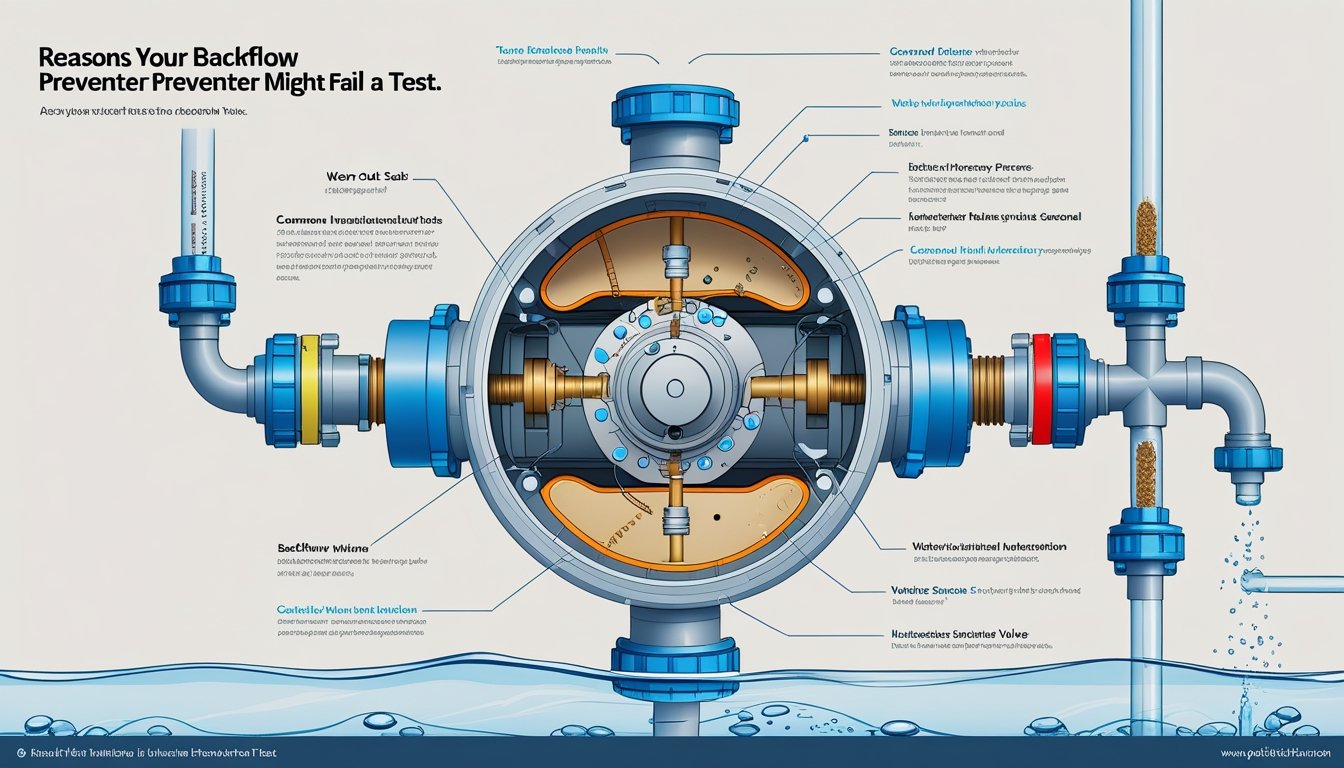
Test backflow preventers once a year to keep your water safe. Pacific Backflow offers solid testing and repairs if you need a hand. Swap out worn parts before they break—especially before peak watering times.
Keep records of inspections and repairs so you know what’s been done and when to upgrade.
Mitigating Risks During Large Irrigation Cycles
Running a big irrigation system means keeping an eye out for contamination, leaks, and system overload. These can hurt your crops and waste water, so you need a plan to keep everything safe and running.
Preventing Contamination
Backflow can push dirty water into your clean supply if pressure drops or the system backs up. To stop this, install and maintain backflow preventers.
Get them tested yearly by certified techs—Pacific Backflow is a good option. Proper backflow prevention keeps your water safe and helps you follow local rules.
Don’t mix fertilizers or chemicals directly into your irrigation lines. Keep them separate to lower contamination risks.
Avoiding System Overload
Big irrigation cycles can overload your system if too many zones run at once. That drops pressure and can even burst pipes. Run zones in stages, not all at once.
Timers and controllers help you spread out watering times and keep pressure balanced. Make sure your system matches your land and water supply. Check for weak spots before they become big problems.
Leak Detection Strategies
Leaks waste water and money, and they mess with your pressure. Check pipes, valves, and sprinkler heads for leaks regularly.
Listen for hissing or look for soggy spots and pooling water. Pressure sensors or flow meters can tip you off to pressure drops.
Fix leaks fast. Pacific Backflow can help inspect and repair backflow preventers—if those leak, your whole system can suffer.
Monitoring, Maintenance, and Future Optimization
To keep your irrigation system humming during big cycles, you’ve got to watch for trouble, use data to make smart tweaks, and manage water wisely. Here’s how to keep things running and avoid surprises.
Routine Inspection Protocols
Regular inspections catch small problems before they turn into disasters. Check backflow preventers and valves, especially before heavy watering. Look for leaks, worn parts, or anything that seems off.
What to do during an inspection:
- Test backflow devices every year to meet local rules and keep your water safe.
- Check sprinkler heads and pipes for cracks or clogs.
- Make sure timers and pressure settings fit your irrigation plan.
If you spot an issue, don’t wait. Pacific Backflow can help with quick repairs and testing. Routine upkeep keeps contaminants out of your water during big irrigation cycles.
Data-Driven Adjustments
Use info from soil sensors, rain gauges, and flow meters to dial in your system. This helps you avoid overwatering and makes sure each zone gets what it needs.
How to adjust with data:
- Check soil moisture daily when irrigating.
- Change watering times if it’s rained lately.
- Watch flow rates for sudden drops or spikes—they might mean leaks.
Reviewing this data helps you save water and money. Automated controllers can even update schedules for you.
Sustainable Water Management Practices
Saving water matters, but you still want healthy plants. Try drought-resistant plants and mulch to cut evaporation. Group plants with similar needs together.
A few sustainable tips:
- Water early or late to cut evaporation.
- Fix leaks right away and upgrade old gear.
- Use recycled water if it’s allowed.
Smart water-saving methods protect your landscape and your water supply. You’ll help your community and the environment, too.
Frequently Asked Questions
Good irrigation means knowing what your plants need, limiting water loss, and keeping your system running. The right methods and a few simple habits can save water and protect your supply.
What are the best practices for calculating irrigation water requirements?
Think about plant type, soil, and weather. Measure daily water use and adjust for rainfall and temperature. Check soil moisture often so you don’t overwater.
How can one reduce conveyance losses during irrigation?
Water can evaporate or leak before it reaches plants. Use pipes instead of open channels, fix leaks fast, and mulch exposed soil. Regular maintenance helps cut waste.
What steps are involved in ensuring the efficient operation of an irrigation system?
Inspect for leaks or broken parts. Clean filters and check valves—especially backflow preventers, which Pacific Backflow can service. Test your system regularly and aim sprinklers only at planted areas.
What are the benefits of using drip irrigation, and how can water flow be increased?
Drip irrigation gives water right to the roots, so you waste less. It cuts evaporation and uses less water overall. To boost flow, keep filters clean and maintain the right pressure.
Can you explain the 30 30 rule in irrigation and why is it important?
The 30 30 rule means running water for 30 minutes every 30 days during the off-season. It keeps pipes and valves from drying out—just a simple trick to avoid damage and keep your system ready.
What does the 200 rule for drip irrigation entail, and how does it help in water management?
The 200 rule suggests you use around 200 gallons of water for every 1,000 square feet of drip-irrigated space each week. It’s a pretty handy guideline—helps you avoid drowning your plants or leaving them thirsty. By sticking to it, you’re more likely to keep your plants happy and not waste water along the way.