

Backflow testing is legally required in most states and must be performed annually for all properties with cross-connection control devices. This regulation exists to protect public water supplies from contamination that can occur when water flows backward into the clean water system.
The consequences of non-compliance are serious, and your water service can be terminated if you fail to complete mandatory testing. Backflow preventers must appear on the USC-Approved Assemblies List to be considered acceptable protection for public water systems.
The testing requirement isn't just bureaucratic red tape, it serves a critical public health function. When backflow prevention devices fail, they can allow contaminants to enter the drinking water supply, potentially affecting not just your property but the broader community.
In this compliance guide, you’ll learn how backflow regulations work, who must comply, which devices are acceptable, and what enforcement actions can occur in 2026 and beyond.
Here's what you need to know:
- How backflow works and why it matters
- Legal requirements for backflow prevention in the U.S.
- Backflow prevention devices and system strategies
- Backflow prevention requirements for property owners
Whether you manage a commercial building, residential property, or irrigation system, understanding these rules is essential to avoid fines, protect health, and maintain uninterrupted water service.
How backflow works and why it matters
Backflow represents a serious risk to public drinking water supplies when contaminated water flows backward into clean water systems. This reverse flow can introduce harmful substances into potable water, creating health hazards for communities.
What is backflow?
Backflow occurs when water flows in the opposite direction than intended in a plumbing system. This happens due to pressure changes in the pipes. When pressure drops in the main water supply (backsiphonage) or when pressure increases in a private system (backpressure), water can move backward.
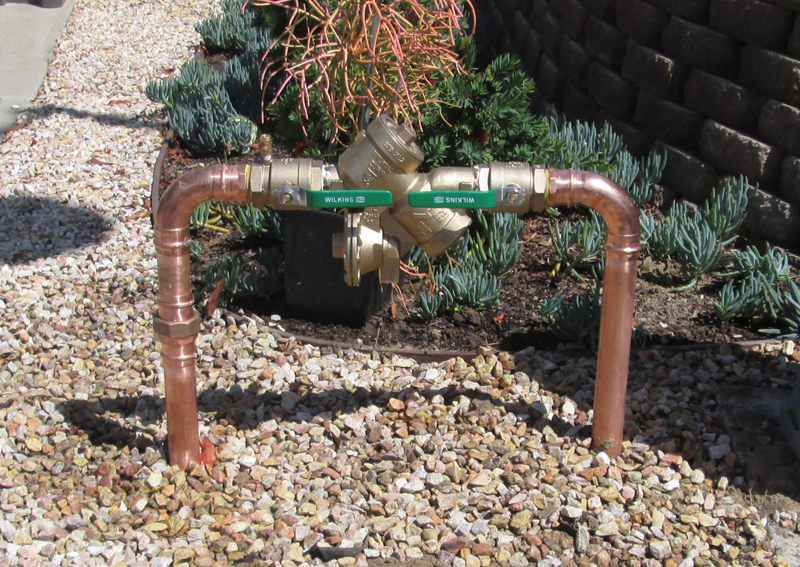
Cross-connections are the points where potable water systems connect to non-potable sources, and these connections create pathways for contamination if backflow occurs. Backflow preventers are devices specifically designed to stop this reverse flow, acting as one-way valves, allowing water to flow in one direction only.
Common cross-connections include:
- Garden hoses submerged in pools
- Irrigation systems
- Industrial equipment
- Boilers and heating systems
What qualifies as a cross-connection in plumbing systems?
A cross-connection is any actual or potential connection between a potable (drinkable) water supply and a non-potable source. These connection points create the risk of backflow, the reverse movement of water that can carry contaminants into the clean water supply.
Common examples of cross-connections include:
- Garden hoses submerged in buckets, pools, or ponds
- Irrigation systems connected to outdoor spigots without vacuum breakers
- Boilers and heating systems with chemical additives
- Chemical dispensers in commercial kitchens or janitorial setups
- Auxiliary water supplies, like private wells or rainwater harvesting systems
Even temporary setups, such as construction trailers connected to hydrants, can create dangerous cross-connections.
Plumbing codes typically require approved backflow prevention assemblies to be installed at each identified cross-connection point. Identifying these risks during system design and inspections is essential to ensuring compliance and protecting public health.
The consequences of backflow on drinking water supply
When backflow happens, contaminants can enter your drinking water supply, posing serious health risks. The consequences range from mild to severe, depending on the contaminants involved.
Potential contaminants include:
- Chemical pollutants: pesticides, fertilizers, and industrial chemicals
- Biological hazards: bacteria, viruses, and parasites
- Physical contaminants: sediment and debris
Historical incidents have shown that backflow can affect entire neighborhoods or communities. In some cases, these events have led to illness outbreaks requiring medical attention.
Beyond health impacts, backflow incidents often result in costly remediation efforts to flush and disinfect affected water systems. Water utilities must issue boil-water advisories until systems are proven safe again.
Legal requirements for backflow prevention in the U.S.
Backflow prevention programs operate within strict legal frameworks designed to protect public water supplies. These regulations establish testing requirements and enforcement mechanisms to ensure compliance across different jurisdictions.
State and local regulations requiring backflow testing
Backflow testing is indeed a legal requirement in most jurisdictions across the United States.
State-mandated programs require public water systems to implement cross-connection control and backflow prevention measures. Water providers must establish policies specifying acceptable backflow prevention assemblies. These policies need regulatory approval before implementation.
Most regulations require:
- Installation of appropriate backflow prevention devices
- Annual testing by certified testers
- Documentation of test results
- Immediate repair of failed devices
The legal authority for these requirements typically stems from state health departments and environmental protection agencies. Local water utilities then enforce these regulations through their service agreements.
Certified backflow tester requirements in California
In California, backflow prevention testing is regulated at both the state and local levels. Only certified testers approved by recognized training programs are authorized to inspect and report backflow prevention assemblies for regulatory compliance.
According to the California State Water Resources Control Board (under the updated cross‑connection regulations) public water systems must implement cross-connection control plans and require all backflow prevention assemblies to be tested at least annually, by state‑certified testers, to protect public potable water supplies.
To legally test backflow assemblies in California, an individual must:
- Complete a 40-hour certification course from an approved training provider
- Pass a written and hands-on practical exam
- Maintain active certification through AWWA or ABPA, particularly via the California-Nevada Section AWWA
- Be listed on the approved tester roster for the local water district
Certification is typically valid for 3 years and requires periodic renewal. Local agencies may impose additional registration steps, such as submitting credentials, proof of insurance, and calibration records for test kits.
Local jurisdiction enforcement
Each water district may enforce its own version of California Title 17 requirements. For example:
- Los Angeles Department of Water and Power (LADWP) requires testers to register directly with the utility
- San Diego Public Utilities maintains an approved tester list and requires submission of test forms on city-issued paperwork
- Contra Costa Water District limits who may test based on residential vs. commercial scope
Before scheduling a test, commercial property owners should confirm that the technician is authorized not just certified, meaning they are recognized by the local agency with jurisdiction over the property.
Failing to use a properly authorized tester can result in rejected reports, repeat inspections, and non-compliance notices from local authorities.
Enforcement of backflow prevention measures
Water systems need specific legal authority to implement and enforce backflow prevention programs effectively. This authority allows them to require customers to install and maintain appropriate devices.
In many cities, backflow prevention systems must undergo annual inspections by approved testers, and water utilities can enforce compliance through various mechanisms:
- Service disconnection for non-compliance
- Financial penalties for missed inspections
- Property liens in severe cases
- Mandatory repairs within specified timeframes
These enforcement measures are particularly strict for high-hazard facilities like industrial sites, hospitals, and chemical processing plants. Water providers typically maintain databases tracking testing compliance and send notifications when testing is due.
Utilities often offer grace periods for initial compliance but become increasingly strict with repeated violations. Most utilities provide resources to help customers understand their obligations under these regulations.
Backflow prevention devices and system strategies
Effective backflow prevention requires the strategic implementation of various devices and systems. Protecting water systems from contamination depends on selecting the right equipment and understanding how it functions.
Cross-connection control devices
Cross-connection control devices are essential for preventing contamination in water systems. These devices create physical barriers that stop pollutants from flowing backward into clean water supplies. The most common devices include air gaps, vacuum breakers, and check valves.
Air gaps provide the simplest but most effective protection by creating a physical separation between the water supply and potential contaminants.
Vacuum breakers prevent back-siphonage, while check valves block water from flowing in the wrong direction. Each device serves specific needs based on the risk level and installation location. For community water systems, these devices must comply with regulations, and local authorities typically specify which devices are required for different applications.
Backflow prevention assemblies
Backflow prevention assemblies provide more comprehensive protection than simple devices. These assemblies include multiple components working together to prevent contamination through service connections.
Common types include:
- Reduced-Pressure Principle Assemblies: These offer the highest level of protection
- Double Check Valve Assemblies: Good for moderate hazard applications
- Pressure Vacuum Breakers: Protect against back-siphonage
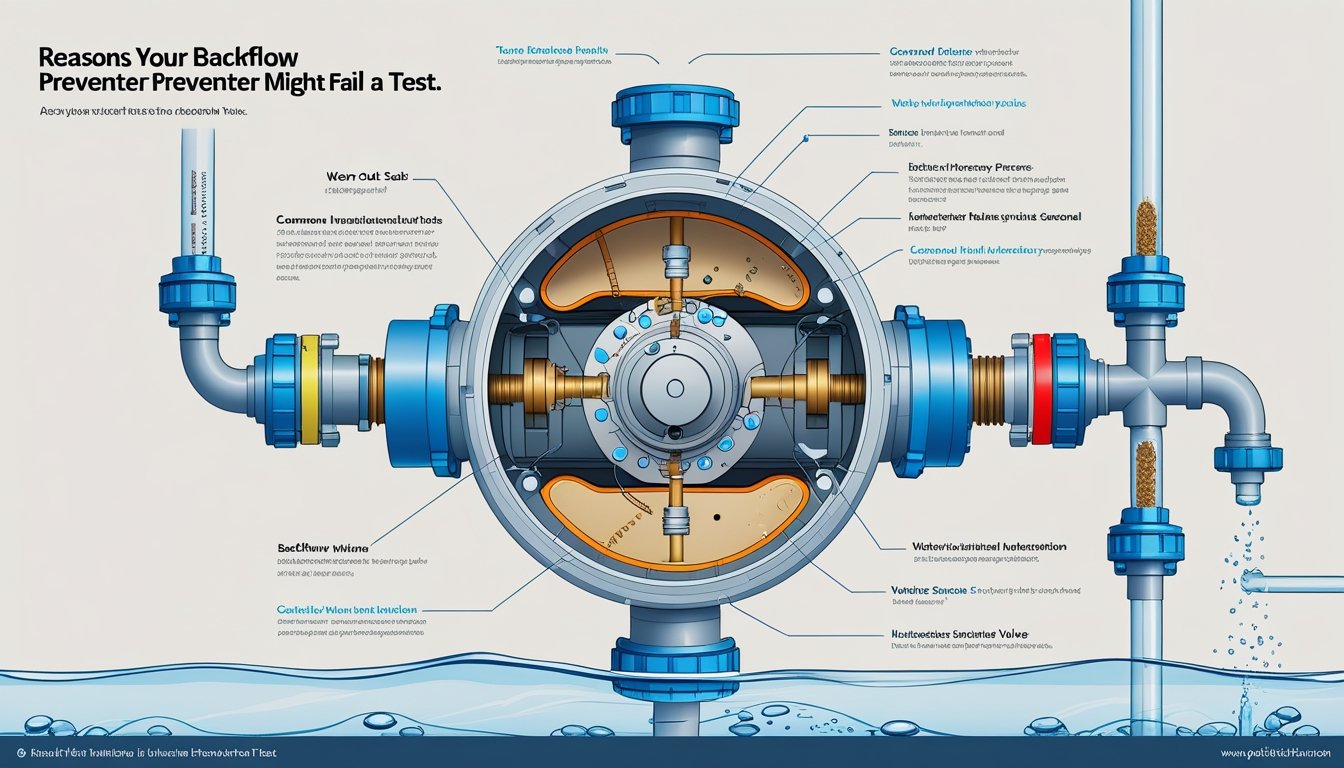
These assemblies must be tested regularly by certified professionals, and many jurisdictions require testing by "state-certified backflow prevention assembly testers" who perform specific procedures to verify proper function.
Backflow prevention requirements for property owners
Property owners face specific legal obligations regarding backflow prevention to protect water supplies from contamination. These requirements vary based on property type and water system configuration but generally mandate regular testing and maintenance.
Backflow compliance requirements for commercial properties
Commercial property owners typically face strict backflow prevention requirements. Most jurisdictions legally mandate the installation of backflow prevention devices for commercial buildings. These properties must undergo annual backflow testing at minimum, though some high-risk facilities may require more frequent testing.
Failure to comply with testing requirements can result in serious consequences, including:
- Potential fines or penalties
- Interruption of water service
- Liability issues if contamination occurs
Restaurants, chemical plants, and other businesses with higher contamination risks face more stringent oversight. We recommend that commercial property owners maintain detailed records of all testing and maintenance to demonstrate compliance during inspections.
Backflow protection needs for residential plumbing
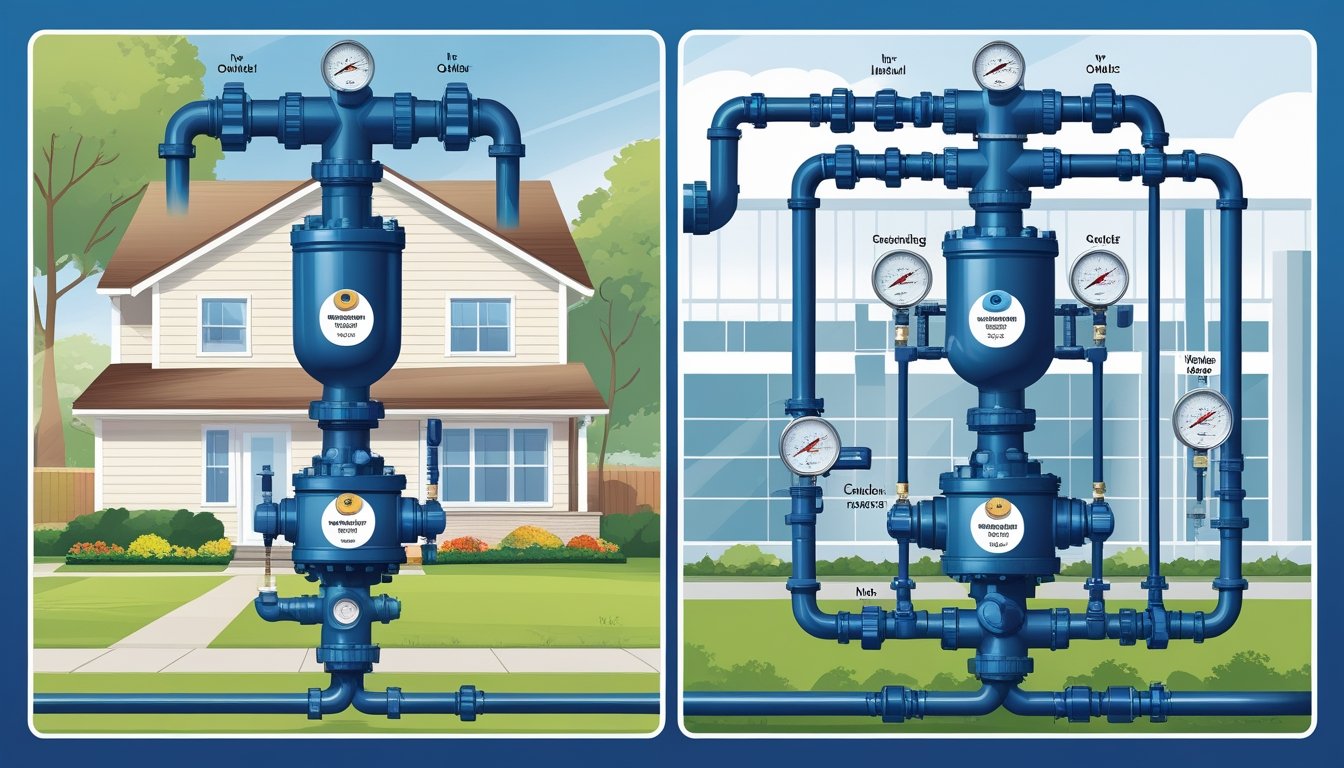
Residential properties generally have less stringent backflow prevention requirements than commercial buildings, but many municipalities still mandate backflow preventers for certain situations. Homes with potential cross-connections between the plumbing system and public water supply need appropriate protection.
Common residential scenarios requiring backflow prevention include:
- Properties with wells or auxiliary water systems
- Homes with irrigation systems
- Residences with swimming pools
- Properties with water treatment systems
Testing requirements for residential backflow preventers typically include inspection upon installation and annual testing thereafter. We advise homeowners to check with local water authorities to understand specific requirements for their area.
Typical costs of backflow testing and device maintenance
Understanding the costs of backflow testing and device maintenance helps property owners plan their budgets and avoid unexpected expenses. While prices vary by region and device type, there are common cost ranges and influencing factors to consider.
Typical backflow testing costs:
- Residential properties: $50–$100 per device
- Commercial buildings: $100–$250 per device, depending on size and complexity
- High-risk facilities: May require more specialized testing, raising costs to $300 or more per device
Prices often include submission of test reports to the water utility, but retesting after a failed inspection may incur additional fees.
Factors that affect cost:
- Number of backflow devices on-site
- Type of assembly (RPZ, DCVA, PVB)
- Accessibility (aboveground vs. vault)
- Urgency or after-hours testing
- Regional labor rates and permit fees
Maintenance and repair costs:
- Minor repairs (valves, springs): $75–$150
- Full rebuild kits: $150–$300
- Device replacement: $500–$2,000+, depending on size and installation conditions
Scheduling testing annually and performing routine maintenance can help avoid costlier repairs and reduce liability from non-compliance or contamination events.
Considerations for irrigation systems
Irrigation systems present unique backflow hazards due to their direct connection to the ground. These systems require specialized backflow prevention devices appropriate for the risk level they present to the public water supply. The type of backflow preventer needed depends on the irrigation system design and local regulations. Pressure vacuum breakers or reduced pressure zone devices are commonly required.
Most water service providers require:
- Installation of approved backflow prevention devices on all irrigation systems
- Annual testing by certified testers
- Additional testing after repairs or modifications
Schedule irrigation backflow testing in spring before system activation. This timing ensures protection throughout the watering season and helps identify any issues that developed during the winter months.
Conclusion
Backflow testing isn’t just a legal formality, it’s a frontline defense against serious water contamination risks. By understanding what backflow is, how cross-connections work, and what testing regulations apply in 2026, property owners can take informed steps to stay compliant and protect public health.
In California and many other states, using certified testers, installing approved assemblies, and keeping accurate records are not optional, they’re legally required. Failing to follow these rules can lead to service disconnection, fines, and even liability for contamination events.
If you manage a commercial or residential property, now is the time to review your system, schedule your annual test, and confirm that all assemblies meet state and local standards. Proactive compliance is the simplest way to avoid disruption and safeguard your water system.
Need a certified backflow test in California? Contact Pacific Backflow to schedule your inspection and ensure you're fully compliant with 2026 regulations.