

If you’re managing a big landscape, keeping contamination risks low is pretty much essential for healthy plants and safe water. Water can get contaminated from all sorts of places—think leaky hoses, old irrigation systems, or even just bad storage habits. Honestly, just storing hoses right, cleaning regularly, and installing backflow preventers can make a big difference.
When your water systems work as they should, your landscape is just safer. Getting annual backflow testing, repairs, and new installations keeps dirty water from sneaking into your clean supply. Pacific Backflow, for example, handles testing and maintenance all over San Diego County, so you don’t have to stress about water safety.
Understanding Contamination Risks
You’ve got to know where contaminants come from, what kinds you’re dealing with, and how they can mess with your health or the environment. If you’re proactive, you can keep your space safer and healthier.
Common Sources of Contamination
Contamination in large landscapes? It’s not just one thing. Runoff from fertilizers, pesticides, and herbicides is a big culprit—especially after watering or rain. Soil erosion can send sediment into water supplies, making things murky for plants and animals.
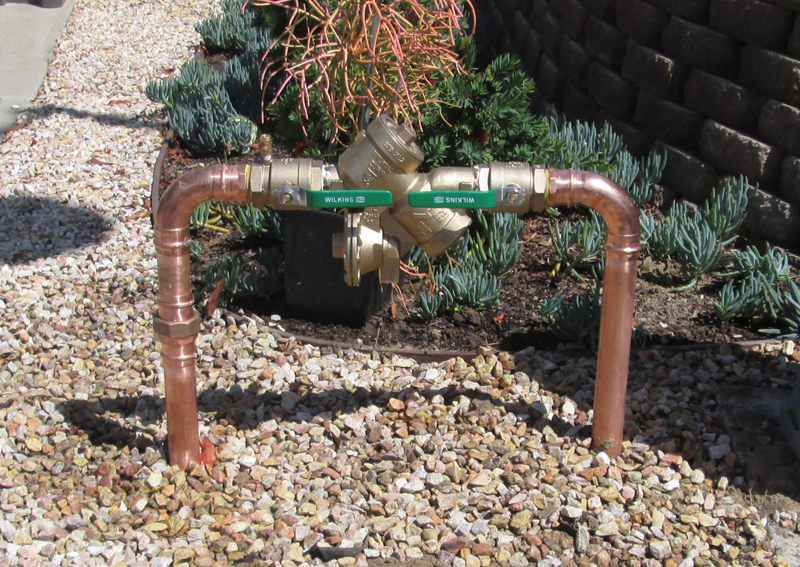
Damaged irrigation systems and backflow issues are sneaky problems. If water reverses flow, it can pull non-potable water or chemicals into your clean supply. That’s why regular backflow testing and maintenance matter so much.
Don’t forget animals, trash, or nearby factories—they all add to the contamination puzzle. Spotting these risks early makes all the difference.
Types of Contaminants in Large Landscapes
Physical stuff like dirt and leaves can cloud water and lower its quality. Chemical contaminants—fertilizers, pesticides—can build up and harm both plants and wildlife. Then there’s the biological side: bacteria, mold, or animal waste, all of which can be risky for people and pets.
Each type needs its own approach. Covering soil helps with erosion, using the right amount of chemicals keeps runoff down, and backflow preventers stop dirty water from mixing with clean. If you’re running a big irrigation system, these steps aren’t optional.
Impact on Environment and Health
Contaminants can stunt plant growth or make them sick. Chemicals might leak into rivers or groundwater, hurting fish and other wildlife—not just on your property, but downstream too.
For people, contaminated water can cause illness or allergies, and it definitely isn’t safe to drink or use for irrigation. Keeping your water supply protected means your family, pets, and neighbors stay healthier.
Best Practices for Preventing Contamination
If you want your landscape to stay clean and safe, you’ve got to manage waste, store chemicals carefully, and look for eco-friendly alternatives. It’s not rocket science, but it does take some effort.
Proper Waste Management
Sort and contain waste so it doesn’t end up where it shouldn’t. Compost plant clippings in sealed bins away from water—don’t just pile them anywhere. That way, rain can’t wash stuff into your water supply.
Hazardous waste like pesticides or oils? Use leak-proof, labeled containers. Don’t let waste pile up; get it offsite before it attracts pests or causes problems.
Covered dumpsters are your friend. Stick to local disposal rules to keep everything above board.
Safe Chemical Storage and Handling
Store fertilizers and pesticides in sealed containers, somewhere cool and dry, and definitely away from water. This keeps leaks and fumes in check.
Follow the instructions for every chemical. Overdoing it doesn’t help and can actually backfire. Skip application on windy or rainy days—you’ll just waste product and risk runoff.
Keep a spill kit handy. Clean your tools so residue doesn’t get spread around. Inspect your storage area now and then, and fix leaks or broken containers right away to reduce contamination.
Use of Non-Toxic Alternatives
Switching to safer options helps protect your landscape and your water. Organic fertilizers don’t run off as harshly as synthetic ones.
Let beneficial insects do the pest control when possible. Mulch keeps weeds down and helps soil hold water, so you won’t need as many chemicals.
Choose plants that actually belong in your climate—they’re less needy. And drip irrigation? It’s efficient and keeps water (and nutrients) right where you want them.
If you use backflow preventers, Pacific Backflow in San Diego County can handle testing and maintenance so you’re not left guessing.
Optimizing Irrigation and Water Management
Water management is about more than just turning on the sprinklers. You need to prevent runoff, keep clean and dirty water separate, and test your water regularly.
Preventing Runoff and Erosion
Runoff is a pain—it drags chemicals and soil into water supplies. Drip irrigation or soaker hoses are great because they water at the roots, not on the surface.
Ground cover and mulch keep soil from washing away. Swales or terraces slow down water, especially on slopes. Don’t water right before a storm; that’s just asking for trouble.
Separation of Clean and Contaminated Water Sources
Keep your irrigation water away from anything that could pollute it. Runoff from parking lots or heavily fertilized areas shouldn’t mix with your main supply. Berms and drains can help steer dirty water elsewhere.
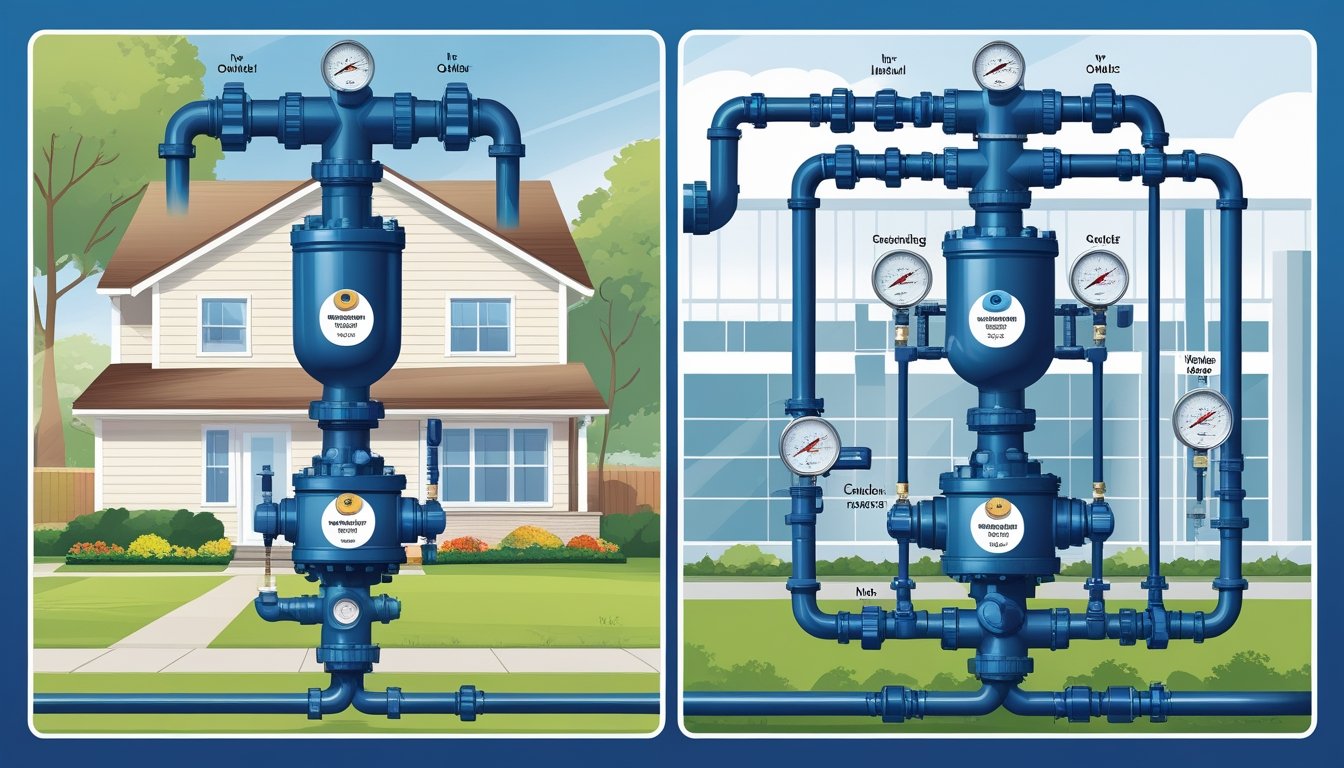
Install backflow prevention devices in your irrigation system. Pacific Backflow can handle testing and repairs, so you’re not left with a nasty surprise.
Cover storage tanks and check pipes for leaks. Label and map your system so you know what’s what as your landscape changes.
Regular Water Quality Testing
Testing irrigation water isn’t just for peace of mind—it’s practical. Check for bacteria, chemicals, and sediment based on your setup. If you use recycled water, test more often.
Keep a schedule and record your results. If something’s off, adjust your system or treatment right away. Regular tests keep your landscape healthy.
Need help? Pacific Backflow offers professional testing and can help you stay on top of local water safety rules.
Soil Protection and Restoration
Taking care of your soil really matters. Stop erosion, add safe materials, and handle fertilizers and pesticides with care.
Erosion Control Techniques
Plants with strong roots—like grasses or groundcovers—hold soil in place. Mulch or wood chips shield bare spots from rain and wind.
Terraces or barriers slow water on slopes. Silt fences and erosion blankets are handy during construction.
After heavy rain, check your site for bare patches and fix them quickly. That way, you prevent more soil from washing away.
Soil Amendments for Contaminant Reduction
Compost and other organic matter improve soil health and help break down contaminants. Biochar can trap some harmful stuff, too.
Sometimes, lime helps by adjusting pH and lowering metal toxicity. But don’t just guess—test your soil first.
Spread amendments evenly and don’t overdo it. Healthy soil grows stronger plants, which in turn prevent erosion. It’s a process, so patience is key.
Safe Handling of Fertilizers and Pesticides
Read the label before you use anything. Only apply what’s needed, and do it when the ground’s dry. Windy days? Skip them, or you’ll just spray chemicals everywhere.
Store products safely and clean up empty containers the right way. If you use backflow preventers, Pacific Backflow in San Diego County can help with testing and maintenance—so chemicals don’t end up in your water. Keeping things in check protects your landscape and the folks around you.
Training and Monitoring for Landscape Teams
A well-trained team and regular monitoring can make or break your contamination prevention efforts. Good habits, routine checks, and clear emergency plans all matter.
Staff Education on Safe Practices
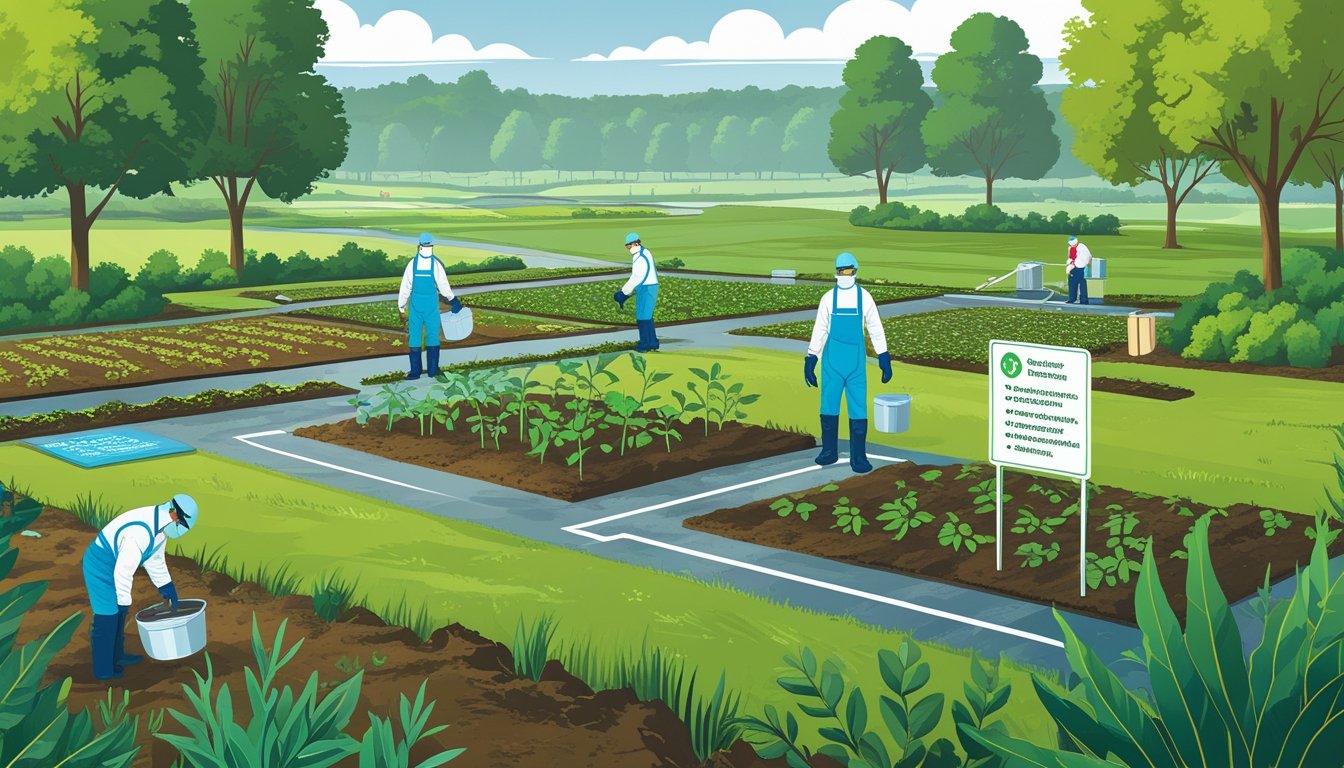
Your crew needs straightforward training—how to handle tools, wear protective gear, and store chemicals. Remind them to wash hands after working with soil or plants, and to avoid tracking contaminants between areas.
Checklists and quick guides help a lot. Keep training sessions short and regular, and use visuals if you can. Mistakes drop when people know what they’re doing.
Routine Site Inspections
Walk the site regularly and look for problems—spilled chemicals, broken gear, or waste that’s not where it belongs. Use a checklist so nothing’s missed.
Check water sources for contamination risks and make sure backflow devices are working. If you spot an issue, fix it or flag it right away. Keeping a log helps you see patterns and catch repeat issues.
Implementing Emergency Response Plans
Don’t wait for a spill to figure things out. Have a plan for emergencies—spills, leaks, backflow failures. Assign roles so everyone knows what to do.
Post emergency contacts and keep clean-up supplies like absorbent pads nearby. Run drills now and then so your team’s ready if something goes wrong.
Pacific Backflow can help with regular testing and maintenance, backing up your team’s efforts to keep water safe.
Frequently Asked Questions
Large landscapes bring their own set of contamination headaches—knowing how to protect yourself, test soil, and prevent pollution is huge.
How can individuals protect themselves from soil contamination?
Wear gloves when working with soil, especially if you think it might be contaminated. Wash up before eating or touching your face.
Skip digging in areas with known contamination. If you’re growing food, use raised beds or bring in clean soil.
What are the best practices for preventing lead exposure in soil?
Cover soil with mulch or grass to keep dust down. Don’t use lead-based paints near your garden.
Test soil near old buildings or industrial sites, and avoid planting edibles in spots with high lead.
How often should soil contamination testing be conducted?
Test every 2 to 3 years for gardens or ag areas. If you suspect contamination or change how you use the land, test more often.
Catching problems early means you can act before things get out of hand.
What measures can be taken to mitigate existing soil contamination?
Add clean soil or amendments like compost to dilute toxins. Plant stuff that holds soil in place.
Sometimes, you need to remove contaminated soil and bring in clean fill. Always follow local rules for cleanup.
What are the most effective ways to prevent land pollution?
Don’t dump waste on land, and control chemical runoff. Dispose of hazardous stuff properly.
Maintain backflow systems to keep dirty water out of soil. Pacific Backflow has reliable services in San Diego County to help protect your water supply.
Can you map areas with high soil contamination risks, and how do you use this information?
Absolutely—you can map out spots with high soil contamination by pulling together soil test results and mapping tools. It's not rocket science, but it does take some legwork. With those maps, you can zero in on which patches need cleanup, or just steer clear of using them for anything sensitive.
Honestly, knowing where the trouble spots are makes it way easier to figure out what and where to plant, or even how to design your landscaping. It’s all about keeping people and plants out of harm’s way.