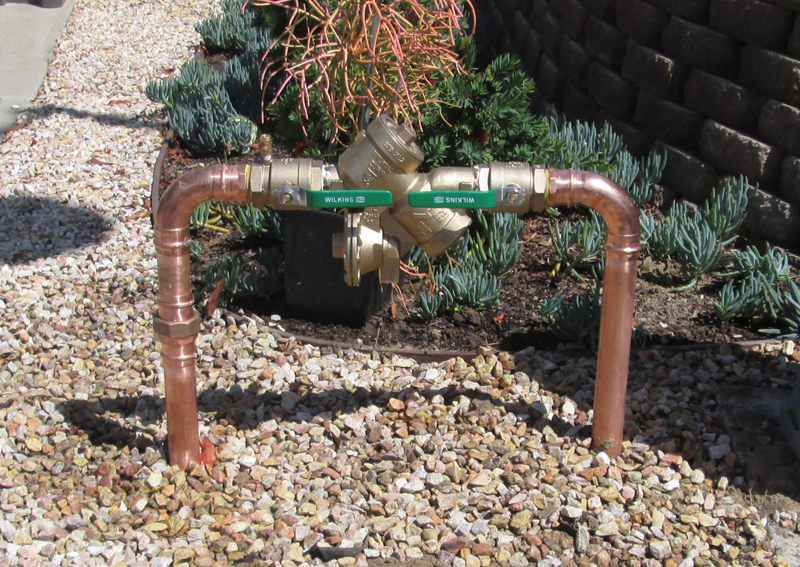


Outdoor water supply lines play a crucial role in your home’s plumbing, and honestly, they’re easy to overlook—until there’s a problem. Weather, leaks, or contamination can sneak up on you. A simple but powerful step: install and keep up with backflow preventers. They block dirty water from creeping into your clean water.
Regular checkups and a bit of maintenance go a long way. Just adding a hose bibb vacuum breaker or wrapping pipes in insulation for winter can save you a headache later. At Pacific Backflow, we’ve seen it all in San Diego County, and we’ve helped a lot of folks keep their water systems clean and up to code.
A little effort protecting your outdoor water lines goes beyond just home maintenance—it’s about your family’s health, too. With a few practical tips and a little help from people who know backflow prevention, you can dodge expensive repairs and keep your water safe all year.
Insulating Outdoor Water Supply Lines
Freezing pipes? That’s a pain nobody wants to deal with. Protecting your outdoor water supply lines from cold snaps is key to avoiding burst pipes and big repair bills. The trick is using the right insulation, putting it on properly, and checking it every season to make sure it’s still doing the job—even when cold weather hits.
Choosing the Right Pipe Insulation
Durability and weather resistance matter when picking insulation. Foam sleeves are popular—they’re easy to slip on and don’t soak up water. Fiberglass insulation wrapped in plastic works too, especially if you want to keep things dry. If you’re really worried about freezing, electric heat tape is an option, but you’ll need to follow directions and have a power source nearby.
Check insulation thickness. At least 1/2 inch thick is usually enough to hold in the heat. Skip anything that soaks up water or falls apart in the sun. Go for outdoor-rated, UV-resistant insulation so you’re not replacing it every year.
Proper Installation Techniques
Before you start, make sure pipes are clean and dry—insulation sticks better, and there’s less chance for mold. Slide foam sleeves on or wrap fiberglass snugly, then seal every seam with weatherproof tape.
Don’t leave gaps—cold air finds its way in fast. Pay extra attention to valves and fittings, since they’re the first to freeze. If you go with heat tape, read the instructions carefully (seriously, don’t wing it). Top it off with a waterproof cover to keep rain and wind out.
Seasonal Insulation Maintenance
At the start and end of winter, give your insulation a once-over. Look for cracks, soggy spots, or chewed-up sections. Patch or swap out anything that’s seen better days.
When it warms up, pull off the insulation so moisture doesn’t get trapped and cause rust. Check for signs of critters—rodents love to chew on insulation. Staying ahead of these issues keeps your pipes in good shape and your water flowing.
If you ever need a hand, Pacific Backflow is around San Diego County for reliable service and advice.
Winterizing Outdoor Plumbing
When winter’s coming, you’ve got to get proactive. That means draining pipes, shutting off water where you can, and using the right fixtures to keep water from freezing. A little prep now beats a huge repair bill later.
Draining Exterior Pipes
Before the cold hits, drain all the water from your outdoor pipes. Any water left inside can freeze, expand, and split pipes wide open. Start by turning off the shut-off valve to your outdoor faucets or irrigation.
Open up the faucets and let every drop drain out. Got long runs of pipe? Compressed air helps blow out stubborn water. Leave those taps open during freezes so nothing gets trapped.
Check where the water drains—make sure it’s not pooling near your foundation or pipes. Good drainage keeps things safe and dry.
Shutting Off and Bleeding Water Lines
Find the main valve for your outdoor plumbing and shut it off. Usually, it’s in your basement or wherever the water line leaves your house.
After you close the valve, open up all the outdoor faucets to let out any pressure and leftover water. Let them drain fully—less water means less freeze risk.
Not sure where your shut-off is, or how to drain things properly? Don’t be shy about calling a pro for help.
Using Frost-Proof Hose Bibs
If you haven’t switched to frost-proof hose bibs yet, now’s the time. These clever faucets have a long stem that shuts water off deep inside your wall, safe from the cold.
Since the water stops inside the warm part of your house, you avoid frozen pipes at the valve outside. They also seal up tight against leaks and backflow.
Swapping out old outdoor faucets for frost-proof ones is a smart move. Fewer winter headaches, less chance of pipe bursts, and winterizing gets simpler every year.
Need help? Pacific Backflow handles backflow prevention and winter service all over San Diego County.
Leak Detection and Prevention
Leaks can sneak up on you outdoors, and if you don’t catch them early, they’ll cause a mess. Spotting leaks, checking pipes regularly, and sealing up joints are all part of keeping your water where it belongs.
Recognizing Early Signs of Leaks
Leaks usually start small. Watch for soggy patches near pipes or your water meter. If your water pressure drops or your bill jumps for no reason, that’s another red flag.
Outdoor hoses and sprinklers can leak too—look for puddles or water where it shouldn’t be. Odd noises, like hissing or dripping, can tip you off. Rusty or corroded fittings mean it’s time to check for leaks.
Jump on these signs quickly to prevent water waste and bigger repairs.
Regular Pipe Inspection Schedules
Set a reminder to check your outdoor water lines every few months—especially before and after winter. Look for cracks, rust, loose connections, or worn-out seals.
Pay attention to spots exposed to the sun or weather—UV rays break down pipes over time.
A simple checklist helps you track what you’ve checked and spot problems early. Pacific Backflow offers annual backflow tests and inspections if you want a professional eye on things.
Applying Sealants and Protectants
Sealants can save you from a lot of trouble. Use plumber’s tape or pipe dope on threaded joints for a tight seal.
For exposed spots, try weather-resistant coatings or wraps. These keep out moisture, sun, and corrosion. Silicone sealant works well for tiny cracks.
Follow the product directions and replace sealant if it starts to crack or peel. A little maintenance here goes a long way.
Protecting Pipes from Physical Damage
Physical damage is a real threat to outdoor water lines—one bump or scrape can mean leaks or worse. Protecting pipes from knocks, weather, and sunlight helps them last and work right.
Installing Protective Covers
Protective covers are a no-brainer. Durable plastic or metal covers shield pipes from tools, mowers, or curious critters.
They fit snugly and can take a hit without cracking your pipes. Some even add insulation, which is a nice bonus.
Pick covers that fit your pipes and can handle the weather. It’s a small investment for year-round peace of mind.
Avoiding Mechanical Impacts
Keep heavy stuff—like tools, lawnmowers, or cars—away from your water lines. Even a quick nick from a shovel can cause trouble.
Mark where your pipes run, above or below ground, with stakes or flags. If pipes are near walkways or work areas, set up barriers or signs as a reminder.
Preventing UV Exposure
Sun can do a number on plastic pipes, making them brittle. Try to run pipes in the shade, or cover them with UV-resistant sleeves or wraps.
Polyethylene pipes especially need UV protection. It keeps them flexible and less likely to snap.
Living in San Diego County, you know the sun’s relentless. Pacific Backflow always recommends UV protection to avoid surprise repairs and keep water flowing.
Upgrading Materials and Components
Sometimes, old pipes and parts just can’t keep up. Upgrading to tougher materials and modern fittings keeps your system working and your water clean.
Selecting Durable Pipe Materials
When it’s time to upgrade, look for pipes that can handle the outdoors. PVC and PEX are great choices—PVC is sturdy for underground, PEX is flexible for tricky runs.
Metal pipes like copper or galvanized steel last, but they’ll rust if not protected. If you go with metal, make sure there’s a good coating. UV-resistant or insulated pipes handle sun and cold better.
Go for the right size and thicker walls if your old pipes are thin. You’ll get fewer clogs, steady water flow, and less breakage.
Modernizing Fittings and Valves
Old fittings can leak or fail, risking contamination. Install backflow preventers—even a basic hose bibb vacuum breaker makes a difference.
Pick fittings made from corrosion-resistant metals or strong plastics. Compression or push-to-connect fittings are easier to install and tend to leak less than old-school threaded types.
Check washers and seals regularly, and swap them out if they’re worn. Ball valves give better shutoff control than old gate valves, which can stick.
Upgraded fittings and valves make repairs simpler and protect your water. Pacific Backflow can help you get up to date and stay in line with safety codes.
Frequently Asked Questions
Keeping outdoor water lines safe in cold weather isn’t rocket science, but it does take a little know-how and some elbow grease. Sometimes a simple trick like letting a faucet drip can make all the difference.
How can I prevent my outdoor water pipes from freezing in the winter?
Wrap exposed pipes with foam sleeves or heat tape. Shut off and drain outdoor faucets before the freeze. Insulated covers on spigots add extra peace of mind.
What DIY methods are available to keep outdoor water supply lines from freezing?
Foam insulation or heat tape works well. Letting a faucet drip overnight keeps water moving and prevents freezing. Even wrapping pipes with towels or blankets can help in a pinch.
What are the best practices to avoid frozen pipes on an outside wall?
Seal up any gaps near pipes to block out cold air. Add insulation inside walls where water lines run. Leaving cabinet doors open in cold weather lets warm air get to indoor pipes.
Are there effective ways to protect pipes from freezing when there's no heat available?
Definitely. Use insulated pipe covers and, if you can, heat tape with battery or solar power. Dripping faucets or draining pipes before the cold hits also helps.
At what point should outdoor water supply lines be insulated against cold temperatures?
Once temps start dipping below 40°F (4°C), it’s time to insulate. Don’t wait—frozen pipes are a pain you don’t want.
Is insulating or dripping faucets a better method for preventing frozen outdoor faucets?
Insulating tends to be the safer, more energy-efficient choice in the long run. Dripping faucets can help stop freezing, but they waste water and don’t always protect pipes completely. Sometimes, in really cold places, folks use both methods together.