

Keeping your commercial site’s water supply safe isn’t just good sense—it’s essential for your business and the community. Staying water-safe really comes down to regular backflow testing, maintenance, and quick repairs to prevent contamination of your clean water. These steps protect your water, keep you compliant with local laws, and help you dodge expensive fines.
Certified technicians, like the folks at Pacific Backflow serving all of San Diego County, can handle the details. They’ll test your backflow devices every year, file the required reports, and fix problems fast. That way, your water stays clean and your site stays safe—no big hassle.
Assessing Water Risks for Commercial Sites
You’ve got to know where the risks are before you can fix them. Walk your property and look for spots that could let contaminants in—old damage, flood-prone areas, or weak points in your plumbing.
Identifying Vulnerable Areas
Take a walk through your site. Check plumbing connected to outdoor irrigation, boilers, or places where chemicals get handled. Those are trouble spots for backflow—dirty water can sneak back into your clean supply.
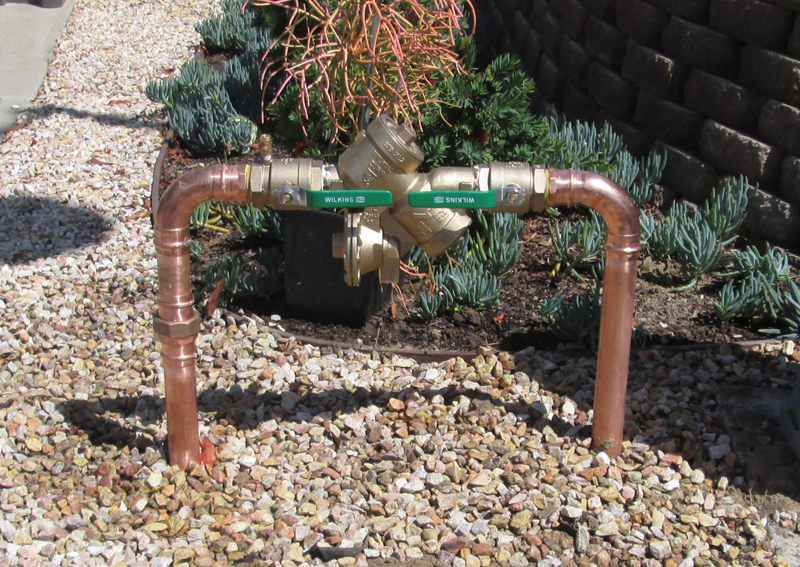
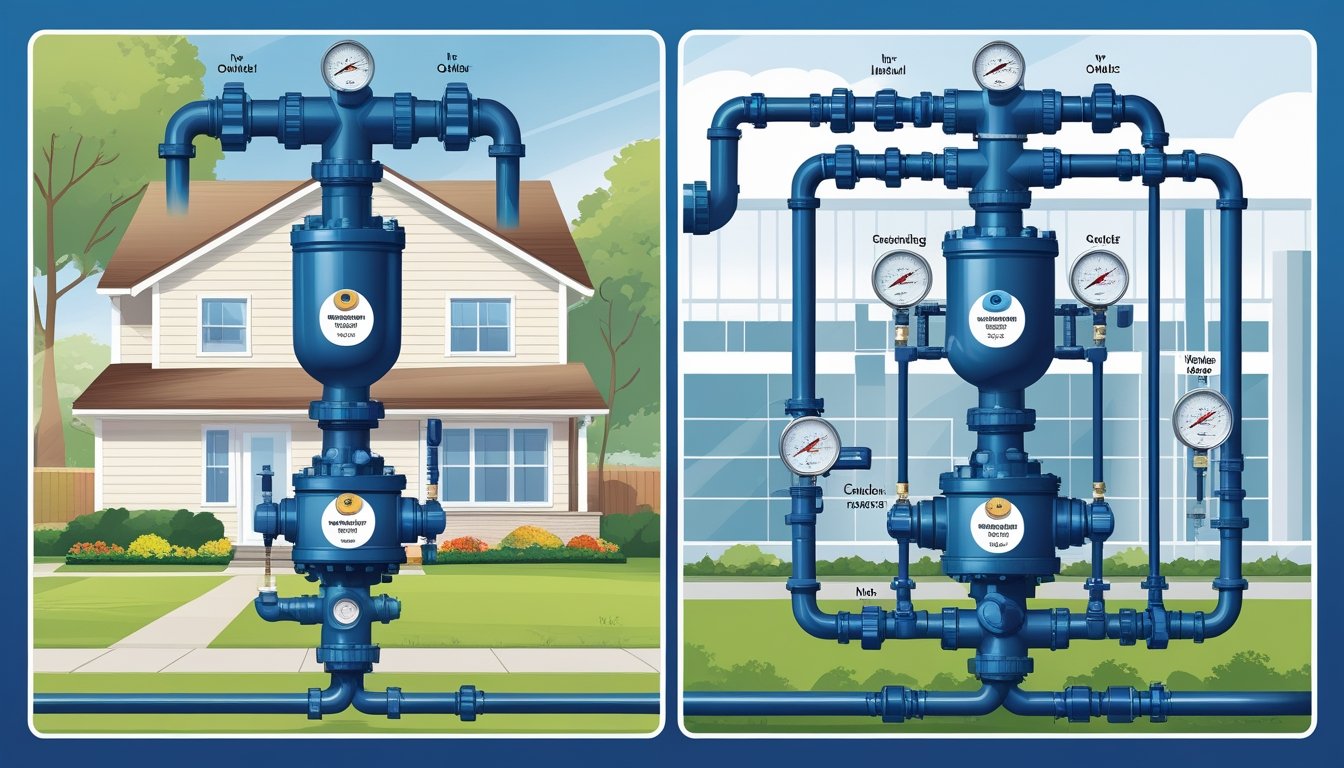
Look at your backflow prevention devices. Are they easy to reach and in good shape? Devices in basements or underground storage areas are especially at risk. Make sure drains and sewer lines slope away from your water system.
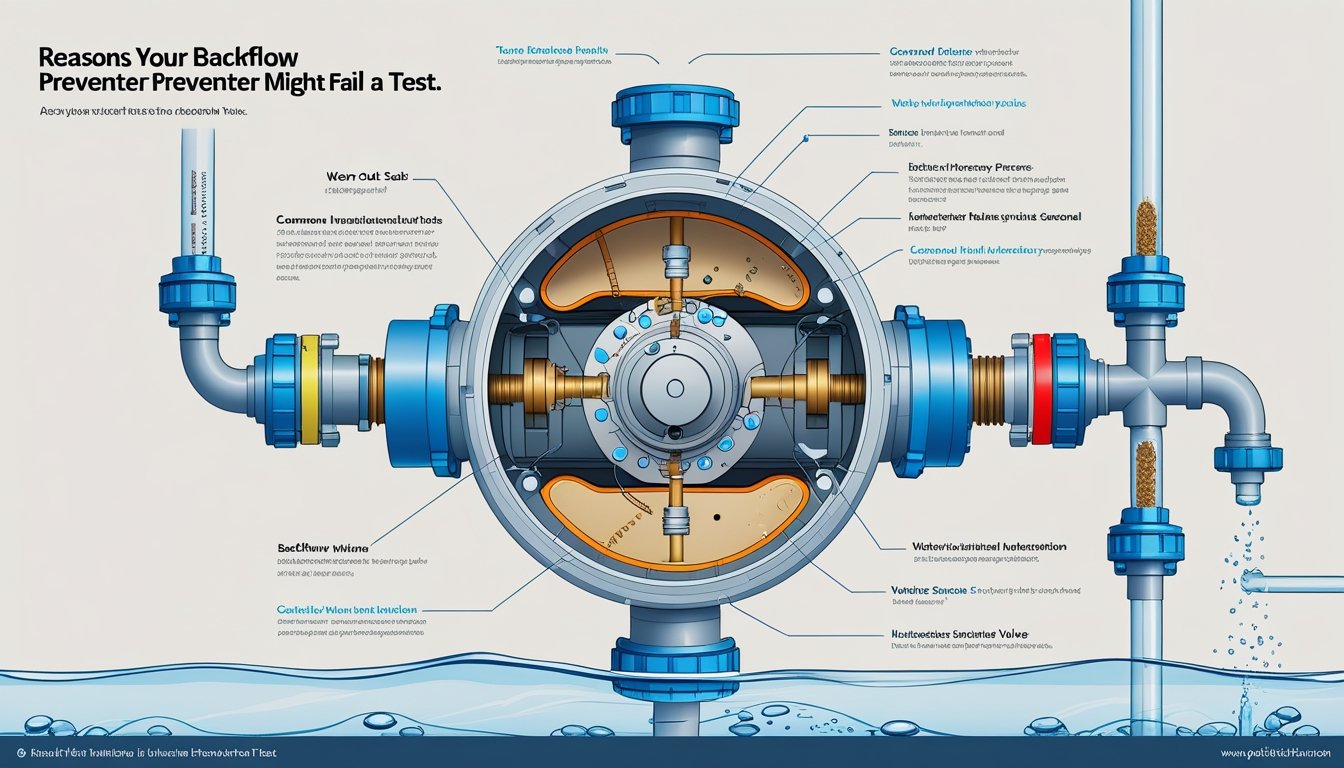
Annual backflow testing by certified techs makes sure these devices actually do their job. Pacific Backflow is quick and reliable for this in San Diego County.
Understanding Local Flood Zones
Flood zones matter more than you might think. If you’re in a high-risk area, you’ll need to step up your water protection game.
Check your city or county’s flood zone maps. Properties near rivers, lakes, or the coast usually have higher risk. If that’s you, think about raising critical equipment above ground and sealing up entry points against water.
Flood insurance and a solid emergency plan are smart moves too. A little prep now saves headaches later.
Evaluating Historical Water Damage
Dig into your site’s history. Any past leaks, floods, or backflow incidents? Old repair records, insurance claims, or inspection notes can reveal patterns.
If certain areas have had issues more than once, they probably need extra attention. Jumping on these problems early saves you from bigger headaches and keeps your business running smoothly.
Tracking these events helps you prioritize repairs and testing. It’s all about staying ahead of trouble, not chasing it.
Implementing Effective Waterproofing Solutions
To keep your commercial site water-safe, you need to use the right materials, install them properly, and stay on top of seal inspections. These steps help you avoid water damage and protect your building.
Selecting Appropriate Waterproofing Materials
What you pick depends on your climate, the surfaces you’re dealing with, and how much water exposure you get. For roofs, flexible membranes are great—they flex with the weather. For basements and foundations, crystalline sealers or cementitious coatings block water from getting into concrete.
Go for materials that last and can handle UV rays, chemicals, or heavy rain. Vapor barriers are a must where moisture might sneak through. Don’t cheap out—quality stuff means fewer repairs later.
Ask suppliers or pros about warranties and whether materials play nice with your building. Picking right now saves you a lot of hassle down the line.
Professional Installation Best Practices
Even the best materials won’t work if they’re installed wrong. Always bring in professionals who know commercial waterproofing. They’ll prep surfaces, patch cracks, and make sure everything’s clean before starting.
Pros overlap seams and seal joints tight, so water can’t find a way in. Using the right tools and following the manufacturer’s instructions is key.
Honestly, cutting corners just leads to leaks. Pacific Backflow always recommends quality work over speed to keep your property and water safe—and to meet local water safety codes.
Routine Inspection of Seals and Joints
Waterproofing isn’t set-it-and-forget-it. Check seals, joints, and membranes for cracks, peeling, or wear twice a year—especially after heavy rain or storms.
Look for moisture inside walls or under floors—stuff like stains or mold. Try using a checklist like this:
- Check joints and seams for gaps
- Look at roof edges and gutters
- Spot cracks or blisters in membranes
- Make sure water drains away from the building
Stay on top of these checks to avoid leaks and keep your water supply safe. Pacific Backflow’s backflow testing works hand-in-hand with waterproofing to keep things clean.
Maintaining Drainage Systems and Gutters
Good drainage means water moves away from your building instead of hanging around causing trouble. Keep gutters clean, check downspouts, and make sure your site slopes right. Each step helps protect your water supply and your property.
Regular Gutter Cleaning
Clogged gutters are a recipe for water damage. Leaves and gunk block them up, water overflows, and next thing you know, you’ve got problems. Clean them at least twice a year—or more if you’re under a lot of trees.
Use a sturdy ladder, scoop out the mess, then flush the gutters with water to make sure the downspouts work. Spot any holes or leaks? Seal them up. Clean gutters keep your building safe from water and mold.
Checking Downspouts for Blockages
Downspouts need to move water away from your building. If they’re blocked, water pools near your foundation or seeps into basements.
Test each downspout—run water through and see if it drains right. If it’s slow or pooling, clear the blockage with a hose or plumber’s snake. Downspouts should send water at least 4 to 6 feet away from your building.
Working downspouts mean less erosion and a cleaner water supply.
Optimizing Site Grading
Site grading is all about sloping the ground so water runs away from your building. If the ground’s flat or slopes toward you, you’ll get leaks and damage.
The ground should drop at least 6 inches over the first 10 feet from your foundation. If not, add and compact soil to fix low spots.
Good grading keeps stormwater in check and protects your water system. Pacific Backflow suggests checking your property regularly to spot grading issues early.
Establishing Emergency Preparedness Plans
You need a plan for water emergencies—no one wants to scramble when things go wrong. Set clear steps for fast action and make sure your staff knows what to do. Good planning lets you handle problems calmly and keeps your water safe.
Developing a Response Protocol
Write out a water emergency protocol. List who to call, how to shut off water, and how to isolate the problem. Assign key people to each task and set up a way to alert staff and authorities fast.
Include steps for checking backflow devices and shutting valves to block dirty water. Put it all in a simple checklist or flowchart. Make sure it matches local water safety rules.
Keep your backflow service provider’s info—like Pacific Backflow—handy for quick repairs. Update your plan regularly as things change.
Training Staff for Water Emergencies
Train your team so they don’t freeze up in an emergency. Run drills on backflow issues, leaks, and contamination. Show employees the warning signs and how to act fast.
Use hands-on practice, not just instructions. Make sure everyone knows where shutoff valves are and how to use emergency equipment. Assign roles so there’s no confusion.
Keep records and run refresher sessions at least yearly. Trained staff means fewer mistakes and less chance of water contamination or business downtime.
Using Technology for Water Safety Monitoring
You can’t watch everything all the time, but technology helps you catch leaks and risks early. It’s a smart way to manage your system—even when you’re not on site—and it can save you a ton of trouble.
Installing Water Detection Sensors
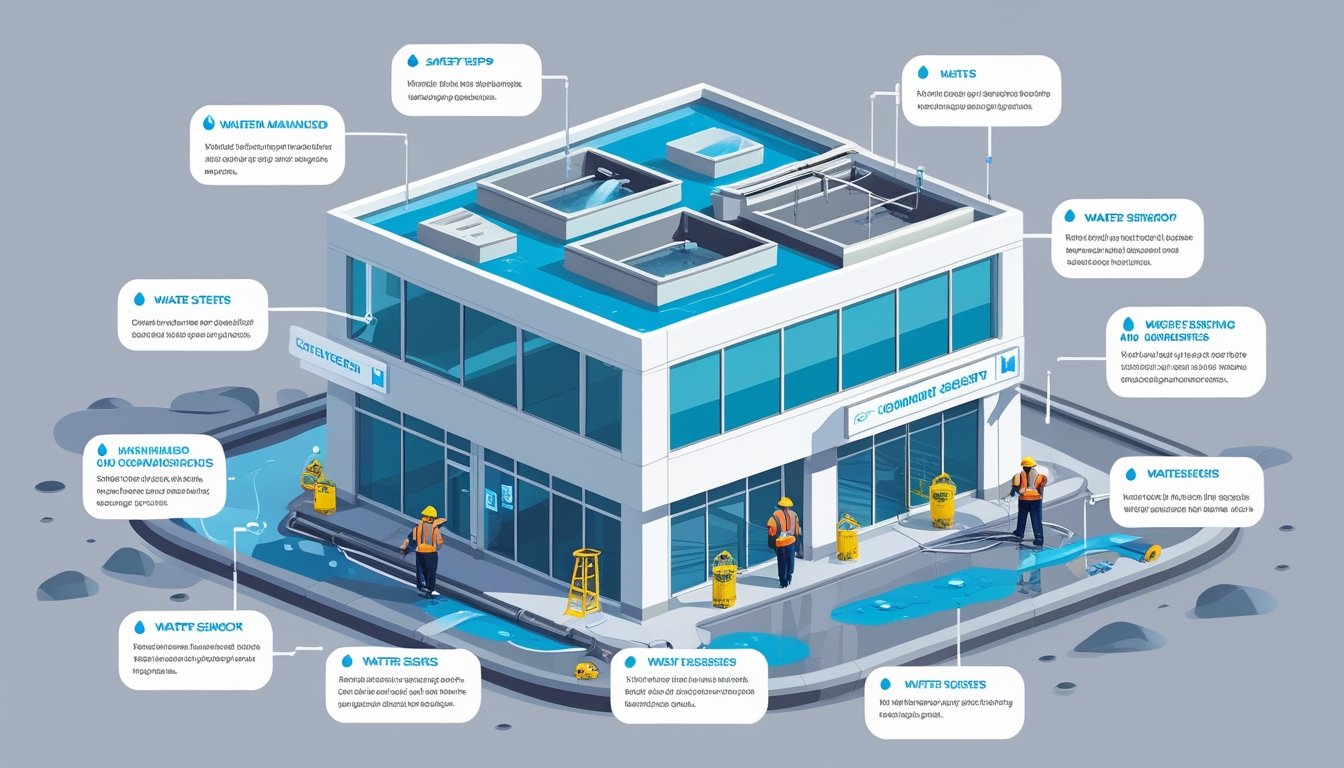
Water detection sensors let you know right away if there’s a leak or moisture where it shouldn’t be. Put them near pipes, backflow preventers, and other key spots. If they sense water, you’ll get an alert on your phone or control panel.
These gadgets help you catch leaks early and lower the risk of damage or contamination. Many are easy to add to your current setup, and some run on batteries—handy during power outages.
Place sensors in smart spots and you’ll have a network that keeps an eye on your water system, so you can relax a bit.
Utilizing Remote Monitoring Systems
Remote monitoring systems connect your water safety devices to the internet, letting you check their status from anywhere. If something’s wrong—water pressure drops, backflow pops up, or there’s a leak—you’ll know right away.
These systems provide real-time data and alerts. You can even schedule checks remotely.
Remote monitoring means fewer surprises and less damage from unnoticed problems. It also helps you prove you’re staying on top of things for local safety rules. Pacific Backflow can help set you up with this tech to keep your site safe.
Frequently Asked Questions
Keeping your water safe means regular checks, smart habits, and clear steps to meet the rules. From equipment maintenance to saving water, there are plenty of ways to protect your commercial supply.
What are effective methods to maintain excellent water quality in commercial facilities?
Book annual backflow testing to make sure prevention devices work. Inspect for leaks and wear regularly to avoid contamination. Cleaning and flushing your water systems keeps things fresh.
How does the WaterSense program contribute to water conservation in businesses?
WaterSense labels gear and habits that save water, so you can pick efficient stuff. Using WaterSense-certified fixtures—like faucets and toilets—cuts water use without losing performance. It’s an easy way to save money and hit sustainability targets.
What are the 5 R's of water conservation and how can they be implemented in commercial settings?
The 5 R’s: Reduce, Reuse, Recycle, Repair, and Rethink. Reduce leaks, reuse greywater for landscaping, recycle water when possible, repair broken fixtures fast, and rethink your processes to waste less. These steps save water and lower your bills.
What are some strategies for reducing water consumption in commercial buildings?
Install low-flow fixtures and sensors to avoid waste. Fix leaks promptly and train your team on water-saving habits. Use drought-tolerant landscaping or smart irrigation to cut outdoor use. Backflow prevention also stops water loss and contamination.
How do you routinely check and guarantee the safety of drinking water in a business environment?
Test and inspect backflow devices regularly to keep dirty water out. Have certified technicians do annual checks and handle repairs. Monitor water quality and filtration systems to catch issues early.
What procedures should businesses follow to comply with local water quality standards?
You’ll want to schedule backflow testing each year and send those reports over to your water authority. Keep your maintenance and inspection records handy—someone might ask for them. If something needs fixing or swapping out, take care of it quickly and use code-approved equipment, like what Pacific Backflow installs. That way, you’re staying compliant and keeping your water safe.