

Winter has a sneaky way of causing trouble for your plumbing. When temperatures drop, pipes and backflow preventers are way more likely to freeze, crack, or just give out. If water freezes inside, it messes up seals and valves, leading to leaks or letting dirty water sneak back into your clean supply. Your water safety can really take a hit unless your backflow system is properly winterized and kept in shape.
What’s tricky is you might not notice anything’s wrong right away. These issues often stay hidden until a cold snap really stresses the system. Ice and temperature swings disrupt the normal flow, causing damage that just gets worse if you ignore it. Taking action now? That can save you from expensive repairs and possible water contamination later.
Pacific Backflow has helped plenty of homes and businesses in San Diego County dodge these winter headaches with solid testing and maintenance. With a bit of care, your backflow setup can make it through the cold months, keeping your water clean and safe.
Understanding Backflow and Its Risks
Backflow is basically water going the wrong way in your plumbing. That lets dirty or even contaminated water mix with your clean supply. It’s worth knowing what causes backflow, how to spot it, and why it’s a big deal for your health.
What Is Backflow?
Backflow means water flows backward through your pipes. Water’s supposed to move just one direction—from the main supply to your house. But sometimes, that flow reverses. When that happens, contaminants can sneak into your drinking water.
There are two main ways this happens: backpressure and backsiphonage. With backpressure, pressure builds up downstream and pushes water back. Backsiphonage happens if there’s a sudden pressure drop, like when a water main breaks or a fire hydrant gets used.
Common Causes of Backflow
Winter makes backflow more likely, often without you realizing it. Cold snaps freeze and crack pipes. When everything thaws, the sudden pressure change can push water backward. Cross-connections—where drinking water pipes meet non-potable sources—add to the risk.
Broken or outdated backflow preventers and bad plumbing setups don’t help either. These devices are supposed to stop backflow, but if you don’t keep them up, they can fail. Sometimes pipes are hidden in walls or underground, making leaks or damage tough to spot.
Health and Safety Implications
If backflow happens, bacteria, chemicals, or waste can slip into your clean water. That’s a real health risk, especially for kids, older folks, or anyone with a weak immune system. Even tiny amounts of dirty water can cause problems.
If you don’t catch backflow early, it can spread through the whole system—your family, maybe even your neighbors, could be affected. Regular testing and maintenance matter, especially around winter. Pacific Backflow keeps things safe with quick, reliable checks so your drinking water stays protected.
How Winter Conditions Affect Plumbing Systems
Winter weather brings its own set of headaches for plumbing. Cold snaps, weird pressure changes, and that pesky frost line in the ground all mess with your pipes and backflow preventers. Some of these problems are easy to miss until it’s too late.
Freezing Temperatures and Pipe Vulnerability
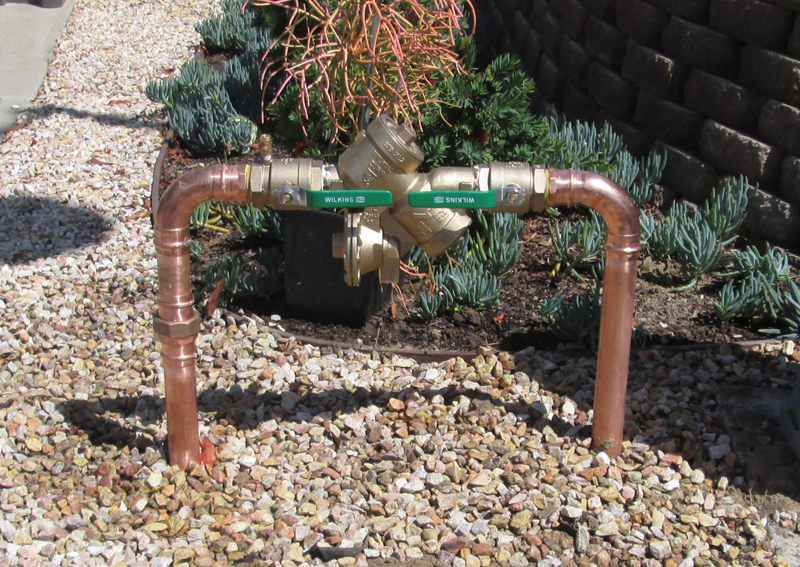
When it gets below freezing, your pipes are at risk. Water inside can freeze and expand, putting pressure on the pipe walls. That leads to cracks, leaks, and sometimes messes up your backflow preventer, too.
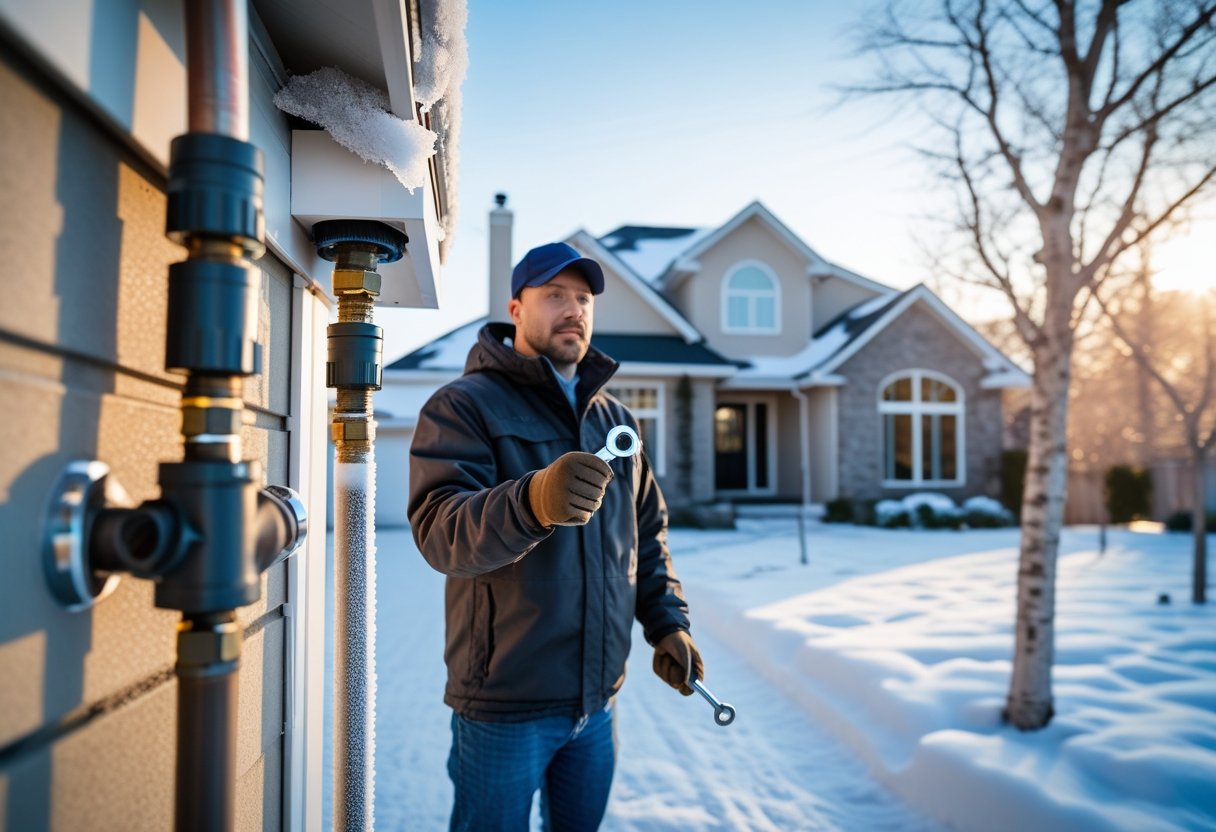
Insulation is huge here. Wrapping pipes and backflow devices with foam sleeves or heat tape can help. Draining irrigation systems and outdoor faucets before winter is smart—no water inside means nothing to freeze.
Ice in pipes can block water flow or damage valves inside the preventer. Checking things out before the cold hits can save you a lot of trouble.
Pressure Changes During Cold Weather
Cold weather messes with water pressure. As pipes freeze, pressure builds up behind the ice. That extra strain can cause leaks or cracks that are tough to spot at first.
Low or uneven pressure can make your backflow preventer less effective. If the pressure drops too much, it might not stop water from flowing the wrong way—which is the last thing you want.
Keeping pipes insulated and making sure water runs through them regularly helps. Pacific Backflow can help you monitor pressure and keep your backflow devices working through winter.
Frost Line and Pipe Placement
The frost line is how deep the ground freezes. Pipes above that line can freeze, while ones below usually stay safe. Knowing how deep your local frost line is matters if you’re installing or maintaining pipes and backflow preventers.
If pipes or devices are too close to the surface, they’ll need extra protection—especially for irrigation or hose bibs. Heated enclosures or wrapping can help.
Pacific Backflow can check your pipe placement if you’re in San Diego County. They make sure your plumbing meets local standards and stays safe from frost.
Hidden Backflow Issues Unique to Winter
Winter brings hidden backflow problems you probably won’t see coming. These issues lurk under the surface, quietly messing with your backflow preventer and plumbing.
Ice Blockages and Water Flow Disruption
When it gets cold, water inside pipes or backflow devices can freeze and create ice blockages. That stops water from flowing the right way and sometimes even forces it backward. Suddenly, your clean water’s at risk.
Ice can also build up pressure, damaging valves or seals inside your backflow preventer. If a seal breaks, water might leak or flow backward and you’d have no clue until the ice melts and things start going wrong.
Insulating your backflow preventer and draining outdoor pipes before freezing weather hits can help stop these blockages. Regular winter checks can catch issues before they get out of hand.
Undetected Cracks and Leaks
Cold weather makes plumbing materials contract, sometimes causing tiny cracks in backflow devices or pipes. These cracks don’t always leak right away, but over time, contaminants can slip in.
Leaks hidden by snow or frost are easy to miss. When water pressure changes, those small leaks might get worse. You could have a backflow problem and not know until your water quality drops or your system fails a test.
Regular backflow testing—like what Pacific Backflow offers—can catch these hidden cracks before they turn into bigger headaches.
Concealed Cross-Connections
Cross-connections happen when clean water lines connect with polluted ones. Winter’s underground frost or shifting soil can move pipes, creating new or hidden cross-connections. These shifts are usually out of sight, maybe underground or in irrigation lines.
If a cross-connection goes unnoticed, contaminated water can flow back into your clean supply when pressure changes. That’s a serious risk, but it’s tough to spot during cold months.
Professional inspections and backflow testing help find and fix these hidden problems early. Pacific Backflow is pretty good at keeping homes and businesses safe from these winter surprises in San Diego County.
Signs Of Winter-Related Backflow Problems
Winter can cause hidden backflow problems that mess with your water quality and plumbing. You might spot changes in your water’s color or taste, weird water pressure, or even a sudden spike in your water use. These are red flags—don’t ignore them.
Unusual Water Color or Taste
If your water turns cloudy, rusty, or just looks off, it could be a backflow issue. Cold weather can freeze or crack backflow preventers, letting contaminated water mix in. You might even taste something odd—metallic or chemical flavors that definitely shouldn’t be there.
Pay attention if you notice these changes after a freeze. It’s best to act fast because dirty water isn’t safe for drinking or cooking. If you see these signs, reach out to a trusted backflow service like Pacific Backflow.
Inconsistent Water Pressure
Winter’s a prime time for pipes to freeze or backflow valves to act up, which can cause sudden drops or spikes in water pressure. Maybe your tap barely trickles, or suddenly blasts out water for a second.
Ice inside pipes can block the flow or make the backflow preventer fail. Weird pressure can also damage appliances and fixtures. If you notice this, it’s smart to get your backflow system checked before things get worse.
Unexpected Water Usage Increases
If your water bill jumps in winter with no clear reason, your backflow preventer might be leaking or damaged. Freezing can crack parts or wear out seals, letting water escape even when everything’s off.
This kind of hidden leak wastes water and can bring contamination risks if backflow happens. Keep an eye on your water use—if your bills climb for no reason, call a pro to check things out before you’re stuck with a bigger repair.
Preventing and Addressing Winter Backflow Hazards
Winter brings cold that can freeze, crack, or leak pipes. Backflow devices take a beating during freeze-thaw cycles. A few smart steps can save you a lot of hassle and cash.
Seasonal Inspection Tips
Check your backflow preventer before it gets cold. Look for cracks, leaks, or any wear that could get worse if things freeze. Pay extra attention to valve seals and pipes near outdoor faucets.
Regular testing’s important—most local rules require annual backflow testing anyway. Professionals like Pacific Backflow can do quick, reliable inspections. Catching problems early makes winter way less stressful.
Keep your test records up to date, too. It helps you spot changes and stay on your water district’s good side.
Proper Pipe Insulation
Insulating pipes is a no-brainer for stopping freezes and backflow issues. Foam sleeves or heat tape work well on exposed pipes and backflow devices. Make sure insulation fits tight around everything.
Drain irrigation lines and outdoor faucets so trapped water can’t freeze and cause damage. If pipes run through unheated spots like crawl spaces, add extra insulation or use heat cables.
Check insulation every year—especially before the first freeze. Replace anything worn out or damaged.
Importance of Backflow Prevention Devices
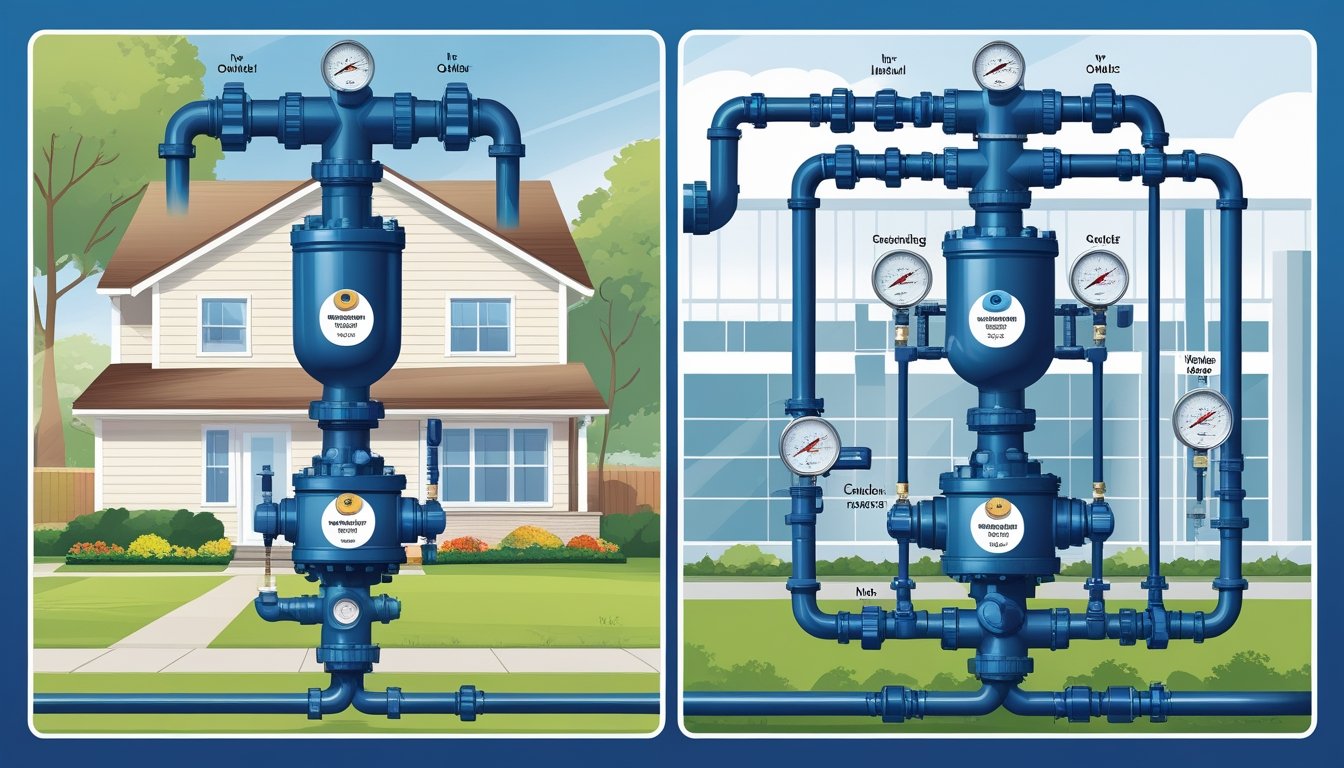
Backflow preventers keep dirty water from flowing back into your clean supply. In winter, frozen or busted devices can fail and let contamination in.
Make sure your backflow devices are installed right and get tested every year. Broken valves or trapped debris can lead to leaks or low pressure.
If you spot problems in winter, don’t wait—get repairs done fast. Swapping out old units for modern ones can boost safety and keep you compliant.
Pacific Backflow handles testing, repairs, and installation so your backflow preventer works year-round. Maintaining these devices in cold months protects your home and your neighborhood.
Frequently Asked Questions
Cold weather can really mess with your backflow prevention devices. Frost, freezing temps, and weird pressure changes all play a role. Spotting trouble early and protecting your system saves time and money—nobody wants a mid-winter plumbing disaster.
What steps can homeowners take to protect their backflow prevention devices from frost damage?
Shut off water to the device, drain it out, and insulate pipes and the preventer. Wrapping your backflow preventer with foam or heat tape helps keep the freeze away. Check things regularly—catching small problems early is way easier than fixing big ones later.
Can cold weather lead to unexpected backflow problems in household plumbing?
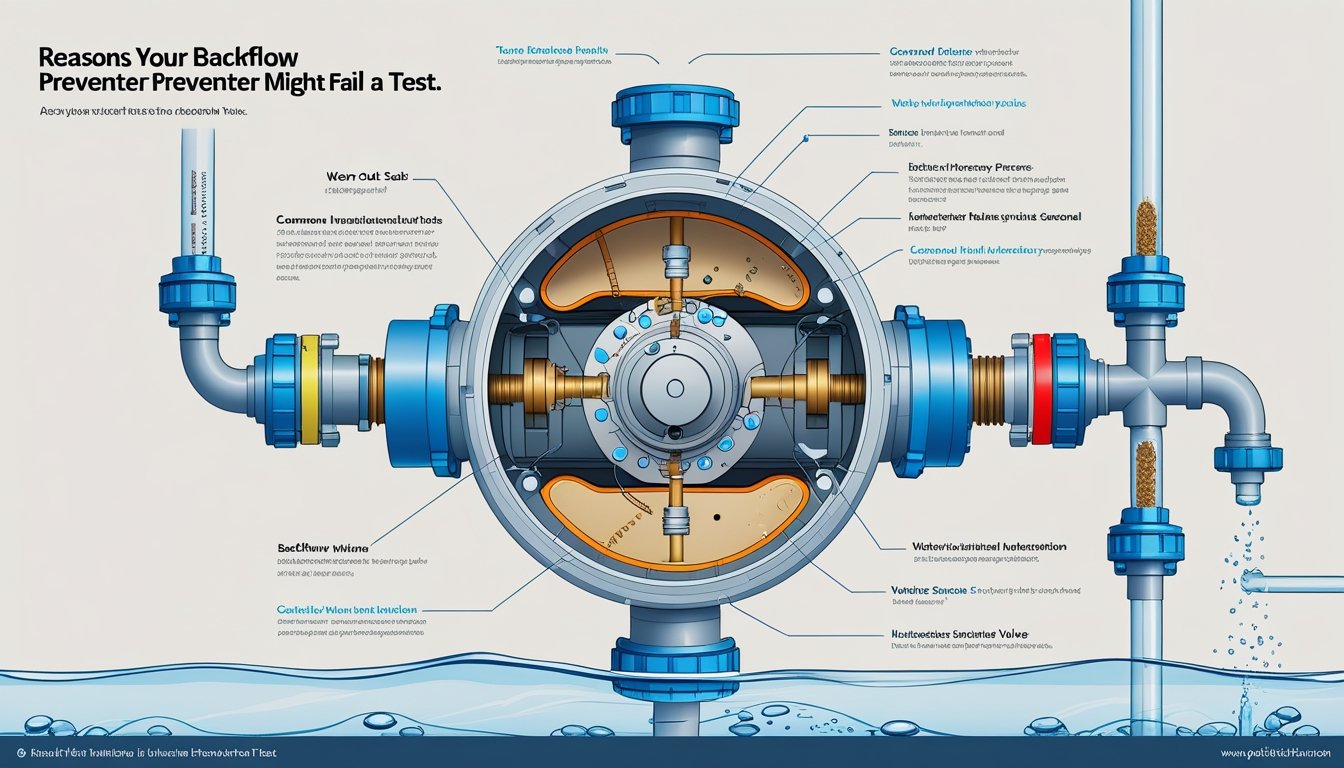
Absolutely. Freezing can crack or break valves and seals in the backflow preventer. If that happens, water can flow backward and risk contamination. Ice buildup sometimes blocks parts, causing leaks or valve failures, too.
Why does water pressure sometimes decrease during the cold months?
Cold weather can partially freeze pipes or block them with ice, cutting down water flow and pressure. If freezing damages backflow preventer parts, they might not open fully, making pressure drop even more.
What are some warning signs that backflow may be affecting my home's water system in winter?
Watch for low water pressure, weird pipe noises, or leaks near the backflow preventer. If your water tastes or smells off, that can be a clue, too. Any unusual changes in cold months are worth checking out right away.
Are there any winter-specific maintenance tips for backflow preventers?
Absolutely—winter can be rough on these devices. Before the first real cold snap, drain and wrap up your backflow preventer to keep it safe from freezing. Check the seals and valves; if they look worn or if something feels off, it’s probably time to call someone in. Honestly, if you’re not sure what you’re looking at, reaching out to a local pro like Pacific Backflow in San Diego County isn’t a bad idea. Better safe than sorry, right?
How can freezing temperatures impact the functionality of a backflow prevention assembly?
When temperatures drop, seals might crack and valves can stick. Ice sometimes jams moving parts or even snaps pieces inside. Suddenly, the assembly can't keep dirty water out, and your clean water supply? Well, that's in trouble. Honestly, taking the time to winterize things goes a long way toward dodging these headaches.