

If you’ve got an older backflow device, you probably want to know if it’s still doing its job. Backflow preventers are essential—they keep your drinking water safe from contamination. So, it’s worth keeping an eye out for things like rust, leaks, worn parts, and test results to figure out how your device is holding up.
Regular inspections and annual testing help you catch issues early. The device’s age, how much it’s used, and its environment all play a role in how well it works. Sometimes it’s just a worn-out seal or some debris causing trouble—small stuff, but it can lead to bigger headaches if you ignore it.
At Pacific Backflow, we’ve helped plenty of San Diego County residents check, repair, or swap out backflow devices. Here are some practical ways to spot problems and figure out when it’s time for service. Protecting your water starts with knowing what to look for.
Understanding Backflow Devices
Backflow devices keep your water supply safe by blocking contaminated water from sneaking back into clean pipes. Understanding how they work, why age matters, and what to expect from their lifespan can help you decide if yours needs attention or replacement.
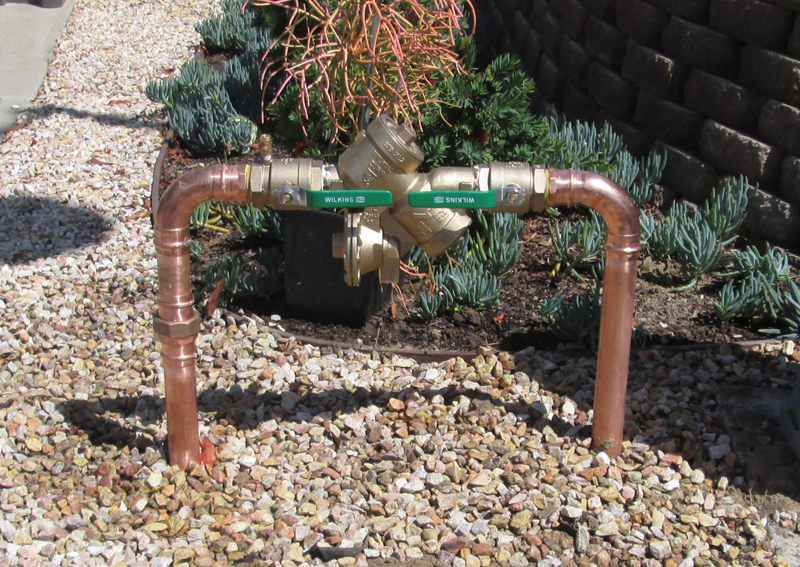
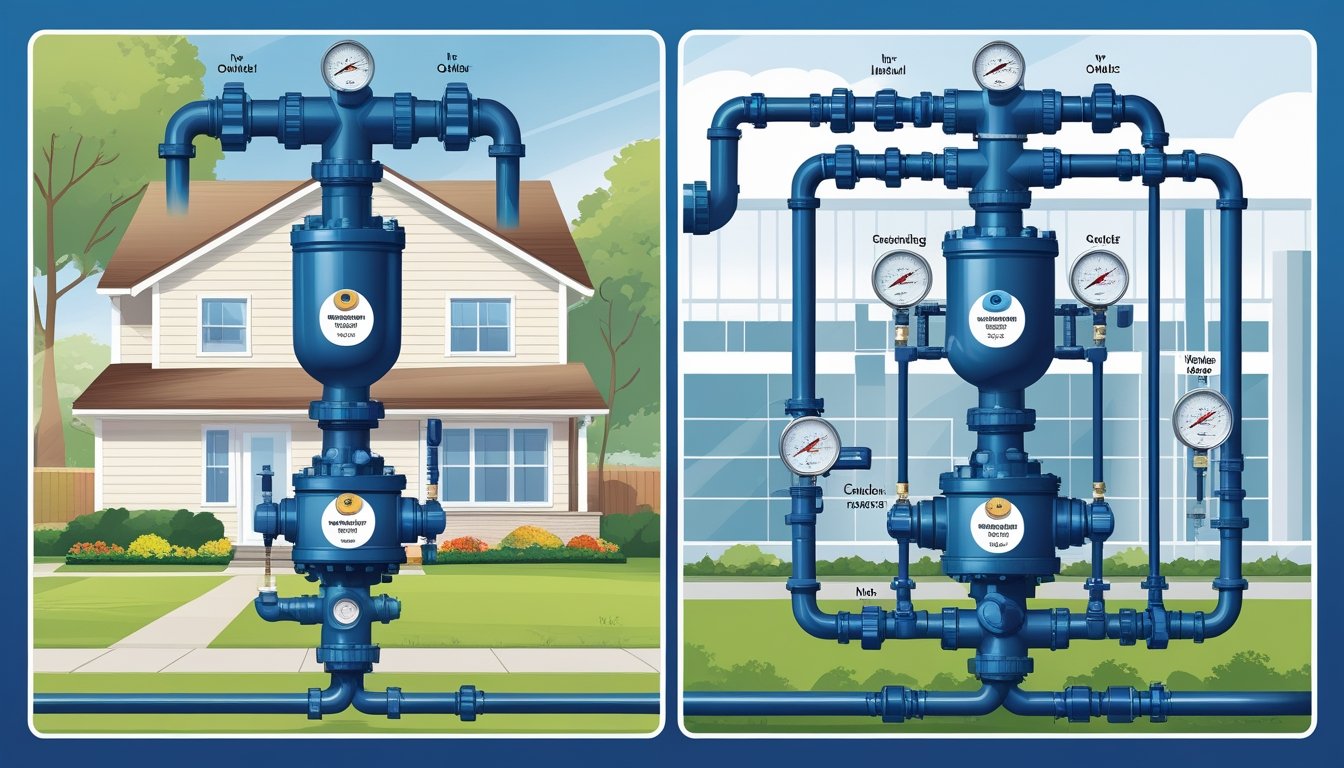
Purpose and Types of Backflow Preventers
Backflow preventers stop dirty water from flowing the wrong way—usually when there’s a sudden drop or change in water pressure. Without them, polluted water could end up in your drinking supply. Not exactly ideal.
There are a few main types:
- Atmospheric Vacuum Breaker (AVB): Simple, mostly for irrigation.
- Pressure Vacuum Breaker (PVB): Handles pressure, often outdoors.
- Double Check Valve (DCV): Common in homes and businesses.
- Reduced Pressure Zone (RPZ): More complex, for higher-risk situations.
Each type works a bit differently, so knowing what you’ve got helps you take better care of it.
Why Aging Matters for Device Performance
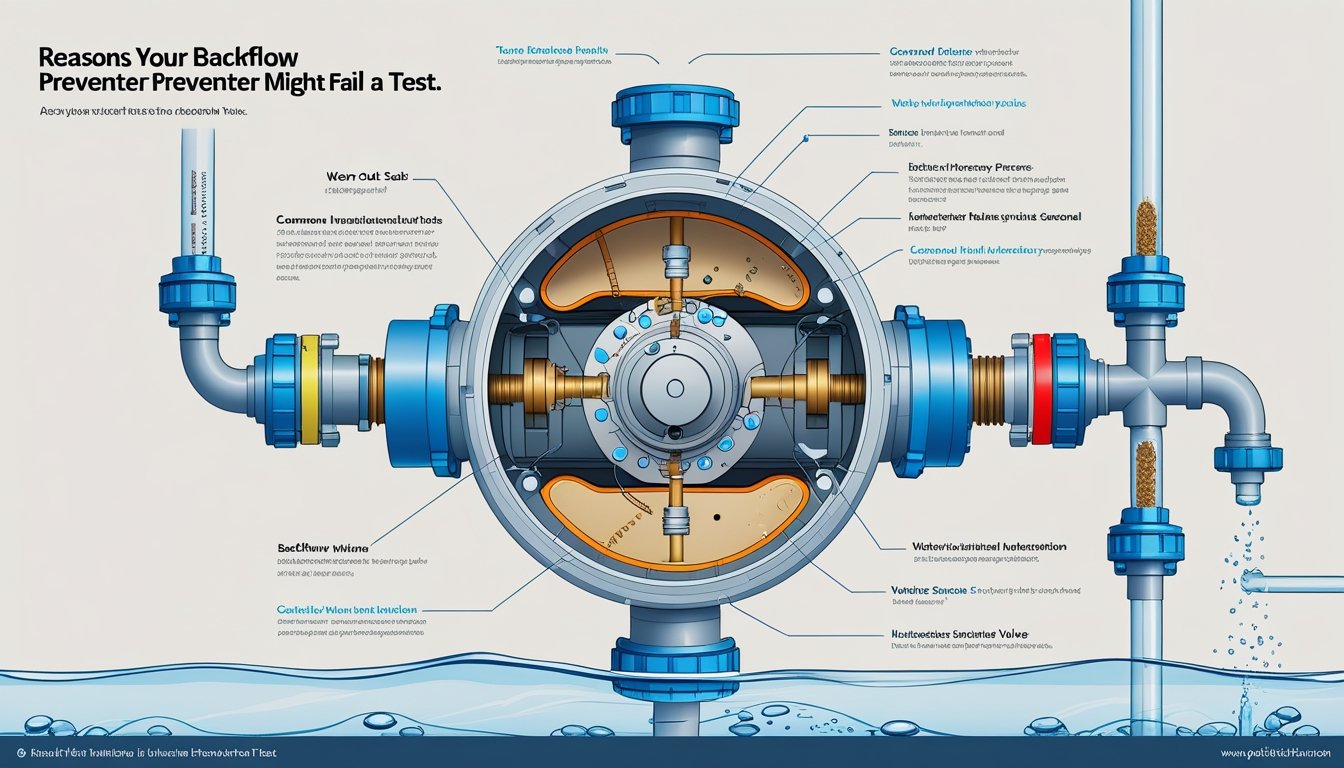
As backflow devices age, their parts—rubber seals, valves, springs—start to wear out. That can mean leaks or even let contamination through. Older devices might not meet current safety codes, either.
The older the device, the more maintenance and inspections it’ll need. Once it hits about 10 years, you’ll want to test it more often because reliability drops off. If you see wear or it’s failed tests before, it’s probably safer to just replace it.
We always check the condition closely before suggesting repairs or a full replacement. Staying on top of aging devices keeps your water safe and helps you avoid those nasty emergency repairs.
Common Lifespan Expectations
Most backflow devices last 10 to 20 years, but that really depends on maintenance and where they’re installed. Here’s a quick look:
Device TypeAverage LifespanFactors Affecting Life Atmospheric Vacuum Breaker (AVB)10-12 yearsWeather exposure, dirt build-upPressure Vacuum Breaker (PVB)10-15 yearsWater quality, maintenanceDouble Check Valve (DCV)15-20 yearsUsage, material qualityReduced Pressure Zone (RPZ)15-20 yearsCorrosion resistance, inspections
Testing and timely repairs make these devices last longer. Pacific Backflow can help you stay compliant and keep things running smoothly for years.
Signs of Wear and Deterioration
Older backflow devices start to show their age in a few ways. You might spot visible damage, leaks, worn seals, or parts that just don’t move like they used to. Catching these early keeps your water safe and saves you bigger problems later.
Visible Corrosion and Leaks
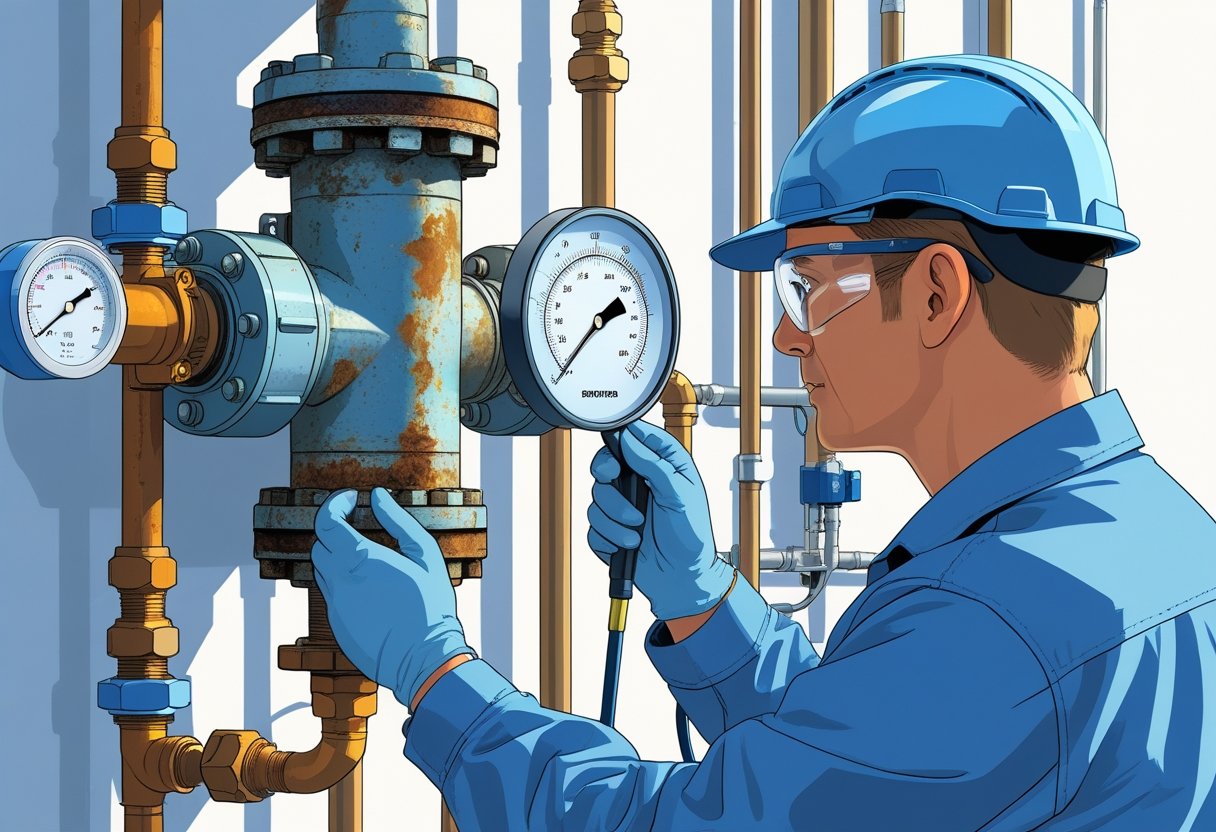
Take a good look at your device for rust or corrosion. Metal parts exposed to moisture can break down over time, and that weakens the device.
Leaks show up as water pooling around the base or dripping from joints. Even small leaks matter—they’re often a sign the device isn’t working right. Water stains or damp spots nearby? They’re a red flag.
Checking for corrosion and leaks regularly is a smart move. Keep the area clean so you can spot problems fast.
Degraded Seals and Components
Seals inside the device keep dirty water out of your clean lines. Over time, they dry out, crack, or just wear down from use.
If seals are shot, you might notice low water pressure or small leaks. Springs and washers can wear out too, making the device less reliable.
Not sure about the condition? A pro can check and replace worn parts so your system stays safe.
Obstructed or Damaged Valves
Valves control water flow and block contamination. Dirt, debris, or mineral buildup can block them, keeping them from closing all the way.
Damaged valves might make weird noises or let water flow backward. Sudden drops in water pressure? Could be a valve issue.
Cleaning or swapping out valves when needed helps avoid contamination. Our technicians at Pacific Backflow know what to look for and can get things working again.
Step-By-Step Physical Inspection
When you’re checking an old backflow device, a few steps matter. You’ll need to shut off the water, check the outside for damage, and then look inside to see if everything still works. It’s not rocket science, but a careful look now can save you a lot of trouble later.
Shutoff Process and Safety Precautions
First, turn off the water supply to the backflow preventer. That stops the flow and keeps things safe. Find the shutoff valves on both sides and close them.
Wear gloves and eye protection—nobody wants a face full of dirty water or debris. Open a downstream faucet to relieve pressure after you shut the valves. That way, you won’t get sprayed when you open the unit.
Keep your work area dry and clear. Towels or a bucket help catch any drips. If you’re nervous about any of this, just call a pro. Pacific Backflow’s team does this all the time.
Exterior Condition Assessment
Check the outside for cracks, rust, or corrosion. These are signs the device is getting old or has faced rough conditions. Make sure all fittings and bolts are tight and look for leaks.
Look for dirt, mold, or mineral buildup—they can block moving parts. If there’s a cage or cover, check that it’s not damaged or loose.
If you find physical wear or leaks, it’s time for maintenance or maybe even a replacement. Take notes or photos so you can show your technician.
Internal Component Check
Open the preventer carefully and look inside at the check valves, seals, and springs. Cracks, stiffness, or wear are bad news. Worn seals can leak and let dirty water back in.
Test if moving parts still work smoothly. You can move some by hand or tap them gently—if they’re stuck or broken, they’ll need fixing.
Clean out any dirt or debris you find. Build-up can block valves and mess with performance. Not comfortable doing this? Pacific Backflow’s technicians can handle it and keep your system up to code.
Testing Functionality
To see if your old backflow device still works, it needs a proper test with the right tools. This shows if anything’s worn out or if it’s still blocking dirty water. Once you’ve got the results, you’ll need to understand what they mean and keep a record for safety and compliance.
Conducting a Backflow Test
A certified technician will isolate the device and hook up special testing equipment. They’ll check for leaks, pressure loss, or parts that aren’t working right. The test measures if the device stops water from flowing backward under different pressures.
They’ll also do a quick visual check—cracks, rust, debris, that sort of thing. Testing usually takes about 20 to 30 minutes. It’s smart to get this done every year before problems sneak up on you.
Interpreting Test Results
If your device passes, great—the seals, springs, and valves are doing their job. If it fails, you’ve probably got worn or damaged parts. Failures happen from old age, dirt, or pressure changes.
You might see different failure types, like leaks or parts that won’t close. Each one needs its own fix, from a simple cleaning to a full replacement. Knowing what’s wrong helps you decide what to do next.
Recording and Reporting Findings
After the test, you’ll need to record the results—device condition, pressure readings, any repairs needed. Good records protect your water and show you’re following the rules.
Pacific Backflow can handle the paperwork, sending reports to the city water authority. Keep a copy for yourself. Tracking this stuff helps you plan for future repairs or replacements.
When to Repair or Replace an Aging Device
Deciding whether to fix or replace your backflow device comes down to clear signs of trouble, regular checkups, and sometimes just good advice. Watch for urgent issues, keep up with testing, and trust professionals who know how to evaluate your device.
Indicators for Immediate Action
If you spot leaks, hear weird noises like clicking or hissing, or see obvious damage, don’t wait. These usually mean seals or diaphragms are failing. A device that doesn’t pass safety tests can let contaminated water mix with clean water—a serious risk.
If your device is over 10 years old, it might be cheaper and safer to replace it instead of patching up worn parts. Repairs can work for small problems, but repeated failures mean it’s probably time for a new one.
Recommended Maintenance Intervals
Plan on testing your backflow device at least once a year. Annual checks can catch small problems before they turn into big ones. Regular cleaning and replacing worn parts help the device last longer.
If you’ve got hard water or big temperature swings, some parts might wear out sooner. Keeping a log of maintenance and repairs helps you decide when it’s worth fixing or just replacing the device.
Choosing Professional Help
When your backflow device needs work, it’s usually best to call in pros like Pacific Backflow. Experienced techs can spot hidden problems and make sure everything’s up to code. They’ll give you estimates so you can weigh repair costs versus replacement.
Pros also handle emergency leaks fast to protect your water. Using a trusted service in San Diego County keeps your device compliant and working right. DIY fixes on complicated issues? Honestly, they often lead to bigger headaches.
Frequently Asked Questions
Wondering when your backflow preventer needs attention, how tests work, or what it might cost? Staying on top of maintenance and repairs keeps your system safe and can save you time and money in the long run.
What are the signs that indicate my backflow preventer needs repair or replacement?
You might spot leaks, hear odd noises, or notice your water pressure drop near the device. Sometimes, the water starts to taste or smell off—that's a red flag too. And if your backflow preventer flunks its annual test, it's probably time for repairs or maybe even a replacement.
What is involved in a standard backflow device testing procedure?
A certified technician comes out and checks if your device works right and looks for leaks. They'll measure water pressure and make sure the valves actually shut the way they're supposed to. Afterward, you'll get a report that tells you if your device passed or if it needs some work.
How often should I schedule maintenance for a backflow prevention device?
It's best to get your backflow preventer tested at least once a year. If your device is older or sits in a tough environment, you might want to check it more often just to be safe.
Can leaks in the backflow preventer be fixed, or does it require complete replacement?
Small leaks? Those can usually be fixed by swapping out worn parts or seals. But if the device is really old or has taken some serious damage, a full replacement might just be the smarter move.
What are the potential costs associated with backflow testing and maintenance?
Testing usually runs cheaper than repairs or replacements. Repair costs vary depending on what parts and how much labor you need. Full replacements cost more upfront, but sometimes they actually save you money in the long run since you won't be patching things up over and over.
What is the typical lifespan of a residential backflow prevention device?
Backflow preventers usually stick around for about 10 to 15 years if you take care of them. Of course, things like harsh weather or really hard water can wear them out faster. If you stay on top of regular testing and maintenance, you’ll probably get more years out of your device.
If you’re in San Diego County, Pacific Backflow handles annual testing and repairs, making it easier to keep your backflow devices safe and up to code.