

Scheduling a backflow inspection really doesn’t have to be a headache. The fastest way? Just reach out to a trusted, certified company like Pacific Backflow, send over your test notices, and get ready for a quick, no-fuss service. That’s how you stay on top of your local water authority’s rules without all the drama.
When you call, have your info handy—like where your backflow device is and how the tech can get to it. This little bit of prep saves everyone time and helps the technician get in and out fast. After the inspection, they’ll file the report for you, so you’re not stuck with extra paperwork.
Pacific Backflow has been around San Diego County for decades, keeping backflow devices working and water safe. If you follow these steps, you’ll protect your water and skip the stress.
Understanding Backflow Inspections
Backflow inspections keep your water clean by checking the devices that stop dirty water from sneaking back into your pipes. These checks aren’t optional—local laws require them, and they focus on crucial equipment meant to prevent contamination. If you know what to expect and what devices you have, you’re already ahead.
What Is a Backflow Inspection
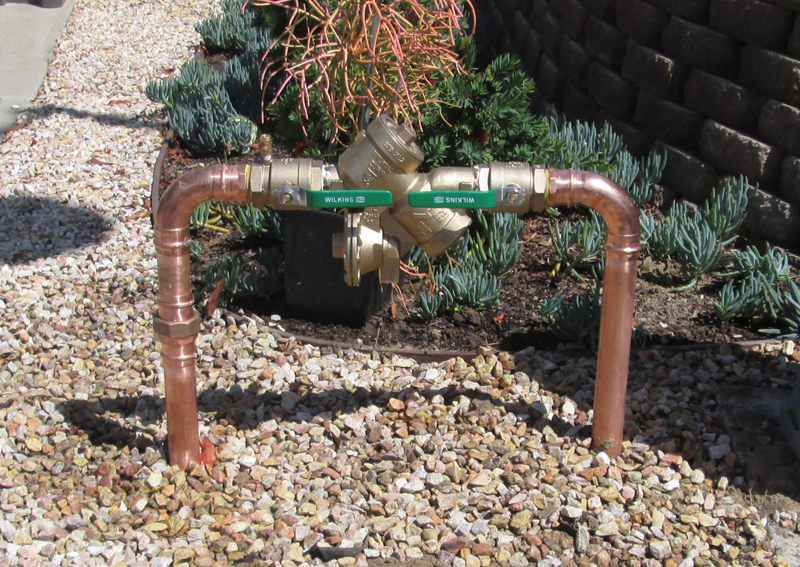
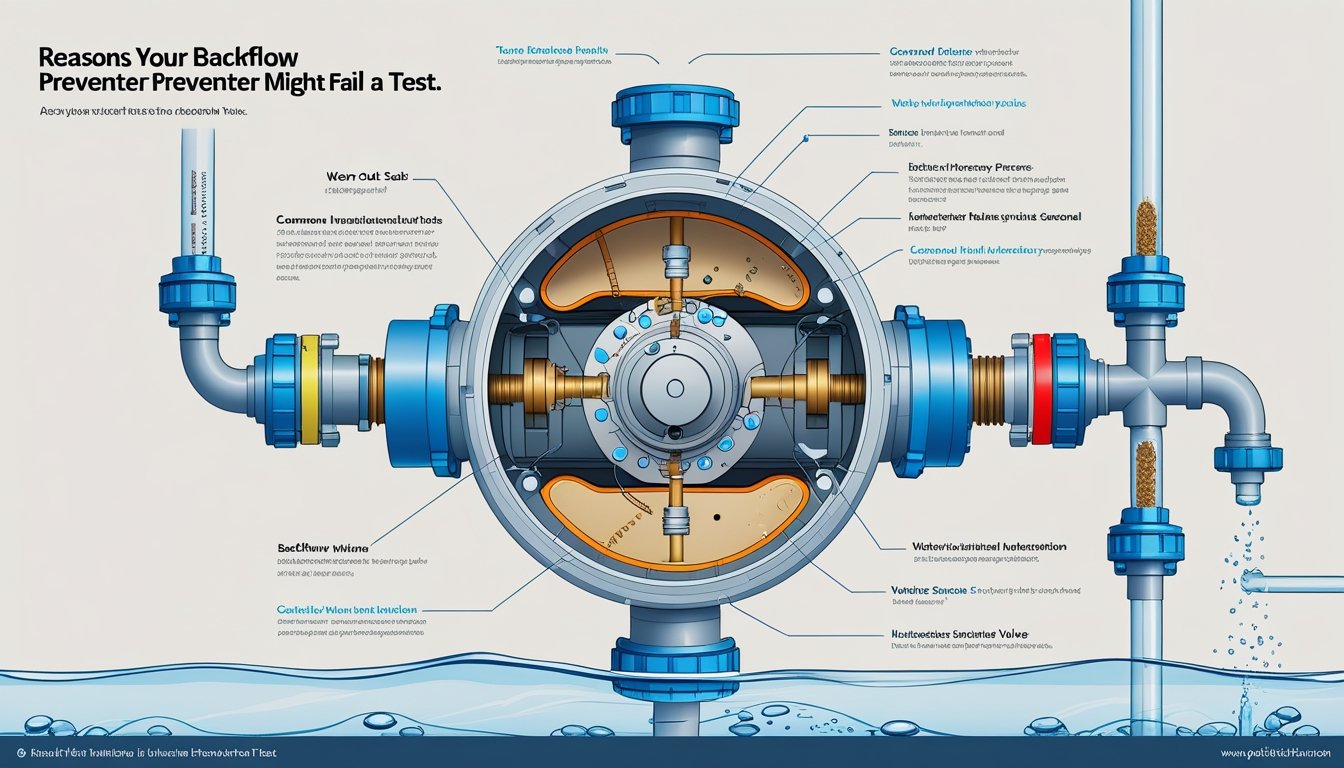
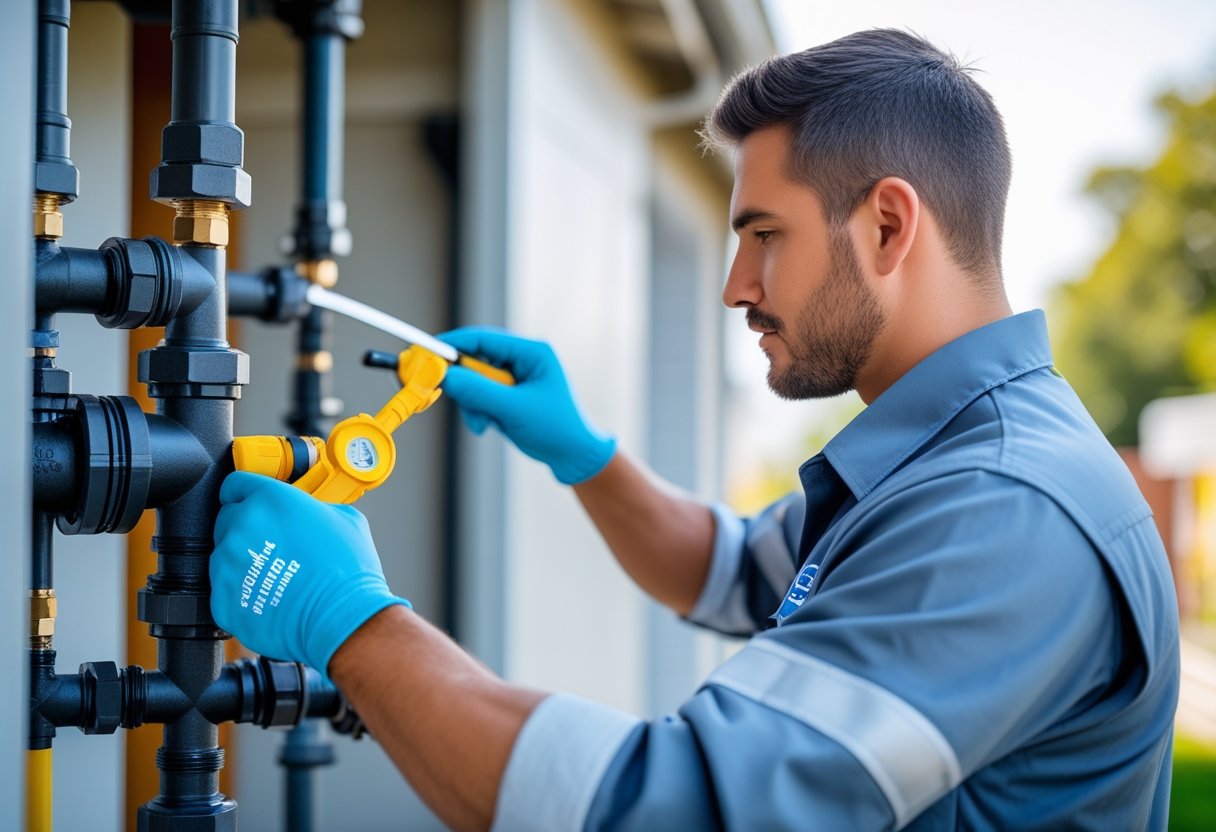
A backflow inspection tests backflow prevention devices to make sure they’re working. These gadgets block contaminated water from reversing into your clean supply. The tech hooks up testing equipment to your preventer and checks the pressure and valves.
They’ll look for damage or signs of wear, then run tests to see if the valves actually shut tight and do their job. If the device flunks, you’ll need repairs or a replacement to keep your water safe.
Why Backflow Inspections Are Required
Backflow inspections matter because they keep your drinking water safe. Regular testing stops contaminants—think chemicals, bacteria—from getting into the public water system. That’s not just about your house; it’s about everyone’s water.
You’re supposed to schedule inspections at least once a year, or whenever your water district says. Miss it and you could get fined or have water issues. Certified pros handle the paperwork, so you stay within the rules and don’t have to sweat the details.
Common Types of Backflow Devices
Backflow prevention devices come in a few flavors, each for different scenarios:
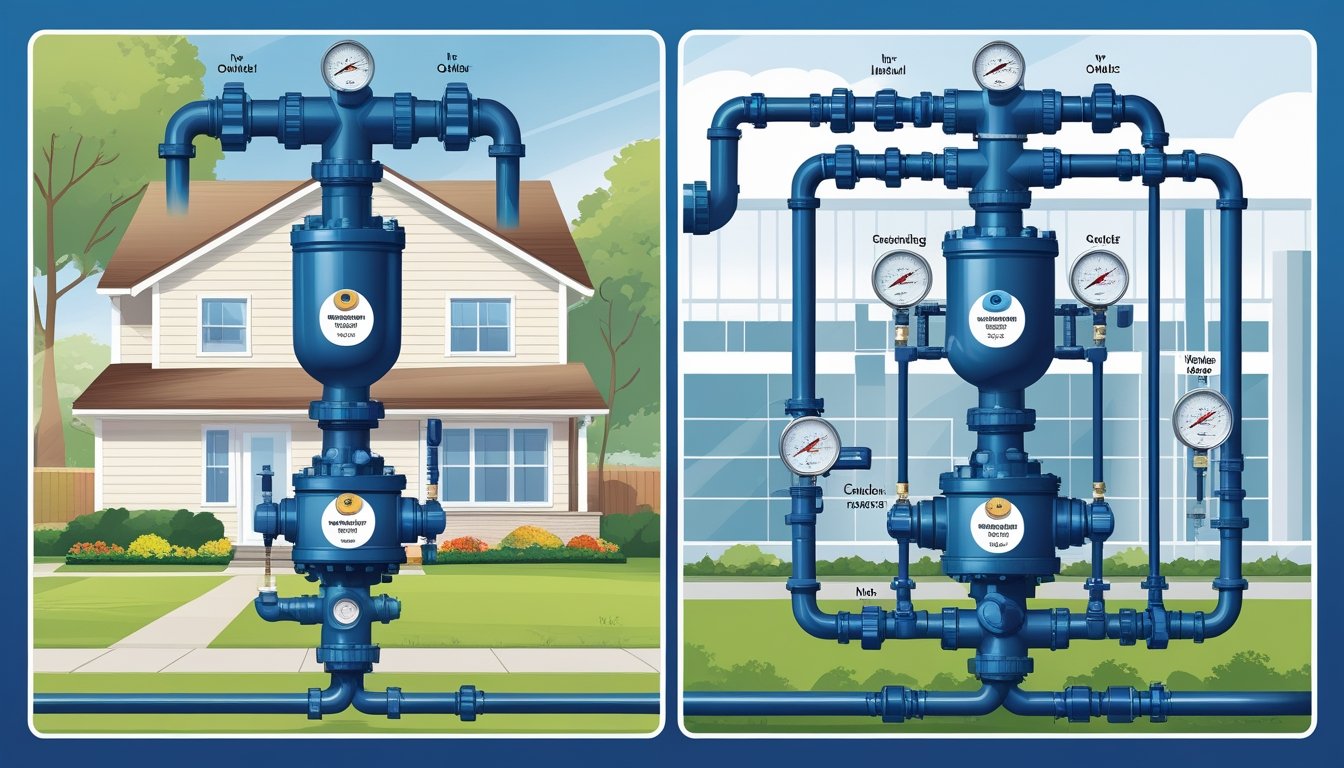
Pressure Vacuum Breaker (PVB): Common for irrigation systems. It works by letting in air to block backflow.
Reduced Pressure Zone (RPZ) Valve: Used in higher-risk spots, like commercial properties. It’s got two valves and a relief opening for extra safety.
Double Check Valve Assembly (DCVA): Two valves for backup, usually found in lower-risk setups.
Knowing what you’ve got helps you understand what’s involved in testing and repairs. Pacific Backflow’s techs can spot your backflow devices and make sure they’re up to code in San Diego County.
Preparing to Schedule a Backflow Inspection
Before you pick a date, get your info together. You’ll want property and device details, a handle on local rules, and a qualified inspector. Doing this upfront keeps things moving and your water compliant.
Gathering Property and Device Details
Start with the basics: your property’s address and whether it’s residential or commercial. Know where your backflow preventer sits.
Jot down the model, make, and size. If you can’t find that, snap a photo or copy down any labels. Check for obvious leaks or damage before the inspection. You’ll avoid last-minute surprises that way.
Having all this ready when you call means the tech shows up prepared, making things easier for everyone.
Reviewing Local Compliance Requirements
Most water districts want annual testing. Check your city or county water website for specific rules—who can do the test, how often, and when you need to file reports.
Know your deadlines so you don’t miss your yearly inspection.
Some places only accept tests from certified pros. Make sure your inspector is qualified or you could end up with a failed inspection and a headache.
Choosing Qualified Inspectors
Look for certified backflow testers licensed in San Diego County. Ask about their experience, certifications, and whether they’ll handle reporting for you.
A company like Pacific Backflow gets it done fast and files the reports. If you need repairs, they’ll handle that, too.
Check reviews or ask around. A good tester makes everything easier and helps you stay compliant.
Contacting Inspection Services
Finding the right backflow inspection service isn’t rocket science, but it does take a little digging. You want clear pricing, legit credentials, and a service that fits your needs. That’s how you keep your water safe and avoid compliance headaches.
Obtaining Quotes from Certified Professionals
Ask a few certified backflow testers for quotes. Make sure the price covers everything—including the test and any paperwork for local authorities.
Find out how soon they can come out and if they do emergency or after-hours calls. Compare not just the price, but also how quickly they can help and how easy it is to book.
Write down the quotes and any important info. Watch for hidden fees. A clear quote from a certified pro keeps budgeting simple.
Verifying Inspector Credentials
Always check that your inspector is licensed and certified. Local rules usually require this, so don’t skip it.
Ask to see their certification and make sure it’s current. You can also ask if they follow local water authority rules during testing.
Certified techs have the right tools and know-how to spot issues early, keeping your home or business safe from backflow problems.
Selecting the Right Inspection Provider
Pick a provider who’s reliable, quick, and easy to work with. Look for good reviews, clear pricing, and a solid track record.
In San Diego County, Pacific Backflow is a trusted option. They’ve been doing this for over 40 years and handle everything—from testing to repairs. Their certified techs file the reports for you.
Choose someone who answers your questions and explains their process. Good communication means fewer surprises and a smoother inspection. Make sure they can work with your schedule.
Booking an Inspection Appointment
Scheduling your backflow inspection is mostly about finding a time that fits and getting your paperwork together. Double-check the details and you’ll avoid last-minute mix-ups.
Coordinating with Your Schedule
Check your calendar for open dates and times. Inspections usually take less than an hour, but leave a little cushion for delays or questions.
Most certified testers offer flexible booking—call, email, or even book online. Try to schedule before your deadline to dodge fines.
If you manage several properties, be clear about which ones need testing. It saves everyone some confusion.
Submitting Necessary Documentation
Before your appointment, send over any required documents. This usually means your backflow device info and any notices you’ve gotten from your water authority.
Have your property address, device serial number, and access instructions ready. The more details you provide, the smoother the visit.
Pacific Backflow lets you send documents by email, fax, or upload. Getting it all in early keeps things on track.
Confirming Appointment Details
After booking, you’ll get a confirmation with the date, time, and your tech’s contact info. Double-check this for any mistakes or changes.
If you have special access needs, pets, or need to reschedule, let the company know ASAP. Clear communication prevents no-shows and wasted time.
Expect a reminder call or message the day before. That last nudge helps you stay ready and makes sure the tech can reach you.
Ensuring a Smooth Inspection Day
Getting ready for your backflow inspection? Clear the area, provide access info, and be ready to answer questions. These little steps help the tech work faster and avoid hiccups.
Preparing Your Property for Inspection
Make sure the spot around your backflow preventer is tidy and easy to reach. Move tools, plants, or anything else that’s in the way.
Look for leaks or damage before the inspection day. If you spot something, give the tech a heads up. It can speed up repairs if needed.
Turn on any irrigation or water systems tied to the backflow device before the inspection. This way, the tech can check the valves under real pressure.
Communicating Access Instructions
Save time by giving clear directions to your backflow preventer, especially if it’s behind a gate or locked door.
Share codes, keys, or have someone there to let the tech in. Mention any special parking or building entry rules. Make sure your contact info is up to date in case they need you.
A quick message with these details before the inspection helps everything run on schedule. Pacific Backflow always says: keep access simple to avoid delays.
Addressing Inspector Questions Promptly
The tech might ask about your water use or past test results. Answer as best you can.
If you’re not sure, offer to check your records or follow up after the inspection. Quick answers help the tech finish up without dragging things out.
Keep your phone handy in case they call with questions. Being responsive makes the process smoother and saves you time.
Following Up After the Inspection
Once your backflow inspection wraps up, you’ve got a couple of things left to do—just to make sure your water system stays safe and you’re still in line with the rules. You’ll want to check the inspection report, handle any repairs, and confirm the results get filed with the authorities.
Receiving and Reviewing Inspection Reports
After the backflow test, you’ll get a report showing whether your device passed or failed. It’ll include stuff like valve function, pressure checks, and notes on any issues.
Read through it—look for anything that needs fixing or replacing. Keep a copy for your records. Pacific Backflow usually sends these reports quickly and in plain language, which is a relief.
If you pass, you’ll get a certificate showing you’re up to code. Hang onto that—it’s your proof of compliance.
Addressing Required Repairs or Corrections
If the inspection finds something wrong, you’ll need to fix it before your system’s considered safe. Repairs might mean swapping out valves, patching leaks, or even installing a new preventer.
Book repairs as soon as you can to avoid fines and keep your water protected. Always go with a certified pro—repairs have to meet local codes, and you want to know it’s done right.
Some companies, like Pacific Backflow, handle repairs and give you a clear estimate before starting. After they fix things, they’ll need to retest the device to confirm everything’s good.
Submitting Results to Authorities
After testing and any repairs, you’ll need to send your results to the local water agency. That’s how you stay in line with city and state regulations.
Most of the time, your testing company takes care of this for you. Still, it’s smart to double-check that they actually submit your certification and any repair paperwork on time (usually once a year). If you’re handling it yourself, follow your water agency’s steps closely.
If you skip this, you could face fines or even water service interruptions. Keep copies of whatever you send in—just in case anyone asks later.
Tips for Efficient Scheduling
If you want your backflow inspection to go smoothly, a bit of planning goes a long way. Reminders help. So does grouping service visits together when you can—less hassle, less wasted time.
Setting Annual Reminders
Set a yearly reminder for your backflow test. Use your phone, email alerts, or even a sticky note in your planner—whatever actually works for you. Scheduling early means you won’t risk missing your local deadline.
Pick a date when you’re usually around, so the technician can get in and out without a hitch. That way, you avoid last-minute scrambling and annoying reschedules. Early booking also means you’re more likely to get a time slot you actually want.
If you’re with Pacific Backflow, they’ll even remind you about testing deadlines. Keeping up with these annual checks helps protect your water and keeps you on the right side of San Diego County’s rules.
Bundling Appointments with Other Services
Try scheduling your backflow inspection when you’ve got other maintenance happening—like a plumbing check or irrigation service. Fewer appointments, less disruption.
When technicians handle several things at once, they might catch issues before they turn into bigger problems. For example, checking your irrigation and backflow system together just makes sense—they’re connected, after all.
When you call Pacific Backflow or another service, ask about combining inspections. It’s a small thing, but it keeps your schedule simpler and the whole process less of a headache.
Avoiding Common Scheduling Mistakes
Getting your backflow inspection on the calendar takes a little thought. Missing deadlines or not checking the inspector’s schedule can cause more trouble than you’d expect.
Missing Compliance Deadlines
Missing your testing deadline? That’s a quick way to get fined or risk water safety. Most local authorities want annual testing, so knowing your due date is key.
Mark it on your calendar as soon as you get the notice. Set reminders a few weeks in advance, so you can actually get the appointment done—and any repairs, if needed—before time runs out.
Leave it too late, and you’ll be scrambling. Delays can mean penalties or even water issues. Staying ahead is just less stressful.
Overlooking Inspector Availability
Inspectors get busy—especially when deadlines approach. If you wait too long, you might not get a slot that works for you.
Reach out to your backflow service provider early. Ask how far out they’re booking and what times are available. This way, you’re not stuck with whatever’s left.
With a reliable company like Pacific Backflow, you’ll probably get quicker, more flexible appointments from certified pros. Their experience really helps cut down on wait times and last-minute stress.
Frequently Asked Questions
If you know what to expect with scheduling and inspections, backflow testing gets a lot easier. It’s also good to know who’s allowed to do the test and what rules apply to your place.
What is the process for arranging a backflow inspection?
Just contact a certified backflow testing company. You can send your test notices by email, fax, mail, or even upload them online.
Once you’re on the schedule, a technician will come out to inspect and test the backflow device. If something needs fixing, they’ll let you know what’s needed and what it’ll cost.
When is the best time to schedule a backflow test?
Backflow tests are usually due once a year. It’s smart to book the test well ahead of your local deadline—no one likes last-minute surprises.
Try to choose a time when your water or irrigation system is up and running, and the technician can get easy access.
Who is qualified to perform backflow prevention device inspections?
Only certified technicians can handle these inspections. They’re trained to test, repair, and file the right compliance reports.
Look for a company with a solid reputation and plenty of experience in your area. It really does make a difference.
What are the legal requirements for backflow testing in my area?
Most places—including all of San Diego County—require annual backflow testing for homes and businesses.
Your local water district might have its own forms and deadlines. Check your city or county’s rules so you don’t get caught off guard.
How can I prepare my property for a backflow inspection visit?
Make sure the technician can easily reach your backflow prevention device. Clear away debris, plants, or anything else in the way.
Also, turn on any water systems connected to the device, so the test goes smoothly.
What documents should I have ready for a backflow inspection?
Grab your old test reports or any notices you’ve received. These make it way easier for the technician to update records and handle compliance stuff for you.
You’ll probably want to have any permits or paperwork from your water district, too. Pacific Backflow can help wrangle these documents if you’re not sure where to start.