

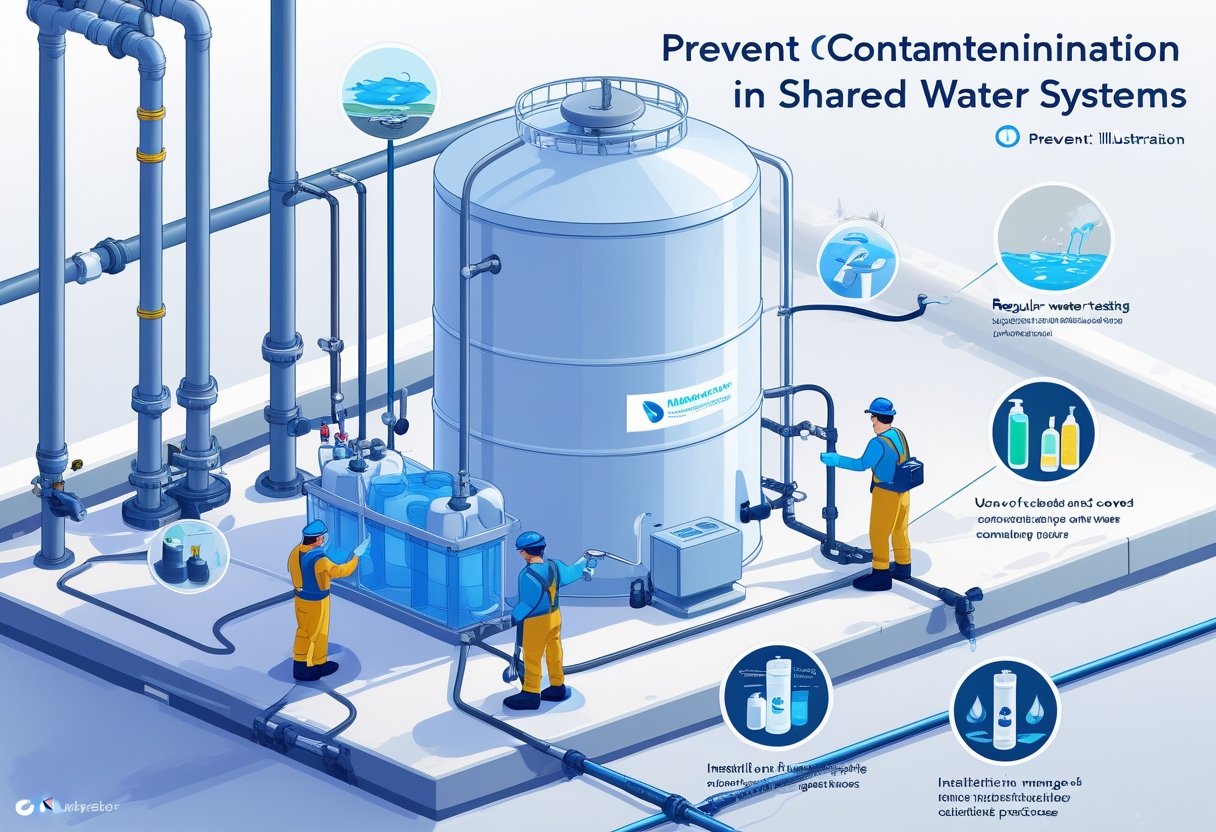
Keeping your shared water system safe from contamination matters—a lot. It’s about your health and your neighbors’, too. One of the most effective ways to prevent contamination is by installing and maintaining backflow prevention devices. These stop dirty water from sneaking back into the clean supply. But they only work if you test and repair them regularly.
Pay attention to cross connections in your plumbing—those are the trouble spots where dirty water might mix with your clean. Simple fixes like air gaps or vacuum breakers go a long way to keep contaminants out.
If you’re in San Diego County, Pacific Backflow’s team can handle backflow testing, repairs, and installations. They know the local rules and respond quickly, so you don’t have to worry as much about water quality slipping through the cracks.
Best Practices for Maintaining Clean Waterlines
Keeping waterlines clean means stopping dirt, bacteria, and other junk from building up. You’ve got to keep pipes clear, make sure water moves well, and stick to a regular checkup plan. It’s not just for your benefit—everyone using the system relies on it.
Regular Cleaning and Disinfection
Clean your waterlines often to keep germs and minerals from taking over. Use approved disinfectants—chlorine is common—to kill bacteria and viruses. Sometimes you’ll need to flush pipes with these solutions or bring in special tools for tougher buildup.
Don’t go overboard with chemicals, though. Follow safety guidelines so you don’t trade one problem for another. How often you clean depends on how much you use the system and what the local rules say. If in doubt, call a pro—they’ll make sure it’s done right.
Flushing Protocols for Shared Pipes
Flushing pipes gets rid of stagnant water and whatever settles in unused lines. Just open the taps all the way now and then, let the water run until it’s fresh. That keeps bacteria from making themselves at home.
Set a flushing schedule that makes sense for your setup—pipe length, usage, all that. Usually, a few minutes per tap does the trick, but it’s not one-size-fits-all. Don’t forget dead-end lines; those are easy to overlook.
Implementing Scheduled Maintenance
A maintenance schedule helps you spot leaks, corrosion, or pressure changes before they turn into headaches. Check your pipes and backflow devices at least once a year—catching issues early saves money and keeps water safe.
Hire certified pros to test and service your backflow preventers. They’ll make sure nothing nasty sneaks into your water. Pacific Backflow covers this in San Diego County, so you’re not left guessing.
Effective Water Quality Monitoring
You can’t protect what you don’t monitor. Keeping your shared water system safe means regular checks for harmful contaminants, installing real-time sensors, and collecting water samples the right way to get accurate results.
Routine Testing for Contaminants
Test your water routinely to catch problems like bacteria, chemicals, or metals before they get out of hand. Set up a testing schedule that fits your system’s risks and follows local rules. Usually, you’ll collect samples and send them to a lab.
You’ll want tests for chlorine, lead, E. coli, and other pollutants. The results tell you if your water’s good or if you need to act. If you have a backflow preventer, annual testing is a must to keep clean water safe.
Installing Real-Time Sensors
Real-time sensors are like having eyes on your water 24/7. They measure things like pH, turbidity, and chemical levels all the time. If something’s off, you get an alert and can act fast.
Put sensors in key spots—critical pipes, tanks, wherever issues might start. They help you spot trends and stop problems before they spread. It’s a smart move if you want peace of mind.
Water Sampling Procedures
How you collect water samples matters—sloppy sampling means bad data. Always use clean, sterile containers and stick to the same method each time. Sample from different points in the system, like where water comes in and where it goes out.
Flush pipes before sampling to get rid of old water. Label everything with the time and place. Get samples to the lab quickly so they’re still accurate. If you’re unsure, Pacific Backflow can help with testing and repairs in San Diego County.
Proper Handling and Storage of Water
Keeping water clean isn’t just about pipes—it’s also where and how you store it. Use the right containers, handle everything with care, and you’ll keep germs and pollutants at bay.
Sanitary Storage Solutions
Storage areas need to be clean, dry, and out of reach from pests. Go for tanks or reservoirs made from materials that don’t rust or fall apart—food-grade plastic or stainless steel are solid choices.
Tight-fitting lids keep out dirt, bugs, and animals. Store tanks away from chemicals and waste to avoid accidents. Clean and check your storage regularly to catch problems early.
Safe Container Use
Use containers designed for water—makes life easier and safer. They should be easy to clean and seal well to keep out dust and germs. Don’t reuse old chemical or food containers unless they’re thoroughly cleaned.
Label containers so you don’t mix them up. If you use portable containers, rinse them out, especially before refilling. It’s a simple habit that keeps water safer wherever it goes.
Handling Procedures to Prevent Cross-Contamination
Wash your hands before and after handling water storage equipment. Use clean tools, and don’t let containers touch the ground or dirty surfaces. When filling or pouring, do it in a way that avoids spills or backflow.
Never dip hands or dirty objects into tanks. Use a clean scoop or pump instead. Check your system for leaks or damage regularly—catching issues early makes a big difference.
Pacific Backflow can test and maintain your backflow devices in San Diego County, making sure dirty water doesn’t sneak back into your supply.
User Education and Community Awareness
If people don’t know how to handle water safely, even the best system can go wrong. Sharing clear info and good habits is the real frontline defense for shared water systems.
Training on Hygiene Practices
Everyone using shared water needs to know the basics. Washing hands before touching taps or pipes helps a lot—simple, but it works.
Don’t wash dirty stuff or dump waste into water sources. That’s just asking for trouble.
Host training sessions at work or in the neighborhood. Cover things like:
- Proper handwashing
- How to use community water points safely
- How to spot and report leaks or damage
When people actually follow these, water stays safer for all. Pacific Backflow supports education that helps protect your water supply.
Communication of Water Safety Information
People need updates about water safety that make sense—no jargon. Share regular notices about testing, maintenance, or any changes.
Posters, flyers, or even text messages can get the word out. Simple graphics help, too.
Let folks know what to do if they notice weird tastes, smells, or cloudy water. Fast reporting can head off bigger problems.
When communities get these messages often, it builds trust and encourages everyone to care more about the shared supply.
System Design and Infrastructure Improvements
How your system is built makes a big difference. Good design keeps contaminants out of shared water. Preventing backflow and keeping clean water lines away from wastewater lines are both crucial. These steps cut down on risks and keep water flowing safely.
Backflow Prevention Devices
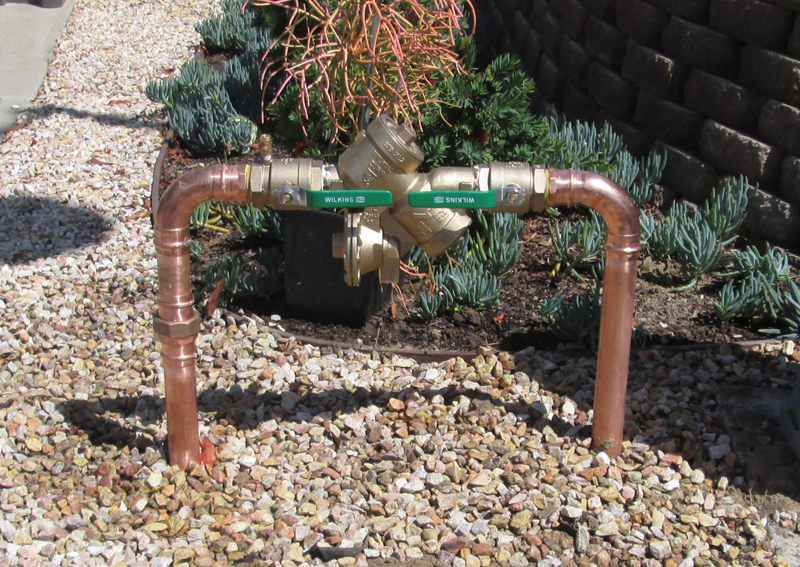
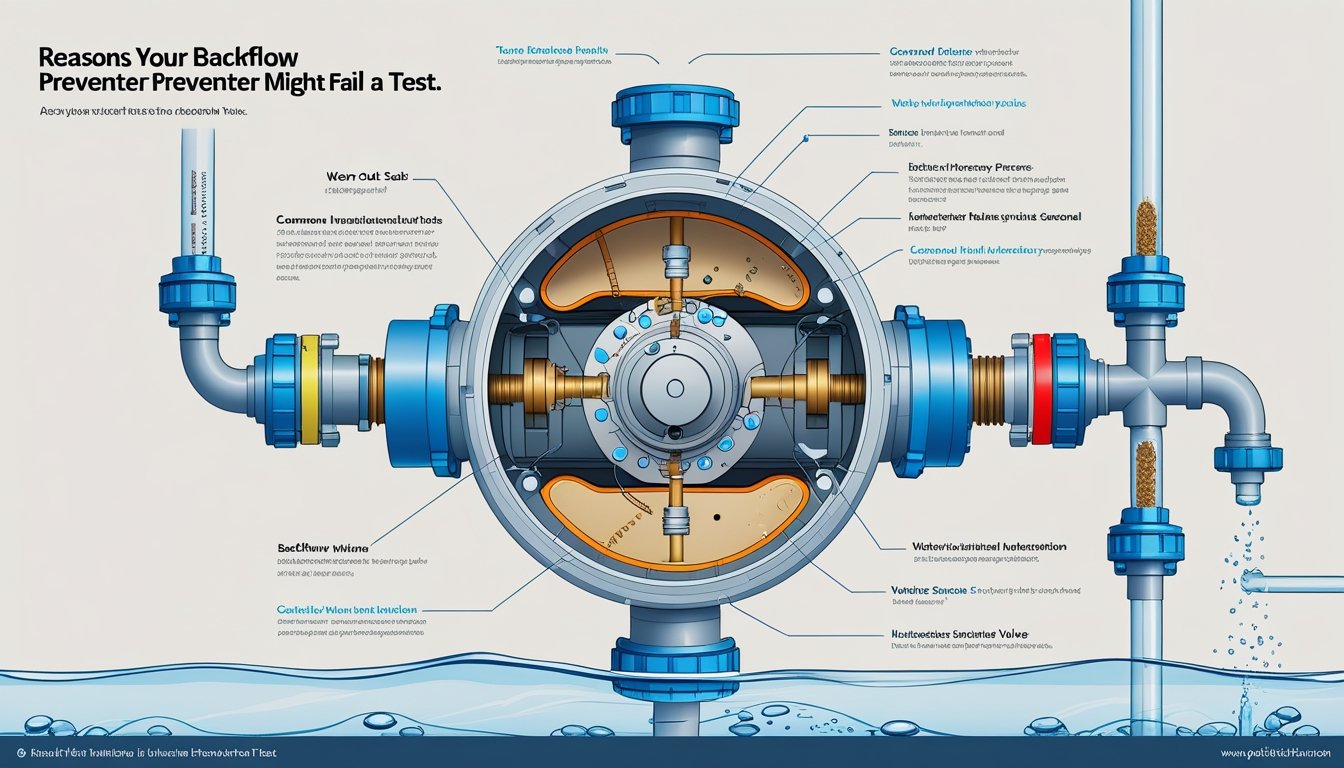
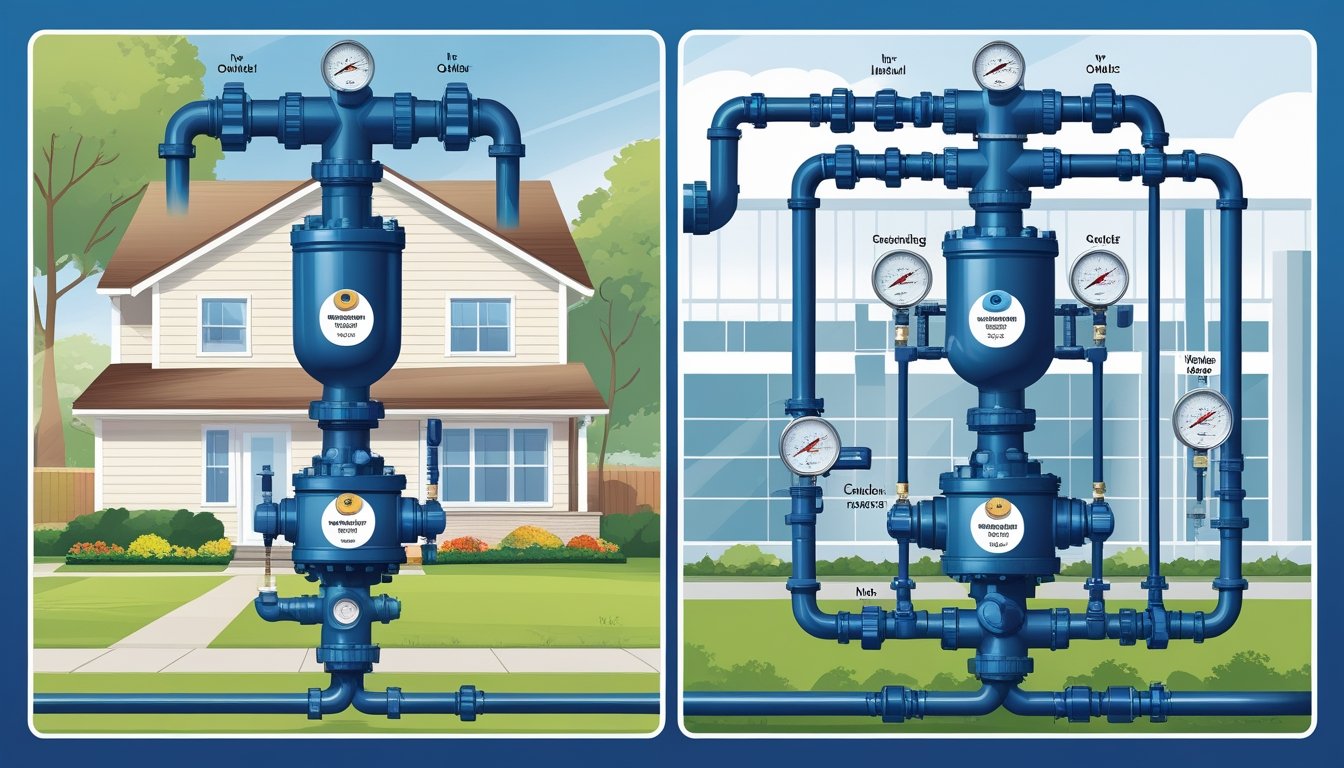
Backflow is when water reverses direction and brings contaminants into the clean supply. You need backflow prevention devices to stop this. These only let water flow one way—simple but effective.
There are several types of backflow preventers, like check valves and RPZ assemblies. Pick what fits your system best. Don’t forget regular testing and maintenance.
Pacific Backflow’s certified team can handle testing, repairs, and installations to keep everything up to code.
Separation of Clean and Wastewater Lines
Always keep drinking water lines separate from wastewater. If they mix, you’re in for serious contamination issues. Design your system so clean and dirty pipes never cross paths.
Use barriers, different pipe materials, or just keep them far apart. Label everything clearly and inspect often. If you spot leaks or breaks, fix them right away to avoid trouble.
This kind of separation is straightforward but goes a long way toward keeping your water safe.
Frequently Asked Questions
Water contamination can creep in from faulty plumbing, backflow, or just plain neglect. Knowing how to protect water systems helps keep things clean for everyone.
What are effective methods to protect community drinking water sources?
Install backflow preventers to stop dirty water from reversing course. Regular checks and maintenance are crucial.
Dispose of sewage properly and keep chemicals away from water sources. Community education also helps people understand why it matters.
What are the top five strategies for maintaining clean and safe water?
First, use and maintain backflow prevention devices. Second, test water regularly. Third, fix leaks fast.
Fourth, keep dangerous chemicals away from water. Fifth, protect natural sources by managing runoff and waste.
How can individuals contribute to the improvement of water quality at home?
Check and maintain your plumbing. Never pour chemicals or oils down the drain.
Use water-saving devices to ease the load on treatment systems. Test your tap water now and then to catch issues early.
What precautions should be taken to avoid water contamination in communal systems?
Test all backflow devices yearly and fix them if needed. Keep plumbing and irrigation separate.
Don’t use pesticides or fertilizers near shared water. Report leaks or odd water changes right away.
How does one implement practices to control water pollution effectively?
Follow local rules on waste disposal and backflow prevention. Use eco-friendly cleaning products.
Join community clean-up efforts and report pollution. Install protective covers on backflow devices to prevent tampering.
What proactive steps can be taken to safeguard our water resources for the future?
Get involved with regular backflow testing and maintenance. Push for tougher water safety rules—sometimes, that's what it takes.
Talk to your neighbors about keeping our water clean. Pacific Backflow works throughout San Diego County, offering reliable backflow services to help protect your water for the long haul.