

Storms can mess with your water supply, letting in dirt, chemicals, and bacteria through your pipes. To reduce water contamination risks after storms, you’ve got to test and maintain your backflow preventer—and don’t use the water until you know it’s safe. If you notice plumbing damage or a sudden drop in water pressure, that’s a red flag you shouldn’t ignore.
Acting fast after a storm really matters. Certified testing and repairs from places like Pacific Backflow keep your system running and up to code. These steps can help keep your drinking water clean and your family healthier, especially when nasty weather ups the risk.
Understanding Water Contamination Risks
Storms throw a lot at your water supply. They drag in dirt, chemicals, and other junk that can taint the water you rely on. Getting a handle on what makes water unsafe after storms is the first step to protecting your household.
How Storms Increase Water Pollution
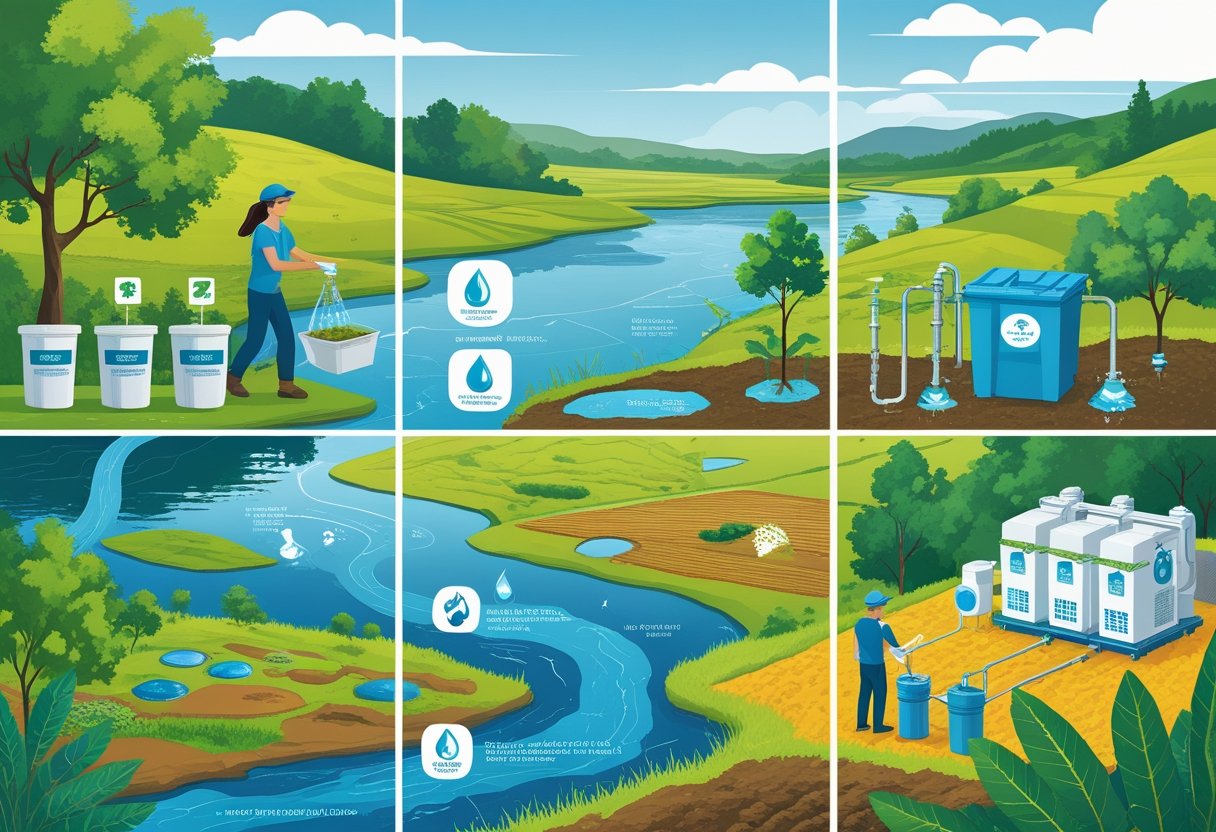
Heavy rain and flooding push dirt, trash, and chemicals into lakes, rivers, and groundwater. Floodwater often mixes with sewage, and that can send raw sewage right into your water supply. This backflow of dirty water is honestly one of the worst risks after a storm.
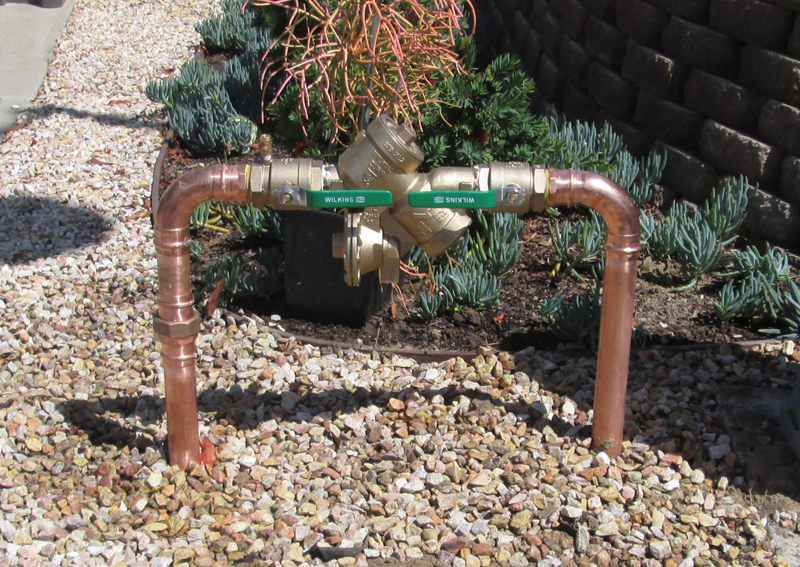
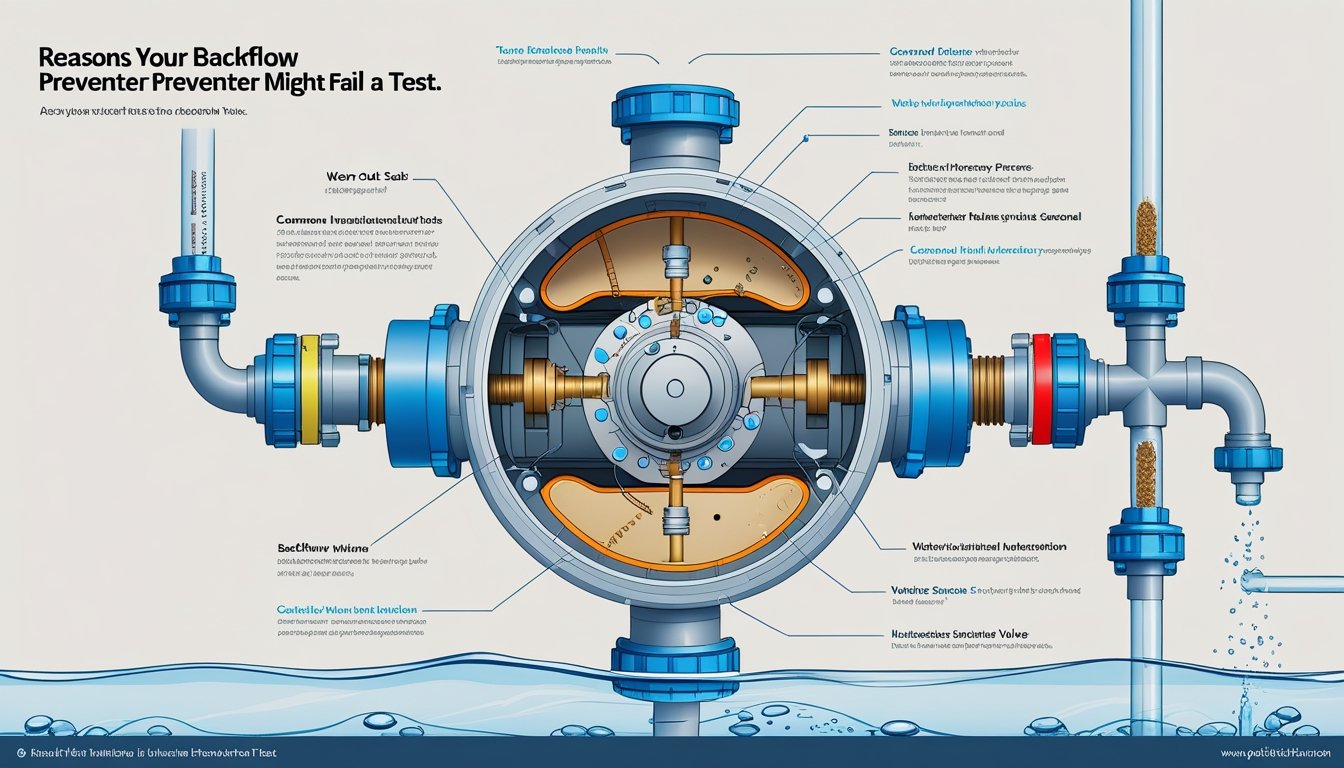
Strong winds might damage water pipes or backflow preventers. If these devices fail, polluted water can sneak backward into your clean lines. Backflow prevention really matters, especially after big storms.
Common Contaminants After Storms
Stormwater can bring in all sorts of nasty stuff:
- Bacteria and viruses from sewage
- Chemicals from pesticides and fertilizers
- Heavy metals and industrial waste
- Sediment and debris from erosion
These things can lead to stomach trouble, nausea, or worse. Even small amounts are risky if you keep drinking the water. If your water tastes weird, smells off, or looks cloudy, don’t risk it—test and treat it first.
Vulnerable Water Sources
Some water sources just get hit harder after storms. Private wells, for example, can let in floodwater if they’re not sealed well. Surface water like lakes and rivers see higher risks since they collect runoff from all over.
City water supplies have safeguards, but backflow or broken pipes can still let contaminants slip in. Regular backflow testing and maintenance make a big difference. Pacific Backflow’s testing and repairs can help keep your water safe, especially after a storm in San Diego County.
Immediate Steps to Reduce Contamination
After a storm, water contamination risks can spike fast. There’s no time to waste—secure your water, treat what you have, and clean up to keep your family out of harm’s way.
Securing Drinking Water Supplies
Check your main water source for contamination signs or damage. Don’t drink tap water until local authorities say it’s safe, especially if you’ve had flooding.
Use bottled water or what you stored before the storm for drinking and cooking. If you use a well, inspect it carefully and get the water tested before using it.
Keep containers tightly sealed so dirt and bacteria can’t get in. If you have a backflow prevention device, double-check that it’s working to stop dirty water from backing up into your clean supply.
Temporary Water Treatment Solutions
Boil water for at least a minute to kill bacteria and viruses if you’re not sure about its safety. It won’t get rid of chemicals, but it helps with biological contamination.
Water purification tablets or chlorine drops work too—just follow the instructions. For bigger batches, portable water filters that handle bacteria and protozoa are a solid option.
Store treated water in clean, covered containers. If it sits for more than a day, treat it again before using.
Sanitizing Affected Areas
Once floodwater recedes, get to cleaning any surfaces that touched contaminated water. Mix 1 cup bleach with 5 gallons of water to disinfect floors, counters, and sinks.
Toss any food that floodwater touched. Wash dishes and utensils in hot, soapy water, then sanitize.
Dry everything out to keep mold from taking over. For plumbing and backflow devices, schedule a professional inspection. Pacific Backflow can help with testing and repairs if you’re worried about your water system after storms.
Preventative Measures Before Storms
Getting ahead of storms helps lower your contamination risks. It’s about managing stormwater, redirecting rain, protecting wells and tanks, and storing chemicals and waste safely. These steps make your water supply—and your home—a lot safer.
Stormwater Management Techniques
Stormwater carries dirt, bacteria, and chemicals straight to your water. Use gutters and downspouts to send water away from your foundation and water sources. Rain gardens or permeable surfaces let water soak in, cutting down on runoff and pollution.
Sandbags help block floodwater from vulnerable spots. Keep your property clear of debris, and fix broken drainage so stormwater flows where it should—not into your plumbing or local streams.
Rainwater Diversion Strategies
Keep rainwater away from wells and tanks to cut contamination risks. Grade your yard so water flows downhill and away from these sources. Trenches or swales—those shallow, sloped ditches—can help guide water safely.
Make sure rain barrels or tanks are sealed up tight. If you collect rainwater, clean and maintain the system regularly to stop algae and bacteria from building up. Good diversion helps keep water clean after storms.
Protecting Wells and Storage Tanks
Wells and storage tanks need some love before storms hit. Check for cracks or leaks and fix them ASAP. Cover wells with secure lids or caps to keep out surface water and debris. A sanitary seal around the well casing is a smart move during heavy rain or flooding.
For tanks, make sure vents have screens to block bugs and particles. Test your water after storms to catch problems early. If you use backflow prevention devices, get them tested every year—especially before storm season.
Proper Chemical and Waste Storage
Keep chemicals, fertilizers, and waste in covered, secure spots far from water sources. Use containers that won’t leak, and store them on sealed surfaces like concrete or plastic trays. That way, spills can’t wash into stormwater or groundwater.
Dispose of hazardous waste the right way—follow your local rules. Don’t mix chemicals or pour them down the drain or outside. Safe storage keeps dangerous stuff out of your drinking water when storms roll through.
Community and Home Solutions
Protecting your water after storms is a team effort—at home and in your community. Smart cleanup, sharing what you know, and working with local authorities all help keep water clean and cut down on health risks.
Promoting Safe Cleanup Practices
Be careful during cleanup after a storm—water contamination’s no joke. Wear gloves and boots when handling floodwater or debris. Don’t use water until you’re sure it’s safe, especially if it smells weird or looks off.
Toss food or items that touched floodwater. If you use well water, test it before drinking. Disinfecting surfaces helps stop germs from spreading. And whatever you do, don’t pour chemicals or waste down drains—it just pollutes your water.
Simple moves like these protect your family and neighbors from bacteria and chemicals in the water supply.
Community Education Initiatives
Sharing clear info about water safety after storms keeps your community safer. Local groups or neighborhood meetings can spread tips about checking water and avoiding risky moves—like drinking untreated water.
Flyers, social media, or signs in busy places remind folks to stick with safe water sources. Learning about backflow prevention is worth your time too—it stops dirty water from sneaking into clean lines. Pacific Backflow has services and advice to help communities keep their water clean.
Getting everyone on board really cuts down on health issues tied to contaminated water.
Coordinating With Local Authorities
Stay in touch with your local water department and health officials after a storm. They’ll test water quality and put out notices or boil advisories. Their advice helps keep you and your neighbors safe.
Report leaks or backflow device failures promptly. That way, authorities can jump on problems before they get worse. Regular backflow device testing keeps your home up to code and reduces contamination risks.
Pacific Backflow handles testing and repairs in San Diego County, making it easier to stay compliant and safe.
Long-Term Strategies for Water Safety
Keeping water safe after storms isn’t just a one-time thing. Planning ahead, upgrading systems, and regular checks all help you catch problems before they get out of hand.
Improving Infrastructure Resilience
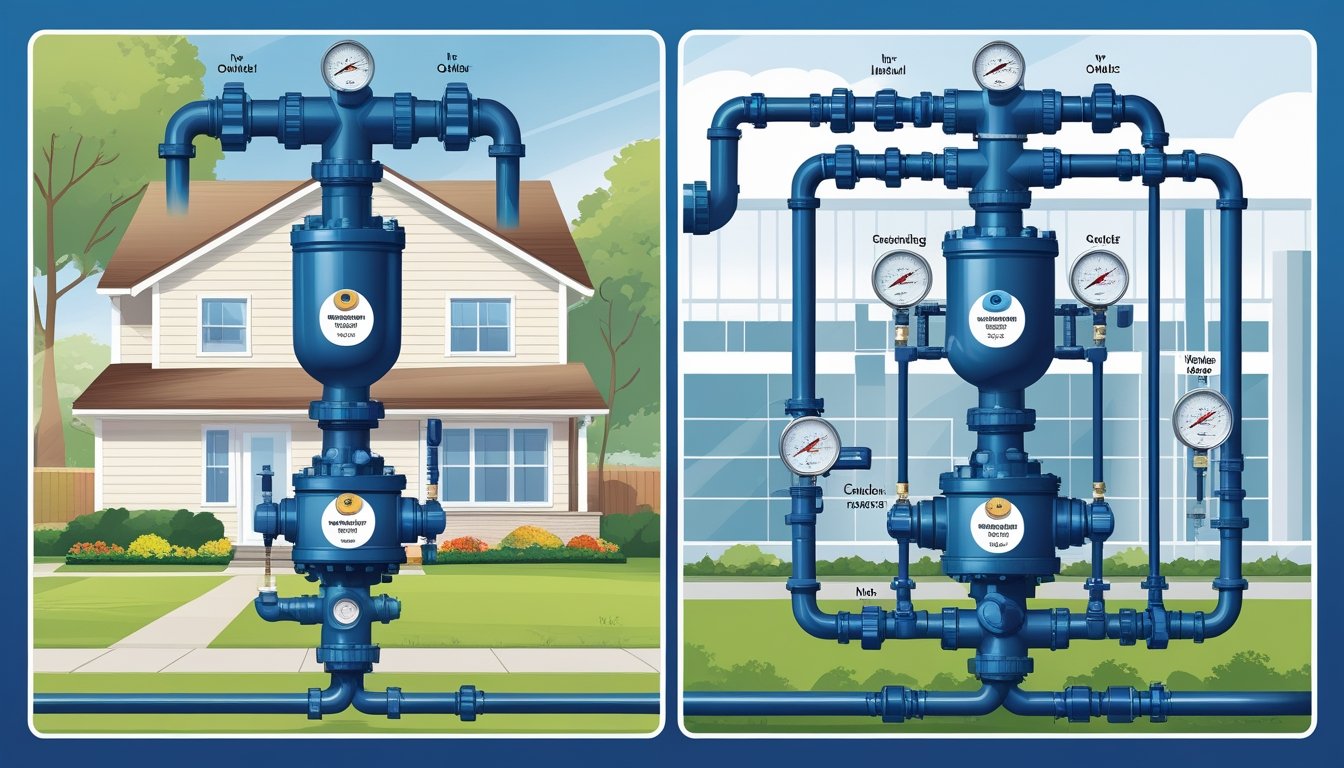
Your water system’s strength depends on solid infrastructure. Installing or upgrading backflow prevention devices is key—they stop dirty water from flowing backward into your supply during floods.
Keep an eye on pipes and drainage systems. Look for cracks and leaks, especially after storms. Fixing or replacing damaged sections early lowers your contamination risks.
These upgrades protect your home’s water and can save you money by avoiding big repairs or illnesses down the road. Pacific Backflow offers backflow testing and replacement services to help you stay safe and up to standard.
Adopting Sustainable Landscaping
Your yard affects water safety too. Native plants and smart garden design slow runoff and filter pollutants before they reach water sources.
Rain gardens or retention basins collect stormwater, letting it soak in instead of rushing into drains.
Go easy on fertilizers and pesticides—they can wash into waterways during storms and cause contamination.
Sustainable landscaping improves water quality, saves water, and creates a healthier yard. Win-win.
Routine Water Quality Monitoring
Regular testing is the only way to be sure your water’s safe. After storms, bacteria, chemicals, and heavy metals might sneak into your supply.
Test your water at least once a year—and more often after nasty weather. Look for pros who give fast, accurate results and can explain what the numbers mean.
Keep a record of tests and any maintenance on backflow devices or filters. That way, you’ll know your system’s health and can show you’re following the rules.
Pacific Backflow can help with routine testing and make sure your backflow preventer’s doing its job.
Frequently Asked Questions
Storms bring a bunch of water quality risks. Knowing how to protect your household water, cut stormwater pollution, and keep local water safe is huge. You don’t have to do anything fancy—just some simple steps can make a big difference after storms.
What are the top methods for safeguarding household water following a storm?
First off, don’t use tap water until you know it’s safe. Boiling water or using bottled water protects you from harmful bacteria and chemicals.
Get your plumbing checked regularly for leaks or storm damage. A backflow preventer keeps contaminated water from sneaking into your supply.
How can individuals contribute to the protection of local water resources?
Keep oil, pesticides, and trash away from storm drains. Dispose of household chemicals properly and use less fertilizer.
If you spot water pollution, let local authorities know. Little actions from lots of people add up to cleaner water for everyone.
What steps can homeowners take to prevent stormwater pollution?
Maintain gutters and downspouts so water moves away from your house. Rain barrels let you collect clean rainwater for your garden, cutting runoff.
Planting native stuff helps absorb stormwater and filter out pollutants. Don’t dump yard waste or chemicals into drains or waterways.
In what ways can agricultural runoff be minimized to protect water quality?
Farmers can plant buffer strips between fields and waterways to trap runoff. Using less fertilizer and pesticide during rainy times keeps chemicals from washing into streams.
Covering soil with mulch or planting cover crops protects against erosion and keeps sediment out of the water.
Can you suggest strategies to prevent rainwater contamination?
Try to keep your roof and gutters clear—leaves, sticks, and random gunk can pile up faster than you'd think. If you use chemicals for cleaning or gardening, steer clear of spots where rainwater tends to collect.
You might also want to look into backflow prevention devices. They help stop dirty water from sneaking into your clean supply, especially when there's a heavy downpour.
What practical actions can communities adopt to protect their water sources from post-storm pollution?
Communities can roll up their sleeves for regular waterway cleanups and get neighbors talking about the real risks of pollution after storms. It helps to make sure backflow prevention systems are installed and actually working throughout the city—nobody wants to second-guess their tap water.
Teaming up with companies like Pacific Backflow brings in folks who really know their stuff for testing and repairs, which keeps water safe and up to code.