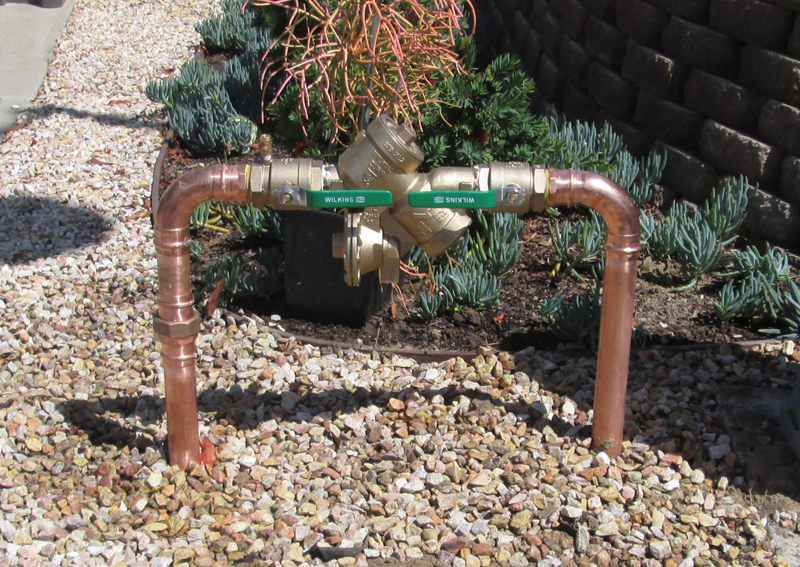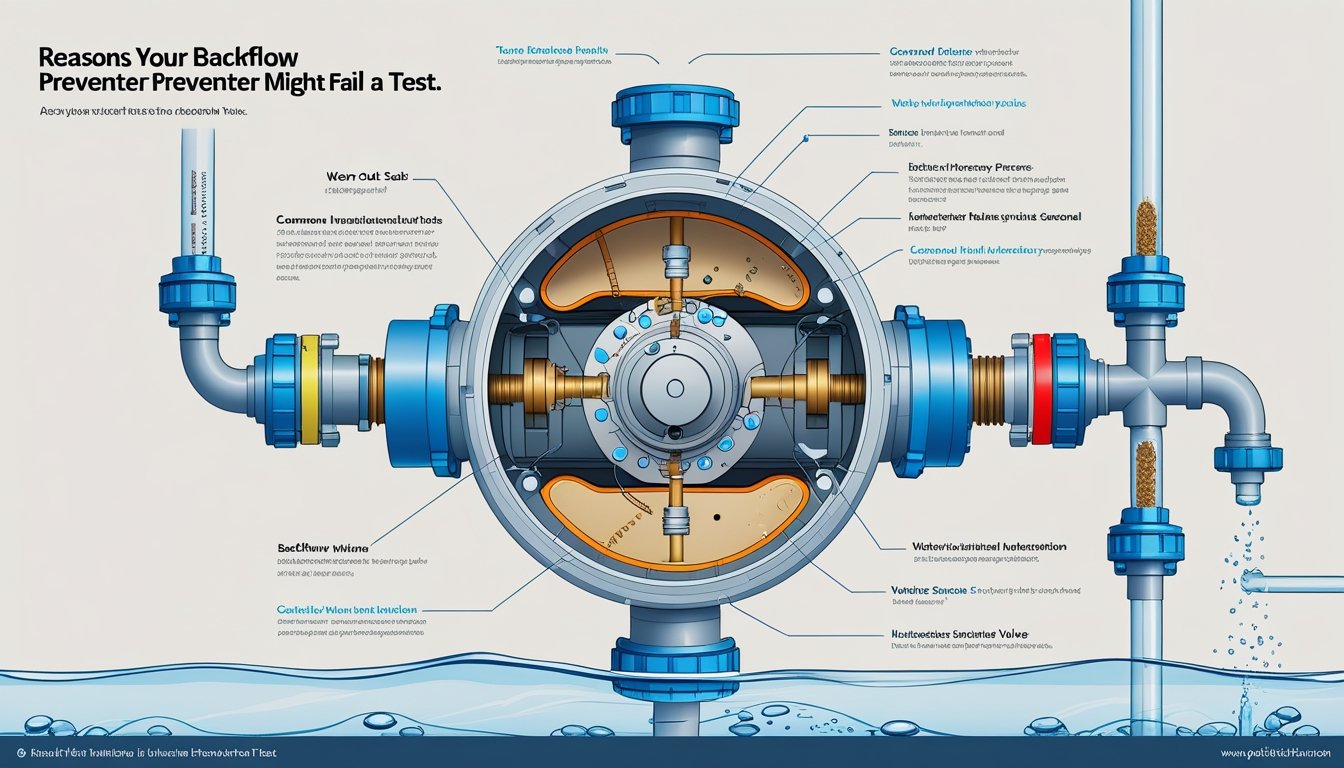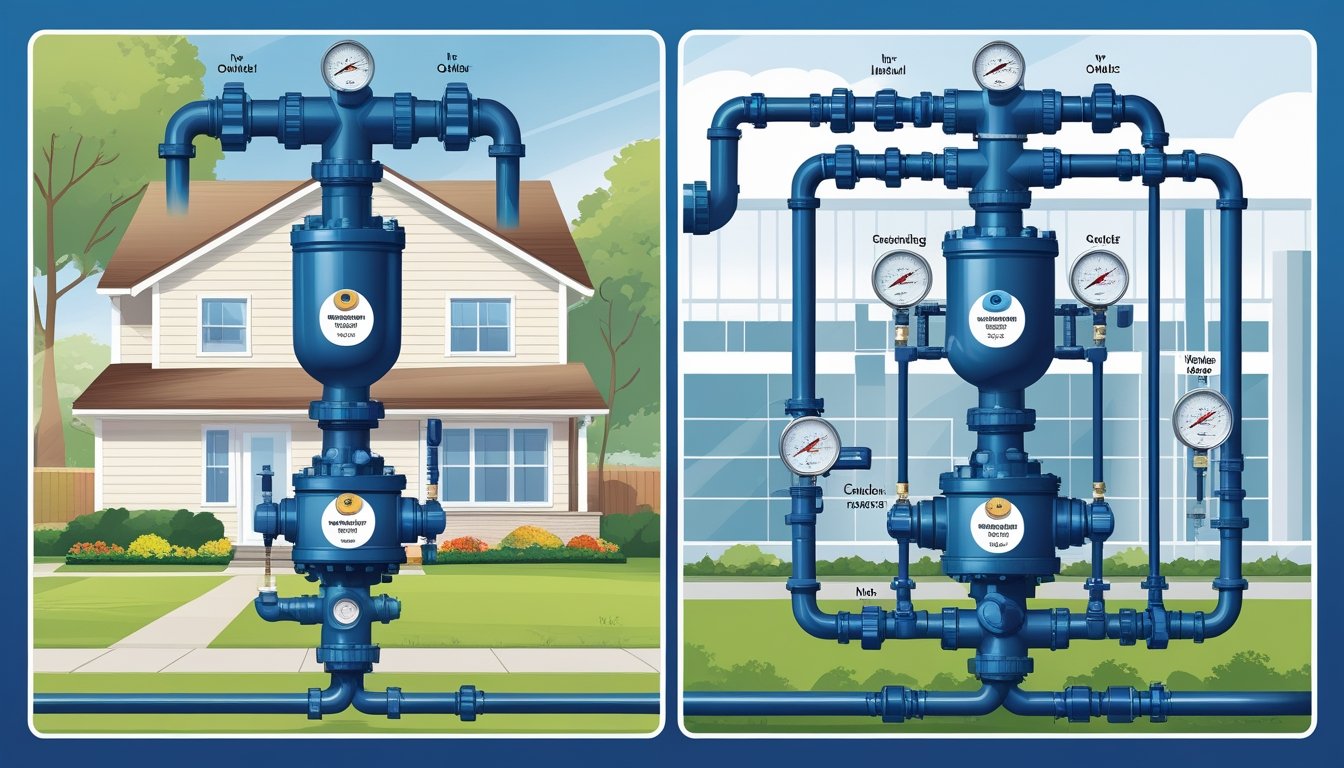


Renovating a home or business? Water quality probably isn’t the first thing on your mind, but it should be. Construction can stir up dirt, debris, or even let in some nasty contaminants. Honestly, the most reliable way to safeguard water quality during renovations is to install backflow prevention devices and get your system tested now and then. That keeps dirty water from sneaking back into your clean lines.
Keep an eye out for trouble spots—plumbing connections, outdoor hoses, irrigation systems. These spots get overlooked, but they’re vulnerable during upgrades. Regular backflow testing by certified techs can catch problems before they turn into headaches. Pacific Backflow has been around San Diego County for over 40 years, handling backflow testing, repairs, and installations to keep things safe.
Planning Renovations With Water Quality in Mind
Before you get started, take a hard look at your property, figure out what could go wrong with your water, and pick materials that won’t mess things up. It’s not rocket science, but it does take some care.
Conducting a Site Assessment
Walk your property. Check for old pipes, leaks, or any signs of backflow. Corroded or damaged plumbing? Fix or swap those parts out before work begins.
Get familiar with your water line layout. That way, you won’t accidentally break something mid-project. And hey, local water codes exist for a reason—sometimes, they’re strict about plumbing changes. Having a map of your system saves you from costly mistakes later.
Identifying Potential Water Contaminants
Renovations are messy. Dirt, dust, paint, solvents, and random debris can end up where you don’t want them. Be extra careful around sinks, faucets, and anywhere water connects.
Backflow is a sneaky culprit. Pressure changes can make water run the wrong way, pulling contaminants into your pipes. Installing or maintaining backflow preventers—like the ones Pacific Backflow checks—keeps things flowing the right direction.
Keep work zones tidy. Cover exposed plumbing. Don’t flush chemicals or debris down drains connected to your water lines. Sometimes, a simple filter or temporary shutoff is all you need to keep contaminants at bay.
Selecting Water-Safe Materials
Pick plumbing materials that won’t leach toxins into your water. Skip the old-school lead or galvanized steel pipes—they corrode and pollute over time. Go for copper, PEX, or PVC that’s rated safe for drinking water.
Look for fixtures marked NSF/ANSI 61 or similar. That means they’re tested for safety. Good seals and fittings matter, too, or you’ll end up with leaks and maybe even mold inside pipes.
Installation is just as important as what you buy. Bad connections can lead to leaks or contamination. Hire pros who know local codes and testing. After everything’s in, get a backflow test to make sure it’s all working like it should.
Protecting Water Sources During Construction
Renovation can get messy, but you can keep your water clean with a few precautions. Control water flow, stop dirt from escaping, and protect wells or tanks. It’s all about stopping pollution before it starts.
Preventing Runoff and Erosion
Runoff drags dirt and chemicals right into your water. Cover bare soil with mulch, tarps, or straw. If you can, plant grass or ground cover to lock that soil down.
Put up silt fences or sediment barriers around the work area. These slow water and trap dirt before it escapes. Check them often—they don’t last forever.
Try not to disturb more ground than you have to. The less bare dirt, the better your odds of keeping water clean.
Implementing Site Drainage Controls
Make sure water flows away from wells, basements, and tanks during construction. Plan your drainage—don’t let water pool where it shouldn’t.
Dig trenches, swales, or temporary ditches to steer water offsite. Don’t send runoff toward clean water supplies or storm drains.
Sediment traps or basins are handy where water collects. They catch dirt so it doesn’t move downstream. Clean them out often or they’ll just overflow.
Securing Wells and Water Storage
Got a well or water tank? Protect it. Build barriers to keep out debris and chemicals. Seal up any cracks or holes in well covers.
Don’t park vehicles or store stuff near wells—why risk it? If you use tanks for your household, check lids and fittings for tightness.
After renovations, test your water for contamination. You can book backflow testing with Pacific Backflow, too. It’s worth it for peace of mind.
Responsible Waste Management
Handling waste right is huge for keeping water safe. Keep hazardous stuff away from the regular trash, and never dump paint or chemicals down drains. That’s how you protect your water supply.
Separating and Storing Hazardous Materials
Keep solvents, adhesives, and old batteries separate from everything else. Store them in labeled, sealed containers—no leaks, no spills. Stash them somewhere dry and shady, away from drains.
Don’t mix hazardous waste with regular garbage. That can cause bad reactions or leaks. Always check local rules for storage. Honestly, it’s just common sense.
Proper Disposal of Paints and Chemicals
Never pour paint, stain, or cleaning chemicals down the drain or in the trash. They’re loaded with toxins. Keep leftovers in their original containers, lids tight.
Take this stuff to your local hazardous waste collection or a recycling event. Some places even offer pick-up. Never dump it outside or into storm drains—seriously, that’s a recipe for water contamination.
Pacific Backflow is always around for backflow testing and can help make sure your water system stays clean during and after your project.
Managing Plumbing and Fixtures Safely
Plumbing work during renovations? You’ve got to keep clean and dirty water from mixing, swap out old pipes that could be risky, and flush the system when you’re done. It’s not glamorous, but it matters.
Avoiding Cross-Contamination
Cross-contamination is when dirty water sneaks back into clean pipes. That’s how you end up with germs or chemicals in your drinking water. Use backflow preventers everywhere you can—they’re simple but effective.
Keep potable water lines away from waste or irrigation lines. Ditch old flexible hoses that can trap dirty water. If you have to cut into plumbing, seal pipes up so dust and debris stay out.
Here’s a quick tip: after you turn water off, flush the system before using it again. It’s a simple way to keep things safe.
Upgrading to Lead-Free Pipes
If your house is old, you might have pipes that leach lead or other metals. That’s a health risk. Replace anything from before 1986 with lead-free options. Copper, PEX, or certified PVC are good picks.
Check your faucets and valves, too—make sure they meet current lead standards.
New pipes often mean better water taste and quality. Not sure what you’ve got? Call a plumber or backflow tech to check things out.
Flushing Systems After Renovation
When you finish plumbing work, flush the system. Open every tap—kitchen, bath, outdoors—and let water run a few minutes. Don’t forget hot water heaters and appliances.
If you installed new pipes or fixtures, you might want to disinfect the system with a chlorine solution. It kills bacteria and keeps water safe. Pacific Backflow can test and make sure your plumbing is clean and up to code.
Post-Renovation Water Quality Assurance
After all the dust settles, make sure your water’s still good. That means checking for contamination and giving your system a real cleaning.
Testing Water for Contamination
Once you’re done, test your water for chemicals, bacteria, or dirt that might’ve snuck in. Look for things like lead, chlorine, and bacteria—just to be safe.
You can use test kits or bring in the pros. In San Diego County, annual backflow testing is a big deal. Certified techs check backflow devices to keep dirty water out. If a device fails, you’ll need repairs or a replacement to stay compliant.
Cleaning and Maintaining Water Systems
Flush pipes and clean water lines to get rid of debris left from construction. Pay attention to irrigation, pools, and fire sprinklers—they often connect to your main supply.
Maintenance means checking backflow preventers, too. Pacific Backflow can help keep these in shape. Protect your devices with cages to prevent tampering or damage.
Regular cleaning and maintenance are your best shot at keeping water fresh after renovations.
Frequently Asked Questions
Protecting water quality during renovations isn’t just about rules—it’s about paying attention and asking the right questions. You’ll want to avoid contamination, know where to get good info, follow safety tips, and test your water regularly. Using the right tools and saving water during construction helps, too.
How can I ensure my construction or renovation activities don't contaminate my water supply?
Keep dust, dirt, and chemicals away from water pipes and fixtures. Fix leaks quickly and cover open pipes. Don’t mix materials near water sources. Backflow preventers are a must—they keep dirty water out of your clean supply.
Where can I find resources on protecting water quality during home improvements?
Check with local water authorities or environmental agencies. Pacific Backflow has tips on backflow testing and prevention. Community websites often have step-by-step guides for home projects.
What steps are recommended by the EPA for maintaining safe water during construction projects?
The EPA suggests regular inspections, fixing leaks early, and disinfecting water systems after work wraps up. They also say to avoid cross-connections and keep backflow devices in good shape.
How often should well water be tested during renovation periods to ensure quality?
Test well water at least every three months during renovation. If you’re working close to your water source or moving a lot of soil, test even more often. Focus on bacteria, chemicals, and sediment. Better safe than sorry.
Which water testing kits are best for homeowners undertaking renovations?
Go for kits that check bacteria, nitrates, pH, and chlorine. Honestly, brands that keep things simple and actually explain what you're supposed to do—those are the ones most folks end up liking. A few kits even give you results fast, especially for the usual stuff you might find in your water.
What are the best practices for water conservation during large-scale construction work?
Try using water-efficient fixtures and tools—honestly, every bit helps. Don't let water run if you don't need it. If you can, collect rainwater or reuse greywater; it's not always easy, but it's worth a shot. Plan your work so you're not using tons of water during peak times, and jump on leaks right away. No one wants to see water just going down the drain.