

When your backflow assembly is stuck in a spot that’s tough to reach, it can feel like a headache. But you’ve got options. Honestly, calling experienced professionals who know how to handle backflow devices in cramped or awkward places is usually the safest move. If you try to fix or test it yourself, you might end up making things worse—or even risking your water supply.
Sometimes, you’ll need special tools or creative solutions to get to your backflow preventer. The folks at Pacific Backflow know all about these challenges and serve all of San Diego County with responsive backflow testing and repairs. With the right help, you can keep your system working without stressing over tough access.
Understanding Backflow Assemblies
Backflow assemblies are what keep your water supply safe from stuff you don’t want in your drinking water. Knowing what they are, why you need to reach them easily, and the different types out there makes maintenance a whole lot simpler—especially when your space is tight or the device is tucked away.
What Is a Backflow Assembly
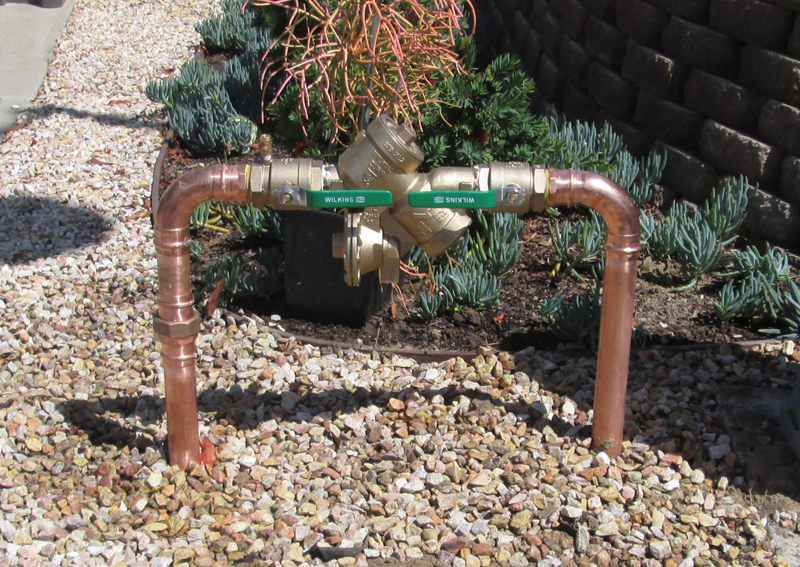
A backflow assembly is basically a safety gate for your plumbing. It stops dirty water from sneaking back into your clean water lines if the pressure drops or reverses. Think of it as a shield that blocks contaminants from getting into your drinking water when something weird happens with the pipes.
These things use valves and seals to make sure water only flows one way. Without them, stuff from garden hoses, irrigation, or who-knows-what could end up in your home’s water. That’s not good.
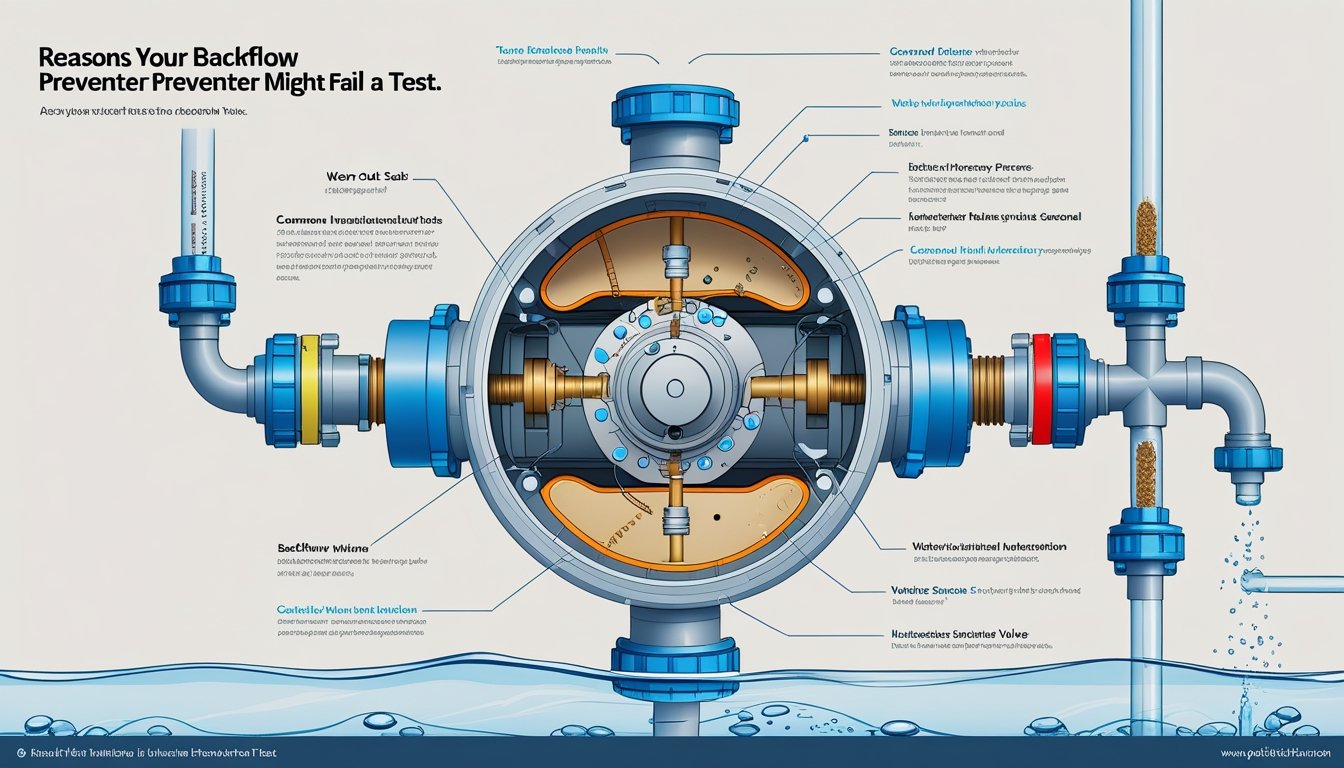
Parts like valves and springs don’t last forever, so regular testing and maintenance are a must. If your backflow assembly fails, your water’s at risk. Keeping it in working order is just basic health and safety.
Why Accessibility Matters
You’ve got to be able to get to your backflow assembly for regular checks, testing, and repairs. If it’s buried or boxed in, maintenance gets delayed or more expensive—sometimes techs have to move stuff or even dig just to reach it.
Blocked access makes it harder to spot leaks or worn-out parts early. That’s how little problems become big ones.
Ideally, you want open space around the assembly, nothing heavy piled nearby, and the right installation height. This way, your technician can get the job done quickly and keep everything up to code.
If you’re stuck with a hard-to-reach assembly, working with a company like Pacific Backflow can help. They’ll figure out ways to improve access or handle tricky repairs safely.
Types of Backflow Devices
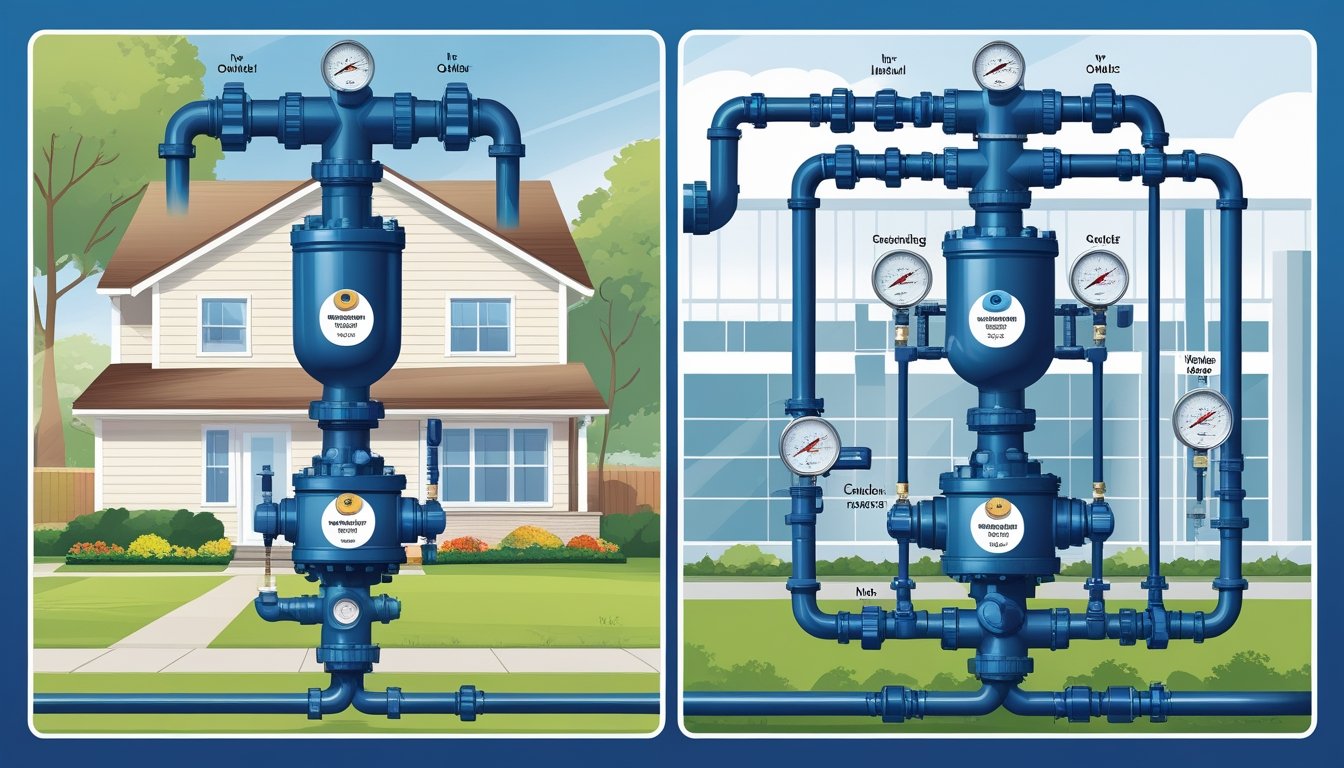
There are a few main types of backflow devices, each with its own use:
- Double Check Valve Assemblies (DCVA): Good for low-risk spots, these have two check valves to stop backflow.
- Reduced Pressure Zone (RPZ) Assemblies: Built for higher-risk situations, they come with a relief valve that dumps water if backflow happens.
- Pressure Vacuum Breakers (PVB): These are usually in irrigation setups, stopping back siphonage.
- Atmospheric Vacuum Breakers (AVB): Basic, affordable devices that prevent back siphonage—just make sure they’re above the highest water point.
Knowing which one you’ve got helps you understand how it works and what kind of care it needs. Pacific Backflow can ID your device and make sure it’s up to San Diego County standards.
Common Accessibility Challenges
Sometimes your backflow assembly is hard to reach because of the way things are set up around it. These issues can make repairs or testing a pain and slow down important work. It’s good to know what causes these headaches so you can plan for better access.
Obstructed Installations
Your backflow assembly might be boxed in by fences, shrubs, or random stuff near your property. That makes it tough for a technician to get close, which just slows everything down.
Sometimes, assemblies end up behind walls or locked away without an easy way in. You might need to provide keys or clear things out before the tech shows up.
Debris like leaves or trash can pile up around the unit, too. That stuff can jam up moving parts. Just keeping the area clear helps a ton.
Limited Space Concerns
If your backflow device is squeezed into a tiny spot, working on it gets tricky. There’s less room for hands and tools, so repairs take longer and mistakes are more likely.
Swapping out parts can mean taking the whole unit out first, which isn’t cheap or quick.
Some homes or businesses cram plumbing together to save space. If you’re putting in something new, ask your tech about spacing rules so you don’t create problems down the line.
Weather-Related Barriers
Outdoor assemblies have to deal with the weather. Heavy rain can flood the area, and snow, ice, or mud can make it dangerous to get close.
Extreme temps can crack seals or mess up valves, but they also make it tough for techs to come out—sometimes you just have to wait.
Weatherproof enclosures or raised platforms can help. They keep your backflow device clear and easier to reach, even when the weather’s bad.
If you’re in San Diego County and stuck with tough access, Pacific Backflow can help out with quick, reliable service.
Step-By-Step Solutions For Hard-to-Access Backflow Assemblies
When your backflow assembly is tough to get to, inspections and repairs can feel like a hassle. You’ll want to focus on getting to it safely, having the right tools, and maybe improving access if you can.
Safe Approaches to Inspection
Safety should always come first. Turn off the water supply before you start poking around—no one wants a surprise spray or leak. Good lighting is key; a headlamp frees up your hands and helps you see in tight or dark spaces.
Don’t stand on wobbly surfaces or twist yourself into weird positions. If there are wires nearby, watch out. Gloves are a good idea to avoid sharp bits and gunk.
If you’re not sure you can reach the device safely, just call a pro. It’s not worth the risk.
Tools and Equipment for Tight Spaces
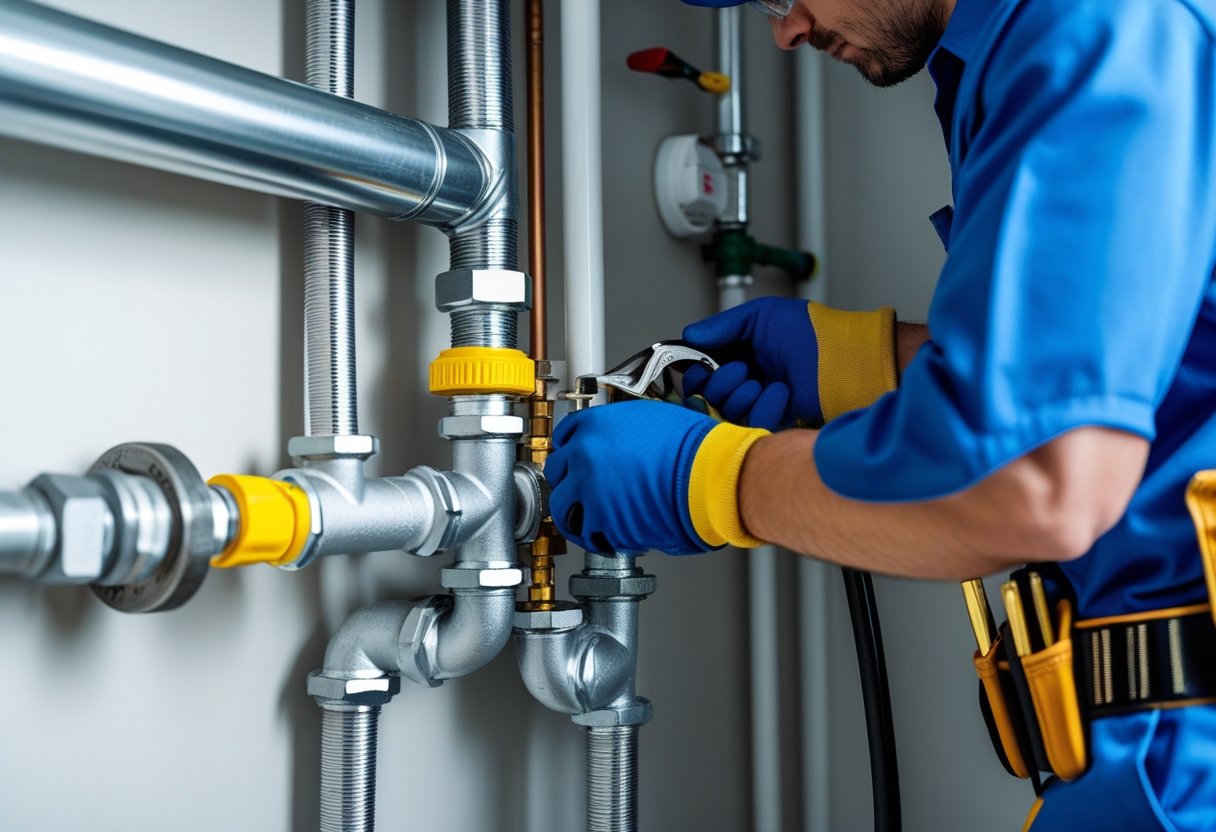
For cramped spots, you need the right gear. Compact wrenches with angled heads and flexible sockets make it easier to work without banging your knuckles. A telescoping mirror is handy for checking out hidden parts.
A portable inspection camera is a lifesaver—you can see what’s going on before you start pulling things apart. Small screwdrivers and pliers designed for tight spaces help too.
Don’t forget a good flashlight or headlamp with adjustable brightness. Keep your tools organized so you’re not fumbling around or dropping stuff where you can’t reach.
Techniques to Improve Access
Sometimes you just have to clear the way. Move loose objects, trim back plants, and get rid of any junk blocking your path. Taking off a panel or fence temporarily might help.
If you can, use a repair stand or support to lift the assembly a bit and give yourself more room underneath. For outdoor setups, an insulated cover that’s easy to remove protects the unit and makes your job easier.
If it’s just too cramped, you might need to talk to someone about relocating or extending the device. Pacific Backflow does this kind of work in San Diego County—they know how to adjust layouts without breaking the rules.
When to Call a Professional Plumber
Getting to a backflow assembly isn’t always simple, especially if it’s tucked away somewhere awkward. Figuring out when to try fixing it yourself and when to bring in an expert can save you headaches. Balancing what you spend with the long-term benefits keeps your system safe and up to code.
Evaluating DIY Versus Professional Help
If your backflow assembly is a pain to reach, think twice before trying to fix it yourself. DIY might seem cheaper, but if you mess up, you could cause leaks or even contaminate your water. These systems have to meet local codes, so mistakes can mean fines or health risks.
Ask yourself if you really have the right tools and know-how. If you’re not experienced with plumbing or backflow devices, calling a professional is just smarter. A licensed plumber can spot hidden problems and recommend the right repairs without risking your water supply.
If getting access means ripping out walls, digging, or using special equipment, let the pros handle it. They’ve got the right tools and know-how for complicated jobs.
Costs and Benefits of Expert Service
Sure, hiring a pro costs more upfront, but it usually saves money in the long run. Experts fix things right the first time, so you don’t have to deal with repeat repairs or plumbing damage. They also help you dodge expensive health issues from contaminated water.
Professional service covers annual backflow testing, repairs, and replacements. Good companies like Pacific Backflow in San Diego County work fast and keep your system up to code. Some even offer emergency help when you really need it.
You get peace of mind knowing your water’s safe. Plus, they handle all the paperwork, making sure you’re good with the city. That’s less stress for you and safer water for your family or business.
Preventing Access Issues in the Future
Making your backflow assembly easy to reach now saves you time and money later. Careful planning during installation and staying on top of maintenance help you avoid headaches down the road.
Proper Installation Planning
When you’re installing a new backflow device, pick a spot that’s easy to get to for testing and repairs. Avoid squeezing it into tight corners or behind other equipment.
Leave at least 3 feet of clear space around it. That way, there’s room to work and move tools. Don’t put it where plants or junk can block it.
If you’re in a cold area, add insulation or protective covers to prevent freezing. That keeps the device from getting damaged and hard to reach later. Good installation just makes life easier.
Routine Maintenance Tips
Staying on top of maintenance helps you catch issues before they get annoying. Check your backflow preventer every 6–12 months. Flush it to clear out mineral buildup, especially if your water’s hard.
Keep the area around the device clear—no trash, plants, or tools in the way. Look for leaks, rust, or worn parts and fix them quickly to avoid bigger problems.
A tidy area saves time during testing and repairs. If you need help, Pacific Backflow offers solid service across San Diego County to keep your system running and easy to reach.
Frequently Asked Questions
Knowing how to handle common backflow preventer issues saves you time and money. It’s handy to know what to check, when to call in the pros, and how to protect your equipment if it’s in a tough spot.
How can I troubleshoot my RP backflow preventer problems?
Start by checking for obvious stuff like leaks or weird noises. See if debris is stuck in the valve or if any parts look worn out. Running some basic tests can help you figure out if the problem’s inside the valves or seals.
What should I do if my backflow preventer is not letting water through?
First, double-check that all the shutoff valves are wide open—sometimes it really is that simple. If water still refuses to move, the check valves might be stuck or even broken. You could try flushing out the device to clear any gunk, but honestly, if that doesn’t work, it’s probably time to call in a pro to take a look (and yeah, sometimes it’s just not worth the headache).
Is it possible to install a backflow preventer by myself?
Technically, you could, but there’s a catch. Installing one usually means dealing with permits and knowing the ins and outs of plumbing codes. If you haven’t done this before, hiring a certified technician is the safer bet—they’ll make sure everything’s up to code and actually works.
What are the signs that my backflow preventer may not be functioning correctly?
Keep an eye out for leaks, weird noises, or sudden drops in water pressure. If you’ve failed a backflow test, that’s a red flag too. Rust, cracks, or any corrosion on the device itself? Not good. Honestly, regular yearly testing helps catch this stuff before it turns into a bigger mess.
What options are available when my backflow preventer is not working?
You might be able to clean or swap out smaller parts like seals and springs. But if things look pretty rough, replacing the whole device could be the only real fix. Companies like Pacific Backflow handle repairs and full replacements, so you don’t have to wrestle with it yourself.
How should I proceed if my backflow preventer is not easily accessible?
Try moving anything in the way if you can—sometimes it’s just a stray box or overgrown bush. If the spot itself is tricky, maybe tucked behind something or up high, it’s a good idea to ask your service provider about making access easier. They might suggest adding a cage for protection, but make sure it doesn’t block maintenance. Honestly, setting up regular inspections helps catch problems before they turn into a hassle, especially when the thing’s hard to get to.