

A commercial backflow audit is a thorough inspection that checks if your building's water systems are properly protecting against contaminated water entering the clean water supply.
Water contamination in commercial buildings poses serious health risks and legal problems for business owners. When plumbing systems fail, dirty water can flow backward into clean water supplies, creating dangerous conditions for employees and customers.
These audits examine backflow prevention devices and plumbing connections to make sure everything works correctly. Most commercial properties need regular audits to meet local health codes and safety rules.
Professional audits help businesses avoid costly fines and protect people from waterborne illnesses. The audit process looks at different parts of the plumbing system and tests special devices that stop water from flowing the wrong way.
In this article, you’ll learn how commercial backflow audits protect water quality, verify code compliance, and prevent costly contamination events in business facilities.
Here’s what you need to know:
- What is a commercial backflow audit and why it matters
- What happens during a professional backflow audit
- Industries that require regular backflow audits
- Benefits of scheduling routine commercial backflow audits
- How to prepare for your next backflow audit
Keep reading! Understanding what happens during an audit and how to prepare can save time and prevent compliance issues.
What is a commercial backflow audit and why it matters
A commercial backflow audit is a thorough review of a building's water system to check if backflow prevention devices work properly and meet safety rules. These audits help protect clean water supplies and keep businesses following local water safety laws.
How backflow audits protect your property and public water systems
Commercial backflow audits serve as a critical defense against water contamination. When water flows backward through pipes, it can bring dirty water into the clean water supply.
Key Protection Benefits:
- Prevents contaminated water from entering drinking water systems
- Stops chemicals and waste from mixing with clean water
- Protects both the building and the city's water supply
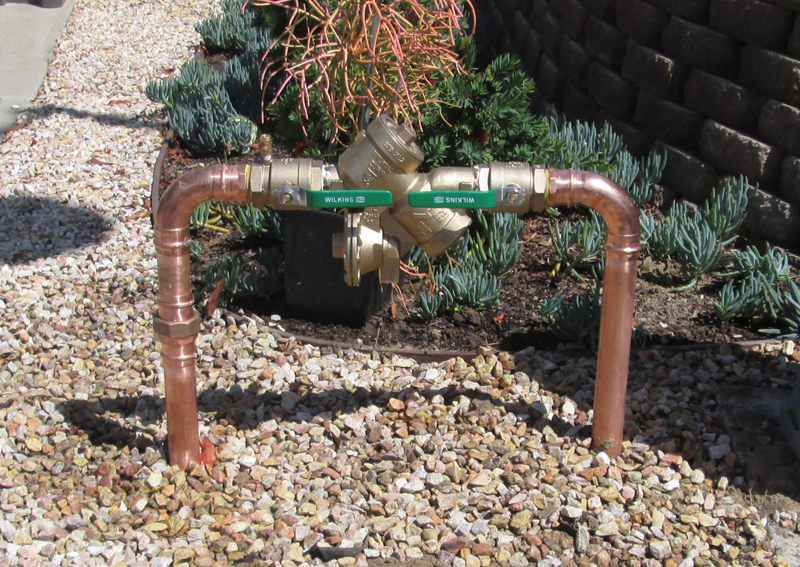
Audits check that backflow prevention devices are working correctly. These devices act like one-way valves that only let water flow in the right direction.
If a device fails, dirty water can flow backward during pressure changes. This happens when fire departments use nearby hydrants or when water pressure drops suddenly.
According to the U.S. Environmental Protection Agency (EPA), backflow occurs via backsiphonage (from pressure drops due to main breaks, flushing, pump failure, or firefighting drawdown) and backpressure (when non-potable sources exceed system pressure), allowing contaminants to enter potable lines.
Regular audits catch these problems before they cause serious health risks. A certified technician tests each device to make sure it stops backward water flow completely.
The role of audits in detecting hidden plumbing risks
Many plumbing problems that cause backflow stay hidden until an audit finds them. Cross-connections between clean and dirty water lines often exist without anyone knowing.
Common Hidden Risks Audits Find:
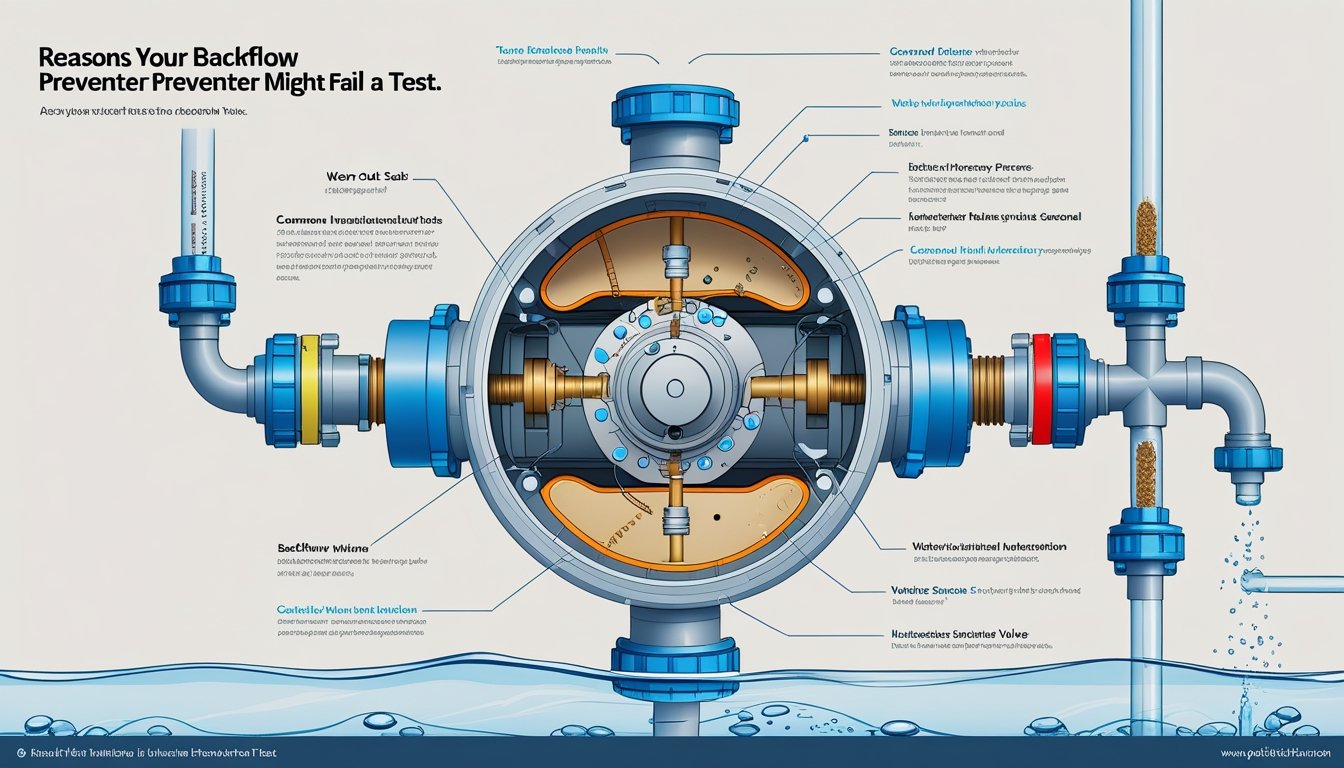
- Broken or worn backflow prevention devices
- Improper pipe connections
- Missing backflow preventers where needed
- Devices installed in wrong locations
Audits use special testing equipment to check water pressure and flow direction. This testing reveals problems that regular plumbing inspections might miss.
Some backflow devices look fine on the outside but don't work properly inside. Only pressure testing during an audit can find these internal failures.
Buildings with multiple water connections face higher risks. Audits check each connection point to ensure proper protection exists throughout the entire system.
Why commercial properties require regular backflow compliance checks
Most cities require commercial properties to get annual backflow audits for water safety compliance. These rules exist because commercial buildings use more water and have complex plumbing systems.
Compliance Requirements Include:
- Annual testing by certified technicians
- Written reports filed with local authorities
- Immediate repairs when devices fail testing
- Updated records of all backflow prevention devices
Commercial properties face serious penalties for skipping required audits. Cities can shut off water service or issue hefty fines to non-compliant businesses.
The audit process creates an official record that proves the business follows water safety rules. This documentation protects companies from liability if water contamination occurs nearby.
Different types of commercial properties have different audit requirements. Restaurants, hospitals, and manufacturing facilities often need more frequent testing than office buildings.
What happens during a professional backflow audit
A certified auditor follows a systematic approach to evaluate backflow prevention devices, checking for proper function and regulatory compliance. The process includes thorough testing procedures, detailed record-keeping, and identification of potential system vulnerabilities.
Step-by-step process of inspection, testing, and documentation
The audit begins with a visual inspection of all backflow prevention assemblies. The auditor examines each device for physical damage, corrosion, or missing components.
Next comes the shutdown procedure. The technician turns off downstream water flow to prevent service disruption during testing.
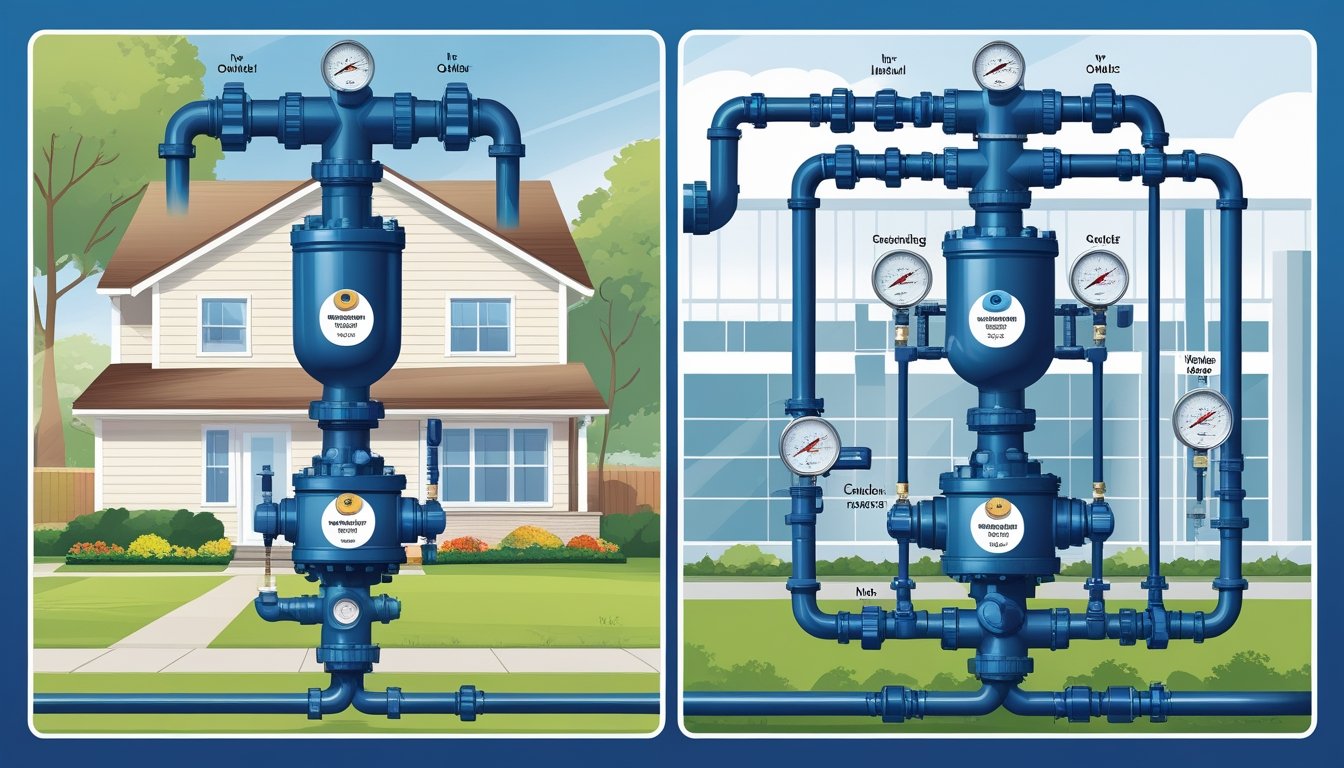
Pressure testing follows specific protocols. The auditor uses specialized gauges to measure water pressure at different points in the system. This reveals whether the device stops reverse water flow properly.
The technician tests each valve individually. They check that relief valves open and close at the right pressure levels.
Documentation happens throughout the process. The auditor records:
- Device serial numbers and locations
- Test readings and measurements
- Any defects or maintenance needs
- Compliance status with local codes
According to EPA’s Cross-Connection Control Manual, effective programs require testing at installation and periodic testing/maintenance by qualified personnel, plus inventories and recordkeeping to verify ongoing protection.
Each test takes 15-30 minutes per device. The auditor provides immediate feedback about device performance and any needed repairs.
Common findings during commercial backflow evaluations
Valve malfunctions represent the most frequent issue. Relief valves may stick open or fail to seal properly due to debris buildup.
Pressure differential problems occur when devices cannot maintain proper pressure separation. This often results from worn internal components.
Physical damage appears in various forms:
- Corrosion on metal components
- Cracked housings from freezing
- Missing test cocks or protective covers
Installation errors create compliance violations. Devices installed too close to walls prevent proper testing access.
Age-related wear affects older systems. Rubber seals deteriorate and springs lose tension over time.
Many audits reveal incomplete maintenance records. Businesses sometimes lack proper documentation of previous tests and repairs.
Cross-connection issues emerge when new plumbing connections bypass backflow devices entirely.
How certified auditors help maintain system integrity and compliance
Certified auditors ensure regulatory compliance by following state and local testing standards. They understand specific requirements for different types of commercial properties.
Preventive maintenance recommendations help avoid costly emergency repairs. Auditors identify components that need attention before they fail completely.
Risk assessment forms a key part of their service. They evaluate potential contamination sources and recommend appropriate protection levels.
Training support helps facility managers understand their systems better. Auditors explain proper operation and basic troubleshooting techniques.
Compliance reporting streamlines the regulatory process. Certified professionals submit required documentation directly to water authorities.
Emergency response capabilities provide peace of mind. Qualified auditors can quickly address urgent backflow issues that threaten water safety.
Backflow testing for businesses becomes more effective with professional oversight. Expert auditors catch problems that untrained staff might miss.
Industries that require regular backflow audits
Certain industries face higher risks of water contamination and must follow strict backflow testing schedules. Healthcare facilities, restaurants, and manufacturing plants need frequent audits due to their complex water systems and potential health hazards.
Commercial buildings, manufacturing plants, and healthcare facilities
Commercial office buildings require backflow audits for their fire suppression systems and cooling towers. These systems create cross-connections that can pull contaminated water back into clean supply lines.
Most buildings need testing once per year. Some high-risk buildings may need testing twice per year.
Manufacturing plants face unique challenges with industrial chemicals and waste products. Their water systems often connect to equipment that uses hazardous materials.
Plants with chemical processes need quarterly audits. Food processing facilities require monthly testing during peak seasons.
Healthcare facilities including hospitals and clinics have the highest risk levels. They use medical equipment, handle infectious waste, and serve vulnerable patients.
Facility Type
Testing Frequency
Risk Level
Hospitals
Monthly
Very High
Outpatient Clinics
Quarterly
High
Dental Offices
Semi-annually
Medium
These facilities must maintain detailed records for their cross-connection control program. State health departments often require immediate reporting of any backflow incidents.
Why restaurants and irrigation systems are high-risk areas
Restaurants and food service establishments handle grease, cleaning chemicals, and food waste daily. Their dishwashers and pre-rinse stations create direct connections between contaminated water and clean supply lines.
Commercial kitchens need testing every six months. Fast-food chains often require quarterly testing due to high water usage.
Grease traps and floor drains pose the biggest contamination risks. Many restaurants also have ice machines and beverage dispensers that need protection.
Irrigation systems for golf courses, parks, and commercial landscaping use recycled water and fertilizers. These systems often have underground connections that are hard to monitor.
Large irrigation systems need testing twice per year before and after growing seasons. Systems using recycled water require monthly testing.
Sprinkler systems can pull dirty water from ponds or storage tanks. Cross-connections with potable water create serious health risks for nearby buildings.
Meeting local and state regulations for business water safety
Local water departments set specific testing schedules based on business type and location. Most cities require annual testing for low-risk facilities and quarterly testing for high-risk operations.
Businesses must use certified backflow testers who submit results directly to water authorities. Late or missing test results can lead to water service disconnection.
State regulations often require businesses to join formal cross-connection control programs. These programs track testing schedules and ensure compliance across different industries.
Some states mandate immediate testing after any water pressure loss or contamination incident. Emergency testing helps prevent widespread water system problems.
Penalties for non-compliance include fines ranging from $500 to $5,000 per violation. Repeat offenders may face permanent water service restrictions or business license suspension.
Many jurisdictions now require digital reporting systems that track test results in real-time. This helps water departments respond quickly to potential contamination events.
Benefits of scheduling routine commercial backflow audits
Regular commercial backflow audits protect businesses from costly violations and operational disruptions. These scheduled inspections help companies maintain safe water systems and meet regulatory requirements.
Avoiding fines, code violations, and water contamination incidents
Cities and municipalities enforce strict backflow testing regulations for commercial properties. Businesses that skip required audits face significant financial penalties and legal consequences.
Common violation costs include:
- Initial fines ranging from $100 to $500 per day
- Follow-up inspection fees
- Emergency repair requirements
- Potential business closure orders
Water contamination poses serious health risks to employees and customers. Backflow events can introduce harmful bacteria, chemicals, and debris into clean water supplies. This contamination spreads quickly through building plumbing systems.
Commercial properties face higher liability when contamination occurs. Lawsuits from affected individuals can cost thousands of dollars in legal fees and settlements.
Regular audits catch system failures before they cause contamination. Early detection saves businesses from expensive cleanup costs and reputation damage. Professional auditors identify worn components and pressure issues during routine inspections.
Ensuring uninterrupted operations through preventive maintenance
Backflow system failures can shut down business operations without warning. Commercial properties depend on consistent water pressure and quality for daily activities.
Preventive audits identify problems such as:
- Valve wear and corrosion
- Pressure drops in the system
- Seal deterioration
- Improper installation issues
Scheduled maintenance costs less than emergency repairs. Businesses can plan audit expenses and budget for necessary replacements. Emergency service calls often charge premium rates and require immediate payment.
Audits extend equipment lifespan through proper care. Well-maintained backflow preventers last longer and perform more reliably. This reduces long-term replacement costs for commercial properties.
Regular inspections prevent water service interruptions. Municipal authorities may disconnect water service to properties with failed backflow systems. This disruption affects employee productivity and customer satisfaction.
Boosting credibility with compliance certifications and safe water reports
Compliance documentation proves businesses follow municipal regulations. Professional auditors provide official certificates and detailed inspection reports after each visit.
These records become essential during regulatory audits. Municipal inspectors review testing documentation to verify compliance history. Complete records demonstrate responsible water system management.
Certification benefits include:
- Protection during municipal inspections
- Evidence of regulatory compliance
- Professional liability coverage
- Customer confidence in water safety
Licensed technicians must perform commercial backflow testing. Only certified professionals can issue valid compliance documentation. Their credentials ensure accurate testing procedures and proper record keeping.
Safety reports enhance business reputation with customers and tenants. Public-facing businesses benefit from demonstrating water quality commitment. This documentation shows proactive health and safety management.
Insurance companies may require compliance records for coverage. Some policies include discounts for businesses with regular audit schedules. Proper documentation protects against liability claims related to water contamination incidents.
How to prepare for your next backflow audit
Successful backflow audit preparation requires having proper documentation ready, selecting qualified certified auditors, and maintaining regular testing schedules. These three elements work together to ensure compliance and protect water systems from contamination.
What documentation and permits businesses should have ready
Property owners must gather specific paperwork before their backflow audit begins. Test reports from the past three years show compliance history and help auditors identify patterns.
Current permits and installation certificates prove devices meet local codes. Many cities require these documents during inspections.
Essential documentation includes:
- Previous test results and repair records
- Device installation permits
- Cross-connection control permits
- Building plumbing plans showing device locations
- Maintenance logs and service records
Water usage records help auditors understand system demands. Businesses should keep these files in one location for easy access.
Device serial numbers and model information speed up the audit process. Auditors can quickly verify if equipment meets current standards.
How to choose a certified backflow auditor for your facility
Selecting the right auditor protects businesses from compliance issues and costly mistakes. Certification through state or local authorities ensures auditors meet minimum training requirements.
Licensed professionals understand local codes and testing procedures. They can spot problems that uncertified testers might miss.
Key qualifications to verify:
- Valid state certification or license
- Insurance coverage for liability protection
- Experience with similar commercial properties
- Knowledge of local regulations
- Proper testing equipment and calibration records
Request references from other commercial clients. Ask about response times, report quality, and problem-solving abilities.
Compare pricing but avoid choosing based on cost alone. Cheap testing often leads to incomplete reports or missed violations.
Schedule auditors who can minimize business disruptions. Some offer after-hours or weekend testing for critical facilities.
The importance of annual testing and proactive repairs
Regular testing prevents expensive emergency repairs and compliance violations. Most cities require annual backflow testing for commercial properties to maintain water safety.
Early detection saves money compared to major system failures. Small problems become big expenses when ignored.
Proactive maintenance extends device life and improves reliability. Clean devices and replaced parts work better than neglected equipment.
Testing schedule benefits:
- Identifies wear before complete failure
- Maintains compliance with health regulations
- Reduces liability from contamination events
- Prevents service interruptions
Schedule tests at least 30 days before deadlines. This allows time for repairs if problems are found.
Keep repair records for future audits. Documentation shows commitment to water system protection and regulatory compliance.
Replace aging devices before they fail testing. Modern equipment often works better and costs less to maintain long-term.
Conclusion
Commercial backflow audits protect public water systems from contamination. These audits ensure businesses meet regulatory requirements and maintain safe water supplies.
Property owners must schedule regular testing to stay compliant with local codes. Professional inspectors identify problems before they become serious health risks.
Food processing, healthcare, and manufacturing facilities face higher contamination risks. These businesses need more frequent audits due to their complex plumbing systems.
Regular maintenance keeps backflow devices working properly. Professional testing catches issues that building owners might miss during routine inspections.
Businesses that skip audits face legal penalties and potential liability issues. Contaminated water can harm employees, customers, and the broader community.
Commercial property managers should work with certified backflow professionals. These experts understand current standards and testing requirements for different building types.
Proper documentation proves compliance during inspections. Keep all test results and maintenance records organized for regulatory reviews.
Backflow prevention devices need replacement over time. Audits help determine when equipment reaches the end of its useful life.
Smart property owners view backflow audits as essential maintenance, not optional expenses. Regular testing protects both public health and business operations.
Schedule your commercial backflow audit with Pacific Backflow today to secure code-compliant testing, documentation, and immediate corrective repairs if needed.