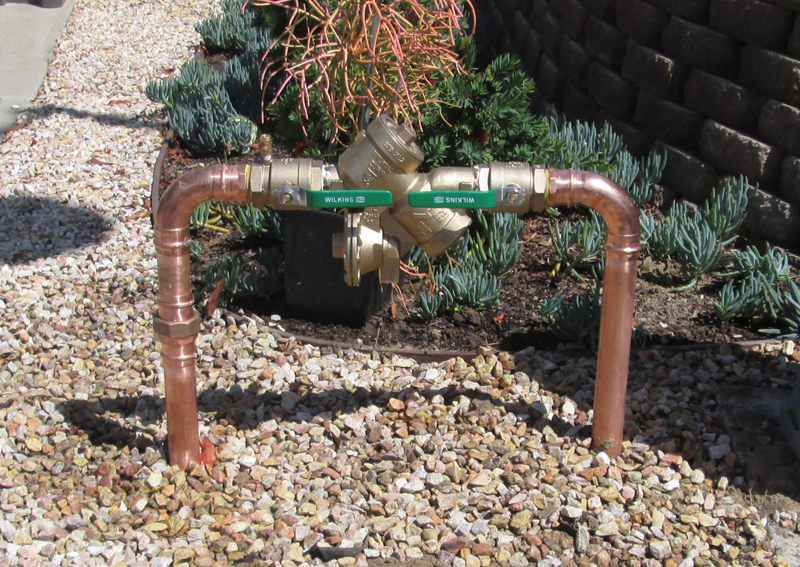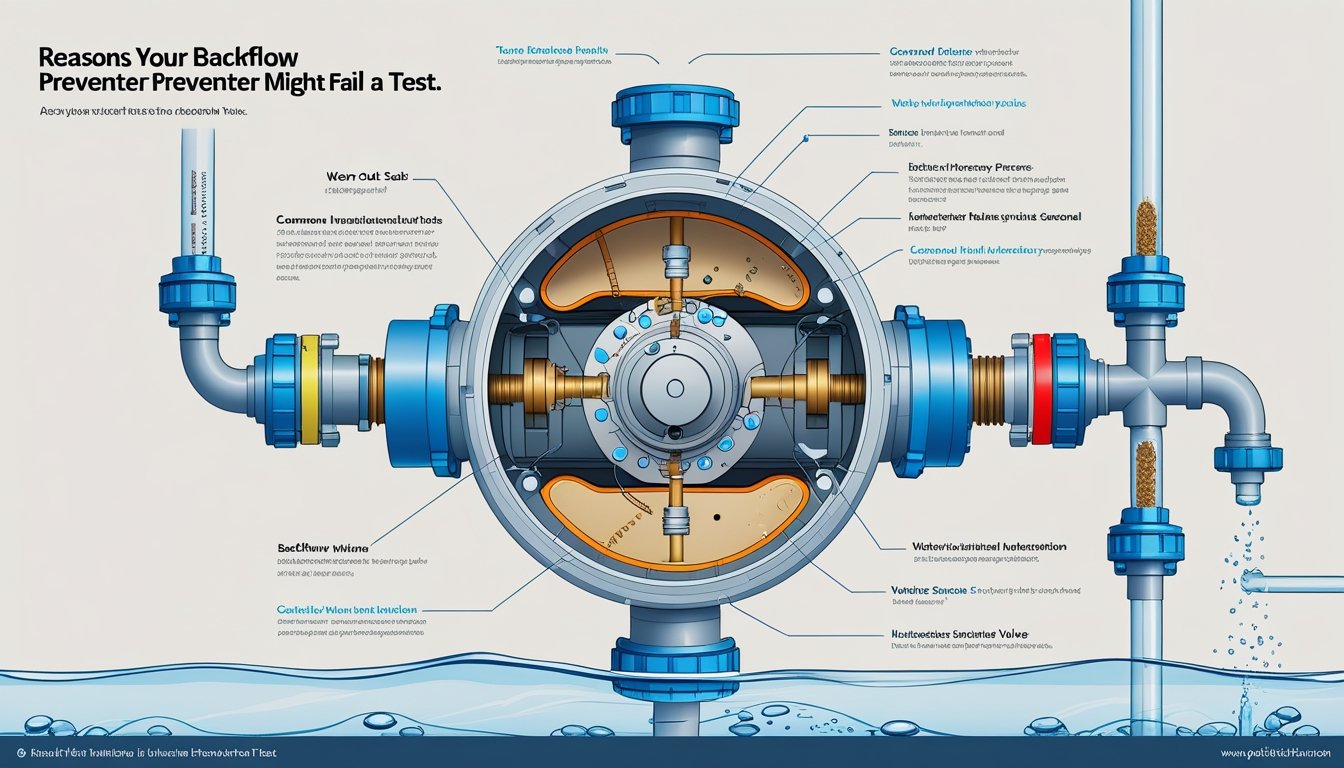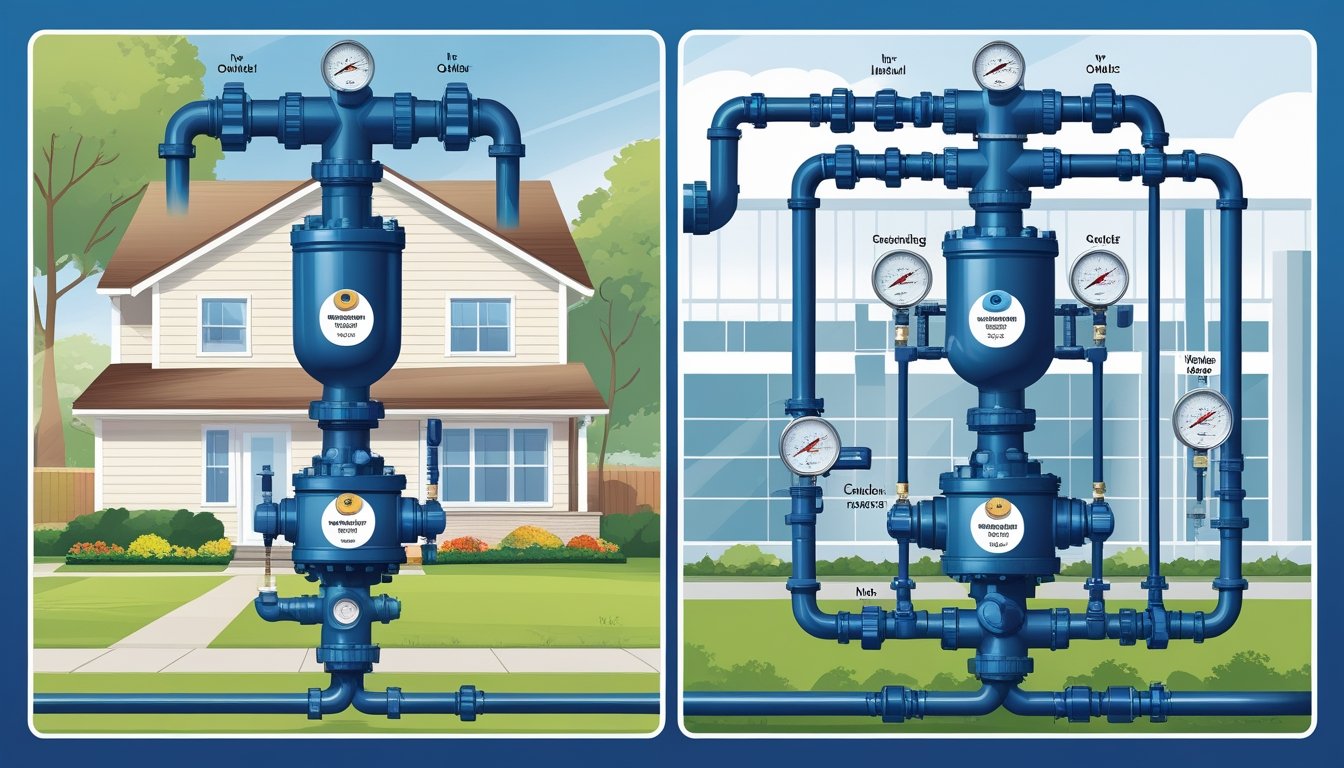



Keeping your commercial water safe really starts with consistent backflow testing. Regular testing stops dirty water from sneaking back into your clean supply, protecting everyone who uses your building’s water. It’s a simple step, but it helps avoid contamination that can cause real health risks and, honestly, some pretty steep fines.
When you schedule annual tests, you make sure your backflow preventer devices actually work and meet local laws. If something’s wrong, you can fix or replace it before it becomes a headache. Pacific Backflow’s been helping businesses around San Diego County with testing and service for nearly 40 years, so you get speedy, low-hassle care.
Protecting your water isn’t just about following rules—it’s about your community’s health. Staying on top of testing means you avoid risks that could hurt people or damage your business reputation.
The Importance of Consistent Testing for Commercial Water Safety
Keeping your commercial water system safe means you really need regular checks. They help you avoid health hazards and legal troubles, and make sure you’re following all the rules. Consistent testing plays a big part in protecting your business and your community.
Safeguarding Public Health
Backflow preventers, when they’re working right, stop dirty or polluted water from flowing back into your clean supply. That’s huge for keeping drinking water safe. Without regular testing, harmful bacteria or chemicals might sneak in and threaten the health of your employees and customers.
Backflow testing finds problems early, before contamination happens. Protecting your water means you’re protecting everyone who depends on it. You cut down on risks of illness and expensive repairs by keeping your system safe year-round.
Mitigating Legal and Financial Risks
If you skip testing your backflow devices, you might face big fines or even water shutoffs. Local governments usually enforce strict rules to keep water safe, and missing tests just isn’t allowed.
Testing helps you dodge downtime and expensive damage. If your device breaks, quick repairs keep costs down and prevent bigger plumbing messes. Staying ahead with regular testing is a smart way to lower risk and protect your bottom line.
Maintaining Regulatory Compliance
Most local water districts want you to test backflow devices every year. You also need to keep records of tests and repairs. Consistent testing proves you’re following these rules and keeps your business out of trouble.
Pacific Backflow makes compliance easier by handling testing and reporting. They take care of the paperwork, so you don’t have to stress about deadlines. Meeting these requirements means you avoid penalties and keep your property up to code.
Types of Water Contaminants Found in Commercial Systems
Contaminants in commercial water systems can mess with health and operations. You’ll find living organisms, harmful chemicals, and physical particles. Knowing what each type involves helps you see why regular testing matters.
Biological Hazards
Biological hazards are tiny living things—bacteria, viruses, parasites—that can make people sick. They get into water through soil, sewage, or animal waste. In commercial buildings, they might show up if pipes or backflow devices let dirty water flow backward.
Think E. coli, Salmonella, and Giardia. These can cause stomach problems, diarrhea, and other serious infections. Since commercial properties serve so many people, any contamination can spread fast.
Regular testing helps spot these hazards early so you can fix the issue before it reaches taps or appliances.
Chemical Pollutants
Chemical pollutants come from all over—industrial waste, pesticides, old plumbing. You might have heavy metals like lead or copper, cleaning agents, or fertilizers.
These chemicals can cause long-term health problems like nerve or kidney issues, or allergic reactions. In your system, pollutants might get in through backflow when a chemical solution accidentally reverses into the water supply.
Testing helps catch these invisible threats. Even tiny amounts can be risky, so finding them early protects your customers and employees.
Physical Impurities
Physical impurities are solid bits that make your water look dirty or taste weird—sand, rust, dirt, sediment from old pipes or construction.
Usually, these particles don’t make people sick, but they can clog pipes, mess up appliances, and lower water pressure. If you ignore them, maintenance costs go up and your business can get disrupted.
Backflow testing helps make sure your system’s devices block these contaminants, keeping water clean and clear. Pacific Backflow’s helped plenty of businesses in San Diego County handle these issues with solid inspections and repairs.
Benefits of Regular Water Quality Testing
Regular water testing lets you catch problems early, keeps your system running, and builds trust with customers. Staying on top of testing protects your property and helps you follow the law. Plus, it can save you a lot by avoiding big repairs.
Early Detection of Issues
Testing your backflow preventer or water system often helps you spot issues before they blow up. Small leaks, worn parts, or blockages get found during tests. That way, contaminated water doesn’t sneak back into your clean supply.
Catching things early means you dodge emergency repairs and expensive replacements. Early fixes mean less downtime and less hassle for your business. If you skip testing, you risk letting contaminants in and facing fines for not complying.
Pacific Backflow’s certified techs check your systems top to bottom to make sure everything’s working. This careful inspection helps protect your property and the water your community uses.
Improved Water System Performance
Routine water quality testing keeps your system running smoothly. When backflow preventers and other devices work, water stays clean and safe. Regular checks also help keep pressure balanced and prevent damage from backflow.
A healthy water system uses less energy and lasts longer. Testing cuts down the chance of breakdowns that can slow or stop your business. It’s just nice knowing your water meets safety standards.
With a trusted service like Pacific Backflow, you get reliable, fast testing. Their team keeps your system compliant so you don’t have to worry about water quality failures.
Customer Trust and Brand Reputation
Testing water quality regularly shows customers you care about their safety. Clean, safe water is a must for health, and people notice when you take it seriously. Folks are more likely to come back if they know you stick to strict safety rules.
Keeping water safe also protects your reputation. No one wants bad press from contamination or violations. Annual testing checks the boxes for local and state laws, proving your business is all about quality.
Share your commitment—post testing results or certificates. That kind of openness builds confidence and loyalty with customers, clients, and partners.
Best Practices for Implementing a Testing Program
If you want to keep your commercial water system safe, your testing program needs to be organized, use reliable methods, and involve trained staff. These steps help you spot problems early and keep everything running with less hassle.
Establishing Testing Schedules
Set a clear schedule for backflow testing that matches local laws and water authority rules. Annual testing is common, but some places might require more frequent checks. Mark test dates on your calendar or use digital reminders. Missing or late tests can mean fines or health risks, so don’t let them slip.
Keep records of every test—dates, results, all of it. If you need repairs, schedule them quickly. Your plan should also include emergency testing for unexpected problems. Having an organized schedule means you stay ahead and protect your water supply without extra stress.
Selecting Reliable Testing Methods
Use certified testing tools and equipment to check your backflow preventers. These devices need to measure if water flows backward, which is a big contamination risk. Always follow the manufacturer’s instructions and local guidelines for accurate results.
Work with certified testers who know the safety standards. They can spot issues fast and recommend repairs or replacements if needed. Reliable methods mean fewer errors, saving you time and money. Trustworthy procedures keep you compliant and safe.
Training Staff for Compliance
Make sure your staff knows how to spot signs of backflow problems and gets why regular testing matters. Offer training on local rules and how to work safely around water systems. This builds a team that helps your program run smoothly.
Teach your team how to prep for tests, including giving testers full access to backflow devices. Good communication between staff and testers helps avoid delays or mistakes. When everyone knows their role, you protect your water system and meet legal requirements.
Pacific Backflow can help with training tips and offers fast testing services throughout San Diego County to keep your program on track.
Responding Effectively to Test Results
When you get backflow test results, it’s important to understand what they mean, decide what to do next, and keep everyone in the loop. Handling these steps well protects your water supply and keeps your property in line with local rules.
Interpreting Data Accurately
Take a close look at the test results. If the backflow preventer passes, your system’s working. If it fails, the report will say what went wrong—leaks, pressure problems, whatever.
Focus on what failed and whether it’s a small issue or a big deal. Don’t ignore minor warnings; they can turn into bigger problems down the line.
Only certified techs, like those at Pacific Backflow, can really break down these details. They’ll make sure you understand what the numbers and findings mean for your system’s safety.
Taking Corrective Actions
If your backflow preventer fails, act fast. Waiting can risk contamination and might get you fined or have your water shut off by the authorities.
Schedule repairs or a replacement with a licensed pro right away. Repairs could mean fixing leaks, swapping out worn parts, or installing a new device to meet codes.
Some fixes just can’t wait, especially if there’s a serious contamination risk. Jumping on problems quickly restores safety and keeps your service running.
Communicating with Stakeholders
Keep building owners, managers, and tenants in the loop about test results and any repairs. Clear updates help everyone know what’s going on with water safety.
Send out concise emails or notices, especially if there’ll be downtime or changes in water use. This builds trust and helps you stay compliant.
Share proof of testing and repairs to meet local regulations. A quick, open approach shows you care about water safety and helps avoid confusion. Pacific Backflow can help manage this process so things run smoothly.
Frequently Asked Questions
Regular testing keeps water safe by catching problems early and making sure your system works. It protects health, keeps your business compliant, and helps you dodge expensive fixes later.
How does frequent water testing contribute to public health?
Frequent water testing blocks harmful stuff from entering the supply. It makes sure bacteria, chemicals, or other contaminants don’t spread. That’s crucial for protecting everyone who uses the water.
What are the benefits of regular monitoring for businesses that use commercial water systems?
Regular checks help you avoid fines by staying compliant with local laws. You also prevent equipment failures and lower the risk of water contamination. Consistent testing lets customers and employees know you care about safety.
How often should commercial water systems be tested for contaminants?
Most local laws, including those in San Diego County, require annual backflow testing. Sometimes, you might need more frequent checks. It’s best to follow local rules and advice from experts like Pacific Backflow.
Why is it necessary to maintain consistent water quality in commercial settings?
Consistent quality means water’s always safe to use. Businesses rely on clean water for health and daily operations. If quality drops, it can affect employee health, damage equipment, and hurt your reputation.
What could happen if regular testing of water safety is neglected?
If you skip testing, contaminants can get into your clean water. That risks illness outbreaks and could make your business fail inspections. You might also face expensive repairs or fines.
Can consistent water testing help prevent disease outbreaks linked to water systems?
Absolutely. When you test water regularly, you can spot issues early—way before they turn into something bigger. That means you’re less likely to end up with nasty bacteria or viruses sneaking into the water supply. Honestly, it’s hard to think of a better way to keep your community safe.