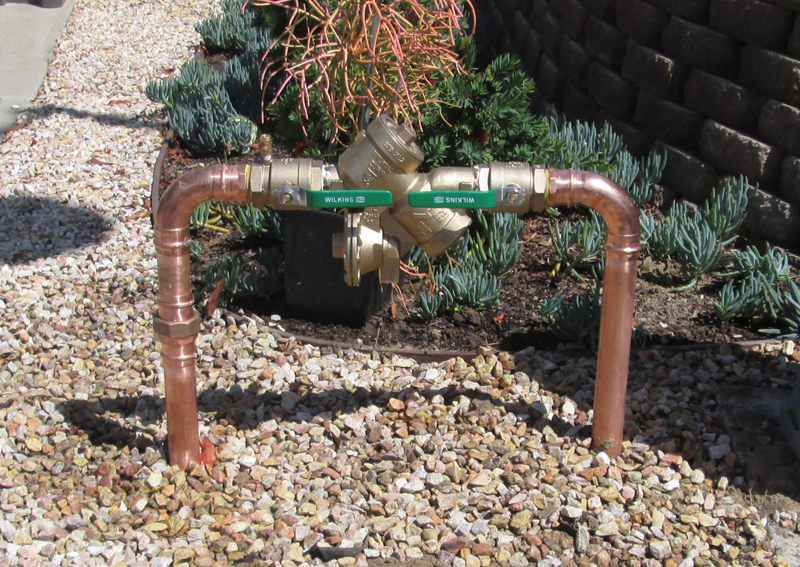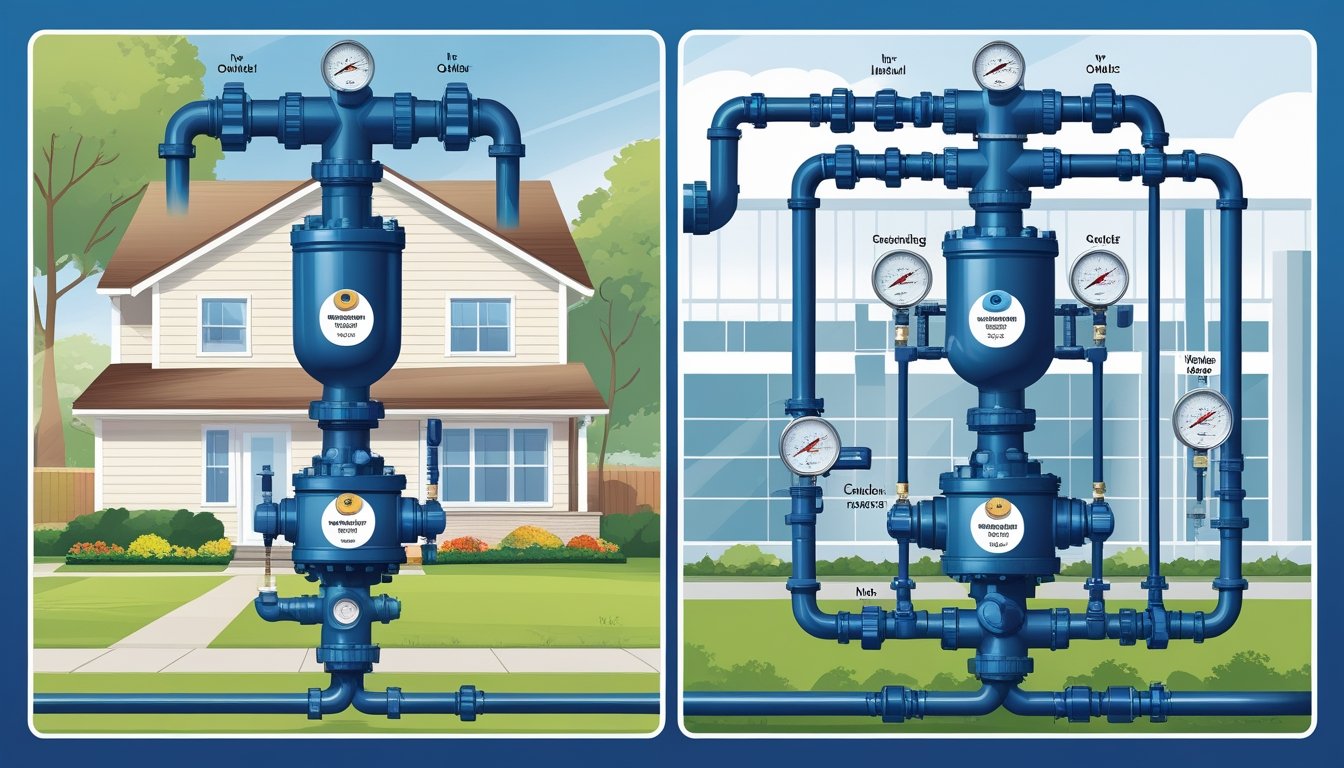


Property managers are legally required to have backflow prevention assemblies tested annually by certified professionals using properly calibrated equipment. These requirements apply to commercial, industrial, domestic, irrigation, and fire line services. Many cities designate specific testing periods, typically between April and September.
Managing backflow prevention might seem like just another task on your long to-do list. However, as property managers, it's your responsibility to ensure these devices are properly maintained and tested. The building owner is typically responsible for all plumbing beyond the water meter, including backflow assemblies.
This guide translates the legal requirements into plain steps you can run across a portfolio, what’s required, who’s responsible, how to schedule without disrupting tenants, and how to keep paperwork audit-ready.
Here's what you need to know:
- Understanding backflow and its risks
- Ensuring water quality with backflow prevention
- Key backflow rules and regulations for property managers
- 2026 backflow compliance checklist for property managers
- Backflow testing and prevention best practices
- How to choose a certified backflow tester in California
Keep reading! You’ll learn what to expect on test day, how to choose a certified tester, typical costs, and the quickest way to fix a violation so you avoid fines and service shutoffs.
Understanding backflow and its risks
Backflow presents a serious threat to clean water systems by allowing contaminated water to flow in the reverse direction. This dangerous phenomenon can introduce pollutants into drinking water, creating health hazards for building occupants and potential liability for property managers.
What is backflow?
Backflow occurs when water flows in the opposite direction from its intended path in plumbing systems. Under normal conditions, water moves from the main supply line into buildings.
However, when pressure changes occur, water can reverse direction. This reversal happens when the pressure in your building's pipes exceeds the pressure in the main water line, or when negative pressure creates a vacuum effect. Without prevention measures, this can draw contaminants into the clean water supply.
Backflow is not a rare occurrence. It can happen during water main breaks, firefighting activities, or even routine maintenance of water systems. The mechanical devices that prevent this problem are called backflow preventers.
Backflow types: back-siphonage vs. backpressure
Backflow occurs in two primary forms, each with distinct causes:
Back Siphonage happens when negative pressure develops in the water supply. This creates a vacuum that can pull contaminants into the clean water system, and common triggers include:
- Water main breaks
- High water usage from firefighting
- Sudden drops in supply pressure
Back Pressure occurs when downstream pressure exceeds the supply pressure, and this typically happens in systems with:
- Booster pumps
- Heating systems
- Elevated storage tanks
- Industrial equipment
Understanding these differences helps property managers select appropriate prevention devices based on their specific risk factors and plumbing configuration.
Potential contaminants and hazards
The risks associated with backflow extend far beyond simple inconvenience. When contaminated water enters the clean supply, it introduces serious hazards:
Health Risks:
- Bacterial contamination causes illness
- Chemical toxins from cleaning products or industrial processes
- Pesticides and fertilizers from lawn care systems
Property Damage:
- Staining of fixtures and surfaces
- Damage to appliances and plumbing systems
- Corrosion of pipes from chemical exposure
The EPA classifies cross-connections as a serious health threat, as in extreme cases, backflow incidents have caused neighborhood-wide contamination events requiring extensive remediation.
Property managers face potential liability if backflow from their buildings contaminates municipal water supplies. This makes proper prevention not just a safety measure but a legal necessity.
Who’s responsible for backflow testing: owner, manager, or tenant?
Backflow compliance has two layers: legal accountability and day-to-day responsibility. Legally, the party listed on the water service account, typically the building owner, is the one the utility holds accountable for having approved assemblies in place, testing them on time, and fixing failures.
In practice, owners usually delegate the work to a property manager, who schedules testing, coordinates access, and files reports. Tenants may carry some duties in single-tenant or triple-net (NNN) leases, but only if the lease makes that obligation explicit.
For multi-tenant properties, treat backflow like life-safety: centralize accountability even when tasks are distributed. The owner (or master lessor) should keep a current device register, hold the vendor contract, and control the submission of test reports.
Individual tenants can be responsible for irrigation or process-water devices serving their suites, yet the manager should still track due dates and confirmations to avoid gaps that could trigger a building-level violation.
In single-tenant or NNN buildings, tenants often handle routine testing and minor repairs, while the owner retains the right to step in if deadlines slip. That protects the asset and prevents service interruptions.
Residential communities and HOAs sit somewhere in the middle: the association manages common-area devices, and homeowners handle assemblies tied to private irrigation, again, only when the governing documents say so.
A simple way to prevent finger-pointing is to document four things up front:
- Who pays (testing, re-tests, repairs, replacements).
- Who schedules (and how soon after notice or failure).
- Who submits reports to the utility (vendor vs. manager).
- What the escalation is if a deadline is at risk (owner step-in rights).
Ensuring water quality with backflow prevention
Backflow prevention is critical for maintaining safe drinking water in buildings. Proper devices stop contaminated water from flowing back into the clean water supply, protecting everyone's health and meeting regulatory requirements.
Types of backflow prevention devices
Several backflow prevention devices serve different purposes in a building's water system.
- Pressure vacuum breakers are ideal for irrigation systems and protect against back-siphonage. They must be installed at least 12 inches above the highest outlet.
- Reduced pressure zone (RPZ) assemblies offer the highest level of protection and are required for high-hazard applications. These devices include internal check valves and a relief valve that activates when backflow conditions occur.
- Double-check valve assemblies work well for low-hazard situations where there's no health risk but potential aesthetic water issues. They're often used in fire sprinkler systems.
- Atmospheric vacuum breakers are simple devices that protect against backsiphonage but not backpressure. They're commonly installed on hose bibs and laboratory equipment.
Common backflow issues: leaks and cross-connections
Leaks from backflow preventers often indicate underlying problems that require attention. Relief valve discharge is normal during pressure fluctuations, but shouldn't be continuous.
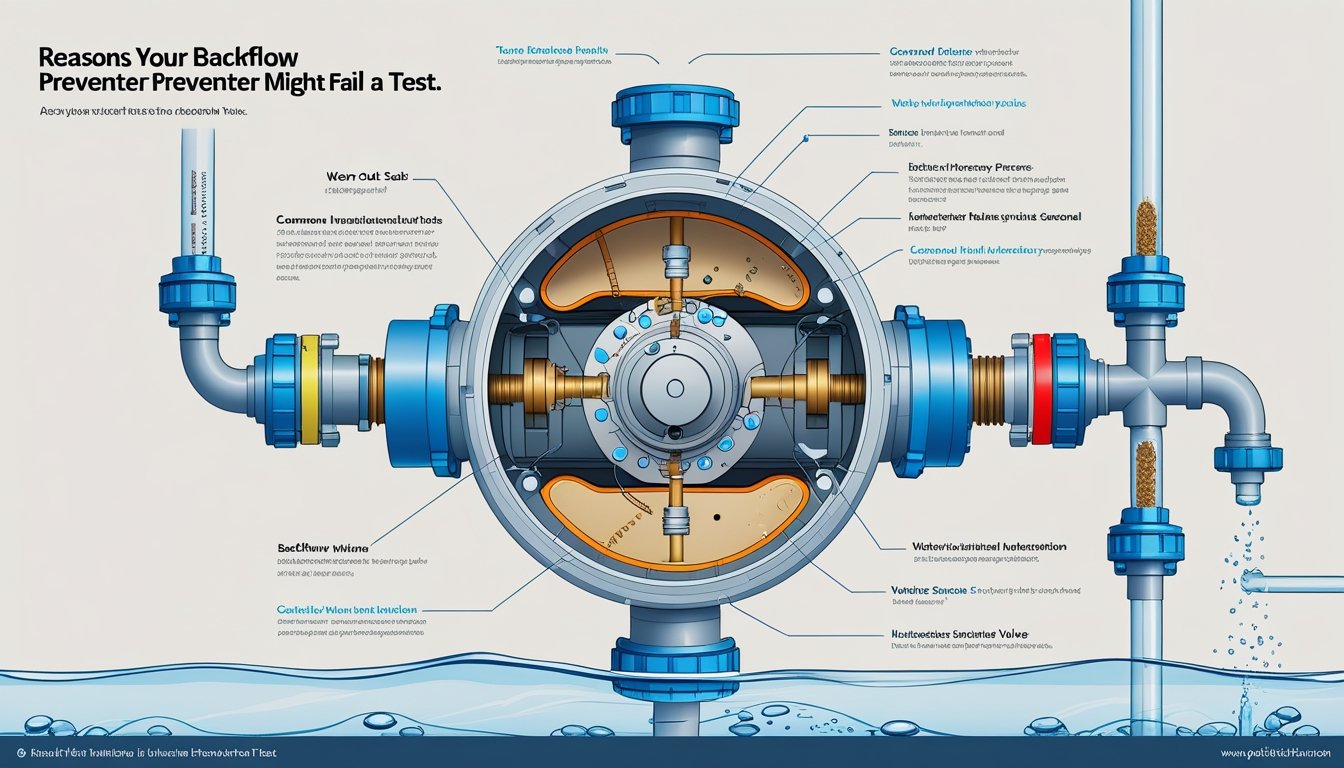
Common causes of backflow preventer leaks include:
- Debris caught in check valves
- Worn relief valve diaphragms
- Damaged seals or gaskets
- Pressure fluctuations exceeding device capabilities
- Freeze damage
Cross connections represent points where non-potable water may contact the potable supply, and you must identify and eliminate these hazards.
Typical cross connection points include:
- Irrigation systems
- Boiler feeds
- Chemical dispensers
- Cooling towers
- Garden hoses left in pools or buckets
Regular cross connection surveys help identify potential hazards before contamination occurs, and many water providers offer assistance in identifying cross connections within properties.
California’s updated regulation text specifies that cross-connection inspections and testing must be performed by a cross-connection control specialist certified by the CA-Nevada Section AWWA (or an organization with equivalent certification).
What to expect during a backflow test (time, access, water shutoffs)
A routine backflow test is quick, predictable, and, when planned well, barely noticeable to tenants. Most appointments run 20–60 minutes per device.
The technician starts with a walk-through to locate each assembly, checks for obvious issues (leaks, corrosion, blocked access), then flushes the test ports and connects a differential gauge. For double-check valves, they verify each check holds against backpressure; for RPZ assemblies, they also confirm the relief valve opens at the correct set point.
Every step is recorded on an official report with the device’s make, model, and serial, and a dated tag is applied before they leave.
You should expect brief water interruptions only on the line being tested. For domestic service, schedule outside peak use; for restaurants, clinics, or salons, choose a lull or split testing across days to avoid service bottlenecks.
RPZs can discharge water by design during testing, so make sure there’s safe drainage or a temporary catch in place, continuous discharge after the test is a sign something needs attention, not a normal condition.
Your role is mostly coordination. Ensure mechanical rooms and vaults are unlocked, ladders or roof access are available if needed, and storage isn’t blocking the assembly.
Let tenants know 48–72 hours in advance which areas may see a short outage and give them a direct contact for day-of questions. When the test wraps, collect the report (PDF is fine), confirm the utility submission plan with the vendor, and file a photo of the newly tagged device in your records.
If a device fails, authorize minor repairs immediately so the re-test can happen the same visit and you don’t slip past a utility deadline.
HVAC systems and plumbing considerations
HVAC systems present unique backflow challenges due to their connection to building water supplies.
Chemical additives in cooling towers and boilers can contaminate potable water if proper prevention isn't in place. Therefore, it’s important to install specialized backflow preventers on makeup water lines to cooling towers. These systems often require RPZ devices due to the chemicals involved.
Water pressure fluctuations can affect both HVAC operation and backflow prevention. Maintaining steady pressure throughout the building helps prevent backflow conditions from developing.
When planning new installations or upgrades, consider how HVAC and plumbing systems interact. Proper separation between potable and non-potable water lines is essential.
Key backflow rules and regulations for property managers
Property managers must navigate several important regulations when handling backflow prevention devices. These rules exist to protect public water supplies from contamination and assign clear responsibilities to property owners and managers.
Legal requirements and 2026 compliance
Backflow prevention is mandatory for commercial buildings, and property owners bear the responsibility for testing and maintaining backflow assemblies.
This includes all pipes and fixtures beyond the connection point to the public water supply. The law requires annual testing at a minimum, with some high-risk properties needing more frequent inspections.
Failing to comply with these regulations can result in significant penalties, including fines and potential liability claims if contamination occurs.
A California water district guideline notes that after installation, backflow devices enter the utility’s testing program and owners must provide proof of successful testing annually, by a district-approved certified tester, as required by law.
You must ensure that backflow preventers remain in proper working condition at all times. Many municipalities will send reminders, but the legal obligation falls on us as property managers to track and meet deadlines.
Licensing and qualified professionals
Only licensed professionals can legally test and certify backflow prevention devices. These technicians must hold current backflow tester certifications recognized by the state. DIY testing or using uncertified personnel violates regulations and invalidates test results.
When hiring contractors, you should verify:
- Current state license
- Backflow tester certification
- Liability insurance
- Experience with commercial systems
Reporting obligations
After testing, you must submit the results to the local water supplier or municipal authority. Reports must be filed within the timeframe specified by local regulations, typically 10-30 days after testing. Many municipalities now offer online submission options.
Most jurisdictions require specific forms documenting:
- Test date
- Device location
- Serial number
- Test results
- Repairs completed
- Tester certification information
Keep copies of all reports for at least three years. These records protect you in case of disputes or liability claims. They also help track maintenance history and plan for future repairs or replacements.
Failed tests require immediate action, so you must report failures promptly and schedule repairs with certified professionals to maintain compliance and protect public water.
Got a violation notice? Act fast!
Read the notice carefully and note two things: the deadline and the reason (missed annual test, failed device, missing paperwork).
Call the water provider the same day to confirm what they need to clear the violation, sometimes it’s as simple as submitting a report you already have; other times you’ll need a repair and re-test.
Next, lock in a certified tester and share the notice with them so they understand the clock you’re on. If the device failed, authorize minor repairs upfront so the technician can rebuild and re-test in the same visit.
Ask them to email the passing report and, if your utility allows, to submit it directly to the city on your behalf while copying you. Keep a brief paper trail: the notice, your confirmation call (date/time/person), the work order, and the submitted report. If access issues caused the miss, locked mechanical room, flooded vault, solve those before the tech arrives so you don’t burn another day.
Verify the utility has marked the account compliant and request written confirmation (a portal status or email is fine). Add a calendar reminder 30–45 days before next year’s due date, and jot down what went wrong this time, then fix the root cause. If the violation stemmed from unclear responsibilities, update your lease language or internal SOP so tests don’t slip again.
Most violations are avoidable once you turn a one-off scramble into a repeatable process.
2026 backflow compliance checklist for property managers
If you manage buildings, backflow compliance isn’t a once-a-year box to tick—it’s a rhythm you build into your operations so you never face a shutoff, a fine, or an angry tenant. Think of it as three simple phases you repeat every year: plan ahead, execute cleanly, and document everything.
Plan ahead so deadlines don’t surprise you
Start by creating a living register of every device across your properties: where it sits (mechanical room, vault, rooftop), what it protects (domestic, irrigation, fire, HVAC/cooling tower), its type (RPZ, DCVA, PVB, AVB), size, serial number, and last test date. With that snapshot in hand, plot your calendar.
Many cities prefer spring through late summer for testing, so place your higher-risk sites, healthcare, food service, chemical use, cooling towers, early in the window and leave lower-risk devices for later.
Build in two to three weeks of slack for re-tests or repairs; it’s the difference between a calm season and a scramble.
Vendor readiness matters just as much as your schedule. Confirm your tester’s current certification and that your local water provider accepts their reports. Ask for proof that their gauge was calibrated within the past 12 months and clarify who submits results to the utility, you or them.
Lock these basics into a standing work order so you aren’t renegotiating details when the clock is ticking.
Execute cleanly on test day
Good test days feel boring, in the best way. Rooms are unlocked, devices are easy to reach, and tenants know about brief interruptions on the affected lines. The technician will walk through a predictable sequence: quick visual inspection, flushing the test ports, connecting a differential gauge, verifying valve performance, and documenting the make, model, and serial before tagging the device.
Your role is simple but important: ensure safe access (especially in vaults or roofs), be available for decisions if something fails, and collect the report before the technician leaves.
Failures happen, and they’re usually fixable on the spot. Debris in check valves, tired diaphragms, worn gaskets, freeze damage, or chronic pressure swings are common culprits. The fastest way to stay on schedule is to authorize minor repairs up to a set dollar amount in advance and ask your vendor to carry rebuild kits for your common models.
When an RPZ discharges during testing, that’s expected by design, what isn’t expected is continuous discharge with nowhere to drain, so ensure proper drainage or temporary containment where needed.
Document in a way future you will love
The paperwork is your proof of diligence. File the official test report, a quick photo of the device with its new tag, the technician’s certification, the gauge calibration certificate, and the invoice, all labeled in a way you can find later.
Most managers keep records for at least three years; many keep five. If a device failed and was repaired, staple the story together in one digital folder: the fail report, the parts list, and the re-test pass. As soon as you hit “save,” set the reminder for next year. That one habit keeps your program on autopilot.
Communicate like a pro
Tenants care about two things: when the water might be off and whom to call. Give 48–72 hours’ notice for non-critical spaces and a same-day reminder for sensitive uses like clinics and kitchens.
Share a short, plain-English timeline and a contact number. If you’re testing a line that feeds many suites, schedule outside peak hours or split the work across days. Clear, calm communication prevents service tickets later.
Control costs without cutting corners
Prices vary by device size, access, and market, but the big levers are planning and consolidation. Batch properties by location so one truck covers multiple devices.
Use multi-year agreements with clear retest pricing and response times. Keep a small contingency, 10–20% of your annual budget, for failures, emergency call-outs, and parts. Track a few simple KPIs: on-time testing rate, first-pass rate, average days from fail to re-test, and violations (target: zero). When those numbers trend in the right direction, your risk and spend do too.
Backflow testing and prevention best practices
Implementing proper backflow prevention practices protects water systems from contamination through regular testing and maintenance. These procedures ensure that backflow devices function correctly and comply with local regulations.
Backflow test procedures
The test typically begins with a visual inspection of the backflow preventer to check for obvious damage or leaks.
For double-check valve assemblies, testers verify that both check valves hold against backpressure. For reduced pressure zone (RPZ) devices, testers will:
- Close the outlet shutoff valve
- Connect test gauges to test cocks
- Measure pressure readings across check valves
- Verify relief valve operation
- Document all readings on official test forms
Testing frequency requirements vary by location and device type, but most jurisdictions require annual testing. Some high-hazard installations may need semi-annual testing. Always schedule tests well before deadlines to allow time for any necessary repairs.
Interpreting backflow test results and required actions
Test results indicate whether backflow preventers meet performance standards established by the American Society of Sanitary Engineering (ASSE) and local codes.
Pass results mean all components function properly. The tester will:
- Provide documentation for your records
- Apply a tag to the device showing the test date
- Schedule the next required test
Fail results require immediate attention and usually fall into these categories:
- Minor issues: Slight leakage or pressure drops within threshold limits
- Moderate issues: Components needing repair but not complete failure
- Critical failures: The Device cannot prevent backflow
Backflow Maintenance and repairs
Regular maintenance extends the life of backflow preventers and reduces failure rates, and basic maintenance includes:
- Removing debris from strainers
- Lubricating moving parts when recommended
- Checking for external corrosion
- Ensuring proper drainage around relief valves
- Protecting outdoor devices from freezing
Some repairs can be performed while systems remain operational, but major repairs often require a water shutdown, so plan accordingly to minimize disruption. When repairs are needed, always use original manufacturer parts.
Maintain an inventory of common replacement parts for your specific backflow prevention devices to reduce downtime.
Common repair components include:
- Check valve assemblies
- Relief valve diaphragms
- Springs and seats
- O-rings and gaskets
How to choose a certified backflow tester in California
Picking the right tester is the difference between a smooth, one-and-done visit and a report the utility rejects.
In California, start with two quick checks: current certification and local acceptance. Ask the contractor to send their active certification (e.g., CA–Nevada Section AWWA/ABPA) and confirm that your water provider accepts their reports. Those two items eliminate most headaches up front.
Next, verify the test kit. Differential gauges must be calibrated regularly, and many utilities look for proof within the last 12 months. Request the calibration certificate before you schedule. It’s also fair to ask for proof of liability insurance and, if the work involves access to roofs or vaults, evidence they follow basic safety practices. You’re not being picky—you’re protecting the property and your timeline.
Service fit matters as much as credentials. A good tester will submit results directly to the utility on your behalf, tag each device, and email you a clean PDF the same day. They’ll also give a clear plan if a device fails: what parts they carry on the truck, what a rebuild would cost, and whether they can re-test in the same visit. For multi-property managers, ask about route planning and portfolio pricing so one crew can cover several sites in a single day.
Pricing should be transparent and predictable. Ask for an all-in test rate, a written retest rate, and the conditions that would change the price (after-hours, inaccessible vaults, emergency turnarounds). Request a sample report so you can see the exact fields they complete—make, model, serial, readings, pass/fail, and the tester’s certification number. If the sample looks sloppy, your submission risks a rejection.
A few red flags are worth calling out: long delays in sending paperwork, reluctance to share calibration proof, or vague answers about whether the local utility accepts their submissions. Any of these can turn into a missed deadline. Choose the vendor who is organized on email, clear about next steps, and proactive about scheduling next year’s test—because compliance is a cycle, not a one-off task.
Conclusion
Backflow compliance in 2026 is all about rhythm: know who’s accountable, schedule early, make test day boring (in the best way), and file clean paperwork the same day.
When you standardize that cycle across properties, plan, test, submit, you avoid violations, keep tenants happy, and protect the water everyone depends on. The biggest cost isn’t the test itself; it’s the second visit you didn’t plan for. Choose a certified tester, verify calibration, clear access, and pre-authorize minor repairs so you pass on the first try.
If a notice lands, respond the same day, fix the root cause, and tighten your calendar so it doesn’t repeat. With a simple playbook and the right vendor, backflow season becomes routine instead of stressful.
Get in touch to schedule backflow testing at your property by a certified professional or to arrange a full inspection of your plumbing system.