

Protecting your potable water source matters—a lot. It’s one of those things you don’t always think about, but it’s crucial for your health and home. The best way to keep your drinking water safe is by using backflow preventers, getting regular testing, and following proper maintenance practices. These steps stop nasty stuff from sneaking back into your clean water, so you don’t have to worry every time you turn on the tap.
Truth is, you might not spot issues until something goes wrong. Regular checks and quick repairs help you dodge that headache. At Pacific Backflow, we’ve spent over 40 years helping folks and businesses in San Diego County with backflow testing, repairs, and installations. Taking care of your water system now can save you from bigger bills and health scares down the line.
Little things—like keeping air gaps, using decent backflow preventers on hoses, and scheduling annual inspections—really add up. When you’ve got your system protected, you can pretty much trust your water’s safe every day.
Understanding Potable Water Source Vulnerabilities
Knowing where your water comes from, and what can mess it up, helps you protect it better. Different water sources have their own quirks and risks. Spotting these early keeps you and your neighbors safer. Checking your water site regularly helps you catch problems before they snowball.
Types of Potable Water Sources
Drinking water can come from wells, springs, rivers, or lakes. Groundwater from wells is usually cleaner, but it’s still at risk if there are chemicals or bacteria nearby. Surface water, like rivers and lakes, is more exposed—think runoff, dirt, even waste.
Public systems treat this water to make it safe, but if the source is already polluted, treatment gets tougher. Knowing your water’s origin helps you figure out how to protect it, since every source has its own trouble spots.
Common Contaminants and Threats
Your water faces plenty of threats—bacteria, viruses, chemicals, sediment.
- Microorganisms can make you sick and often get in from sewage or animal waste.
- Chemicals sneak in from farms, factories, or even salty roads.
- Sediment just makes water cloudy and harder to clean.
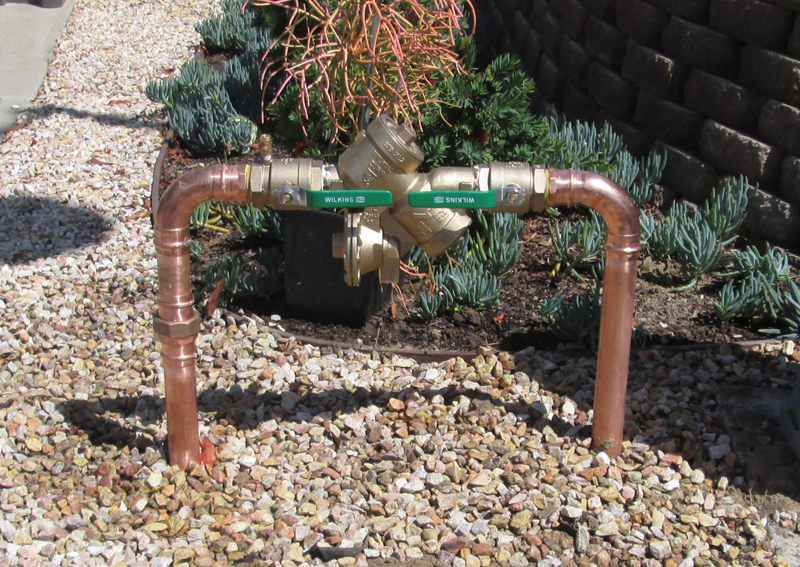
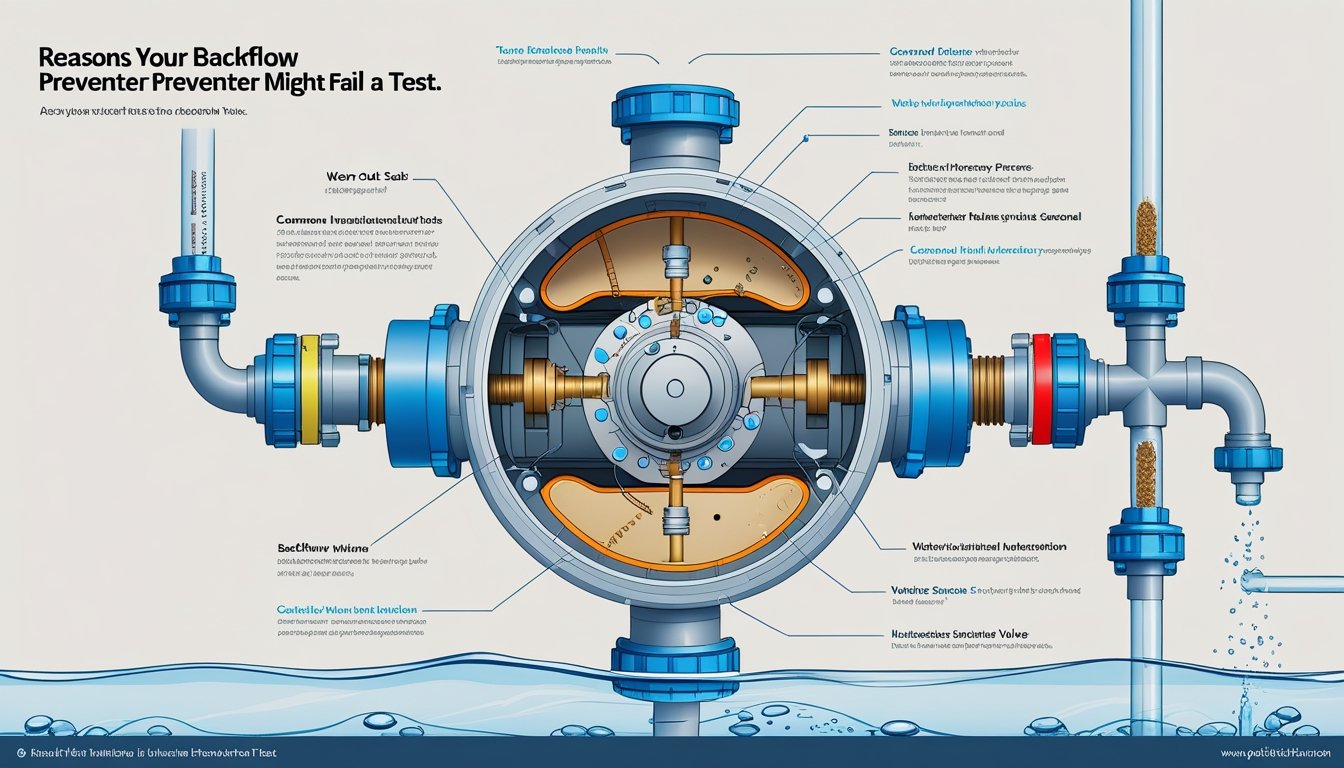
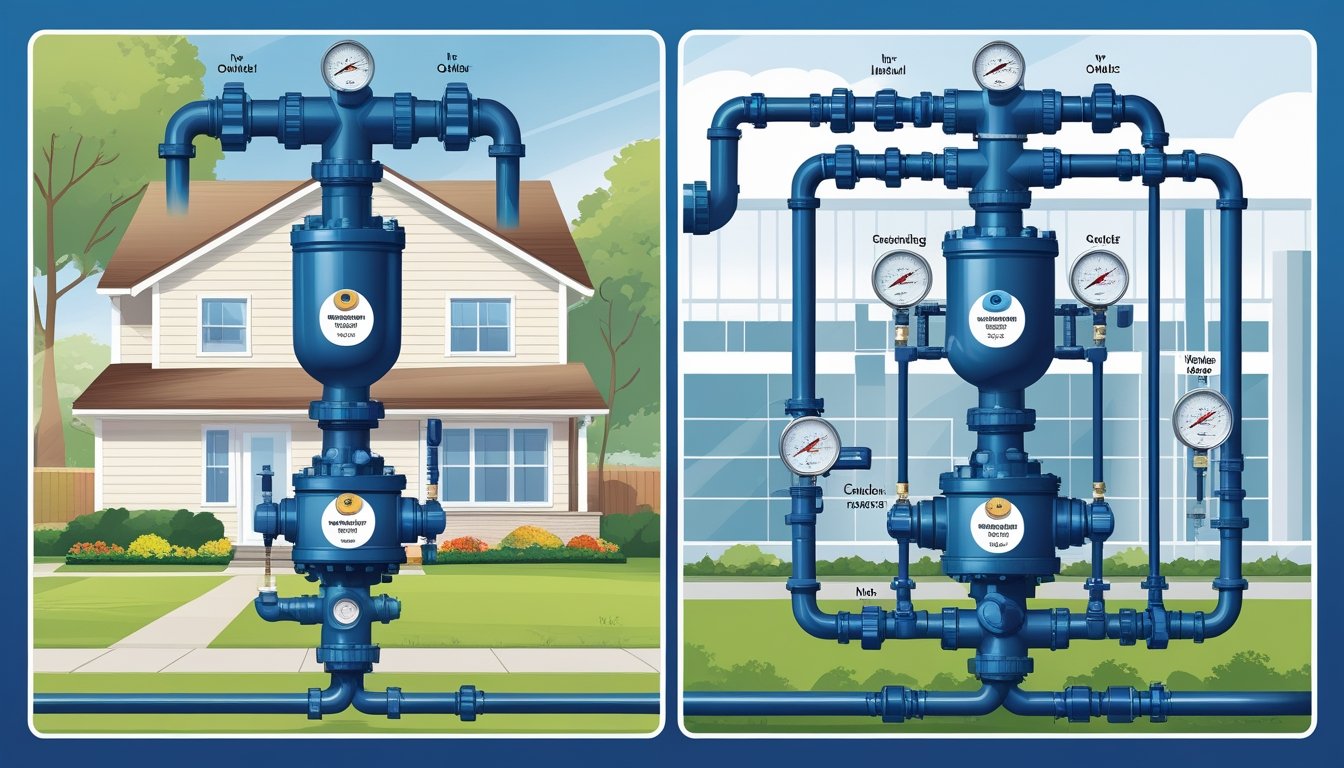
Backflow in plumbing can push dirty water into your clean lines. That’s why backflow preventers matter, especially at home or work. Watch for signs of trouble and keep your gear tested.
Risk Assessment and Site Evaluations
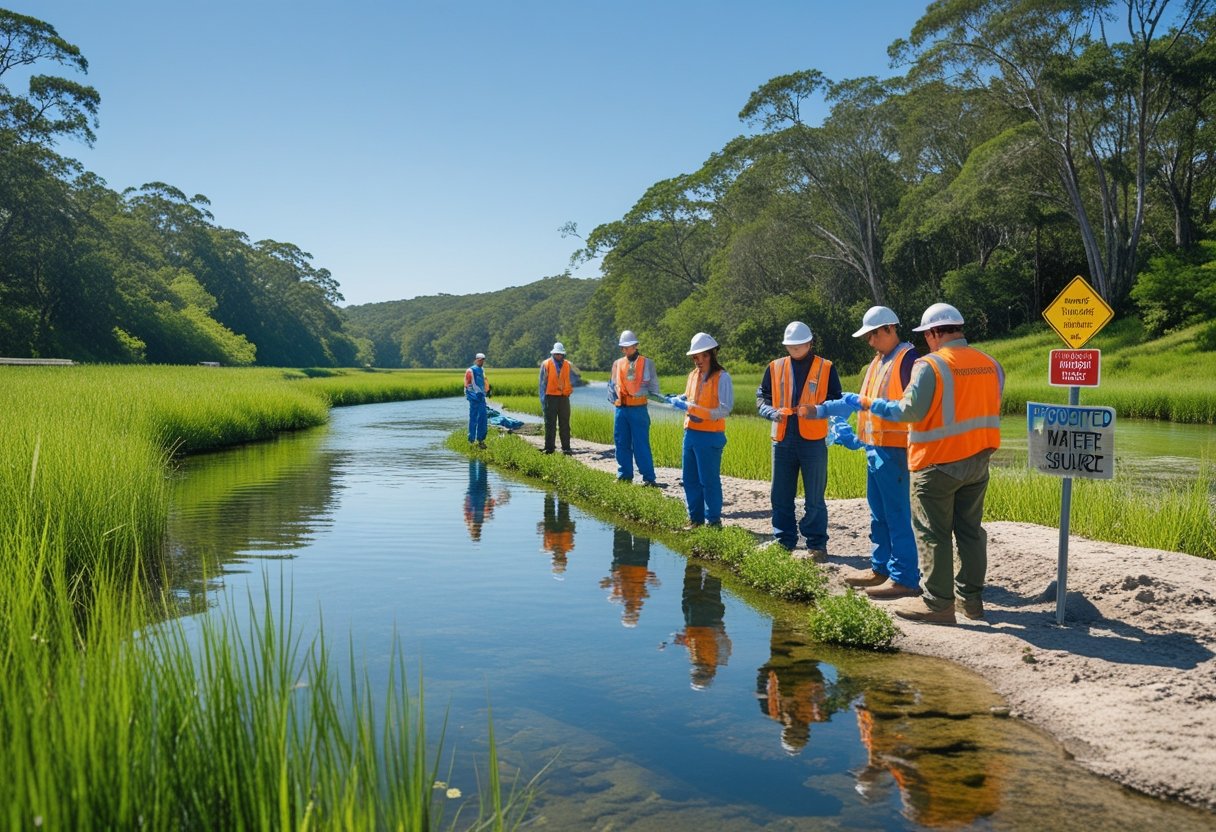
Checking around your water source helps you catch contamination risks before they turn into real problems. Look for pollution sources like factories, septic tanks, or busy roads nearby.
A decent evaluation means:
- Scoping out land use around your source
- Checking for old or busted pipes
- Testing water regularly
You can use government resources to learn about local risks, too. Frequent checks help you jump on problems fast. Pacific Backflow’s expert testing keeps backflow prevention devices working, which is a big deal for San Diego County’s water safety.
Source Protection Strategies
Keeping your drinking water safe isn’t rocket science, but it does mean taking some clear steps—keeping hazards away, following the rules, and getting your community involved.
Establishing Protective Zones
Protective zones are areas around water sources where certain stuff just isn’t allowed. These zones keep pollution from farms, factories, or homes away from your water.
You’ll see rules like no chemical dumping, no construction, and strict land use near wells or reservoirs. These limits cut down on risks from things like pesticides and waste.
Signs or markers usually show these zones. If you keep these boundaries in good shape and act fast when something’s off, you’ll prevent contamination and keep your water safe.
Regulatory Compliance for Water Safety
You’ve got to follow local, state, and federal rules on water safety. These set limits on pollution, require regular testing, and often make backflow preventers mandatory.
Backflow preventers stop dirty water from sneaking back into the clean system. You’ll usually need to get these tested every year. Pacific Backflow can help with testing and repairs, so you stay compliant.
It’s smart to know what laws cover your property. Keeping up with permits and paperwork saves you from fines and helps keep your water clean.
Community Engagement in Source Protection
Safe water is a group effort. Spreading the word about clean water habits helps everyone dodge risks.
You can report spills or illegal dumping, use eco-friendly products, and join community cleanups or watch groups.
Working together, you and your neighbors keep water safer for everyone. Pacific Backflow backs this up by helping maintain backflow devices all over San Diego County.
Prevention of Contamination
Keeping your drinking water clean means blocking harmful stuff before it even gets in. You’ve got to manage sources like farms, factories, waste, and storm runoff. Each area needs specific actions to reduce risks.
Managing Agricultural Runoff
Farms can send pesticides, fertilizers, and animal waste into water. Buffer strips—basically, patches of plants or grass between fields and water—slow down runoff and filter out junk.
Apply fertilizers and pesticides carefully, following directions and not right before heavy rain. Storing animal waste properly keeps bacteria out of streams and wells. Regular soil testing means you use just enough chemicals, not too much.
Controlling Industrial Discharges
Factories and industrial sites can pollute water if not kept in check. They have to follow strict rules about what goes where. Installing treatment systems to clean wastewater before it’s released is essential.
Regular inspections and monitoring keep these systems on track. If you store hazardous materials, keep them safe so leaks don’t happen. Report any spills right away—public health depends on it. These steps help keep chemicals and heavy metals out of your water.
Proper Waste Disposal Practices
Garbage, sewage, and chemicals need careful disposal. Landfills should have liners to stop leaks into groundwater. Septic systems need regular maintenance to avoid leaks or overflows.
Never pour oils, paints, or meds down the drain or outside. Use local drop-off sites for hazardous waste. These habits keep dangerous stuff out of wells, rivers, and reservoirs.
Stormwater Management Techniques
Rainwater picks up dirt, oil, and trash as it runs over roads and yards. Barriers like rain gardens or swales catch and filter stormwater.
Permeable pavements let water soak in instead of running off. Cleaning gutters and storm drains stops clogs that lead to flooding and pollution. These tricks help keep gunk out of your drinking water.
Pacific Backflow supports all this by making sure backflow preventers in irrigation and fire systems work. Their testing and maintenance keep your water safe year-round.
Monitoring and Maintenance
Keeping potable water safe means regular testing, infrastructure checks, and catching problems early. These steps help you deal with issues before they mess up your water or system.
Regular Water Quality Testing
Testing your water often helps you spot contaminants or changes early. Aim for at least once a year, but test more if your area’s risky or you’ve had repairs.
Tests look for bacteria, chemicals, and other bad stuff. Certified labs can give you reliable results.
Hang on to your test records—they help you track changes and prove you’re following the rules.
Infrastructure Inspection and Upkeep
You’ve got to check the physical parts of your water system—pipes, valves, backflow preventers—at least twice a year. Look for cracks, corrosion, or worn seals.
When you spot issues, fix them quickly. Keep inspection and repair records handy for water authority reviews.
Routine cleaning and swapping out old parts keeps things running smoothly. Pacific Backflow’s pros can handle inspections and repairs if you want it done right.
Early Detection Systems
Sensors and alarms can warn you about pressure drops or backflow risks. These gadgets alert you if water starts flowing the wrong way or pressure changes suddenly.
Problems can start small and get ugly fast, so early warnings help you stop contamination before it spreads. Many systems connect to remote monitors for quick action.
Investing in early detection adds another safety layer and can save you from emergency headaches.
Emergency Preparedness and Response
Being ready for water emergencies helps you act fast and limit contamination. Knowing what to do before, during, and after a problem—like backflow or leaks—keeps your water safer. With a plan and good communication, you can protect your community and cut down on damage.
Developing Action Plans
Write down a plan for what to do if your water gets contaminated. List who checks equipment, who shuts off water, and who calls in experts. Make sure you cover backflow preventer testing and maintenance.
Train everyone involved so they know their jobs. Keep emergency contacts handy, including Pacific Backflow or other specialists. Update your plan now and then to fix gaps or add new rules.
A simple checklist helps you stay focused:
- Inspect backflow devices
- Isolate problem water lines
- Start temporary water treatment
Having it all written down keeps things calm when stuff hits the fan.
Rapid Contamination Response
If contamination happens, move fast. Shut off water from the affected area to stop it spreading. Test the water to figure out what’s in it.
If backflow or leaks are involved, call a backflow expert right away. Pacific Backflow, for example, can jump in fast to fix leaks or replace faulty devices. This helps stop things from getting worse.
Use safe methods—like boiling water or emergency filters—until you know the supply’s clean. Don’t drink or cook with water until tests say it’s safe.
Write down every step you take. It helps with reports and can prevent future problems.
Public Communication During Incidents
During a water emergency, getting info out to people quickly and clearly is huge. Share what’s happening, what you’re doing, and what people should do—like boiling water or not using the tap.
Use whatever works—social media, emails, flyers. Be honest and keep updates coming to avoid confusion or rumors.
Give simple instructions, such as:
- Don’t drink tap water
- Use bottled water if you can
- Watch for updates on when it’s safe again
Good communication keeps things calm until it’s sorted out.
Frequently Asked Questions
Protecting your drinking water doesn’t have to be complicated. Small changes at home, in your community, and with land use all help. The right equipment—like backflow preventers—and better habits make a real difference.
How can individuals contribute to keeping water sources clean?
You can help by disposing of chemicals properly, not dumping waste in drains, and not overusing fertilizers or pesticides. Conserving water helps too—less runoff means less pollution.
What methods can prevent contamination of drinking water supplies?
Backflow preventers are essential. These devices stop dirty water from flowing backward into your clean lines, especially with hoses or irrigation. Regular testing and maintenance keep them working right.
In what ways can agricultural practices be altered to safeguard water resources?
Farmers can use buffer zones with plants to catch runoff and cut back on fertilizers and pesticides near water. Rotating crops and handling animal waste properly also help keep water clean.
What are the recommended household habits to maintain clean and safe tap water?
It's a good idea to check your plumbing for leaks every so often, and make sure you've got backflow preventers where they're needed. Try not to leave hoses sitting in pools or puddles—it's an easy thing to forget, but it matters. If your water starts tasting weird or smells off, don't just ignore it; get it tested.
How do urban planning and development affect water purity, and what can be done?
When cities add more pavement, runoff gets worse and can send all kinds of pollutants into water sources. Planners can help by adding green spaces, rain gardens, or upgrading stormwater systems—small changes, but they add up. If you care about this stuff, maybe keep an eye on local planning meetings or toss in your two cents when you can.
What are some community-led initiatives that help improve water quality?
People in local communities get together for river clean-ups, run hands-on workshops, and pitch in to install water safety gear. Over in San Diego County, Pacific Backflow steps up with reliable backflow testing and repair, helping neighborhoods keep their water systems in check. Getting involved with these kinds of projects? It really does make a difference for everyone’s water.