

The most common backflow issues include failed prevention devices, pressure changes in water lines, and cross-connections between clean and contaminated water sources. These problems often develop slowly, making them hard to spot until significant damage occurs.
Backflow happens when water flows backward through pipes, potentially bringing dirty or contaminated water into a home's clean water supply. This plumbing problem can create serious health risks and damage to water systems if left unchecked.
Proper maintenance and professional inspections can prevent most backflow problems before they compromise water safety or require emergency fixes. In this article, you’ll learn what a common backflow issue looks like, why it happens, and how to prevent contamination with proper testing and repairs.
Here’s what you need to know:
- What is backflow and why does it happen?
- Common backflow issues homeowners should watch for
- How to diagnose a backflow problem before it gets worse
- Preventing backflow issues through proper maintenance
- Professional repair and replacement options for backflow devices
Keep reading! Understanding how to identify early warning signs helps you protect your families and avoid costly repairs.
What is backflow and why does it happen?
Backflow occurs when water flows backward through plumbing pipes instead of its normal direction. This happens due to pressure changes that force contaminated water into clean water supplies, creating serious health risks.
The difference between backpressure and backsiphonage
Backpressure happens when downstream pressure becomes higher than the water supply pressure. This forces water to flow backward into the clean water system.
Common causes of backpressure include:
- Boiler systems operating at high pressure
- Elevated storage tanks
- Pumps creating excess pressure
- Chemical feed systems
Backsiphonage occurs when supply pressure drops below atmospheric pressure. This creates a vacuum that pulls contaminated water backward through the pipes.
Backsiphonage typically results from:
- Water main breaks
- Heavy water usage during emergencies
- Fire department water use
- Pipe repairs that reduce system pressure
Both types can pull dirty water, chemicals, or sewage into drinking water lines. The key difference is the pressure source - backpressure pushes contaminated water upstream while backsiphonage pulls it through suction.
According to the U.S. Environmental Protection Agency (EPA), cross-connection hazards arise from backsiphonage (pressure drops from main breaks, firefighting drawdown, pump failure, or flushing) and backpressure (when downstream pressure exceeds supply), either of which can introduce contaminants into potable lines.
How pressure changes in plumbing systems cause contamination
Water normally flows from areas of high pressure to low pressure. When this pressure relationship reverses, contaminated water enters clean supply lines.
Supply pressure drops create the most common contamination scenarios. When city water pressure falls suddenly, it can pull water from swimming pools, irrigation systems, or industrial equipment back into drinking water pipes.
Cross-connections make contamination possible. These are points where potable water connects to non-potable sources like:
- Garden hoses in pools
- Boiler makeup lines
- Chemical mixing tanks
- Irrigation systems
Even small pressure changes can cause problems. A drop of just 5-10 PSI can reverse water flow in cross-connected systems.
Temperature changes also affect pressure. Hot water systems expand and create backpressure. Cold water systems contract and may create suction conditions.
Why backflow prevention is critical for clean water safety
Water contamination risks from backflow include bacteria, chemicals, fertilizers, and sewage entering drinking water. These contaminants can cause serious illness or death.
Backflow prevention devices stop contaminated water from entering clean supplies. These devices work by:
- Maintaining one-way water flow
- Venting pressure to prevent vacuum conditions
- Shutting off water when backflow conditions occur
Legal requirements make backflow prevention mandatory in many areas. Commercial buildings, irrigation systems, and industrial facilities must install and test these devices regularly.
Common prevention methods include:
- Air gaps - physical separation between water outlet and contamination source
- Check valves - allow water flow in one direction only
- Pressure vacuum breakers - prevent backsiphonage in low-pressure situations
- Reduced pressure assemblies - provide maximum protection for high-risk situations
Regular testing ensures these devices work properly. Most areas require annual testing by certified professionals to maintain water safety standards.
According to EPA’s Cross-Connection Control Manual, effective programs require testing at installation and periodic testing/maintenance by qualified personnel, plus device inventories and recordkeeping to verify ongoing protection.
Common backflow issues homeowners should watch for
Several specific problems can cause backflow in residential plumbing systems. Most issues stem from equipment failures, poor installation practices, pressure changes, and contamination that has already occurred.
Faulty or aging backflow preventer valves
Backflow preventer valves break down over time like any mechanical device. The internal parts wear out from constant water pressure and daily use.
Common valve failures include:
- Rubber seals that crack and leak
- Springs that lose tension
- Check valves that stick open
- Corrosion on metal components
Most backflow preventers last 5-10 years before needing replacement. Older valves may fail without warning signs.
Annual testing helps catch problems early. A certified technician should inspect the device each year to check if all parts work correctly.
Signs of valve failure include water flowing backward through the system or visible leaks around the device. Some valves make unusual noises when they start to fail.
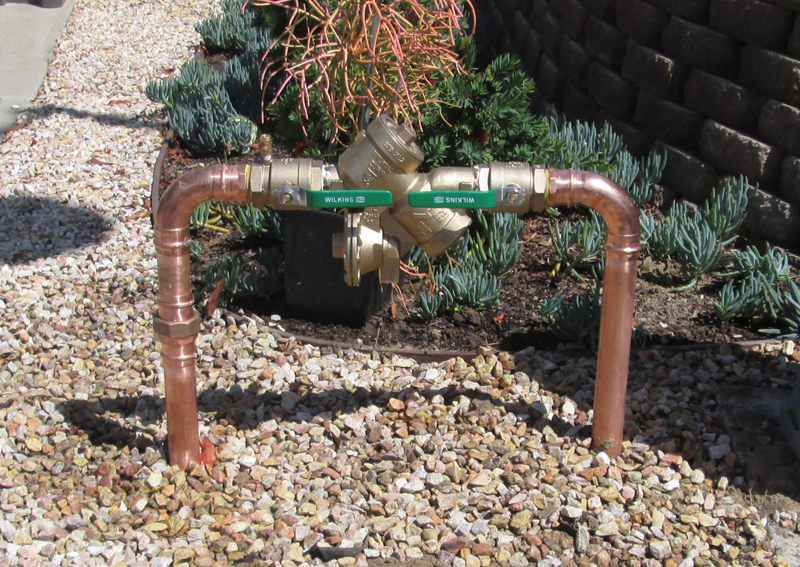
Improper installation in irrigation or plumbing systems
Poor installation causes many backflow problems in homes. Contractors sometimes skip important steps or use wrong parts during setup.
Installation mistakes include:
- Installing the wrong type of backflow preventer
- Placing devices at incorrect heights
- Using improper pipe connections
- Skipping required air gaps
Cross-connections create serious risks when installers connect potable water lines directly to irrigation systems. This allows dirty water to flow back into drinking water pipes.
Irrigation systems need special backflow preventers rated for outdoor use. Indoor devices often fail when exposed to weather and temperature changes.
Professional installation ensures the right device gets placed in the correct location. Licensed plumbers know local codes and requirements for backflow prevention.
Pressure imbalances that pull dirty water into your home's supply
Water pressure changes can force contaminated water backward through pipes. This happens when supply pressure drops below the pressure in connected systems.
Pressure problems occur during:
- Water main breaks in the neighborhood
- Fire department use of nearby hydrants
- Peak usage times in the area
- Municipal water system maintenance
Back-siphonage pulls water from pools, hot tubs, or garden hoses into drinking water lines. The suction effect works like drinking through a straw in reverse.
Backpressure happens when connected systems create higher pressure than the main supply. Boilers, irrigation pumps, and pressure washers can cause this problem.
Proper backflow preventers stop contamination even during pressure changes. The devices automatically close when they detect reverse flow.
Signs your water may already be contaminated
Contaminated water often has obvious warning signs that homeowners can detect. Quick action helps prevent health problems and further contamination.
Visual signs include:
- Discolored water (brown, yellow, or green)
- Cloudy or murky appearance
- Visible particles floating in water
- Oily film on water surface
Strange tastes or odors indicate possible contamination. Water may taste metallic, chemical-like, or have a sewage smell.
Low water pressure throughout the house can signal backflow issues. Multiple fixtures showing reduced flow may indicate system problems.
Contact a plumber immediately if these signs appear. Stop using the water for drinking or cooking until testing confirms it is safe.
Testing services can identify specific contaminants in the water supply. Professional analysis helps determine the source and extent of contamination problems.
How to diagnose a backflow problem before it gets worse
Finding backflow problems early prevents serious health risks and expensive repairs. Homeowners can spot warning signs through water changes, while professional testing and technician inspections catch hidden issues before they contaminate the water supply.
Warning signs like strange tastes, odors, or discolored water
Water quality changes are often the first sign of backflow problems. Homeowners should watch for these key warning signals in their tap water.
Discolored water appears brown, yellow, or rusty. This happens when contaminated water flows backward into clean pipes. The color change means dirt, rust, or other materials have entered the water system.
Strange tastes include metallic, chemical, or earthy flavors. Clean water should taste neutral. Any unusual taste suggests contamination from backflow.
Foul odors smell like sewage, chemicals, or rotten eggs. These smells indicate serious contamination. Homeowners should stop using the water immediately if they notice strong odors.
Other physical signs include:
- Water pressure changes that happen suddenly
- Slow drainage in sinks or tubs
- Visible particles floating in the water
These symptoms often appear together. When homeowners notice any of these signs, they need professional backflow testing right away.
The importance of regular backflow testing and inspection
Professional backflow testing finds problems before they create health risks. Most areas require annual testing by certified professionals.
Annual testing requirements exist in most cities and counties. These laws protect public water supplies. Property owners must schedule tests with licensed technicians.
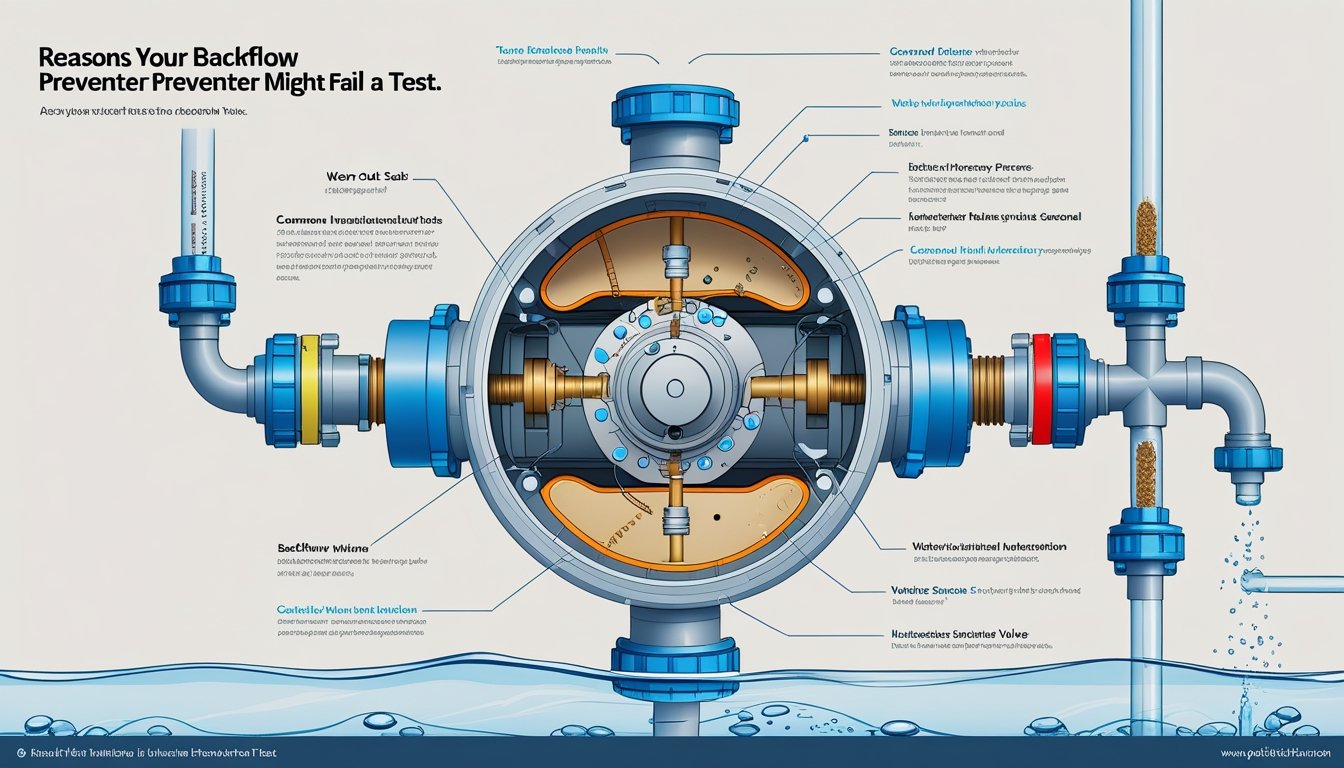
Testing catches failing parts like check valves and relief valves. These parts wear out over time. Regular inspections find worn seals and corroded components before they fail completely.
Pressure testing shows how well the backflow preventer works. Technicians use special gauges to measure water pressure. Failed tests mean immediate repairs are needed.
Documentation protects property owners from legal issues. Cities require test reports as proof of compliance. Missing tests can result in fines or water service shutoffs.
Professional inspections also check for:
- Corrosion and rust on metal parts
- Proper installation and connections
- Clear drainage from relief valves
Regular maintenance costs much less than emergency backflow testing and repair after contamination occurs.
How certified technicians identify and isolate backflow sources
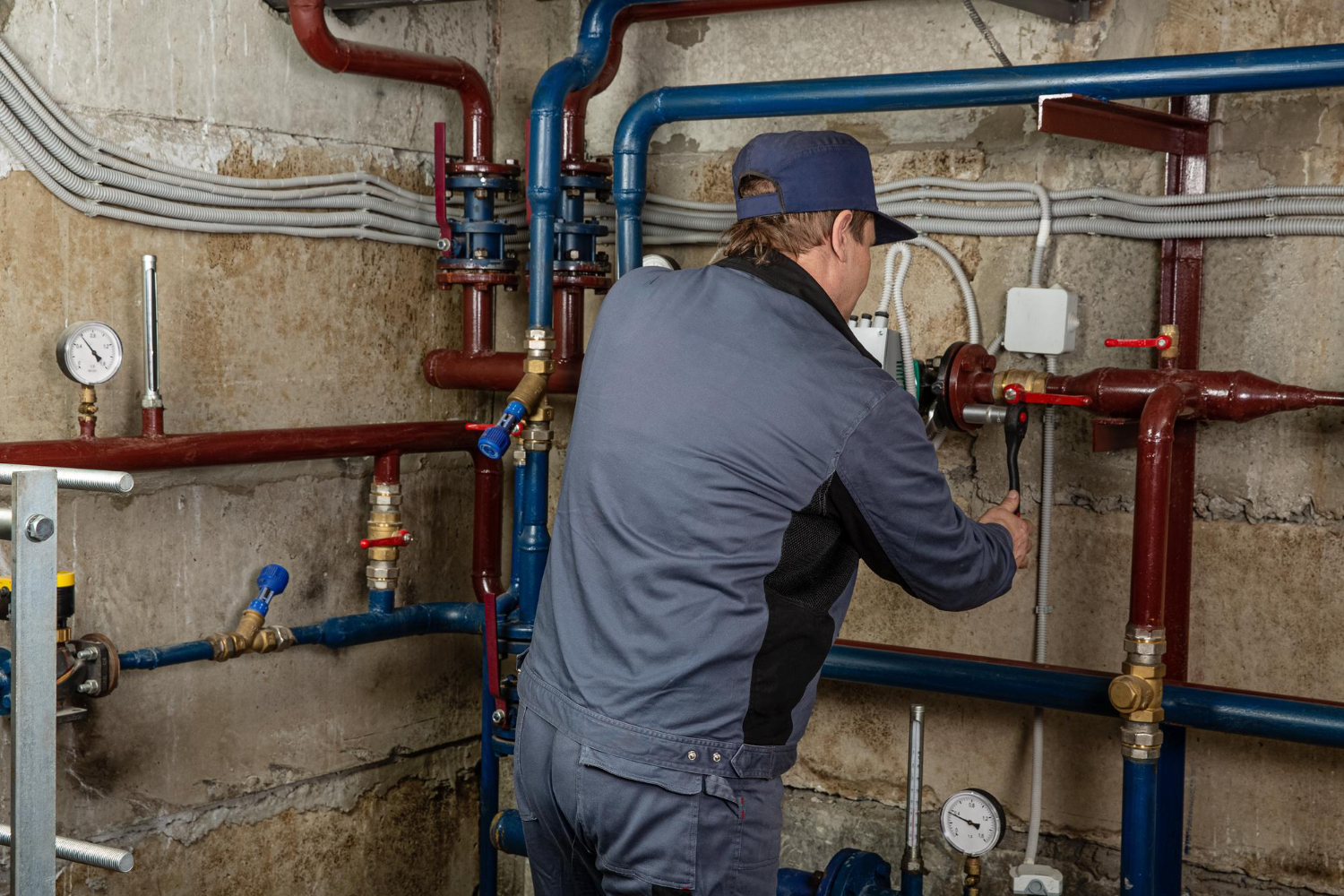
Certified technicians use specific methods to find exactly where backflow problems start. They follow systematic steps to locate contamination sources quickly.
Pressure differential testing measures water pressure at different points. Technicians connect gauges to test ports on backflow preventers. Pressure readings show which valves are not working properly.
Visual inspection techniques reveal physical damage and wear. Technicians check for rust, corrosion, and damaged seals. They also look for improper installation or missing components.
Water sampling and testing identifies the type of contamination. Lab tests show whether the problem comes from chemicals, bacteria, or other sources. This information helps technicians trace the contamination back to its origin.
Isolation procedures help technicians narrow down problem areas:
- Shutting off water to different sections
- Testing each backflow preventer separately
- Checking cross-connections between systems
Technicians also use specialized tools like flow meters and electronic leak detectors. These tools find problems that are not visible during basic inspections.
Documentation and reporting provide detailed findings. Technicians create written reports showing exactly what they found and what needs repair.
Preventing backflow issues through proper maintenance
Regular maintenance keeps backflow preventers working properly and protects water supplies from contamination. Professional testing each year ensures devices meet safety standards, while routine cleaning and pressure checks help avoid costly repairs.
Annual backflow testing and certification requirements
Most areas require annual testing by certified backflow prevention assembly testers. This testing is legally required in many communities and helps ensure devices work properly.
Certified testers check all parts of the backflow preventer during inspection. They test check valves, relief valves, and air inlet valves to make sure each component functions correctly.
The tester measures water pressure at different points in the system. They also check for leaks and verify that contaminated water cannot flow backward into clean water lines.
Property owners receive documentation after testing shows the device passes inspection. This paperwork proves compliance with local water safety regulations.
Key testing requirements include:
- Annual inspection by certified professionals
- Pressure testing of all valve components
- Documentation of test results
- Immediate repairs if the device fails testing
How to ensure your preventer valve meets local plumbing codes
Different areas have specific rules about which backflow preventers to use. Property owners must install the right type of device for their building's water system.
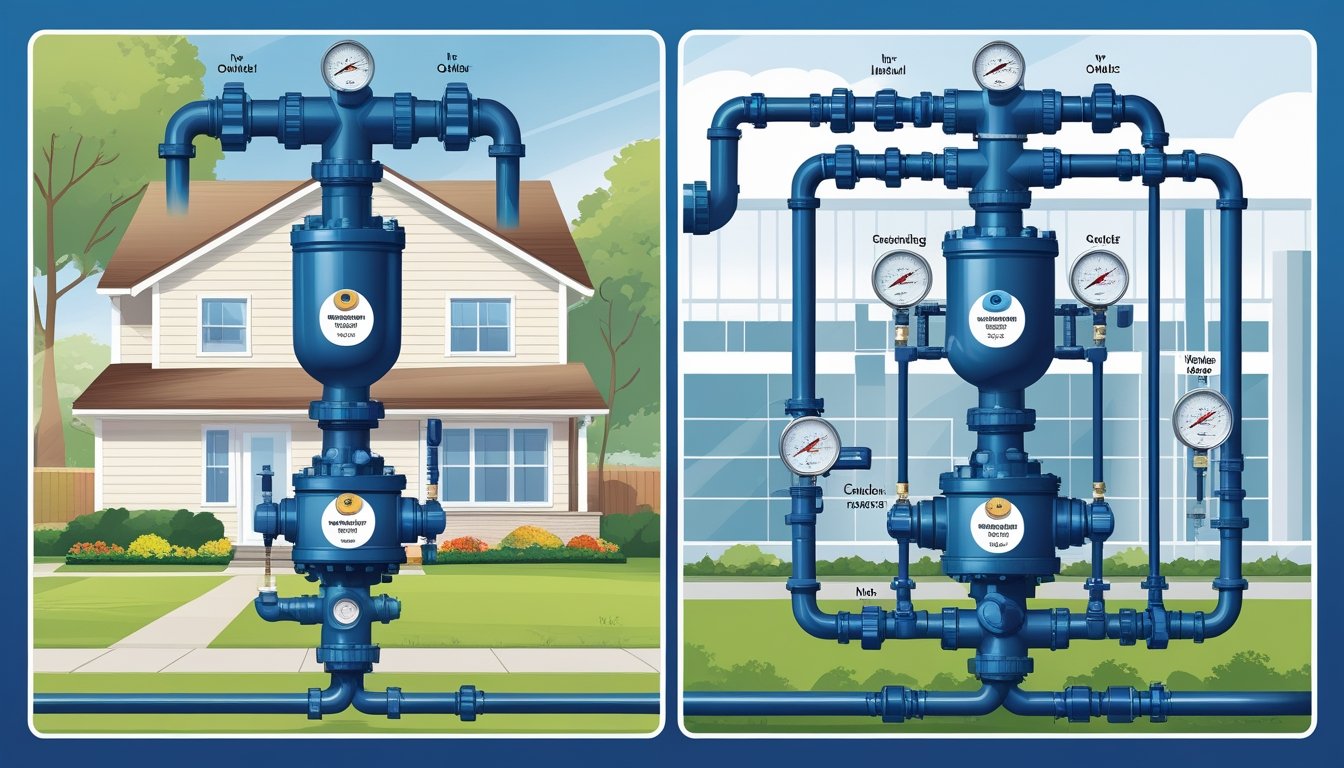
Commercial buildings often need double check valve assemblies or reduced pressure zone devices. Residential properties may require simpler atmospheric vacuum breakers or pressure vacuum breakers.
Local water departments provide lists of approved backflow preventer models. These devices must carry proper certification from recognized testing organizations.
Installation height, location, and clearance requirements vary by local codes. The device must be accessible for testing and protected from freezing temperatures.
Code compliance checklist:
- Use approved device models only
- Install at proper height and location
- Maintain required clearances
- Schedule inspections as required
Why routine cleaning and pressure checks save time and money
Debris buildup causes many backflow preventer failures. Small particles can block valve seats and prevent proper sealing between clean and contaminated water.
Monthly visual inspections help identify problems before they become serious. Property owners should look for signs of leaking, corrosion, or damage to the device housing.
Cleaning valve components removes dirt and mineral deposits that interfere with operation. This simple maintenance step prevents expensive repairs and replacement costs.
Regular pressure checks ensure the system maintains proper water flow. Low pressure can indicate worn springs or damaged check valves that need attention.
Maintenance benefits:
- Prevents costly emergency repairs
- Extends device lifespan
- Maintains water pressure
- Reduces contamination risk
Professional repair and replacement options for backflow devices
Property owners face important decisions when backflow devices malfunction, including whether to repair existing units or install new equipment. Certified professionals provide essential expertise for both repair work and replacement installations that meet current safety standards.
When repair makes sense versus full device replacement
Simple component failures often make repair the most practical choice. Worn rubber seals, damaged springs, and faulty relief valves can be replaced without changing the entire system.
Repair works best when:
- The device is less than 10 years old
- Only one or two components need replacement
- The main body shows no corrosion or damage
- Repair costs stay under 50% of replacement price
Full replacement becomes necessary when multiple components fail at once. Devices older than 15 years often need complete replacement due to outdated designs.
Signs that replacement is better than repair include:
- Cracked or corroded main body
- Repeated failures within 12 months
- Missing replacement parts for older models
- New regulations requiring upgraded features
Professional technicians assess each situation to determine the most cost-effective approach. They consider the device age, condition, and local code requirements before making recommendations.
How new backflow preventers improve reliability and compliance
Modern backflow devices offer better materials and design improvements over older models. Stainless steel components resist corrosion better than brass parts used in previous generations.
New devices include these upgrades:
- Improved seals that last 3-5 years longer
- Better valve designs with smoother operation
- Easier maintenance access for faster repairs
- Digital monitoring options for remote testing
Current devices meet stricter safety standards than equipment installed 10-15 years ago. Updated models handle higher pressure ranges and provide more reliable protection against contamination.
Installation of new preventers ensures code compliance for property inspections. Many areas now require specific device types that older models cannot match.
Professional installation guarantees proper sizing and placement according to local requirements. Technicians verify that new equipment meets both current codes and the specific needs of each water system.
Why hiring a certified specialist ensures long-term protection
Licensed backflow technicians complete specialized training to work on prevention devices. Only certified professionals can legally test and repair these systems in most areas.
Certified specialists provide several key advantages:
- Proper diagnosis of complex system problems
- Access to commercial-grade parts not available to general contractors
- Knowledge of local codes and permit requirements
- Insurance coverage for installation and repair work
Professional work comes with warranties that protect property owners from defective parts or improper installation. Most specialists offer 1-2 year guarantees on repair work.
Certified technicians maintain relationships with equipment manufacturers. This connection ensures they can obtain replacement parts quickly and stay updated on product recalls or safety notices.
Annual testing by licensed professionals keeps devices in compliance with local regulations. Regular professional maintenance prevents small problems from becoming expensive emergencies that require full system replacement.
Conclusion
Backflow problems can seriously harm water quality and create health risks. Property owners must act quickly when they spot these issues.
Regular maintenance helps catch small problems before they become big ones. Annual testing and inspections are essential for keeping systems working correctly.
Property owners should watch for signs of backflow issues. These include changes in water color, taste, or smell.
Proper installation matters just as much as regular care. Devices must be installed correctly to work as intended.
Taking care of backflow prevention systems protects both individual properties and community water supplies. Simple steps like routine checks can prevent contamination and keep water safe.
Property managers and homeowners who stay on top of maintenance avoid costly repairs later. They also help ensure their water systems meet local rules and safety standards.
The investment in proper backflow prevention and maintenance pays off through clean water and peace of mind.
Schedule a professional backflow test and inspection with Pacific Backflow today to diagnose issues, restore protection, and ensure code compliance.