

A leaking backflow preventer happens when parts wear out, valves fail, or the device gets damaged, and fixing it quickly protects your water supply and prevents health risks.
A backflow preventer is a device that stops dirty water from mixing back into your home's clean water supply. When this device starts leaking, it creates a serious problem that needs quick attention. The leak can waste water, increase your utility bills, and put your drinking water at risk of contamination.
Understanding what causes these leaks and how to spot them early can save you money and keep your family safe. Many homeowners don't know what to look for until the problem gets worse.
This guide walks you through everything you need to know about backflow leaks. Below, we’ll walk through each important aspect:
- What is a leaking backflow and why it's important
- Common causes of backflow leaks
- Signs That Your Backflow Preventer Is Leaking
- Risks of ignoring a leaking backflow
- How to address a leaking backflow preventer
- Preventive maintenance to avoid leaks
- Why Pacific Backflow is your trusted backflow repair partner
Keep reading! You'll learn what causes them, how to recognize the warning signs, and what steps to take to fix the problem before it leads to water contamination or costly repairs.
What is a leaking backflow and why it's important
A backflow preventer leak affects both water safety and system performance, creating health risks and potential property damage. When these critical devices fail to function properly, contaminated water can enter clean water supplies, while leaks waste water and signal equipment problems that need immediate attention.
Understanding backflow preventers and their role in water safety
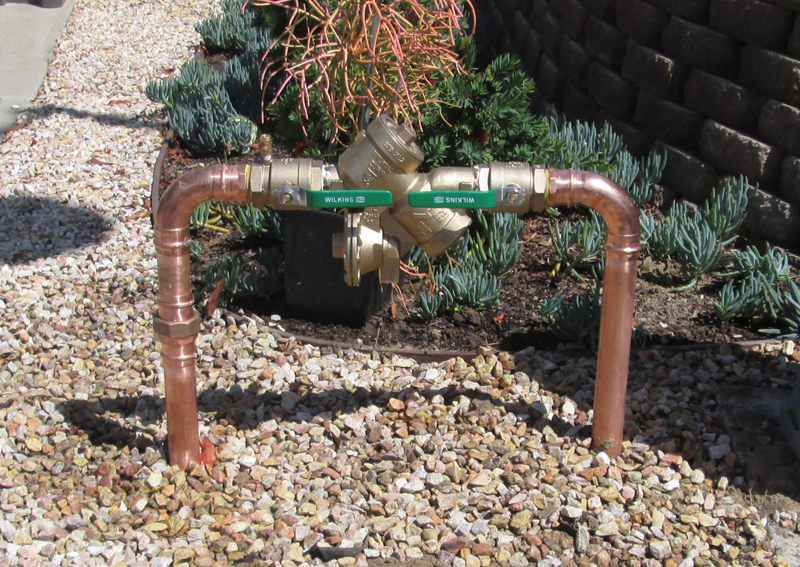
A backflow preventer is a plumbing device that stops dirty water from flowing backward into clean drinking water. These devices protect homes and businesses by keeping waste, chemicals, and other contaminants out of the water supply.
The preventer works by using valves and check mechanisms that only allow water to flow in one direction. When water pressure drops in the main supply line, the device prevents contaminated water from reversing course. This protection is essential because backflow can introduce harmful bacteria, pesticides, and sewage into drinking water.
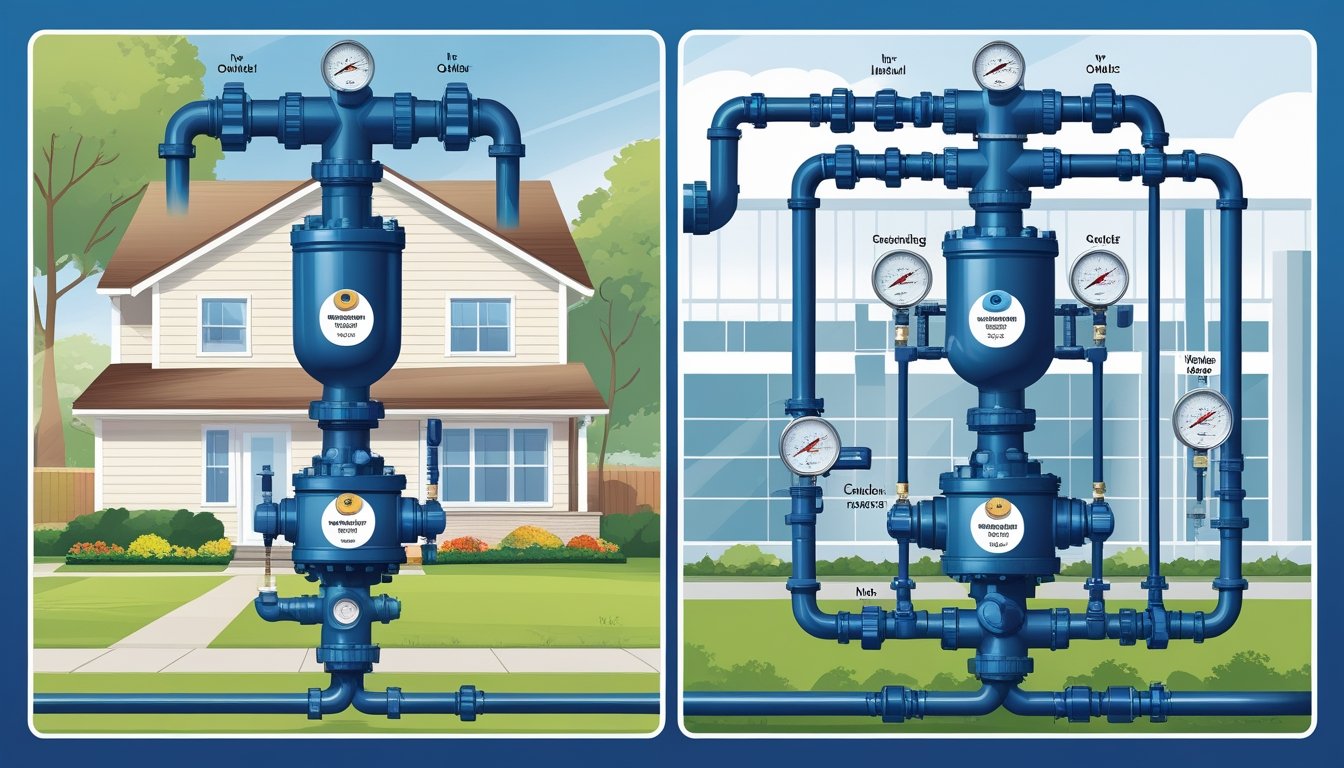
Municipalities require these devices on properties that pose contamination risks. Irrigation systems, fire sprinkler systems, and commercial buildings typically need backflow prevention. Regular testing ensures these devices work correctly to maintain water safety standards.
The City of San Diego states that all backflow prevention assemblies are required to be tested annually by approved testers.
How leaks compromise system performance and safety
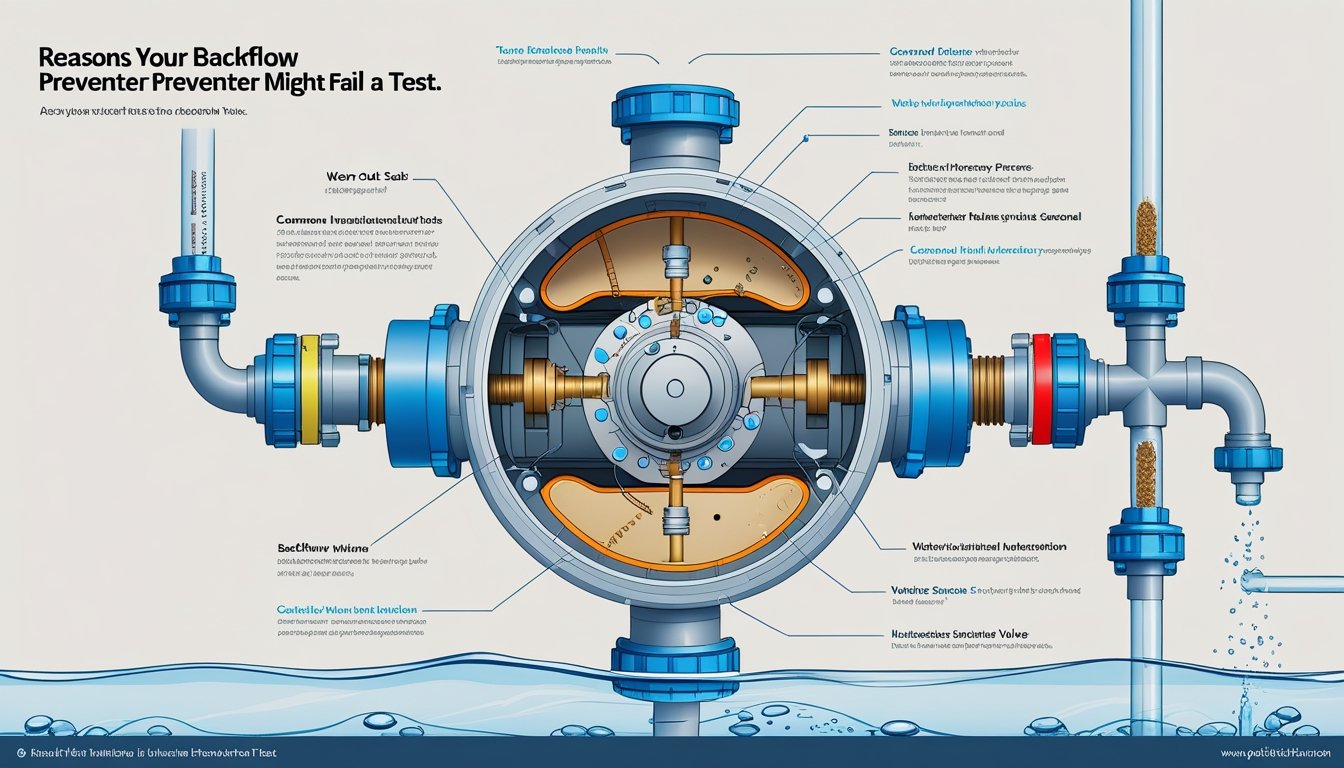
A leaking backflow prevention device fails to maintain proper pressure and creates gaps in water protection. When seals wear out or valves malfunction, water escapes from the device instead of staying contained within the system.
Common leak sources include:
- Damaged O-rings and seals
- Corroded valve components
- Loose pipe connections
- Cracked device housing
- Improper installation
These leaks reduce water pressure throughout the plumbing system. They also prevent the backflow preventer from creating the tight seal needed to stop contaminated water. A device that leaks externally may also fail internally, allowing dirty water to mix with clean supply lines.
Risks of ignoring a leaking backflow device
Neglecting a backflow preventer leak creates serious health hazards and financial costs. Contaminated water entering the drinking supply can cause illness from bacteria, chemicals, or other pollutants. This risk affects everyone who uses water from the compromised system.
Water damage from continuous leaks weakens building foundations and promotes mold growth. Even small leaks waste hundreds of gallons monthly, increasing water bills unnecessarily. Property owners may also face fines for non-compliant backflow devices that fail inspections.
The longer a leak persists, the more extensive the damage becomes. Corrosion spreads to surrounding pipes and fixtures. What starts as a minor drip can escalate into complete system failure requiring expensive emergency repairs and full device replacement.
Common causes of backflow leaks
Backflow preventers can develop leaks for several reasons, ranging from normal wear over time to damage from external conditions. The most frequent culprits include deteriorating internal components, metal degradation, blockages inside the valve, and exposure to harsh weather.
Worn or damaged seals and gaskets
Seals and gaskets inside a backflow preventer create watertight connections between components. These parts are typically made from rubber or similar materials that break down over time.
When seals wear out, water can escape through gaps in the valve assembly. This happens gradually as the materials lose flexibility and develop cracks. High water pressure speeds up this deterioration process.
Temperature changes also affect seal integrity. Repeated expansion and contraction from hot and cold cycles weakens the material structure. Most backflow preventers need seal replacements every few years depending on usage and water conditions.
Property owners often notice small drips before seals fail completely. Catching these early signs prevents larger leaks and potential water damage.
Corrosion or rust in the valve body
Metal components in backflow preventers corrode when exposed to moisture and certain water conditions. Rust forms on iron and steel parts, while other metals develop different types of corrosion.
The valve body can develop weak spots or small holes as corrosion eats through the metal. Water chemistry plays a significant role in how quickly this damage occurs. Acidic water or water with high mineral content accelerates metal breakdown.
Older backflow preventers face higher corrosion risks, especially units installed outdoors. Salt air in coastal areas or road salt in winter climates makes the problem worse. Once corrosion creates openings in the valve body, leaks become inevitable.
Visual inspection sometimes reveals rust stains or green deposits on brass components. These signs indicate advanced corrosion that requires professional attention or device replacement.
Debris and sediment buildup
Dirt, sand, and mineral deposits can enter the backflow preventer through the water supply. These particles accumulate inside the valve over time and interfere with proper operation.
Sediment prevents valve components from sealing correctly. Even small particles can lodge between sealing surfaces and create gaps for water to leak through. Hard water areas experience faster mineral buildup on internal parts.
The debris also causes mechanical wear by acting like sandpaper on moving components. This accelerates damage to seals and valve seats. Regular testing and maintenance can identify sediment problems before they cause significant leaks.
Flushing the system removes some loose debris, but heavy buildup requires disassembly and cleaning by a certified technician.
Freezing or environmental damage
Water inside a backflow preventer expands when it freezes, which can crack valve bodies and break internal components. This type of damage often causes sudden, severe leaks when temperatures rise and the ice melts.
Most backflow preventers installed above ground face freeze risks during winter. Even a brief cold snap can cause damage if the unit lacks proper insulation or drainage. Trapped water has nowhere to go as it expands, putting extreme pressure on metal and plastic parts.
UV exposure from sunlight also degrades plastic components and protective coatings over time. This makes the device more vulnerable to other forms of damage. Physical impacts from lawn equipment, falling branches, or accidental collisions can crack housings or misalign internal parts.
Proper winterization prevents most freeze damage. This includes draining the device and covering it with insulation during cold months.
Signs That Your Backflow Preventer Is Leaking
A leaking backflow preventer shows clear warning signs that need attention. Water pooling around the device, drops in water pressure, unusual sounds, and the need for constant fixes all point to problems with the system.
Water Pooling Or Dripping Near The Valve
Visible water around a backflow preventer is the most obvious sign of a leak. Water may pool at the base of the device or drip steadily from connections and joints.
The relief valve often develops leaks when debris blocks internal components or when pressure inside the system gets too high. Small drips can appear around seals and gaskets as these parts wear out over time. These rubber components break down from exposure to water, temperature changes, and age.
Check the ground around the device regularly for wet spots or puddles. Even small amounts of water can signal a problem that will get worse. The device may leak constantly at a slow rate or release water intermittently when the system is under pressure.
Cracks in the valve body can also cause visible leaking. These cracks may be hard to spot at first but will grow larger as water pressure pushes against the damaged area.
Reduced Water Pressure In Your System
A drop in water pressure throughout the home can indicate a backflow preventer leak or malfunction. The device may not maintain proper pressure when internal components fail or when water escapes through damaged seals.
Low pressure becomes noticeable at faucets, showers, and other fixtures. Water flow may seem weaker than normal or take longer to fill containers. This happens because the backflow preventer cannot maintain the correct pressure differential in the system.
Internal valve problems can restrict water flow even without visible external leaks. Worn check valves or damaged springs inside the device reduce its ability to regulate pressure properly. The pressure loss may affect the entire property or only specific areas depending on where the backflow preventer sits in the plumbing system.
Strange Noises From The Device
Unusual sounds from a backflow preventer point to internal problems. Hissing, whistling, or gurgling noises occur when water moves through damaged components or when air enters the system through leaks.
A hissing sound often means water is escaping under pressure through a small opening. Whistling can indicate restricted flow through partially blocked valves. Gurgling happens when air pockets form inside the device due to seal failures.
These noises may be constant or occur only when water is running. The sounds can get louder over time as damage worsens. Any noise from the backflow preventer requires inspection since the device should operate silently under normal conditions.
Frequent Need For Repairs Or Adjustments
Backflow preventers that need repeated fixes show signs of serious wear or failure. A device requiring multiple service calls within a short time frame has underlying issues that temporary repairs cannot solve.
Common problems that keep returning include relief valve leaks, seal replacements, and pressure adjustments. Each repair may work for a few weeks or months before the same issue comes back. This pattern indicates the device has reached the end of its useful life or suffers from installation problems.
Older backflow preventers that lack proper maintenance develop chronic issues. The cost of frequent repairs often exceeds the price of a new device. Systems more than 10 years old typically show more signs of wear and need replacement rather than continued patching.
Risks of ignoring a leaking backflow
A leaking backflow preventer creates multiple problems that affect health, finances, and property safety. These issues can escalate quickly when left unaddressed, leading to contaminated water, higher utility costs, structural damage, and legal complications.
Contaminated water supply and health hazards
The most serious risk of ignoring a leaking backflow preventer is water contamination. When a backflow device fails, dirty water can flow backward into the clean water supply. This exposes everyone who uses that water to harmful bacteria, chemicals, and other pollutants.
Contaminated water can cause immediate illness. Symptoms include stomach pain, nausea, vomiting, and diarrhea. People with weakened immune systems face even greater danger from waterborne diseases.
In severe cases, backflow contamination has caused major public health emergencies. One documented incident resulted in over 1,500 people becoming sick and 98 deaths. Both residential and commercial backflow leak situations pose these same health threats when the protective barrier between clean and contaminated water breaks down.
Increased water bills due to leaks
A leaking backflow preventer wastes water continuously. Even small drips add up to hundreds of gallons per month. This wasted water shows up directly on utility bills.
According to the U.S. EPA WaterSense program, household leaks can waste nearly 10,000 gallons of water per home each year—and about 10% of homes have leaks wasting 90+ gallons per day—so fixing valve and seal leaks prevents significant water loss.
The leak runs 24 hours a day, seven days a week. A steady drip can waste 3,000 gallons per year. Larger leaks waste even more water and cost significantly more money each billing cycle.
Property owners often don't notice the gradual increase in their water bills until months have passed. By then, they've already paid for thousands of gallons of wasted water that provided no benefit.
Property damage from water pooling
Water from a leaking backflow preventer collects around the device and spreads across nearby surfaces. This standing water damages concrete, erodes soil, and creates slippery walking hazards. The constant moisture promotes mold and mildew growth in surrounding areas.
Pooling water can seep into building foundations and cause cracks. It saturates landscaping and kills plants that can't tolerate wet conditions. In cold weather, the leaked water freezes and creates ice patches that pose slip-and-fall risks.
Commercial backflow leak situations often cause more extensive property damage because the devices handle higher water volumes. The larger water flow creates bigger puddles that spread farther and cause damage over wider areas.
Fines or compliance issues with plumbing codes
Most cities and counties require property owners to maintain working backflow preventers. Regular testing and immediate repairs of any problems are mandatory under these regulations. A leaking backflow device fails inspection and violates local plumbing codes.
Property owners who ignore these violations face escalating fines. Initial penalties typically range from $100 to $500. Continued non-compliance leads to higher fines and potential water service disconnection.
Commercial properties face stricter enforcement than residential buildings. Businesses must pass backflow inspections to maintain operating licenses and health department approvals. Failed inspections can force temporary closures until the property owner fixes the leak and passes re-inspection.
How to address a leaking backflow preventer
Fixing a leaking backflow preventer involves checking key parts, removing blockages, and replacing damaged components when needed. Most problems stem from worn seals, debris buildup, or faulty internal parts that require attention from a trained professional.
Inspecting seals, gaskets, and valve components
The first step is to examine all seals and gaskets for signs of wear or damage. These rubber components create watertight connections between different parts of the backflow preventer. Over time, they can crack, harden, or lose their shape.
A visual inspection often reveals obvious problems like visible cracks or deformed gaskets. The property owner should check around the test cocks, relief valves, and main body connections where seals typically fail. Water stains or mineral deposits around these areas indicate where leaks might be occurring.
The internal valve components also need checking. The check valves and springs inside the device can wear out or become misaligned. A backflow preventer that constantly drips from its relief valve often has a problem with these internal parts. Testing each valve's movement and spring tension helps identify which component is failing.
Cleaning debris and sediment from the system
Dirt, sand, and mineral buildup cause many backflow preventer leaks. These particles prevent valves from closing completely, which allows water to escape through relief valves. The system needs regular cleaning to remove these contaminants.
Shutting off the water supply comes first before any cleaning work begins. The property owner or technician can then disassemble the accessible parts of the backflow preventer. Small particles often lodge in valve seats and around rubber seals.
Using clean water to flush out debris works for minor buildup. A soft brush helps remove stubborn sediment without damaging delicate parts. Installing an upstream strainer prevents most debris-related problems by filtering particles before they reach the backflow preventer. This single addition eliminates approximately 99% of debris-related failures.
Replacing worn parts with professional guidance
Worn components need replacement when cleaning and inspection reveal damage. Common replacement parts include rubber seals, springs, check valve discs, and relief valve assemblies. Using manufacturer-approved parts ensures proper fit and function.
A certified backflow technician should handle most replacement work. These professionals know which parts fit specific models and how to install them correctly. They also have access to specialized tools needed for proper assembly.
Property owners can replace simple external seals on some models, but internal valve work requires expertise. Incorrect installation can make the leak worse or compromise the backflow preventer's ability to protect the water supply. The device must pass testing after any repairs to confirm it works properly.
When to call certified backflow repair specialists
Professional help is necessary when leaks persist after basic troubleshooting or when the backflow preventer shows signs of major failure. Certified specialists have the training and equipment to diagnose complex problems that aren't visible during a basic inspection.
Property owners should contact a specialist immediately if water quality changes or if the backflow preventer fails its annual test. These situations suggest the device can no longer protect the drinking water from contamination. Most areas require certified technicians to perform repairs and testing to maintain compliance with local regulations.
A specialist should also handle repairs on commercial or industrial backflow preventers. These larger systems have more complex designs and higher stakes if they fail. Emergency situations like continuous flooding from the relief valve or complete device failure require immediate professional response to prevent water damage and ensure water safety.
Preventive maintenance to avoid leaks
Regular maintenance keeps backflow preventers working properly and stops leaks before they start. Simple steps like scheduling inspections, cleaning the device, protecting it from weather, and replacing worn parts prevent most problems.
Scheduling regular inspections and testing
Annual testing by a certified backflow prevention tester is required in most areas. This professional inspection checks if the device works correctly and meets local codes.
Monthly visual checks catch issues early. Property owners should look for drips, corrosion, or damaged parts. They should also watch for unusual water pressure or discolored water near the device.
High-risk properties need more frequent testing. Commercial buildings, industrial sites, and places with chemical systems may need quarterly or semi-annual inspections. Local regulations determine the exact schedule.
Professional testing includes checking pressure levels, valve function, and internal components. Certified technicians use specialized equipment to measure the device's performance. They can spot problems that aren't visible during basic checks.
Keeping the system clean and free of debris
Dirt and debris cause valves to stick and seals to fail. Plant matter, insects, and mineral buildup block vents and drain openings. This blockage creates pressure problems that lead to leaks.
The area around the device should stay clear. Grass clippings, leaves, and mulch shouldn't pile up against the unit. A clearance of at least 12 inches on all sides allows air flow and makes inspections easier.
Internal cleaning requires professional service. Technicians disassemble the device to remove sediment and mineral deposits. They clean check valves, relief valves, and test cocks during routine maintenance.
Filters and strainers need regular attention. These components trap particles before they reach sensitive parts. Cleaning or replacing them prevents debris from damaging internal seals and diaphragms.
Protecting devices from freezing and weather damage
Freezing temperatures crack housings and damage internal parts. Water expands when it freezes, breaking seals and valves. Winter protection prevents this costly damage.
Insulation wraps protect exposed devices in cold climates. Foam or fiberglass insulation covers the entire unit and connecting pipes. Some property owners install heated enclosures for devices in extreme climates.
Proper drainage stops freeze damage. Devices need to drain completely when shut off. Check valves and test cocks should point downward to allow water to escape.
Summer heat also causes problems. UV rays degrade plastic and rubber components. Excessive heat warps seals and dries out O-rings. Shade structures or protective covers extend the life of outdoor units.
Timely replacement of aging components
Internal parts wear out over time. Rubber seals, diaphragms, and O-rings crack and lose flexibility. Springs weaken and check valves develop pitting or corrosion.
Most manufacturers recommend replacing internal kits every 5 to 7 years. This scheduled replacement prevents failures between annual tests. Certified technicians know which parts need regular updates.
Warning signs indicate parts need replacement sooner. Continuous dripping from relief valves, reduced water pressure, or failed annual tests mean components are failing. Addressing these issues quickly prevents complete system failure.
Complete device replacement becomes necessary after 15 to 20 years. Older units may not meet current codes or have outdated designs. New devices offer better protection and easier maintenance.
Why Pacific Backflow is your trusted backflow repair partner
Pacific Backflow brings decades of specialized experience and certified expertise to handle backflow preventer leaks in homes and businesses. Their team provides comprehensive repairs using proven methods that address current issues while preventing future problems.
Expertise in residential and commercial backflow systems
Pacific Backflow has operated as Idaho's largest and oldest backflow irrigation company for over 40 years. The company also serves San Diego and Southern California with nearly half a century of regional experience. This extensive background means their technicians understand the specific challenges of different backflow systems.
The company works with various backflow prevention devices including Reduced Pressure Zone (RPZ) assemblies and Double Check Valve Assemblies (DCVAs). Each system type requires different repair approaches. RPZ valves often need relief valve adjustments or diaphragm replacements, while DCVAs typically require seal maintenance and check valve repairs.
Pacific Backflow handles both small residential leaks and large commercial system failures. Their technicians identify whether a leak comes from debris buildup, pressure issues, or component wear. This diagnostic skill helps them target the actual problem instead of applying temporary fixes.
Certified technicians for safe and reliable repairs
All Pacific Backflow technicians hold specific certifications and licenses for backflow prevention work. These credentials matter because backflow repairs directly affect water safety and contamination risks. Unqualified repairs can lead to health hazards if contaminated water enters clean supply lines.
The company's certified staff follows local regulations and compliance standards during every repair. They conduct proper pressure testing at key points to verify that repairs restore full protection. This testing confirms that contaminated water cannot flow backward into the clean water supply.
Certified technicians also carry proper insurance coverage. This protection shields property owners from liability if issues arise during or after repairs. Pacific Backflow's insurance and bonding provide additional security for customers.
Long-term solutions to prevent future leaks
Pacific Backflow focuses on permanent repairs rather than quick patches. Their technicians replace worn rubber seals, clean internal components thoroughly, and adjust valve settings to manufacturer specifications. These complete repairs typically cost between $150 and $500 depending on the damage extent and system type.
The company addresses root causes of backflow preventer leaks. If pressure fluctuations cause recurring problems, they recommend system modifications. When debris consistently enters the assembly, they identify the contamination source and suggest filtration improvements.
Regular maintenance plans help customers avoid emergency leaks. Pacific Backflow schedules testing and inspection visits to catch wear before components fail completely. This proactive approach reduces water damage risks and extends equipment lifespan.
Conclusion
A leaking backflow preventer needs attention right away. These devices protect clean water from contamination, so keeping them in good working order matters for health and safety.
Most leaks happen because of worn seals, damaged O-rings, or debris buildup inside the valve. Regular maintenance helps catch these problems early before they get worse.
Homeowners should inspect their backflow preventers at least once a year. Look for puddles, drips, or water pooling around the device. These signs point to a problem that needs fixing.
Some repairs are simple enough for a homeowner to handle. Cleaning debris or replacing basic parts can solve minor leaks. However, complicated issues require help from a licensed plumber or certified backflow technician.
Professional testing ensures the device works correctly and meets local codes. Many areas require annual testing by a certified professional anyway.
The California State Water Resources Control Board states that the Cross-Connection Control Policy Handbook (CCCPH) took effect on July 1, 2024, superseding prior Title 17 provisions and requiring state-recognized approved assemblies and programs.
Taking care of a backflow preventer saves money in the long run. Small leaks waste water and can cause property damage if left alone. They can also mean the device isn't protecting the water supply properly.
Regular checks, quick repairs, and professional maintenance keep these important devices working as they should.
Schedule a same-day leak diagnostic and repair with Pacific Backflow to isolate the assembly, replace seals/diaphragms, flush debris, retest RPZ/DCVA performance, and provide a compliance report.