

Backflow devices matter because they keep your water safe—they stop dirty water from sneaking back into clean pipes. But honestly, the environment around your device? It can make or break how long it lasts and how well it does its job. Extreme temperatures, hard water, and physical damage can all mess with your backflow preventer, leading to leaks or failure over time.
Freeze your device, and you might end up with cracked parts. Hard water? That’ll leave gunk inside, making it tricky for things to work smoothly. Outdoor units? They’re just waiting for vandals or accidents to cut their life short.
If you want to keep your water safe, regular testing and a bit of TLC go a long way. At Pacific Backflow, we get it—San Diego County needs reliable testing and repair to keep everything safe and up to code.
Overview of Backflow Devices
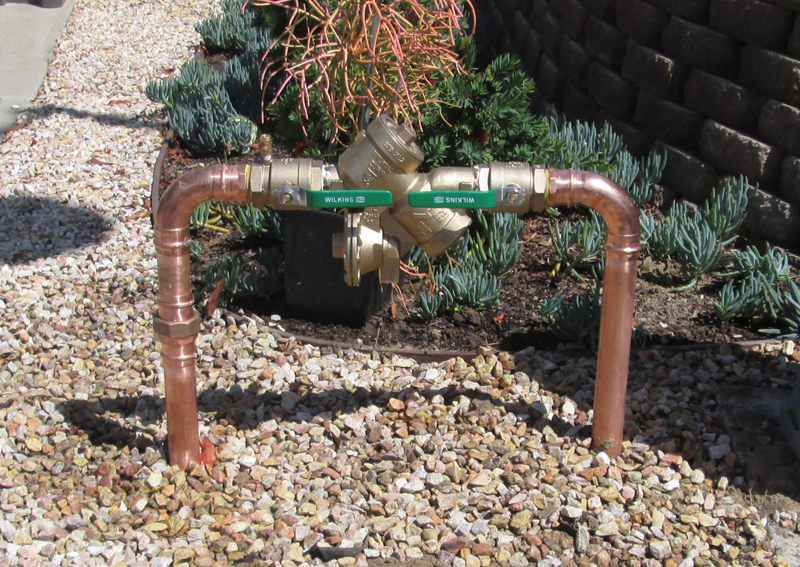
Backflow devices are your water’s bodyguard, blocking dirty water from sneaking backward into clean lines. They come in a few flavors, each suited for different situations and levels of risk. Basically, they use valves and pressure tricks to make sure water only moves the right way.
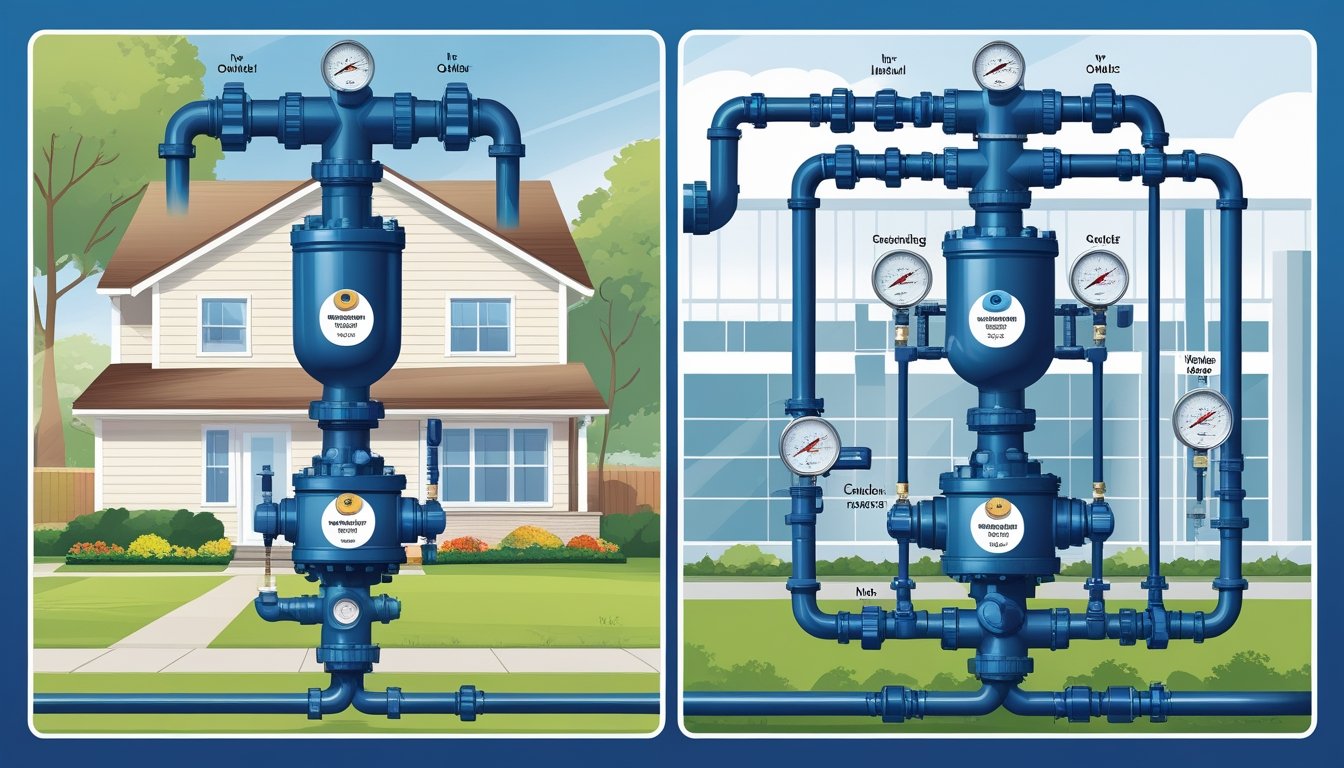
Types of Backflow Prevention Systems
You’ll run into a few main types of backflow prevention systems:
- Reduced Pressure Zone (RPZ) Devices: These are the heavy hitters. They’ve got multiple check valves and a relief valve—great for high-risk zones.
- Double-Check Valves: Two check valves, working together. Solid for general use where the risk isn’t sky high.
- Pressure Vacuum Breakers: These step in when vacuum conditions threaten to pull dirty water back into your pipes.
Which type fits your needs? That depends on your property and local rules. Pacific Backflow handles installation and service to keep you in the clear.
How Backflow Devices Operate
Backflow devices use mechanical valves—mostly check valves—that open for water flowing the right way and slam shut if water tries to back up.
When pressure drops suddenly, like if a pump cuts out, water can try to reverse course. The device senses this and blocks it instantly, keeping your clean water safe.
Some models toss in relief valves to vent excess pressure, dodging bigger damage. Testing makes sure these parts actually work. Pacific Backflow can handle testing and repairs, so you don’t have to worry.
Key Environmental Factors Influencing Backflow Devices
Your backflow device does best when things stay steady around it. Weather swings, too much moisture, or even sketchy water quality can all take a toll. Knowing what to look out for helps you keep your system in fighting shape.
Temperature Extremes
Cold snaps are brutal on backflow devices. Frozen water inside expands, and—yep—cracks the parts. Hot spells? They dry out seals and make plastic or rubber brittle, which can mean valve leaks or lousy pressure control.
If you’re somewhere with freezing winters or scorching summers, check your device more often. Pacific Backflow recommends annual testing, plus maybe some insulation or a protective cover if things get really wild.
Humidity and Moisture
Too much moisture? Now you’ve got rust and corrosion creeping in. Metal parts start to break down, seals swell or fall apart, and leaks pop up. If your device sits somewhere damp or gets hit with water sprays, these issues crop up faster.
High humidity can even bring mold or mildew, and that’s not just gross—it can mess with the inner workings. Try to keep the area dry and breezy. A cover or housing helps block rain and moisture from doing damage.
Water Quality Variations
The water itself can be the culprit. Hard water brings minerals that build up inside valves and seals, making them sluggish or stuck. Sediment or debris from dirty water can block parts and grind them down.
If your water’s full of minerals or looks off, schedule more frequent inspections. Regular cleaning keeps buildup at bay. Adding a filter before your device can help, too.
Impact of Weather Conditions
Weather’s unpredictable, and your backflow device feels every swing. Heat, cold, floods, or droughts—they all bring their own headaches.
Flooding and Heavy Rain
Floods and downpours can mess with your backflow preventer by shifting water pressure or even physically damaging it. If water rises high enough, it can flood the device, rusting parts or causing electrical issues if things aren’t sealed tight. Flood debris can block or break components, and suddenly your system’s not doing its job.
Heavy rain can also spike water flow, creating backflow risks by pushing dirty water into clean lines. Best bet: install your device above ground or in a waterproof box. And after a storm? Check it for damage or blockages before things get worse.
Drought and Prolonged Dry Periods
Dry spells can sneak up on your backflow device. When water use drops, pressure can shift and backflow risks go up. Low flow means minerals settle and build up inside, especially if you’ve got hard water.
During droughts, inspect your device for cracks, buildup, or wear. Pacific Backflow suggests staying on top of maintenance, since little problems can turn big when the water starts flowing again. Guarding your device against dry weather keeps your water supply safe and your system running.
Physical Environmental Hazards
Your backflow device faces a lot—shifting ground, dirt, debris, you name it. These physical hazards can wear it down or cause it to fail outright.
Soil and Ground Movement
Soil settling or shifting can put real stress on your backflow preventer. Uneven ground from rain, construction, or just natural movement can bend or crack pipes.
This can mean leaks, broken parts, or misaligned components that keep your device from working. If you’re in an area with earthquakes or heavy rain, this risk jumps.
Check for ground movement signs regularly. Getting a pro like Pacific Backflow to test things helps catch issues early. Secure installation with anchors helps too.
Debris and Contaminants
Dirt, leaves, or even trash can block or damage your backflow device. Buildup clogs valves and wears parts out faster than you’d expect. When stuff blocks the device, it can’t stop dirty water from flowing back.
Sand or chemicals can corrode or weaken seals, making contamination more likely.
Keep the area clear and clean your device regularly. Testing and maintenance catch buildup before it’s a problem. A protective cage helps keep out bigger debris and trash.
Best Practices for Protecting Backflow Devices
Protecting your backflow device isn’t rocket science, but it does take a little planning. Where you put it and how you care for it makes a world of difference.
Location and Installation Guidelines
Pick a spot that avoids deep freezes or blazing sun. If you’re somewhere cold, think about insulation or a cover.
Don’t put it where people or cars are likely to hit it. Indoors or in a secure, shaded spot is ideal. If it’s outside, a tough custom-fit cage can stop theft and tampering.
Make sure installation matches local codes and fits your system’s needs. Bad installs lead to early failures. Let a pro handle it to save headaches later.
Routine Inspection and Maintenance
Give your backflow device a once-over regularly, especially before and after winter. Look for cracks, rust, or mineral buildup that could block flow or weaken parts.
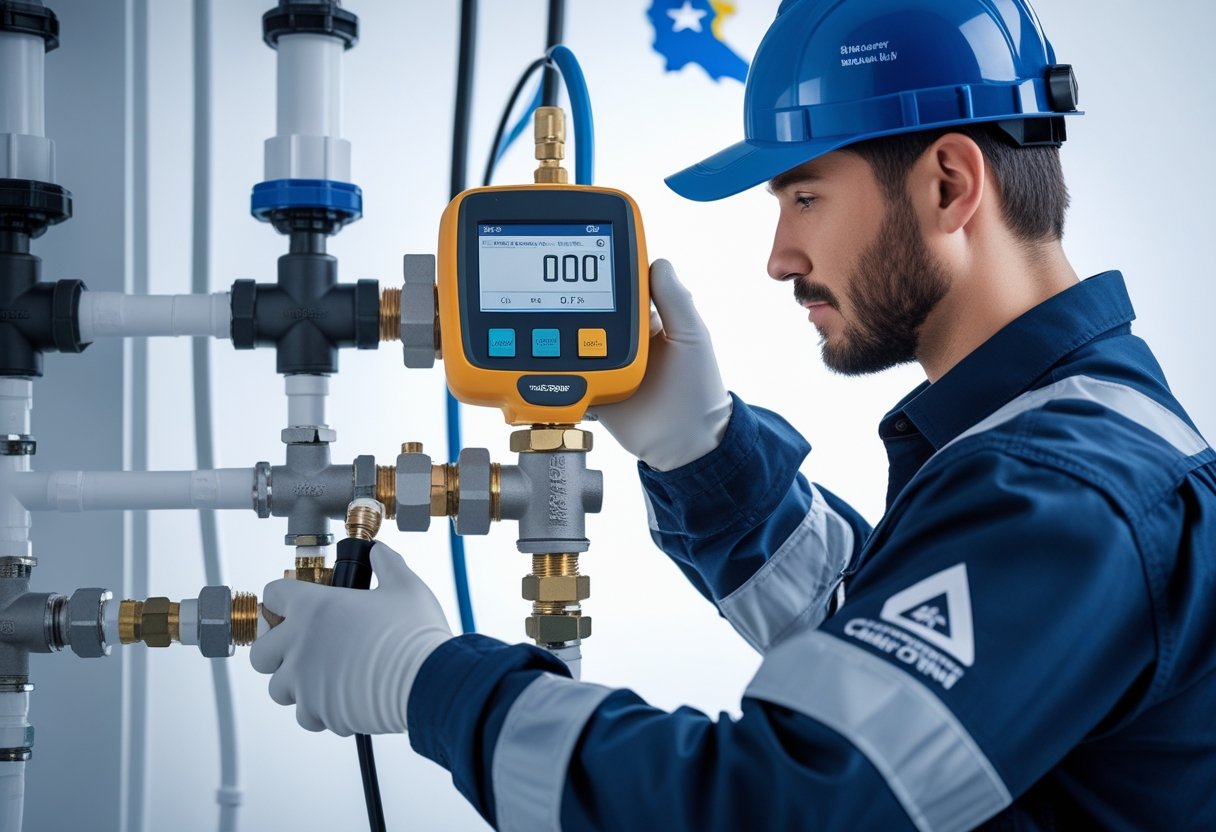
Annual testing isn’t just smart—it’s usually required. Pacific Backflow’s certified techs can handle this fast and send you the reports.
Swap out worn parts and clean things up as needed. Staying on top of maintenance keeps your water safe and avoids big repair bills. Keep notes on inspections and repairs so you don’t lose track.
Frequently Asked Questions
Weather, water quality, and general use all mess with how well your backflow device works. If you know what causes leaks or failures, you’re way ahead.
What causes a backflow preventer to start leaking?
Usually, seals just wear out. Dirt or debris can chew up parts and cause leaks. Sudden pressure changes or a sloppy install can do it, too.
How can extreme temperatures affect the functionality of backflow prevention devices?
Really hot or cold weather can trash your device. Freezing cracks pipes and parts, while heat dries out seals so they fail faster.
What maintenance steps are recommended for keeping a residential backflow preventer in good working condition?
Get your backflow preventer tested annually by a certified tech—Pacific Backflow does this. Clear away debris, shield it from weather and pests, and fix problems quickly.
What are common signs that indicate a failure in a backflow prevention device?
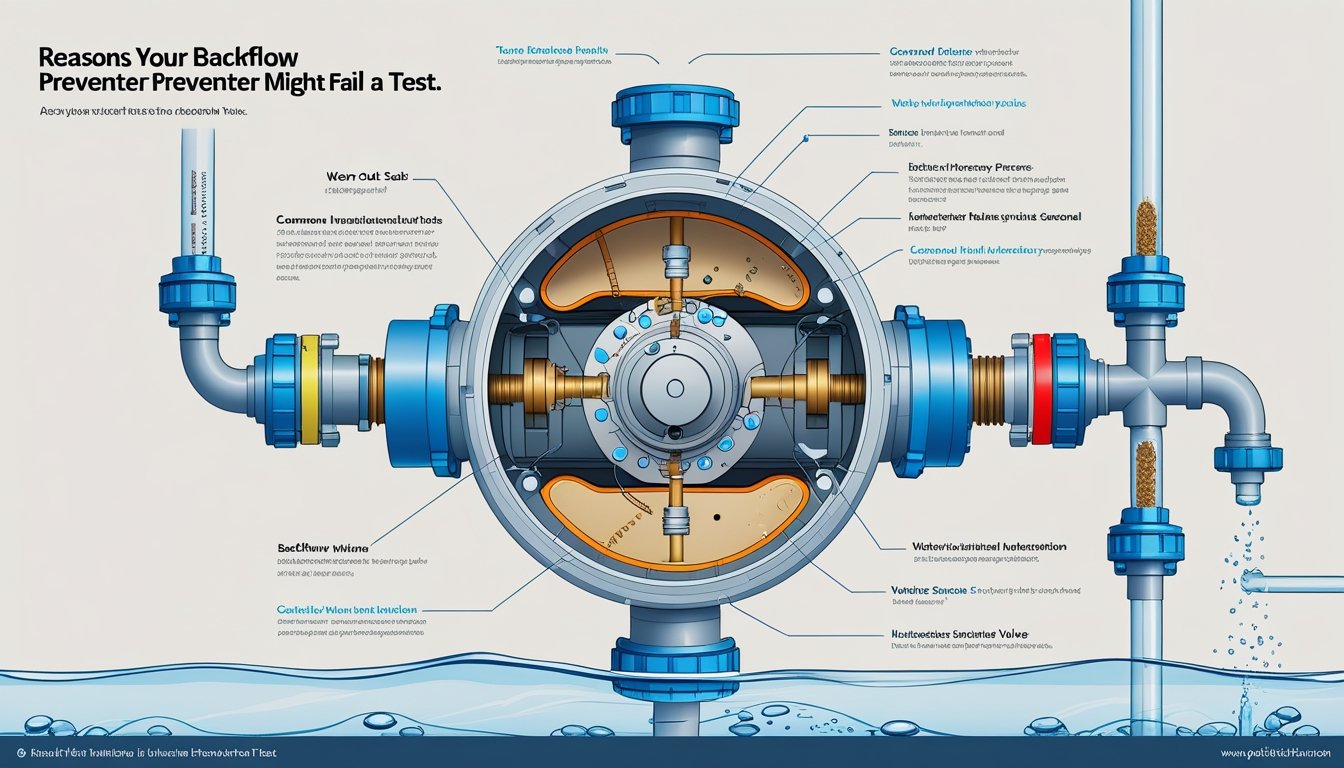
You might see water leaking from vents or joints, notice low water pressure, or hear odd noises. Sometimes, if your water tastes or smells weird, that’s a red flag too.
How can sediment or debris in water cause problems with backflow preventers?
Sediment and debris get stuck in valves and seals, wearing them out or making them stick. If your device can’t close right, dirty water can sneak back into your clean lines.
What are the most effective ways to troubleshoot a malfunctioning backflow prevention device?
First off, take a look for any obvious leaks or blockages—sometimes the issue is right there in plain sight. Give the water pressure a quick test; if it’s off, that’s a clue something’s wrong. If you spot worn parts or serious damage, it’s probably time to call in a pro. Pacific Backflow handles testing and repairs all over San Diego County, so you don’t have to stress about keeping your system safe.