

Finding reliable backflow testing near you can seem tricky, but honestly, it doesn’t have to be. The best way to find trustworthy backflow testing is to pick a certified company with experienced technicians who’ll handle testing, repairs, and all that reporting for you. That way, your water system stays safe and meets local rules—without extra headaches.
When you’re searching for service, look for providers offering fast scheduling and clear communication. Companies like Pacific Backflow in San Diego County make things simple by managing paperwork and keeping you compliant with the water authorities. You want a team that actually cares about protecting your water supply and can jump in for emergencies if something goes sideways.
Go with a backflow testing service that’s got a strong reputation and plenty of experience. With certified pros on your side, your backflow preventer will work right, keeping your home or business safe from water contamination.
Understanding Backflow Testing
Backflow testing is key to keeping your water clean and safe. It checks devices that stop dirty water from sneaking back into your clean water supply. If you know what these tests do and why they matter, you’ll be way ahead in protecting your home or business.
What Is Backflow Testing
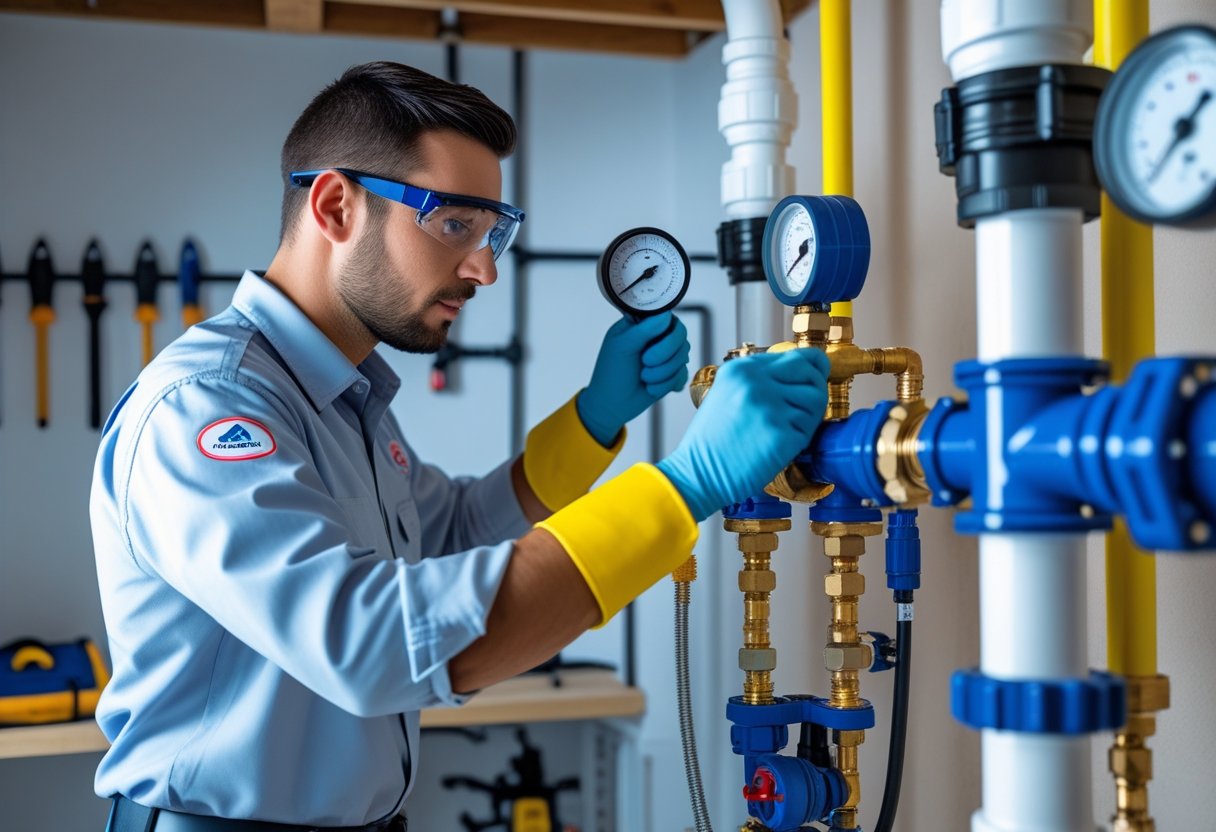
Backflow testing checks if backflow preventers are working properly. Technicians use special tools to measure how well the device stops water from flowing the wrong way.
Most local water authorities want this done every year. Certified testers do the job and send results to the water department to show your system is good and compliant.
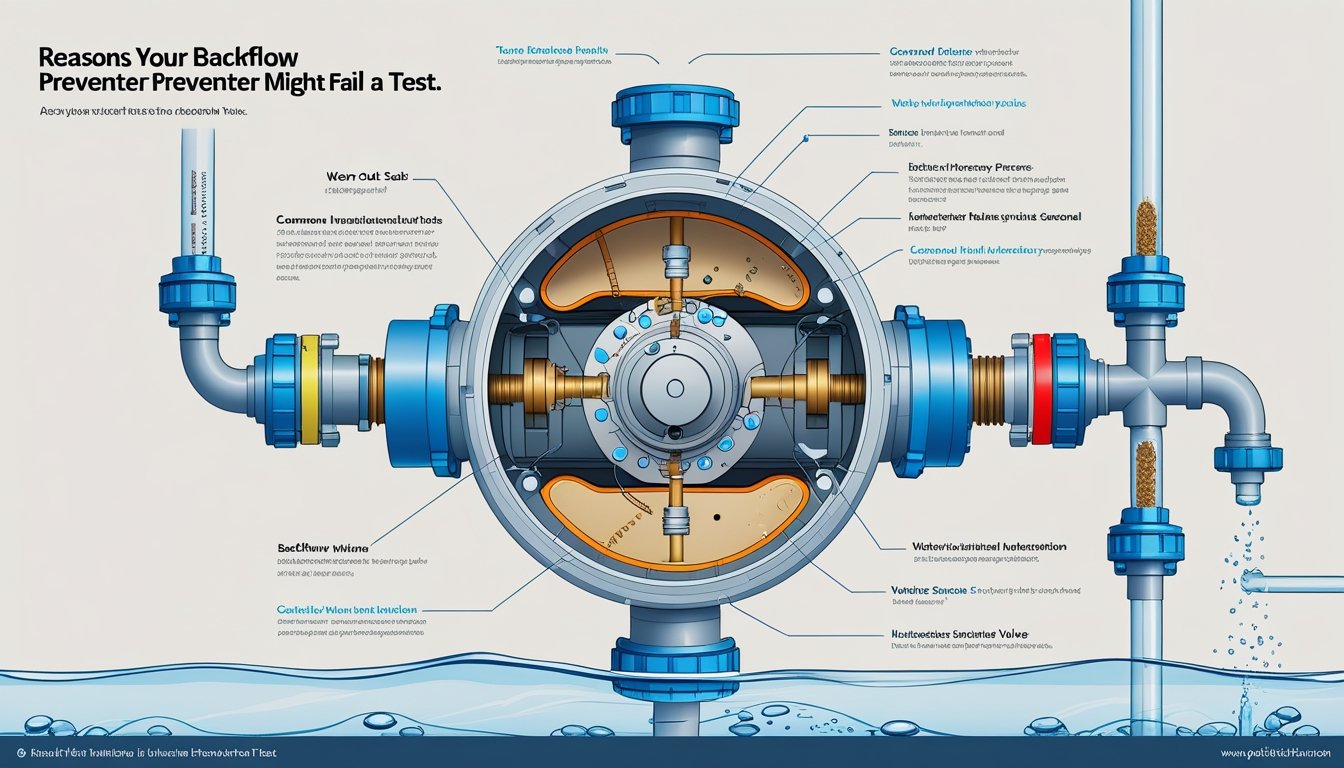
Regular testing catches problems early, so dirty water doesn’t end up in your pipes. If the backflow preventer fails, you’ll need repairs or maybe a replacement to keep your water safe.
Why Backflow Testing Matters
Your drinking water can get polluted if backflow happens. That means stuff like dirt, chemicals, or bacteria could get into your clean water. Backflow testing helps prevent this by ensuring the devices that stop this from happening are working well.
Without testing, leaks or failures might slip by unnoticed. That puts your family, neighbors, and community at risk. Water contamination can cause illness and expensive damage.
Keeping your backflow device tested and maintained isn’t just smart—it’s often required, and it helps you avoid fines or water shutoffs. Plus, you’re doing your part to support local laws that keep water safe for everyone.
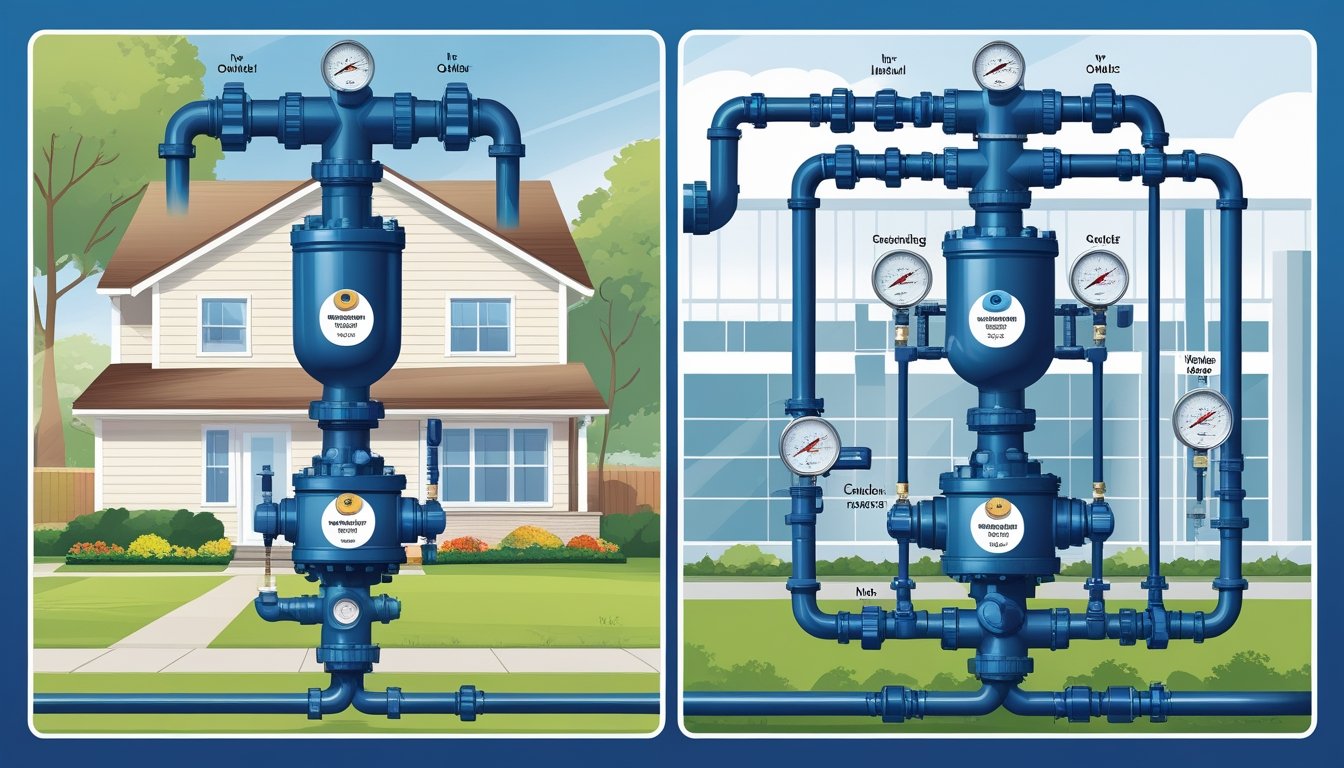
Types of Backflow Preventers
There are a few common types of backflow devices, each meant for different risks and setups:
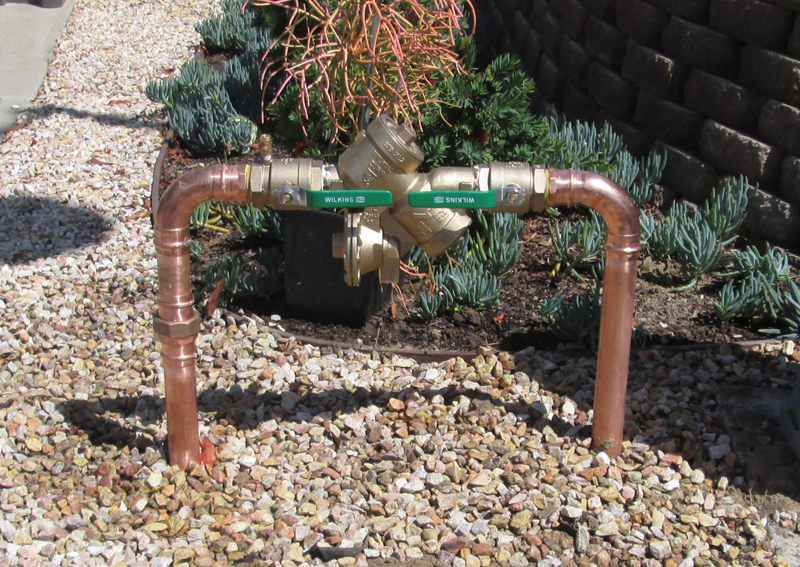
- Reduced Pressure Zone (RPZ): For high-risk areas, uses pressure to stop polluted water from flowing back.
- Double Check Valve (DCV): Two valves close to prevent backflow, good for lower-risk systems.
- Pressure Vacuum Breaker (PVB): Stops back-siphonage, often used for irrigation.
- Atmospheric Vacuum Breaker (AVB): Simple device, lets air in to break the backflow.
Knowing which preventer you have helps you understand what kind of testing and maintenance it needs. Reliable companies like Pacific Backflow in San Diego County can help you figure it out, test it, and keep your water safe.
How to Search for Reliable Backflow Testing Near You
When you’re looking for a backflow testing service, find someone who’s certified, responsive, and knows local rules. Checking for licensed testers and reading what others say about them will help you dodge headaches. There are some easy ways to find trusted experts nearby.
Online Directories and Local Listings
Start with online directories like Google Maps or local business listings. These sites show backflow testers near you and usually have reviews. Look for companies with solid feedback and verified credentials.
Make sure the tester is certified and up on your area’s rules. Many directories let you filter by distance, price, and service type.
Check if the company offers things like annual testing, repairs, and reporting to your water authority. Some, like Pacific Backflow, handle reports for you after the test.
Online sources let you compare options fast and pick someone close by.
Leveraging Referrals and Recommendations
Ask your neighbors, friends, or local water department for recommendations. Folks who’ve had backflow testing can tell you who they trust.
Personal referrals often lead to reliable, experienced testers. They’ll give you the scoop on service quality, punctuality, and costs.
You might even get a heads-up about what to expect during testing or repairs. When a company comes recommended, you can feel more confident they follow safety rules and treat customers right.
Mixing referrals with online research is a smart way to find top-rated backflow testers near you.
Evaluating Backflow Testing Providers
When you’re looking for backflow testing near you, focus on finding a provider who’s certified, knows your local rules, and is trusted by customers. These things help keep your water safe and your system compliant.
Checking Licenses and Certifications
Always check that a backflow tester has the right licenses and certifications. Certified techs have passed tests showing they know how to check and maintain backflow prevention devices.
Look for proof they meet your area’s requirements. Licensed companies need to follow local rules and submit test results properly. Pacific Backflow, for example, uses certified technicians who handle these tasks professionally, so you’re less likely to run into fines or failed inspections.
Make sure their certification is current. Expired or missing licenses could mean poor service or invalid test results. Don’t be shy—ask for copies before you hire.
Reviewing Past Customer Experiences
Checking reviews or asking for references is a great way to find a reliable backflow tester. You want to hear from people with similar properties and needs. Good feedback means the provider delivers on things like timely service and thorough testing.
Look for comments about:
- How quickly the test was done
- How responsive they were to questions or issues
- Whether the technician seemed professional and knew their stuff
- How easy it was to stay compliant with local water authority rules
Pacific Backflow has a solid reputation for customer care and fast testing in San Diego County. Verified reviews can help you feel confident your service will go smoothly.
Assessing Local Expertise
Backflow testing rules and codes change from place to place. Pick a service that knows your local regulations. Local experts understand what officials expect in test reports and how to handle permits or paperwork.
Providers who work in your area will probably get testing done faster and avoid mistakes that cause delays. They also know about local water system quirks, like access or climate issues.
When a company serves your region regularly, you can count on quick, professional service that keeps your water safe and meets all the legal stuff.
Questions to Ask Before Hiring
When you’re choosing a backflow testing service, you want to know the company is reliable and upfront about what they do. Asking the right questions helps you avoid surprises and keep your water supply protected. Focus on their guarantees, how they test your system, and price details before you decide.
Understanding Service Guarantees
Ask if the company offers any guarantees on their backflow testing and repairs. A reliable service stands behind their work and will fix issues found during the test without extra charges.
Check how long their guarantee lasts and what it covers. Will they re-test for free if needed? Do they guarantee repairs or replacement parts? These guarantees show they’re confident in their work and protect you from extra costs after testing.
Also, see if they handle emergency repairs quickly. Sometimes you need a fast fix to protect your water and avoid fines. Knowing this upfront helps you trust they’ll be there when you need them.
Inquiring About Testing Methods
Ask how the company does backflow testing. Certified technicians should follow local rules and use the right tools to check your backflow preventer.
Find out if they test your device fully or just look for certain problems. A thorough inspection is safer and might catch issues before they get worse. Some companies also give you detailed reports explaining what they found and what’s next.
Knowing their methods helps you feel confident your water supply is actually safe. Also, confirm they’ll submit all paperwork to your local water authority so you stay compliant without extra hassle.
Requesting Written Estimates
Always ask for a written estimate before any work starts. This estimate should clearly list testing fees, any possible repair costs, and charges for replacement parts if needed.
A clear, written cost makes it easier to compare services and avoid surprises. Some companies charge a flat rate for testing, others might add more if repairs are needed, so get this sorted upfront.
Ask if filing reports with the city or water district is included in the price. Some services do this for free, saving you time and hassle. A detailed estimate helps you plan your budget and get the best value.
Comparing Quotes and Services
When you’re looking for backflow testing, it’s important to know what’s included and how much it’ll cost. This helps you avoid surprises and pick a company that actually fits your needs.
What’s Included in Backflow Testing Services
Backflow testing usually means inspecting your backflow preventer to make sure it’s working. Certified technicians run the test with specialized tools.
You should expect the service to cover:
- A full safety check of your device
- Testing that meets local rules
- Prompt reporting of results to your water authority
- A clear explanation if repairs or replacements are needed
Some companies also offer repairs or installation if your device fails. Ask if these extras are included or separate so you know what you’re getting.
Comparing Pricing and Contracts
Backflow testing costs can really vary, usually between $50 and $300. Prices depend on your location, the type of device, and local rules.
When you compare quotes, check if the price covers:
- Testing fees
- Reporting to your water agency
- Charges for retesting if repairs are needed
Watch for hidden fees. Some companies charge extra for travel, emergencies, or after-hours service.
Look for simple, clear contracts without long commitments. Companies like Pacific Backflow offer transparent pricing and fast service with no surprises. Getting detailed quotes from a few places helps you find the right mix of cost and quality.
Ensuring Continued Compliance
To keep your backflow device working and stay on the right side of local rules, you need to stay on top of maintenance and paperwork. Regular checks and solid records help you avoid costly issues and keep your water safe.
Scheduling Regular Maintenance
You should schedule backflow testing every year. Local laws often require it, and it helps catch problems early. Waiting too long can lead to system failure or even water contamination.
Pick a service that makes scheduling easy. Certified techs will inspect and test your device to make sure everything works. If you need repairs, get them done quickly to stay compliant.
Mark your calendar as soon as you get your test notice. Setting reminders helps you avoid missing deadlines. Staying ahead with maintenance means fewer emergencies and safer water.
Keeping Documentation Up to Date
After each test, hang on to all reports and repair records. Your local water authority usually wants proof your backflow device has been tested and is working. Missing paperwork can mean fines or water shutoff.
Find a system that works for you—maybe a folder for physical copies and digital scans on your computer. Some services, like Pacific Backflow, file reports for you and keep your records safe, which makes compliance easier.
Update your files right after tests and repairs. That way, you’re ready if you need to show proof during inspections. Staying organized shows you care about water safety and helps you avoid penalties.
Common Pitfalls to Avoid
Finding reliable backflow testing means being careful about who you hire. Some mistakes can cost you time, money, and even legal trouble. Knowing what to watch for helps you protect your water supply and stay in compliance.
Overlooking Qualifications
You want a tester who’s certified and licensed to work in your area. Without the right certification, your local water authority might not accept the results. That can mean fines or a bunch of extra hassle.
So, before you schedule anything, ask about the technician’s credentials. Someone qualified knows the local codes and brings the right tools for the job. For instance, Pacific Backflow’s certified techs stick to strict guidelines—they get the testing done right and handle the paperwork for you.
Don’t just assume any plumber can do backflow testing. It really takes specific training and know-how to keep your water supply safe.
Prioritizing Price Over Quality
Sure, it’s tempting to go with the lowest price, but that often means corners get cut. The tester might rush, overlook issues, or skip filing your reports. That’s just asking for trouble later—think health risks, violations, even more expenses.
Try to find a balance between cost and trustworthiness. Companies with a long track record, like Pacific Backflow, usually deliver better service that can actually save you money over time. Their careful inspections catch problems early, so you’re not stuck with surprise repairs or repeat tests.
Honestly, paying a bit more for quality testing is worth it. It keeps your home and your community’s water safer—and saves you headaches down the road.
Frequently Asked Questions
Finding the right backflow testing service means you’ll want to know what qualifications testers need, where to find them, and how often your device needs checking. It’s also good to get a sense of typical costs, why testing actually matters, and if you need a specialist plumber.
What are the qualifications for a certified backflow tester?
Certified backflow testers go through training approved by local water authorities. They learn how to inspect, test, and repair backflow prevention devices safely and correctly.
Look for testers licensed by your local agency. That way, you know they meet all the rules.
Where can I find a list of certified backflow testers in my area?
Check your local water district’s website or ask your city’s public works department. They usually keep updated lists of qualified pros.
Pacific Backflow, for example, covers all of San Diego County with reliable, certified testing.
How often should backflow prevention devices be tested?
Most places require annual testing for backflow devices. Regular checks keep your system up to code and your water safe.
If your system’s had issues or your water district says so, you might need to test more often.
What is the average cost for backflow testing services?
Backflow testing usually runs between $75 and $150, depending on your setup and where you live. The size and complexity of your device can bump the price up a bit.
It’s smart to ask for a detailed quote before you book anything.
Why is it important to have my backflow prevention device tested regularly?
Regular testing makes sure your device actually works to keep nasty stuff out of your clean water. It protects your health and keeps your place safe.
Skip the tests, and you risk expensive repairs—or worse, water contamination.
Are there specific plumbers who specialize in backflow testing and certification?
Yeah, you’ll find plumbers out there who really zero in on backflow testing, repair, and certification. They know the local codes inside out, so you’re likely to get quicker, more dependable help from them.
Pacific Backflow has a team of certified techs who handle backflow prevention and keep your system in good shape.