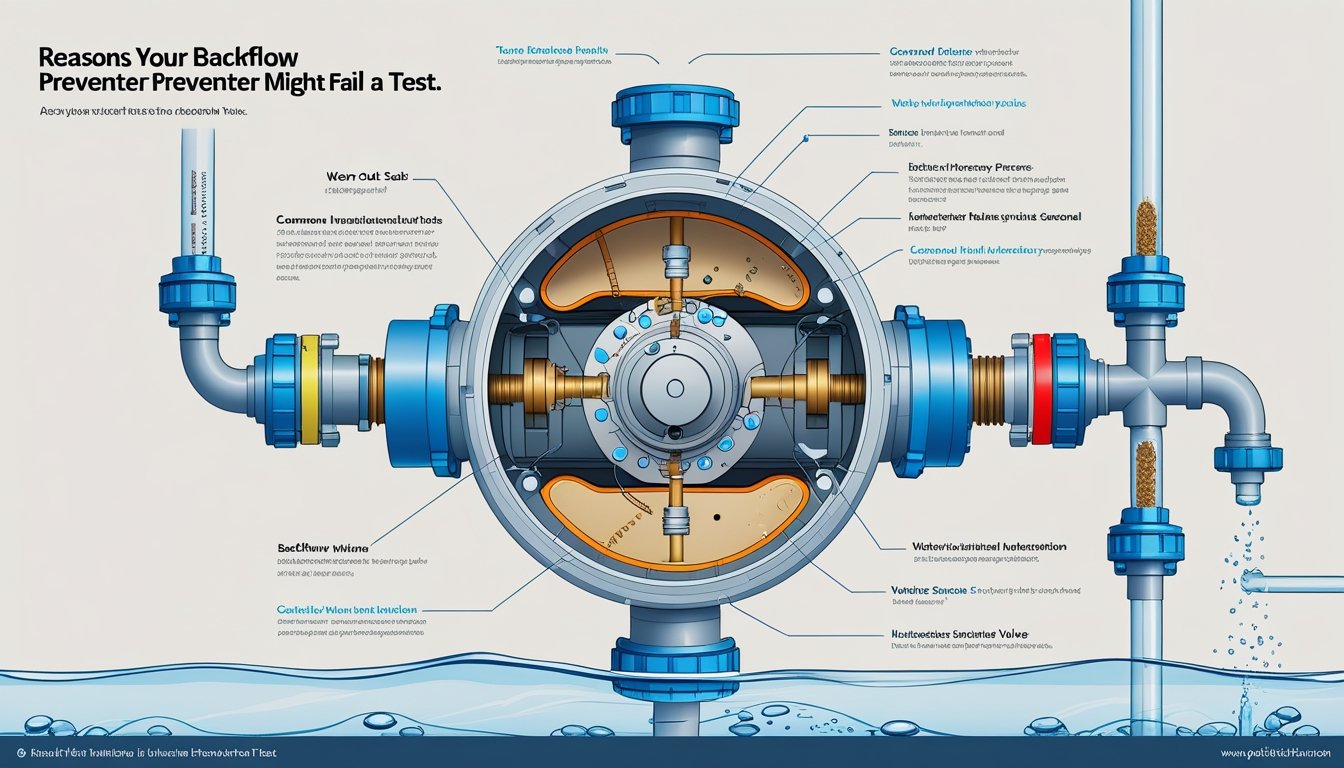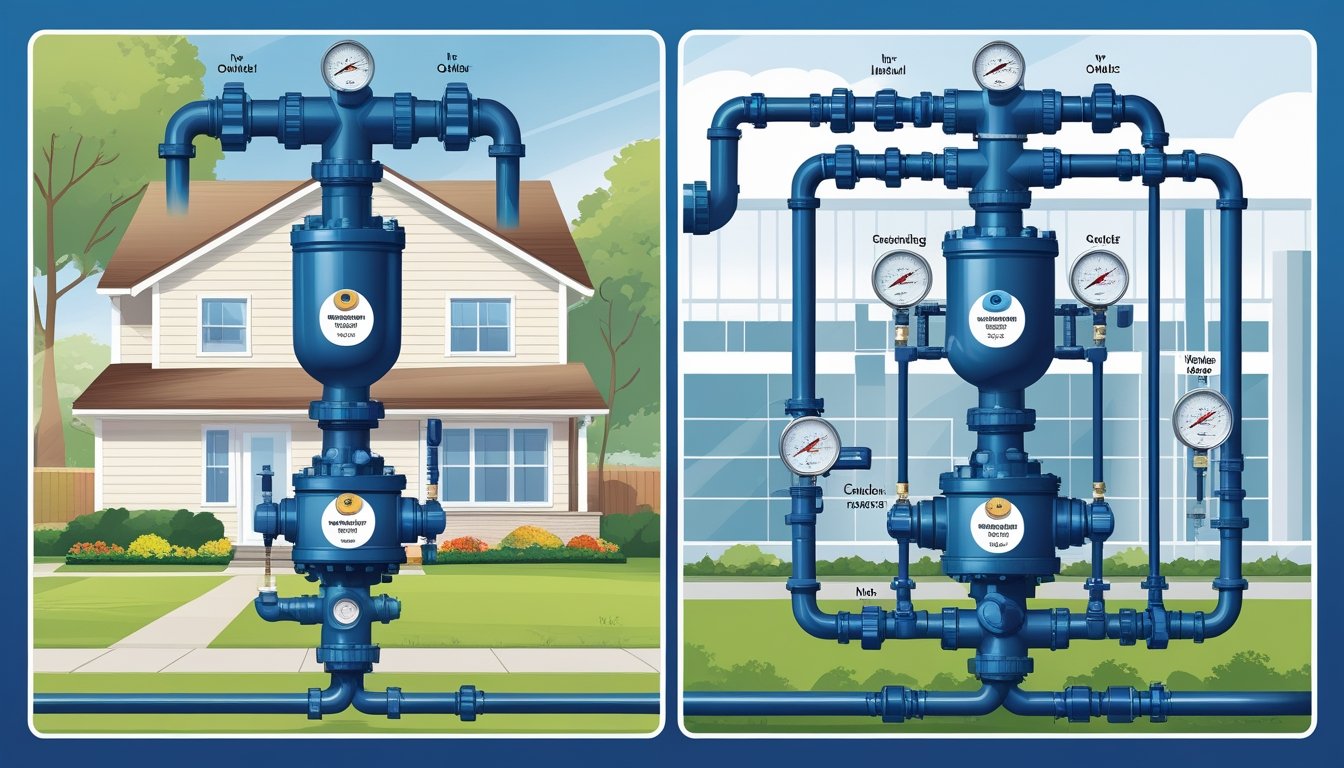


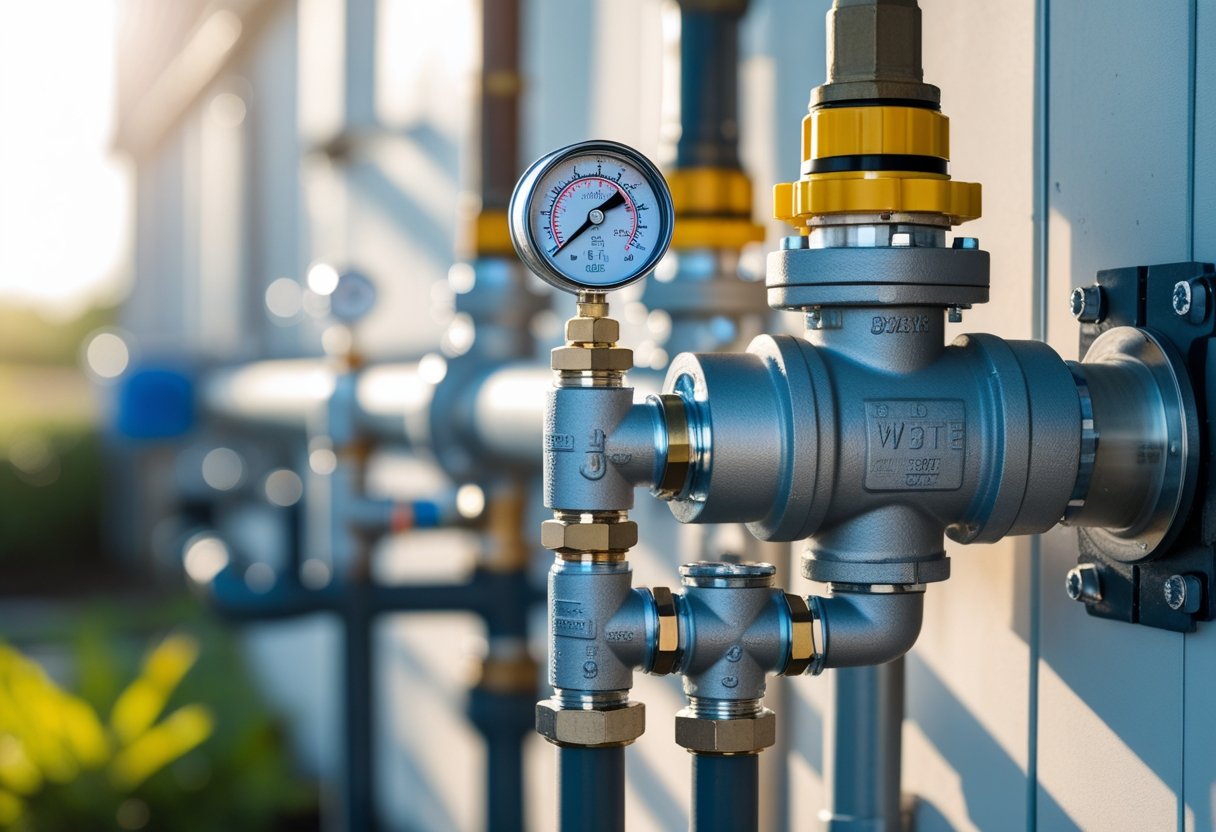
Leaks in backflow preventers can lead to water contamination and those annoying spikes in your water bill. Honestly, the easiest way to catch leaks early is to check your device regularly for drips, weird pressure changes, or odd noises. If you keep an eye out for these, you’ll dodge bigger headaches and expensive repairs down the line.
Spotting trouble isn’t always obvious, though. Just checking for water around the unit or noticing if your water pressure seems off can tip you off early. At Pacific Backflow, we’ve seen plenty of homeowners and businesses in San Diego County catch leaks just in time with a quick look or a call for help.
You’ll find out what common leaks look like, how to spot them, and when it’s time to get a pro involved.
Understanding Backflow Preventers
Backflow preventers keep dirty water from sneaking back into your clean supply. They do their job quietly, but honestly, they’re a big deal for your water safety. If you know what these devices are and the common types, you’ll have a better shot at catching leaks before they get out of hand.
What Is a Backflow Preventer?
A backflow preventer sits on your water pipes and stops contaminated water from flowing backward into your water system. This backward flow can happen if water pressure drops or changes—maybe from a leak or a mainline break.
Picture it like a one-way gate. Water heads out to your taps, but can’t sneak back in. Without this, stuff from your sprinklers, pool, or who-knows-where could end up in your drinking water.
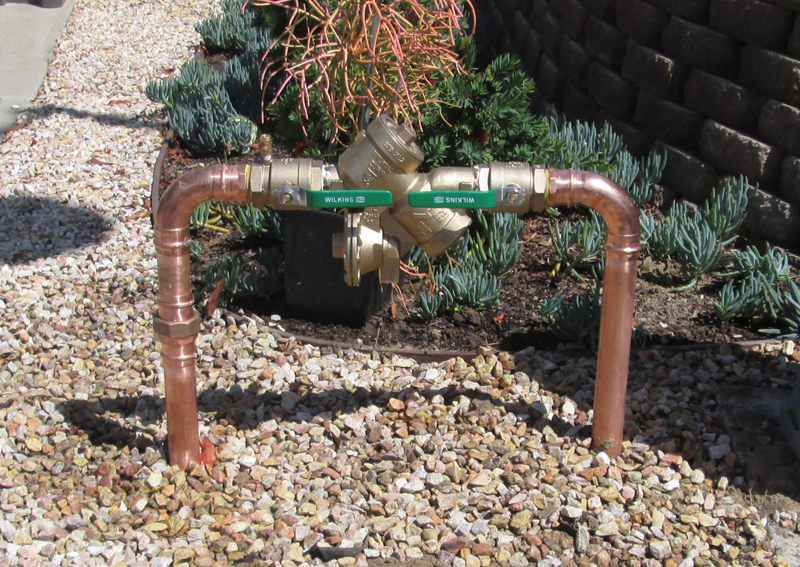
You’ll spot backflow preventers near your water meter or at the irrigation connection. Maintenance is a must—worn parts or gunk can make them leak or fail.
Why Backflow Prevention Matters
Backflow prevention is all about keeping your drinking water clean. If contaminated water gets in, you’re looking at health risks—illness, infections, you name it. This especially matters if you’ve got irrigation systems, boilers, or fire sprinklers, since those can mix with pollutants.
Local rules usually require a backflow preventer, and they want you to test it regularly. Miss a leak or a failure, and you’re risking your water—and everyone else’s. Fixing leaks early saves you from plumbing nightmares and big bills.
Honestly, it’s not just about your home—it’s your whole neighborhood’s health. Pacific Backflow in San Diego County has your back with quick testing, repairs, and replacements.
Common Types of Backflow Preventers
You’ll run into a few main types of backflow preventers, each for different needs:
- Reduced Pressure Zone (RPZ) Valve: The heavy-duty option. If there’s a high risk of contamination—think commercial irrigation or industry—this is what you’ll see.
- Double Check Valve Assembly: Has two check valves. It’s more for lower-risk stuff, like your yard’s irrigation.
- Pressure Vacuum Breaker (PVB): Pretty common for outdoor sprinklers and lawns. It’s got an air inlet valve to stop siphoning.
- Atmospheric Vacuum Breaker: Simpler, less pricey, but you can’t test or repair it easily.
Knowing what’s installed helps you spot leaks sooner. Some types need more testing, and a few are just more prone to certain kinds of leaks.
Pacific Backflow can figure out what you’ve got and keep it in top shape.
Signs of Early Backflow Preventer Leaks
You can get ahead of backflow preventer leaks by paying attention to a few obvious signs. Watch for wet spots, pressure changes, and any rust or corrosion. These little hints can help you jump on a problem before it gets worse and keep your water safe.
Unusual Wet Spots or Puddles
See a puddle or wet patch near your backflow preventer? That’s a pretty solid clue you’ve got a leak. These usually show up near the valve or pipes. The water might be clear or a bit off-color, depending on your supply.
Even a tiny leak can damage nearby surfaces and invite mold. Don’t brush it off.
Check around your device every so often, especially after heavy rain or when you’ve used a lot of water. If you spot wet spots, it’s time to book an inspection.
Reduced Water Pressure
If your backflow preventer leaks, your water pressure might drop. Maybe your taps or sprinklers feel weak or sluggish—the leak could be letting water escape before it gets where it should.
This pressure drop can sneak up on you, so pay attention to any changes when you use water. Low pressure can mess with how your fixtures and appliances work.
If you think a leak’s behind the pressure drop, get a professional test. Pacific Backflow can figure out what’s up and offer repair options.
Visible Corrosion or Rust
Corrosion or rust on your backflow preventer is a red flag. Moisture leaking out through cracks or bad seals causes this.
Look for weird brown, orange, or green spots on the metal. Corrosion makes the device weaker and more likely to leak.
If you spot rust, get it checked soon. Catching corrosion early can spare you bigger leaks and repairs.
Pacific Backflow can inspect for corrosion and help keep your water system healthy.
Step-By-Step Leak Detection Methods
Finding backflow leaks is mostly about paying attention. Some signs are obvious; others take a closer look. Visually checking, looking for drips, and listening for odd sounds—these are the basics.
Visual Inspection Tips
Take a good look at your backflow preventer. Check the connections and valves for wet spots or stains. Watch for cracks, rust, or corrosion. Loose or damaged parts? Not good.
Wipe away dirt or debris that could hide leaks. Stuff stuck in the valves can cause leaks and lousy performance. If you see buildup or a cracked O-ring, it’s time for a fix.
A flashlight helps with those hard-to-see spots. Regular checks help you catch leaks before they get expensive.
How to Check for Dripping Water
Turn off any noisy sprinklers or machines so you can listen closely. Check under and around the backflow preventer for drips. Sometimes, water dribbles from test cocks, relief valves, or pipe joints.
Put a dry paper towel or cloth under any suspicious area and see if it gets wet. You can even set a small container to catch drips and confirm where it’s coming from.
If you find a drip, mark the spot so you can see if it gets worse. Drips waste water and usually mean something needs tightening or replacing.
Listening for Unusual Sounds
Stand near the device and listen for running or dripping water. A steady drip or a faint hiss could mean a leak under pressure.
Sounds from valves or joints often mean seals are shot. Sometimes you’ll hear water splashing inside the device.
If you catch any weird, constant noises, it’s probably time to call a pro before things get worse.
If you’re in San Diego County, Pacific Backflow can check things out and fix leaks fast.
Testing Backflow Preventer Functionality
You can test your backflow preventer with a few simple tricks. These checks help you spot leaks and issues before they put your water at risk. Some you can do yourself; some need special gear or a pro.
Performing a Dye Test
A dye test is pretty straightforward. Drop some food coloring or special dye into the system. Watch to see if color shows up where it shouldn’t or crosses into the wrong side of the device.
If you see dye where it doesn’t belong, you’ve got a leak or backflow issue. This test is quick and cheap, but it won’t catch every problem. Still, it’s handy for spotting visible leaks or cross-contamination.
Using Pressure Gauges
Pressure gauges let you check if your backflow preventer is holding the right pressure. Attach them to the test ports and see if the pressure stays steady.
If the pressure drops or jumps, you might have a leak or a valve that’s not doing its job. Keeping pressure stable is key to avoiding backflow headaches. You can buy a simple kit, but you’ll need to read the gauge carefully.
When to Use Professional Equipment
Some tests just need pro tools and know-how. Certified techs use special equipment to test backflow preventers inside and out. They’ll check valve function, inspect parts, and make sure your device meets local codes.
If your DIY test shows a leak or weird pressure, reach out to a trusted backflow company. Pacific Backflow’s team has the right tools and experience to test, repair, or swap out your device and keep your water safe.
Routine Maintenance to Prevent Leaks
Keeping your backflow preventer working isn’t rocket science, but it does take some routine care. Check it often, clean it to keep gunk out, and swap out parts when they wear down. These habits help you catch leaks early and protect your water.
Scheduled Inspections
Set up a regular inspection schedule—once a year is a good start. Look for leaks, cracks, or weird water flow. Listen for strange sounds or pressure changes.
A quick checklist helps:
- Check for leaks or water stains
- Listen for drips or running water
- Test water pressure nearby
Routine checks catch small stuff before it gets ugly. Not sure what you’re doing? Pacific Backflow can handle inspections and testing in San Diego County.
Cleaning and Flushing Procedures
Dirt and minerals can clog things up and cause leaks. Clean your backflow preventer every 6–12 months. Flushing helps, especially if you’ve got hard water.
Here’s a basic rundown:
- Shut off the water before cleaning.
- Open the device and gently clear out debris or sediment.
- Flush with clean water to push out buildup.
- Put it back together and check for leaks.
Cleaning keeps parts from wearing out too soon and saves you money on repairs.
Replacing Worn or Damaged Parts
Valves, seals, springs—they all wear out. If you spot drips, weak pressure, or fail an inspection, you might need to swap something out. Don’t put it off—waiting can make leaks worse or mess up your water.
Common parts to watch:
PartSigns of WearAction Needed Valve sealsDripping or sprayingReplace seals soonCheck valvesBackflow or weak pressureRepair or replaceSpringsValve won’t close rightReplace springs
If you’re stuck, Pacific Backflow can fix things up with quality parts and keep your system up to code.
What to Do If You Suspect a Leak
Spotting dripping water or a sudden drop in pressure? Don’t wait around—taking action early can save you a headache later. Try to protect your plumbing and reach out for professional help. You might be able to keep things stable for a bit, but a plumber’s visit is usually inevitable.
Safety Precautions
First things first: shut off the main water supply. This step can stop more water from escaping and helps prevent a bigger mess. If water’s leaking near anything electrical, steer clear—safety comes first.
Grab some gloves, keep the area as dry as possible, and clear out anything you might trip over. If the leak’s outside, watch for muddy patches. Not sure what you’re doing? Don’t risk making it worse by poking around inside the device.
Temporary Fixes
Try tightening loose connections or wrapping plumber’s tape around any obvious leaky joints. Sometimes, just cleaning off debris around the valve can help if a blockage is causing trouble. Buckets or towels come in handy to catch drips and protect your floors—or your garden, if you’re outside.
Just remember, these tricks only buy you a little time. Skip the strong adhesives or sealants; those can mess up the device or even break local codes.
Contacting a Licensed Plumber
Call a licensed plumber who knows their way around backflow preventers. They’ve got the right tools and follow local water safety rules. Pacific Backflow, for example, covers all of San Diego County with certified pros.
When you call, give a quick rundown of what’s happening and anything you’ve tried so far. The more details, the better—they’ll be ready to tackle the issue right away. Don’t put it off, since a leaking backflow preventer isn’t just annoying; it can actually put your water and home at risk.
Long-Term Solutions and Upgrades
Patching leaks is good, but thinking ahead with better materials and features can save you a lot of hassle down the line. Upgrading your backflow preventer adds durability and often just works better, honestly.
Choosing Durable Materials
Materials really matter here. Look for backflow preventers made of brass, stainless steel, or high-quality plastic. These options fight off corrosion and handle pressure like champs.
Corrosion is a leak’s best friend, so a rust-proof body protects the inside parts. For seals and O-rings, rubber that resists wear and minerals is your best bet. It’s less likely to crack or let water sneak through.
Got hard water? That means more minerals, so you’ll want materials that stand up to buildup. Regular flushing helps too, keeping things from getting gummed up.
All this adds up to a longer-lasting backflow preventer and fewer leaks. It’s really about protecting your investment—nobody wants to pay for repairs over and over.
Modern Backflow Preventer Features
The latest backflow preventers have some pretty handy upgrades. Some models let you swap out parts easily, so repairs don’t take all day (or cost a fortune).
Check for built-in test ports—these let you check the system without tearing it apart, which is just smart. You’ll spot leaks or pressure problems before they snowball.
Some advanced units have enhanced seals and pressure relief valves. These features help the device handle pressure changes, taking stress off the system and lowering the chance of leaks.
Upgrading is an investment, sure, but it can save time and money in the long run. Pacific Backflow, for example, offers upgrades that keep your system up to San Diego’s water standards—no worries about compliance.
The Impact of Untreated Leaks
Letting leaks slide in your backflow preventer? That’s a gamble. These leaks can mess up your property and put your water at risk. It’s worth knowing what’s at stake so you can step in before things get ugly.
Potential Water Damage
A leaking backflow preventer lets water escape where it shouldn’t, creating damp spots near pipes or your foundation. Over time, this hidden moisture can eat away at walls and floors.
Damp areas are a playground for mold, which isn’t just gross—it can be a pain to get rid of and bad for your health.
If leaks cause pipes or connections to fail, you could be looking at big repair bills. Catching and fixing leaks early is just common sense.
Implications for Water Quality
Backflow preventers are supposed to keep dirty water out of your clean supply. If there’s a leak, that line of defense weakens. Suddenly, stuff like dirt, bacteria, or chemicals could end up in your drinking water.
This risk goes up if your preventer’s old, worn, or hasn’t seen maintenance in a while. Contaminated water isn’t just unpleasant—it can make you sick or force you to stop using your tap.
Regular testing and repairs keep things in check. Pacific Backflow offers quick testing and repairs, so you don’t have to worry about what’s in your glass.
Frequently Asked Questions
Leaks in a backflow preventer don’t always look the same. If you know what to watch for, you can catch issues before they turn into wallet-draining disasters. Here are some of the questions people usually ask about leaks and what to look for.
How can you spot a leak in your backflow preventer valve?
Water pooling around the valve or dripping from joints are big clues. Sometimes it’s just a damp patch or soggy ground nearby. Give the valve a regular once-over for weird moisture or any signs of corrosion.
What are the signs of a faulty backflow preventer?
Look for visible leaks, odd noises, or sudden changes in water pressure. If your water quality drops or you fail an annual test, it’s time for a closer look or a repair.
Why is my backflow preventer dripping, and what should I do?
Dripping usually means worn-out parts inside or pressure shifts. If you spot a drip, don’t ignore it—book an inspection soon. A quick fix from a licensed technician can keep things from getting worse.
Are there early warning signs of backflow preventer failure?
Absolutely. Frequent leaks, weird water pressure, or failing inspection tests are all red flags. Keep tabs on these and get your system tested every year to catch problems early.
What does relief valve discharge indicate in a backflow preventer?
Relief valve discharge is usually a sign of too much pressure inside the device. It’s a safety thing, but if it happens a lot, your backflow preventer probably needs a checkup or maybe even replacement.
How can I troubleshoot a backflow preventer leaking from the weep hole?
If you notice water dripping from the weep hole, chances are the internal seals have worn out or something's clogging up the valve. You can try flushing the system to clear out any debris—sometimes that does the trick. But if the leak sticks around, you’ll probably need to call a professional to check it out or swap out the part.
Getting regular maintenance from folks like Pacific Backflow can help your system stay reliable and keep your water supply safe here in San Diego County.