

A backflow enclosure is a protective structure that shields backflow prevention devices from weather damage, vandalism, and theft while keeping them accessible for testing and maintenance. These enclosures come in different materials like steel, aluminum, and fiberglass, and they serve a critical role in protecting water systems.
Installing a backflow enclosure helps property owners comply with local regulations, extend the life of their backflow preventers, and avoid costly repairs or replacements.
Most cities and municipalities require backflow preventers to be installed on commercial properties, irrigation systems, and certain residential applications. However, these devices often sit outside where they face harsh weather conditions and potential tampering. Without proper protection, backflow preventers can freeze, corrode, or get damaged by vandals.
Choosing the right enclosure involves understanding the different types available, knowing what size fits the equipment, and considering factors like climate and security needs. Property owners also need to think about installation requirements and ongoing maintenance to keep their systems working properly.
In this article, you’ll learn how to select the right backflow enclosure to protect your device, meet code requirements, and simplify testing and maintenance.
Below, we’ll walk through each important aspect:
- Backflow enclosure: Protect your system and ensure compliance
- What is a backflow enclosure and why it matters
- Types of backflow enclosures
- Benefits of installing a backflow enclosure
- How to choose the right backflow enclosure
- Installation tips for backflow enclosures
- Maintenance and inspection of backflow enclosures
- Why Pacific Backflow is your trusted partner for enclosures
Keep reading to understand everything that is needed to select, install, and maintain a backflow enclosure that protects the investment and meets compliance standards.
Backflow enclosure: Protect your system and ensure compliance
A backflow enclosure is a protective housing that shields backflow prevention devices from damage and environmental threats. These enclosures serve as the first line of defense for equipment that keeps drinking water safe.
Protection from multiple threats
Backflow enclosures protect equipment from several common problems:
- Freezing temperatures that can crack pipes and valves
- Vandalism and theft of valuable components
- Rain, snow, and extreme weather conditions
- Debris and physical damage
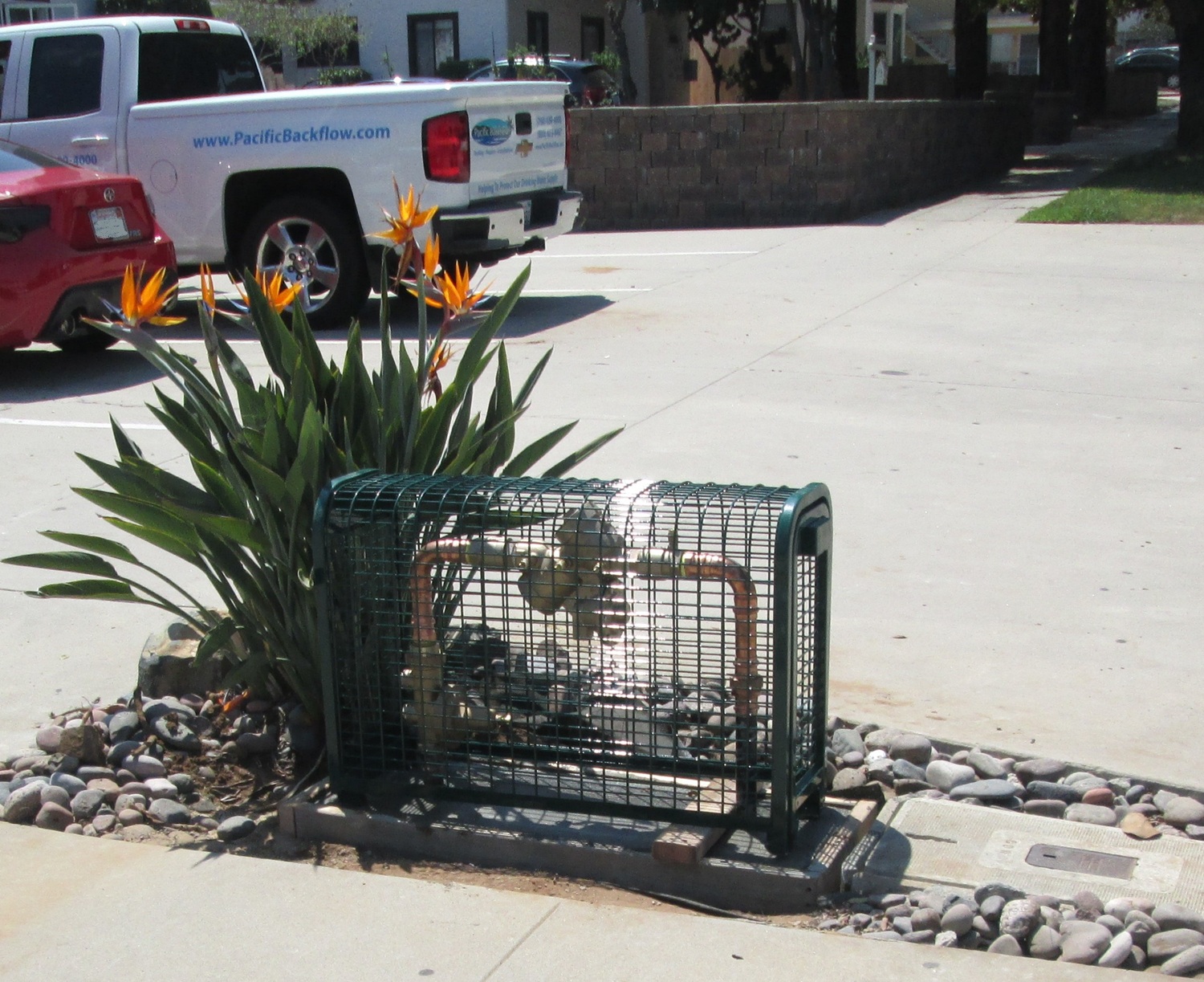
Some enclosures come as simple cages, while others are fully enclosed boxes made from aluminum or fiberglass. Fully enclosed models with heaters offer the best protection in cold climates.
Austin Water advises insulating and/or heating above-ground backflow assemblies to prevent freeze damage and service outages during cold weather, emphasizing active freeze protection for outdoor installations.
Meeting code requirements
Most plumbing codes require backflow preventers to have proper protection. Installing an enclosure helps property owners meet these regulations and avoid violations.
The enclosure must allow easy access for testing and maintenance. Technicians need to reach valves, test ports, and gauges without removing the entire structure.
Key features to consider
Quality enclosures include lockable doors to prevent tampering and unauthorized access. They should have proper drainage to prevent water buildup that could damage equipment or promote freezing.
Ventilation matters too. Air circulation prevents moisture problems while maintaining adequate temperature control. Some models include built-in heaters and thermostats for freeze protection.
Regular maintenance of the enclosure itself is important. Checking locks, hinges, and seals ensures the protective housing continues working properly. This simple step helps avoid costly repairs and keeps the water system running safely.
What is a backflow enclosure and why it matters
A backflow enclosure serves as protective housing for backflow prevention devices that keep drinking water safe from contamination. These structures guard equipment against environmental damage, unauthorized access, and help property owners meet local plumbing regulations.
According to the U.S. Environmental Protection Agency (EPA), cross-connections and backflow pose documented risks to drinking water, and EPA’s Cross-Connection Control Manual recommends installing appropriate backflow prevention devices and maintaining control programs to protect public health.
Understanding the role of a backflow enclosure
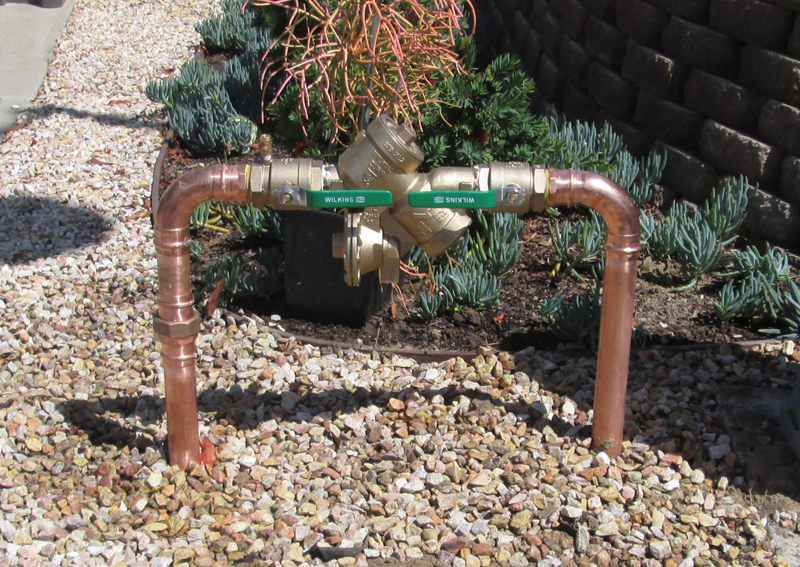
A backflow enclosure is a protective box or housing that surrounds a backflow preventer valve. The backflow preventer itself stops contaminated water from flowing backward into the clean water supply. Without proper protection, this valve sits exposed to weather, vandalism, and theft.
The enclosure creates a controlled environment around the backflow preventer. It shields the valve from rain, snow, extreme temperatures, and direct sunlight. These conditions can cause metal parts to rust, seals to crack, or the entire unit to freeze during winter.
Property owners install these enclosures at water entry points, irrigation systems, industrial facilities, and chemical feed systems. The enclosure must be large enough to house all necessary components while allowing access for testing and maintenance. Most units include ventilation to prevent moisture buildup and locks to restrict unauthorized entry.
How it protects backflow preventers from weather and tampering
Weather poses a significant threat to backflow prevention devices. Freezing temperatures can crack pipes and damage internal components. Rain and humidity cause corrosion on metal parts, reducing the valve's lifespan and effectiveness.
A properly designed enclosure includes insulation and heating elements for cold climates. These features keep the internal temperature above freezing even during harsh winter conditions. The enclosure's weatherproof construction blocks wind, rain, and snow from reaching the equipment.
Security features prevent tampering and theft. Backflow preventers contain valuable brass and copper components that make them targets for theft. A locked enclosure with solid construction stops unauthorized access to the valve. Some models anchor directly to concrete pads or walls, making removal nearly impossible without proper tools and authorization.
Importance for compliance with plumbing codes
Local plumbing codes require backflow preventers on most commercial properties and many residential sites. These regulations also specify protection requirements for the devices. Property owners who fail to install proper enclosures may face fines or violations during inspections.
Building inspectors check that enclosures meet specific standards. The housing must provide adequate protection without restricting airflow or maintenance access. Inspectors verify that heating systems work in cold areas and that drainage prevents water accumulation inside the box.
Water utilities often mandate annual testing of backflow preventers. An enclosure with proper access points makes these inspections faster and easier. Properties with damaged or missing enclosures may fail inspections until owners correct the violations.
The Washington State Department of Health states that backflow prevention assemblies should be tested at least annually, and records maintained by certified specialists, to ensure continued protection of the water supply.
Types of backflow enclosures
Backflow enclosures come in several types designed for different environments and protection needs. The main categories include indoor versus outdoor models, insulated weather-resistant options, custom commercial solutions, and various durable materials that determine longevity and performance.
Indoor vs outdoor enclosures
Indoor backflow preventer enclosures serve environments where temperature control already exists. These units typically require less insulation since they sit inside climate-controlled buildings. They focus more on providing access for maintenance and protecting the backflow system housing from accidental damage.
Outdoor enclosures face exposure to weather, theft, and vandalism. These backflow protection boxes need stronger construction and weatherproofing features. Most outdoor models include locking mechanisms to prevent copper component theft.
The location determines which type property owners need. Outdoor installations in cold climates require heated or insulated options to prevent freezing damage. Indoor units work well in commercial buildings, basements, and mechanical rooms where temperatures stay above freezing year-round.
Insulated and weather-resistant models
Insulated enclosures protect backflow preventers from freezing temperatures that can crack or break the device. These models use foam or other insulating materials in the walls to maintain safe temperatures. Many include heating elements for extreme cold conditions.
Two main heating types exist for these enclosures. Area heaters warm the entire space inside an insulated box. Radiant heaters target specific parts like the piping or the installation pad beneath the unit.
Weather-resistant models guard against rain, snow, and moisture without necessarily providing freeze protection. These backflow protection boxes use sealed designs and corrosion-resistant materials. Properties in moderate climates often choose weather-resistant options without heating systems to reduce costs while still protecting equipment from the elements.
Custom enclosures for commercial applications
Commercial backflow enclosures serve larger systems and high-hazard installations. These units accommodate multiple backflow preventers or oversized devices that standard residential models cannot fit. Custom sizing ensures proper clearance for maintenance and testing.
High-security commercial models include reinforced walls and advanced locking systems. They protect valuable equipment at industrial sites, apartment complexes, and retail centers where vandalism poses greater risk. Some designs mount to existing concrete pads or walls for flexible installation.
Lift-off style enclosures provide easier access for technicians who need frequent maintenance. These commercial backflow system housings remove completely rather than opening on hinges. The design works well for tight spaces or locations with specific access requirements.
Materials commonly used for durability
Stainless steel offers the highest resistance to corrosion and lasts longest in harsh environments. This material works well for coastal areas with salt exposure or industrial sites with chemical exposure. Stainless steel backflow preventer enclosures cost more upfront but require less replacement over time.
Carbon steel provides strong protection at a lower price point. These enclosures need powder coating or paint to prevent rust. They suit most standard installations where extreme corrosion resistance is not required.
Aluminum delivers lightweight durability with natural corrosion resistance. It costs less than stainless steel while still performing well outdoors. Many manufacturers use aluminum for residential and light commercial applications.
Fiberglass resists corrosion without metal's weight or cost. This material insulates naturally and withstands various weather conditions. Some prefer fiberglass for its low maintenance needs and resistance to denting or scratching.
Benefits of installing a backflow enclosure
A backflow enclosure provides critical protection for backflow prevention devices while delivering practical advantages for property owners. These protective housings defend equipment from weather damage, unauthorized access, and physical harm while helping owners meet regulatory requirements.
Protects against environmental damage and vandalism
Backflow prevention devices need protection from outdoor elements that can cause premature failure. Rain, snow, ice, and extreme temperatures damage internal components and reduce device effectiveness. An enclosure shields these sensitive parts from moisture that leads to corrosion and freezing conditions that crack valves and pipes.
Physical security matters just as much as weather protection. Backflow devices contain brass and copper components that attract thieves looking to sell scrap metal. A locked enclosure prevents theft and stops unauthorized people from tampering with the device. Tampering creates serious water safety risks by compromising the system's ability to prevent contamination.
Vandalism costs property owners money and puts water supplies at risk. Enclosures made from durable materials like aluminum or steel withstand impacts and resist break-in attempts. These protective barriers keep the backflow preventer functioning properly without interruption from external threats.
Maintains system performance and longevity
Protected backflow devices last longer and work better than exposed units. Enclosures create a controlled environment that prevents dust, debris, and pollutants from entering valve mechanisms. This cleaner operating space reduces wear on moving parts and maintains proper flow rates.
Temperature stability inside an enclosure prevents freeze damage during cold months. Many enclosures include insulation or heating elements that keep internal temperatures above freezing. This protection eliminates costly repairs from burst pipes and damaged valves.
Extended equipment life saves money over time. A well-protected backflow preventer requires fewer repairs and operates reliably for more years. The enclosure investment pays for itself through reduced replacement costs and lower maintenance expenses.
Simplifies maintenance and inspection
Enclosures actually make routine service easier despite adding another layer around the device. Most models feature doors or removable panels that provide full access to all components. Technicians can quickly open the enclosure, perform required tests, and close it back up without struggling with poorly designed access points.
Organized installations work better for everyone involved. Backflow enclosures keep testing equipment, documentation, and spare parts in one protected location. Service providers spend less time locating devices and preparing work areas.
Regular inspections happen more reliably when devices stay protected and accessible. Property managers can schedule maintenance without worrying about weather conditions or security concerns. The enclosure keeps the device ready for testing year-round.
Ensures code compliance and avoids fines
Local plumbing codes and water authorities require proper protection for backflow prevention devices. Many jurisdictions specify enclosure requirements in their regulations. Installing an approved enclosure demonstrates compliance with these standards from the start.
Building inspectors look for adequate device protection during property reviews. An enclosure shows that owners take water safety seriously and follow best practices. This attention to detail prevents failed inspections and project delays.
Non-compliance brings financial penalties that exceed enclosure costs. Water utilities can issue fines, disconnect service, or require expensive retrofits when devices lack proper protection. Meeting requirements upfront avoids these enforcement actions and associated expenses.
How to choose the right backflow enclosure
Selecting the right backflow enclosure requires matching the enclosure specifications to the backflow preventer's dimensions, the local climate conditions, maintenance requirements, and material durability needs. Property owners must evaluate these factors together to ensure proper protection and compliance.
Assessing the size and type of backflow preventer
The enclosure must provide adequate space for the specific backflow preventer model installed on the property. Measurements should include the height, width, and depth of the backflow assembly, plus extra room for valve handles and test ports.
Most manufacturers specify minimum clearance requirements around the device. These clearances typically range from 6 to 12 inches on all sides. Installing an undersized enclosure can prevent proper testing and repairs.
Different backflow preventer types require different enclosure configurations:
- Reduced Pressure Zone (RPZ) assemblies need enclosures with proper drainage since they discharge water during normal operation
- Double Check Valve assemblies require less vertical space but still need adequate access points
- Pressure Vacuum Breakers may need different mounting heights
The enclosure should accommodate the test port locations and shut-off valves without obstruction. Service technicians need clear access to these components during annual testing. Property owners should verify that the enclosure door opening is wide enough for tool access and component replacement.
Considering environmental and weather factors
Climate conditions directly impact which enclosure features are necessary for protection. Properties in cold regions need enclosures with insulation or heating elements to prevent freezing damage during winter months.
Freeze protection becomes critical when temperatures drop below 32°F. Heated enclosures maintain internal temperatures above freezing using built-in heating systems or heat trace cables. Some enclosures offer insulated walls without active heating for moderate climates.
Wind exposure affects enclosure stability and durability requirements. Properties in high-wind areas need heavier enclosures with secure anchoring systems. Coastal locations require corrosion-resistant materials that withstand salt air exposure.
Sun exposure can degrade certain materials over time. UV-resistant coatings or materials prevent cracking and fading in areas with intense sunlight. Areas with heavy rainfall need proper drainage systems and weatherproof seals around doors and vents.
Evaluating accessibility for maintenance
Backflow preventers require annual testing and periodic maintenance by certified technicians. The enclosure design must allow easy access to all test ports, valves, and components without removing the entire structure.
Door size and opening angle determine how easily technicians can work inside the enclosure. Single-door enclosures work for smaller assemblies, while larger devices may need double doors or removable panels. Hinges should support repeated opening without sagging or breaking.
Locking mechanisms protect against tampering and theft while allowing authorized access. Key locks, padlocks, or combination locks provide security without creating barriers for maintenance personnel. Some municipalities require specific lock types for water system access.
The enclosure location should provide clear ground-level access or stable platform access for technicians. Adequate lighting helps during testing procedures, especially in indoor or covered locations.
Comparing materials and durability
Backflow enclosures come in three primary materials, each with distinct advantages for different applications. Material selection affects the enclosure's lifespan, maintenance needs, and total cost of ownership.
Plastic enclosures offer affordability and corrosion resistance for residential properties. They resist rust and require minimal maintenance but may crack in extreme cold or become brittle with prolonged UV exposure. These work well in mild climates with moderate weather conditions.
Fiberglass enclosures provide superior durability and weather resistance for commercial applications. They handle temperature extremes better than plastic and resist corrosion from chemicals or salt air. Fiberglass units cost more initially but last longer in harsh environments.
Metal enclosures (typically aluminum or steel) offer maximum security and structural strength for industrial sites. Aluminum resists corrosion naturally, while steel requires protective coatings to prevent rust. Metal options provide the best protection against vandalism and physical damage.
The material choice should match the installation environment and expected service life. Commercial properties typically benefit from fiberglass or metal options, while residential installations often use plastic enclosures effectively.
Installation tips for backflow enclosures
Installing a backflow enclosure requires careful attention to positioning, weather protection, accessibility, and local regulations. The right setup protects the device while making maintenance straightforward.
Ensuring a level and secure foundation
The foundation determines how well the enclosure performs over time. A level base prevents water pooling and structural stress that can damage both the enclosure and the backflow preventer inside.
Concrete pads work best for permanent installations. The pad should extend at least 2 inches beyond the enclosure edges on all sides. This creates a stable platform that won't shift or settle.
The surface must be completely level before mounting. Even a slight angle can cause drainage problems or make the door difficult to operate. A bubble level helps verify the pad is flat in all directions.
For areas with loose or sandy soil, the foundation needs extra depth. A 4-inch thick concrete pad with gravel underneath prevents sinking. Some installers add rebar to the concrete for additional strength in high-traffic areas.
Proper insulation for extreme temperatures
Temperature control protects backflow preventers from freezing damage and overheating. Most devices fail when water inside them freezes and expands.
Insulated enclosures maintain a stable internal temperature. Models rated for specific climate zones include foam insulation in the walls and doors. The R-value indicates insulation effectiveness, with higher numbers providing better protection.
Heated enclosures offer active temperature control for severe climates. Built-in thermostats activate heating elements when temperatures drop below 35°F. These systems require electrical connections and regular testing to verify operation.
Ventilation prevents excessive heat buildup in summer months. Vents or louvers allow air circulation without compromising insulation. The placement of vents matters—they should face away from prevailing winds to block rain and snow.
Allowing adequate clearance for inspection and repair
Backflow preventers require annual testing and occasional repairs. Insufficient space makes these tasks difficult and time-consuming.
The enclosure should provide at least 6 inches of clearance on all sides of the device. This gives technicians room to access test ports and valves. Larger backflow preventers may need 12 inches or more.
Door opening width affects accessibility. The door must swing fully open without obstruction. Some installers choose enclosures with removable doors or panels for easier access to larger assemblies.
Vertical clearance above the device allows for removal of components. Test cocks, relief valves, and other parts may need to come straight up during service. A minimum of 12 inches of overhead space accommodates most repairs.
Working with certified professionals for compliance
Local codes govern backflow enclosure installation. Certified plumbers and backflow specialists understand these requirements and ensure proper setup.
Licensed professionals verify the enclosure meets jurisdiction standards. They know required elevations, setbacks from property lines, and distance from potential contamination sources. This prevents costly reinstallation later.
Installation records matter for compliance. Certified installers document the work and file necessary permits. Many areas require inspection approval before the system can operate.
Professional installers check compatibility between the enclosure and backflow device. They confirm adequate size, proper mounting hardware, and correct orientation. They also test the completed installation to verify the backflow preventer functions correctly within its new housing.
Maintenance and inspection of backflow enclosures
Backflow enclosures need regular attention to keep working properly and protect the equipment inside. Property owners should check for damage throughout the year and work with certified testers to maintain both the enclosure and the backflow preventer it houses.
Regular checks for damage, leaks, or corrosion
Property owners should inspect their backflow enclosures at least once per season. This means checking four times per year, with special attention before winter arrives.
During each inspection, they should look for these common problems:
- Cracks or holes in the enclosure walls or roof
- Rust spots on metal surfaces, especially around seams and fasteners
- Water pooling inside the enclosure or around the base
- Damaged insulation that has worn thin or pulled away from walls
- Broken or missing vents that affect air circulation
- Loose or damaged doors that don't close and lock properly
Corrosion appears most often where moisture collects. The bottom edges of aluminum or steel enclosures are especially vulnerable. Small rust spots can spread quickly if left untreated.
Leaks usually show up after heavy rain or snow. Water stains on interior walls or standing water on the floor indicate a seal has failed. These problems need immediate attention because moisture can damage the backflow preventer and cause freeze damage in cold weather.
Cleaning and weatherproofing to extend lifespan
Regular cleaning prevents buildup that can trap moisture and cause damage. Property owners should clean enclosures twice per year, typically in spring and fall.
The cleaning process involves removing debris like leaves, dirt, and cobwebs from both inside and outside the enclosure. A soft brush and mild soap solution work well for most surfaces. They should avoid pressure washers on insulated enclosures because high pressure can damage the insulation.
After cleaning, they should check all weatherstripping around doors and vents. Worn weatherstripping allows cold air and moisture inside. Replacing it costs little but prevents expensive freeze damage.
Key weatherproofing tasks include:
- Sealing gaps around pipes where they enter the enclosure
- Applying rust-resistant coating to bare metal spots
- Checking that drain holes remain clear and open
- Inspecting door hinges and locks for smooth operation
- Testing heating elements before cold weather starts
Enclosures in coastal areas need more frequent weatherproofing because salt air accelerates corrosion. A protective coating applied annually helps metal surfaces resist rust.
Scheduling inspections with certified backflow testers
Most water authorities require annual testing of backflow preventers by certified testers. These professionals test the device and can also inspect the enclosure during their visit.
Property owners should schedule tests at the same time each year. Many choose spring when weather is mild and before peak summer water use begins. Setting up a regular schedule makes it easier to stay compliant with local regulations.
During the inspection, certified testers check that the backflow preventer functions correctly and meets safety standards. They also note if the enclosure provides adequate protection. Their report may identify problems like poor ventilation, inadequate heating, or access issues that make testing difficult.
Property owners should keep records of all inspections and tests. These documents prove compliance if questions arise from the water authority. They also create a maintenance history that helps track recurring problems.
Upgrading enclosures when system components change
Backflow preventers sometimes need replacement or upgrade. When this happens, the enclosure may no longer fit properly or provide adequate protection.
A new backflow preventer that is larger than the old one needs a bigger enclosure. Installing an oversized device in a small space creates problems with access for testing and maintenance. Technicians need room to work around the device safely.
Changes in local codes may also require enclosure upgrades. Some areas now mandate specific insulation ratings or heating systems that older enclosures lack. Property owners should check current requirements when replacing components.
Switching from above-ground to in-ground installation, or vice versa, obviously requires different enclosure types. This major change involves more than just the enclosure itself and typically needs professional planning.
Signs that an enclosure needs upgrading include difficulty accessing the device for testing, inadequate space for required safety clearances, or frequent freeze-related repairs despite proper maintenance. Upgrading proactively costs less than emergency repairs after equipment fails.
Why Pacific Backflow is your trusted partner for enclosures
Pacific Backflow brings over 40 years of experience in backflow prevention across San Diego and Southern California. The company offers specialized knowledge in enclosure selection, professional installation services, and comprehensive support for both homes and businesses.
Expertise in backflow prevention systems
Pacific Backflow has served as a leader in backflow prevention for more than four decades. The company's technicians hold proper certifications and licenses specifically for backflow work, which ensures they understand the technical requirements and safety standards.
Their experience covers all aspects of backflow systems. This includes testing, repairs, installation, and cross-connection control services. The team stays current with local codes and regulations that affect enclosure requirements.
Pacific Backflow works with various enclosure types. They understand which materials and designs work best for different climates and applications. This knowledge helps property owners avoid common problems like freezing, corrosion, and accessibility issues.
Custom solutions for residential and commercial clients
Every property has different enclosure needs based on location, climate, and system specifications. Pacific Backflow evaluates each site to recommend the right enclosure solution.
For residential clients, the company considers factors like yard space, aesthetics, and budget. They offer options that protect backflow devices while fitting into landscaping designs.
Commercial properties often require larger enclosures or specialized configurations. Pacific Backflow handles these more complex installations with attention to code compliance and accessibility for maintenance workers. The company works with property managers and facility operators to ensure enclosures meet building requirements.
Professional installation and ongoing support
Pacific Backflow handles the complete installation process for backflow enclosures. Their technicians ensure proper placement, secure mounting, and adequate ventilation. They also verify that enclosures provide the necessary protection while maintaining access for testing and repairs.
The company provides maintenance services to keep enclosures functioning properly. Regular inspections check for insulation wear, damage, and structural issues. Seasonal maintenance helps prevent problems before cold weather arrives.
Pacific Backflow serves as a single point of contact for both backflow devices and their enclosures. This simplifies scheduling and ensures coordinated service. Property owners can rely on one experienced team for testing, repairs, and enclosure maintenance rather than managing multiple contractors.
Conclusion
A backflow enclosure serves as essential protection for backflow prevention devices. These structures shield critical equipment from weather damage, vandalism, and theft while ensuring compliance with local plumbing codes.
Property owners benefit from investing in quality enclosures. The right enclosure protects water systems from contamination and extends the lifespan of backflow preventers. It also improves property appearance by concealing equipment in an organized way.
Backflow enclosures come in various designs to fit different needs and budgets. Standard models work well in mild climates, while insulated or heated versions protect equipment in areas with freezing temperatures. Some enclosures mount directly to concrete, while others require custom installation.
Regular maintenance of both the enclosure and backflow preventer ensures optimal performance. Property managers should inspect enclosures periodically for damage or wear. This simple step prevents costly repairs and maintains water system safety.
The investment in a proper backflow enclosure pays off through equipment protection and regulatory compliance. Facility managers gain peace of mind knowing their water systems remain secure and functional year-round.
Schedule a Pacific Backflow site assessment today to size the enclosure correctly, verify freeze/ventilation needs, and install a code-compliant, lockable housing with documented test access.