

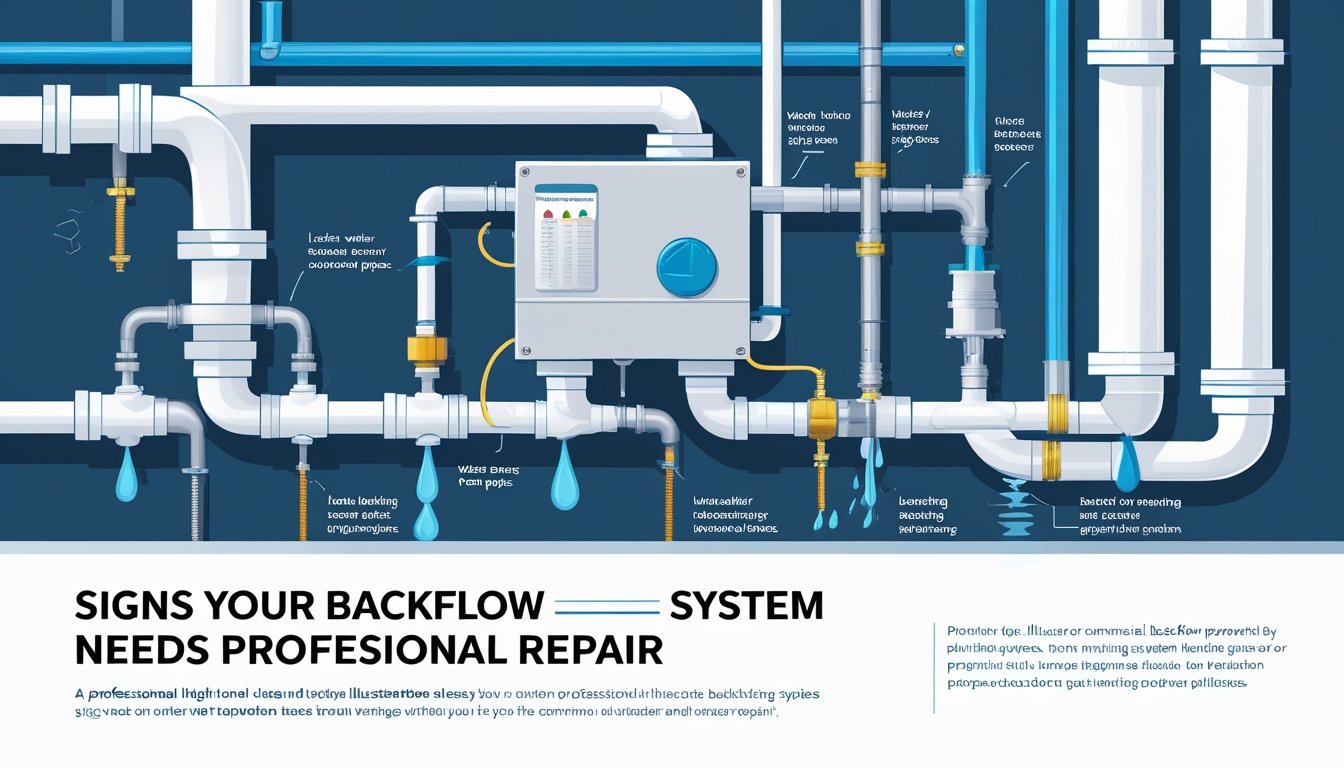
If your backflow system isn’t working right, it can cause serious problems for your water supply. Signs like strange tastes or smells in your water, changes in water pressure, or weird noises in your pipes usually mean your backflow preventer needs professional repair. Ignoring these warning signs? That’s just asking for contaminated water to creep into your home or business.
You want to catch these issues early, so your system stays safe and up to code. Pacific Backflow’s been helping San Diego County with backflow testing and repairs for more than 40 years. Letting pros handle your backflow headaches keeps your water clean and your plumbing running right.
Understanding Backflow Systems
Knowing how your backflow system works helps you catch problems before they get out of hand. It’s not just about safety—it’s about keeping your water clean and your life a little less stressful.
What Is a Backflow System
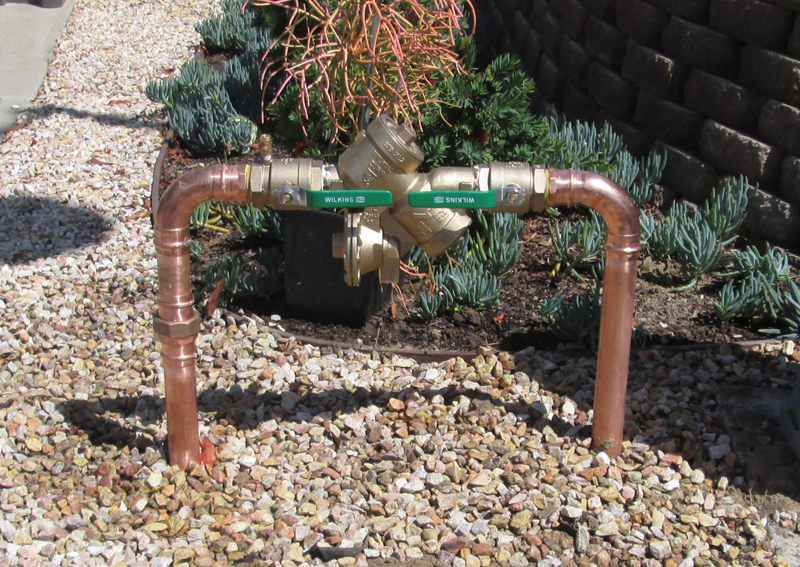
A backflow system is a group of devices that stop water from reversing in your pipes. Water’s supposed to flow one way—from the supply to your faucets. When it flows backward, dirty or contaminated water can get sucked into your clean supply. Nobody wants that.
These systems use backflow preventers—valves or gadgets tucked into your plumbing. They block water from reversing and keep your drinking water safe. If they break? You’re risking health problems and possible plumbing disasters.
How Backflow Prevention Works
Backflow preventers create a barrier so water can only travel in the right direction. They use valves and pressure differences to keep everything moving forward. When they’re doing their job, you won’t even notice them.
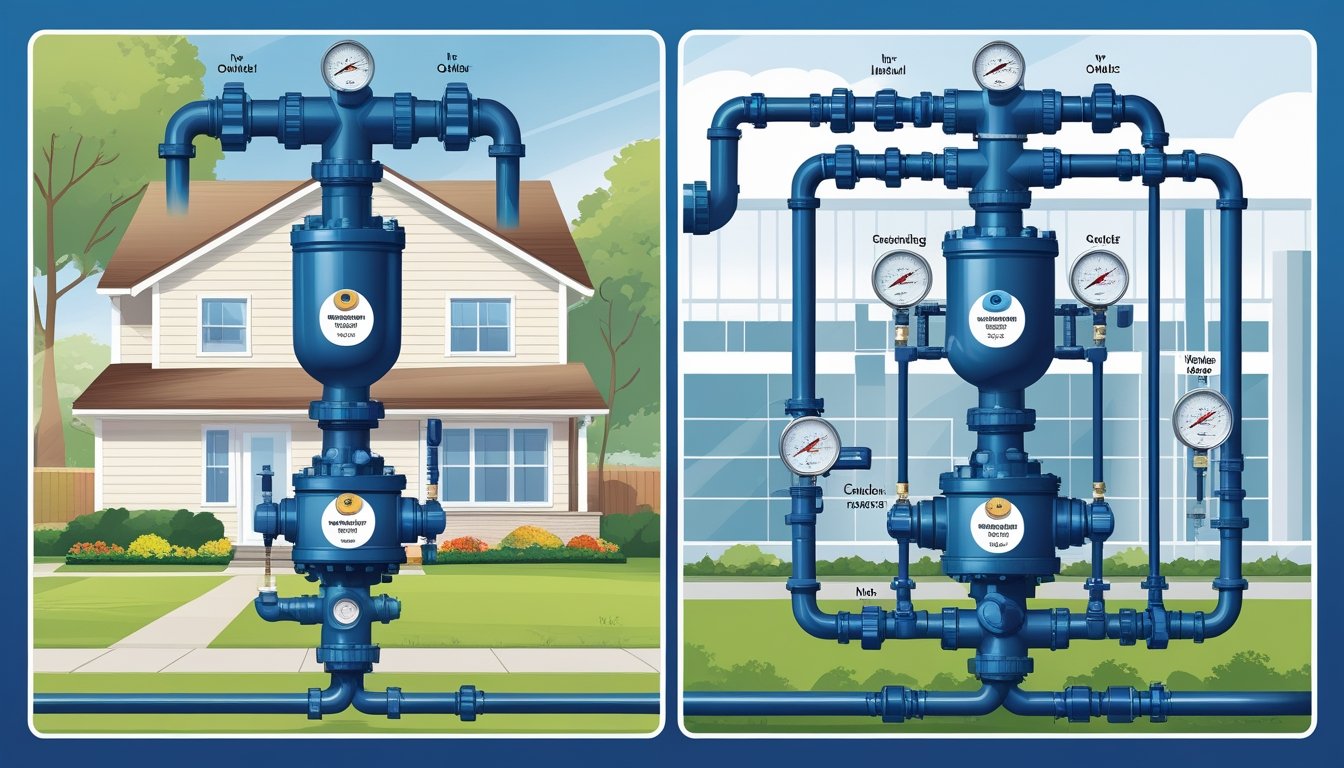
There are a few types out there—double check valves, reduced pressure zone devices, and so on. Each one fits different setups. Regular testing and inspections are key to make sure they’re actually working.
Importance of Backflow Protection
Backflow protection matters because it keeps nasty stuff—chemicals, bacteria, whatever—out of your water. Without it, your supply’s at risk, and that means health issues and repair bills you don’t want.
Local laws usually require backflow prevention and regular testing. Keeping your system in shape protects everyone and keeps you legal. If you spot leaks, pressure drops, or failed tests, don’t wait—call a pro like Pacific Backflow to sort it out.
Key Warning Signs of Backflow System Problems
If your backflow system’s acting up, you might notice weird tastes, smells, or colors in your water. Maybe the pressure drops, or your pipes start making odd noises. These are all signs you need a professional to check things out before it gets ugly.
Unusual Water Taste or Odor
If your water suddenly tastes funny or smells off, backflow might be the culprit. When water reverses in the pipes, it can drag in contaminants. That’s when you might get a metallic, chemical, or even sewage-like taste or odor.
Don’t just shrug it off. These changes often mean something’s getting into your water that shouldn’t be there. If you notice anything off, have your backflow system inspected right away.
Visible Water Discoloration
Cloudy, brown, or yellow water is a big red flag. Discoloration usually means dirty water is mixing in due to backflow—maybe rust, dirt, or other stuff sneaking into your pipes.
Discolored water isn’t safe to drink or use, and it can mess up your clothes and appliances. If you see discolored water, get a professional on it fast.
Sudden Drops in Water Pressure
Sudden, unexplained drops in water pressure? That could be a backflow issue. Blockages, leaks, or a busted preventer can slow things down.
Low pressure makes daily stuff—showers, dishes, watering the garden—a pain, and it might be a sign of a bigger problem. If you notice pressure changes that don’t clear up, have someone check your system.
Strange Noises from Plumbing
Gurgling, banging, or whistling sounds in your pipes can point to backflow problems. These noises pop up when water moves backward or air gets trapped.
If your pipes are talking back when you use water, it could mean blockages or a preventer that’s not doing its job. Listen for these sounds—they’re early warning signs. Better to call a pro now than deal with a disaster later.
Visible Damage and Leaks
If you spot wear or leaks on your backflow system, don’t wait around. Visible damage or water pooling can turn into bigger headaches if ignored. Knowing what to look for can save you money and trouble.
Corroded or Rusty Backflow Device
Rust or corrosion on your backflow device is never a good sign. Corrosion weakens metal, causing leaks or even failure. It often starts at joints or spots where water sits.
Rust might look like orange or brown patches. If you see that, check for cracks or worn spots—those can let water leak or stop the system from working right.
Don’t let corrosion slide. Sometimes you can clean it or add protective coatings, but if it’s bad, you’ll need to replace the device. A professional can tell you what’s best and make sure everything’s up to code.
Standing Water Around the Device
Water pooling near your backflow preventer means there’s probably a leak. Valves or seals can give out, and standing water can damage nearby parts—or attract critters.
Look for puddles or soggy ground under or around the device. Even tiny drips add up. If you spot it, don’t put it off. Leaks can mess with your water pressure and open the door to contamination.
A trusted service like Pacific Backflow can quickly find and fix leaks. Their team will repair or swap out bad parts to stop leaks and keep things running smooth. Regular inspections help you catch leaks before they get out of hand.
Operational Malfunctions
Your backflow system has to work right to keep your water safe. If devices fail tests or valves stop working, you’ll need a pro to step in. Catching these hiccups early keeps your home or business protected.
Backflow Device Not Passing Routine Testing
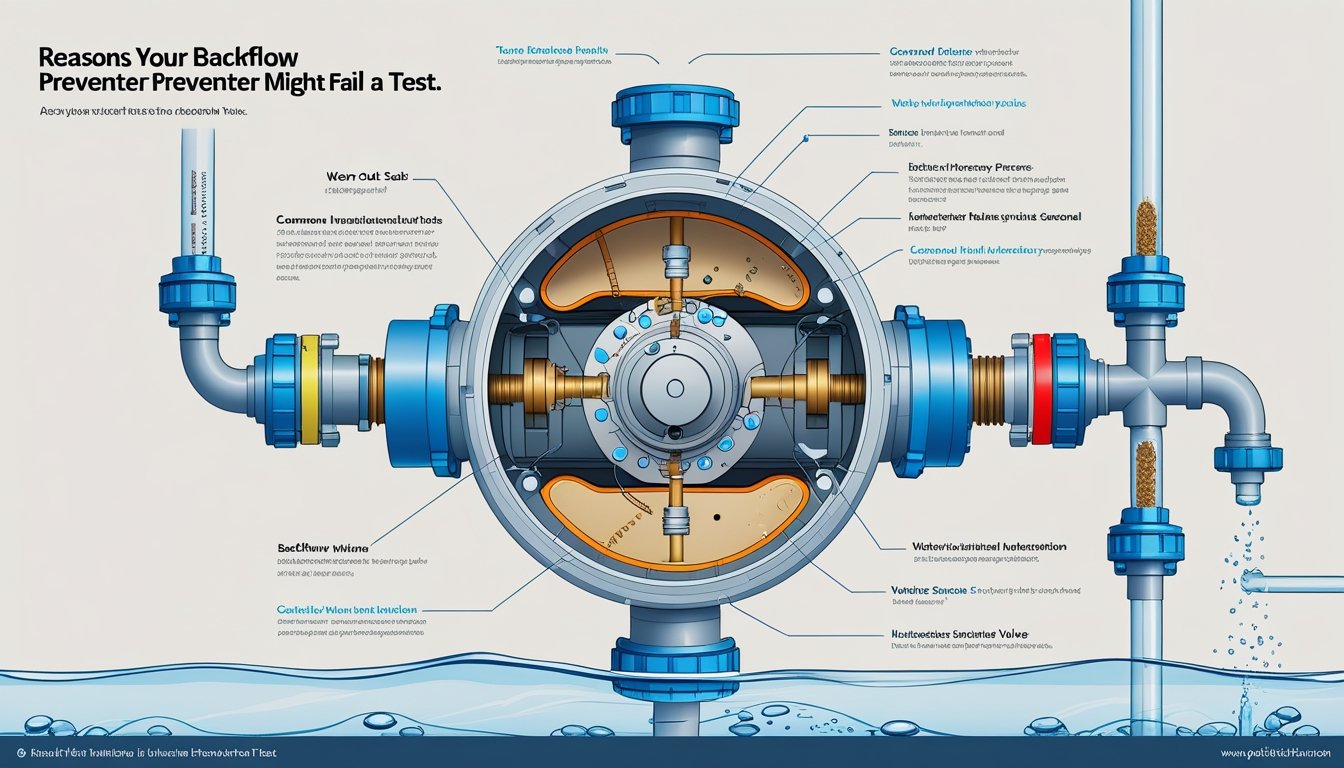
If your backflow preventer flunks a routine test, there’s a problem—maybe worn-out parts, leaks, or gunk inside. These issues stop the system from blocking dirty water.
A failed test means your device isn’t up to safety standards, and your water could be at risk. Call a professional to inspect and repair it. Pacific Backflow’s certified techs handle these repairs quickly and make sure you’re back in compliance.
Valves Failing to Operate Properly
Valves direct water flow in your system. If they stick, leak, or won’t close, backflow can sneak in. Valve issues often cause leaks, especially around relief or check valves.
Notice water leaking, weird noises, or sudden pressure drops? Valve failure could be why. A pro can repair or replace valves to stop leaks and keep things reliable. Regular maintenance helps avoid these headaches in the first place.
Water Quality and Health Risks
Backflow issues can let dirty water into your clean supply, which is a real health risk. If your water changes color or smells weird, or you start feeling sick after using it, something’s probably wrong.
Presence of Contaminants in Water
When backflow happens, stuff like dirt, chemicals, or bacteria can mix with your drinking water. If your water looks cloudy, smells strange, or tastes off, that’s a sign contaminants might be in there.
Other hints—low water pressure or weird plumbing noises—can mean your preventer’s not working. It’s smart to have a pro check your system before things get worse. Regular testing from folks like Pacific Backflow keeps your water safe.
Health Symptoms After Water Use
Feeling sick after using your water? It could be contaminated from a backflow problem. Stomach pain, diarrhea, nausea, or skin irritation are all signs bacteria or chemicals might be in your supply.
Kids, seniors, and anyone with a weaker immune system are at higher risk. If you notice symptoms after drinking tap water or bathing, stop using the water and call a specialist right away. Taking action quickly can protect your health.
When to Call a Professional Backflow Technician
Knowing when to call in a pro can stop small issues from becoming big, expensive problems. Spotting warning signs and realizing DIY only goes so far will keep your water safe.
Determining Urgency of Repairs
Hear strange noises? Notice a sudden pressure drop, or odd smells and tastes in your water? Don’t wait. These signs mean your backflow preventer might be failing.
Delaying repairs risks letting contaminated water into your clean supply. Call a certified backflow tech as soon as you spot leaks or fail a backflow test.
Pros can quickly find and fix the problem, making sure you’re up to code. If you’re in San Diego County, Pacific Backflow offers fast, reliable repairs.
Risks of DIY Backflow Repair
Trying to fix backflow problems yourself? That can backfire. These devices are tricky, and mistakes can lead to contamination or plumbing damage.
Certified techs have the training and tools to do it right. DIY repairs might break local codes, lead to fines, or fail inspections.
Miss small signs or put off repairs, and you could end up with expensive damage or health risks.
Honestly, it’s just smarter to call someone who knows backflow systems and the local rules. Regular professional testing and maintenance protect your home and your community’s water.
Preventative Maintenance Tips
Regular maintenance keeps your backflow system running and your water supply safe. Scheduling annual backflow testing is one of the best things you can do. It helps catch small problems before they snowball. Your preventer needs to pass these tests to stay legal.
Keep an eye out for leaks, weird noises, or strange smells around the system. If you spot anything, don’t wait—get a pro to check it out. Small fixes now save you money and prevent water contamination.
Make sure your backflow preventer stays clean and clear of debris. Dirt can jam up valves or cause failures. Regular inspections help keep things in good shape.
Protect your system from damage with sturdy covers or cages. That helps guard against theft, tampering, and the weather.
If you need help, Pacific Backflow’s team is friendly and quick—they work all over San Diego County. They’ll test, repair, or replace your system to keep it reliable and up to code.
Here’s a quick checklist:
- Schedule annual backflow tests
- Check for leaks or damage every month
- Clear debris from around the device
- Secure your backflow preventer with a cover
- Call the pros if you notice any issues
Stick with these steps and your backflow system should run smoothly all year.
Choosing the Right Repair Service
Picking a repair service for your backflow system isn’t just about finding someone who can do the job—it’s about trusting folks who actually know what they’re doing. You want people who get the local rules and genuinely care about water safety. It’s worth asking a few pointed questions to make sure the company’s reputation and skills match what you need.
Qualifications to Look for in a Technician
Find a technician who’s certified in backflow prevention by your state or local water authority. Certification means they’ve gone through specific training and passed tests about backflow devices.
Check if they’re licensed for plumbing or backflow work in San Diego County. Licensed techs tend to stick to safety and legal standards (or at least, they should).
Experience counts, too. Go with someone who’s actually worked on systems like yours, whether you’re dealing with a house or a business.
Pacific Backflow’s team? They’ve racked up more than 70 years of combined experience and handle testing and repairs all over San Diego County.
Questions to Ask Before Hiring
Before you make any decisions, ask about their certifications and licenses. Make sure everything’s current and recognized by your water district.
See if they offer emergency services. Backflow problems don’t exactly wait for office hours, so quick responses can save you a lot of trouble.
Ask how they handle testing and repairs. Will you get a detailed report? Do they handle paperwork for the city, or is that on you?
Insurance matters—double check that they’re covered so you don’t get stuck if something goes wrong. And don’t be shy about asking for references or checking out reviews from other locals.
Frequently Asked Questions
Spotting issues with your backflow system early keeps your water safe and avoids bigger headaches later. Want to know what to look for, when to call for help, or how often you should get your system checked? Here’s what you need to know.
How can I tell if my backflow preventer is failing?
Watch for leaks around the device or weird noises. Cloudy water or strange tastes are another red flag. If your system fails a water quality test or inspection, it’s time for repairs.
What should I do if my backflow preventer is leaking from the relief valve?
If the relief valve’s leaking, you might have a loose fitting or a broken check valve. Shut off the water and book a pro to check it out. Waiting can make things worse.
What are common reasons for a backflow preventer to start leaking?
Leaks usually come from worn-out or busted parts—valves, springs, that sort of thing. Sometimes debris builds up inside, too. Regular maintenance helps you catch these problems before they get serious.
How often should I have my backflow prevention system serviced?
Get your backflow system tested at least once a year. Annual checks keep things running and make sure you’re meeting local safety standards. If you’ve had ongoing issues, you might need more frequent service.
What’s a normal lifespan for a backflow valve, and when should I consider replacing it?
Most backflow valves last around 10 to 15 years. If yours starts leaking a lot or keeps failing inspections, it’s probably time to think about replacing it. Old parts just aren’t as trustworthy, and risking your water supply isn’t worth it.
Are there any warning signs that my backflow system needs immediate attention?
Absolutely. If you notice sudden leaks, water backing up, or those weird loud banging noises, don’t ignore them. Those things usually mean something’s off, and your system could be on the verge of failing—possibly even messing with your water quality. Honestly, if any of that pops up, it’s probably best to call a trusted service like Pacific Backflow and get it checked out fast.