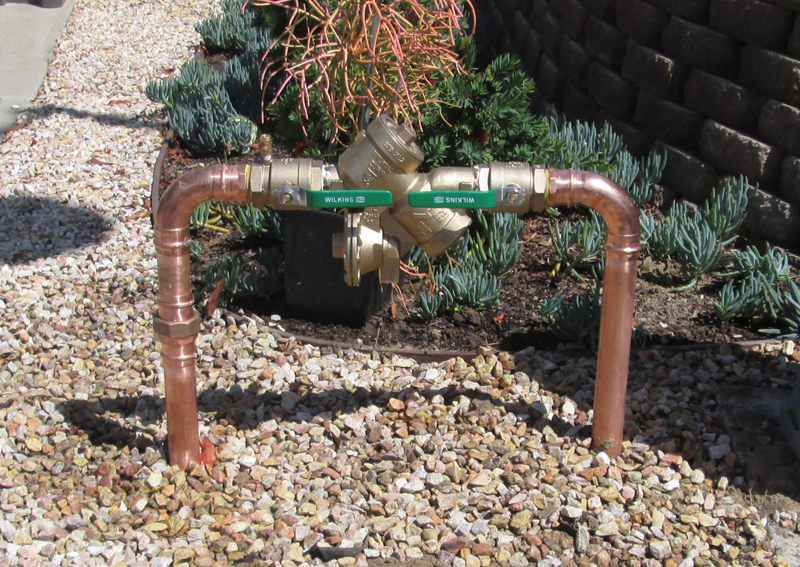


If your water suddenly tastes off, the pressure drops, or you spot leaks near your backflow preventer, these are clear signs your property needs a new backflow installation. Backflow devices keep dirty water from sneaking back into your clean water supply, so making sure they’re in good shape really matters for your home and your neighborhood.
A lot of homeowners don’t realize it, but if you have irrigation systems or outdoor hoses, you probably need backflow preventers because of local codes. If your device is getting up there in years, looks damaged, or keeps failing annual tests, it’s probably time to swap it out. Pacific Backflow’s been helping folks in San Diego County with backflow testing, repairs, and installs for nearly 40 years.
Catching these warning signs early can save you from expensive water contamination or even code violations. Let’s get into what to watch for and how to keep your water safe with the right backflow solutions.
Understanding Backflow Systems
Backflow systems protect your water by stopping dirty water from flowing backward into your clean supply. If you know what these systems do and why they matter, you’re already ahead of the game when it comes to keeping your property safe.
What Is a Backflow Prevention Device?
A backflow prevention device is a gadget in your plumbing that blocks water from reversing direction. This backward flow, or backflow, can pull nasty stuff—pollutants, chemicals—into your clean water.
The device uses valves or air gaps so water can only go one way. If it tries to go the other way, the device shuts it down.
A lot of places legally require these, especially if you have irrigation systems, pools, or other water hookups. Without one, your drinking water (and your health) could be on the line.
Types of Backflow Devices
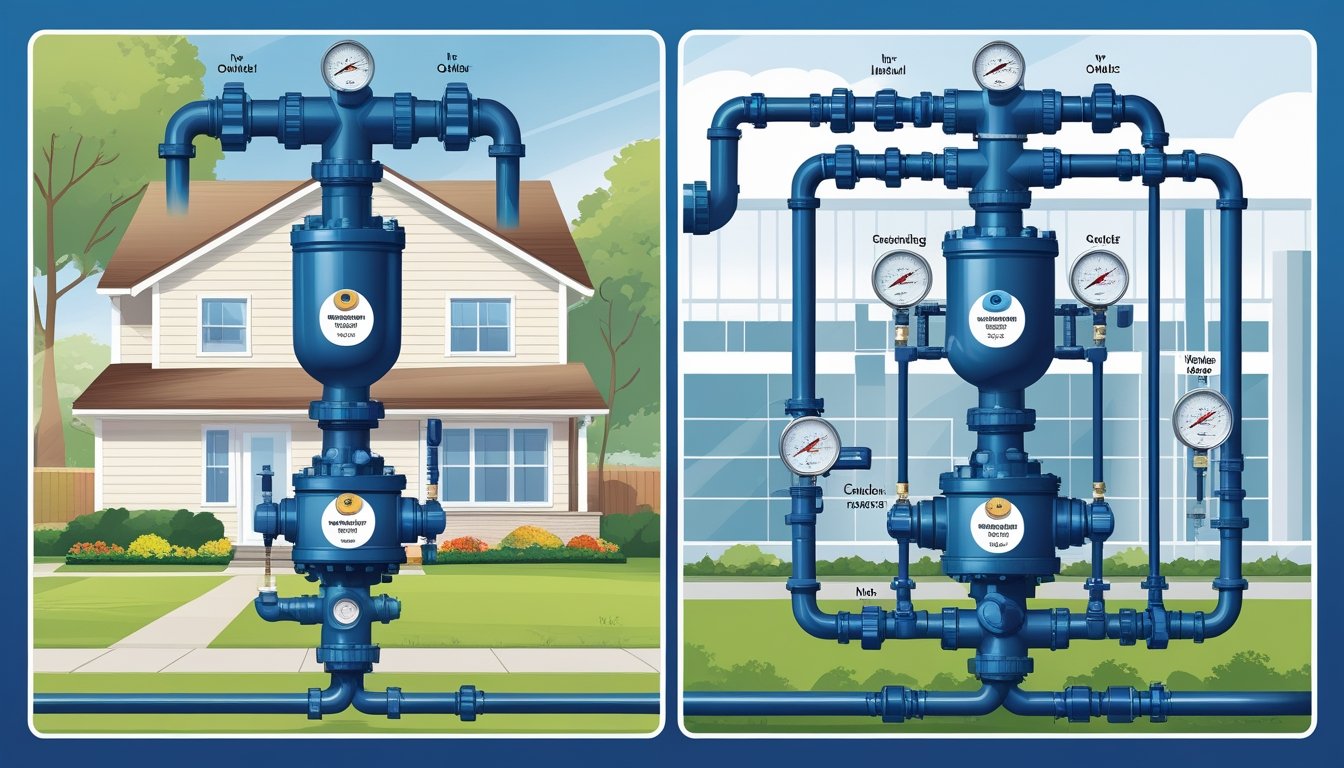
There are a few main types of backflow prevention devices, each made for a specific job:
- Reduced Pressure Zone (RPZ) Valve: This one’s for high-risk setups like fire sprinklers or irrigation. It’ll even release water if backflow risk pops up.
- Double Check Valve Assembly: A simpler option for lower-risk spots. It uses two valves to block backflow.
- Pressure Vacuum Breaker: You’ll see these a lot in yard irrigation. They stop back siphonage by letting air in.
- Atmospheric Vacuum Breaker: Usually goes on hose bibs or garden systems.
Picking the right device depends on your property’s needs and local rules. If you’re unsure, professionals like Pacific Backflow can help you choose and install the right one.
Why Backflow Prevention Is Essential
Backflow prevention protects your water from contamination. If backflow happens, dirty water can sneak into your pipes and bring in bacteria, chemicals, or who-knows-what.
That can mean serious health risks and a headache for your plumbing. Regular testing and maintenance make sure your device does its job and keeps you in line with local water codes.
When your device is old or damaged, or if it doesn’t meet new rules, replacing it quickly is the smart move. Fast, reliable service helps you catch trouble early and keeps your water system safe.
Common Signs Your Property Needs a New Backflow Installation
Spotting when your backflow preventer needs replacing is key to keeping your water safe and avoiding big bills later. If you see leaks, test failures, or weird water pressure, you might need a new installation. Paying attention now can save you a lot of hassle.
Visible Corrosion or Rust on the Backflow Device
If you spot rust or corrosion on your backflow preventer, the device is breaking down. Corrosion eats away at the metal, causing leaks or even making valves stop working. Outdoor installations are especially vulnerable.
Check around joints, screws, and seals for rust or flaking metal. Even a little corrosion is a red flag. When you see it, swapping in a new backflow preventer is usually smarter than pouring money into repairs.
Frequent Backflow Test Failures
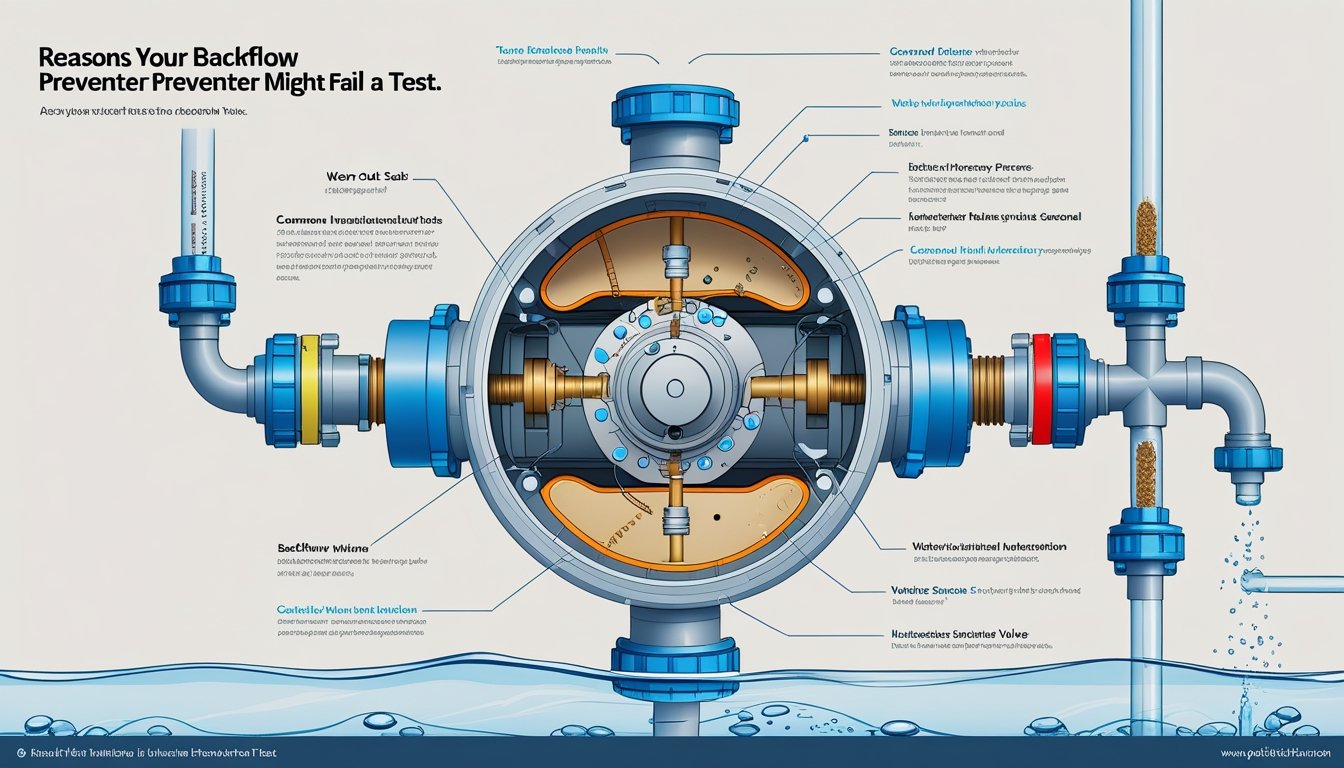
If your device keeps failing annual backflow tests, that’s a big warning. These tests check if the device is stopping water from reversing into your clean supply. Repeated failures mean the valves or seals are shot.
Ignoring failed tests can lead to water contamination—and fines from your local water department. After a couple of failures, it’s time to replace the device and stay on the right side of safety rules.
Age of Existing Backflow Preventer
Backflow preventers aren’t built to last forever. Most work well for 5 to 10 years, but rough conditions or heavy use can wear them out faster. If yours is over ten years old, it’s smart to think about replacing it—even if it seems okay for now.
Old devices break down more, leak, or fail tests. Upgrading to a newer model can save you from headaches and repair bills. Pacific Backflow can check your current setup and suggest the best options.
Unusual Changes in Water Pressure
If water pressure suddenly drops or spikes near your backflow device, something inside could be broken or blocked. Low pressure might mean leaks or busted valves. High pressure can make the device fail and let backflow happen.
Notice changes in water flow during showers, irrigation, or anywhere else? Strange tastes or smells in the water? These could all point to backflow trouble. In these cases, you’ll want a professional inspection—and probably a replacement—to keep your water safe.
Water Quality Issues Indicating Backflow Problems
If your water’s color, taste, or clarity changes, you might have backflow problems. These issues mean something unwanted could be getting into your clean supply, which isn’t good for anyone.
Discoloration or Odd Taste in Water
Cloudy, brown, or weirdly colored water could mean backflow’s letting contaminants in. This often happens when dirty water reverses into your pipes.
If your water tastes strange or metallic, that’s another warning. Contaminants might be mixing in. Don’t ignore these signs—using this water could be unsafe.
If you notice any of this, get your backflow system checked out. Regular testing and maintenance, like what Pacific Backflow offers, can catch issues before they get worse.
Presence of Debris in Tap Water
If you find particles, dirt, or debris in your tap water, your backflow preventer might be letting stuff in. Broken or worn devices can’t keep contaminants out.
Debris can clog pipes, lower water pressure, and damage your fixtures. Worse, it can bring in germs and raise the risk of getting sick.
If you spot debris, check your system. Cleaning or replacing your backflow device fixes the problem. Calling in a pro makes sure the system meets all San Diego County safety rules.
Unusual Plumbing Symptoms to Watch For
Sometimes, signs that you need a new backflow installation are subtle. Paying attention to leaks and damp spots can help you catch problems before they spiral into something costly.
Recurring Leaks Around Plumbing Fixtures
Leaks that keep coming back near sinks, toilets, or outdoor faucets might point to backflow issues. Worn or failing backflow preventers often cause these leaks.
They might start small, but if you ignore them, you could end up with bigger damage. Look for water pooling around pipes or fixtures, even when nobody’s using water. That’s a clue water’s flowing the wrong way or seals have failed.
Fixing or swapping out a bad backflow preventer stops leaks and keeps your water safe. Regular checkups can help you avoid repeat leaks and keep things running smoothly.
Unexplained Wet Spots on Property
If you find wet patches in your yard or near your building and there’s been no rain, your backflow preventer might be leaking underground.
These soggy spots can cause soil erosion or hurt your plants. Sometimes, serious leaks from backflow systems hide outside where you don’t notice them right away.
If you see these patches, it’s smart to get a professional to take a look. You may need a new backflow installation to stop hidden leaks and prevent property or water system damage. Pacific Backflow covers all of San Diego County and can test or repair your backflow devices quickly.
Risks of Ignoring Backflow Device Replacement
Waiting too long to replace your backflow device can cause big problems—some that hit your health, some that hit your wallet. Skipping replacement means you risk unsafe water and expensive repairs.
Potential Health Hazards
Your backflow device keeps dirty water out of your clean supply. If it fails, chemicals, bacteria, or other contaminants can end up in your drinking water. That puts your family’s health at risk.
Contaminated water doesn’t always look or smell different, so you might not notice. That’s why regular inspections and timely replacements are so important. Without a working device, every tap or shower could be unsafe.
Damage to Plumbing System
A broken backflow device can cause leaks and drop your water pressure. If you ignore repairs or replacement, you might end up with pipe corrosion or water damage.
Leaks waste water and can mess up your walls, floors, or even the foundation. Fixing those problems often costs way more than just replacing the device. Pacific Backflow helps you avoid all that with reliable testing, repairs, and replacements across San Diego County.
When to Consult a Professional Plumber
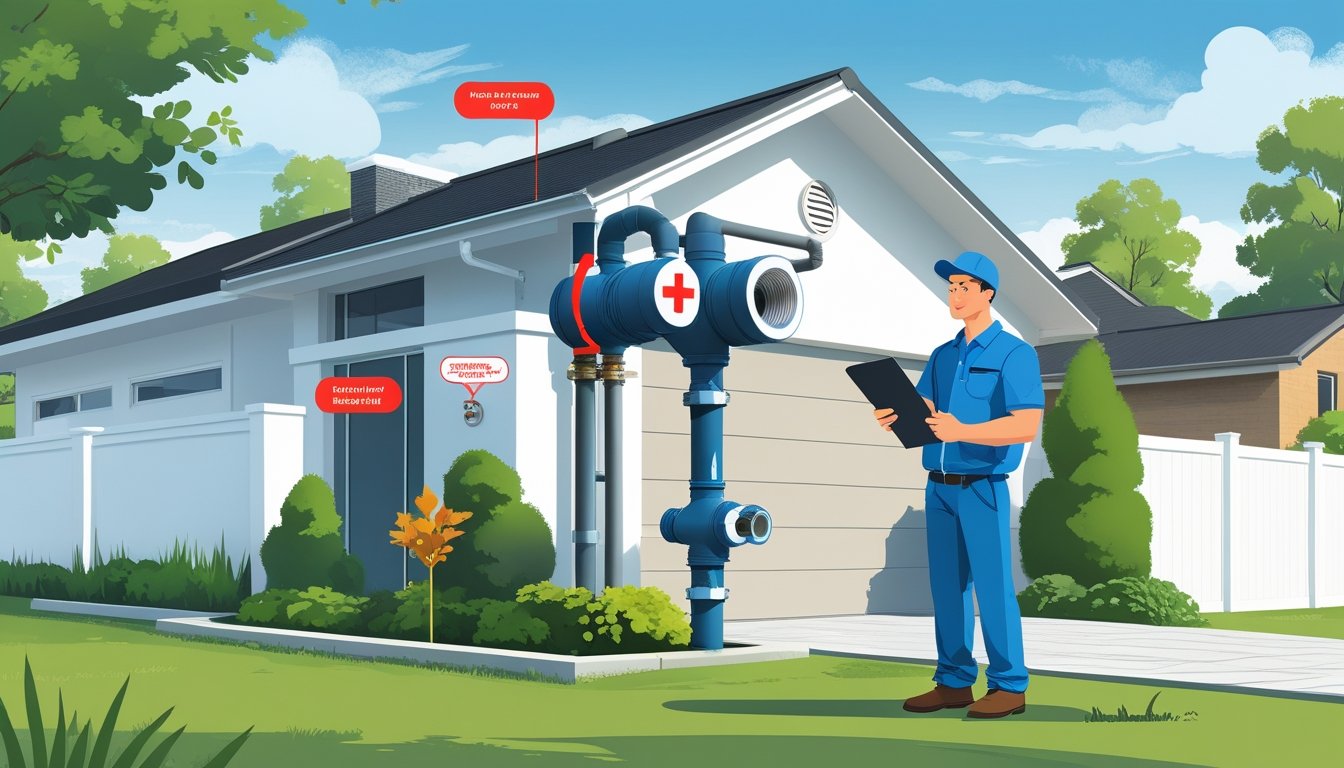
Sometimes, you just need to call in a pro. Getting a certified expert means your backflow preventer will be checked right and meet local rules. The right help keeps your water safe and your property secure.
How to Schedule an Inspection
To get your backflow device inspected, reach out to a certified plumber or backflow testing company. You can usually set up a visit by phone, email, or an online form. Make sure you give them access details for your backflow preventer.
Annual inspections are often required by law, so don’t wait if you get a notice. During the visit, the tech will check for leaks, damage, and make sure everything’s working. If they find problems, they’ll suggest repairs or replacement to keep you compliant.
Choosing Certified Backflow Specialists
Pick plumbers who are certified in backflow testing and repair. Certification means they’ve done special training and passed exams on these devices. That expertise really matters for spotting trouble and protecting your water.
Look for local experience and good reviews. Pacific Backflow has served San Diego County for decades, with certified technicians who handle testing, repairs, and installs. Certified specialists also handle the paperwork and reports for local authorities—one less thing for you to stress about.
Steps to Take After Noticing Backflow Warning Signs
If you spot signs of backflow, you’ll want to act quickly to protect your water supply. Try to limit water use to prevent contamination, and keep track of any problems as they pop up. This makes it easier for professionals to fix things when they arrive.
Temporarily Preventing Water Use
When you notice warning signs—maybe there’s a weird odor, funny color, or water pressure feels off—it’s best to stop using your water system for now. Hold off on drinking, cooking, or bathing with the water until someone checks it out.
Go ahead and turn off the main water valve if you can. That helps keep contaminated water from sneaking into your clean supply. Try not to run sprinklers, washing machines, or dishwashers either. Less water moving around means less risk of spreading anything nasty.
Documenting Problems for Service Professionals
Jot down every sign of backflow you see or notice. Maybe it’s a funky smell, odd water color, strange noises, or changes in water pressure. Snap some photos or take a quick video if you spot anything unusual—leaks, discoloration, whatever stands out. These details give technicians a better idea of what’s going on before they show up.
If you’ve had repairs or tests done before, keep that info handy. Sharing your system’s history helps the pros figure out if you might need a new backflow installation.
When you reach out to Pacific Backflow, pass along everything you’ve noticed. The more details, the easier it’ll be for them to sort out the best fix for your water and property.
Tips to Prevent Future Backflow Issues
Keeping your backflow preventer in good shape isn’t rocket science, but it does take a bit of attention. Regular checks and testing can save you a lot of hassle down the line. Here are a couple of ways to keep things running smoothly.
Regular Maintenance Recommendations
Check your backflow preventer often for leaks, dirt, or damage. Look around for water dripping or odd noises near the device. Cleaning off debris and swapping out worn parts can keep small issues from getting out of hand.
Set up a professional inspection at least once a year. Experts catch things most of us would miss. And hey, don’t forget to cover your equipment to keep it safe from theft or tampering. A clean, protected system just works better and lasts longer.
Importance of Routine Testing
Routine testing really matters if you want your backflow preventer to do its job. Schedule a licensed tester to check your device every year. That way, you’ll know it’s still keeping water from flowing backward and messing with your supply.
Pacific Backflow’s certified techs handle quick, reliable tests and file all the reports for you. If your device doesn’t pass, it’s time for repairs or maybe a replacement to stay in line with local rules. Regular testing just makes life easier and keeps your water safe.
Frequently Asked Questions
Wondering when your backflow preventer needs replacing? Catching leaks, wear, or weird performance early can save you a headache later.
How can you tell when it's time to replace your backflow preventer?
If your device leaks a lot, fails its annual test, or looks banged up, it’s probably time for a new one. Old preventers that don’t meet current codes should go too.
What indicators suggest a backflow preventer is failing?
Watch out for water backing up, weird tastes or smells, leaks, or odd noises coming from the device. Any of these are red flags.
What are the common failure signs of a backflow device?
Some common signs: dripping water, rust or corrosion, or check valves not working right. These problems can definitely put your water at risk.
What maintenance signs show the need for a new backflow preventer?
If repairs start piling up or you’re always swapping out parts, it’s probably smarter to replace the device instead of constantly fixing it. Annual test reports sometimes call out when performance drops.
How often should a backflow preventer be replaced?
Most backflow preventers last about 5 to 10 years. Regular testing will let you know if yours needs to go sooner.
What factors determine the lifespan of a backflow preventer?
Harsh weather, sloppy installation, and questionable water quality all take a toll on a preventer’s lifespan. With regular care and a professional touch—think Pacific Backflow in San Diego County—you can usually squeeze out a few more good years.