

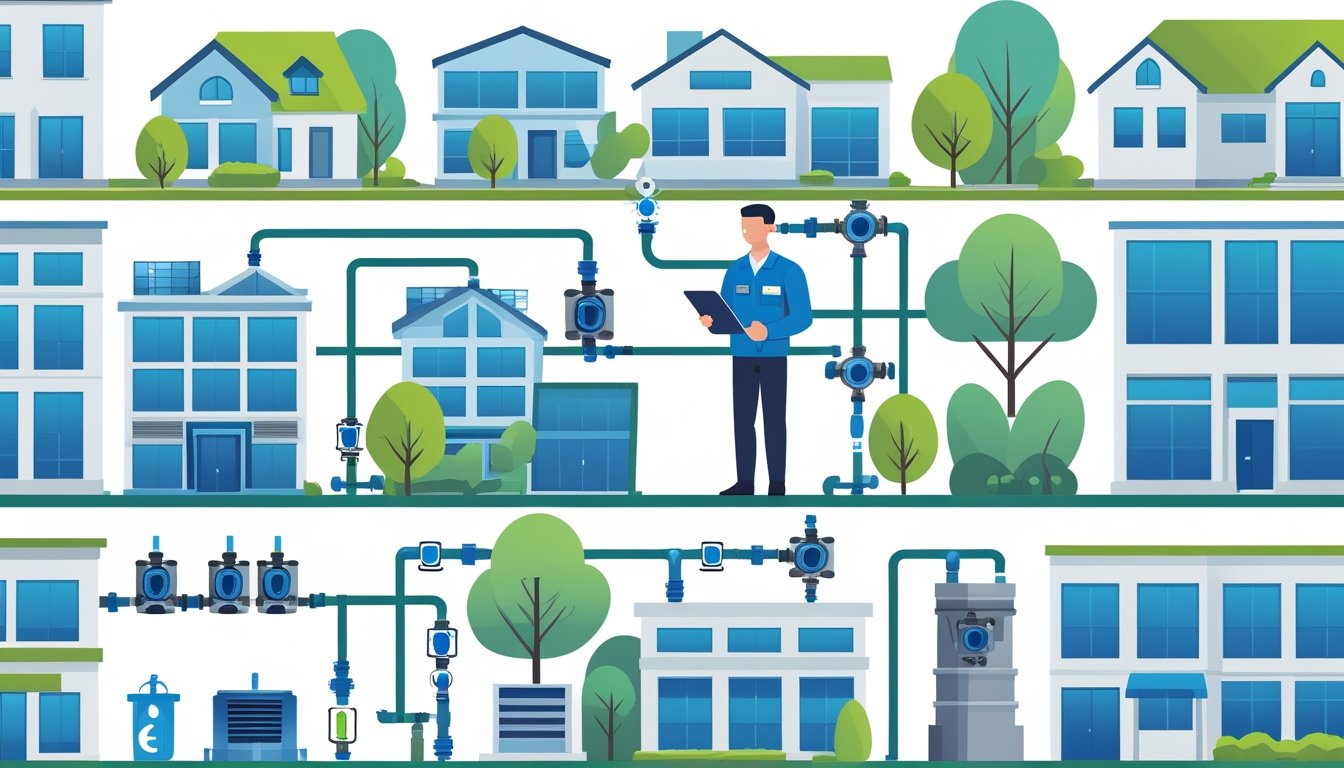
Managing backflow compliance across multiple properties can feel overwhelming, but it doesn’t have to be. The real trick is staying organized—clear schedules for testing, maintenance, and repairs take the panic out of last-minute scrambles. If you skip a step, you might face fines or water shutoffs, so planning is just part of the routine.
You need a reliable team to handle testing and repairs quickly across all your properties. Pacific Backflow offers fast, hassle-free backflow testing and files your reports so you stay compliant in San Diego County. With their experience and straightforward updates, you can focus on other property headaches, knowing your water systems are in good hands.
A simple tracking system for each property's backflow devices makes it much easier to avoid missed deadlines and compliance problems. Staying on top of annual tests, working with people you trust, and keeping records up to date—these are the real keys to managing multiple locations without drama.
Understanding Backflow Compliance
Managing backflow compliance means knowing what backflow is, the rules that apply, and which devices you’re dealing with. That knowledge keeps your properties safe and keeps you out of trouble with the city.
What Is Backflow and Why It Matters
Backflow happens when water reverses direction and flows into your clean water supply. That can pull in chemicals, bacteria, or other nasty stuff. Protecting your water from backflow? It’s not just a box to check—it’s about health and safety.
Pressure changes in pipes cause backflow. If water pressure drops out of nowhere, contaminated water can get sucked right back into the system. Blocking this is just basic safety for everyone on your property.
Overview of Local and National Regulations
Most places require backflow prevention by law, especially for commercial or multi-unit buildings. Local water authorities decide how often you need to test, maintain, and report on backflow devices.
You’ll usually need a certified tester to inspect devices every year or sometimes twice a year. If a device fails, get it fixed fast. Ignoring these rules can mean fines—or worse, losing water service.
Knowing your local regulations and keeping up with them protects your water supply and your wallet.
Common Backflow Devices and Systems
A few main types of backflow devices do the heavy lifting:
- Double Check Valve Assemblies (DCVA): Good for low hazard situations.
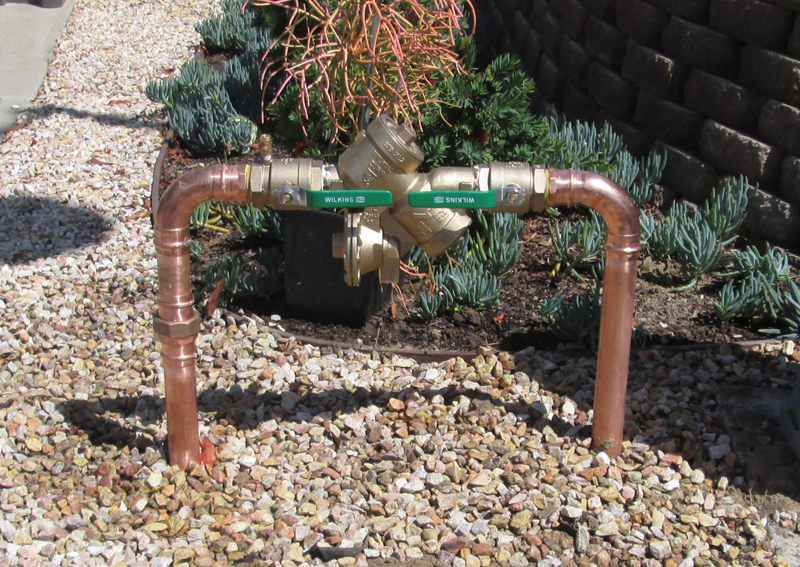
- Reduced Pressure Zone (RPZ) Devices: High-level protection, required for higher risks.
- Pressure Vacuum Breakers (PVB): Often used in irrigation to stop back-siphonage.
Install them right, test them regularly, and keep records of every test, repair, and inspection. That’s the backbone of compliance.
If you’re in San Diego County, Pacific Backflow can handle testing and maintenance so you’re never guessing what’s next.
Establishing a Multi-Property Compliance Strategy
Managing backflow compliance for several properties isn’t a one-person job—it’s all about planning and organization. Clear steps for testing, repairs, and paperwork help keep things from slipping through the cracks. A consistent system makes life easier for everyone involved.
Creating Standard Operating Procedures
Standard operating procedures (SOPs) make sure everyone’s on the same page. Your SOP should spell out testing timelines, who’s handling what, and how to deal with repairs quickly. This keeps you ready for inspections and helps avoid missed deadlines.
Include:
- Scheduling annual or semi-annual tests (whatever local law says)
- Clear steps for reporting failures or issues
- Emergency repair and replacement instructions
Written guidelines also make onboarding new people less of a hassle. Consistency across your portfolio cuts down on confusion and risk.
Centralizing Documentation and Tracking
All your backflow records should live in one spot—digital is best. Use tracking software or even a spreadsheet to monitor maintenance schedules and reports. With everything in one place, you’ll know instantly which properties are up to date and which need attention.
Track things like:
Data PointWhy It Matters Last test dateKeeps you on scheduleRepair historySpots repeat problemsCertification recordsShows compliance at inspectionsTest results and reportsNeeded for water authority filings
Centralizing makes it a breeze to send out reminders and helps you dodge fines.
Coordinating with Property Managers
If you work with several property managers, communication is everything. Meet regularly—calls or quick check-ins work—to review compliance and share updates. Make it easy for them to grant access for testing and report any problems.
Tools like shared calendars or reminder apps keep everyone on track. When repairs pop up, quick coordination means less hassle for tenants. Pacific Backflow is quick to respond for repairs and testing across San Diego County, so you’re not left hanging.
Scheduling and Recordkeeping for Inspections
Staying compliant means tracking inspection dates and keeping accurate records for every property. You need a system that reminds you when tests are due, logs each inspection, and organizes all your service reports. That way, you’re not scrambling when the city comes knocking.
Setting up Automated Reminders
Automated reminders are a lifesaver. Use a calendar app or maintenance software to set alerts for each property’s backflow testing. Give yourself at least a month’s notice to line up appointments and deal with repairs.
For multiple properties, maybe color-code reminders by location or urgency. Sharing these alerts with your team or property managers keeps everyone in the loop. It’s a simple way to avoid late tests and penalties.
Maintaining Inspection Logs
Keep a clear log for every device—installation date, inspection results, repairs, and any issues. Update it after every test or fix.
Spreadsheets or digital forms make this quick and accessible. Detailed logs help you schedule, track performance, and prove compliance if needed. Plus, they speed up decision-making when you’re juggling several properties.
Organizing Service Reports
After each inspection, stash those service reports somewhere you’ll actually find them. Hard copies in labeled folders are fine, but digital copies in cloud storage or a dedicated system are even better.
Sort reports by property, device, or date—whatever works for you. Easy access helps during audits or when you’re booking follow-ups. Pacific Backflow files reports with the authorities and gives you copies, which takes a load off your plate.
Selecting and Managing Qualified Backflow Testers
Picking the right backflow testers is about finding certified experts, building strong vendor relationships, and keeping testing standards consistent. That’s how you keep your water safe and avoid compliance headaches.
Finding Certified Professionals
You want testers who are licensed and trained to handle backflow devices. Always check their credentials. Make sure they’re up to date and know your local rules.
Certified testers bring the right equipment and follow strict guidelines, which helps you avoid costly mistakes. It’s just not worth cutting corners here.
Establishing Vendor Relationships
A good relationship with your tester pays off. Scheduling gets easier, communication is smoother, and repairs happen faster. Look for companies that handle both testing and repairs and respond quickly.
Get clear service agreements—annual testing, emergency support, the works. Reliable vendors save you time and stress. Plus, good partnerships can mean better pricing and first dibs when you need help.
Ensuring Consistent Testing Standards
All testers should follow the same process for inspections and reports. Set up a checklist of what needs doing and what paperwork you want. This keeps things consistent and reliable.
Testers should send reports to your water authority right away. Keep your own records—test dates, repair notes, all of it—so you can track maintenance without headaches. Consistent standards make multi-property management a whole lot easier.
Leveraging Technology for Streamlined Compliance
Tech can make backflow compliance less of a chore. It keeps schedules, documents, and maintenance needs in order so nothing gets missed.
Using Property Management Software
Property management software is a game changer for backflow testing. Store test dates and repair schedules for every property in one spot. Most programs send reminders, so you’re never caught off guard.
Keep digital copies of test reports and repairs linked to each property. Sharing with water authorities or auditors is a breeze. Plus, you’ll lose less paperwork.
Some tools let you assign tasks to your team or contractors, so you always know who’s handling what. Organizing everything digitally saves time and cuts down on errors.
Implementing Digital Compliance Checklists
Digital checklists are great for making sure every compliance step gets done. Create lists for each property that cover testing, maintenance, and repairs. Your staff or techs can check off tasks as they go.
When rules change, update your checklists instantly. The team always has the latest info. Completed checklists double as proof for inspections or audits.
Add photos, notes, or signatures right into the checklist for detailed records. This makes documenting repairs and device condition simple. Digital checklists keep your workflow smooth, even when you’re juggling a bunch of locations.
Pacific Backflow handles testing and support in San Diego County, so you don’t have to stress about keeping up.
Frequently Asked Questions
Managing backflow compliance for multiple properties is mostly about staying organized—testing schedules, paperwork, and keeping up with local rules. You’ll also want to plan for repairs and know what happens if you fall behind.
What are the best practices for scheduling backflow prevention device testing for multiple properties?
Set up an annual or semi-annual testing calendar for each property, based on your water authority’s rules. Use reminders well ahead of deadlines to avoid last-minute panic.
If you can, group inspections by geography or property type—it saves time and travel costs. Always use certified testers.
How can property managers ensure all their properties remain compliant with local backflow regulations?
Stay current on your local water district’s rules and any updates to compliance laws. Appoint someone to track notifications about testing deadlines and repairs.
File all test results and maintenance records with the city water authority. Pacific Backflow can handle this paperwork for you.
What is the most efficient way to keep track of different backflow device inspection and maintenance requirements for each property?
Use a digital spreadsheet or property management software to log inspection dates, tester info, and maintenance needs.
Make a checklist for each device and update records right after tests or repairs. This keeps you from missing deadlines or misplacing documents.
How often should backflow prevention devices be replaced, and what factors determine the schedule?
Most devices last about 5 to 10 years, but that can really depend on wear, damage, or if they start failing tests. Water quality, the specific device, and how often you use it all play a role.
If you're finding repairs are needed more and more, or if parts just aren't available anymore, it's probably time to swap the whole thing out. Better safe than sorry, right?
Can you recommend any software or tools to streamline backflow compliance management for a portfolio of properties?
Honestly, even basic property management tools with a calendar and file storage can do the trick. Some software sends reminders for testing and keeps certification records handy in digital form.
There are also platforms made for facilities or maintenance management that bring compliance tracking into the mix, which can be pretty useful if you're juggling a bunch of sites.
What are the penalties for failing to maintain backflow compliance for multiple properties, and how can they be avoided?
You might get hit with fines, lose water service, or even face legal trouble if you don’t keep up with backflow compliance. Letting issues slide can put the whole public water supply at risk—nobody wants that.
To steer clear of these headaches, set up regular tests, handle repairs as soon as you spot a problem, and keep your records in order. Honestly, teaming up with a dependable service like Pacific Backflow makes it way easier to stay compliant.