

Keeping your irrigation backflow lines free of debris is key to protecting your water supply and making sure your system works right. The best way to prevent debris buildup is to perform regular inspections and maintenance, like cleaning and testing your backflow preventer. This helps stop small particles from blocking valves or causing leaks and contamination.
You can also protect your system by installing filters and picking the right backflow preventer for your property. At Pacific Backflow, we handle testing and repairs all over San Diego County to keep irrigation systems safe and compliant. A little prevention saves you from expensive repairs and keeps your water clean—honestly, it’s worth the effort.
Understanding Debris Buildup in Backflow Lines
Debris in backflow lines can show up from all sorts of places and cause real headaches if you ignore it. If you know what types of debris get stuck, how they sneak in, and the risks they bring, you’ll have a much easier time keeping things running smoothly.
Common Types of Debris
You’ll usually spot sediment—dirt, sand, tiny rocks—inside backflow lines. Hard water leaves behind mineral deposits, too, which build up into scale and shrink the pipes. If your system’s outside or uses non-potable water, expect leaves, twigs, or even algae to sneak in.
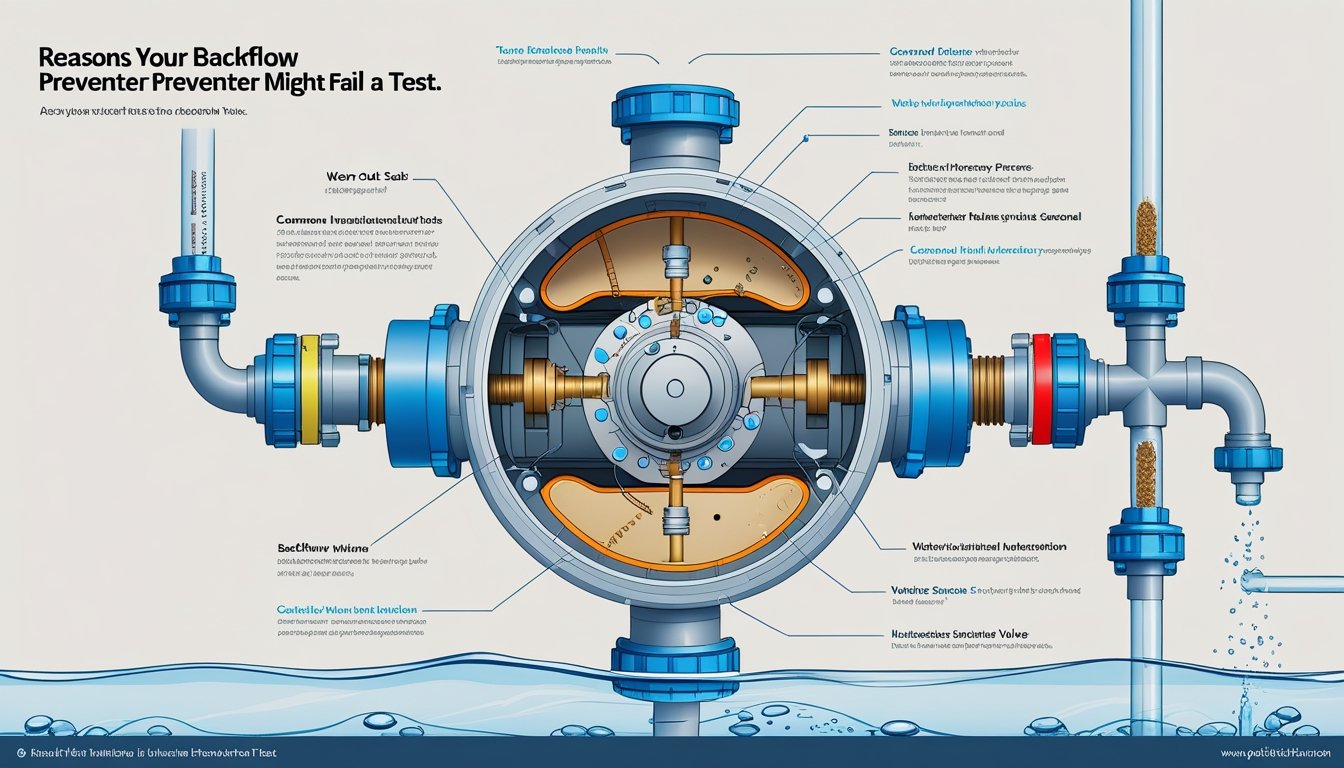
Rust or flakes from pipe corrosion sometimes end up in the backflow preventer. These bits can block valve seats and stop the device from sealing. If you clean things out regularly, you’ll catch this debris before it causes leaks or backflow problems.
How Debris Enters Irrigation Systems
Debris gets into your irrigation backflow lines mostly through the water supply, especially if the source is near dirt or construction. Outdoor hookups—garden hoses, sprinklers, or irrigation lines—can pull in leaves, bugs, or soil.
If screens or filters are broken or missing, debris slips right through. Sudden changes in water pressure, like a main line break or heavy pump use, sometimes pull dirt and particles back into the system through cross-connections.
When you install and take care of backflow preventers properly, as Pacific Backflow suggests, you’re blocking most debris from the start.
Risks Associated With Blocked Backflow Lines
If debris blocks your backflow lines, expect water flow to slow or stop, which isn’t great for your plants or your system’s efficiency. Debris wears down seals and valves, leading to leaks or even device failure.
Worse, if the backflow preventer fails, dirty water from irrigation or other sources could mix into your clean supply. That’s a public health risk and could land you with expensive repairs or code violations.
Regular inspection and cleaning are your best defense. Pacific Backflow’s maintenance services include both, so you can avoid debris buildup and keep things safe.
Routine Maintenance Practices
To keep your irrigation backflow lines clear, you need steady, simple habits. Check your system often, flush out debris, and use the right cleaning tools. These steps help keep water moving and protect your water supply.
Scheduled System Inspections
Inspect your backflow system at least once a year. Hunt for leaks, cracks, or damage where dirt might sneak in. Focus on valves and joints—debris loves to pile up there.
Test the system to make sure everything’s working. Spotting small issues now beats dealing with big repairs later. If you’re not sure, bring in a pro for peace of mind and to stay within local rules.
Keep notes on what you find and schedule repairs when needed. A simple record helps you track the health of your device over time.
Flushing Irrigation Lines Regularly
Flushing your irrigation lines washes out dirt, sand, and leaves that clog things up. Try to flush at least twice a year, maybe more if you notice pressure drops or patchy watering.
Open drain valves or outlets and let water rush through—this pushes out debris before it causes trouble. Use clean water and keep flushing until it runs clear. Skip the harsh chemicals; they can wreck your device or even your plants.
Regular flushing keeps water moving evenly and stops gunk from building up inside pipes and the backflow preventer.
Using Proper Cleaning Tools
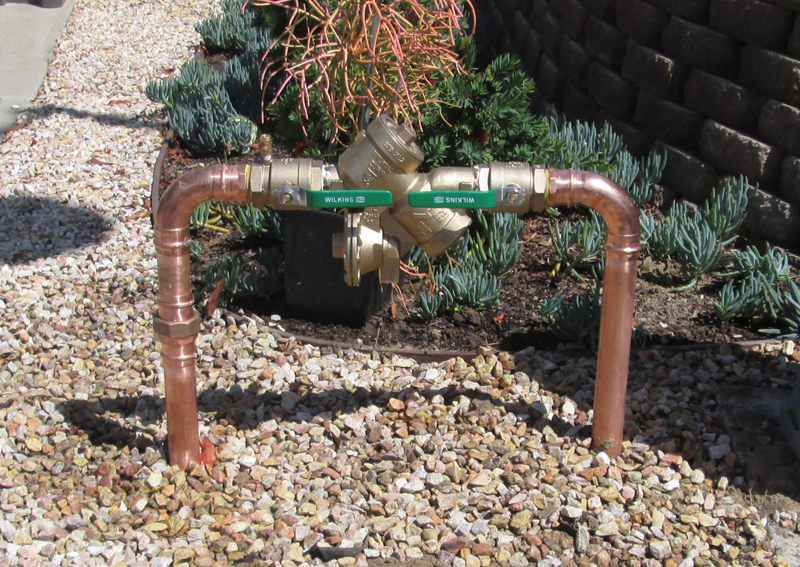
The right tools make cleaning your backflow preventer easier and safer. Soft brushes or gentle cloths can clear debris from valves and outer parts. Avoid metal tools—they’ll scratch or damage seals.
For inside cleaning, a leaf blower or low-pressure air hose can blow out stubborn particles without harming sensitive bits. If you can remove parts, do it carefully for a deeper clean.
Wear gloves and follow safety tips. If you’re unsure, call a specialist at Pacific Backflow so you don’t accidentally break something.
Installing Preventative Solutions
If you want to keep debris out, you’ll need the right gear in the right spots. Devices like screens and filters trap particles before they hit your preventer. Picking a backflow preventer that matches your setup helps, too. Placement really does matter here.
Debris Screens and Filters
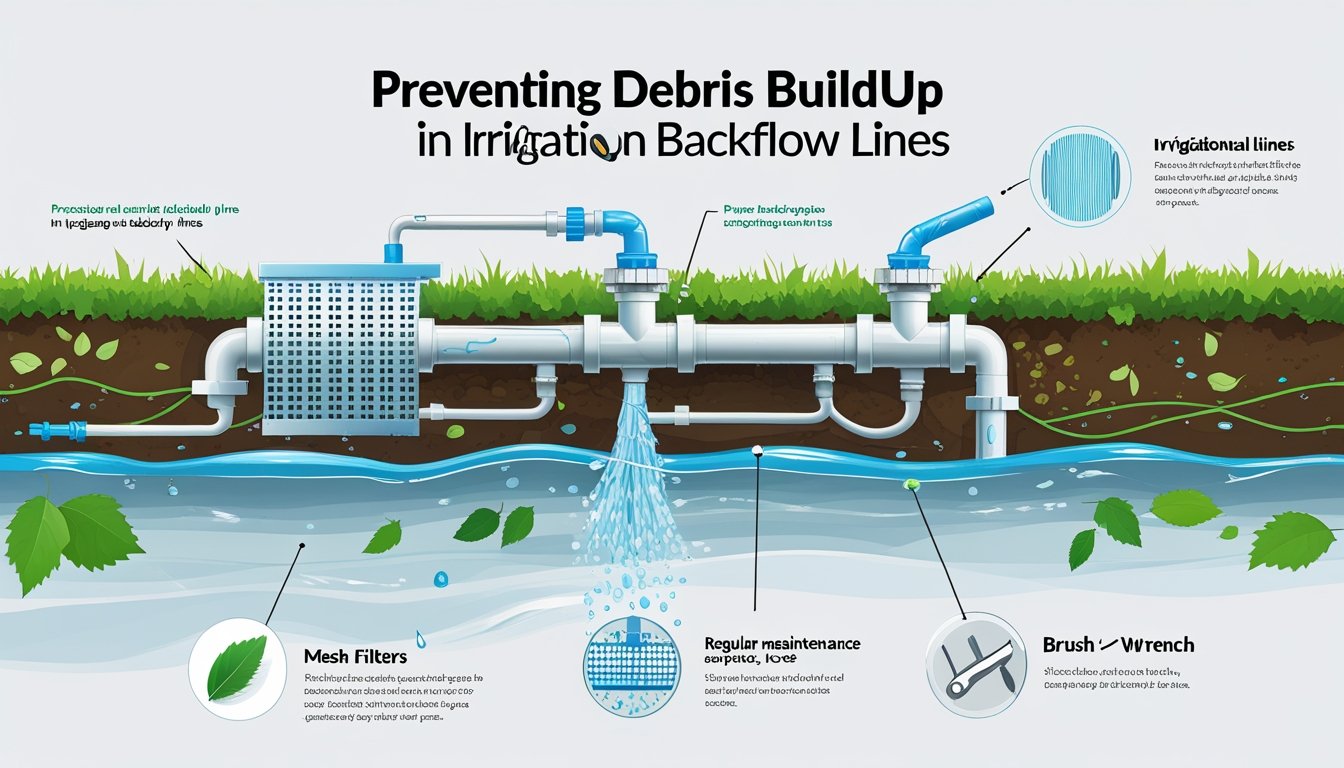
Adding debris screens or filters before the backflow preventer is a no-brainer. They catch leaves, dirt, and other stuff that could clog your system. Choose a mesh that blocks small debris but doesn’t choke water flow.
Install screens where you can get to them easily—cleaning or replacing them is part of the deal. If you ignore them, trapped debris just causes new problems. Stay on top of cleaning to keep things running smooth.
Selecting the Right Backflow Preventer
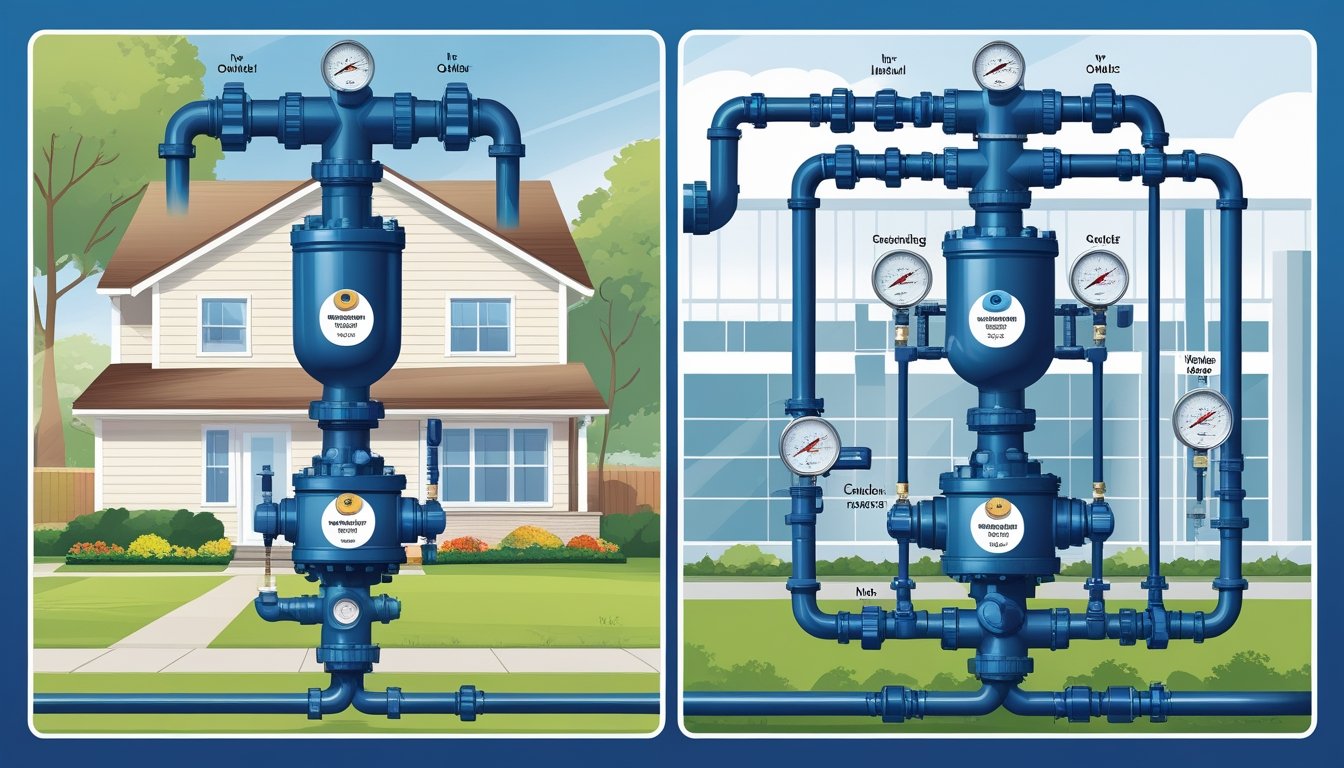
Picking the right backflow preventer helps dodge debris issues. Some models have built-in screens or easy-to-clean valves.
Ask a professional for advice on what fits your water flow and zone size. The right device puts less stress on your system and lowers the odds of leaks or debris damage. Pacific Backflow can help you choose and install the best one for your property.
Positioning Equipment Strategically
Where you put your backflow preventer and screens matters. Place them near the water source but away from spots where mud and leaves pile up.
Raise equipment a bit if you can—keeps it out of standing water or mud. Try not to set up where sprinklers or hoses spray directly on the preventer or screens, since that just pushes more debris inside.
Thoughtful placement makes maintenance easier and helps your system parts last longer. It’s all about keeping your water safe and your irrigation reliable.
Improving Water Source Quality
Keeping clean water flowing into your irrigation system cuts down on debris in your backflow lines. Pay attention to where your water comes from and how you control sediment to protect your system.
Source Water Assessment
Knowing your water quality helps you spot issues early. Test for particles, chemicals, and biological contaminants. These things all affect how much debris can sneak into your backflow lines.
Check water clarity and taste. Cloudy water or weird smells often mean more sediment or pollutants. Regular lab tests give you the real scoop.
Think about what’s around your water source—construction, farming, whatever. Dirt, fertilizers, or pesticides can all end up in your water. Spotting these risks helps you pick the right treatment or filtering before water hits your irrigation system.
Sediment Control Techniques
Keeping sediment out of your irrigation system stops clogs and cuts down on backflow device damage. A simple fix is adding a sediment filter before the backflow preventer. These filters grab dirt before it can cause problems.
You might also install settling basins or sediment traps in your supply line. They slow down water so heavy stuff drops out. Don’t forget to clean these spots often, though, or they’ll just fill up and cause blockages.
Landscaping helps, too. Grass or gravel buffers around your water source can stop sediment runoff. Try not to dig or mess up soil near your supply to limit new debris.
Controlling sediment at the source protects your backflow preventer from wear and leaks. Pacific Backflow recommends regular checks and maintenance to keep your water clean and your system safe.
Best Practices for Long-Term Prevention
Keeping your irrigation backflow lines clean is really about steady care and smart upgrades. If you act at the right times and swap out parts when needed, you’ll avoid most blockages.
Seasonal Shutdown Procedures
When irrigation season wraps up, you’ve got to prep your system to avoid debris headaches. Start by flushing the lines with clean water to clear out trapped dirt.
Drain all water from the backflow preventer to stop freezing and debris buildup during winter. If you’re somewhere cold, insulate your backflow device to prevent cracks and damage.
Take a close look for signs of wear, leaks, or buildup. Catching issues now saves you hassle later. A little effort at shutdown really does pay off.
System Upgrades for Enhanced Performance
Upgrading your backflow preventer and irrigation system helps keep debris at bay for the long haul. Try adding a pressure gauge to monitor water pressure. Weird pressure—too high or low—makes debris clogs more likely.
Swap out worn parts like rubber seals or valve discs to keep things working right. Newer models usually have better designs to keep debris out.
A protective cage can stop damage or tampering, too. Good maintenance with smart upgrades keeps your irrigation running and your water safe.
If you’re not sure where to start, Pacific Backflow can help with upgrades or testing to keep you in line with San Diego county rules.
Frequently Asked Questions
Keeping debris out of your irrigation system comes down to regular care, good filters, and spotting buildup early. You’ll need a clear cleaning and inspection schedule for your backflow preventer to keep your water supply safe.
How can I regularly maintain my irrigation system to avoid debris accumulation?
Flush your irrigation lines once a season (at least) to rinse out dirt and particles. Check and clean filters, valves, and emitters to stop clogs before they get bad.
Clear away any visible debris around the system, especially near sprinkler heads and drip emitters.
What practices can prevent clogging in drip irrigation systems?
Use quality micro-filters before the drip lines to catch tiny particles that block emitters.
Flush the system often and check drip tubing for cracks or buildup.
Don’t add fertilizers directly into irrigation water unless you’ve got proper filtration.
Are there specific filters recommended for keeping irrigation lines clean?
Screen filters and disc filters both work well for most setups. Screen filters catch bigger debris, while disc filters grab smaller stuff.
Pick a filter size that matches your system’s flow rate and clean them regularly to keep water moving.
How does a backflow preventer work, and what maintenance does it need?
A backflow preventer keeps dirty water from sneaking back into your clean supply. It’s got valves that only let water move one way—simple, but crucial.
Get a pro to test it once a year to catch any issues early. If you spot debris or notice leaks, just give it a good cleaning. Not sure where to start? Pacific Backflow offers testing and repairs if you want some backup.
Can you suggest a maintenance schedule to prevent irrigation system blockages?
Every three months, check your filters and flush the lines—especially if your water’s on the murkier side. Once a year, have a certified tester take a look at the backflow preventer.
Drip emitters and sprinkler heads? Clean them whenever they seem clogged or the system isn’t working quite right. It really comes down to how much you use it and what you notice.
What signs should I look for to spot early debris buildup in my irrigation system?
Keep an eye out for uneven watering, low pressure, or sprinklers that start spraying in weird patterns. Those are classic hints of clogged lines or blocked emitters.
If you notice leaks or water pooling around your backflow device, that could mean debris or some internal damage. It’s worth checking things out sooner rather than later—nobody wants a minor issue turning into a full-blown mess.