

Water contamination is one of those hidden risks that most homeowners don't really consider—at least, not until something goes wrong. Harmful bacteria, chemicals, and metals can sneak into your water from inside your home or the public water system. Understanding the risks and knowing how to protect your water supply matters for your family's safety and peace of mind.
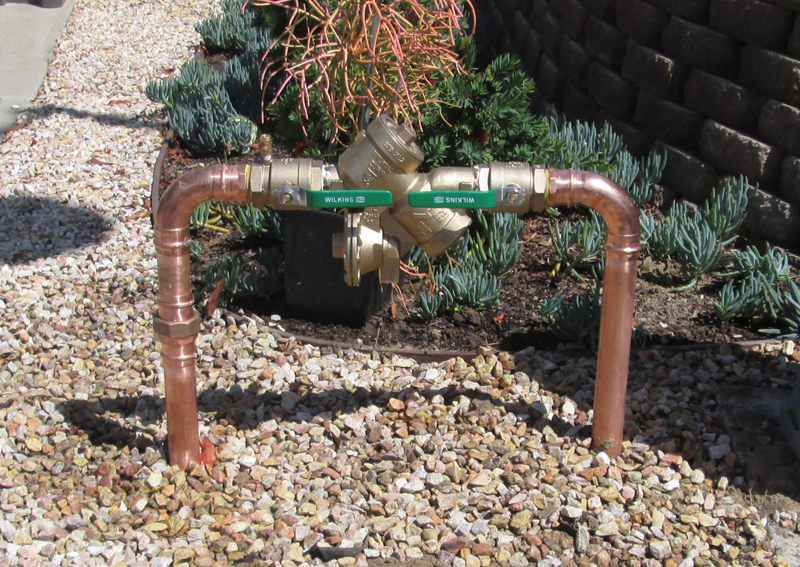
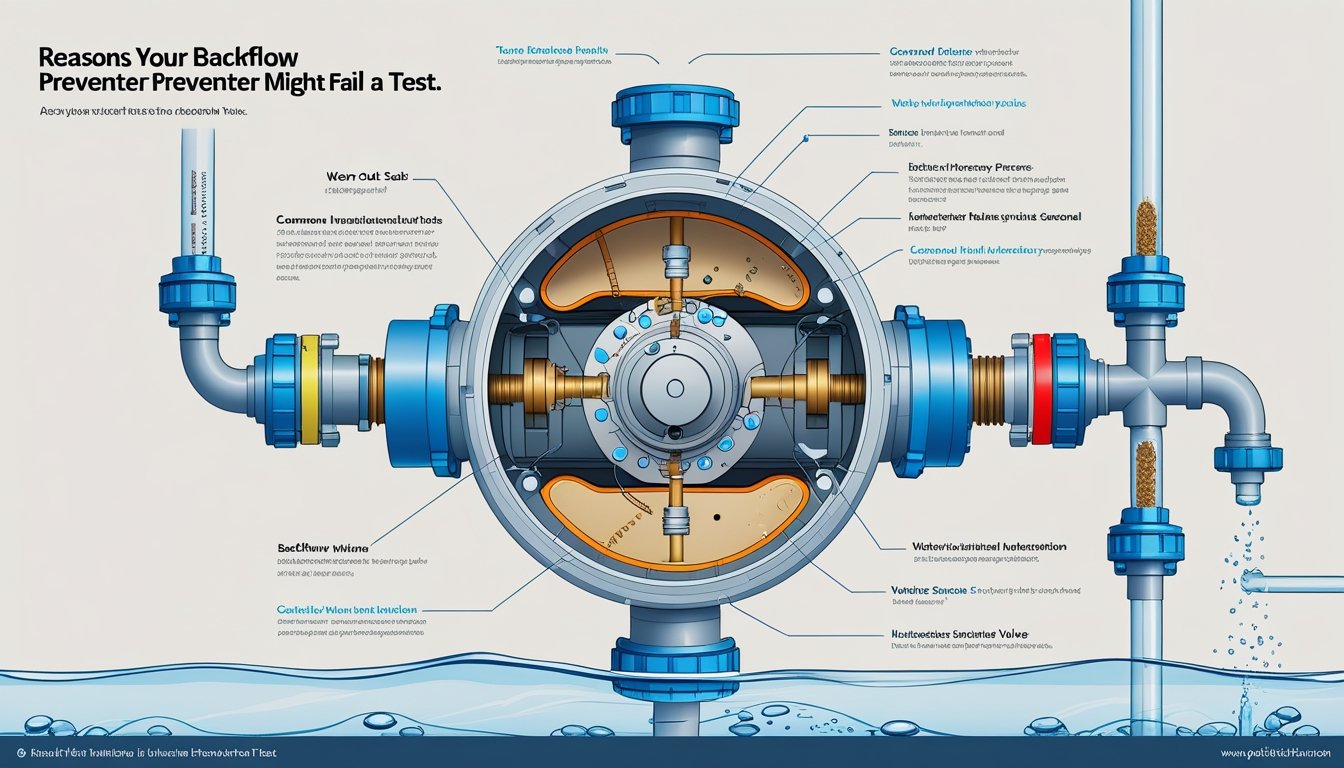
Contaminants can get into your water through things like backflow. That's when dirty water finds its way backward into clean pipes, sometimes without you even knowing. Regular testing and maintenance catch these problems early and help prevent contamination.
Your local experts like Pacific Backflow in San Diego County can help keep your water clean with fast, reliable backflow testing and repairs.
Understanding Water Contamination
Water can carry all sorts of stuff you can't see, and some of it isn't good for you. We're talking germs, chemicals, metals—things you really don't want in your drinking glass. If you know what to look for and where it comes from, you can do a lot to keep your home water safe.
Common Types of Water Contaminants
Water contaminants usually fit into three main categories: biological, chemical, and physical.
Biological contaminants are things like bacteria, viruses, and parasites (think Giardia). These can make you sick—stomach troubles, infections, all that unpleasant stuff.
Chemical contaminants include pesticides, fertilizers, heavy metals (lead, mercury), and even cleaning products. They might get into your water from farms, industry, or old pipes.
Physical contaminants are pretty much what they sound like—dirt, rust, or other particles that make your water look cloudy. They don't always make you sick, but they can taste bad and mess with your plumbing.
Knowing which types you might be dealing with helps you figure out what kind of testing or treatment makes sense.
Sources of Water Pollution
Water pollution can come from all over—your home, your neighborhood, even natural sources.
A big one is backflow. If the water pressure changes, dirty water can slip backward into your clean pipes. It's not just a plumbing headache—it can bring real health risks.
Other sources? Runoff from farms, leaking septic tanks, industrial waste, and old plumbing materials like lead pipes. Sometimes, even minerals from rocks can sneak into your water.
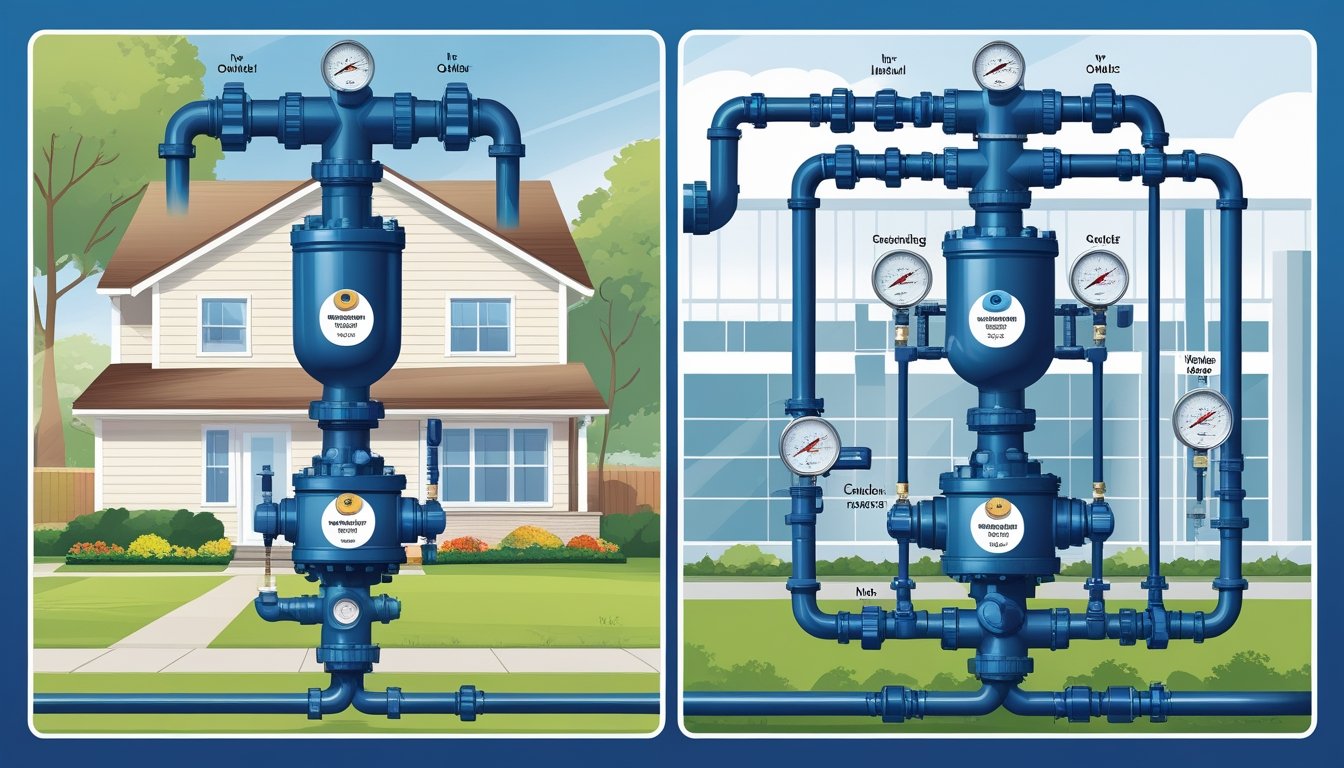
Learning where pollution starts lets you take steps to protect your water. Installing backflow preventers is a solid move to block contaminated water from mixing with your clean supply.
Health Risks Associated With Contaminated Water
Drinking or using contaminated water can cause health problems.
Bacteria and viruses might lead to diarrhea, stomach cramps, vomiting, and sometimes more serious infections, especially for kids or anyone with a weaker immune system. Chemicals like lead or pesticides can cause long-term issues—learning disabilities, organ damage, you name it.
Heavy metals are sneaky; they build up in your body over time and can do real harm. Sometimes you'll notice a weird smell or taste, and that's your clue something's off.
You can lower these risks by testing your water regularly and dealing with any problems right away. Services like Pacific Backflow in San Diego County offer backflow testing and repairs to help keep your water clean.
How Water Contamination Affects Homeowners
Water contamination isn't just a minor inconvenience. It can mess with your water quality, damage your plumbing, and even cause legal headaches or big bills if you ignore it.
Impact on Household Water Supply
Contaminated water can bring bacteria, chemicals, or heavy metals into your home. You might notice a strange taste, a funky smell, or odd colors in your tap water. Drinking or using it can cause nausea, stomach problems, or skin issues.
Old pipes, backflow, or nearby industry and farms are common culprits. Regular testing and backflow prevention help keep these contaminants out. Pacific Backflow offers testing to make sure your water stays safe.
Potential Damage to Home Systems
Contaminated water doesn't just affect your health—it can wreck your plumbing and appliances too. Rust or sediment can clog pipes, damage water heaters, washing machines, and dishwashers. Eventually, this leads to expensive repairs or replacements.
Backflow problems can cause leaks or even burst pipes. Keeping your backflow preventers in good shape stops unsafe water from reversing into your system, saving you money and hassle.
Legal and Financial Implications
Water contamination can land you in legal trouble and cost you a lot. Many places require homeowners to keep backflow devices maintained and water systems safe. If you ignore these rules, you might get fined.
If your contaminated water damages neighbors' supplies or local systems, you could face lawsuits or have to pay up. Regular backflow testing and repairs keep you in compliance and help protect your property value. Pacific Backflow can handle your backflow needs and help you avoid these headaches.
Identifying Water Contamination in Your Home
Spotting problems with your water early is crucial. Changes in appearance, smell, or taste are often your first clues. Testing your water with easy-to-use kits can give you peace of mind—or warn you when it's time to act.
Signs and Symptoms of Contaminated Water
Pay attention to your tap water. If it's cloudy, murky, or has weird colors like brown or yellow, that's a sign. Odd smells or a metallic, bitter, or just "off" taste? Also a warning.
Sometimes, the problem shows up in your health. Upset stomach, nausea, diarrhea, or cramps after using tap water could mean something's wrong.
Rusty pipes, bacteria, or chemicals can cause these changes. If you notice any of this, don't wait—test your water or get some help.
Home Water Testing Methods
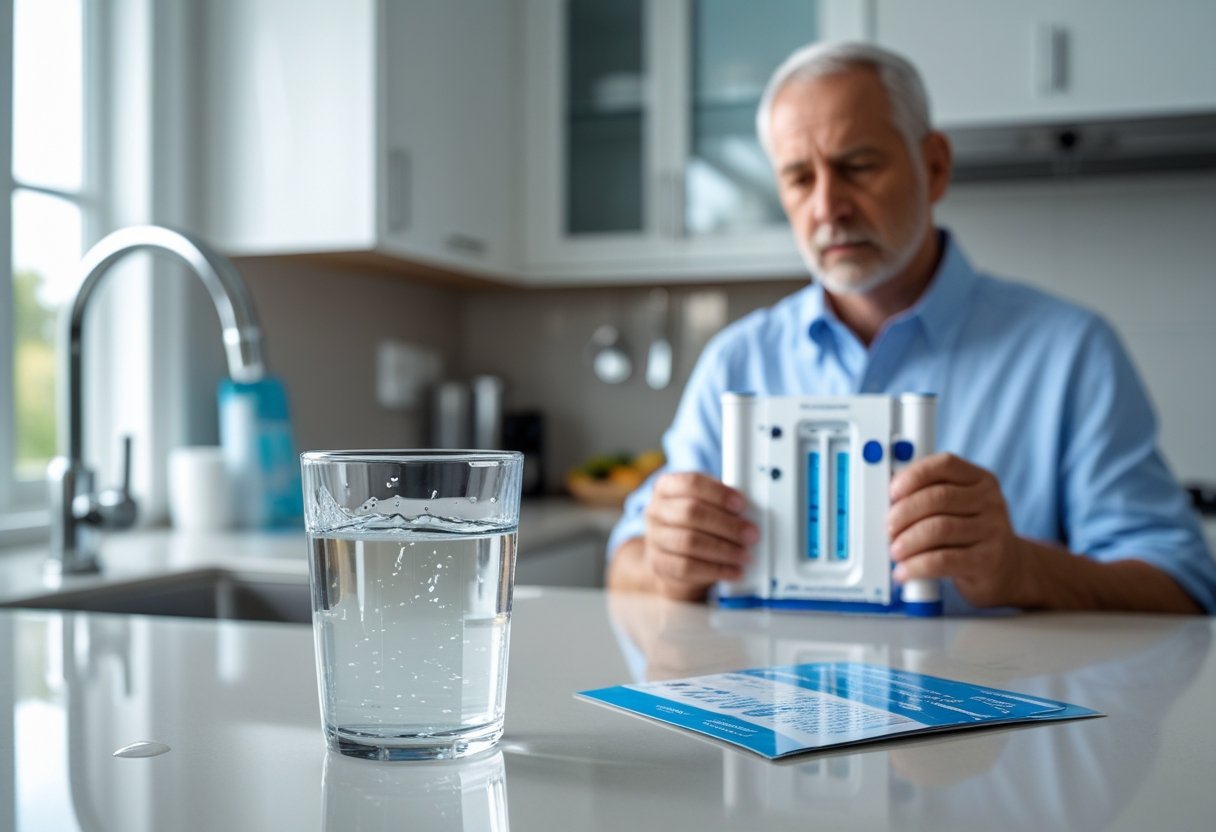
Testing your water at home is easier than you might think. Simple kits check for bacteria, lead, pesticides, and other usual suspects. Most kits come with instructions and all the bits you need to collect and analyze a water sample.
Some give you results on the spot, while others need to be sent to a lab. Testing regularly helps you catch problems before they get worse.
If you have a backflow prevention system, get it tested by pros like Pacific Backflow. They move fast and know the local rules, so your water stays safe.
Preventing and Responding to Water Contamination
Keeping your water clean takes a bit of regular care, some smart choices, and knowing what to do if things go sideways. Protect your water with good habits, the right filters, and quick action when you spot trouble.
Practical Home Water Safety Tips
Check your plumbing for leaks or broken pipes. Make sure your backflow prevention devices get tested every year and are working right. These devices keep dirty water out of your clean supply.
Don't hook up hoses to questionable sources like garden ponds or chemical sprayers. Clean faucet aerators and screens now and then to stop buildup. If your water smells or tastes weird, don't use it.
Calling in pros for backflow testing and repairs is worth it. Companies like Pacific Backflow can keep your system up to code and your water safe.
Effective Filtration and Treatment Options
Filters can get rid of dirt, chemicals, and germs. Carbon filters help reduce bad tastes and odors. Reverse osmosis systems offer stronger purification. UV light treatment zaps bacteria and viruses—no chemicals needed.
Pick filtration systems based on your water's quality and what you need. Sometimes a simple filter is enough, sometimes you need more. Test your water regularly so you know what to target.
Don't forget maintenance. Change filter cartridges as recommended, clean systems as needed, and watch for signs of wear. A well-kept system keeps your water safe and tasting good.
Steps to Take if Contamination is Suspected
If your water smells, tastes, or looks off, stop drinking or cooking with it right away. Don't use it for brushing teeth or washing dishes until you know it's safe.
Call your local water authority to report the issue and ask for testing. If you have a private well, get it tested by a certified lab. Sometimes you need a pro to check your backflow device or plumbing.
While you wait for results, use bottled water or boil your tap water for at least a minute to kill bacteria. If backflow is the problem, Pacific Backflow can help with fast repairs.
Acting early can prevent health problems and bigger headaches down the road.
When to Seek Professional Help
Sometimes you just need expert help to keep your home's water safe. The right testing and a solid plan for repairs can make all the difference. Getting professionals involved early helps protect you and your family from serious risks.
Choosing Certified Water Testing Services
Go with certified water testers—they know how to check for bacteria, chemicals, and other nasty stuff. Certified pros use approved methods, so you get real answers instead of guesses.
Look for testers who offer yearly checks, especially if you use well water or recently had plumbing work done. They should explain your results and what to do next. Companies like Pacific Backflow handle the paperwork and keep your home up to code, which takes a load off your mind.
Understanding Remediation Processes
After testing, you might need help fixing the problem. That could mean installing a new backflow preventer, repairing leaks, or treating the water with filters or disinfectants. Good pros will walk you through your options and make sure everything meets local rules.
Always use trained experts for repairs. Bad work can make things worse. If your backflow preventer is old or broken, a reliable company will swap it out quickly to keep your water safe.
Frequently Asked Questions
Water contamination can come from all sorts of sources and affect your well or home water in different ways. If you know what to look for and how to fix it, you can keep your water safe for your family.
How can I tell if my well water is contaminated?
Watch for a strange smell, odd taste, or cloudy water. Changes in color or visible particles are also red flags.
Sometimes, contamination isn't obvious, so it's smart to test your water regularly—even if it looks fine.
What steps can I take to remediate contaminated well water?
Start by testing your water to see what's in there. Use filtration systems designed for the specific contaminants you find, like bacteria or chemicals.
Sometimes, you might need shock chlorination or a new well liner to get your water quality back on track.
What are common signs of water contamination in the home?
Look out for bad taste, strange odor, discoloration, or stains on sinks and laundry. Corroded pipes and frequent plumbing clogs can also signal trouble.
Unexplained illness in your household could happen if harmful bacteria or chemicals get in your water.
How can contaminated water affect my health?
Drinking or using contaminated water can cause stomach problems, skin irritation, and infections. Chemicals like lead or pesticides can lead to long-term health issues, including organ damage.
Kids, pregnant women, and anyone with a weak immune system face higher risks.
What should I test for in my well water to ensure it's safe?
You’ll want to check for bacteria like E. coli, nitrates, and heavy metals—think lead or arsenic. It’s smart to look for chemicals too, like pesticides or any leftover solvents. Testing pH and hardness? That’s useful for getting a sense of your water’s general quality.
Honestly, it’s a good idea to run these tests every year. You never know when something new might pop up.
What are some harmful chemicals to look out for in tap water?
You’ll want to watch out for things like lead, chlorine byproducts, pesticides, and industrial solvents. Old pipes, farms, or factories nearby can let these sneak into your water.
If you’re worried, Pacific Backflow offers testing and can give advice on keeping your water safer in San Diego County.