

Professional backflow preventer servicing involves testing, cleaning, and repairing the device to ensure it works properly and meets safety standards.
A backflow preventer stops dirty water from flowing backward into the clean water supply. Without regular servicing, this device can fail and allow harmful contaminants to enter drinking water. This poses serious health risks and can lead to costly repairs.
Most areas require annual testing by certified professionals to keep the water supply safe. Regular maintenance also helps the device last longer and prevents unexpected breakdowns.
Per California Title 17 (Cross-Connection Control), public water systems must ensure each backflow prevention assembly is tested at least annually by a certified tester, with results reported to the water supplier.
Understanding what happens during servicing helps property owners make smart decisions about their plumbing systems. In this article, you’ll learn how to manage backflow preventer servicing to keep your water system safe, reliable, and compliant.
Here’s what you need to know:
- What is backflow preventer servicing and why it matters
- Key steps in professional backflow preventer servicing
- Common issues identified during backflow preventer servicing
- How regular servicing benefits your property
- DIY checks vs professional backflow preventer servicing
- Why Pacific Backflow is your trusted partner for servicing
Keep reading! This article covers the servicing process, common problems that technicians find, and the benefits of professional maintenance versus do-it-yourself checks.
What is backflow preventer servicing and why it matters
Backflow preventer servicing involves regular testing, inspection, and repairs to keep these devices working properly. This maintenance protects drinking water from contamination and helps property owners stay compliant with local water safety regulations.
Understanding the role of backflow preventers in water safety
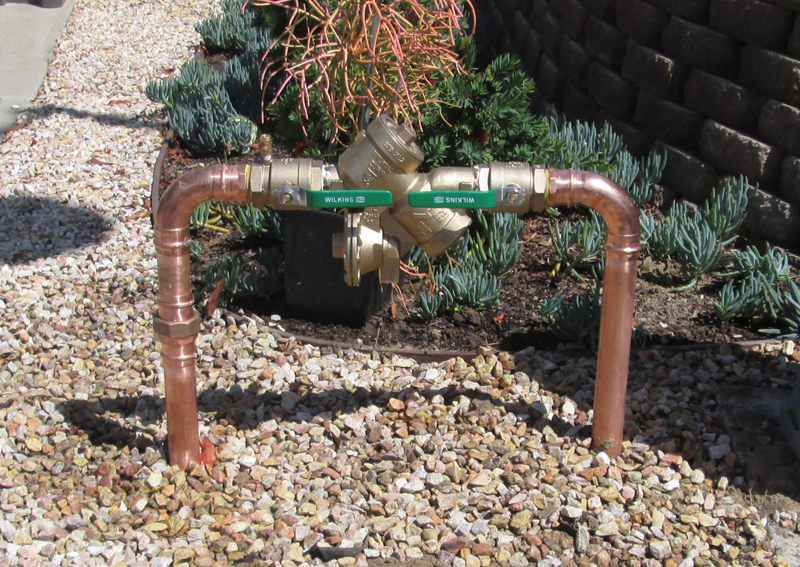
A backflow preventer stops contaminated water from flowing backward into the clean water supply. When water pressure drops or reverses direction, dirty water from irrigation systems, fire sprinklers, or industrial processes can enter drinking water lines. The device acts as a one-way gate that only allows water to flow in the correct direction.
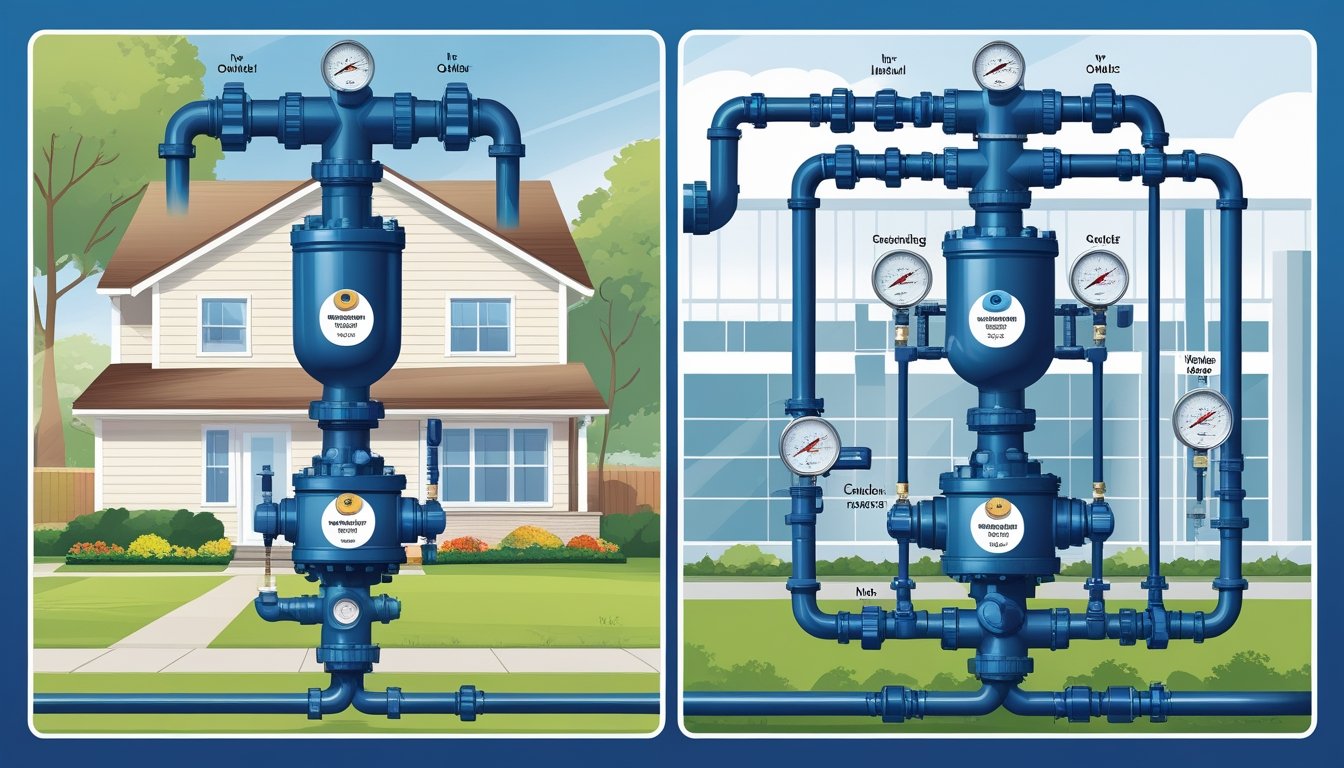
These devices contain internal parts like check valves, springs, and seals that create physical barriers against reverse flow. Different types of backflow preventers protect against different levels of risk. Residential properties typically use simpler devices, while commercial buildings and industrial sites need more complex systems.
Water suppliers require these devices on properties that pose contamination risks. Without them, chemicals, bacteria, and other pollutants could enter the public water system and affect entire neighborhoods.
How servicing protects against contamination and system failure
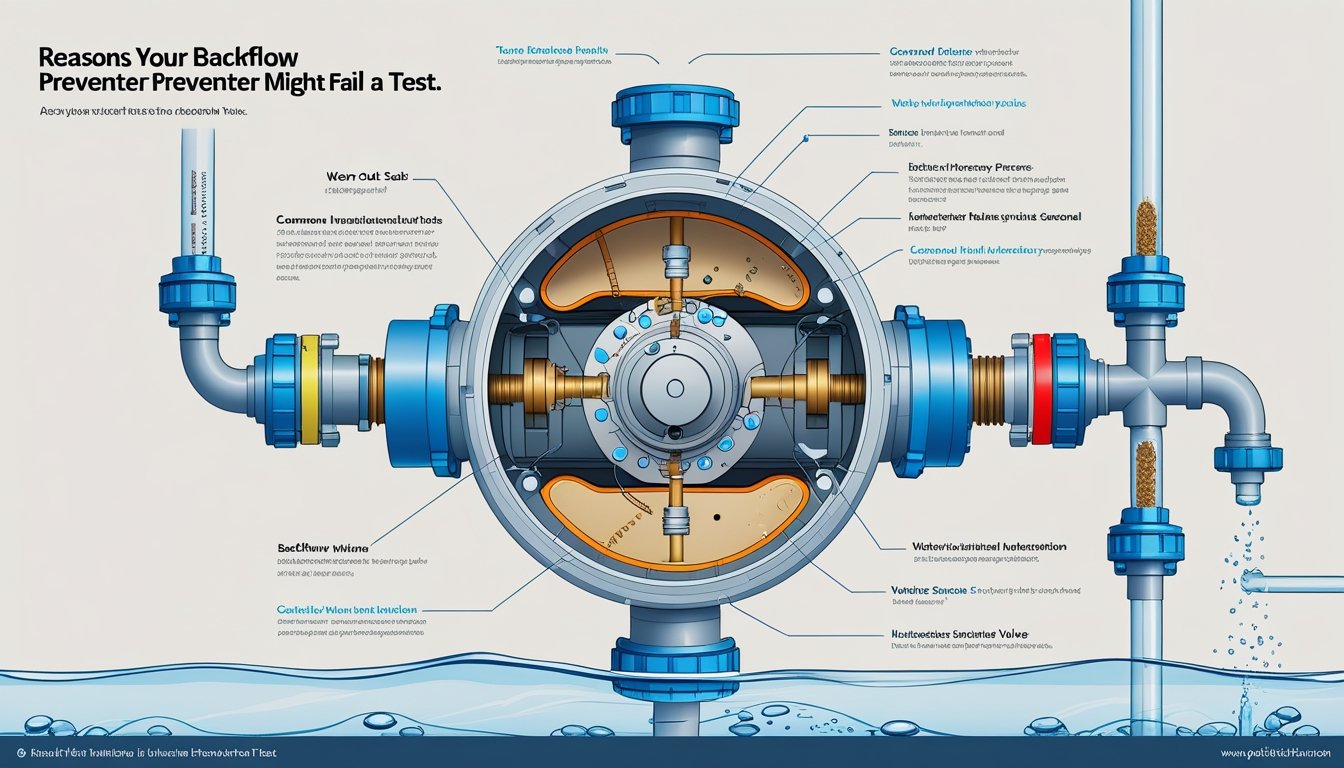
Regular backflow maintenance keeps the internal components working correctly. Debris can lodge in check valves and prevent them from closing fully. Seals wear out over time and allow small amounts of water to pass through. Springs lose tension and fail to create enough pressure to stop backflow.
Annual testing identifies these problems before they cause contamination. According to the U.S. EPA’s Cross-Connection Control Manual, backflow preventers must be periodically field-tested and maintained by qualified personnel to verify they operate within specification and continue to protect potable water supplies.
A certified technician checks each valve, measures pressure differences, and verifies that all parts move freely. They clean components, replace worn seals, and adjust settings as needed.
Servicing also ensures compliance with local regulations. Most municipalities require yearly testing by certified professionals. Property owners who skip testing face fines and potential water service disconnection. Documentation from regular maintenance proves the device meets safety standards.
Risks of neglecting regular backflow maintenance
Failed backflow preventers can allow sewage, pesticides, or industrial chemicals into drinking water. Even small amounts of contamination create serious health hazards. Property owners become liable for any illnesses or damages that result from their faulty devices.
Neglected devices often fail during critical moments. When fire sprinklers activate or irrigation systems run, pressure changes stress the backflow preventer. Worn parts give out under this stress and allow contamination.
Skipping maintenance leads to costlier repairs. Minor issues like dirty valves become major problems that require complete device replacement. Testing catches these issues early when fixes are simple and affordable. Properties that fall out of compliance face mandatory disconnection from water service until they complete testing and repairs.
Key steps in professional backflow preventer servicing
Professional servicing involves a systematic approach that includes checking internal parts, running performance tests, removing buildup, and keeping detailed records. Each step ensures the device works correctly and meets safety standards.
Inspecting valves, seals, and internal components
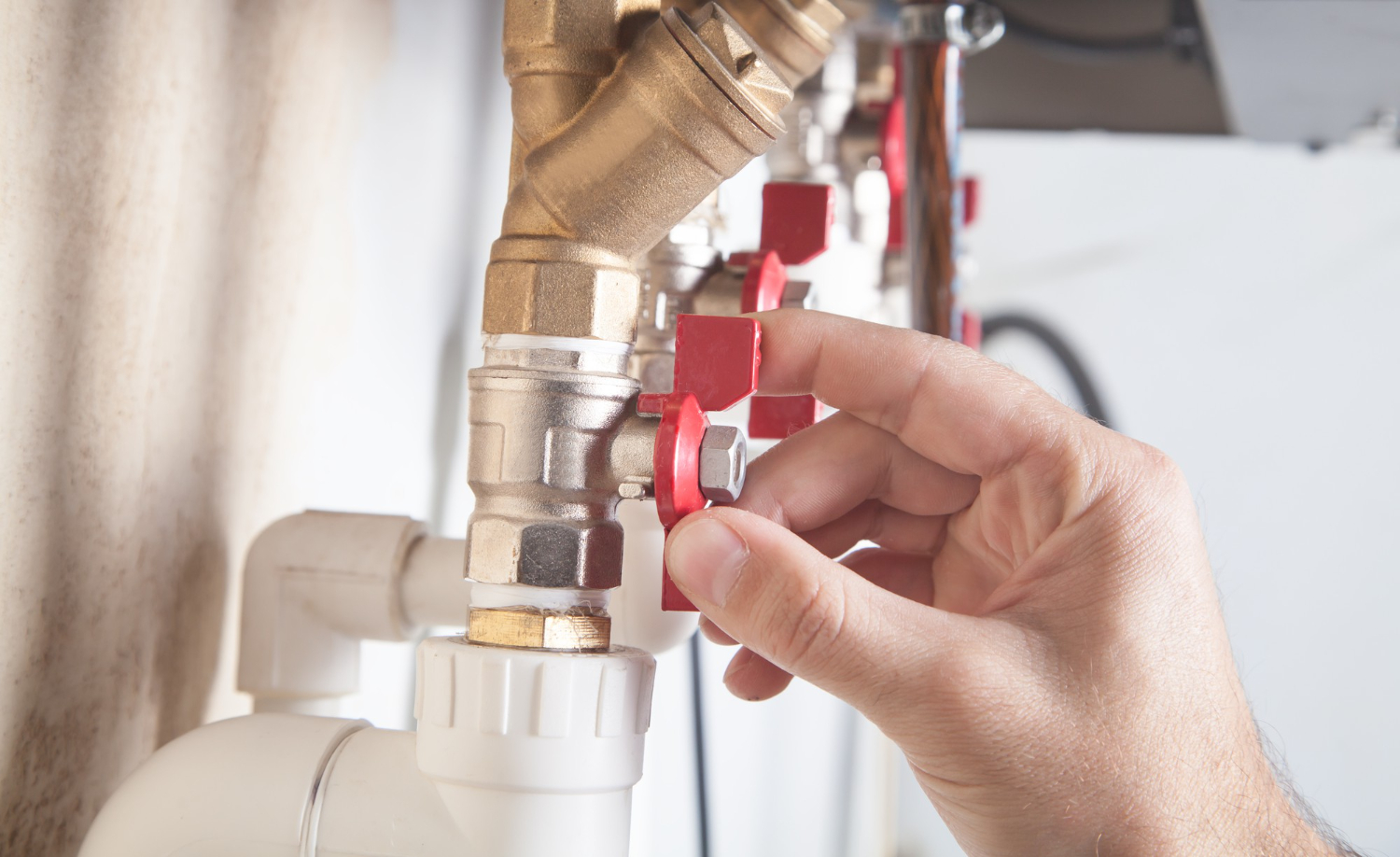
Technicians begin by examining all valves to confirm they open and close completely. Stuck or partially closed valves can allow contaminated water to flow backward into the clean water supply.
Seals and gaskets receive close attention during inspection. These rubber components can crack, harden, or wear down over time. Even small seal damage can cause the backflow preventer to fail its test.
Internal components like check valves and springs need examination for proper function. Check valves must seat properly to create a watertight seal. Springs should maintain correct tension to keep valves in their default position.
The technician looks for signs of wear on all moving parts. Parts showing significant wear get flagged for replacement even if they still work. This prevents future failures between service appointments.
Testing for leaks, corrosion, and performance issues
Certified technicians use specialized test kits to measure pressure differentials across the device. These measurements show whether check valves and relief valves work within acceptable ranges.
According to the University of Southern California’s Foundation for Cross-Connection Control and Hydraulic Research, recognized devices—such as Double Check Valve Assemblies (DCVAs), Reduced Pressure (RP) assemblies, and Pressure Vacuum Breakers (PVBs)—have defined field test procedures using calibrated differential pressure gauges that certified technicians follow.
The test includes checking for leaks around valve seats and connections. A small amount of water dripping from the relief valve indicates problems with the check valve or excess pressure in the system.
Corrosion appears as rust, mineral deposits, or degraded metal surfaces. It commonly develops on brass and bronze components when exposed to certain water conditions. Severe corrosion weakens the structure and requires part replacement.
Technicians also verify that relief valves open at the correct pressure. A relief valve that opens too early or too late signals calibration problems or internal damage.
Cleaning debris and sediment from the system
Mineral deposits, dirt, and sediment accumulate inside backflow preventers over time. These materials interfere with valve operation and create pathways for contamination.
The technician disassembles accessible components to remove buildup. They use appropriate cleaning solutions and tools to clear debris without damaging sensitive parts.
Strainers and filters trap larger particles before they reach critical components. These require regular cleaning to maintain proper water flow. Clogged strainers reduce system pressure and force the backflow preventer to work harder.
After cleaning, all parts get inspected again before reassembly. The technician ensures no cleaning residue remains that could affect performance.
Documenting results for compliance and record-keeping
Detailed documentation includes test results, pressure readings, and any repairs performed. This paperwork proves the device passed inspection and meets local water safety codes.
The service report lists all replacement parts installed during maintenance. It notes the condition of components that did not require replacement. Property owners need these records for compliance audits and insurance purposes.
Test forms typically require the technician's certification number and signature. Many jurisdictions require submitting these forms to the water authority within a specific timeframe after testing.
Records help track the device's performance history over time. Patterns in the data can predict when major repairs or replacement will become necessary.
Common issues identified during backflow preventer servicing
Backflow preventers develop specific problems over time that technicians routinely find during inspections. Worn seals, corroded parts, faulty valves, and debris buildup are the primary culprits that compromise system safety and require professional attention.
Worn or damaged seals causing leaks
Seals and gaskets deteriorate from constant water pressure and temperature changes. These rubber components become brittle, crack, or lose their shape after years of use.
When seals fail, water leaks from the device. Small drips often indicate early seal wear, while steady streams signal complete seal failure. The leak location helps technicians identify which seal needs replacement.
Common seal failure points include:
- Check valve seals
- Relief valve seals
- Test cock seals
- Body-to-bonnet gaskets
Technicians replace worn seals during routine servicing before they cause significant water waste. Fresh seals restore proper pressure and prevent contamination risks. Most backflow repair service calls related to leaks stem from seal deterioration rather than mechanical failure.
Corroded or rusted backflow components
Metal components corrode when exposed to minerals, chemicals, and moisture in water supplies. Brass, bronze, and stainless steel parts resist corrosion better than other metals but still degrade over time.
Corrosion appears as green or white buildup on brass parts and reddish-brown rust on iron components. This buildup weakens the metal structure and creates rough surfaces that prevent proper sealing. Valves become difficult to operate, and moving parts stick in place.
External corrosion often results from weather exposure in outdoor installations. Internal corrosion develops from water chemistry issues like high acidity or mineral content. Technicians assess whether corroded parts need cleaning or complete replacement based on damage severity.
Severely corroded devices may require full replacement rather than individual part repairs.
Malfunctioning internal valves or test cocks
Check valves inside backflow preventers stop water from flowing backward. These valves rely on springs and rubber discs to create tight seals. Springs weaken over time and lose tension, while valve discs wear down from constant opening and closing.
Test cocks allow technicians to measure pressure and verify proper operation. These small valves develop problems when debris lodges in the seats or when internal components corrode. Damaged test cocks leak during testing or fail to provide accurate pressure readings.
A backflow repair service technician tests each valve independently during inspections. They check spring tension, valve movement, and sealing capability. Valves that fail to close completely or respond slowly need immediate replacement to maintain system protection.
Debris accumulation affecting system performance
Sediment, mineral deposits, and small particles collect inside backflow preventers. This debris comes from aging pipes, water treatment facilities, and construction work in water lines.
Accumulated debris prevents valves from sealing properly. Particles wedge between valve seats and discs, creating gaps that allow backflow. Heavy buildup restricts water flow and causes pressure drops throughout the plumbing system.
Debris commonly affects these areas:
- Check valve chambers
- Relief valve openings
- Test cock ports
- Strainer screens (when present)
Technicians flush the system and clean internal components during servicing. They remove mineral scale and sediment that interferes with operation. Regular maintenance prevents debris from causing permanent damage to precision valve surfaces.
How regular servicing benefits your property
Regular backflow preventer servicing delivers measurable advantages that protect both property value and water safety. Property owners gain compliance assurance, maintain water quality standards, avoid unexpected repair costs, and maximize equipment longevity.
Ensures regulatory compliance with local and state codes
Most municipalities require annual backflow preventer testing by certified technicians. These regulations exist to protect public water systems from contamination risks. Property owners who skip required testing face potential fines, water service disconnection, or legal liability.
Documentation from professional servicing proves compliance during inspections. Certified technicians complete official test reports that municipalities keep on file. This paperwork protects property owners if questions arise about water safety practices.
Commercial properties face stricter enforcement than residential locations. Businesses like restaurants, medical facilities, and manufacturing plants must maintain current testing records. Insurance policies may also require proof of annual backflow testing to maintain coverage.
Protects water quality for residential and commercial systems
Backflow preventers stop contaminated water from flowing backward into clean water supplies. Without proper maintenance, these devices can fail and allow chemicals, bacteria, or other pollutants to enter drinking water. Regular servicing identifies worn seals, damaged check valves, and other issues before contamination occurs.
Residential properties rely on these devices to keep lawn chemicals, pool water, and irrigation contaminants out of household drinking water. Commercial systems face higher risks due to industrial chemicals, medical waste, or food processing byproducts.
Professional testing verifies that all internal components create proper barriers against backflow. Technicians measure pressure differentials and check valve performance to confirm the device works as designed.
Prevents costly repairs or emergency replacements
Annual testing costs between $75 and $200, while emergency repairs typically range from $500 to $2,000. Catching problems early during routine service prevents minor issues from becoming major failures. Technicians spot worn parts, corrosion, and debris buildup before complete breakdowns occur.
Emergency replacements often require expedited service fees and rushed parts orders. Properties without working backflow preventers may face water service shutoffs until repairs are complete. This disruption affects daily operations for businesses and household activities for residents.
Regular maintenance extends the time between part replacements. Clean devices with properly functioning components experience less stress and deterioration. Small repairs during scheduled service cost significantly less than full system failures.
Extends the lifespan of your backflow preventer
Well-maintained backflow preventers last 15 to 20 years, while neglected devices may fail within 5 to 10 years. Regular cleaning removes mineral deposits and debris that accelerate wear on internal components. Lubrication of moving parts reduces friction that causes premature failure.
Technicians replace small parts like rubber seals and springs before they compromise the entire device. These minor replacements during routine service prevent damage to more expensive components. Proper maintenance also helps devices withstand temperature changes and pressure fluctuations.
Professional servicing includes adjustments that optimize device performance. Proper calibration reduces unnecessary strain on valves and seals. This attention to detail maximizes return on investment for the original equipment purchase.
DIY checks vs professional backflow preventer servicing
Homeowners can handle basic visual checks and cleaning tasks to keep their backflow preventers in good shape between professional visits. However, certified technicians must perform internal repairs, pressure testing, and official compliance work to protect water quality and meet local codes.
Safe inspections homeowners can perform
Property owners can conduct simple visual checks every few months to catch obvious problems early. They should look for visible cracks, corrosion, or damage on the outside of the device. Clearing away dirt, leaves, and debris from around the backflow preventer helps it function properly.
Homeowners can also watch for signs of leaking water around connections and fittings. If water pressure drops suddenly at faucets or appliances, this may indicate a problem with the backflow device. Strange tastes or discoloration in tap water require immediate attention from a professional.
These basic checks work best when the device is relatively new and was installed with clear instructions from a certified technician. Property owners should never try to open, disassemble, or adjust internal parts. Touching valves or internal components without proper training can damage the device and create safety risks.
Why certified technicians provide thorough care
Licensed backflow technicians have specialized gauges and tools to test internal pressure balance accurately. They can measure precise flow rates and pressure differentials that homeowners cannot check without professional equipment. Most areas require certified professionals to perform annual testing and submit compliance reports to local water authorities.
Technicians know how to disassemble, clean, and rebuild backflow preventers while maintaining proper calibration. They replace worn parts like springs, seals, and check valves before failures occur. California and many other states mandate that all repairs and post-repair testing must be done by qualified professionals to meet cross-connection regulations.
Certified experts also identify problems that visual checks miss. They can detect stiff or stuck valves that need servicing before they fail completely.
Potential risks of skipping professional service
Ignoring required professional maintenance puts drinking water at risk of contamination from irrigation systems, boilers, or other sources. A backflow preventer that fails due to worn internal parts cannot stop polluted water from entering clean supply lines.
Property owners face fines and water service disconnection when they skip mandatory annual testing in areas with strict compliance rules. Many insurance policies may not cover water contamination damage if required backflow testing was not performed on schedule.
Attempting DIY repairs on internal components often makes problems worse and leads to expensive replacement costs. Improper adjustments throw off the delicate pressure balance needed for the device to work correctly.
Why Pacific Backflow is your trusted partner for servicing
Pacific Backflow brings over 40 years of experience to backflow prevention services across residential, commercial, and industrial properties. The company maintains strict compliance standards while delivering efficient testing, repairs, and documentation.
Certified backflow technicians with industry expertise
Pacific Backflow employs only state-certified backflow testers who meet federal health guidelines. Each certified backflow technician undergoes rigorous training to handle various backflow prevention devices and systems. The team stays current with industry regulations and testing protocols.
The company's technicians can identify issues quickly and perform repairs on-site when possible. They work with all major brands and models of backflow preventers. This expertise ensures accurate assessments and effective solutions the first time.
Pacific Backflow's licensing and bonding provide additional protection for clients. The company's decades of experience mean technicians have encountered virtually every type of backflow scenario. This knowledge base translates to faster service and more reliable results.
Reliable service for residential, commercial, and industrial systems
Pacific Backflow serves properties of all sizes, from single-family homes to large industrial facilities. Commercial backflow servicing requires specialized knowledge of complex water systems and high-volume usage patterns. The company handles these demands efficiently.
The team understands that different properties have different needs. Industrial sites may require more frequent testing or specialized equipment. Residential customers need straightforward service and clear communication.
Pacific Backflow schedules regular maintenance to keep systems functioning properly year after year. The company responds promptly to service calls and repair needs. This reliability helps property owners avoid water contamination risks and compliance penalties.
Accurate testing and documentation for compliance purposes
Backflow prevention devices are required by law in many settings. Pacific Backflow conducts thorough testing that meets all regulatory requirements. The company provides detailed documentation of test results and any repairs performed.
Property owners receive clear reports they can submit to local water authorities. These records prove compliance and protect against potential fines. Pacific Backflow maintains organized files to track testing schedules and device history.
The company ensures all paperwork is completed correctly and submitted on time. This attention to detail removes the administrative burden from property owners. Accurate documentation also helps identify patterns or recurring issues that need attention.
Conclusion
Regular maintenance of a backflow preventer is not optional. It protects water supplies from contamination and ensures the device works when needed.
Most areas require annual testing and servicing by certified professionals. This keeps systems compliant with local regulations and avoids potential fines. Property owners should check their specific requirements, as some locations may have different schedules based on the type of system installed.
Properties with heavy usage or harsh environmental conditions may need more frequent servicing. Irrigation systems, fire suppression setups, and industrial applications often experience more wear. Scheduling service before peak seasons helps catch problems early.
Warning signs like leaking water, unusual noises, or pressure changes should prompt immediate attention. Waiting for annual service when problems appear can lead to system failure or contamination risks.
Working with qualified technicians ensures proper testing and repairs. They have the tools and training to identify issues that property owners might miss. Many also offer reminder services to help schedule required annual maintenance.
The cost of regular servicing is small compared to potential water damage, health hazards, or replacement expenses. Property owners who stay current with maintenance protect both their investment and their water supply.
Schedule your annual backflow preventer test and servicing with Pacific Backflow today to verify performance, document compliance, and correct any failures before they risk water safety.