

Commercial backflow repairs fix malfunctioning devices that prevent dirty water from mixing with clean drinking water, protecting public health and keeping buildings in compliance with local regulations.
Clean water is essential for any commercial building, but backflow can quickly turn a safe water supply into a serious health hazard. Backflow occurs when contaminated water flows backward into the clean water system, potentially exposing employees, customers, and visitors to harmful pollutants and bacteria. This problem affects restaurants, office buildings, hospitals, hotels, and many other commercial properties.
When a backflow prevention device fails or breaks down, it needs immediate attention from trained professionals who can diagnose the problem and restore proper function. Regular maintenance and quick repairs help commercial properties avoid contamination risks while meeting safety standards required by law.
Per California’s Title 17 Cross-Connection Control regulations, public water systems must ensure backflow prevention assemblies are tested at least annually by certified testers, with results reported to the water supplier.
In this article, you’ll learn how to plan and execute commercial backflow repairs to restore device performance, protect potable water, and maintain code compliance.
Here’s what you need to know:
- What are commercial backflow repairs and why they matter
- Common commercial backflow issues requiring repair
- Signs your commercial backflow system needs repairs
- How professional commercial backflow repairs are performed
- Preventive maintenance to reduce the need for repairs
- Benefits of hiring certified technicians for commercial backflow repairs
- Why Pacific Backflow is your trusted partner for commercial repairs
Keep reading! Understanding when repairs are needed, what the repair process involves, and how to maintain these critical systems can save property owners from costly emergencies and regulatory violations.
What are commercial backflow repairs and why they matter
Commercial backflow repairs address malfunctions in devices designed to prevent water from flowing backward into clean water supplies. These repairs protect water quality in buildings and maintain legal compliance with plumbing codes.
Understanding the role of backflow preventers in commercial systems
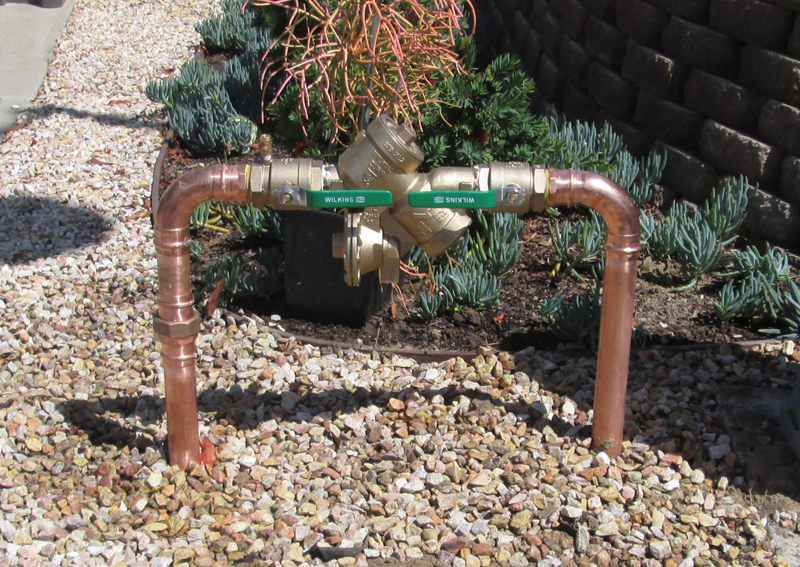
Backflow preventers are specialized valves installed in commercial plumbing systems to stop contaminated water from reversing direction into the potable water supply. These devices work by creating a one-way barrier that allows water to flow forward while blocking any backward movement.
Commercial properties use different types of backflow prevention devices based on their specific needs. Pressure vacuum breakers, double check valves, and reduced pressure zone assemblies are the most common types found in commercial buildings. Each device contains internal components like springs, seals, check valves, and air inlets that must function properly to prevent contamination.
According to researchers at the University of Southern California’s Foundation for Cross-Connection Control and Hydraulic Research (USC-FCCCHR), recognized device types—such as Double Check Valve Assemblies (DCVAs), Reduced Pressure (RP) assemblies, and Pressure Vacuum Breakers (PVBs)—have defined field test and repair procedures used by certified technicians.
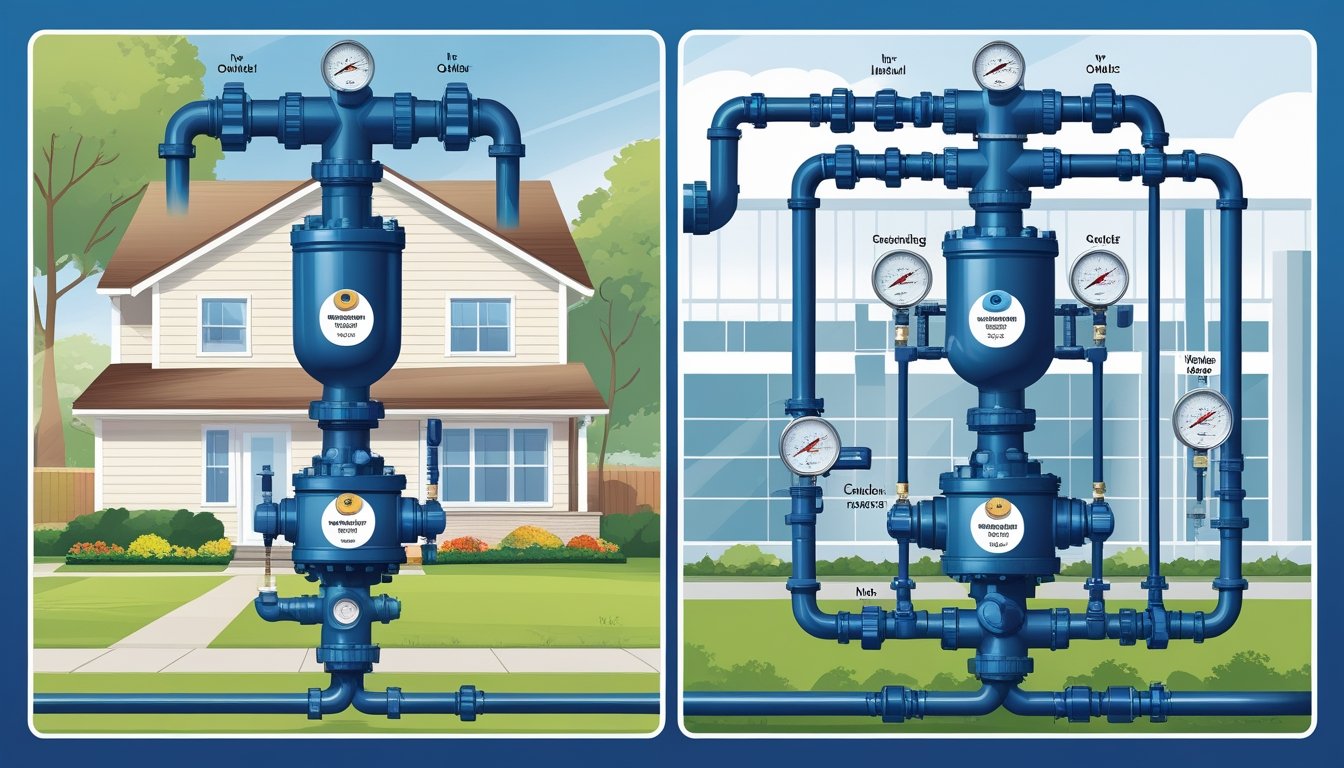
The complexity of commercial plumbing systems makes these preventers essential. Large buildings often have multiple water sources, cross-connection points, and varying pressure zones that increase backflow risks. Manufacturing facilities, restaurants, hospitals, and office buildings all depend on properly functioning backflow preventers to keep their water safe.
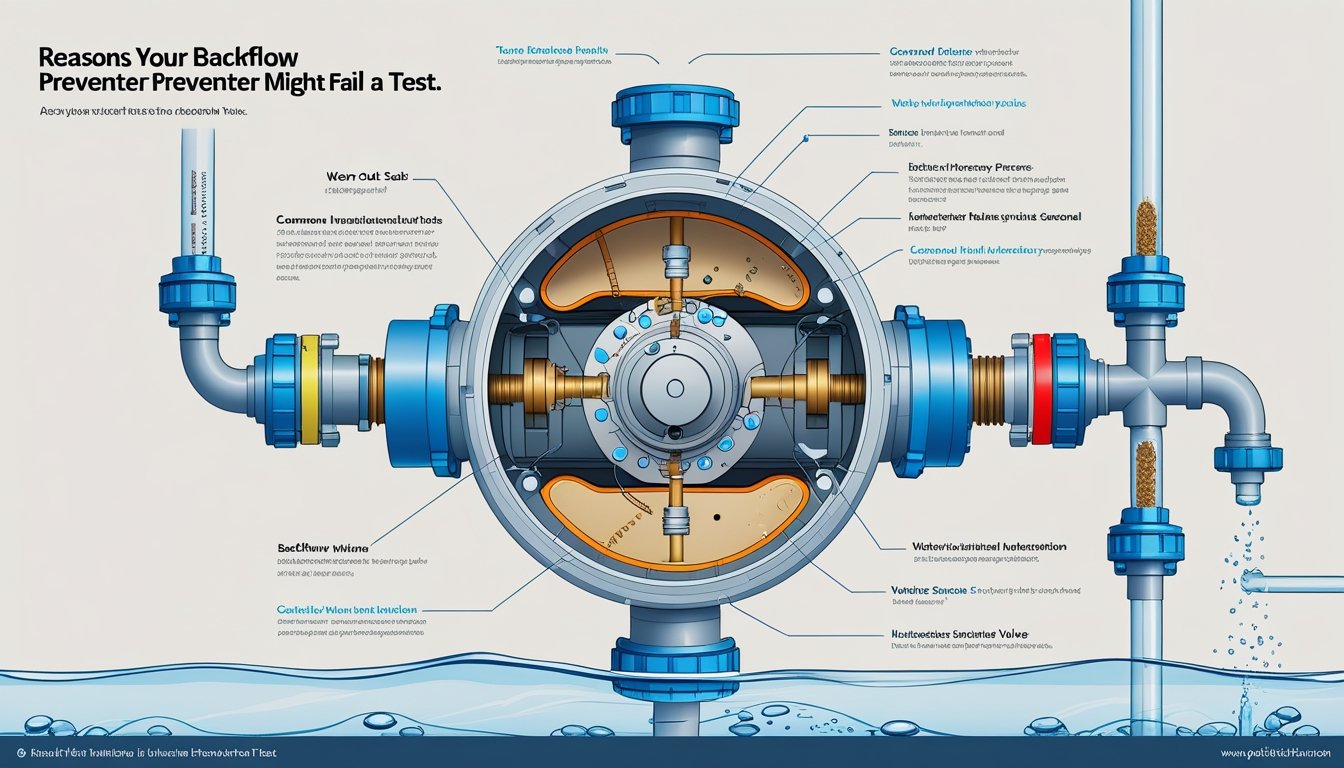
When these devices fail or develop leaks, backflow preventer repair becomes necessary. Common repair needs include replacing worn seals, fixing stuck check valves, and addressing pressure imbalances within the device.
How timely repairs prevent contamination and compliance issues
Damaged backflow preventers can allow chemicals, bacteria, and other contaminants to enter the clean water supply. This creates immediate health risks for employees, customers, and visitors who use the water for drinking, cooking, or washing.
Health departments and local water authorities require commercial properties to maintain functioning backflow prevention systems. Annual testing identifies problems early, but repairs must happen quickly once issues are discovered. Most jurisdictions give property owners a limited window to complete repairs before facing penalties.
According to the U.S. EPA’s Cross-Connection Control Manual, backflow preventers require documented, periodic field testing and maintenance by qualified personnel to ensure they continue to operate within specification.
Delayed repairs lead to failed inspections and potential fines. Some municipalities will shut off water service to commercial buildings with non-compliant backflow systems. The cost of emergency repairs, lost business operations, and regulatory penalties far exceeds the expense of routine maintenance and timely fixes.
Property managers who address backflow preventer repair needs promptly maintain uninterrupted water service and avoid legal complications.
Risks of ignoring backflow problems in commercial properties
Neglected backflow issues expose commercial properties to serious financial and legal consequences. Contaminated water can cause illness outbreaks that result in lawsuits, workers' compensation claims, and damage to business reputation.
The financial impact extends beyond health concerns. Failed backflow preventers waste water through leaks and drips, increasing utility costs over time. Water damage from malfunctioning devices can affect walls, floors, and equipment near the installation point.
Commercial property owners face liability for water contamination incidents. If polluted water from a commercial building flows back into the municipal water system, the property owner may be responsible for cleanup costs and damages to other properties. Insurance may not cover these expenses if the owner failed to maintain required backflow prevention equipment.
Businesses in food service, healthcare, and manufacturing face additional scrutiny. These industries handle chemicals, waste products, and non-potable water that pose greater contamination risks. Regulatory agencies can suspend operating licenses or force closures when backflow systems fail inspection requirements.
Common commercial backflow issues requiring repair
Backflow preventers fail when their internal parts wear out, corrode, or become blocked with debris. These mechanical breakdowns allow contaminated water to reverse direction and enter the clean water supply, creating health hazards and code violations.
Leaking valves and worn seals
Leaking valves signal that rubber seals and gaskets inside the backflow preventer have deteriorated. These components break down over time due to constant water pressure, temperature changes, and exposure to minerals in the water supply. A slow drip from the relief valve or test cocks indicates early seal failure.
Property managers often notice water pooling around the device or reduced water pressure before the leak becomes severe. The rubber seals expand and contract with each pressure change, causing tiny cracks that grow larger. Once seals lose their tight fit, they cannot maintain the pressure differential needed to prevent backflow.
Immediate repair prevents water waste and maintains protection against contamination. Technicians replace worn seals, O-rings, and gaskets during routine service calls. Delaying these repairs leads to complete valve failure and emergency shutdowns.
Corrosion or rust in backflow preventers
Metal components inside backflow preventers rust when exposed to moisture and oxygen over extended periods. The check valves, springs, and housing made from brass, bronze, or stainless steel develop corrosion that prevents proper operation. Rust creates rough surfaces that stop valves from sealing completely.
Hard water with high mineral content accelerates corrosion in commercial buildings. The calcium and magnesium deposits coat internal parts and trap moisture against metal surfaces. Outdoor installations face additional risks from rain, humidity, and temperature swings that speed up the oxidation process.
Corroded check valves stick in the open position instead of closing to block reverse flow. Spring mechanisms lose tension when rust eats away at the metal coils. Once corrosion compromises structural integrity, the entire backflow assembly requires replacement rather than simple repairs.
Debris or sediment buildup impacting performance
Sediment from aging pipes accumulates inside backflow preventers and blocks the movement of internal components. Sand, rust particles, and mineral scale collect on check valve seats and prevent them from forming a tight seal. This buildup happens gradually as water carries microscopic particles through the plumbing system.
Construction work, water main breaks, and pipe repairs stir up debris that travels through commercial water lines. The particles settle in the first restriction point they encounter, which is often the backflow device. Even small amounts of sediment interfere with the precise tolerances required for proper backflow prevention.
Regular flushing removes loose debris before it hardens into permanent blockages. Technicians disassemble units during testing to clean check valves and internal chambers. Buildings with older plumbing systems need more frequent cleaning due to higher sediment levels in their water supply.
Faulty or failing test cocks and internal components
Test cocks break from repeated use during annual compliance testing or freeze damage in cold climates. These small valves allow technicians to measure pressure differentials and verify the backflow preventer works correctly. Stripped threads, broken handles, or stuck mechanisms make testing impossible and violate local plumbing codes.
Internal springs lose tension after years of compression and expansion cycles. Weak springs fail to push check valves closed with enough force to stop reverse flow. The check valves themselves develop pitting or warping that creates gaps in the seal.
Common internal component failures:
- Springs that no longer provide adequate closing force
- Check valve discs with surface damage or deformation
- Air inlet valves that stick or refuse to open
- Diaphragms with tears or holes
Replacing these parts restores the device to proper working condition. Certified backflow technicians identify failing components during annual testing and recommend repairs before complete system failure occurs.
Signs your commercial backflow system needs repairs
Commercial backflow systems require regular monitoring to protect water quality and maintain compliance. Specific warning signs indicate when a system needs professional repair, including visible leaks, pressure changes, test failures, and unusual sounds during operation.
Water leaks or pooling around the device
Visible water leaks around a backflow preventer indicate seal failure or damaged internal components. Property managers may notice puddles forming near the device or water dripping from connections and valves. These leaks often start small but worsen over time.
Pooling water suggests the device cannot maintain proper pressure separation between contaminated and clean water supplies. The seals and gaskets inside backflow preventers wear out from regular use and exposure to water pressure. When these components fail, water escapes through gaps in the housing.
Leaks pose both safety and liability risks for commercial properties. Water damage can affect nearby equipment and structures. More importantly, a leaking backflow preventer may not function correctly, which puts the drinking water supply at risk of contamination.
Reduced water pressure or inconsistent flow
A sudden drop in water pressure throughout a commercial building often points to backflow preventer problems. The device may have internal blockages or damaged check valves that restrict normal water flow. Staff and tenants typically notice this issue when faucets, toilets, or equipment operate with less force than usual.
Inconsistent water flow creates operational problems for commercial facilities. Some areas of the building may receive adequate pressure while others experience weak flow. This variation indicates the backflow preventer cannot maintain steady pressure regulation.
Debris buildup inside the device commonly causes these pressure issues. Mineral deposits, sediment, and small particles accumulate over time and block internal passages. Damaged springs or check valves also prevent proper water movement through the system.
Failed backflow tests or inspection alerts
Annual backflow testing identifies devices that no longer meet safety standards. When a backflow preventer fails its inspection, the internal components have degraded beyond acceptable performance levels. Testing technicians measure specific pressure differentials to determine if the device can prevent reverse water flow.
Commercial properties must address failed tests immediately to maintain regulatory compliance. Most jurisdictions require repairs within a set timeframe after a failed inspection. Property owners receive formal notices documenting the failure and repair deadlines.
Failed tests reveal problems that visual inspections miss. The check valves may stick in place or allow partial water flow in the wrong direction. Relief valves might open at incorrect pressure levels or fail to close properly.
Unusual noises or system malfunctions
Backflow preventers should operate silently under normal conditions. Banging, rattling, or whistling sounds indicate internal component failure. These noises occur when check valves slam shut, air enters the system, or water flows turbulently through damaged parts.
Clicking sounds often mean the relief valve opens and closes repeatedly. This cycling behavior shows the device cannot maintain stable pressure. Grinding noises suggest moving parts scrape against each other due to misalignment or wear.
System malfunctions accompany these unusual sounds. The backflow preventer may discharge water through the relief valve continuously. Irrigation systems or plumbing fixtures connected downstream may fail unexpectedly. These symptoms require immediate professional evaluation to prevent contamination risks and restore normal operation.
How professional commercial backflow repairs are performed
Professional technicians follow a structured process when repairing commercial backflow prevention devices. They start with detailed inspections, address specific component issues, verify proper operation, and maintain accurate records for regulatory purposes.
Comprehensive inspection and diagnosis
Certified technicians begin by shutting off the water supply and examining the entire backflow prevention assembly. They check for visible signs of damage like cracks, corrosion, or leaks in the valve body and connections.
The inspection includes testing all moving parts. Technicians measure water pressure on both sides of the device to identify pressure differentials that could indicate internal problems.
They use specialized gauges to test check valves, relief valves, and air inlet valves. Each component gets evaluated against manufacturer specifications and local code requirements. Technicians look for mineral buildup, debris, or worn seals that could compromise the device's ability to prevent backflow.
The diagnostic phase identifies whether the problem stems from a single faulty component or requires more extensive repairs. This assessment determines the scope of work needed and helps property owners understand repair costs upfront.
Cleaning, replacing, or repairing worn components
Technicians disassemble the backflow preventer according to manufacturer guidelines. They carefully remove check valves, springs, seals, and other internal parts for individual inspection.
Common repairs include:
- Replacing rubber seals and gaskets that have degraded
- Installing new check valves when old ones fail to close properly
- Cleaning mineral deposits from valve seats and internal chambers
- Replacing corroded springs that no longer provide adequate tension
- Fixing or replacing damaged air inlet valves on certain assembly types
Each replacement part must meet ASSE standards and match the specific backflow preventer model. Technicians clean all components thoroughly before reassembly to prevent contamination. They apply approved lubricants to moving parts and ensure proper alignment during reinstallation.
Testing to ensure proper function and code compliance
After completing repairs, technicians conduct mandatory field tests using calibrated equipment. They verify that all check valves hold against reverse flow pressure and that relief valves open at correct pressure points.
The testing process follows strict protocols. Technicians simulate backflow conditions by creating pressure differentials across the device. They measure actual performance against required specifications.
Each valve gets tested independently. The entire assembly must pass all tests before the technician restores water service. If any component fails during testing, technicians identify the issue and make additional adjustments or replacements.
Documentation for inspections and regulatory requirements
Technicians complete detailed reports for every repair job. These documents include the date of service, specific repairs performed, parts replaced, and test results.
Required documentation typically contains:
- Device location and serial number
- Pre-repair test results showing failure points
- List of replaced components with part numbers
- Post-repair test measurements proving proper function
- Technician certification number and signature
Property owners receive copies of all documentation. Many jurisdictions require these records be submitted to water authorities within a specific timeframe. The documentation proves compliance with local regulations and provides a maintenance history for the backflow prevention system.
Preventive maintenance to reduce the need for repairs
Regular maintenance keeps backflow systems running properly and prevents most repair issues before they start. Property owners who invest in routine care spend less on emergency fixes and avoid water supply problems.
Scheduling regular backflow inspections and tests
Annual professional inspections catch small problems before they become expensive repairs. Most areas require yearly backflow testing by certified technicians who check valve function, measure pressure levels, and verify proper operation.
During these inspections, technicians examine internal components for wear, test check valves, and look for leaks or corrosion. They also clean debris from the system and replace worn seals that could fail.
Property managers should keep records of all tests and inspections. These documents prove compliance with local codes and help track the system's condition over time. Scheduling inspections at the same time each year makes it easier to remember and ensures consistent protection.
Protecting equipment from weather and environmental damage
Backflow preventers installed outdoors face risks from freezing temperatures, extreme heat, and physical damage. Insulated covers or heated enclosures protect devices during winter months when freezing water can crack valves and pipes.
In areas with harsh winters, property owners should drain backflow assemblies before the first freeze. Some systems need complete winterization, which includes shutting off water supply and opening drain valves.
Protection measures include:
- Installing proper enclosures around outdoor units
- Adding insulation wraps for cold weather
- Positioning equipment away from loading zones and traffic
- Clearing debris and vegetation around devices
- Checking covers and housings for damage after storms
Maintaining water quality and system cleanliness
Clean water flowing through backflow preventers extends their lifespan and reduces maintenance needs. Sediment, minerals, and debris wear down valves and seals faster than normal use.
Installing upstream filters captures particles before they reach the backflow device. These filters need regular cleaning or replacement based on water quality and usage. Properties with well water or older pipes often need more frequent filter changes.
Flushing the system periodically removes buildup inside pipes and valves. This simple step prevents clogs and keeps pressure levels stable. Water quality testing helps identify issues like high mineral content that accelerate wear.
Timely replacement of aging components
Backflow preventer parts wear out at different rates depending on water quality, usage, and installation conditions. Rubber seals and gaskets typically need replacement every few years, while metal valves last longer.
Technicians identify worn parts during annual inspections. Replacing these components before they fail prevents contamination risks and system shutdowns. Common replacement items include check valve springs, relief valve seats, and test cock seals.
Property owners should budget for part replacements as normal backflow system maintenance. The cost of new seals or springs is minimal compared to emergency repairs or contaminated water lines. Keeping spare parts on hand reduces downtime when technicians spot issues during routine checks.
Benefits of hiring certified technicians for commercial backflow repairs
Certified technicians bring essential expertise to commercial backflow repairs, ensuring work meets regulatory standards while protecting water quality. Their training and credentials provide businesses with reliable repairs that prevent costly water system failures and health code violations.
Ensures compliance with local and state regulations
Most cities and states require annual backflow testing and repairs by certified technicians. These regulations exist because backflow prevention devices protect public water supplies from contamination by chemicals, waste, or bacteria.
Certified technicians understand the specific codes that apply to commercial properties. They know which backflow prevention devices meet local requirements and how to properly document all testing and repair work. This documentation proves compliance during health inspections and municipal audits.
Using uncertified workers for backflow repairs can result in failed inspections and fines. Many municipalities only accept test reports signed by state-certified professionals. Commercial plumbing backflow service providers with proper certification keep businesses in good standing with regulatory agencies.
Certified technicians also stay current on changing regulations through continuing education. They can advise property managers about new requirements before violations occur.
Provides safe, reliable, and long-lasting repairs
Certified backflow technicians receive specialized training in diagnosing and repairing prevention devices. They understand the internal components like seals, springs, and check valves that commonly fail. This expertise allows them to identify problems accurately and fix them correctly the first time.
Professionals use proper testing equipment to verify repairs work as intended. They measure pressure differentials and check valve function to ensure devices prevent backflow under all conditions. This thorough approach prevents repeat failures that waste time and money.
Certified technicians also know which replacement parts meet manufacturer specifications. Using correct parts extends device lifespan and maintains warranty coverage. Their work protects water supplies from contamination that could harm employees, customers, or the general public.
Minimizes business downtime due to water system issues
Certified technicians complete repairs efficiently because of their training and experience. They arrive with the right tools and common replacement parts, reducing the need for multiple service calls. Most repairs take only a few hours when handled by qualified professionals.
Their diagnostic skills prevent unnecessary work. Instead of replacing entire assemblies, they identify which specific components need attention. This targeted approach saves money and gets water systems back online faster.
Professional commercial plumbing backflow service providers schedule work during off-hours when possible. They coordinate with facility managers to minimize disruption to business operations. Their reliability means businesses can plan around scheduled maintenance without unexpected shutdowns.
Why Pacific Backflow is your trusted partner for commercial repairs
Pacific Backflow brings over 40 years of experience in backflow testing and repair services across San Diego and Southern California. The company provides certified backflow repair solutions for residential, commercial, and industrial clients who need reliable water safety protection.
Expertise in all types of commercial backflow systems
Pacific Backflow works with multiple types of commercial backflow prevention devices, including Reduced Pressure Zone (RPZ) assemblies and Double Check Valve Assemblies (DCVAs). These systems vary in complexity based on pipe size, water pressure demands, and facility requirements.
The company's technicians handle installations, repairs, and maintenance across different industries. They understand how commercial systems differ from residential setups in terms of capacity and application demands.
Commercial properties require larger-scale devices that manage higher water volumes and more complex plumbing configurations. Pacific Backflow addresses these specific needs with appropriate equipment and repair methods for each facility type.
Certified technicians for accurate and safe repairs
Licensed and certified professionals perform all inspections and repairs at Pacific Backflow. These technicians complete specialized training to work with backflow prevention systems and maintain current certifications.
During certified backflow repair appointments, technicians use test gauges to measure pressure at critical points in the system. They identify issues like worn valves, damaged seals, or pressure imbalances that could compromise water safety.
When problems arise during testing, technicians can complete many repairs on-site. This immediate response helps businesses maintain compliance with local regulations and prevents contamination risks in their plumbing systems.
Custom solutions for businesses of all sizes
Pacific Backflow serves a diverse range of clients with different operational needs. Small businesses require different approaches than large industrial facilities, and the company adapts its services accordingly.
The team provides tailored solutions that consider each property's water usage patterns, system configuration, and regulatory requirements. They work with property managers to establish maintenance schedules that minimize disruption to business operations.
Regular monitoring and quick response times help commercial clients avoid extended downtime. Pacific Backflow's capacity to handle growing demand means businesses can rely on consistent service availability when repairs become necessary.
Conclusion
Commercial backflow repairs protect water systems from contamination and keep businesses compliant with safety regulations. Property owners who address backflow issues quickly reduce the risk of health hazards and expensive damage to their plumbing systems.
Regular testing and maintenance help catch problems before they become serious. Most commercial properties need annual inspections to meet local requirements. When repairs are necessary, certified professionals should handle the work to ensure proper installation and function.
Building managers should keep detailed records of all backflow testing and repairs. These documents prove compliance during inspections and help track system performance over time.
Investing in quality backflow prevention devices and timely repairs saves money in the long run. Clean water systems run more efficiently and require fewer emergency fixes. Businesses that prioritize backflow maintenance also protect their reputation by showing commitment to public health.
Property owners should work with licensed plumbing contractors who specialize in backflow services. These professionals understand current regulations and can recommend the right solutions for each building's needs. Staying proactive with repairs and inspections keeps commercial water systems safe and reliable.
Schedule a certified commercial backflow inspection and repair service today to diagnose failures, replace worn components, and submit compliant test results to your water authority.