

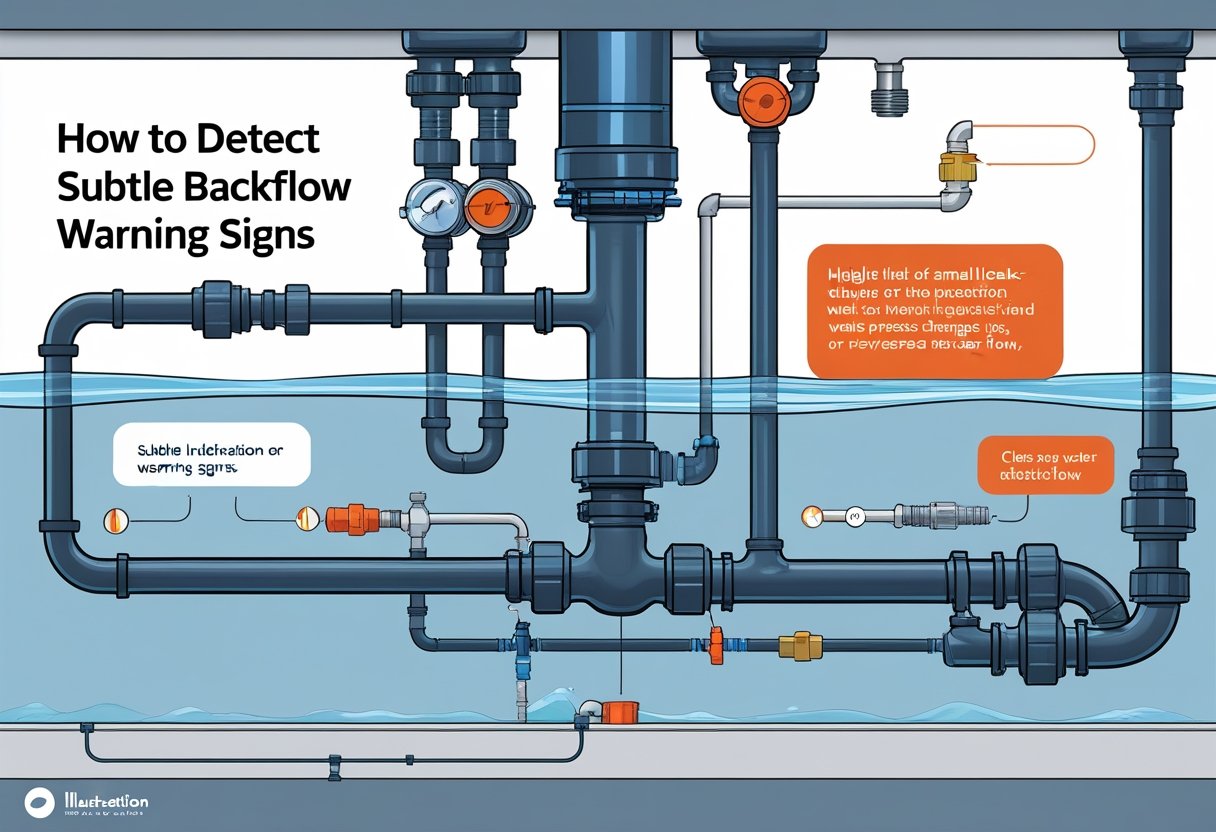
Spotting subtle backflow warning signs early can really protect your water supply and save you from expensive headaches. Keep an eye out for odd water tastes, slight discoloration, weird smells, or changes in water pressure—these little things can be early clues that something’s off. If you know what to watch for, you can jump on problems before they turn into disasters.
A lot of folks don’t realize these small changes often show up before any big trouble. If you learn to notice them, you can act fast to keep your water clean and safe. Pacific Backflow serves San Diego County with dependable backflow testing and repairs, so your system works right when you need it.
When you know the signs that your backflow preventer needs some love, you save yourself stress—and money. Regular checks and quick action keep your home’s water safe. Here’s what to look for and how to respond to protect your family and property.
Understanding Backflow Risks
Backflow can sneak up in a bunch of different ways, putting your clean water at risk. If you know how it happens and where it comes from, you’re already ahead of the game.
Common Sources of Backflow
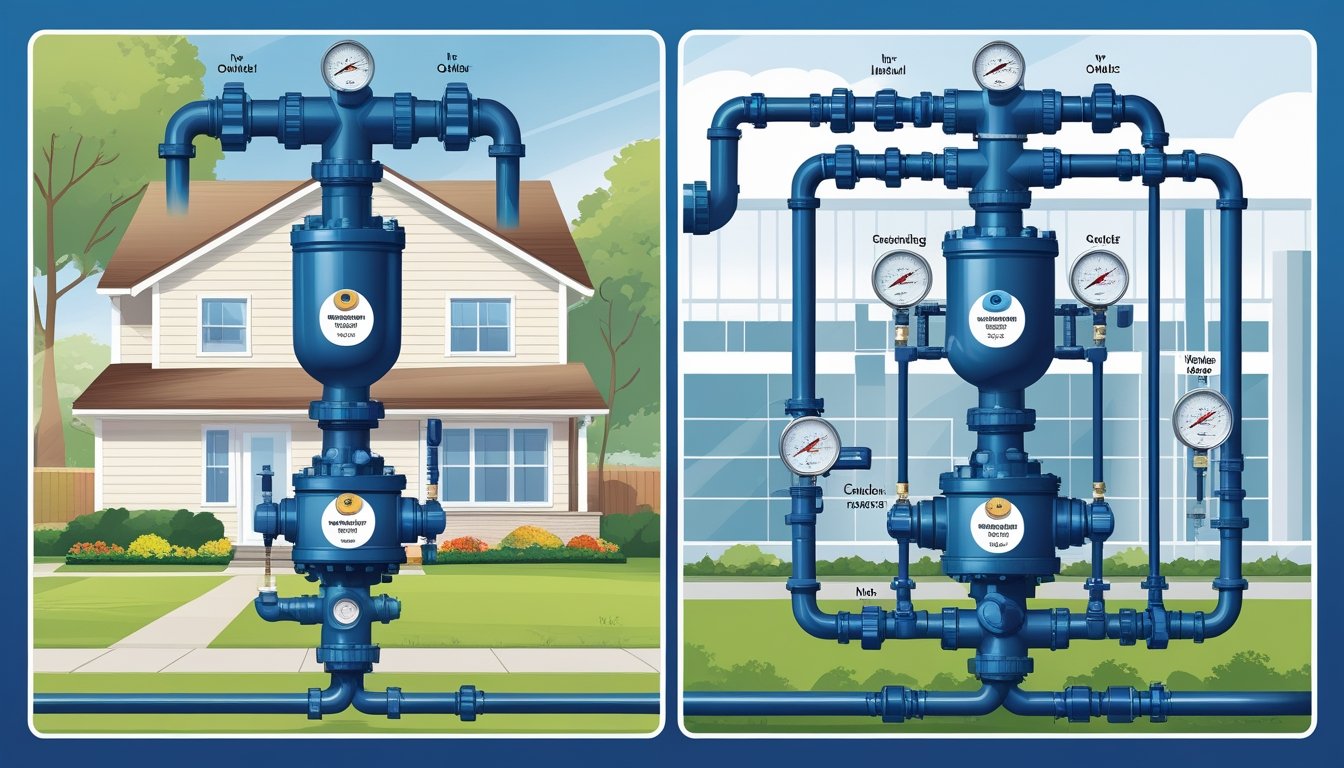
Backflow usually starts at places where clean water meets something less clean. Think garden irrigation systems, hose bibs, pools, and water tanks. Cross-connections—where drinking water lines connect with non-potable sources—are the main troublemakers.
Boilers, chemical dispensers, and fire sprinkler systems can also cause headaches. When pressure changes, contaminated water can sneak back into your supply. If your plumbing isn’t well-maintained or you’re missing backflow preventers, the risks shoot up.
It’s worth knowing these sources so you can check the right spots and avoid using unsafe water.
How Backflow Occurs
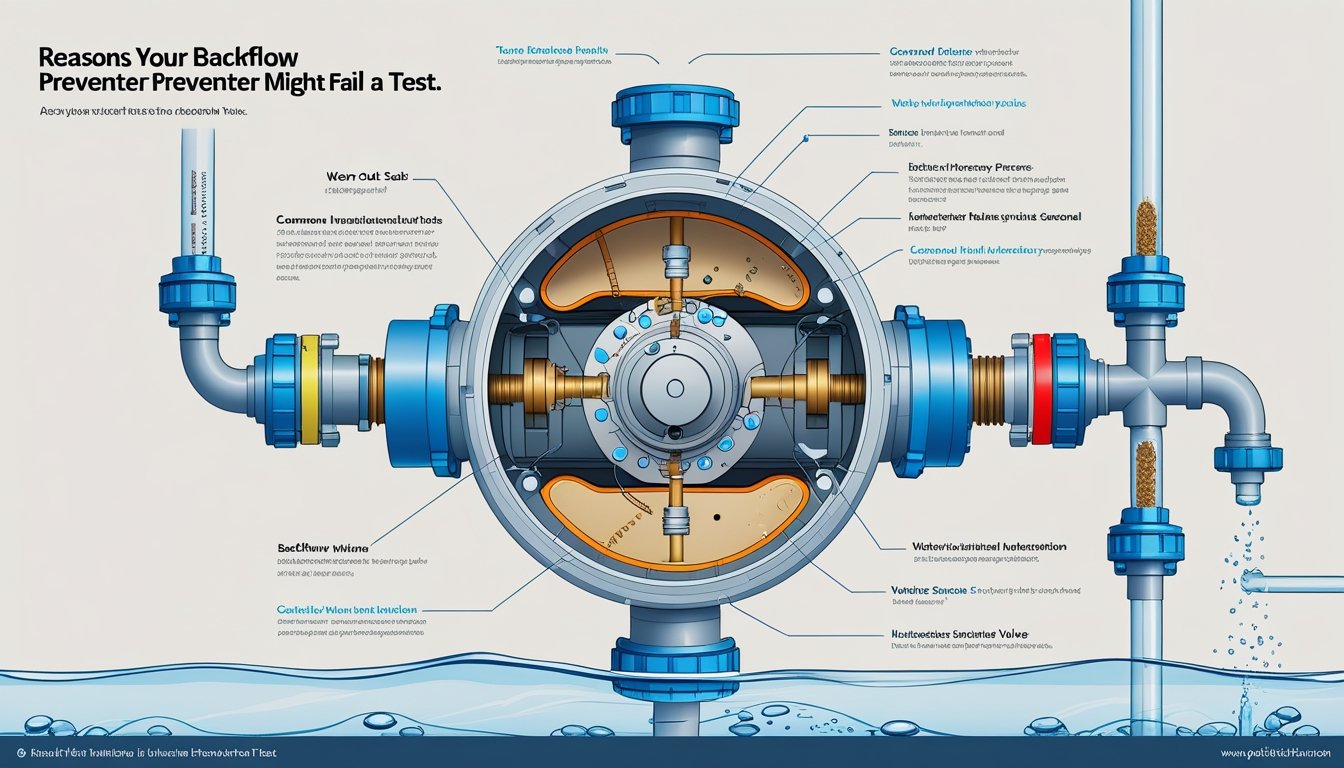
Backflow usually comes from either backpressure or backsiphonage. Backpressure happens when something in your system (like a pump or a boiler) creates more pressure than the main water line, pushing water the wrong way.
Backsiphonage is a bit different. If the main water pressure drops suddenly—maybe from a water main break or heavy demand nearby—it can actually pull contaminated water from somewhere else into your clean water.
Both these issues can sneak up without obvious warning. If you know how they work, you’ll be better at spotting changes that mean trouble.
Why Early Detection Matters
Early signs of backflow are usually subtle—maybe your water smells weird, tastes off, or looks a little discolored. If you ignore these, you’re risking bacteria or chemical contamination, not to mention expensive plumbing repairs or even code violations.
When you catch backflow issues early, you can fix or replace things before your water gets unsafe. Regular testing and maintenance go a long way. A pro like Pacific Backflow can catch stuff you might miss and make sure repairs or installations meet local rules.
Recognizing Subtle Backflow Warning Signs
Backflow problems don’t always shout for your attention. More often, they whisper. Small clues in your water—if you’re paying attention—can help you catch issues before they get serious.
Unexpected Changes in Water Pressure
If your water pressure suddenly feels off—too weak or too strong—that could mean backflow is happening. A pressure drop might mean dirty water is pushing into your clean lines. A sudden spike is just as bad; it can damage your backflow preventer or pipes, making backflow more likely.
These changes might be subtle, but if you notice water pressure bouncing around when you use faucets, showers, or appliances, it’s worth getting your backflow device checked. Regular testing makes sure your system stays safe.
Strange Tastes or Odors in Water
If your water smells odd or tastes weird, don’t just shrug it off. Chemical, metallic, or rotten smells—or a taste that’s sour, bitter, or just plain wrong—are red flags.
These changes happen when contaminated water gets into your drinking line. Even if it’s just a little off, don’t ignore it. Drinking or cooking with contaminated water isn’t worth the risk. If your water tastes or smells strange, call a backflow specialist for a check.
Discoloration or Cloudiness
Cloudy or dirty-looking water is another warning. If your water looks brown, yellow, or has particles floating in it, that could mean rust, dirt, or bacteria are getting into your supply through backflow.
Sometimes the cloudiness clears up if you let the water run. If it sticks around, though, it’s likely a backflow problem. Check all your taps—if it’s everywhere, it’s time for an inspection.
Yearly backflow testing (like Pacific Backflow offers) can catch these subtle signs before they get serious. Staying alert keeps your water safe and your home healthy.
Monitoring Plumbing Fixtures and Appliances
Your plumbing fixtures and appliances can tip you off to early backflow problems. Even little changes—like weird water flow or odd noises—can be important.
Toilet and Faucet Irregularities
If your toilets or faucets start acting up, don’t just ignore it. Toilets that back up or flush slowly might be getting water from other parts of your house flowing the wrong way.
Faucets that suddenly lose or gain pressure, spit out dirty or discolored water, or have a weird smell or taste, could signal backflow issues. That means contaminants might be sneaking in.
Check these fixtures often. If you see anything off, call a pro to test and fix your system.
Unusual Noises in Pipes
Strange sounds in your pipes—gurgling, banging, or whistling—are more important than you might think. These noises often show up when water is moving the wrong way or gets stuck.
Notice if the sounds happen when you use certain fixtures, or if they’re happening all over the house. Gurgling drains, especially, can mean waste is trying to flow back into clean water lines.
If your pipes are noisy, don’t just put up with it. These sounds are clues something’s wrong, and a quick inspection can save you a lot of trouble. Pacific Backflow’s testing can get to the bottom of it fast.
Evaluating Outdoor and Environmental Clues
Don’t forget to look outside. Sometimes your yard or outdoor areas give the first hints that water’s moving the wrong way in your plumbing. Odd water pooling or wet spots where they shouldn’t be can be early backflow clues.
Landscape Water Pooling
If you see water collecting in your yard after a light rain or watering, your drainage might be off. Some puddles are normal, but if you notice persistent or weirdly placed puddles—especially near irrigation lines or sewer drains—it might be backflow.
Look for:
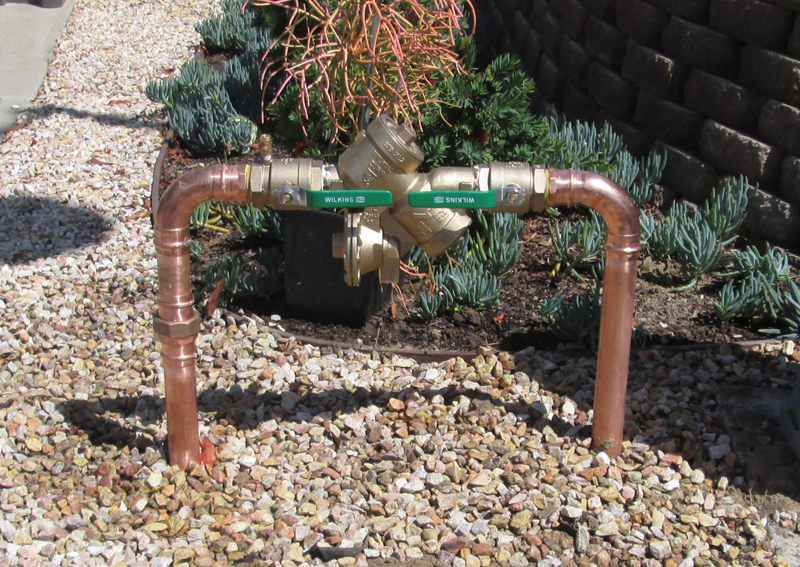
- Standing water near irrigation valves or backflow preventers
- Pools that stick around for more than a day
- Soft, muddy spots in otherwise dry areas
Water flowing backward in irrigation pipes can cause this. Early detection saves you from bigger headaches. If you’re not sure, Pacific Backflow can test and confirm if your outdoor water’s at risk.
Unusual Wet Spots Around Property
Wet spots in odd places—like near your foundation, walkways, or driveways—shouldn’t be ignored. If there’s no obvious reason (like rain or sprinklers), something’s up.
Watch for:
- Damp soil or grass that stays wet for days
- Small leaks making mini ponds near water connections
- Water smells or discoloration in these wet patches
These can mean backflow leaks or failures in underground pipes or preventers. Address them fast to protect your home and water. Regular inspections, especially before winter, help you avoid freezing damage that can make things worse.
Steps for Early DIY Investigation
Catching backflow issues early helps you dodge big repair bills and keeps your water safe. You can do some simple checks at home to spot warning signs, inspect visible plumbing, and know when it’s time to call in the pros.
Home Water Testing Tips
Start by checking your water for anything unusual. Look for discoloration—cloudy or rusty water could mean backflow. Notice any strange tastes or bad smells. These can signal contaminants getting in.
At-home test kits are handy for checking basic water quality. They can spot bacteria, chlorine, or pH problems. Try testing monthly and keep notes so you can spot changes.
Test water from different taps, since sometimes the problem’s just in one spot. If you find anything off, it might be time for a more thorough inspection or to call a professional.
Safely Inspecting Visible Plumbing
Check for visible signs of leaks or damage around your backflow preventer. Look for cracks, rust, or loose fittings. Pay attention to the test cocks—those small valves for maintenance. They shouldn’t be leaking or stuck.
Listen for odd sounds, like hissing or dripping. Watch for pressure drops when you turn on faucets or sprinklers. Low pressure can mean backflow or a blockage.
Turn off the water supply before you poke around, just to be safe. Wear gloves and safety glasses. Don’t try repairs beyond tightening a loose part or shutting off a valve; anything bigger needs a certified tech.
When to Contact a Professional
If you find water that’s discolored, leaks, or pressure that’s dropped, it’s time to call a professional. Certified backflow testers have the right tools to find problems you can’t see.
They’ll make sure your system meets local codes, keeping your water safe and helping you avoid fines. If your backflow preventer fails or needs repair, they’ll fix or replace it right.
If you’re in San Diego County, Pacific Backflow is a solid choice for fast, reliable testing and repairs. They’ll take care of everything, so you don’t have to worry. Honestly, acting early is just easier and cheaper in the long run.
Frequently Asked Questions
Sometimes it’s the little things that tip you off—don’t ignore them. Watching for changes in your water can really protect your home and health.
What indicators suggest a backflow issue in plumbing systems?
You might notice your water tastes weird or smells off. Cloudy or oddly colored water is another clue.
Leaks around your backflow preventer or sudden drops in water pressure are also signs you shouldn’t ignore.
Can discolored water be a sign of backflow problems?
Absolutely. Discolored water—rusty, brown, or dark—often means something’s mixing with your clean water.
If you see colors or particles in your water, get it checked ASAP.
Are there specific sounds that signal potential backflow in pipes?
Yep. Gurgling or banging pipes can mean backflow or blockages.
Those noises tell you your plumbing isn’t happy and probably needs a closer look.
How might changes in water pressure hint at backflow complications?
If your water pressure drops out of nowhere, your backflow preventer might be acting up. When pressure dips or bounces around, it can actually pull contaminated water back into your plumbing. Not exactly reassuring, right?
What are the common symptoms of backflow contamination?
You might notice a weird taste, odd smell, or even discoloration in your water. Sometimes people start feeling unwell if tainted water sneaks into the house. Catching these signs early really matters.
How often should backflow preventers be inspected for signs of malfunction?
You really ought to get your backflow preventer tested once a year.
Pacific Backflow actually handles annual testing quickly and reliably, making it easier to keep your water safe and stay compliant with San Diego County rules. Getting regular checks can help you spot issues early and, hopefully, dodge those expensive repairs nobody wants.