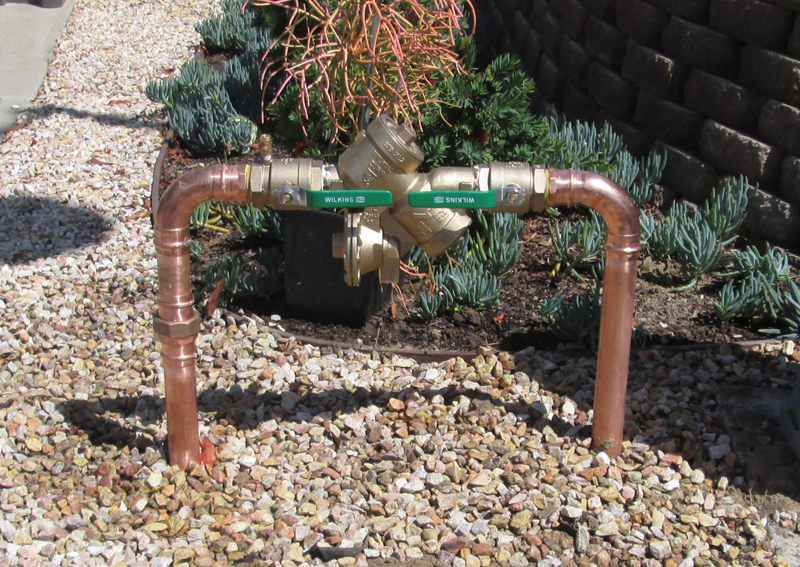


When you’re having plumbing work done at home or at your business, your drinking water can be at risk. Contaminants might sneak into the water supply if backflow occurs—basically, that’s when dirty water ends up flowing back into your clean lines. The best way to keep your drinking water safe during plumbing work? Use and maintain a backflow prevention device.
Check your backflow preventer regularly to make sure it’s working. Annual testing catches issues early and keeps you in line with local requirements. If something fails, get it fixed or replaced fast, so nothing nasty gets in. Pacific Backflow has certified techs who handle testing and repairs quickly for folks in San Diego County.
Keep an eye out for cross-connections—those spots where backflow could sneak in. Know where to find your backflow preventer and check that it’s installed right. Taking these steps helps protect your drinking water during any plumbing project and lets you relax a little about what’s coming out of your tap.
Understanding Plumbing Work and Water Safety
Plumbing work can mess with your water’s cleanliness and safety, even if you don’t notice right away. It’s worth knowing what might go wrong and how different plumbing jobs can affect your water. If you see any signs of poor water quality after work is done, act fast.
Common Water Contamination Risks
Water can get contaminated a few ways during plumbing. Backflow is a big one—dirty water gets sucked into your clean supply, bringing bacteria, chemicals, or just plain gunk.
Corroded metal pipes can release lead or rust. If repairs aren’t sealed up right, sediment or dirt might sneak in.
Backflow preventers are a must; get them tested regularly. Don’t drink water that’s cloudy, stinky, or tastes weird after plumbing work. Those are warning signs that things aren’t right.
Types of Plumbing Renovations and Their Impact
Different jobs have different effects. Little fixes like leaks or faucet swaps usually don’t hurt water quality much—if the work’s done carefully.
Bigger projects, like pipe replacements or new water heaters, can stir up dirt or mess with your backflow preventer. You might have to shut off water and flush the system to get rid of anything that got in.
When you’re doing big upgrades, install or update your backflow prevention devices. These stop dirty water from reaching your drinking supply. Always hire licensed plumbers who actually know the safety codes.
Signs of Water Quality Issues During Plumbing
Watch for these signs your water might not be safe after plumbing work:
- Taste or smell changes: Metallic, chlorine, or rotten egg odors can mean trouble.
- Cloudy or colored water: Brown, red, or just murky water often means rust or dirt got in.
- Sputtering taps or air: Air in the lines or pressure changes can happen after work.
- Odd stains: Orange or blue stains on sinks or tubs usually mean corrosion or minerals.
If you spot any of these, don’t use the water for drinking or cooking until you get it tested. Companies like Pacific Backflow can check your system and handle backflow testing to make sure it’s safe.
Preparation Steps Before Plumbing Begins
Before any plumbing starts, take a few steps to protect your drinking water and avoid headaches. Talk with your household, turn off the water safely, and drain your pipes to cut down on risks.
Notifying Household Members
Let everyone know when plumbing work’s happening. Give them a heads-up about when the water will be off, and how long it might last. No one likes surprise cold showers or empty taps.
Tell folks that water might not be safe or even available during the job. Fill a few containers ahead of time for drinking, cooking, or handwashing. Good communication saves a lot of stress.
Shutting Off Water Supply
Before work begins, turn off the main water supply. Usually, you’ll find the shutoff near your water meter or where the water line comes into your house. Shutting it off stops leaks and flooding while the work’s underway.
After you shut off the main, open a faucet at the lowest spot in your house to let out pressure and drain leftover water. That helps protect your fixtures and things like backflow preventers from damage or contamination.
Safely Draining Pipes
Draining your pipes is important. Once the water’s off, open all faucets—including outside ones—to let the lines empty. This helps keep debris or contaminants from mixing in.
If you have a backflow preventer, drain it as well. That keeps it working right and stops water from getting contaminated. If you’re not sure how, call in pros like Pacific Backflow for help with draining and testing.
Protecting Drinking Water During Plumbing
You want to keep dirt and anything nasty out of your pipes while work is happening. Using the right tools to stop water from flowing backward and sealing up pipe openings goes a long way.
Using Protective Barriers on Pipes
Cover exposed pipes while plumbing’s underway. Plastic sleeves or wraps work well to keep dust and debris out. Make sure barriers fit tight and cover every open end.
Use clean, new materials—no sense introducing new germs or chemicals. If your lines are underground, barriers help keep out soil and bacteria too. Check that those covers stay put until the work’s all done.
Avoiding Backflow Contamination
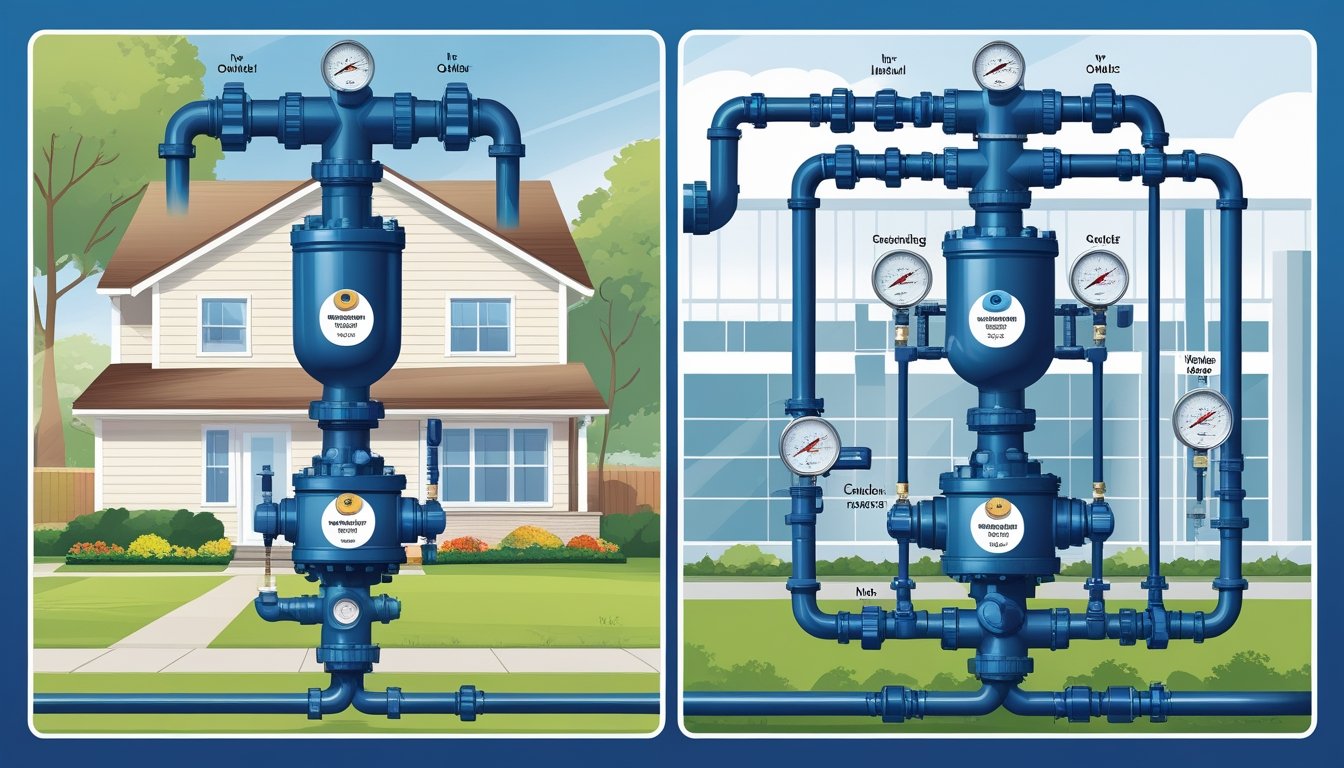
Backflow is when water goes the wrong way, pulling dirty stuff into your clean supply. Backflow preventers stop this, but only if they’re installed and working right.
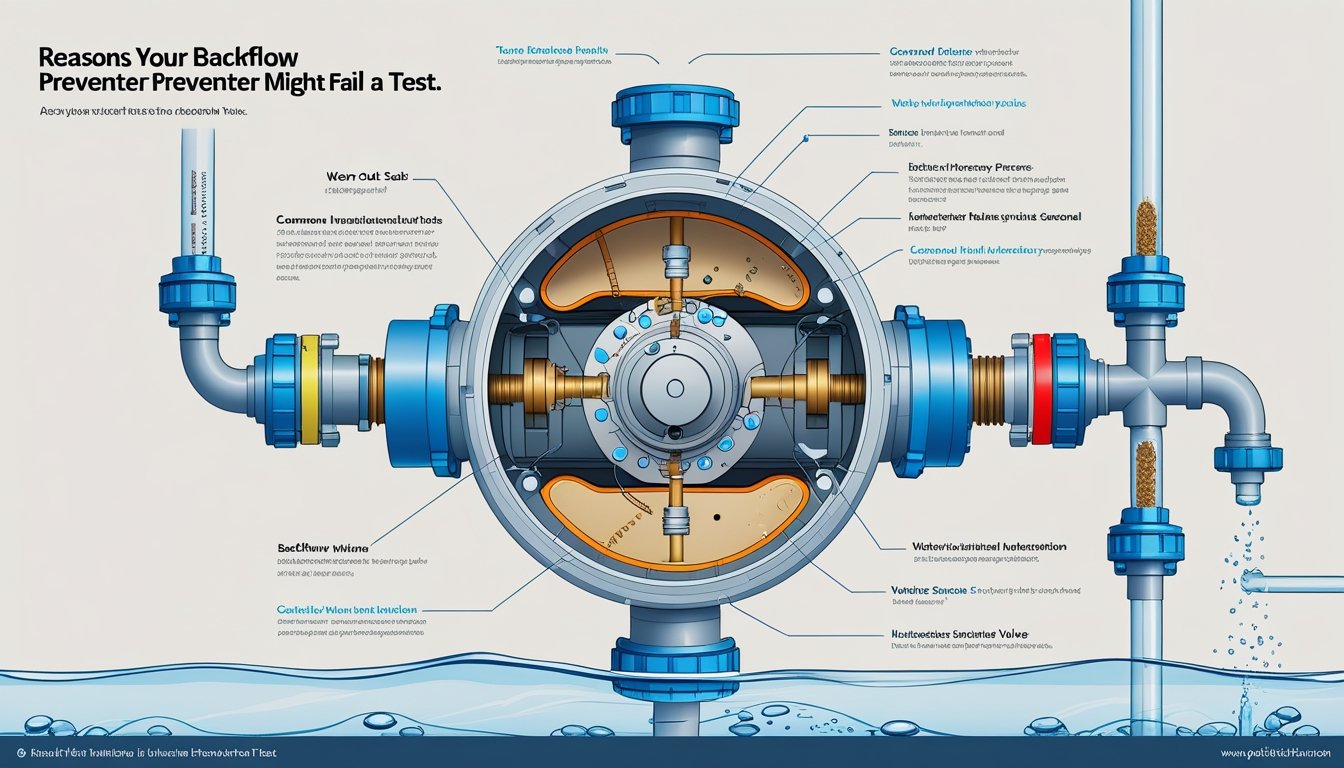
Get your backflow preventer tested every year by someone who knows what they’re doing. Pacific Backflow does this all over San Diego County, keeping systems working and inspections current. If a preventer fails, fix or replace it quickly to prevent water contamination.
Sealing Openings Properly
Anytime a plumber opens up your system, seal those openings tight. Use caps, plugs, or wrap things up well. This keeps out dust, bugs, or even small critters that can bring in bacteria.
Good seals also stop leaks and pressure drops that could cause backflow. Double-check everything before turning the water back on. If you’re unsure, let local experts handle the sealing and backflow checks—better safe than sorry.
Post-Plumbing Water Safety Measures
After the work’s done, you’ll want to keep your drinking water safe. Clear out any stagnant water, check for possible contaminants, and clean your plumbing fixtures so leftover dirt or germs don’t stick around.
Flushing Water Lines
Flushing your lines clears out debris and stale water. Turn on all your faucets, starting at the lowest and moving to the highest. Let cold water run for a few minutes, or until it’s clear and steady.
This gets rid of dirt, dust, or rust that might’ve settled in the pipes. It also pushes out air pockets that can make water sputter or look weird. Don’t forget to run water through appliances like ice makers and water filters.
Testing Water for Contaminants
Once you’ve flushed the lines, test your water for bacteria or chemicals. You can use a home test kit or call in a pro for a thorough check.
If anything tastes, smells, or looks off, testing is a must. Certified folks at Pacific Backflow can do backflow testing and cross-contamination checks to help you meet safety standards.
Cleaning Fixtures and Outlets
Give your fixtures a good cleaning to get rid of sediment or biofilm. Use mild detergent and a soft brush (or cloth) for faucet aerators, showerheads, and drains.
If you spot mineral buildup, soak faucet screens in vinegar. Regular cleaning keeps bacteria from growing and water flowing smoothly. Wipe down the outside of fixtures too—no need to let grime build up.
These steps help keep your water supply safe for drinking and daily use.
Long-Term Water Safety Habits
Safe drinking water isn’t just about what you do during plumbing work. Keep up simple habits: watch your plumbing, use good filters, and keep things clean to stop contaminants from getting in.
Regular Plumbing Inspections
Check your plumbing regularly to catch problems early. Look for leaks, corrosion, or worn parts that could let in dirt or chemicals.
Try to schedule a checkup at least once a year. A certified plumber can test your backflow prevention device to make sure it’s working. This little gadget keeps dirty water out of your clean supply.
Lots of folks in San Diego County call Pacific Backflow for testing and repairs. Staying on top of inspections keeps your water safer and can save money in the long run.
Installing Water Filters
Water filters are a smart move for better water quality. They pull out chlorine, sediment, and other stuff that messes with taste or safety.
Pick a filter based on your water source and what you want to remove. Some use activated carbon, others use reverse osmosis. Change filters as recommended, or they won’t do much good.
You can go for filters at individual faucets or a whole-house system. Either way, regular upkeep is what really matters.
Maintaining Plumbing Hygiene
A clean plumbing system stops bacteria and mold from building up. Flush pipes after any work to clear out dust or debris.
Don’t pour harsh chemicals down drains—they can wreck pipes and hurt water quality over time.
Use filtered water when flushing water heaters or appliances. Keep an eye on outdoor faucets and irrigation to catch any cross-contamination. Keeping things clean really does help keep your water safe.
Frequently Asked Questions
Knowing what to watch for and how to handle issues makes a big difference in keeping your drinking water safe. Pay attention to signs of contamination, understand safe limits, and know what to do about lead or biofilm in your pipes. Taking the right steps during plumbing work helps keep your water healthy.
What signs indicate the presence of lead in drinking water?
If your water tastes metallic or looks cloudy, lead could be the culprit. Older houses with lead pipes or solder are more at risk. The only way to know for sure is to test.
How can one determine the safe levels of lead in drinking water?
Technically, zero is the safe level for lead, but the EPA says to take action if it’s above 15 parts per billion (ppb). Regular testing is the only way to know if you’re in the clear.
What are effective methods to prevent lead contamination in water pipes?
Use certified filters that remove lead. Swap out old lead pipes for copper or PEX. Corrosion control treatments can help stop lead from leaching into your water.
What steps can be taken to eliminate biofilm from water pipes?
Flush your pipes regularly to clear out biofilm. Disinfect with chlorine or other approved cleaners if needed. Clean pipes keep bacteria from getting a foothold.
How does lead in water affect adult health?
Lead exposure in adults can lead to high blood pressure, kidney issues, and nerve problems. Over time, even small amounts can really increase health risks.
What are essential safety precautions to consider when doing plumbing work?
First things first—shut off the main water supply before you even think about starting. Grab clean tools, toss on some gloves, and do your best to avoid contamination. Once you’re done, it’s smart to get your backflow prevention devices tested so your water stays safe.
Pacific Backflow handles reliable backflow testing, making sure your system keeps water clean. They’ve got a solid reputation in San Diego County for expert care and quick turnaround.