

Your water system needs protection from contamination, and that's where annual backflow compliance service comes in. Annual backflow compliance service includes professional testing, inspection, and certification of your backflow prevention device to meet legal requirements and protect your water supply from dangerous contaminants.
Most states require this testing every year, and failure to comply can result in fines or even water service disconnection. Backflow happens when water flows backward through pipes, potentially bringing sewage, chemicals, or other hazardous materials into clean drinking water.
According to the City of San Diego Public Utilities, all backflow prevention devices are required to be tested annually by approved testers to remain compliant.
Backflow prevention devices stop this from occurring, but they need regular testing to make sure they still work properly. A certified technician checks these devices to confirm they meet safety standards and local regulations.
Property owners often wonder what happens during these annual inspections and whether they can handle compliance on their own. This article explains the full process of annual backflow compliance service, common problems technicians find, and why professional testing protects both individual properties and the entire community's water supply.
Here’s what you need to know:
- What is an annual backflow compliance service and why it matters
- Key steps included in an annual backflow compliance service
- Common issues discovered during compliance inspections
- How annual compliance service benefits your property
- DIY checks vs professional annual compliance service
- Why choose Pacific Backflow for your annual compliance service
Keep reading to learn how annual backflow compliance service keeps your property code-compliant and your potable water protected.
What is an annual backflow compliance service and why it matters
Annual backflow compliance services handle required testing and documentation to keep water systems safe from contamination. These services verify that backflow prevention devices work properly and meet local water safety regulations.
Understanding backflow compliance requirements
Local, state, and federal laws require annual backflow testing as part of water safety standards. Water companies enforce these requirements to meet regulatory obligations and avoid penalties.
Most regulations require testing on an annual basis. Property owners must hire certified testers to inspect backflow prevention devices. These testers check if the devices function correctly and submit official reports to the local water authority.
The compliance process involves several key steps:
- Scheduling tests with a certified backflow testing professional
- Testing all backflow prevention assemblies on the property
- Documenting results on official forms
- Submitting reports to the water company or local municipality
- Making repairs if devices fail inspection
- Maintaining records of all testing and repairs
Water companies track compliance and may issue notices or fines for late or missing tests. Some areas shut off water service for properties that fail to complete required testing.
How annual service protects water systems and public health
Backflow preventers are mechanical devices that can degrade over time. Regular testing confirms these devices still stop contaminated water from flowing backward into the clean water supply.
Annual testing catches problems before they create health risks. Certified testers perform visual inspections and operational checks to verify each component works as designed. They measure pressure levels and check internal parts like springs, seals, and check valves.
Per the U.S. EPA’s Cross-Connection Control Manual, backflow hazards require an organized cross-connection control program with documented field testing of backflow preventers to ensure devices operate within specification.
When devices work properly, they protect entire communities from contamination. A single failed backflow preventer can allow chemicals, bacteria, or other pollutants to enter the public water system. Annual backflow testing service prevents these situations by identifying and fixing issues early.
According to the CDC, drinking water illnesses affect at least 1.1 million people in the U.S. each year, underscoring the public-health importance of reliable backflow prevention and verification.
Risks of skipping or delaying compliance inspections
Skipping annual tests puts water supplies at risk of contamination. A backflow preventer might fail without showing obvious signs, creating dangerous conditions that go undetected.
Property owners face serious consequences for non-compliance. Water companies may charge late fees or penalties. Some jurisdictions impose fines that increase the longer testing remains overdue.
The financial risks extend beyond penalties. If a failed backflow device contaminates the water supply, the property owner may be liable for cleanup costs and damages. These expenses far exceed the small cost of annual testing.
Legal troubles also arise from skipped inspections. Businesses can face regulatory violations that affect licenses and permits. In severe cases, properties lose water service entirely until they complete required testing and repairs.
Key steps included in an annual backflow compliance service
An annual backflow compliance service follows a structured process that covers inspection, testing, identification of problems, and proper documentation. Each step plays a specific role in keeping water systems safe and meeting regulatory requirements.
Comprehensive inspection of backflow preventers
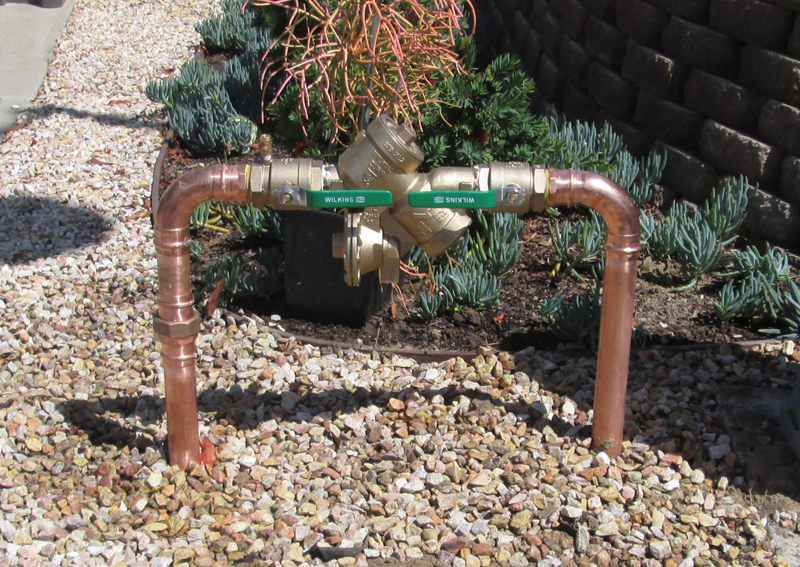
A certified technician starts by examining the entire backflow prevention assembly. This visual inspection checks the device's physical condition and location. The technician verifies that the correct type of backflow preventer is installed for the specific application.
They look at all accessible parts of the device. This includes the exterior housing, mounting position, and surrounding piping. The inspection confirms that the device is properly installed with adequate clearances for testing and maintenance.
The technician also checks that identification tags and test ports are present and accessible. They verify the device model and serial number match the records. Any signs of tampering or unauthorized modifications are noted during this initial review.
Testing valves, seals, and internal components
The technician connects specialized test equipment to the device's test ports. They perform a series of pressure tests on each internal valve and check valve. These tests measure how well each component prevents reverse water flow.
Specific test procedures vary based on the type of backflow preventer. Double check valves, reduced pressure zone devices, and pressure vacuum breakers each require different testing methods. The technician follows manufacturer specifications and local testing standards for each device type.
They record pressure readings at various points during the test. These measurements show whether seals maintain proper tight closure and whether springs provide adequate force. Test results indicate if the device operates within acceptable parameters or needs repairs.
Identifying leaks, corrosion, or system wear
During testing and inspection, the technician looks for signs of deterioration. Small leaks around seals or valve seats often indicate worn components. Water stains or mineral deposits point to chronic leaking problems.
Corrosion appears as rust, pitting, or discoloration on metal parts. This damage weakens the device and can lead to failure. The technician assesses whether corrosion affects the device's operation or structural integrity.
Wear patterns on moving parts show how the device ages over time. Worn springs lose tension and fail to keep valves closed. Damaged rubber seals allow water to pass through when they should block flow.
Documenting results for regulatory compliance
The technician completes an official test report after finishing the backflow inspection and testing. This document includes all pressure readings, pass or fail status, and any repairs made. The report must be signed by a certified tester.
Most jurisdictions require submission of test reports to the local water authority within a specific timeframe. The property owner receives a copy for their records. This documentation proves compliance with annual testing requirements.
Failed tests require immediate attention and retesting after repairs. The technician notes specific components that need replacement and provides repair recommendations. A passing test report allows the device to remain in service for another year.
Common issues discovered during compliance inspections
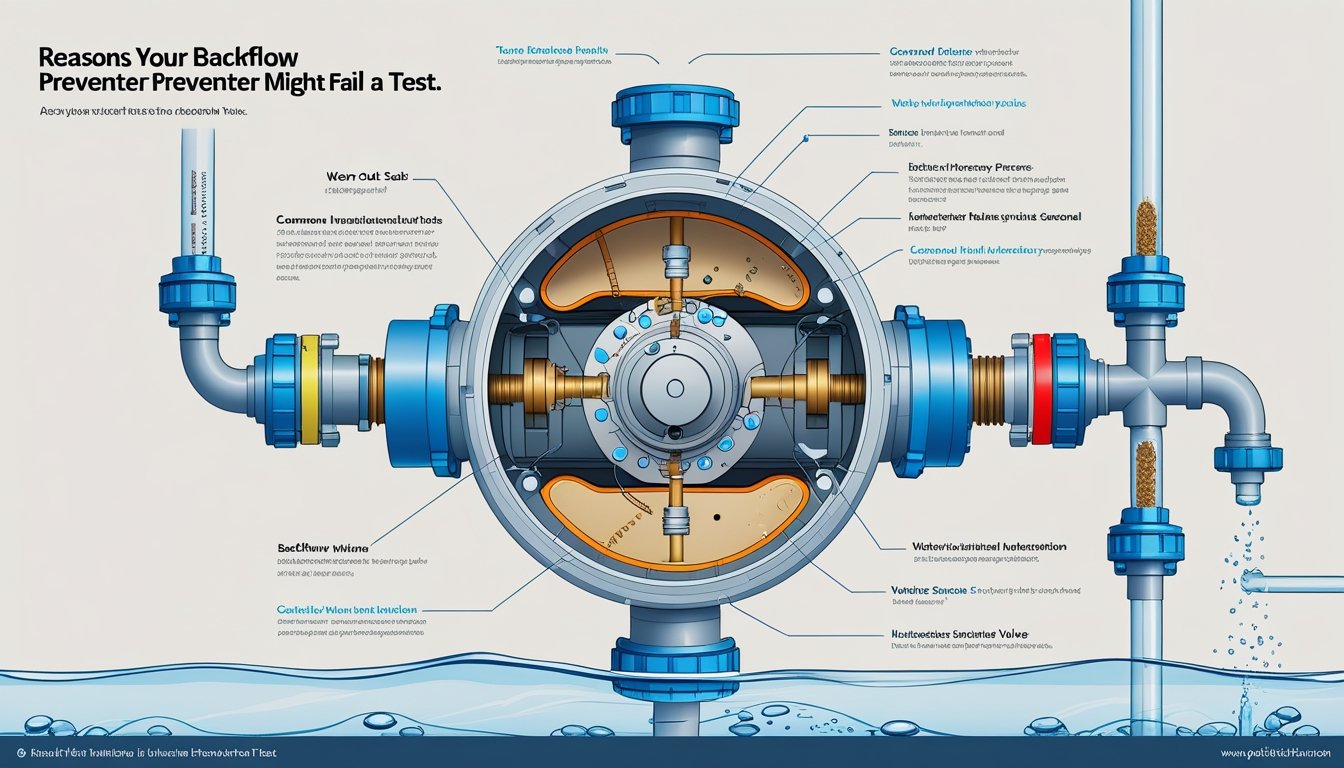
Backflow preventers can fail inspections due to several mechanical problems that develop over time. Worn seals, corroded parts, debris buildup, and malfunctioning valves are the most frequent issues that inspectors find.
Worn or damaged seals causing leaks
Rubber seals and gaskets inside backflow preventers wear down naturally with age and use. These components lose their flexibility and develop cracks after years of exposure to water pressure and temperature changes.
When seals fail, water can leak from the device or allow backflow to occur. Inspectors check for visible water drips around the assembly and test the internal seals for proper function. Small leaks often indicate that seal replacement is needed before the device fails completely.
Most rubber components need replacement every 3-5 years depending on water quality and usage. Hard water with high mineral content accelerates seal deterioration. Facilities with high water usage see faster wear on these parts compared to low-use installations.
Corroded or rusted backflow components
Metal components in backflow preventers corrode when exposed to moisture and certain water conditions. External housings, internal springs, and valve seats are particularly vulnerable to rust and mineral buildup.
Corrosion weakens the structural integrity of parts and prevents valves from closing properly. Inspectors look for visible rust on the exterior and test internal components for smooth operation. Corroded springs lose tension and fail to maintain proper pressure differential.
Water with low pH levels or high chlorine content speeds up corrosion. Outdoor installations face additional corrosion risks from weather exposure. Regular inspections catch corrosion early before it causes complete device failure.
Debris or sediment affecting performance
Dirt, sand, and mineral deposits enter backflow preventers through the water supply. These particles accumulate inside the device and interfere with moving parts.
Debris can prevent check valves from sealing completely or stop relief valves from opening when needed. Inspectors flush the system and check for sediment during testing. Build-up is more common in areas with older water pipes or after main line repairs.
Properties without pre-filtration systems experience more frequent debris problems. Construction work on nearby water lines often introduces particles into the system. Annual inspections remove accumulated sediment and verify that valves move freely.
Malfunctioning test cocks or internal valves
Test cocks are small valves that allow inspectors to measure pressure and verify proper operation. These components can become stuck, leak, or break off completely.
Internal check valves must open and close at specific pressure levels to prevent backflow. When these valves stick open or closed, the entire assembly fails inspection. Inspectors test each valve individually to confirm it responds correctly to pressure changes.
Test cock handles break from repeated use or improper tool application. Valve seats develop pitting that prevents proper sealing. Replacement of malfunctioning test cocks and valves restores the device to working condition.
How annual compliance service benefits your property
Annual compliance service keeps your property safe from water contamination while meeting legal requirements and preventing expensive system failures. Regular backflow maintenance protects both your investment and public health.
Ensures adherence to local and state regulations
Most municipalities and water authorities require annual backflow testing by law. Property owners who skip these inspections face fines, penalties, or water service shutoffs.
A certified backflow compliance service handles all testing documentation and submits reports directly to local authorities. This removes the burden of tracking deadlines and paperwork from property managers. The service schedules tests before certification expires, preventing any gaps in compliance.
Water districts enforce these rules to protect community water supplies from contamination. Properties with backflow prevention devices must prove they work correctly each year. Missing a single inspection can trigger violations that cost hundreds or thousands of dollars in fines.
Professional compliance services maintain records of all tests and certifications. These documents prove a property meets safety standards during audits or property transactions.
Protects against water contamination risks
Backflow prevention devices stop contaminated water from flowing backward into clean water supplies. When these systems fail, chemicals, bacteria, or waste can enter drinking water.
Annual testing identifies problems before contamination occurs. Technicians check valve seals, springs, and pressure levels to confirm the device blocks reverse flow. Even small defects can allow dangerous substances to compromise water quality.
Properties with irrigation systems, fire sprinklers, or chemical connections face higher contamination risks. Fertilizers, pesticides, and industrial materials can backflow into municipal water lines during pressure changes. Regular compliance backflow maintenance catches worn parts that might allow cross-contamination.
Testing protects tenants, employees, customers, and neighboring properties from health hazards. A single contamination event can lead to illness, lawsuits, and property liability.
Reduces the likelihood of costly emergency repairs
Annual inspections catch small issues before they become major failures. Replacing a worn valve seal during routine maintenance costs far less than emergency repairs after a complete system breakdown.
Backflow devices contain mechanical parts that wear out over time. Springs weaken, rubber seals crack, and valves stick in place. Regular testing identifies these problems early when repairs remain simple and affordable.
Emergency backflow failures often require immediate attention to restore water service. After-hours service calls and rush repairs cost two to three times more than scheduled maintenance. Properties may also face water service interruptions that disrupt business operations or tenant comfort.
Compliance services track device performance over time and recommend proactive replacements. This prevents sudden failures during critical moments.
Extends the lifespan of backflow systems
Backflow prevention devices last longer when they receive consistent professional attention. Annual testing includes cleaning, adjustment, and minor repairs that keep systems running efficiently.
Neglected devices deteriorate faster from mineral buildup, corrosion, and debris. Regular compliance backflow maintenance removes deposits and lubricates moving parts. These simple steps prevent premature wear that shortens device life.
Most backflow preventers function reliably for 10 to 15 years with proper care. Skipping annual service can reduce this lifespan by 30 to 50 percent. Replacing an entire device costs $500 to $3,000 depending on size and type.
Certified technicians also provide recommendations for system upgrades or replacements based on current condition. This helps property owners plan for future expenses rather than facing unexpected costs.
DIY checks vs professional annual compliance service
Homeowners can perform basic visual checks between professional visits, but annual compliance testing requires certified technicians with specialized equipment to meet legal requirements. Professional service protects water quality and prevents regulatory violations that DIY maintenance cannot address.
Basic inspections homeowners can safely perform
Property owners can conduct simple visual checks on their backflow prevention devices between scheduled professional inspections. Look for visible leaks around valves, connections, and the device body. Check for reduced water pressure when using fixtures or outdoor irrigation systems.
Listen for unusual sounds like hissing or whistling near the backflow preventer. These noises may indicate internal pressure problems or valve issues. Note any rust, corrosion, or physical damage to the device exterior.
Keep the area around the backflow preventer clear of debris and vegetation. Remove dirt or buildup from the exterior using a soft cloth. Make sure the device remains accessible for future professional testing.
Document the date of each visual inspection and any concerns observed. Contact a certified technician if water appears discolored, has an unusual taste, or if pressure drops significantly. These basic checks help identify problems early but do not replace required annual testing.
Why certified technicians ensure thorough, accurate testing
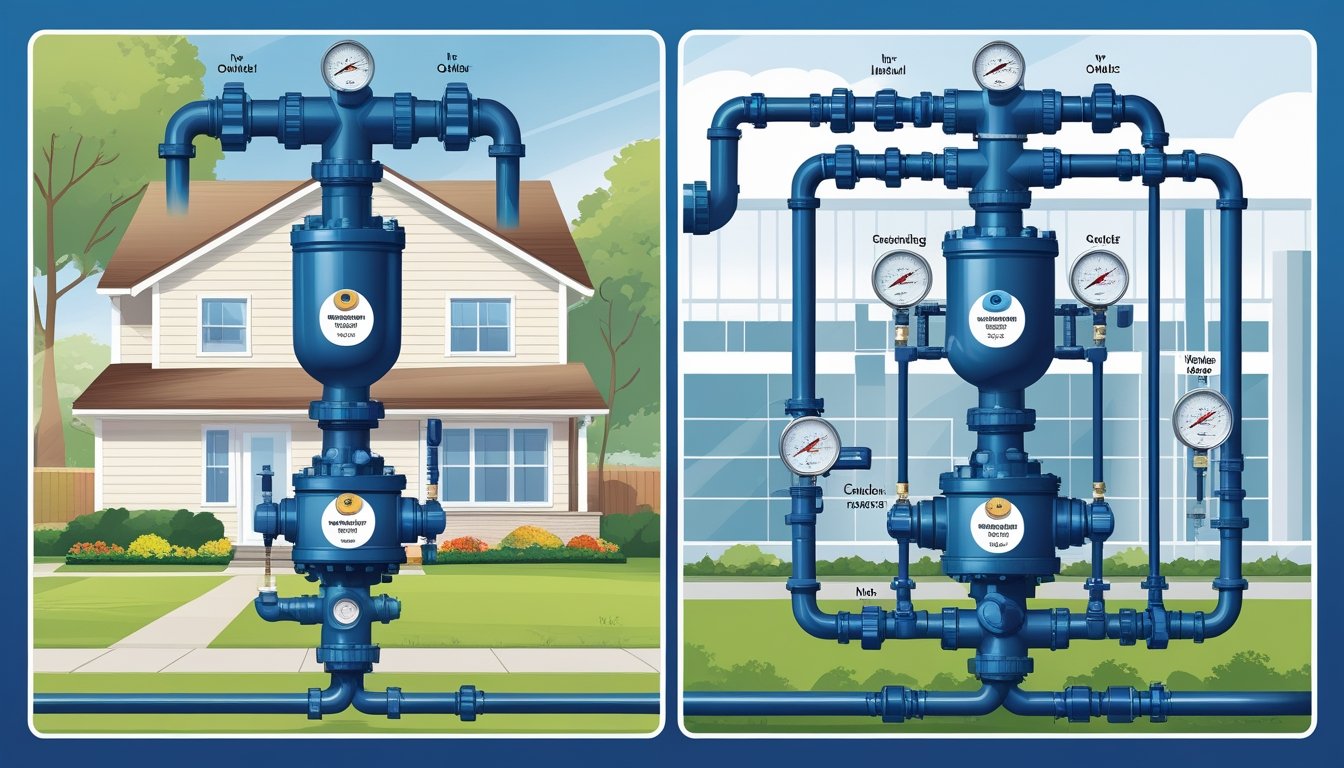
Professional technicians use calibrated gauges to measure exact internal pressure balances that homeowners cannot assess without specialized equipment. These measurements verify that check valves, relief valves, and air inlet valves function within required specifications. Testing equipment must meet strict standards and undergo regular calibration.
Certified professionals understand local regulations and documentation requirements. They complete official test reports that water suppliers need for compliance records. Their training covers different backflow device types and manufacturer-specific testing procedures.
Professional testing identifies internal component failures that visual inspections miss. Technicians test each valve independently under controlled conditions. They adjust or rebuild devices to restore proper function when needed.
Licensed testers carry liability insurance that protects property owners from claims related to water contamination. Their certifications require ongoing education about updated testing methods and regulatory changes.
Risks of skipping professional compliance checks
Local water authorities require annual testing by certified professionals. Properties without current test documentation face fines, mandatory water service disconnection, or both. Some municipalities charge additional fees to restore service after compliance violations.
Failed backflow devices allow contaminated water to flow backward into the public water supply. This contamination puts entire neighborhoods at risk and creates serious public health hazards. Property owners may face legal liability if their untested device causes contamination incidents.
Insurance policies often require proof of annual backflow testing. Claims related to water damage or contamination may be denied without proper documentation. DIY repairs or testing do not satisfy these insurance requirements.
Undetected device failures waste water and increase utility costs. Small internal leaks can persist for months without obvious external signs. Professional testing catches these problems before they cause extensive damage or drive up water bills significantly.
Why choose Pacific Backflow for your annual compliance service
Pacific Backflow delivers certified testing, specialized system knowledge, and complete documentation support to keep properties compliant with local water authority requirements.
Certified backflow testers for safe, reliable service
Pacific Backflow employs certified and licensed technicians who specialize in backflow prevention testing. Each tester maintains current certifications required by California water authorities and follows manufacturer guidelines for testing procedures.
The company's technicians complete annual certification renewals and stay updated on changing regulations. This training ensures accurate testing results and proper identification of potential problems. Certified testers know how to work with different backflow assembly types and can spot issues that untrained personnel might miss.
Property owners gain peace of mind knowing their testing meets all legal requirements. The certification status of testers matters because water authorities only accept test results from properly credentialed professionals. Using certified backflow service providers prevents rejected reports and compliance delays.
Expertise with residential, commercial, and industrial systems
Pacific Backflow handles backflow systems across all property types. Residential services cover single-family homes and smaller assemblies. Commercial services address businesses, restaurants, medical facilities, and retail locations with more complex plumbing systems.
Industrial properties require specialized knowledge due to larger systems and multiple backflow points. The company's technicians understand these different requirements and adjust their approach accordingly.
Each property type faces unique challenges. HOA communities need coordinated testing schedules for multiple units. Commercial properties often have irrigation systems, fire suppression lines, and specialty equipment that require separate backflow assemblies. Pacific Backflow manages these varied needs efficiently.
Documentation support for regulatory requirements
Pacific Backflow handles all reporting and paperwork required by local water authorities. After testing, the company submits results directly to the relevant agencies. Property owners receive copies for their records.
The service includes tracking test dates and sending reminders before the next annual test is due. This system prevents missed deadlines and potential fines. Documentation support removes the administrative burden from property owners.
Water authorities require specific forms and formats for compliance reporting. Pacific Backflow maintains relationships with San Diego County water districts and knows exactly what each agency needs. The company ensures all paperwork is complete and submitted on time.
Conclusion
Annual backflow compliance service protects water quality and keeps properties in line with local regulations. Testing once per year catches problems before they become serious threats to the water supply.
Property owners who skip testing face real consequences. Water authorities can issue fines, and service interruptions may occur. More importantly, a failing backflow preventer puts drinking water at risk of contamination.
Certified testers check the device performance and provide official records. These records prove compliance when water authorities request them. New devices typically perform better than older ones, with readings that show stronger protection levels.
The cost of annual testing remains small compared to the risks of non-compliance. A single contamination event can affect entire communities and lead to expensive remediation. Regular inspections prevent these larger problems.
Water safety depends on working backflow prevention systems across all connected properties. Each device plays a role in keeping the public water supply clean. Testing ensures that every component functions as designed.
Property owners who maintain their testing schedule contribute to community-wide water safety efforts while protecting their own interests.
Schedule your annual backflow compliance test with out team today to document results with your water authority, correct any failures, and avoid fines or service interruption.