

If you have a sprinkler system in California, you need to know about backflow requirements to keep your water safe. California law requires sprinkler systems to have backflow preventers that are tested at least once a year by a certified tester.
This helps stop dirty water from flowing back into your clean water supply. Regular testing and maintenance are important because backflow devices can wear out or fail over time.
Staying on top of these rules protects your health and keeps your property following local water regulations. Understanding what’s needed will make it easier for you to stay compliant and avoid potential fines.
Overview of Sprinkler System Backflow Requirements in California
If you have a sprinkler system, it’s important to know how backflow prevention keeps your water clean and safe. You must follow rules about testing, maintenance, and device installation to protect your water supply from contamination.
Definition of Backflow
Backflow happens when water flows backward into your clean water supply. This can carry harmful chemicals, dirt, or bacteria from sprinkler systems or other sources.
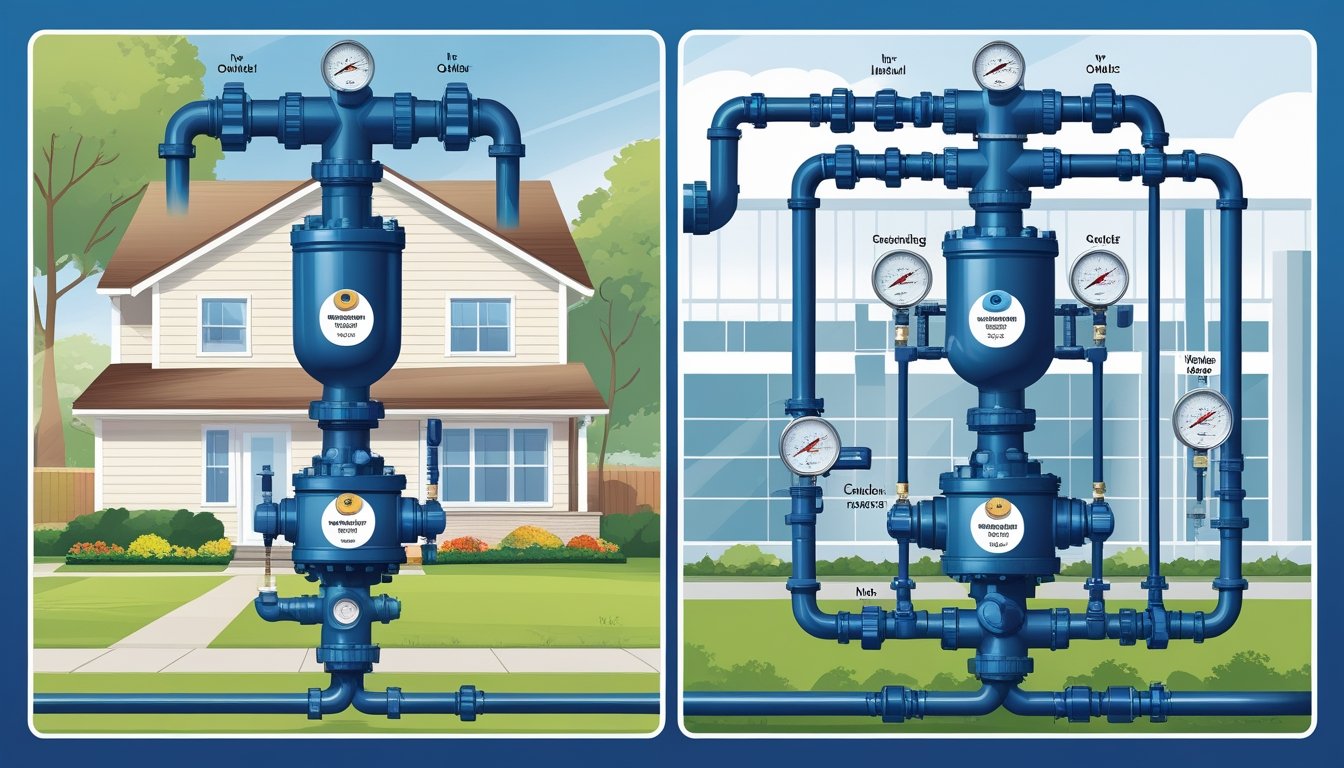
Because irrigation water touches the ground or fertilizers, backflow can cause serious health risks. A backflow preventer is a device installed in your sprinkler system to stop water from flowing the wrong way.
It acts like a one-way valve, making sure only clean water enters your taps.
Why Backflow Prevention Is Required
Backflow prevention keeps drinking water safe. Sprinkler systems connect to your home’s water, but they can introduce contaminants if water flows back.
This can happen when pressure drops in the supply line, such as during heavy water use or water main breaks. California requires backflow prevention to stop illnesses and protect public health.
Lawns and gardens often use chemicals that must not re-enter the drinking water. With backflow preventers, you reduce contamination risks to your family and community.
Applicable State Regulations
In California, state law requires you to test your backflow preventer on sprinkler systems at least once a year. Certified testers must check that your device works correctly.
After testing, you or your tester must send a report to your local water authority. If your backflow preventer fails, you need to repair or replace it right away.
Local water districts may have extra rules about device types, installation, and location clearance. These rules ensure easy access for maintenance and testing.
Types of Approved Backflow Prevention Devices
There are a few main devices used to stop water from flowing backward into your clean water supply. Each device fits different needs based on your sprinkler system’s size, pressure, and risk level.
Knowing the differences helps you pick the right one to keep your water safe and follow California rules.
Double Check Valve Assembly
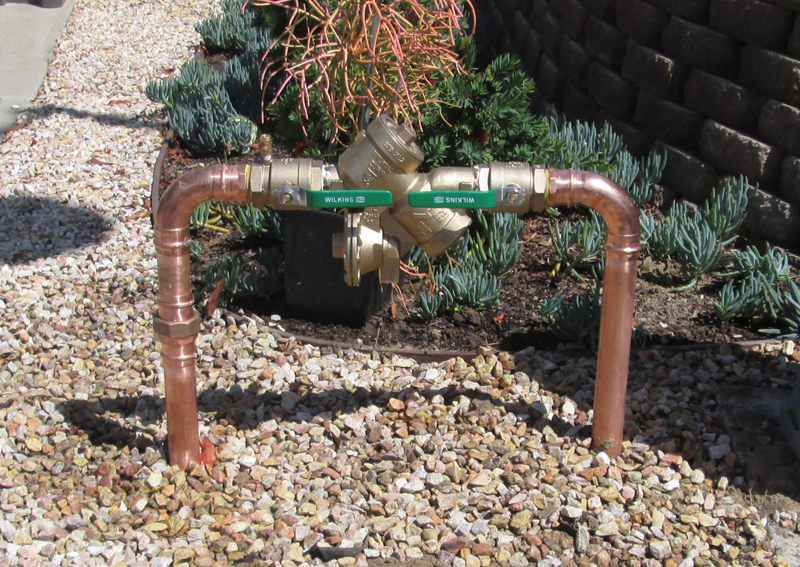
The Double Check Valve Assembly (DCVA) has two check valves that work together to stop water from flowing back. This device is good for low to medium hazard situations, like typical irrigation systems where the risk of contamination is low.
It’s compact and easier to install than some other options. The DCVA requires annual testing to make sure both check valves are working properly.
It doesn’t have a relief valve, so it’s not recommended for high hazard settings. This device is often used where there's enough pressure and no risk of harmful contaminants entering your water.
It’s reliable when properly maintained and is often the first choice for residential sprinkler systems.
Reduced Pressure Principle Assembly
The Reduced Pressure Principle Assembly (RPZ) gives the highest level of protection. It has two check valves and a relief valve between them.
If backflow tries to happen, the relief valve releases water to stop contamination. RPZs are required when the hazard level is high, like when fertilizers or chemicals are used in your sprinkler system.
This assembly is heavier and larger, and you must install it in areas where water leaks won’t cause damage. Certified technicians need to test and maintain RPZs yearly because they have more parts that can wear out.
RPZs ensure safety where the risk to drinking water is serious. They are important for commercial properties and certain homes.
Pressure Vacuum Breaker
The Pressure Vacuum Breaker (PVB) stops backflow by using a spring-loaded check valve and an air inlet valve. It’s designed to prevent backsiphonage, especially in irrigation systems where water supply pressure might drop.
You must install PVBs above the highest point of your sprinkler heads to work correctly. You can’t install them underground or below the system because they rely on air to break the vacuum.
This device is easier to maintain and less expensive than RPZs but isn’t suitable for all systems, especially where high hazard contamination exists. PVBs are a good option for many residential yards and small commercial settings.
Installation Standards for Backflow Preventers
When you install a backflow preventer for your sprinkler system in California, you must meet specific rules about where and how to place the device. These details help protect your water supply from contamination and make sure the device works correctly during tests and maintenance.
Location Requirements
You must place your backflow preventer in a spot that protects it from weather and damage. Usually, you should install it above ground and in a protected area to avoid freezing or flooding.
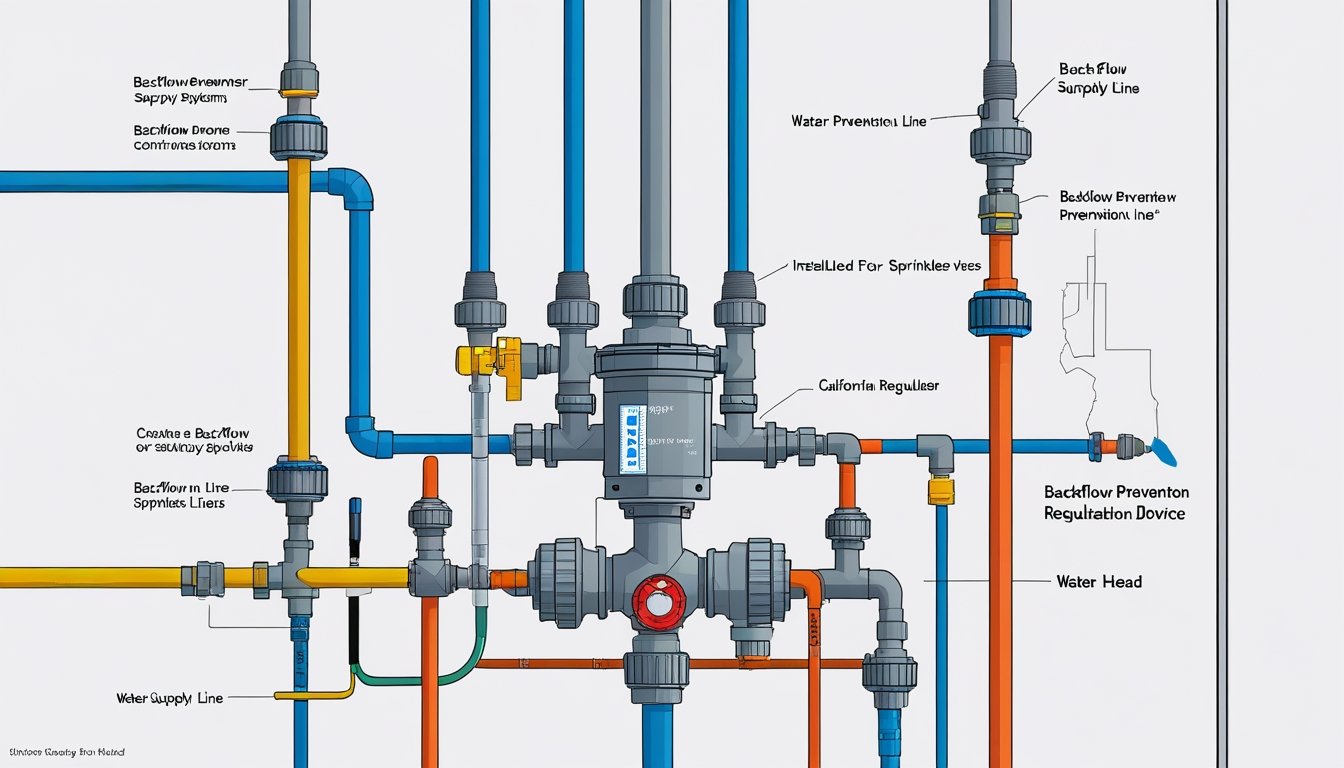
Install the device close to the water meter or where the sprinkler system connects to your main water line. This placement prevents any backflow from irrigation water contaminating your household water supply.
Local codes may require a certain distance from walls, fences, or sprinkler heads. Always check with your city or county to ensure you follow those rules.
Proper spacing also helps prevent damage and makes testing easier.
Accessibility Guidelines
You need clear and safe access to your backflow preventer for testing and repairs. Leave at least 18 to 36 inches of space around the device depending on local rules.
Your backflow preventer should not be buried or blocked by landscaping, plants, or structures. If the device is hard to reach, testers may have trouble inspecting it, which can lead to code violations.
Make sure the area around your backflow preventer is free of debris and well lit. This helps ensure annual tests happen smoothly and repairs can be done quickly.
Testing and Maintenance Regulations
Backflow prevention for sprinkler systems in California requires regular testing and proper maintenance. You must follow specific rules about how often tests happen and who can do them.
Keeping your system in good shape protects your water supply and keeps you legal.
Annual Inspection Requirements
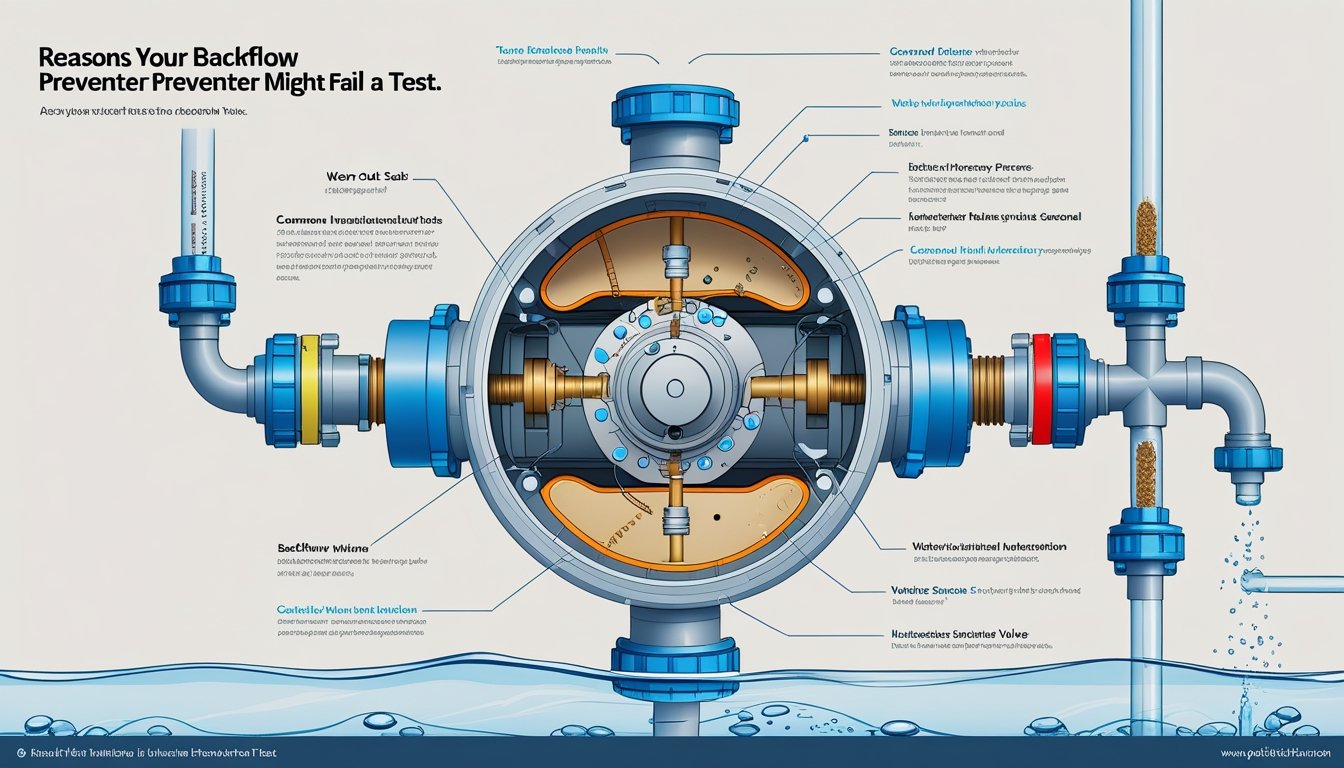
You need to have your sprinkler system’s backflow preventer tested at least once every year. This annual inspection checks for leaks, wear, or damage that could cause unsafe water to flow backward.
After the test, you must record the results and send them to your local water authority. This paperwork keeps you compliant with California law.
If your device doesn’t pass, you’ll need repairs or replacement quickly. Failing to test or fix problems can lead to fines or water shutoff.
Certified Tester Qualifications
Only certified backflow testers can perform your sprinkler system inspections. These testers have passed state-approved training to ensure they know how to check and report accurately.
Hiring a certified tester means you get a valid test report accepted by your water agency. This report proves your system meets safety rules.
Look for testers with experience and good customer reviews. A professional tester also handles the paperwork and filing so you don’t have to worry about it.
Permitting and Documentation for Compliance
To keep your sprinkler system backflow preventer legal and working properly, you need to handle permits and maintain accurate records. This section covers what you must do to apply for permits and what documents you need to keep on file.
Permit Application Process
Before you install or repair a backflow preventer on your sprinkler system, you usually need a permit from your local water agency. The permit ensures your device meets California safety rules.
You must submit an application that includes:
- Property details (address, owner information)
- Type and size of backflow preventer
- Installation plans
Some agencies may require inspection fees or proof that a certified tester or licensed plumber will handle the job. It can take a few days to a few weeks to get approval.
Once you have the permit, do not start work until you get official permission. After installation, an inspection may be scheduled to verify everything is up to code.
Required Records and Documentation
You must keep records of all backflow testing, repairs, and maintenance for your sprinkler system. These documents prove your system is safe and compliant.
Keep copies of:
- Annual backflow test reports done by a certified tester
- Repair or replacement invoices
- Permits and inspection approvals
- Any correspondence with your water agency
You must submit test reports to your water authority on time every year. Late or missing paperwork can lead to fines or shutoffs.
Organize your files so you can find documents quickly when needed. Some water agencies require you to keep records for at least three years.
Enforcement and Penalties for Non-Compliance
If you don’t follow California’s sprinkler system backflow rules, water agencies can take action. You could face fines and even lose your water service if you don’t test or maintain your backflow device properly.
State and Local Agency Oversight
Your city's water department or local water agency checks backflow device compliance. They require annual testing of your sprinkler system’s backflow preventer by a certified tester.
After testing, you must send the results directly to the agency. If you miss deadlines or fail tests, agencies keep records and often send reminders.
They may also conduct inspections to make sure your system meets safety standards. Some water districts have stricter reporting and certification rules, like California’s Title 17 regulations.
Stay in touch with your local authority and submit your test results on time.
Consequences of Violations
If you don’t keep up with testing or repairs, you could face monetary fines that increase with repeated violations. The water company might also threaten or cut off your water service until you fix the issue.
Failing to properly maintain your backflow preventer risks dirty water contaminating the city water supply. You may get warnings, fines, or even legal notices.
In some cases, officials can require you to replace your backflow device to meet code. Following these rules helps you avoid penalties and keep your water flowing smoothly.
Common Challenges and Solutions in California
Managing your sprinkler system's backflow prevention can get tricky with older setups and water use rules in California. You need to keep your system safe from contamination and also follow drought-related water limits.
Here’s what you need to know to handle these issues well.
Retrofitting Older Systems
Older sprinkler systems often lack modern backflow devices that meet current safety standards. If your system was installed years ago, it might not have the right type of preventer or proper clearance.
This situation can put your water supply at risk. You will likely need to upgrade or replace old backflow preventers.
Install new devices certified under California’s 2025 regulations. These upgrades improve safety and help your system pass annual backflow tests.
Hire certified testers or plumbers who know local water district codes. They can advise you on the best backflow preventer type and complete the installation.
This keeps your system compliant and safe.
Dealing With Drought Restrictions
California’s ongoing drought increases groundwater use and backflow risks. Low water pressure during dry periods can cause dirty water to flow backward.
This can contaminate clean supplies. Keep your backflow preventers in top shape and get annual testing done.
Testing helps detect leaks or failures caused by pressure changes. Follow any local restrictions on irrigation times and water amounts.
Adjust your sprinkler schedules to save water and protect the system. Proper maintenance and smart water use help you avoid issues during droughts.
Resources for California Homeowners and Contractors
Finding the right information and support helps you keep your sprinkler system’s backflow preventer working safely. There are key contacts and groups that provide testing rules, certifications, and expert help.
Helpful Government Contacts
You can contact state and local agencies for rules and permits about backflow testing. The California State Water Resources Control Board is a good starting point.
They set the broad regulations for backflow prevention and water safety. Your local water district or municipal water department handles testing schedules and enforcement.
They also approve certified testers and ensure you follow annual testing rules.
Here are some important contacts:
AgencyRoleContact Tip California State Water Resources Control BoardStatewide water safety regulationsCheck their website for updates and certification infoLocal Water District (e.g., San Diego County Water Authority)Testing requirements and enforcementCall or visit for local testing schedules and approved testers
Keep your records ready and submit test results as required.
Professional Organizations
Professional groups offer training and certification programs for backflow testing, repairs, and installations. These groups also keep you updated on rule changes.
Examples include:
- American Backflow Prevention Association (ABPA): They provide training, certification guides, and resources for backflow prevention professionals. This helps ensure your tester is qualified.
- Pacific Backflow: A local service provider in Southern California with over 40 years of experience. They offer testing, repairs, and new backflow device installations. Their team files reports for you, ensuring hassle-free compliance.
Certified pros help protect your water supply and meet California laws. They can also help in emergencies if your backflow preventer leaks or fails.
Frequently Asked Questions
You need to know what backflow preventers are required, how to follow the rules, and where to find official codes. Testing schedules and specific regulations on sprinkler systems are also important.
What types of backflow preventers are mandated by California law for sprinkler systems?
California often requires Reduced Pressure Zone (RPZ) backflow preventers for residential sprinkler systems. These devices offer strong protection against water contamination.
Some local water authorities may specify other approved types. Always check with your local rules before installation.
How do I comply with California's residential backflow prevention regulations for sprinkler systems?
You must install a certified backflow preventer approved by your water district. Have it tested annually by a certified tester.
Keep records of installation and testing reports. Follow any additional local authority instructions.
Where can I find the California Plumbing Code requirements for sprinkler system backflow devices?
The California Plumbing Code is available online through the California Building Standards Commission. Your local water agency also provides code summaries related to backflow.
You can ask your water supplier or local building department for guidance.
What is the mandated frequency for backflow prevention device testing in California?
Testing is required once every year. Annual testing ensures your device works correctly and prevents contamination of the water supply.
Certified testers perform the inspections. Reports must be filed with the local water agency.
Can you explain the California Code of Regulations Title 17's impact on sprinkler system backflow devices?
Title 17 sets rules to prevent polluted water from entering drinking supplies. It requires backflow devices on systems like sprinklers and details testing, installation, and reporting standards.
This code helps protect public health by enforcing strict backflow prevention practices.
What guidelines are outlined in the Cross Connection Control Policy Handbook regarding backflow prevention?
The handbook explains how to prevent backflow from cross connections in your plumbing. It describes different device types and installation methods.
It also explains how to test and maintain these devices.