

When you’re working on your water system, keeping the water flowing safely isn’t just a box to check—it’s absolutely essential. To keep things safe, always shut off the main supply, drain the backflow preventer, and run regular checks to avoid contamination or damage. These steps go a long way in protecting your clean water and keeping everything running as it should.
Using smart testing and maintenance methods stops dirty water from sneaking back into your clean pipes. Whether you’re doing inspections or tackling repairs, sticking to a few clear steps helps you dodge big headaches and keeps the water safe for everyone. Pacific Backflow covers all of San Diego County and focuses on reliable backflow testing to help you keep your water supply protected.
With some care and attention, you can avoid leaks, breaks, and contamination. Keeping an eye on your backflow preventer and making sure it works as intended protects both your place and the community’s water. Let’s dive into the steps you’ll want to follow for safe water flow whenever you’re working on your system.
Understanding the Importance of Safe Water Flow
Keeping water flow safe during maintenance is crucial for preventing contamination, making sure your system works right, and meeting legal requirements. Taking the right steps shields your water supply and helps you steer clear of expensive surprises.
Risks of Uncontrolled Water Flow
If you don’t control water flow during maintenance, contaminated water can move backward into your clean water system. Backflow can bring in chemicals, bacteria, or other stuff you really don’t want in your drinking water.
Uncontrolled flow might also damage your plumbing. Sudden changes in pressure can cause leaks, breaks, or failures in backflow preventers or pipes, leading to costly repairs and possible water shutdowns.
Ignoring water flow management can create cross-connections, where dirty water mixes with clean. That’s a risk for everyone in the building or even the whole neighborhood—nobody wants that.
Benefits of Proper Maintenance Procedures
Following smart, safe procedures helps you keep your water supply clean. When you control the flow, cleaning and inspecting things like backflow preventers gets a lot easier and more effective.
Regular testing, cleaning, and quick repairs keep your system humming along and catch issues early. Checking valves helps make sure water only moves in the right direction.
Safe procedures also help you avoid wasting water from leaks or bursts during repairs. You’ll save money and protect your property. A well-maintained system is good news for everyone who counts on clean water.
Regulatory Compliance and Standards
Local water authorities require backflow prevention and safe flow practices. These rules exist to protect public health and the environment. Following them keeps you out of legal trouble.
Annual backflow testing is often a must. Certified pros need to confirm your devices meet safety codes. Reporting those tests keeps your records up to date and shows you’re doing your part.
Pacific Backflow offers reliable testing and services to make sure your system meets all local rules in San Diego County. Keeping your water safe means checking these boxes, plain and simple.
Preparing for Maintenance Work
Before you jump into maintenance, take time to check your water system, figure out exactly where you’ll be working, and let everyone who might be affected know what’s coming. These steps keep things running smoothly and help you avoid surprises.
Pre-Inspection and System Assessment
Start by giving your water system a careful look. Check backflow preventers, valves, and pipes for leaks, blockages, or weak spots. Spotting these early lets you plan repairs without making things worse.
A checklist helps—go through each part, especially backflow devices, since they’re your main defense against contamination. If you’re not sure, call a certified tech for a detailed inspection. Keeping records helps you track changes over time and plan smarter.
Identifying Maintenance Zones
Figure out exactly where you need to work. Mark those zones so you don’t disrupt more than you have to. This also limits where water flow stops during maintenance.
Break down zones by building, floor, or irrigation section. Use a map or diagram so everyone knows where to focus, and organize your tools and safety gear for each spot.
Notifying Affected Users
Before you start, let everyone who’ll be affected know what’s happening. That means residents, employees, or customers who need water. Share when you’ll start, how long it’ll take, and what they should expect.
Send out notices by email, text, or post signs. Remind people to store water if there’ll be shutoffs. Good communication helps everyone plan ahead and avoids confusion (and complaints).
Implementing Control Measures
To keep your water safe during maintenance, take steps to control how water moves. Manage water shutoff, isolate system parts, and keep a close eye on pressure. These actions help you avoid contamination and damage.
Shutting Off Water Supply Safely
Before you do any work, shut off the water supply the right way. Turn off the main valve gently to avoid sudden pressure changes that could mess up pipes or fittings. Use the closest shutoff valve to only stop water in the area you’re working on.
Know where all your shutoff valves are. Label them so anyone can find and use them in a hurry. After closing valves, open a faucet downstream to let out pressure and drain water from that section.
Check for leaks or pressure drops to make sure the water’s really off. These steps keep your plumbing safe and your water clean.
Installing Isolation Devices
Isolation devices block water flow to specific spots, so you don’t have to shut off the whole system. Ball valves, gate valves, or isolation valves work, depending on your setup. They give you control without a full shutdown.
Pick isolation devices made from durable materials and approved by local codes. Install them right so they seal tight and prevent backflow. Your plumber or a certified tester can help make sure they meet safety standards.
Isolation devices make your system more flexible. You can fix or upgrade things safely while keeping water on elsewhere.
Monitoring Pressure Levels
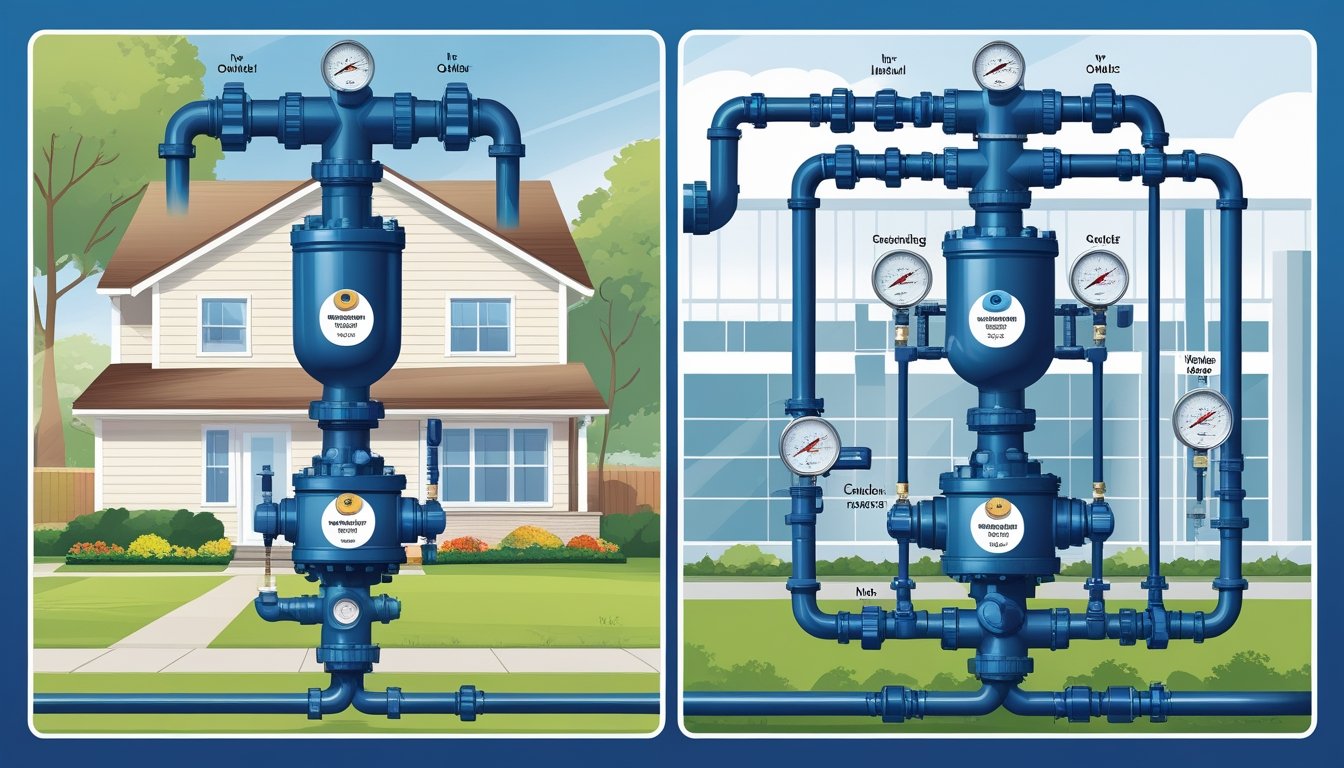
Watch water pressure closely during maintenance. Sudden changes can burst pipes or cause backflow, letting dirty water in. Use gauges before and after the work area to monitor changes.
Install pressure relief valves or backflow preventers to handle spikes and protect your system. These act as safety checks, opening if pressure gets too high or water tries to move the wrong way.
Check and calibrate your pressure monitoring gear regularly. Managing pressure is key to avoiding damage and keeping water safe. Pacific Backflow offers pressure testing as part of their services in San Diego County.
Ensuring Contamination Prevention
When you’re working on your water system, keeping contamination out is a big deal. Use the right devices to stop dirty water from flowing backward, drain your system safely, and keep your tools clean.
Using Backflow Prevention Devices
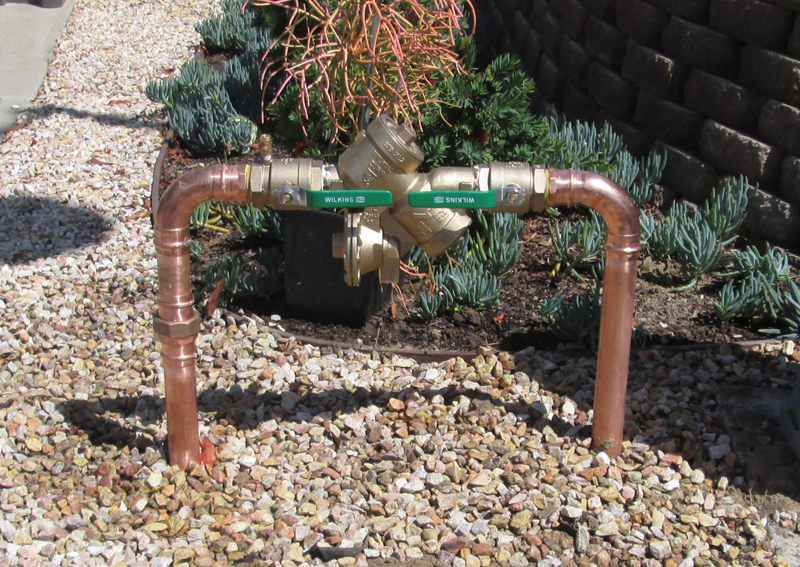
Backflow prevention devices keep dirty or contaminated water from sneaking into your clean water supply. Types include reduced pressure zone (RPZ) valves and anti-siphon valves—they only let water move one way.
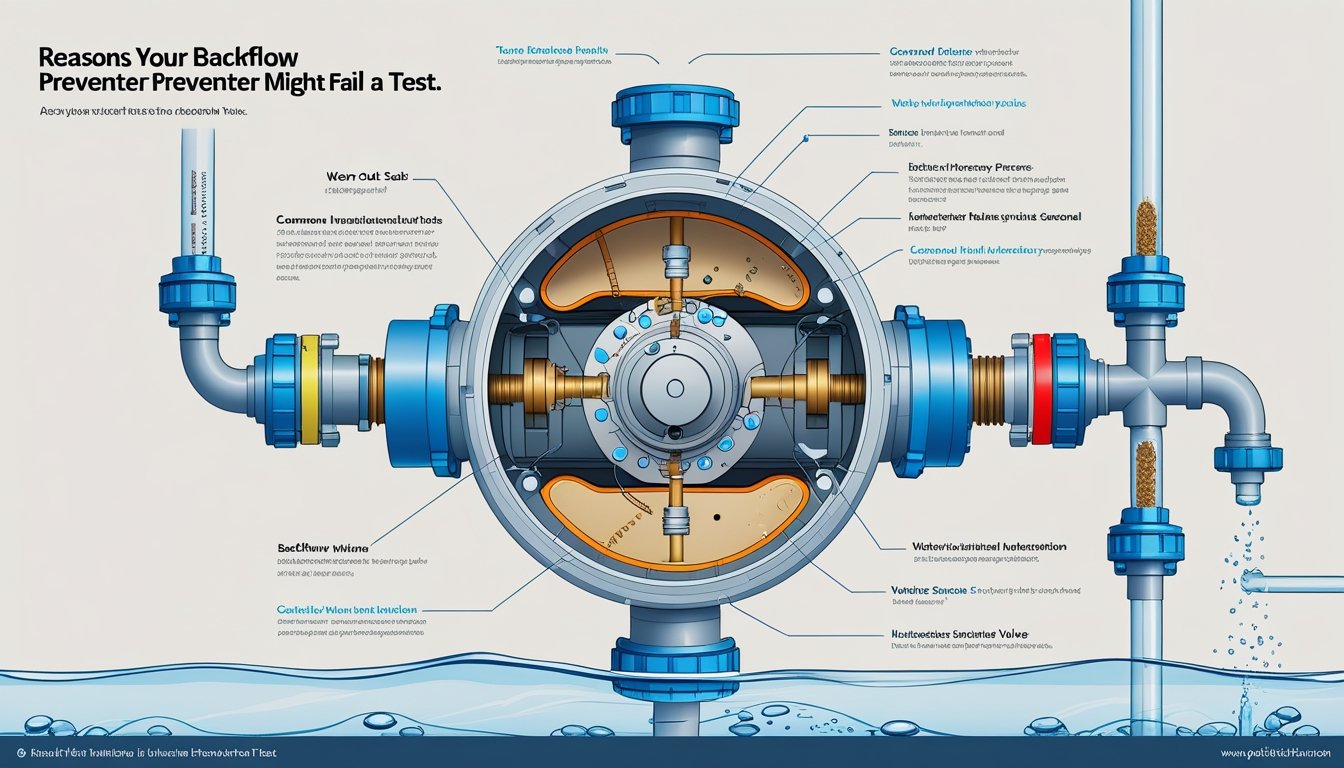
Make sure you’ve got your backflow preventer installed right and test it regularly. Annual checks catch issues early. If you find a problem, repair or swap out the device right away to stay up to code.
Using backflow devices the right way keeps your water safe. Pacific Backflow can handle testing and service in San Diego County if you need a hand.
Proper Drainage and Disposal Methods
When draining your system, send the water away from clean sources and soil that could get contaminated. Use buckets or hoses to direct water safely to a drain.
Don’t dump water where it could pool or flow backward into clean lines. Follow local disposal rules to prevent pollution. Careful drainage protects your home and the environment.
Taking the time to drain things right now saves you from contamination headaches later.
Sanitizing Tools and Equipment
After every job, clean your tools and equipment well. Use plumbing-safe disinfectants to get rid of bacteria or chemicals. This helps stop germs from spreading next time.
If you can, keep separate tools for clean water work and for waste or contaminated areas. Rinse and dry everything before putting it away. Regular sanitizing protects your health and keeps water systems safer.
Good hygiene on the job means safer water for everyone.
Restoring and Verifying Safe Water Flow
Once maintenance wraps up, bring the water supply back carefully. You’ll also want to check the system to make sure everything’s working as it should. Keeping clear records helps track what’s been done and makes future work easier.
Gradual Reintroduction of Water Supply
When you turn the water back on, do it slowly to avoid pressure shocks. Start with the main supply, then move to smaller lines, opening valves step by step. This helps clear out any air pockets that might have formed.
Watch for leaks or weird noises as water starts flowing. If something seems off, stop and check. Bringing water back gradually protects pipes and backflow devices from damage.
Keep all water outlets closed at first. Then open them one by one to flush out any gunk or debris that may have gotten in. This keeps water clean and helps avoid blockages.
System Testing and Inspection
After water flow’s restored, test your system thoroughly. Check backflow preventers to make sure they’re working and keeping contaminated water out.
Look for leaks, pressure drops, or alerts from monitoring devices. A professional backflow test ensures everything meets safety standards and local rules.
Pair visual inspections for damage or wear with your tests. Jump on repairs if you spot anything—fixing things early is a lot cheaper than waiting.
Documenting Maintenance Work
Keep clear records of all maintenance. Log dates, what was done, and any parts replaced or tested. Good documentation helps with future troubleshooting and proves you’re compliant with water safety laws.
You can use a simple log or digital tools for easier updates and sharing. Note any issues and how you fixed them.
Organized records make annual backflow tests or inspections way easier. They also help if you need to explain your system’s history to a technician.
Frequently Asked Questions
Keeping your water safe during maintenance means focusing on preventing contamination, minimizing downtime, protecting workers, and sticking to proper safety and cleaning routines. Having emergency plans ready helps you handle surprises fast.
What steps should be taken to prevent contamination during water system maintenance?
Always shut off the water supply before starting work to avoid backflow. Use clean tools and protective gloves. Isolate the section you’re working on to keep dirty water from mixing with clean.
How can we minimize downtime while ensuring safety during water pipeline repairs?
Plan the job in stages and have all your materials ready before you start. Quick-connect fittings help speed up reassembly. Schedule work during off-peak hours and keep users in the loop about shutoffs to limit disruptions.
Can you suggest some best practices for protecting maintenance workers from waterborne hazards?
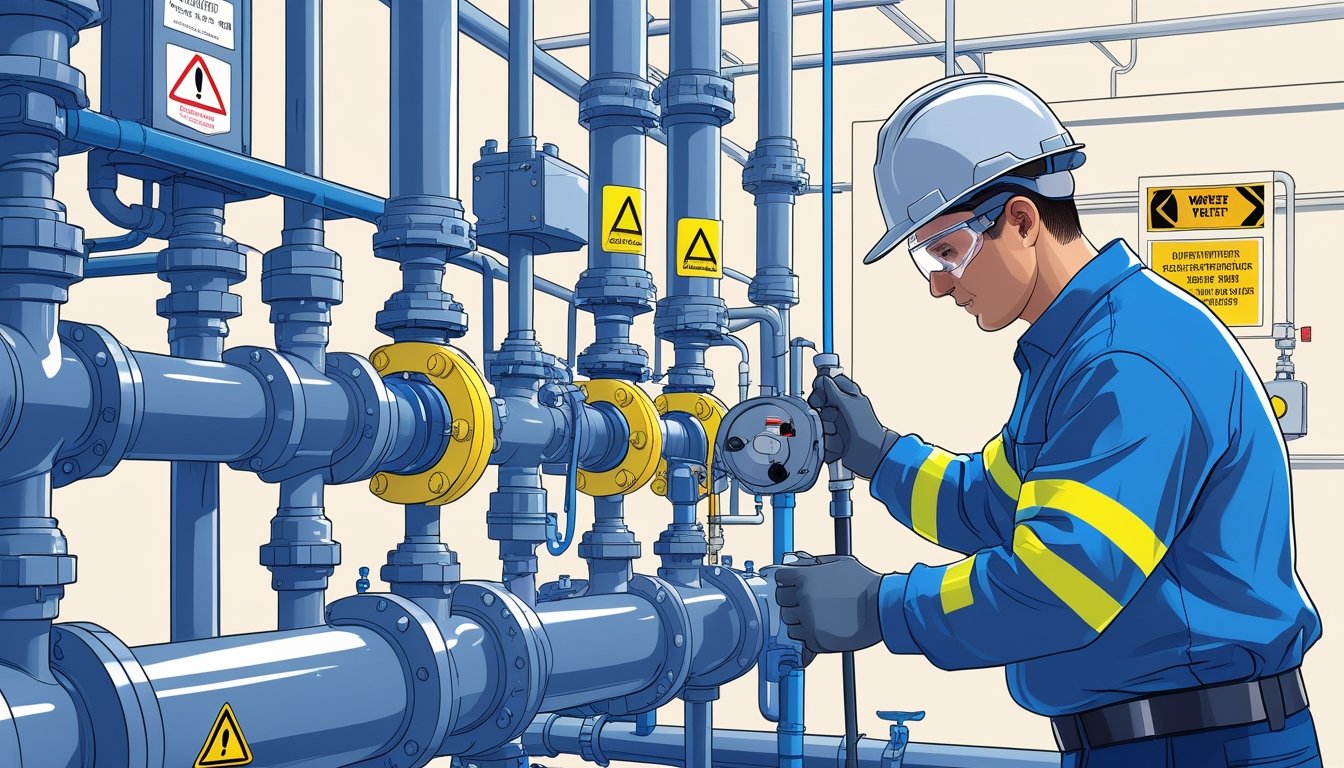
Give workers protective clothing, gloves, and eye protection. Make sure there’s clean drinking water and wash stations nearby. Train everyone on risks like bacteria and how to avoid exposure.
What are the critical safety checks to perform before starting maintenance on water distribution systems?
Check for pressure release valves to prevent bursts. Inspect backflow preventers to make sure they’re working. Confirm all shutoff valves operate smoothly and look for leaks in pipes and connections.
What protocols are recommended for disinfecting water systems post-maintenance?
Flush the system well to remove debris. Use chlorine or another approved disinfectant per local guidelines. Test the water after disinfecting to make sure it’s safe before opening everything up again.
How should emergency procedures be integrated into routine water maintenance plans?
Set up clear steps so you can contain leaks or contamination right away. Make sure your team knows how to react fast, and always have emergency contact info handy. It's a good idea to review and tweak your emergency plans now and then—otherwise, how do you know they'll actually work?
If you need a hand with backflow testing or just want to keep your system safe in San Diego County, Pacific Backflow’s a solid choice. They help with testing, repairs, and installations, making it easier to protect your water supply during maintenance.