

Backflow in your home’s plumbing lets dirty water sneak back into your clean water supply. It can happen out of nowhere, sometimes before you even realize there’s a problem. That’s a recipe for health issues and plumbing headaches. Keeping your plumbing safe from backflow? That’s about regular testing, installing the right devices, and not skipping maintenance.
You can protect your family and water quality with backflow preventers. Get them checked every year—seriously, don’t skip it. These gadgets keep nasty stuff from flowing the wrong way. If you’re in San Diego County, Pacific Backflow does testing and repairs to keep your system safe and up to code.
Simple things like flushing your system and scheduling professional backflow tests can make a real difference in keeping your water safe.
Understanding Backflow Risks
Backflow can let clean water mix with contaminated water. If you know the types of backflow, how contaminants get in, and the common sources around your house, you’re already ahead of the game.
Types of Backflow Incidents
There are two main flavors of backflow: backpressure and backsiphonage.
Backpressure pops up when your plumbing’s pressure is higher than the public supply. That can shove dirty water back into your pipes—think pumps or boilers making pressure spike.
Backsiphonage is the opposite. If water pressure drops suddenly (like a main break or big water use next door), it can suck in contaminated water. Both types can send unwanted stuff right into your glass.
So, yeah, you want those backflow preventers working.
How Contaminants Enter Plumbing Systems
Contaminants sneak in when water reverses through your pipes. Chemicals, dirt, bacteria—none of it belongs in your glass.
It can happen from garden chemicals, soap runoff, or pool water. If pressure changes or your backflow preventer fails, those things can end up at your faucet, shower, or even ice maker.
Regular testing finds out if your backflow equipment is slacking off. That’s how you keep your home and community safer.
Common Residential Backflow Sources
Certain household spots are just trouble for backflow risks. Lawn irrigation systems, water heaters, and outdoor hose bibs are big ones.
For example, irrigation systems can have fertilizer or pesticide residue. Without a proper device, those chemicals might end up in your drinking water.
Outdoor hoses are sneaky too. If you leave a faucet submerged in a bucket or pool, dirty water can get sucked back.
Knowing these risks helps you focus on adding backflow preventers and getting regular checks. It’s worth it.
Assessing Your Home Plumbing System
Want to keep your plumbing safe? You’ll need to look at how your pipes and water connections are set up. Check where water lines meet, spot warning signs, and pay attention to areas that seem sketchy.
Identifying Cross-Connections
Cross-connections are where clean water pipes meet possible sources of contamination. That’s a shortcut for unsafe water to get into your drinking supply.
Some cross-connections you might have:
- Irrigation systems hooked to your main line
- Pool or spa connections
- Hose bibs used for lawn watering
Look for places where water could reverse direction, especially if pressure drops. If you spot cross-connections, you probably need a backflow preventer.
Signs of Potential Backflow Issues
Here’s what to watch for:
- Bad smells or weird tastes in tap water
- Strange water pressure swings
- Cloudy or off-color water
- Odd pipe noises—gurgling, whooshing, that kind of thing
If you notice any of these, your backflow preventer might be failing or missing. Regular professional testing—like from Pacific Backflow—catches problems before they get ugly.
Areas Most at Risk
Some parts of your plumbing are just more likely to have backflow issues, usually because of how they’re connected or where they are:
LocationWhy It’s Risky Near water metersPressure changes can cause reverse flowIrrigation system pointsOutdoor irrigation can bring in contaminantsWater softeners and filtersExtra connections can mean extra riskHose bibs in gardensExposure to fertilizers and chemicals
Keep a close eye on these. Install backflow preventers and don’t forget about maintenance.
Essential Preventive Steps
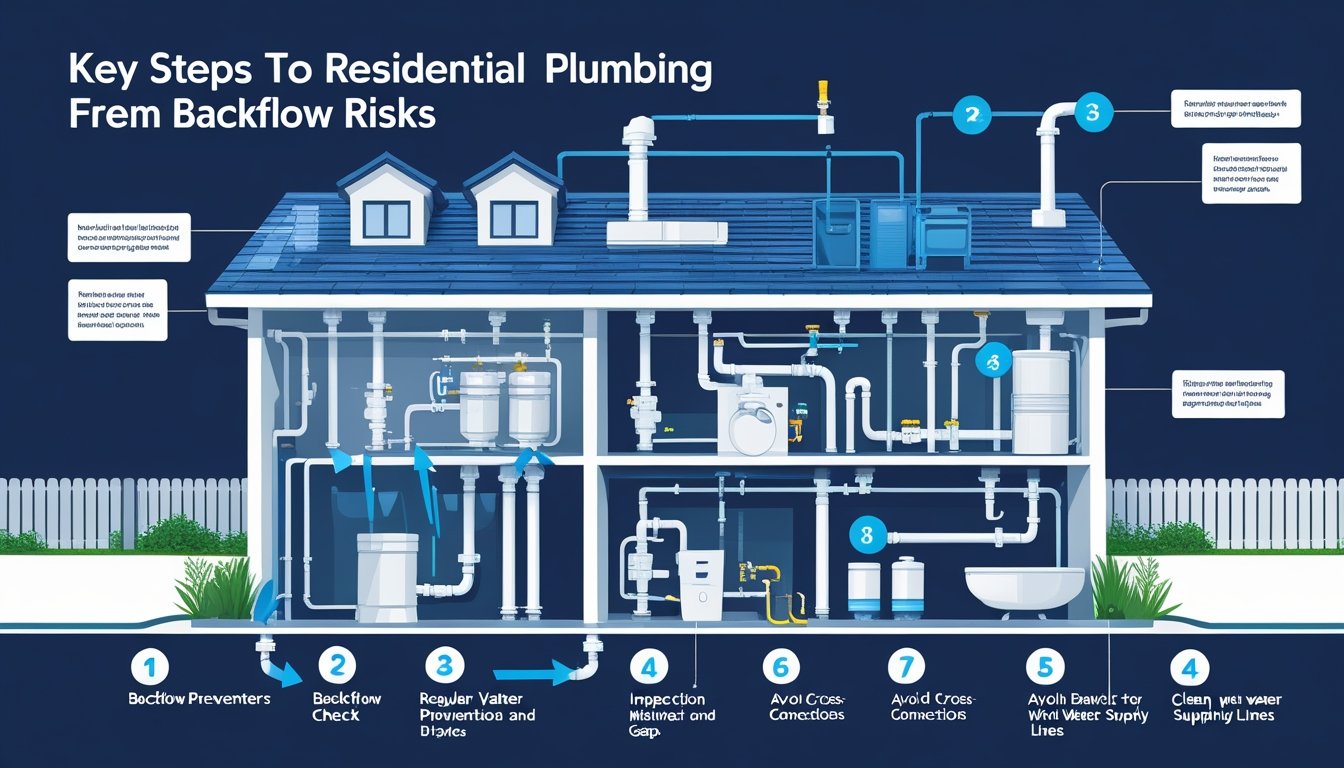
You don’t need a degree in plumbing to keep your pipes safe from backflow. Focus on having the right devices, sticking to a checkup schedule, and making sure water flows like it should.
Installing Backflow Preventers
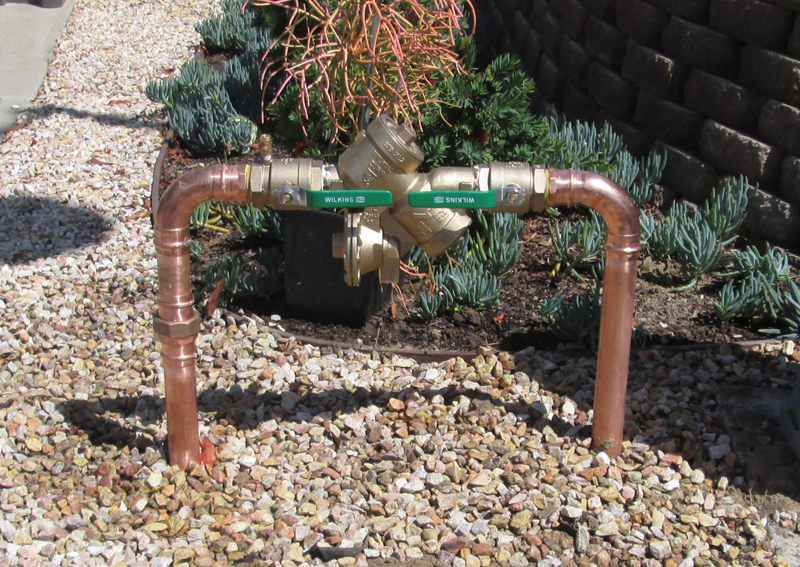
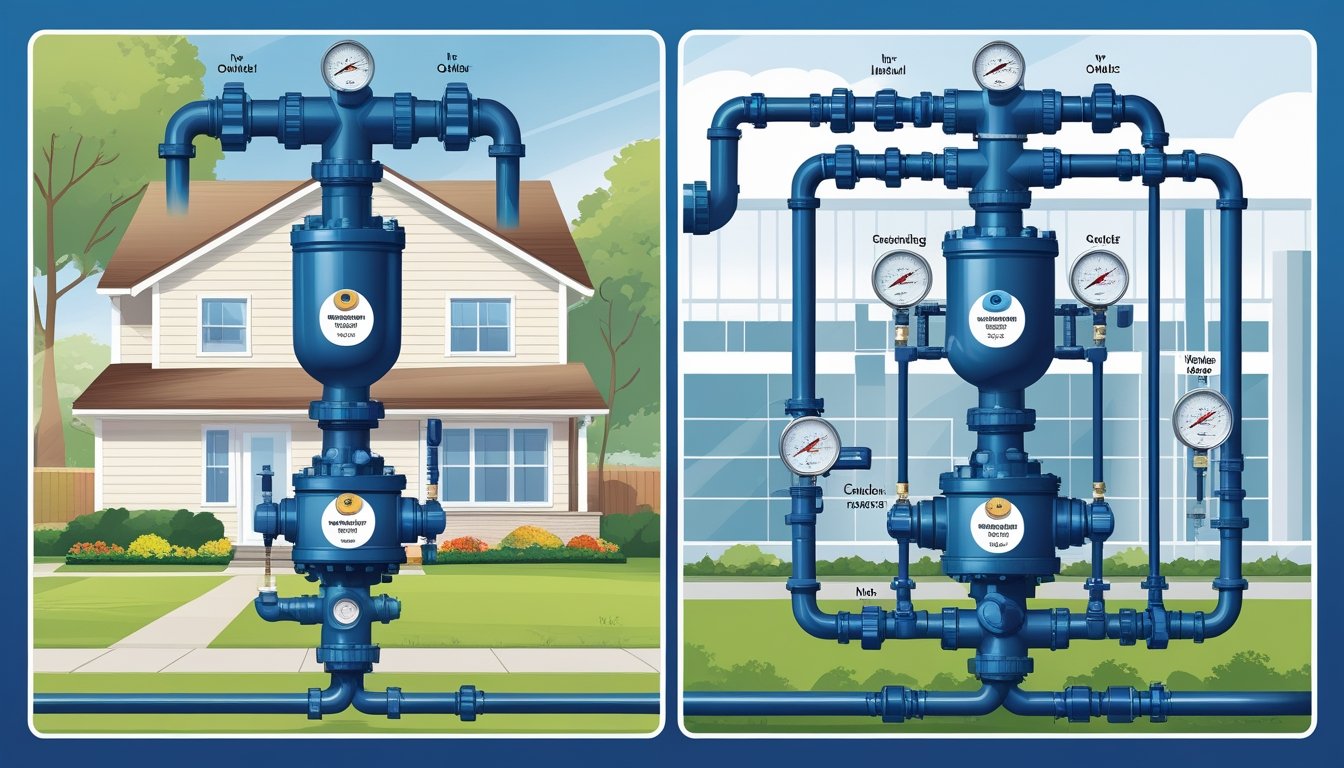
Backflow preventers block water from flowing the wrong way into your clean supply. You’ll want these on your main line and irrigation system.
There are a few kinds—pressure vacuum breakers, double check valves, etc.—so picking the right one matters. Honestly, it’s best to call a certified professional, like Pacific Backflow. They’ll make sure it’s installed right and up to code.
Not only is this smart, but in many places, it’s required. These devices are your first line of defense against polluted water.
Regular System Inspections
Annual inspections catch problems before they become disasters. Certified techs test your backflow preventers and look for leaks or broken parts.
If something’s wrong, they’ll fix it fast. Keep records of these inspections—sometimes the city will ask for proof.
Regular checkups are probably the best way to keep your plumbing and water supply reliable.
Maintaining Adequate Water Pressure
Water pressure isn’t just about good showers. If the pressure drops or jumps around, contaminated water can sneak in.
Check your home’s pressure now and then. If you notice drops, leaks, or weird noises, call a plumber. Fixing pressure issues keeps your backflow preventers working.
And hey, steady pressure means your fixtures last longer, too.
Safe Maintenance Practices
Backflow prevention isn’t just about devices—it’s about everyday care. Little things like keeping fixtures in shape, doing seasonal checks, and fixing leaks quickly can save you a lot of trouble.
Proper Fixture Upkeep
Your fixtures—faucets, hose bibs—help with preventing backflow. Inspect them for wear or damage. Replace washers or parts that look tired. Leaks and weak seals are an open door for problems.
Don’t use makeshift parts. Stick to code-approved stuff so your system stays legit.
For outdoor fixtures, clear away debris and check that backflow preventers on irrigation and garden systems are working. They usually need annual testing. Don’t skip it.
Seasonal Plumbing Checks
Plumbing needs change with the seasons. Before winter, winterize outdoor faucets and irrigation lines—frozen pipes can cause pressure changes and backflow.
In spring and fall, do a full plumbing check. Look for loose pipes, corrosion, or broken devices. Some places require yearly backflow testing, so book it early.
Write down any problems and set reminders so you actually follow up. Nipping issues in the bud keeps your water safe.
Responding Promptly to Leaks
Notice a leak? Don’t wait. Leaks near backflow preventers can let contaminants in.
If it’s bad, turn off your main supply. Then call a licensed plumber or backflow pro.
If a backflow device is failing, it needs attention now. Pacific Backflow does quick, code-compliant repairs. Fix leaks fast to dodge bigger headaches and health risks.
Professional Support and Compliance
You can’t do it all yourself—sometimes you need pros and you’ve got to follow the rules. Regular testing and compliance keep your water clean and your home safe.
Hiring Certified Plumbers
Hire plumbers who actually know backflow prevention. Certified pros install, inspect, and repair devices right, using the right tools and following safety standards.
Going with a certified plumber means passing inspections and meeting local rules. You avoid contamination and expensive mistakes. Find someone with a good reputation—Pacific Backflow is a solid choice in San Diego County.
Let the pros handle backflow devices. DIY repairs can end up causing bigger problems.
Abiding by Local Plumbing Codes
Every city or county has plumbing codes for backflow. These rules say what devices you need and how often to maintain them. Following local codes isn’t just a suggestion—it’s required.
If you upgrade or fix anything, check with your water district or a certified plumber to make sure you’re up to code. Using old or uncertified equipment can lead to contamination or fines.
Most codes require annual testing and paperwork. Stay compliant and you’ll protect your family and neighbors.
Scheduling Preventive Testing
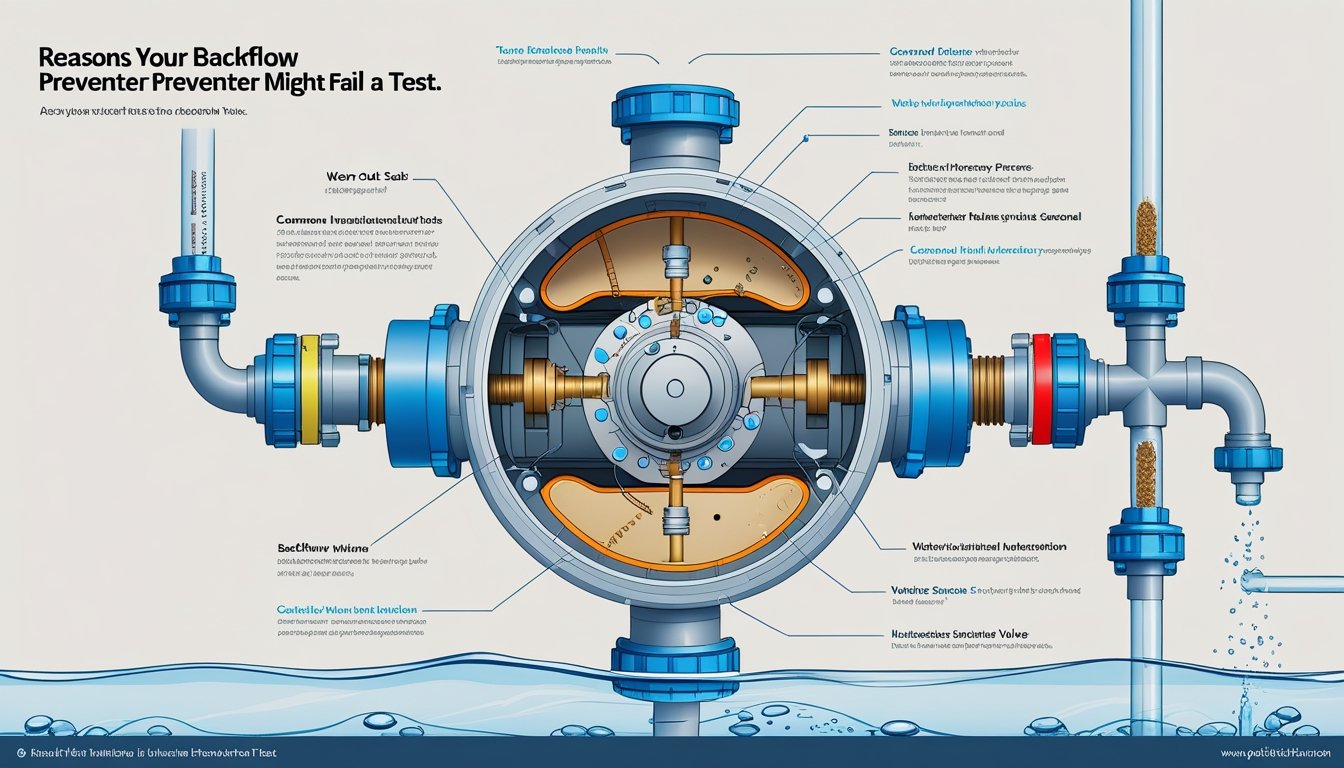
Testing your backflow preventer regularly is the best way to avoid nasty surprises. Most places require testing once a year. This checks if your device is still doing its job.
Book annual tests so leaks or damage don’t slip by. Certified techs will inspect, test, and handle the paperwork. If something’s wrong, they’ll recommend fixes before it gets worse.
Pacific Backflow makes testing easy—they even handle city filings. Set a reminder for your annual test so you don’t forget.
Frequently Asked Questions
Keeping your plumbing safe from backflow means using the right devices, staying on top of maintenance, and knowing what warning signs to look for. Understanding local rules and testing requirements helps too.
What are some common methods to prevent backflow at home?
You can prevent backflow by installing check valves, air gaps, or backflow preventerss. These block dirty water from reversing into your clean supply.
Using these devices—and sticking to good plumbing habits—cuts down your risk of contamination.
Can installing a backflow prevention device help, and how do I choose the right one?
Absolutely, a backflow preventer keeps your water safe from contamination. Choosing the right one really depends on how your plumbing is set up and what your local water authority requires.
You’ll probably run into options like a double check valve or a reduced pressure zone assembly. Honestly, it’s best to have a pro take a look and recommend what fits your home.
What maintenance routines are recommended for residential backflow preventers?
Give your backflow preventer a checkup once a year. That means inspecting it, cleaning out any gunk, and fixing anything that’s off.
Pacific Backflow can handle the testing and maintenance so your system stays safe and meets San Diego County requirements.
Are there specific signs that indicate a potential backflow problem in home plumbing systems?
Definitely. If your water smells weird, tastes off, or looks discolored, something’s up. Sometimes you might notice low water pressure or odd noises in your pipes too.
If you spot any of these, don’t wait—call a pro to check it out.
How often should backflow prevention devices be tested or replaced?
Most places want you to test at least once a year. If the device fails or looks worn out, it’s time for a replacement.
Pacific Backflow handles testing, repairs, and replacements to keep you in compliance and protect your water.
What do local regulations typically require for backflow prevention in residential areas?
Local laws usually call for backflow preventers on things like irrigation systems or pools. You’ll need to get your device tested each year, and if it doesn’t pass, you’ve got to fix or swap it out.
Honestly, it’s all about keeping your water—and everyone else’s—safe.