

Regular maintenance for your backflow valve is honestly the smartest way to dodge those surprise emergencies that can mess with your water supply or rack up repair bills. When you keep your valve in decent shape, you catch little issues before they spiral into leaks or total failures. That means your water stays safe, and you’re not scrambling to fix things at the worst possible moment.
Skip out on valve care and you risk debris getting stuck, parts wearing out, or pressure acting up. All of that can make your backflow preventer leak or quit on you, which puts your property—and your health—on the line. With annual testing and repairs when needed, you sidestep a lot of stress and stay on the right side of local water rules.
At Pacific Backflow, we get how crucial it is to protect your water system. Our crew handles all of San Diego County, offering reliable testing, repairs, and replacements to keep your backflow valves running. Paying attention now means you’re not caught off guard later.
The Importance of Valve Maintenance
Keeping valves in good shape helps you dodge sudden problems that could ruin your day and damage your property. It’s also the best way to make sure your system runs safely and efficiently, saving you money in the long run.
Protecting People and Property
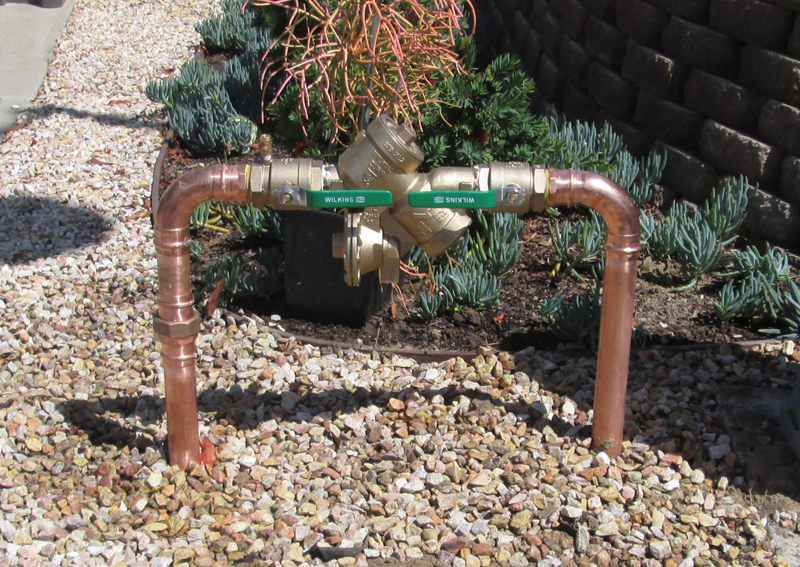
Backflow preventers and similar valves keep dirty water from mixing with your drinking water. If they fail—because of dirt, leaks, or just old age—contaminants can sneak into your water. That’s a risk nobody wants.
Regular checks catch small valve issues before they turn into big leaks. That means less chance of water damage at home or work, and safer water for everyone.
You keep your water clean and avoid emergency repairs that always seem to cost more and do more harm.
Minimizing Downtime
If a valve breaks or leaks, you might have to shut down your whole water system to fix it. That throws off your day or even stops business cold.
Stay on top of maintenance and your valves are less likely to surprise you. You avoid long water outages and keep things humming along.
Routine inspections also make repairs faster. Techs know what to expect and bring the right parts. So, problems get fixed with less hassle and downtime.
Cost Savings Over Time
Letting small valve problems slide just leads to bigger, pricier repairs. Leaks waste water, which can quietly bump up your bills. Swapping out a worn part early is way cheaper than dealing with a flood or replacing an entire valve.
Routine maintenance saves you money by catching trouble early and helping valves last longer. You protect your investment and skip those emergency callout fees.
How Consistent Valve Maintenance Prevents Emergencies
Taking care of your backflow valves regularly means you can stop big problems before they even start. When you’re on top of things, you avoid sudden failures, leaks, and all the headaches that come with a busted system.
Early Detection of Potential Failures
Regular maintenance lets you spot trouble early. Maybe a spring or check valve is wearing down—techs can catch that before it snaps. That way, you avoid leaks or backflow that could mess up your water.
During inspections, debris or cracks get found and dealt with before they cause bigger headaches. Skip maintenance, and those hidden problems can blow up into emergencies at the worst time.
Reducing the Risk of Sudden Malfunctions
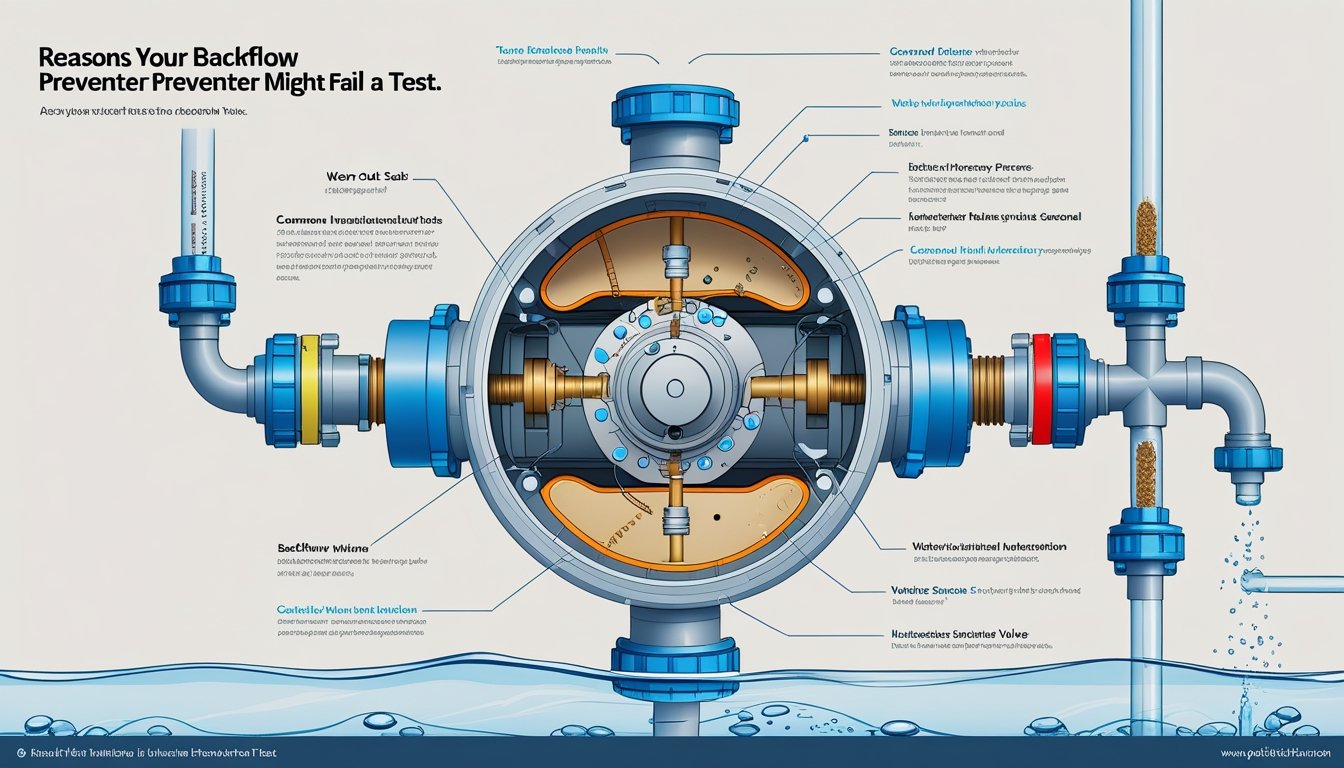
Valves sometimes fail out of nowhere when parts are worn or stuck. Consistent care keeps moving pieces like springs and diaphragms in shape, lowering the odds of a leak or failure when you least expect it.
Swapping out worn parts on time means your system won’t blindside you with a breakdown. Emergencies are expensive and chaotic—regular care keeps those surprises at bay.
Ensuring Reliable System Performance
A well-maintained valve keeps your water system running how it should. Pressure stays balanced, water flows the right way, and there’s no interruption. That’s how you stop dirty water from sneaking into your clean lines.
Testing and maintenance keep your valve up to code and doing its job. Working with folks like Pacific Backflow in San Diego County means your system stays solid. That kind of ongoing care really does protect your home or business every day.
Best Practices for Regular Valve Maintenance
If you want your valves to last, you’ve got to be a little organized. Set routines, check carefully, and keep good records. That way, you catch problems early and keep your water safe without a ton of drama.
Establishing a Maintenance Schedule
Make a schedule for checking and maintaining your valves. Most experts say backflow preventers should get looked at at least once a year. If your setup’s older or in a high-risk spot, maybe check more often. Frequent checks don’t hurt.
Put testing, cleaning, and repairs on a calendar and actually stick to it. Waiting just makes things worse.
Match your maintenance with local rules, too. That way you’re not scrambling to avoid fines. Pacific Backflow can handle annual testing on your timeline and make sure everything’s working right.
Choosing Proper Inspection Techniques
Use the right tools and methods when you check valves. Test check valves under normal pressure to see if they’re holding up. A quick look can catch leaks or damage before they get bad.
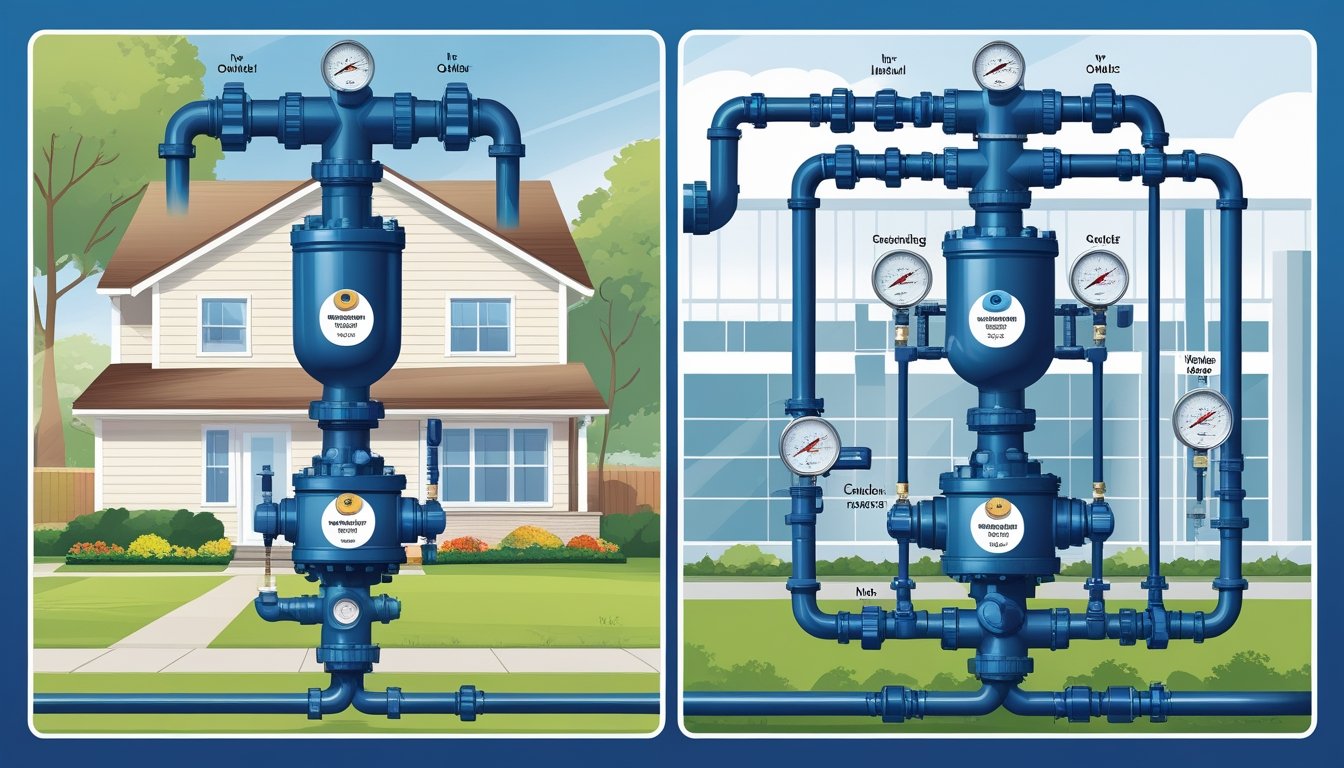
Pressure gauges and flow meters help you see how things are running. Leak tests are a must to find slow, sneaky failures.
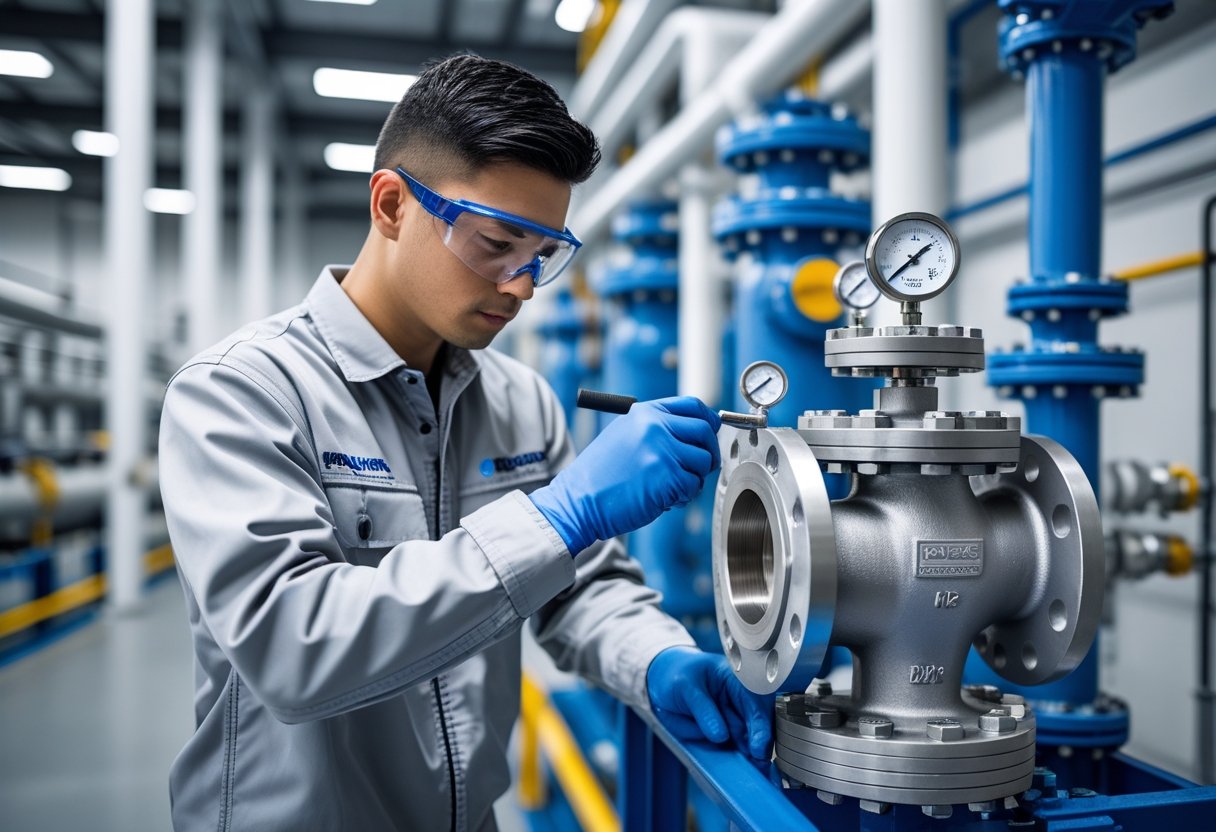
Make sure whoever’s inspecting knows what they’re doing. Untrained eyes miss stuff, and that comes back to bite you. Good techniques protect your system and your water.
Documentation and Record Keeping
Don’t skip the paperwork. Detailed records matter. Write down every inspection date, test result, repair, and part swap. Over time, this helps you spot trends and track valve health.
Records also show you’re following the rules. If something goes wrong, you can prove you did your part.
Use digital logs or just sturdy paper files—whatever you’ll actually keep up with. Share updates with your plumber or service company. Good documentation just makes life easier.
Common Emergencies Caused by Neglected Valves
When you skip regular valve care, problems usually start small but can blow up fast into serious emergencies. Think leaks, flooding, dangerous pressure build-up, or a system that just shuts down in the middle of the day. Staying on top of valve care keeps your water safe and your repair bills lower.
Leaks and Flooding
Neglected valves love to leak. Cracks, worn seals, and corroded parts let water escape. Even a tiny leak can turn into a flood if you ignore it.
Leaks damage walls, floors, and sometimes even electrical systems—none of which are cheap to fix. If your valve handles backflow prevention, leaks also up the risk of dirty water mixing with your clean supply.
Regular checks help you catch leaks early, so you’re not dealing with a disaster. At Pacific Backflow, we always recommend cleaning valves to get rid of junk that can clog or wear out parts.
Pressure Build-Up Incidents
When valves aren’t working right, pressure can build up in your system. Maybe a valve gets stuck or a relief valve doesn’t open. Too much pressure can burst pipes or break valves in a snap.
Sometimes pressure builds so slowly you don’t notice until something explodes. That’s a service interruption at best—and a safety risk, too.
Testing and maintenance keep pressure where it should be. You’ve got to check devices like relief valves often if you want to avoid scary pressure spikes.
System Shutdowns
Neglected valves can also bring your whole water system to a halt. If a valve seizes up or snaps, water stops flowing. That can mess with irrigation, heating, or even fire sprinklers.
Emergency shutdowns mean delays and extra repair bills. You might get stuck in the middle of something important with no water.
Regular cleaning and service help you avoid those sudden failures. Swapping out old parts before they break is just smart. Pacific Backflow can jump in for emergency repairs to get you going again with as little downtime as possible.
Long-Term Benefits of Preventive Valve Care
Taking care of your valves pays off with fewer costly repairs, no regulatory headaches, and a plumbing system that just works. Over time, you save money, stress, and a lot of hassle.
Extending Equipment Lifespan
When you check and clean valves often, parts last longer. That slows down wear and keeps big repairs off your to-do list.
Lubricating moving parts and swapping out old seals stop leaks and corrosion. Sometimes, that adds years to a valve’s life. Less downtime, fewer replacements—who doesn’t want that?
Ignore maintenance, though, and you’re just waiting for a surprise failure. That’s how you end up with water damage or a system shutdown. Pacific Backflow’s reliable service keeps your valves working longer.
Meeting Regulatory Requirements
Most local water authorities require annual backflow testing and valve checks. Stay on top of this and you keep your system safe and your property legal.
Blow off the rules and you could get fined or lose service. Regular maintenance dodges those problems. Certified techs can handle the tests and paperwork, so compliance isn’t a pain.
By following the rules, you also protect your water supply from contamination. Keeping valves like anti-siphon devices working right shows you care about safety and your community.
Improving Overall System Efficiency
Valves are the traffic cops of your water system. When they’re not working, you get pressure drops or leaks. That wastes water and makes everything less efficient.
Preventive care keeps valves opening and closing like they should. It blocks backflow, so nothing nasty gets into your clean water. Efficient valves save water and keep utility bills lower.
With well-maintained valves, your system just runs better. Fewer breakdowns, smoother flow, and no surprise emergencies. Pacific Backflow’s maintenance keeps things in top form.
Frequently Asked Questions
Regular valve maintenance helps you spot problems before they get big. That saves you money, cuts down on downtime, and just keeps things running without drama.
What are the benefits of regular valve maintenance?
Regular maintenance stops leaks and keeps valves from failing. It helps valves last longer and slashes repair costs. Plus, you keep your water supply safe by blocking contamination in systems with backflow preventers.
How does routine servicing of valves reduce the risk of system failures?
Routine checks catch wear and tear early. Servicing clears out debris and replaces tired parts like springs or seals before they cause trouble. When valves work right, your whole system stays safe and reliable.
What steps are involved in preventative ball valve maintenance?
Start with a visual check for leaks or damage. Clean off any dirt or gunk that might block movement. Lubricate moving parts and test to make sure the valve opens and closes smoothly. If something’s broken, swap it out before it causes problems.
Can regular valve maintenance improve system efficiency?
Absolutely. Well-maintained valves let water flow right and keep pressure steady. That saves energy and helps your system work at its best. Efficient valves also mean less stress on pumps and pipes, so everything lasts longer.
Why is it important to include valve checks in your facility's routine safety protocols?
Valve checks help you meet safety and regulatory standards. They cut the risk of leaks that could damage property or contaminate water. Regular inspections also get you ready for required testing, like annual backflow checks from companies like Pacific Backflow.
How can consistent valve upkeep prevent unexpected equipment downtime?
When you stick to regular maintenance, you spot problems with valves before they turn into nasty surprises. That means you’re not scrambling for last-minute fixes or dealing with unexpected shutdowns. Taking care of your valves keeps things running smoother, saves you money on repairs, and honestly, it just feels better knowing your water supply’s not at risk.