

When you’re setting up your irrigation system, the layout really does play a big part in backflow risk—that’s when dirty stuff like fertilizers or pesticides sneaks back into your clean water. It’s not just a technicality, either. If water pressure changes or pipes cross in the wrong way, you could end up with contamination in your drinking water.
How you arrange the pipes and where you put your backflow preventers makes a difference. Local codes matter, and using the right backflow device is a must for preventing problems. At Pacific Backflow, we’ve seen firsthand how a smart irrigation design can cut down on backflow risks and help keep the community’s water safe.
You want your irrigation to work well without putting your water at risk. That means making good choices from the start—think about layout, test those devices, and fix problems quickly. So, why does layout matter so much for backflow safety? Let’s dig in.
Understanding Backflow Risks in Irrigation Systems
Backflow in irrigation systems means water flows in the wrong direction and brings contaminants along for the ride. The risk? It has a lot to do with how you designed and maintain your system. If you know what causes backflow and how it can mess with your water quality, you’re already ahead.
What Is Backflow?
Backflow is just water moving backward—simple as that. In irrigation, this happens if the pressure drops in your supply line. Suddenly, dirty water from your system, soil, or chemicals can flow right back into your house or city water.
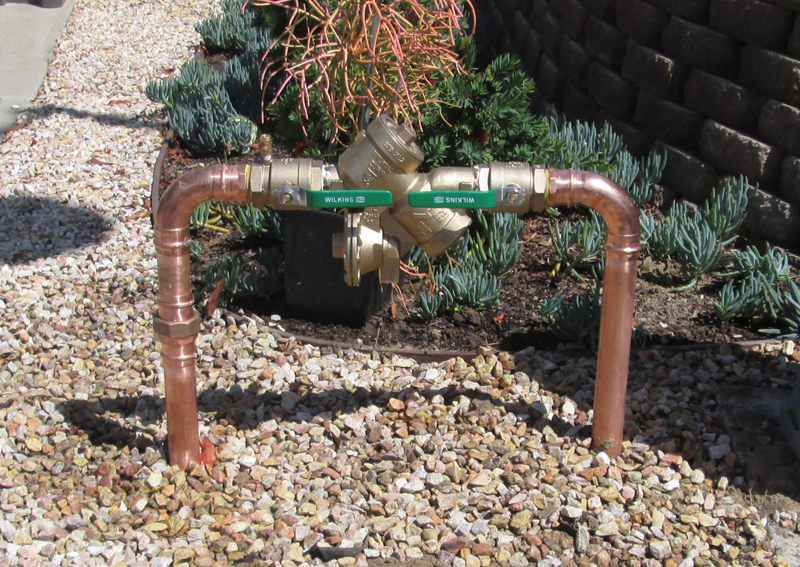
Your pipes and devices are supposed to keep water moving forward. But if they fail or your layout lets the pressure change too much, backflow can sneak in. That’s why backflow preventers exist—to block that reverse flow and keep your water clean.
Common Causes of Backflow
A few things in your layout can set the stage for backflow. A sudden drop in water pressure—maybe from a fire hydrant use or a busted main—can actually suck water backward into your plumbing.
Poor design or lazy maintenance make things worse. If sprinkler heads sit too low or near standing water, dirty water finds its way in. And if your backflow prevention devices aren’t installed right or checked often, you’re just asking for trouble.
Consequences for Water Quality
Backflow can dump bacteria, chemicals, and dirt into your water supply. That’s not something you want to drink, cook with, or use on your veggies. It can spread illness or hurt the environment.
Because of these risks, local laws require backflow prevention devices on irrigation systems. Annual testing by certified professionals, like those at Pacific Backflow, keeps your system working and in line with the rules.
Key Principles of Irrigation Layout Design
A good irrigation layout shapes how water flows and how pressure acts in your system. It’s about controlling water’s path, which helps prevent dirty water from moving backward. You’ll want to think about layout type, important design details, and how your land’s slope plays into it.
Types of Irrigation Layouts
There’s a handful of common layouts—grid, radial, drip. A grid layout uses straight lines and right angles. Simple to manage, but sometimes the pressure isn’t even. A radial layout spreads from a central point, which can help with pressure but gets a bit more complicated.
Drip irrigation is another option. It delivers water slowly and right where it’s needed, cutting down on pressure swings and backflow risk. Pick your layout based on your land, water source, and what you’re growing. The aim is to keep water moving forward so backflow preventers can actually do their job.
Critical Design Considerations
When you’re planning, focus on pressure regulation, pipe sizing, and cross-connection prevention. Pipes that are too small create pressure drops and let water flow the wrong way. Oversized pipes waste water and can cause surges.
Cross-connections between irrigation and drinking water lines are a big risk for backflow. Use the right backflow prevention devices and keep irrigation pipes away from potable water lines. Regular testing and maintenance, like what Pacific Backflow does, helps spot trouble early.
Slope and Water Flow Dynamics
The slope of your property changes everything about how water moves. Water naturally runs downhill, and steep slopes can speed up flow and raise backflow risk if the pressure drops. Flatter areas make it easier to control things.
Design so water flows downhill in a steady way—no sudden drops. That helps keep pressure stable, especially inside backflow preventers. Knowing your land and working with it goes a long way to keeping your water supply safe.
How Layout Design Influences Backflow
The way you lay out your irrigation system can make or break your backflow prevention. Where you put valves and backflow devices, how you run the pipes, and how you handle pressure all matter for keeping dirty water out of your clean supply.
Placement of Valves and Backflow Preventers
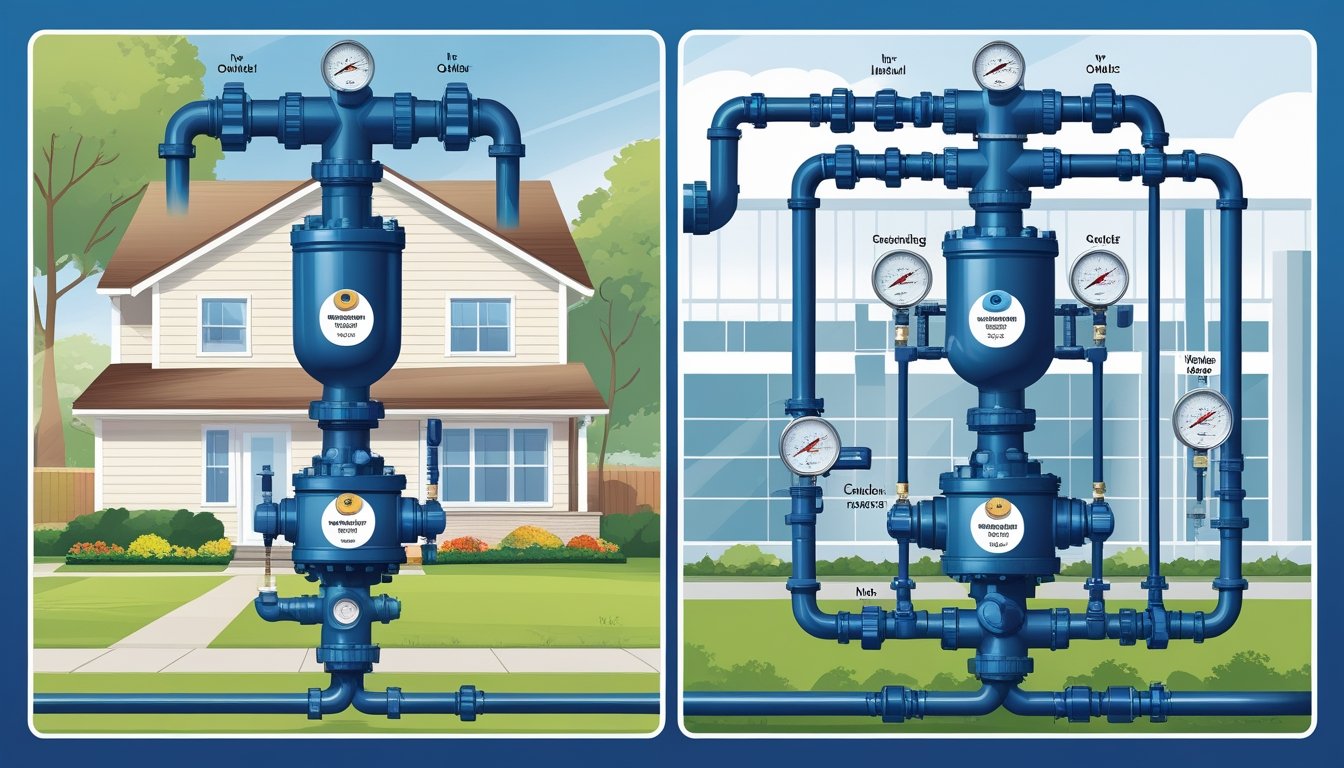
Where you install valves and backflow preventers is a big deal. Put backflow devices close to the main water source and before any sprinkler zones. That way, contaminated water can’t move backward into the clean supply.
Valves control flow, but if they’re too far from the backflow device or after the sprinkler heads, dirty water could mix with your drinking water. Good layout means putting preventers where you can actually get to them for tests and repairs.
If you hide devices or make them hard to reach, maintenance gets skipped—then backflow risk goes up. And if you’re in a colder part of San Diego County, don’t forget frost protection. Outdoor devices need insulation or housing to avoid freeze damage.
Piping Configuration and Risk Zones
The way you run your pipes can create hot spots for backflow. Long runs with lots of turns cause pressure changes that push water backward. Low points in the piping collect dirty water or debris.
Keep your system simple—avoid complicated loops and don’t cross water lines with sewage or fertilizer lines. Risk zones, like mixing sprinkler water with other sources, need extra attention.
Sloping pipes downhill from the water source helps keep water moving forward. Try to keep irrigation lines physically separate from other water lines to cut down on contamination chances.
Impact of Pressure Differentials
Water follows pressure. If the pressure drops in your main supply—maybe there’s a break or heavy use—backflow can sneak in.
Your layout should keep pressure steady and guard against those low-pressure moments. Put backflow devices where they’ll keep things moving the right way, even if pressure changes.
Don’t set up zones where one area gets way more pressure than another. If a valve fails or a pipe leaks, that can push water backward.
Pacific Backflow suggests annual testing and inspections to catch pressure problems early. Sometimes, you’ll need to tweak your layout to keep things balanced and safe.
Best Practices for Minimizing Backflow Risks
Keeping your irrigation system safe comes down to controlling water flow and stopping it from going backward. Good design, smart setup, and regular checkups are your best bet for stopping backflow.
Separation Between Irrigation and Potable Lines
Keep a clear gap between irrigation pipes and your drinking water lines. This physical separation blocks dirty water from mixing with your home’s clean supply.
Local codes spell out how far apart these lines should be. If pipes are too close, even a small leak or pressure change can cause backflow. Use separate trenches or barriers if you need to. Label lines clearly and avoid crossing irrigation over potable water.
This makes it easier to spot problems and keeps you in line with safety rules.
Elevation and Site Grading Strategies
Where you put your pipes—and how the ground slopes—can change backflow risk. Water wants to flow downhill, so putting irrigation lines above potable lines cuts down on dirty water moving back into your drinking water.
If your property slopes, use it. Install irrigation heads, valves, and preventers higher than your water service. Steer clear of low spots where water collects.
Sometimes, grading the site or adding drainage helps keep irrigation water moving safely. Elevation is a natural buffer, and it works without needing extra gadgets.
Routine Maintenance and Inspections
Even the best setup can fail if you don’t keep up with maintenance. Regular checks are key for catching problems before they get serious.
Get your backflow devices tested every year by certified pros. They’ll check for leaks, broken parts, or pressure problems. At Pacific Backflow, our techs in San Diego County make it quick and easy.
Give your system a visual check now and then. Look for cracked pipes, stuck sprinkler heads, or water going where it shouldn’t. Clean filters, swap out worn parts—don’t put it off.
Staying on top of inspections and repairs stops small issues from turning into big, expensive headaches.
Common Mistakes and How to Avoid Them
Skipping the details in your irrigation layout can invite backflow risks that threaten your water. Trouble usually starts when you ignore weak spots or install prevention devices wrong. If you know how to spot and fix these, you’ll keep your system safe and up to code.
Overlooking Layout Vulnerabilities
One big mistake? Not noticing spots where water can flow backward because of sketchy design. Low spots where water pools, or pipes crossing under pressure changes, are classic trouble areas. If you don’t plan for these, contamination can happen.
To avoid it, look for places where pressure might drop or where irrigation connects directly to your home’s water. Put backflow preventers at those points. Plan pipe routes to avoid sharp bends and big height changes that mess with pressure.
Tips to prevent layout vulnerabilities:
- Place backflow devices near the main water source.
- Avoid long pipe runs without valves or pressure control.
- Watch out for spots where debris or dirt could block valves.
Make sure you can get to these areas easily during installation and routine maintenance.
Improper Installation of Prevention Devices
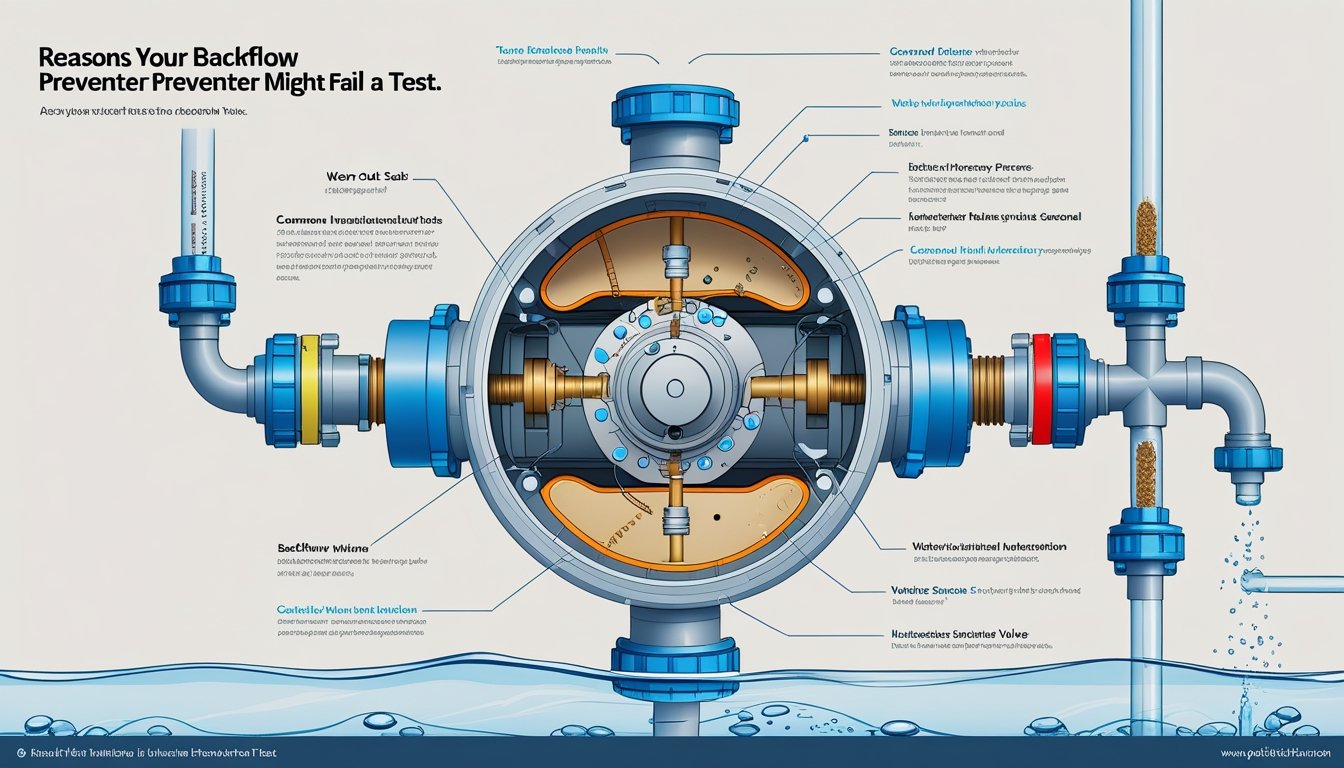
A lot of backflow problems come from installing preventers wrong. Putting the device too far from the water source, at the wrong height, or leaving debris inside can all cause leaks and failures.
When you install a backflow device, stick to local codes. Usually that means putting it close to where the irrigation taps into your water, facing the right way, and mounted solidly. Make it easy to inspect and fix.
Here’s a quick checklist:
- Install the preventer as close to the water source as possible.
- Make sure it’s level and mounted tight.
- Clear out debris before sealing it up.
- Follow the manufacturer’s instructions and local rules.
If you’re not confident, call in someone who knows what they’re doing—Pacific Backflow works all over San Diego County and handles testing, installation, and repairs.
Frequently Asked Questions
Design matters when it comes to backflow. A bad layout or the wrong parts can let dirty water creep into your clean supply. Knowing what to look for helps you keep your water safe and your system humming along.
How does the design of an irrigation system influence the need for a backflow preventer?
If your system has low spots or areas where water pressure changes fast, backflow is more likely. Designs with lots of valves or zones bump up the risk because water can move backward under certain conditions. You need a backflow preventer in the right spot to keep contaminants out of your main water supply.
What are common installation errors that could increase backflow risk in my home's irrigation system?
Sometimes, people install the backflow preventer too far from the water source, or they mess up the pipe slopes so water just sits and can flow the wrong way. Using parts that don’t meet local codes—or skipping pressure testing altogether—makes leaks or failures way more likely. That’s how contaminants sneak into clean water.
Can improper irrigation layout lead to environmental damage through backflow?
Absolutely. If dirty water with pesticides, fertilizers, or even just soil flows back into your drinking water or the groundwater, it’s bad news for the environment and your health. When the layout doesn’t block this reverse flow, the risk of pollution for plants, animals, and people goes up.
What are the key components to look for in a sprinkler system to prevent backflow?
You’ll want a certified backflow preventer built for irrigation, plus pressure vacuum breakers or double check valves. Make sure your devices are tested and approved by your local water district—they know what works. If you install and maintain the right stuff, you’re a lot less likely to run into contamination issues.
Why is a backflow preventer necessary for a residential irrigation well?
Wells pull water up from underground, and if backflow happens, bacteria or chemicals can come along for the ride. Without a preventer, your irrigation system could let all that junk into your home’s clean water. Honestly, installing one isn’t just smart—it’s usually required to keep your water safe and meet health rules.
What are the environmental risks associated with backflow in irrigation systems?
Backflow can shove nasty chemicals, fertilizers, and bacteria right into drinking water sources. That kind of contamination? It can make people sick, mess up aquatic life, and pollute soil and plants nearby. Keeping backflow in check really safeguards your household and the environment around you.
Pacific Backflow has helped San Diego County residents keep their water safe with reliable backflow testing and service for over 40 years. If you want some real peace of mind about your irrigation system and backflow protection, they're a solid choice.