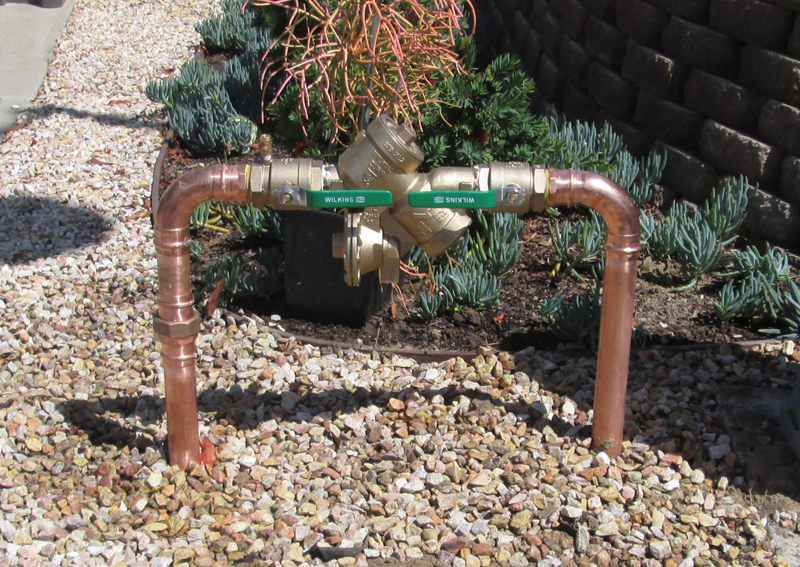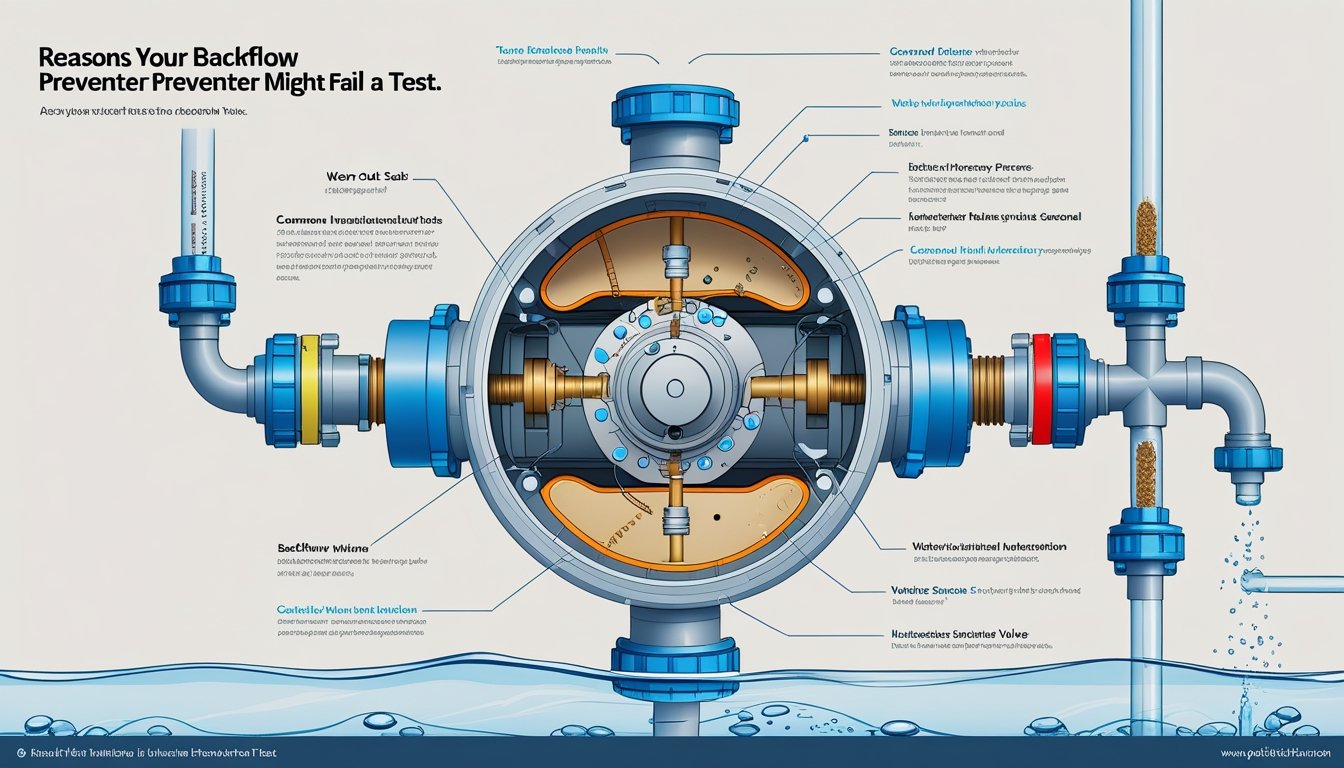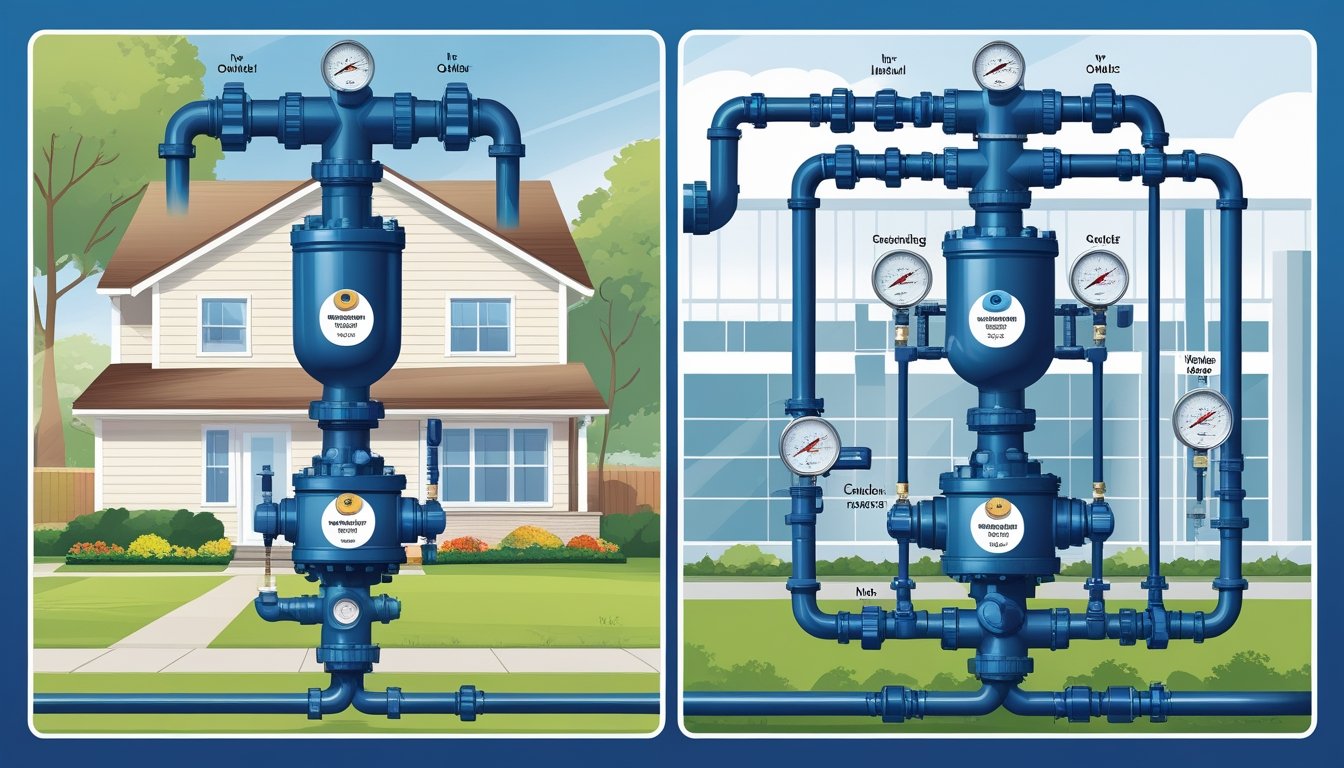


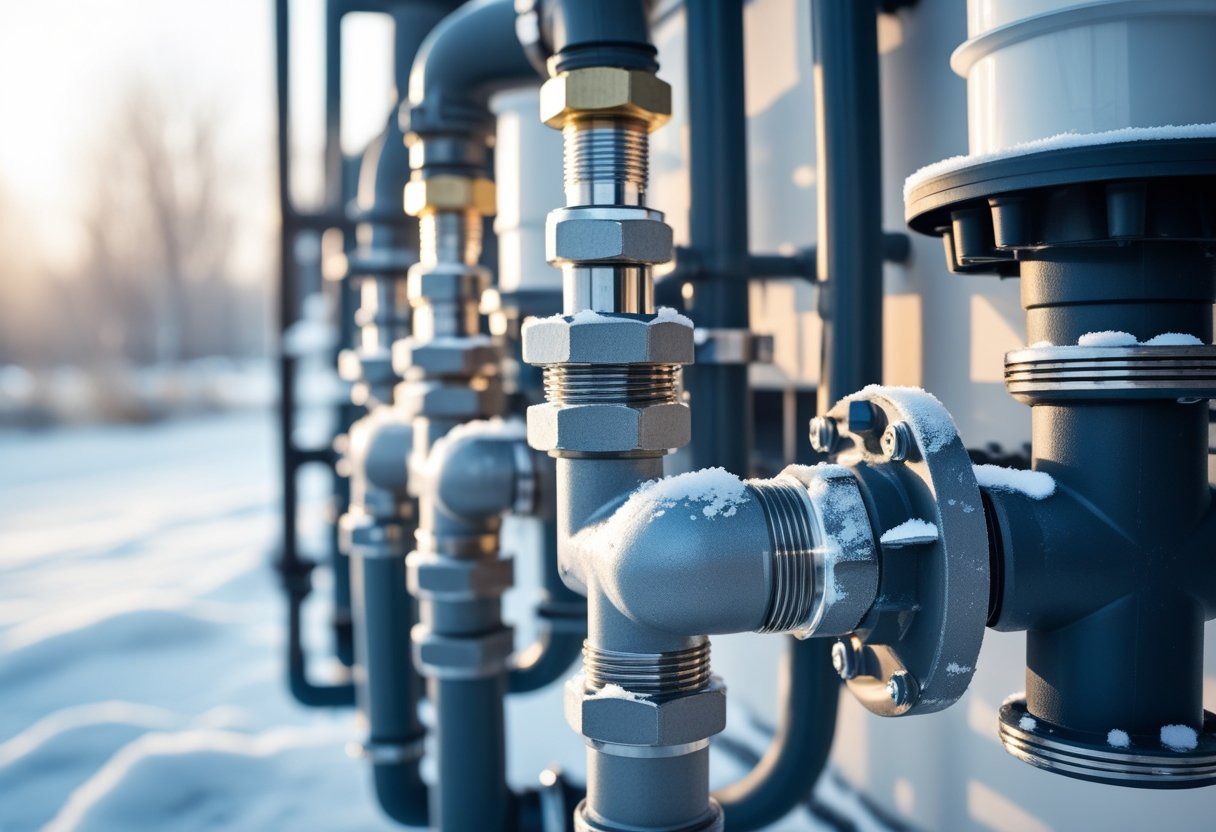
Winter’s rough on your backflow device—freezing temps can crack or leak the thing if you’re not careful. The best way to keep your backflow preventer working during winter is to shut off the water supply and drain all water from the pipes and valves to avoid freezing damage. Just doing these basics goes a long way toward keeping your system safe when it’s cold out.
You’ll want to wrap some insulation around your backflow preventer to keep frost at bay. Insulated covers or custom-fitted protection—like what Pacific Backflow sells—can bring a little peace of mind. It’s smart to get your system checked and tested before winter hits, so you don’t get caught off guard.
Understanding Backflow Devices
Backflow devices keep your water clean by blocking dirty water from sneaking back in. If you know the different types, how they work, and where they tend to struggle in cold weather, you’ll have a better shot at keeping things running through winter.
Types of Backflow Prevention Devices
Here are a few common types you’ll find:
- Atmospheric Vacuum Breaker (AVB): Stops back-siphonage but can’t handle constant pressure.
- Pressure Vacuum Breaker (PVB): Handles pressure, good for irrigation.
- Double Check Valve Assembly (DCVA): Two check valves for extra protection.
- Reduced Pressure Zone Assembly (RPZ): The heavy-duty option—multiple check valves and a relief valve for high-risk spots.
Which type you’ve got affects how you protect it. Some need draining, others just want insulation or a little extra TLC.
How Backflow Devices Work
These gadgets basically let water move one way—to your taps, sprinklers, whatever. Valves and air gaps stop water from sneaking back into the clean supply.
If pressure drops or pipes freeze, water can reverse and pull in junk you definitely don’t want in your drinking water. The valves inside react fast to pressure changes and slam shut to protect your supply.
If you keep up with maintenance, those valves stay tight. Getting a certified tech to test things once a year helps you dodge big problems.
Common Vulnerabilities in Cold Weather
Backflow devices have a few weak spots when winter rolls in:
- Freezing: Water left in pipes or the device can freeze and split things wide open.
- Pressure changes: Cold can make parts shrink or swell, so valves might leak or get stuck.
- Bad protection: Wrong insulation, or skipping the draining step, can make things worse.
You’ve got to drain water or insulate the device properly—no shortcuts. Some devices need yearly testing to meet code and keep your water safe.
If you’re in San Diego County, Pacific Backflow does winter protection and annual testing to keep you covered.
Winterization Basics for Backflow Devices
Getting your backflow device through winter takes a few steps: keep it from freezing, spot early damage, and plan your winterizing at the right time.
Why Winterizing Is Essential
Winterizing stops water inside your device from freezing and breaking stuff. Frozen water expands, cracks the device, and can make leaks that let dirty water in.
If your backflow device freezes, it just can’t do its job. You’ll want to avoid that mess. Plus, it keeps you in line with local water rules.
Shut off the water, drain the device, wrap on some insulation—those simple moves cut your freeze risk way down.
Recognizing Signs of Potential Damage
Take a look at your backflow device before it gets cold. Any leaks, damp spots, or puddles near it? That’s a red flag. Weird noises or visible cracks mean you’ve probably got damage already.
If you spot ice, cracks, or bulges, don’t wait around. Get on it fast.
Not sure what you’re seeing? Bring in a pro. Certified testers—like Pacific Backflow—can check things out and let you know what needs fixing.
Recommended Winterization Timeline
Start winterizing before the first real cold snap. In San Diego County, that’s usually late October or early November. If you prep early, you won’t be scrambling when temps drop.
Here’s a quick rundown:
- Step 1: Shut off water to the backflow preventer.
- Step 2: Open drain valves—let all water out.
- Step 3: Insulate the device and exposed pipes with foam or heat tape.
- Step 4: After insulating, double-check for leaks or cracks.
Check on your device through winter if it stays cold for days at a time. If you see problems, fix them right away. That’s how you keep things safe until spring.
Insulating Your Backflow Device
To keep your backflow device alive through winter, you’ll want to use good insulation, cover it right, and steer clear of common mistakes. That’s how you dodge freeze damage—and expensive repairs.
Choosing the Right Insulation Materials
Go for stuff that keeps cold out and heat in. Foam pipe sleeves are solid—they hug pipes and valves tight. Reflective bubble wrap bounces heat back where you want it. Secure everything with waterproof tape or zip ties so nothing slips.
Skip anything that soaks up water, like fiberglass or cloth. Wet insulation just freezes and stops working. Outdoor-rated materials are a must since your device is out in the elements.
You can grab insulation kits made for backflow devices, too. They usually fit well and make life easier.
Step-by-Step Insulation Instructions
First, turn off your main water supply (no leaks, please). Dry the device—don’t want moisture freezing inside.
Wrap foam insulation around every pipe and valve. Cover joints and corners; cold air loves those spots. Tape up seams tight, keep water out.
Add a layer of reflective bubble wrap or a weatherproof cover made for backflow devices. Make sure there aren’t any gaps—snug is good.
Finish with zip ties or tape to lock things down. When it gets really cold, check the insulation to make sure nothing’s come loose.
Avoiding Common Insulation Mistakes
Don’t leave gaps—cold air finds the smallest crack. Wrap everything, especially pipes and valves.
Don’t wrap insulation loosely. Loose stuff moves, and then you’ve got cold air hitting the device. Tighten it up and secure with tape or ties.
Keep insulation dry. If it gets wet, it’s useless and will freeze. After rain or snow, check and swap out anything soggy.
If you spot damage or leaks during winter, shut off the water and call for repairs. Pacific Backflow’s got your back in San Diego County if you need help.
Shutting Down and Draining Procedures
To keep your backflow device safe, you’ll need to turn off the water and drain every part linked to it. This stops freezing and keeps pipes from bursting. Don’t forget to protect any plumbing connected to the device, too.
Safe Shutoff Practices
Start by turning off the main water supply to the backflow preventer. Make sure you know which valve is which—no one wants to accidentally cut off water to the whole house.
Close valves gently so you don’t break anything. If your device has shutoff valves on both sides, close both. Then, open a faucet nearby to let out any built-up pressure. That helps prevent leaks or bursts if temps plummet.
Proper Draining Steps
Open the drain valve on the backflow device and let all water out. If you’ve got more than one, open them all until nothing’s left. Open sprinkler head valves, too—that lets air in and water out.
Leave the system drained all winter to avoid ice inside pipes. Unhook any hoses. Not sure you’re doing this right? Pacific Backflow can help drain things properly.
Protecting Connected Plumbing
After draining, wrap pipes linked to your backflow preventer with foam sleeves or insulation tape to block cold air. Focus on anything exposed or near unheated spots.
In really cold areas, you might want to add heat cables for extra warmth. Check insulation now and then for gaps or wear—don’t let your guard down.
Regular Maintenance Checks
Keeping your backflow device in shape during winter means watching for damage, testing if it works, and having pros check it out. Stay on top of these, and you’ll dodge leaks, cracks, and expensive failures.
Inspecting for Cracks and Leaks
Look over your backflow device for cracks or leaks. Cold can shrink and crack stuff, so check pipes, joints, and valves closely. Damage here means trouble—water escaping or dirty water sneaking in.
Use a flashlight to spot damp areas or corrosion. Puddles? You probably have a leak. Catching problems early saves money and hassle. Make sure drains are clear so water doesn’t freeze and make things worse.
Testing System Functionality
Test your backflow device by opening and closing valves, making sure pressure holds and water flows the right way. Some places require a yearly test by a certified pro. These tests can catch hidden problems.
If you find anything off, fix it fast—don’t risk your water supply.
Scheduling Professional Inspections
Even if you check things yourself, pros bring the right tools and know-how. Get a pro inspection at least once a year. Certified techs check pressure, valves, and reliability.
Services like Pacific Backflow help you stay compliant with local rules. They’ll handle paperwork and repairs if needed. Keeps your system solid all winter and your water safe.
Monitoring Weather Conditions
Watching the weather can help you stop your backflow devices from freezing. With temperature alerts and quick action during cold snaps, you’ll avoid repairs and keep things running.
Setting Up Temperature Alerts
Set up alerts on your phone or weather app—get notified when temps hit freezing. That’s your cue to check your backflow preventer before trouble starts.
Pick alerts for 32°F (0°C) or lower. Some apps let you set your location, which is handy if you’re in San Diego County.
When you get an alert, check insulation and clear out any standing water. This quick move can stop ice from forming and wrecking your device.
With alerts, you don’t have to guess when the cold’s coming. You’ll be ready to jump in and protect your backflow device before cracks or leaks show up.
Responding to Sudden Cold Snaps
When the temperature suddenly drops, you’ve got to move fast. As soon as a cold snap rolls in, check your backflow preventer—even if you just insulated it last week.
Drain any water hanging around inside. In really cold spots, you might want to throw on some heating cables or extra insulation for the time being.
If you spot any cracks or leaks, don’t wait—call a certified tech right away. Pacific Backflow handles repairs quickly and can help you avoid bigger headaches down the road.
During surprise cold weather, staying alert and taking quick steps can keep your backflow device safe until things warm up again.
Emergency Protection Measures
If your backflow device is at risk in a cold snap, acting fast can save you a lot of trouble. Even basic insulation can help, and knowing how to thaw things out safely is huge.
Quick Insulation Fixes
Start by wrapping your backflow preventer with foam pipe insulation or heat tape. This keeps the water inside from turning to ice. Don’t forget to cover exposed pipes nearby, sealing up any gaps with weatherproof tape.
Insulated blankets or foam covers made for outdoor plumbing work well too. Just make sure you secure them tightly so cold air can’t sneak in.
If it’s supposed to get really cold, try adding a small electric heating cable around the device for a bit more protection. Always use a cable rated for wet locations and follow the instructions.
Drain out any leftover water from the device to cut down on freeze risk. Give everything a once-over for leaks before winter shows up.
Thawing a Frozen Backflow Device Safely
If your backflow device freezes, don’t grab a torch or crank up the heat. Open flames or high temps can wreck the pipes or guts of the device.
A hair dryer or heat gun on low, moving it around the device, usually does the trick. Wrapping the area in warm towels helps too.
Skip the boiling water—sudden heat can crack the device.
Turn off the water supply so you don’t get pressure problems as it thaws. Once everything’s melted, check for leaks or damage.
If you spot issues or just aren’t sure, call a pro like Pacific Backflow. Sometimes it’s better to get help than risk making things worse.
Long-Term Protection Strategies
Keeping your backflow device working through winter isn’t just about quick fixes. You need regular care and, sometimes, upgrades to handle the cold. It’s not always fun, but it beats dealing with expensive repairs.
Year-Round Preventative Actions
Check your backflow preventer a few times a year—don’t just wait for winter. Look for leaks, cracks, or anything that seems off. Draining out leftover water from the device and pipes helps prevent freezing.
Insulation, like foam covers or wraps, keeps the device warmer during cold spells. In colder areas, heating cables might be worth it. These wrap around the preventer and help keep things above freezing.
Get a pro to test your system once a year. Pacific Backflow does certified testing in San Diego County—they’ll catch issues early and help you stay up to code. Staying on top of this stuff saves you from surprise repairs.
Upgrading to More Resistant Devices
Some backflow preventers just handle winter better. If you’ve had trouble before, it might be time to upgrade. Newer models use tougher materials and have built-in insulation to fight off freezing.
You can also pick models that drain themselves after use, so there’s less water left inside to freeze. Pacific Backflow can help you figure out which device fits your needs and local codes.
When you swap out your preventer, look for certifications that match your water district’s rules. A good, properly installed device means less stress when winter hits—and your water stays safe all year.
Common Mistakes to Avoid
One of the biggest mistakes? Not draining your backflow preventer before winter. Water left inside can freeze and cause cracks and leaks. Always turn off the water and drain the system completely.
Another common slip-up is using the wrong insulation. Thin or generic wraps won’t cut it. Go with thick, weatherproof insulation made for outdoor plumbing.
Skipping inspections is risky. Check your backflow device for leaks, cracks, or damage before winter. Catching problems early can save you a ton.
Don’t ignore annual testing and maintenance. Miss that, and you might overlook a hidden problem. Pacific Backflow offers quick, reliable testing to keep things running smooth.
People sometimes forget about vandalism or theft, too. A sturdy protective cage can keep your device safe and working, even when the weather’s rough.
Here’s a quick list to help you remember:
MistakeWhat to Do Instead Leaving water in deviceTurn off water and drain completelyUsing thin insulationChoose thick, weatherproof insulationSkipping inspectionsCheck frequently for damageMissing annual testingSchedule testing yearlyNo protection cageInstall a secure cage
A few simple steps can keep your backflow preventer working all winter. If you need help, Pacific Backflow covers all of San Diego County with expert winter care.
Frequently Asked Questions
Protecting your backflow preventer during winter matters if you want to avoid freezing and damage. You’ll want to know how to shut off water, drain the device, and use insulation the right way. Checking for risks—and knowing when to call a pro—keeps your system in shape.
What are the best practices for winterizing a backflow preventer?
Shut off the water supply before freezing weather hits. Drain all the water from your device so ice can’t form. Wrap it with insulating material, like foam or fiberglass, to keep temps stable.
Is it necessary to cover my backflow preventer during the cold season?
Absolutely. Covering your backflow preventer shields it from freezing temps. Use an insulated cover or wrap it with heat-resistant material to lower the risk of cracks or leaks.
At what temperature is my backflow preventer at risk of freezing?
Once it dips below 32°F (0°C), your backflow preventer’s at risk. Even a light freeze can expand water inside and mess up the parts.
Should I shut off the water to my backflow preventer when temperatures drop?
Yes, turning off the water is one of the best ways to protect it in winter. No water inside means nothing to freeze—and less chance of breaking the device.
What is the correct way to drain a backflow preventer before winter arrives?
First, turn off the water supply. Open up the drain valves or plugs to let all the water out. Double-check that no water’s left in any connected pipes.
Can I leave my backflow preventer outside during winter if it's insulated?
You can leave it outside, but honestly, just wrapping it up with insulation might not cut it if you live somewhere that really gets cold. It's usually smarter to pair insulation with shutting off the water and draining things out. Not sure what to do? Maybe give a pro like Pacific Backflow a call—they've seen it all and can steer you right.