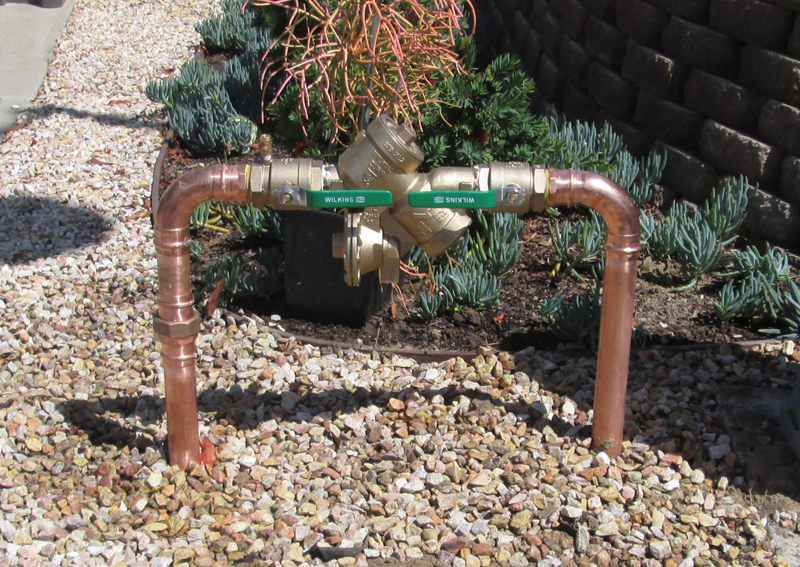


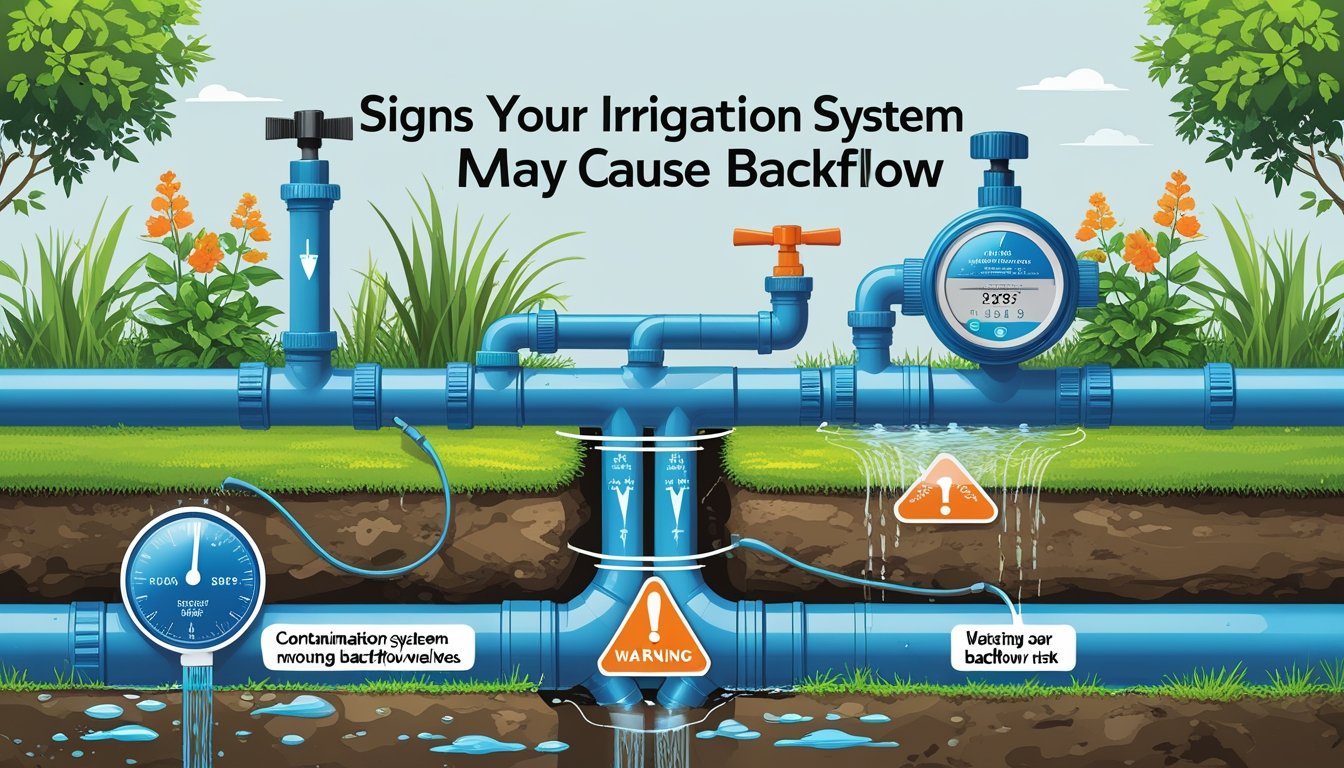
When your irrigation system causes backflow, dirty water can flow backward into your clean water supply. Watch for water discoloration, drops in water pressure, or leaks around your backflow preventer—these can mean trouble. These issues put your home’s water at risk and really shouldn’t be ignored.
You might also hear odd hissing or notice water pooling near the system. These things usually mean something’s worn out or broken inside the backflow preventer. Spotting these problems early can save you a headache and help keep your drinking water safe.
Pacific Backflow serves all of San Diego County, offering testing and repairs to keep your backflow preventer working. Noticing warning signs means you can act fast and protect your water before anything nasty gets in.
Understanding Backflow in Irrigation Systems
Backflow happens when water moves the wrong way through your irrigation system. That lets dirty or even harmful water mix with your clean supply. If you know what backflow is and how it happens, you’re already a step ahead in keeping your water safe.
What Is Backflow?
Backflow means water flows in the opposite direction it’s supposed to. Instead of water going from the main supply to your irrigation system, it reverses. Usually, this happens when pressure changes mess with the normal flow.
There are two main types:
- Backpressure: When your irrigation system’s pressure gets higher than the main water line.
- Backsiphonage: When the main line loses pressure, sucking water back.
Both can push dirty water from your irrigation system into your clean water. This can sneak up on you, which is why backflow prevention really matters.
How Backflow Occurs in Irrigation
Backflow pops up if you don’t have the right devices or if they fail. It often happens when:
- Water main breaks or repairs drop the pressure.
- High pressure builds up in irrigation pipes from pumps or stuck valves.
- Valves or backflow preventers wear out or get damaged.
- Someone installed things wrong or skipped maintenance.
In irrigation systems, stuff like fertilizers, pesticides, and bacteria can get sucked back into your home’s water. That’s not something you want to drink or use. Regular backflow testing and maintenance catch these issues before they get serious.
Risks Associated With Backflow
Backflow is a real threat to your clean water. Contaminants from soil, fertilizers, and garden chemicals can sneak into the water you use every day. That’s a health risk and a headache for water quality.
Some risks:
- Contaminated drinking water: Drinking or cooking with dirty water can make you sick.
- Property damage: Leaks or failures waste water and can mess up your irrigation system.
- Regulatory fines: Most places require backflow prevention. Skip it, and you might get fined.
Installing and maintaining backflow preventers protects your water. Pacific Backflow provides certified testing and repairs to keep things safe and up to code.
Common Signs Your Irrigation System May Cause Backflow
Backflow can let dirty water flow back into your clean supply, often without you noticing at first. Watch for weird tastes, smells, changes in water color, or sudden drops in pressure. These are your early warnings—don’t brush them off.
Unusual Water Taste or Odor
If your water suddenly tastes odd or smells funny, backflow could be the culprit. Contaminants like fertilizers or soil from your irrigation might be mixing with your drinking water—especially if it only happens when the irrigation runs.
Don’t ignore metallic, chlorine-like, or sour odors. Those are red flags. If your water’s off, get a pro to check your backflow preventer.
Visible Contaminants in Water
Sometimes, dirt, debris, or cloudy stuff comes out of your faucets. That’s a sign backflow may be pulling irrigation water into your pipes. Outdoor sources connected to your irrigation system carry all kinds of gunk.
If you spot these particles, your backflow device probably isn’t doing its job. This isn’t just gross—it can be dangerous for your health and rough on your appliances. Timely inspection and repair are musts.
Sudden Decrease in Water Pressure
A sudden drop in water pressure often points to backflow problems. When backflow preventers stick or break, water flow gets blocked or reversed. Your irrigation system might start pulling water backward, dropping the pressure.
Low pressure can mess with sprinklers, showers, or faucets, making daily stuff annoying. If you notice weak water flow and can’t find another reason, get your backflow device checked.
Discolored Water from Faucets
Brown, yellow, or rusty water? Backflow could be why. Soil and iron from your irrigation system can get sucked into your pipes, making the water look dirty—even if it doesn’t taste weird.
Discolored water is a big warning sign your backflow preventer isn’t working. It can stain clothes, dishes, and fixtures, and hurt your plumbing. Don’t wait on this—get backflow testing or repairs to fix it up.
Inspection Points for Backflow Risks
Keep an eye on certain parts of your irrigation system to catch backflow risks early. Issues with backflow preventers, installation mistakes, or unsafe connections to nonpotable sources can all let contamination slip in.
Malfunctioning Backflow Preventer
Your backflow preventer’s job is to stop dirty water from flowing backward. If it’s leaking, building up pressure, or causing discolored water, something’s off. You might hear hissing or see water pooling near it.
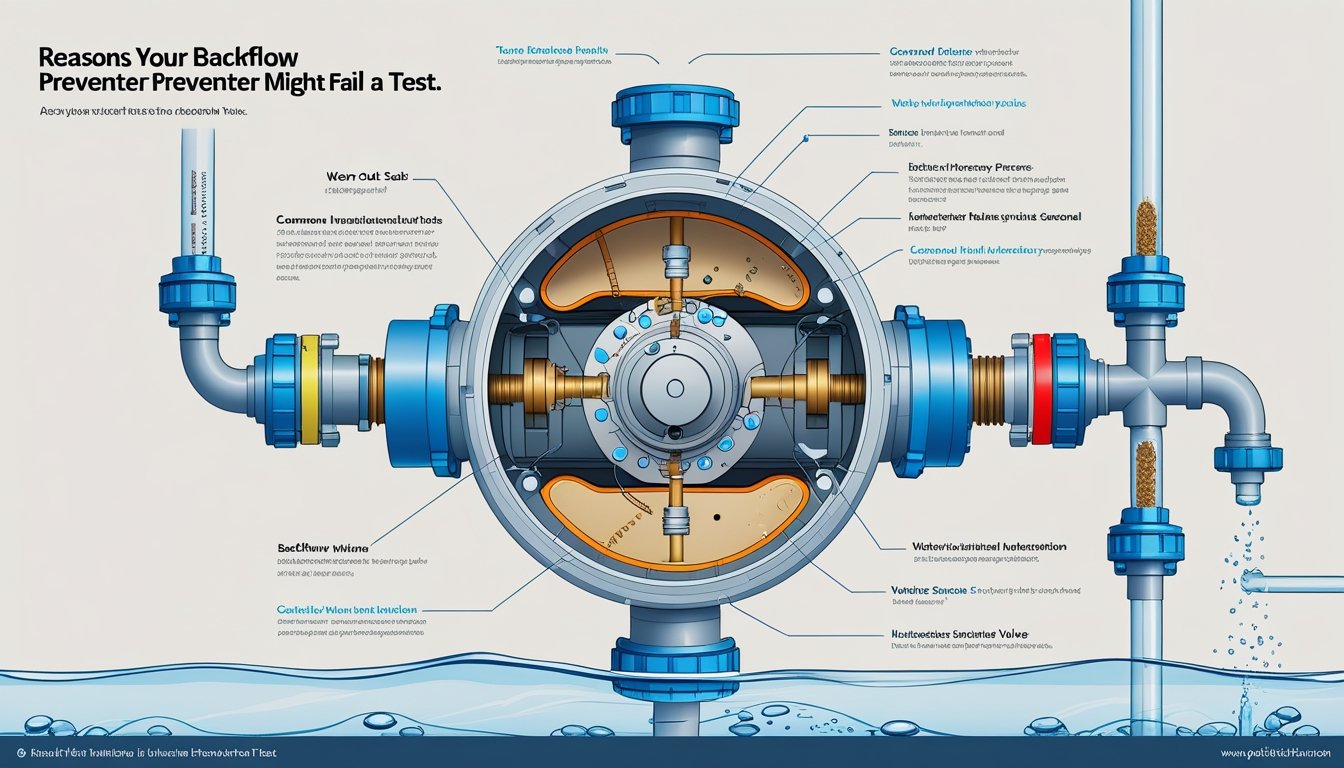
Worn seals, broken parts, or weather damage can be to blame. Regular testing by pros like Pacific Backflow helps catch these problems before they get out of hand. If it fails, fix or replace it fast to keep your water safe and stay on the right side of the rules.
Improper Irrigation System Installation
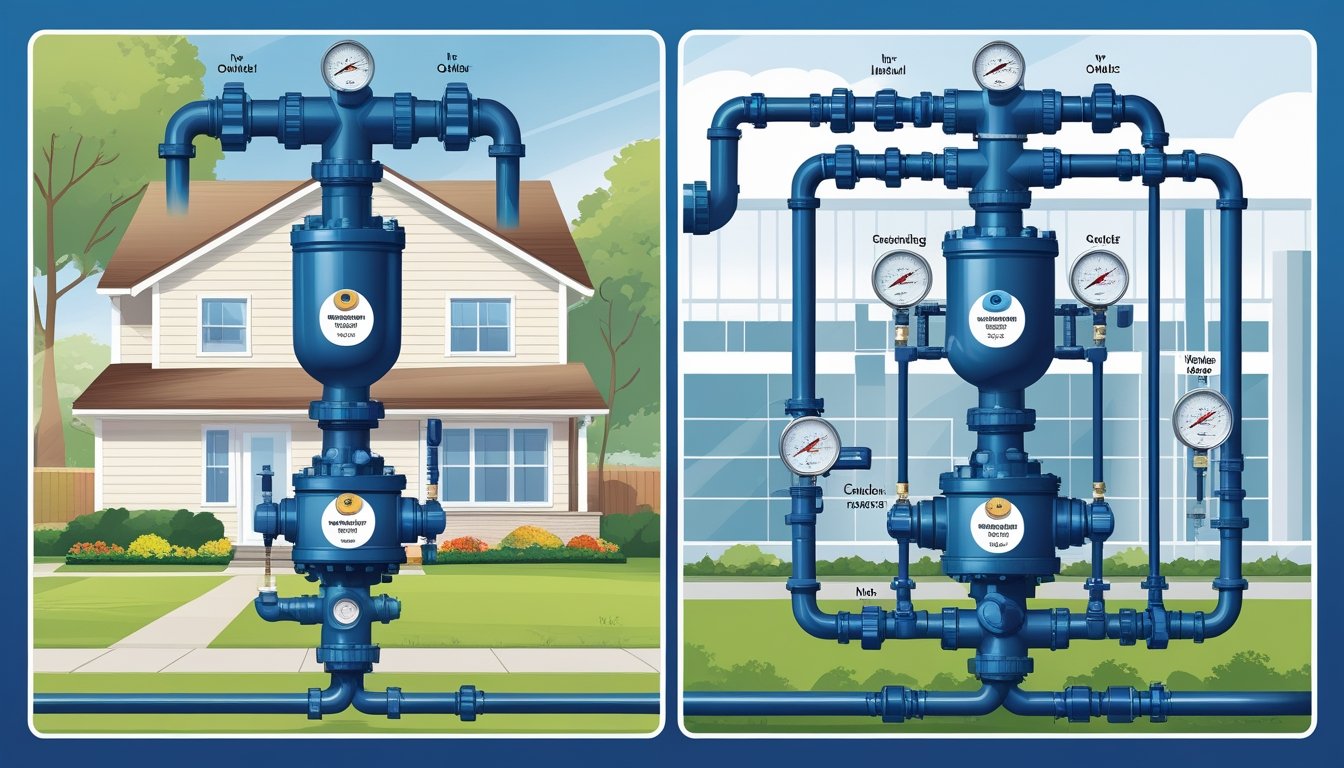
If your irrigation system isn’t installed right, it can create backflow hazards. For example, if the backflow preventer sits too far from the main supply or below irrigation lines, water can flow backward during pressure changes.
Other mistakes? Missing air gaps or ignoring code requirements. Cross-connections in the system itself can mix clean and dirty water. Checking your system’s layout makes sure water only goes one way—into your yard, not back into your house.
Cross-Connections With Nonpotable Sources
Cross-connections happen when irrigation lines get hooked up to unsafe sources—think garden hoses left in pools or fertilizer tanks. These links can let chemicals and bacteria flow back into your clean water.
To spot cross-connections, look for hoses or pipes attached to faucets that could reach ponds, pools, or chemical containers. Make sure you’ve got the right backflow prevention devices at all points. Cutting out these risky connections is key to keeping your water safe.
If you’re not sure about your setup, Pacific Backflow can check things out. Their team keeps San Diego water safe and up to code.
Preventive Measures and Maintenance Tips
To keep your irrigation system from causing backflow, regular care and timely service matter. Focusing on key parts and scheduling checks can save your water supply and your wallet.
Routine Inspection of Irrigation Components
Check your irrigation system regularly for signs of wear or damage. Look at pipes, valves, and sprinkler heads for leaks, cracks, or debris buildup. Even tiny cracks can let dirty water mix with clean.
Clear debris from valves and filters. Make sure backflow preventers stay clean and that all connections are snug. Watch for changes in water pressure or odd sounds when you run the irrigation.
Insulating backflow devices helps protect them from freezing and cracking in colder months. Walk your irrigation zones now and then—if something seems off, fix it before it gets worse.
Scheduling Professional Backflow Testing
Test your backflow preventer at least once a year. Certified techs use special tools to make sure your device stops water from reversing and keeps your supply safe.
When you schedule testing, make sure the company files reports with your local water authority. That way, you stay in compliance. Quick testing means less downtime and more peace of mind.
In San Diego County, Pacific Backflow offers dependable testing. Their team handles paperwork and follows the rules, so you don’t have to stress about missing deadlines or inspections.
Repairing or Replacing Damaged Parts
If your irrigation system or backflow preventer leaks, cracks, or acts up, fix it right away. Waiting can contaminate your water and rack up costs.
Repairs might mean cleaning valves or swapping out worn washers and seals. If a part’s too far gone, replacing the device keeps you safe and legal. Always use quality, approved gear for replacements.
Trusting a reliable provider for repairs protects your system. They’ll help you avoid leaks, stop backflow, and keep your irrigation running smoothly. Acting quickly keeps your home’s water safe.
When to Seek Professional Help
If you spot water backing up, smell or taste something weird, or see leaks near your irrigation system, it’s time to call in a pro. These are signs your backflow preventer isn’t doing its job.
You might be able to handle small leaks or clear out debris yourself. But for bigger problems—like persistent leaks, broken parts, or a failed test—get expert help. These issues can let dirty water flow back into your clean supply.
Regular backflow testing is critical for prevention. Professionals have the right tools and experience to spot trouble early and recommend repairs or replacements that meet local standards.
If you’re in San Diego County, Pacific Backflow provides fast, reliable testing and repairs. Their certified techs keep your system safe and compliant, handling everything from annual tests to emergencies.
You should also call a pro if you’re not sure how to maintain or inspect your backflow device. Trying to fix complex issues without experience can make things worse or even contaminate your water.
You probably need professional help if you notice:
- Persistent leaks from your backflow preventer
- Strange water pressure changes
- Bad smells or tastes in irrigation water
- Failed annual backflow testing
- Visible damage to the device
Getting help from a skilled team keeps your water clean and your irrigation system running safely.
Frequently Asked Questions
Spotting problems early with your irrigation backflow system can save you a lot of hassle. Leaks, sudden pressure drops, or odd noises? Those are usually the first red flags. Honestly, regular testing and a bit of routine care go a long way in keeping things running smoothly.
What are the signs that my backflow preventer is failing?
You might see water that looks discolored—never a good sign, since it could mean something’s seeping in. If you notice water pressure dropping or the device leaking nonstop, pay attention. Weird noises coming from the preventer? That’s another clue something’s off.
Where should I look on my backflow preventer for signs of leaks?
Take a close look around the relief valve and the weep hole for any drips or little puddles. Check the spots where the preventer connects to your irrigation lines, too. If you spot moisture or even a bit of corrosion, that’s a hint there’s a leak brewing.
What are the typical testing requirements for backflow preventers in Texas?
In Texas, you’ll usually need to get your backflow preventer tested once a year. Local water authorities expect certified testers to handle this and send in the results. It’s all about keeping your system legal and your drinking water safe.
Why is my backflow preventer leaking from the relief valve, and what should I do about it?
If water’s coming out of the relief valve, it might mean there’s too much pressure or maybe the valve’s stuck. Best move? Call a professional to check it out. They’ll figure out what’s wrong and help you avoid wasting water or risking contamination.
How can I prevent backflow issues in my home irrigation system?
Install a solid backflow preventer, like a pressure vacuum breaker. Get it checked every year, and don’t skip maintenance if something seems off. And whatever you do, don’t connect your irrigation to non-potable water unless you’ve got the right protection in place.
What steps can I take if my backflow preventer is leaking from the weep hole?
When you spot water leaking from the weep hole, chances are the internal parts have worn down or something’s blocking them. Go ahead and shut off your irrigation system, then reach out for a professional repair or replacement. Letting this slide could mess up your system and even put your water supply at risk—definitely not something you want.
If you’re around San Diego County, Pacific Backflow can handle testing and repairs fast, so your irrigation stays safe and up to code.