

Accidental cross connections in plumbing let dirty water sneak into your clean supply—never good news. It’s a risk for your health, and honestly, it can get expensive to fix. The most reliable way to prevent this is to install solid backflow prevention devices and keep up with regular inspections.
If you know where cross connections might pop up around your home or business, you can head off trouble before it starts. Just checking hose connections or making sure old valves still work can go a long way in keeping your water safe.
At Pacific Backflow, we help folks all over San Diego County keep their water clean with fast, honest backflow testing and repairs. These steps help your water stay safe and up to code—without any second guessing.
Understanding Cross Connections
Cross connections happen when a clean water line touches or connects with something contaminated. You’ll find these connections in more places than you’d expect. Knowing what they are, where they show up, and why they’re risky makes it easier to protect your water supply.
Definition and Types of Cross Connections
A cross connection is any link—direct or indirect—between potable (clean) and non-potable (contaminated) water. This setup can cause backflow, which is just dirty water heading the wrong way into your clean lines.
Here’s the basic breakdown:
- Direct cross connection: Clean water pipes connect straight to a contaminated source, like a garden hose left in a pool.
- Indirect cross connection: Contamination slips in through a less obvious route, maybe a cracked pipe or a worn-out valve.
Backflow usually happens when water pressure changes. If pressure drops in your clean supply, contaminated water can get sucked right in.
Common Sources in Residential and Commercial Settings
At home, cross connections often come from garden hoses, irrigation setups, or appliances like dishwashers and water softeners that weren’t installed quite right. Swimming pools and outdoor taps? They’re classic trouble spots, too.
In commercial spaces, things get more complicated. Restaurants, factories, hospitals—these places often have equipment that can mix clean and dirty water if the plumbing isn’t set up carefully. Boilers, chemical tanks, fire sprinklers—those are all risky spots.
You’ll find that many cities require backflow prevention devices where cross connections are likely. If you’re not sure about your property, getting a backflow test isn’t a bad idea.
Risks and Consequences of Cross Connections
Cross connections can dump chemicals, bacteria, or waste into your drinking water. That’s a recipe for illness if you drink or use it.
It’s not just your health—contamination can mess up your plumbing system and lead to repairs you didn’t budget for. Plus, local authorities might fine you if your system isn’t safe or up to code.
A lot of cities now require annual backflow testing to catch these issues early. Pacific Backflow offers testing, repairs, and installation of backflow preventers. Protecting your water really does protect your family and everyone around you.
Identifying Potential Problem Areas
If you know where plumbing problems like to hide, you’re ahead of the game. Paying attention to these common spots and warning signs keeps your water safe and your system running smoothly.
Spotting Hidden Cross Connection Hazards
Cross connections aren’t always obvious. Look for places where clean water lines run close to contamination sources—think garden hoses, irrigation systems, chemical dispensers.
Check your outdoor faucets, washing machines, and any gear that mixes water with other stuff. If pipes aren’t set up right or you’re missing backflow preventers, the risk goes up.
Some hidden hazards to watch for:
- Hose bibbs without vacuum breakers
- Irrigation systems with no backflow devices
- Appliances hooked up to non-potable water supplies
Catching these issues early keeps your water cleaner.
Regular Inspection Best Practices
Making inspections routine helps you avoid headaches later. Set up a schedule to check your plumbing for cross connections and backflow issues.
When you inspect, look for damaged or missing backflow preventers and any questionable installations. Testing your devices yearly makes sure they’re doing their job.
A simple checklist helps:
- Check condition of backflow preventers
- Look at pipe placement
- Watch for leaks or odd smells
Pacific Backflow has reliable testing and inspection services in San Diego County. Their certified techs can help keep you safe and compliant.
Recognizing Warning Signs
Some signs just scream “cross connection problem.” Watch for sudden drops in water pressure or weird tastes and odors in your tap water.
Leaks near backflow devices or water coming out of drains during irrigation? Those are big red flags. If you spot anything like this, don’t wait.
Other things to look for:
- Discolored water
- Appliances that keep having water issues
- Neighbors complaining about water quality
Spotting these clues early can save your water—and your wallet.
Effective Prevention Strategies
Keeping your water supply safe takes the right gear and a little planning. These steps block dirty water from sneaking into your clean system.
Installing Backflow Prevention Devices
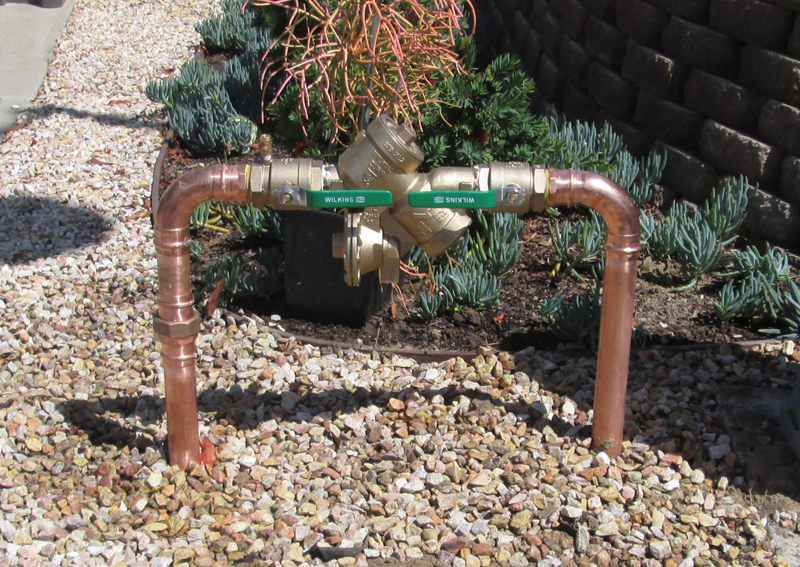
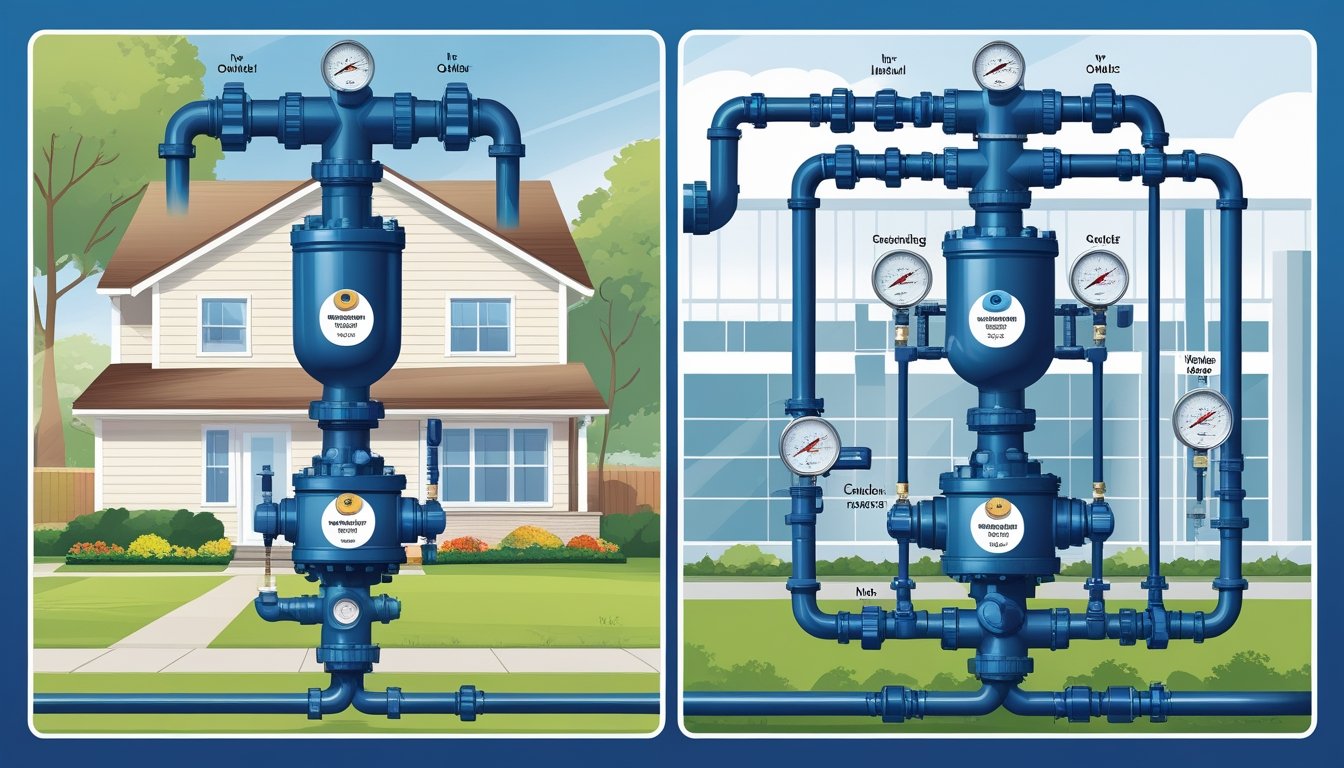
Backflow prevention devices are your main defense. They let water move only one way. If water tries to flow backward, the device stops it. You’ve got a few types: check valves, air gaps, and reduced pressure zone devices (RPZs).
Install these devices anywhere your clean water connects to something risky—irrigation, boilers, you name it. Test and inspect them regularly. If something breaks, fix or replace it right away.
Pacific Backflow handles installation and testing, making sure you meet local codes and your water stays safe. When these devices are set up right, you can relax knowing your plumbing’s protected.
Implementing Proper Plumbing Design
How you lay out your plumbing matters. Good design keeps dirty water from ever touching the clean stuff.
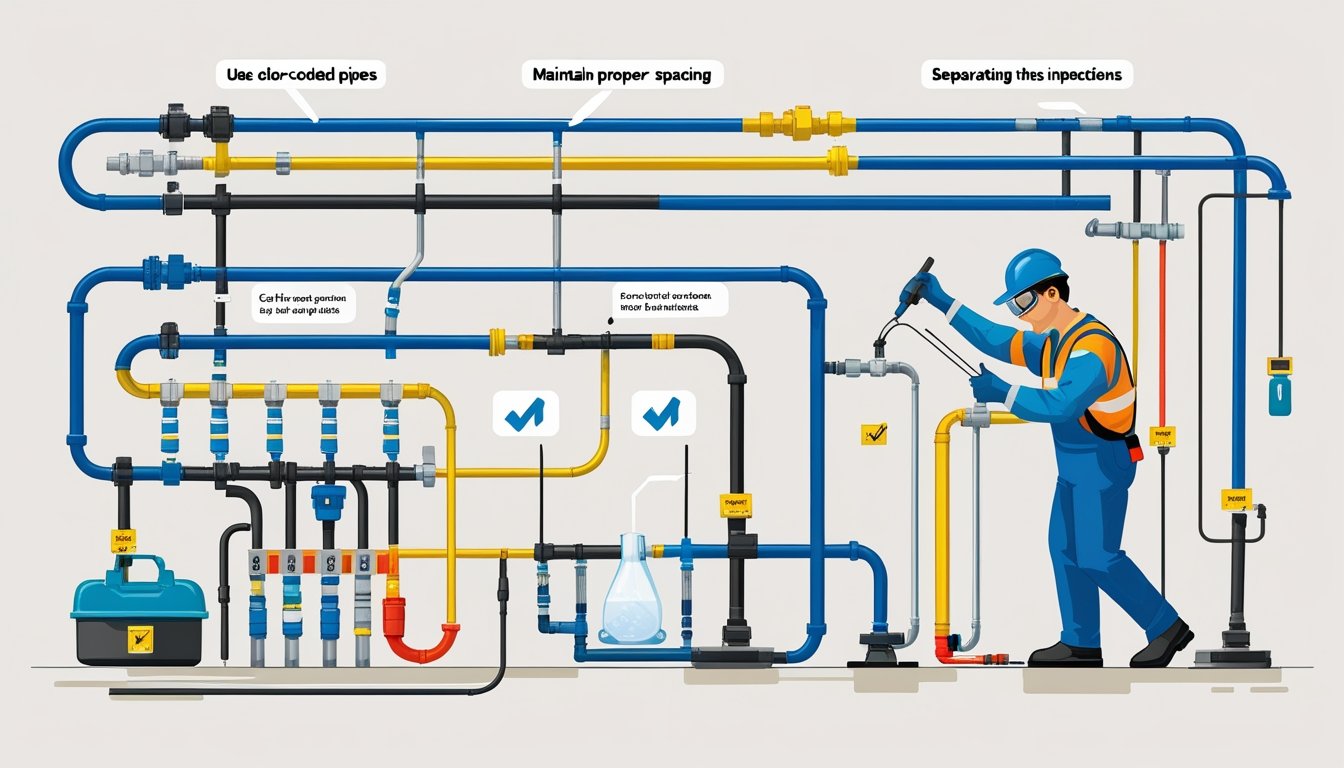
Some design basics:
- Separate water lines from waste or chemical pipes.
- Use air gaps at tanks or faucets—these spaces stop backflow.
- Don’t create pipe loops or low spots where water can collect and reverse.
- Make sure hoses and outdoor connections have the right backflow devices or air gaps.
Smart plumbing design heads off most cross connection headaches. It also makes fixing things easier and helps you pass inspections. If you’re not sure, ask a pro to help set up your system right.
Routine Maintenance and Monitoring
If you want to keep your plumbing safe, you’ve got to check your backflow devices and stick to a maintenance plan. Testing and regular checks will catch problems early and keep your water clean.
Creating a Maintenance Schedule
A routine maintenance schedule is your best friend here. Plan to inspect your backflow preventers at least once a year. If your devices are older or get a lot of use, check them more often.
Write down inspection dates and what you did each time. Reminders or alerts help you stay on track. A good schedule means cleaning, checking valves for wear, and watching for cracks or leaks.
This approach saves you money in the long run and keeps everything working. If managing all this sounds overwhelming, Pacific Backflow can help folks in San Diego County stay organized.
Testing and Certifying Prevention Devices
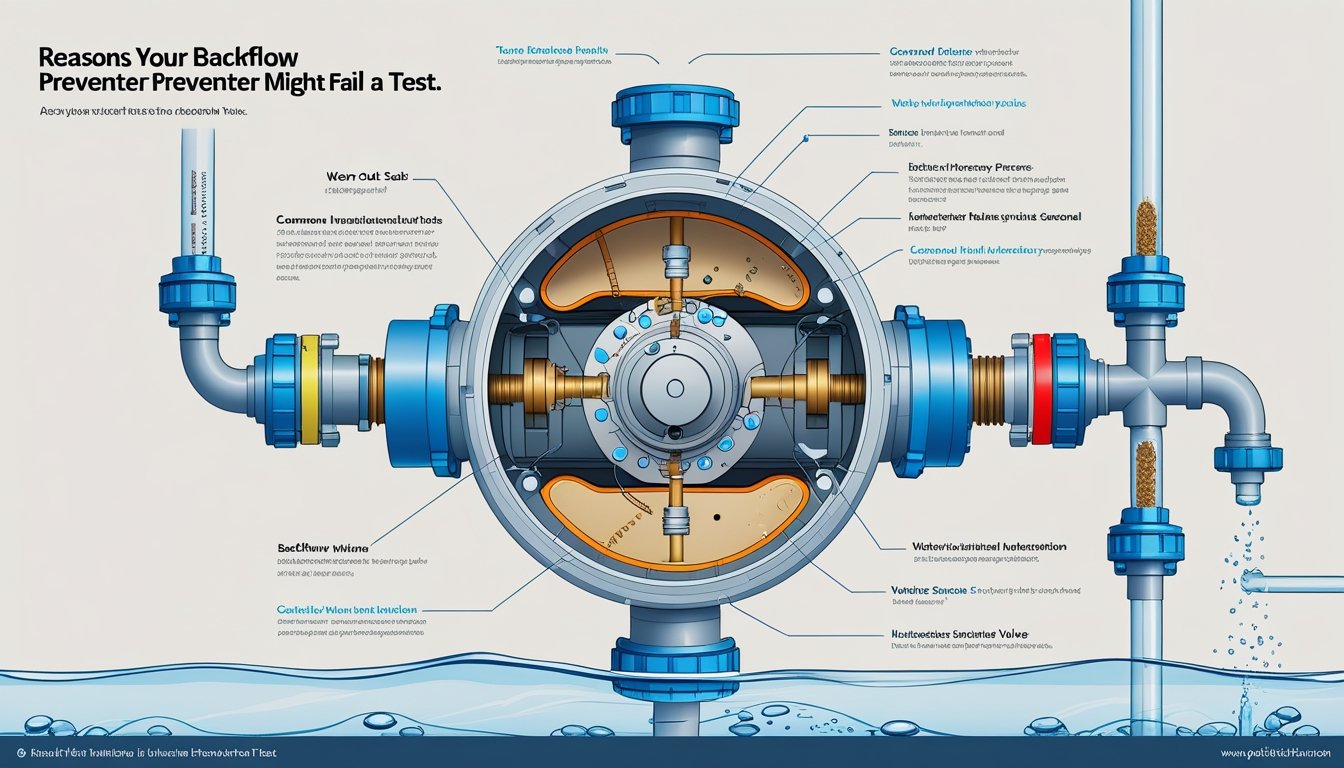
Testing your backflow preventer each year isn’t just smart—it’s usually required. Certified testers check if your device actually stops water from flowing backward.
If your device fails, fix or replace it right away. Keep official reports to show you’re following the rules. Pacific Backflow handles testing and paperwork, so you don’t have to stress.
Regular testing spots issues before they turn into disasters. It also helps you catch worn-out parts before they fail. That’s peace of mind for you and everyone who uses your water.
Training and Public Awareness
Knowing how to spot and prevent cross connections is huge for water safety. Spreading the word with training and community outreach means more people know what to watch out for and what to do.
Educating Homeowners and Staff
You need clear info about cross connections to keep your water safe. Learning how backflow happens and how to stop it is important for homeowners and anyone who touches the plumbing.
Training should cover:
- The risks of cross connections
- How to check for risks, like bad hose connections
- Why backflow preventers matter
- How to get ready for annual backflow testing
If you manage a workplace, make sure staff get the basics too. Refresher courses or workshops help keep everyone sharp. Pacific Backflow has resources to make all this easier, saving you time and hassle.
Promoting Community Involvement
Your whole neighborhood has a part to play in keeping water safe. Community events, newsletters, or workshops help spread the word.
Encourage neighbors to:
- Inspect their plumbing
- Use backflow devices
- Report weird water issues fast
These small steps reduce the risk of contamination. Public awareness campaigns often share easy tips, like using hose bib vacuum breakers or not doing sketchy plumbing mods.
When everyone pitches in, your community keeps its water clean and avoids big problems. Local water departments often team up with companies like Pacific Backflow for testing and education, making it easier for everyone to stay protected.
Frequently Asked Questions
Preventing cross connections means taking clear steps—installing the right devices, checking your system, and not making classic plumbing mistakes. Keeping everything in shape helps keep your water clean.
What steps can I take to avoid unintended cross connections in plumbing?
Install backflow prevention devices on your water lines. Make sure your plumbing follows local codes. Don’t link clean water pipes with possible sources of contamination, like irrigation or drainage hoses.
How can I ensure my backflow prevention device is installed correctly?
Have a certified pro handle the installation. Usually, the right spot is near where the water supply enters your property. Good installation means everything’s secure and leak-free.
What are some common mistakes to watch out for when preventing cross connections?
Don’t mix potable and non-potable water lines unless they’re properly separated. Never attach hoses directly to chemical or waste sources. And don’t skip regular checks or ignore warning signs of leaks.
How often should backflow preventers be tested to ensure they're working properly?
Test your backflow preventer at least once a year. This keeps it working and helps you meet local rules. Catching problems early stops contamination before it starts.
Can you suggest some best practices for maintaining a safe water supply system?
Check your plumbing for leaks or damage regularly. Keep your backflow preventer clean and in good shape. Use pros for testing and repairs so you stay safe and compliant.
What should I look for when choosing fixtures to reduce the risk of cross connections?
Stick with fixtures clearly marked for potable water use—don’t take chances on something unmarked or questionable. It’s smart to pick devices that have built-in backflow prevention; that way, you’re not relying on memory or luck. Steer clear of cheap or beat-up parts—they’re just not worth the headache when they give out under pressure or start leaking.
If you ever need help with testing or repairs, Pacific Backflow covers San Diego County with experienced professionals who really care about keeping your water safe.